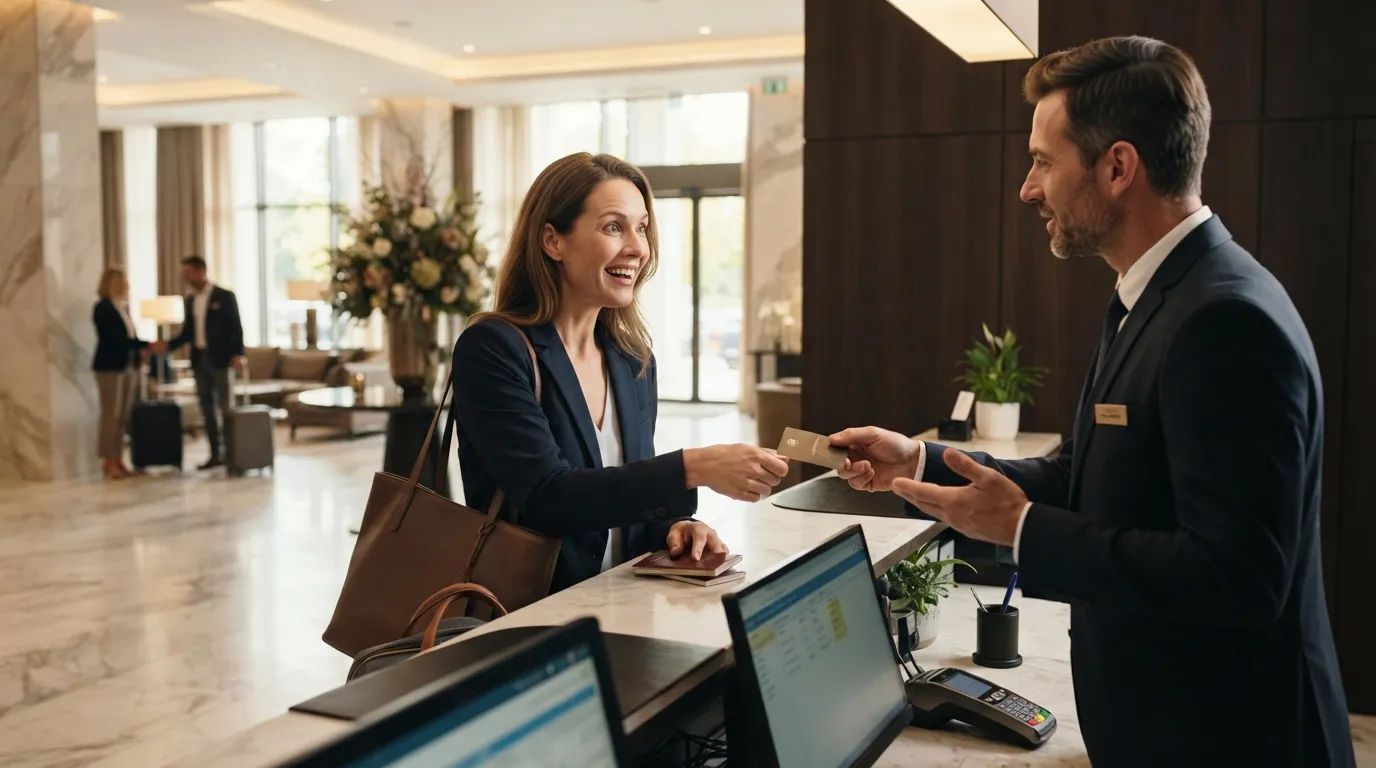
Most travelers assume a free room upgrade is pure luck – a happy accident, a cosmic reward for smiling at the right desk agent. Turns out, there’s almost nothing random about it.
Hotels run on revenue management systems, loyalty algorithms, and occupancy models that quietly calculate, every single day, exactly when it makes financial sense to move you into a better room. The upgrade you thought was a gift was, in most cases, a calculated business decision – and the reasons behind it only get stranger from here.
17. Your Room Category Got Quietly Oversold
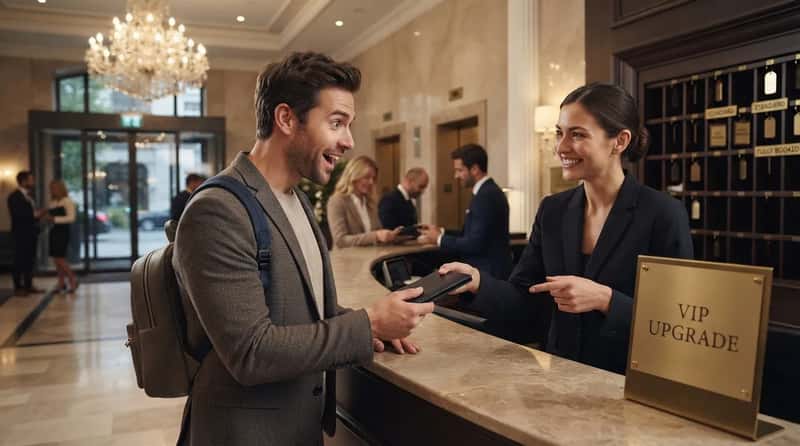
Hotels, like airlines, routinely sell more reservations than they have rooms to cover. When the expected cancellations don’t show up, someone has to move up the ladder.
It isn’t generosity – it’s math. A hotel would rather bump you into an unsold suite than admit they can’t honor your reservation.
Premium rooms that were sitting empty suddenly get filled with guests pulled from the overbooked standard-room waitlist. You feel like you won a small jackpot at check-in.
Standard rooms sell out the fastest simply because more travelers book them. When the overflow needs somewhere to go, upward is often the only option left.
In reality, the hotel just solved an inventory problem using you as the solution. It’s the simplest reason on this list – and it’s only the first layer.
Underneath the overbooking logic sits a much bigger financial calculation, one that runs even when every room is booked correctly.
16. An Empty Premium Room Earns the Hotel Nothing
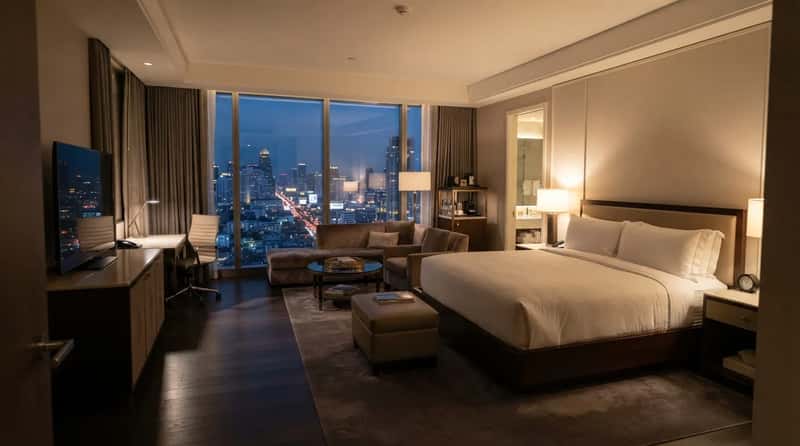
An unsold hotel room generates exactly zero revenue the moment the night passes. That blunt fact drives more surprise upgrades than almost anything else on this list.
If a higher-category room is going to sit empty anyway, upgrading you costs the hotel nothing. Meanwhile, they gain a delighted guest who now feels special.
Hotel accountants look at a vacant suite the same way an airline looks at an empty seat leaving the gate. It’s revenue that can never be recovered once the night is over.
Instead of letting a pricier suite go dark for the night, hotels release it as a “free” upgrade to a guest already in the building. It costs them nothing and buys enormous goodwill.
Fast Facts
- Hotel rooms are considered “perishable inventory” – unlike a product on a shelf, an empty room can never be resold once the night passes.
- Revenue managers typically review unsold premium inventory during the day, deciding well before check-in whether an upgrade makes financial sense.
- A guest upgraded for free almost always represents pure upside for the property, since the room would have earned nothing sitting empty.
- The goodwill from one complimentary upgrade can outweigh the value of the room-rate difference many times over.
A filled suite at zero extra cost beats an empty one every single time. And that goodwill payoff quietly feeds into an even bigger long-term strategy.
15. They’re Quietly Investing in Your Next Visit
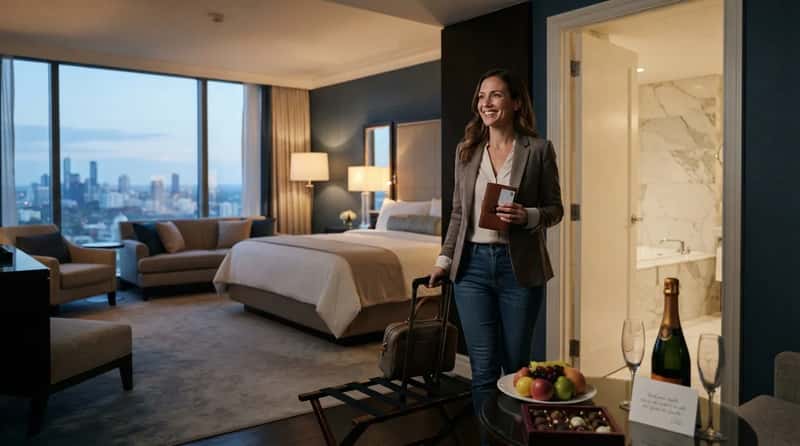
That complimentary upgrade isn’t charity – it’s a long-term financial bet. Hotels know a guest who feels genuinely valued is dramatically more likely to return.
Repeat guests are also far cheaper to keep than new guests are to find. Marketing to a stranger costs real money; delighting someone already in the building costs almost nothing.
By showing they understand what a guest actually wants, hotels build a sense of loyalty that turns into repeat bookings. That loyalty also tends to show up publicly, in glowing reviews and word-of-mouth referrals.
One spontaneous upgrade can be worth hundreds of dollars in future bookings alone. It’s a small gesture with a long financial tail.
Loyalty isn’t only about winning back future strangers, though. Sometimes it’s about rewarding a relationship that already exists on paper.
14. You’re a Loyalty Program Member With Real Status
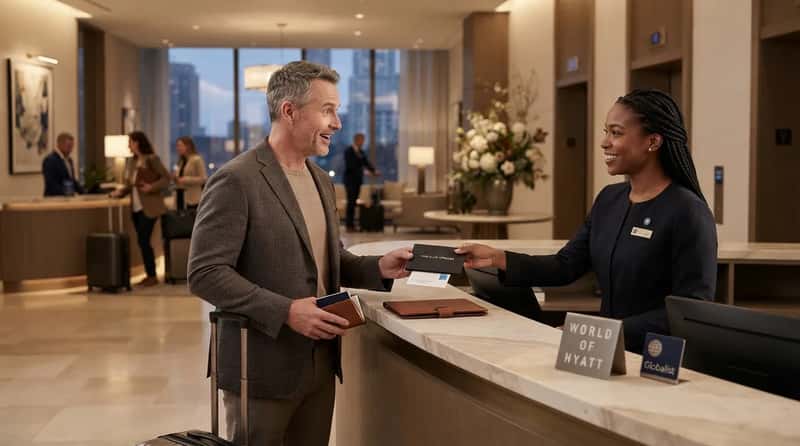
If you’re enrolled in a hotel’s rewards program, a system is running quietly in the background the moment you’re booked. It can flag your arrival and trigger an automatic upgrade before you ever ask.
Frequent guests who join one or more loyalty programs often unlock this benefit outright. World of Hyatt’s top-tier Globalist members, for example, receive complimentary suite upgrades as a standard part of their status.
At a Glance
- World of Hyatt Globalist members receive unlimited space-available upgrades to the “best available room” at check-in.
- Top-tier members can also earn confirmed Suite Upgrade Awards, letting them lock in a suite before they even arrive.
- Mid-tier status holders are typically guaranteed a better standard room but not a suite.
- Similar tiered upgrade systems exist across most major hotel loyalty programs, though the exact rules vary by brand.
Loyalty programs sit at the center of hotel customer relationship strategy. Room upgrades, complimentary services, and personalized recognition are the currency hotels use to keep guests booking direct instead of drifting to other brands.
The higher your tier, the more automatic the upgrade becomes – sometimes it’s practically guaranteed. But here’s the surprising part: you don’t always need elite status to get the same treatment.
13. You Booked Directly With the Hotel, Not a Third Party
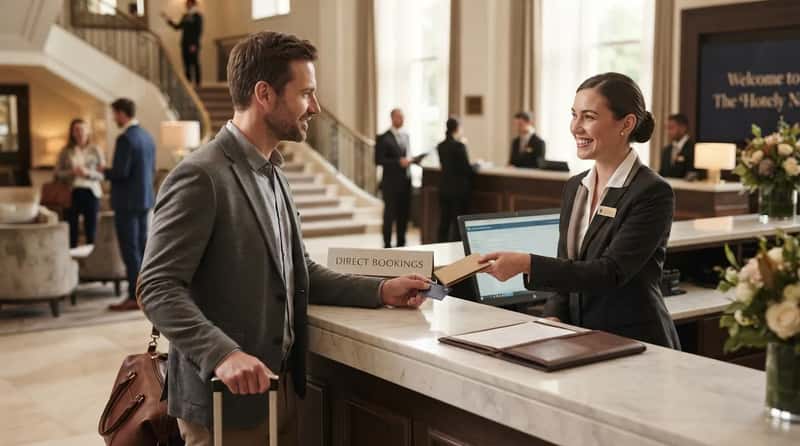
Booking through Expedia or Booking.com feels efficient, but it quietly puts you at the back of the upgrade line. Hotels know exactly how you booked, and it shapes how they treat you at check-in.
Third-party bookings often mean you’re locked out of loyalty perks entirely, since some benefits only apply to reservations made directly with the property. The hotel also has less of a direct relationship with you before you arrive.
Some properties even track which channel a guest used to book, right down to the referral source. That data quietly shapes who gets flagged for special treatment at check-in.
Booking directly instead gives the hotel a chance to review your history and decide you’re worth the upgrade before you show up. It also means the hotel keeps its full profit margin, since no commission goes to an outside platform.
Rewarding direct bookers with upgrades is a deliberate strategy to pull guests away from OTAs entirely. Some guests get flagged for an upgrade before they ever reach the front desk.
12. An Algorithm Already Predicted You’d Want a Better Room

Modern hotels aren’t relying on a kind front-desk agent’s gut instinct anymore. Revenue management software now profiles guests automatically and matches upgrade offers to individual booking behavior.
These systems increasingly use artificial intelligence to predict demand with far more precision than old-fashioned spreadsheets ever could. They learn from live booking patterns, competitor pricing shifts, and market conditions, then adjust in real time.
If you’ve consistently booked upgraded rooms on past stays, the system remembers. It can trigger a tailored upgrade offer automatically, without a single human even reviewing your file.
The upgrade feels personal because, increasingly, it is – built from data collected across every stay you’ve ever taken. But the pre-arrival window is also being used for a very different kind of calculation.
11. You Traveled During a Slow Season
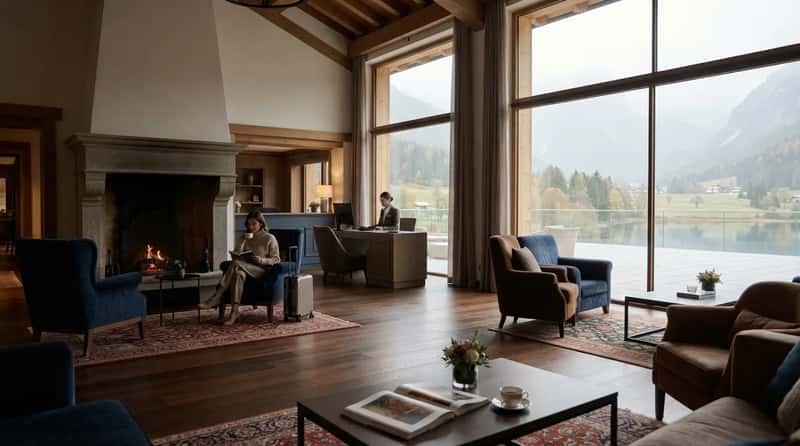
Traveling off-season doesn’t just mean cheaper nightly rates. It quietly raises your odds of a better room, because the hotel has almost nothing to lose by moving you up.
As demand drops after peak season, hotels become far more generous with upgrades, even at high-end resorts. Low-occupancy periods make bumping you up essentially free for them.
The cost of the upgrade is minimal, but the boost to your satisfaction – and your likelihood of leaving a glowing review – is significant. Midweek stays in a city that fills up on weekends put you in an even stronger position.
The math simply works in your favor when the building is half-empty. But timing isn’t always about the calendar – sometimes it’s about what went wrong with your original room.
10. Your Original Room Had a Maintenance Problem
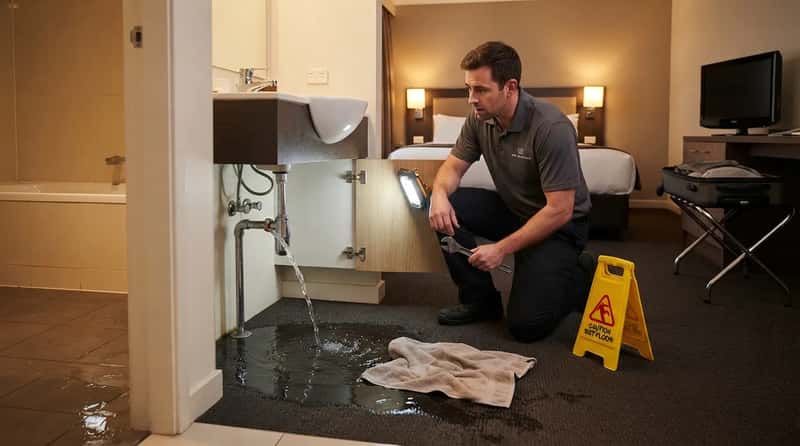
Sometimes the upgrade has nothing to do with you at all. It has everything to do with a broken air conditioner, a plumbing fault, or a dead TV that housekeeping caught before you arrived.
When something goes wrong with a room assignment, a complimentary upgrade is usually the fastest way to head off a bad review. The cost of moving you to a nicer room is almost always cheaper than the lost revenue from an angry guest and a public complaint.
Hotels would rather hand you a nicer room with a smile than a broken one with an apology. If your hot water isn’t working, say something at the front desk instead of suffering quietly.
There’s a decent chance you’ll be walked to another, better room within minutes. Maintenance-driven upgrades are more common than most guests ever realize.
But there’s another invisible trigger hotel systems track just as closely, and it has nothing to do with broken equipment.
9. You’re Traveling on a Corporate Account
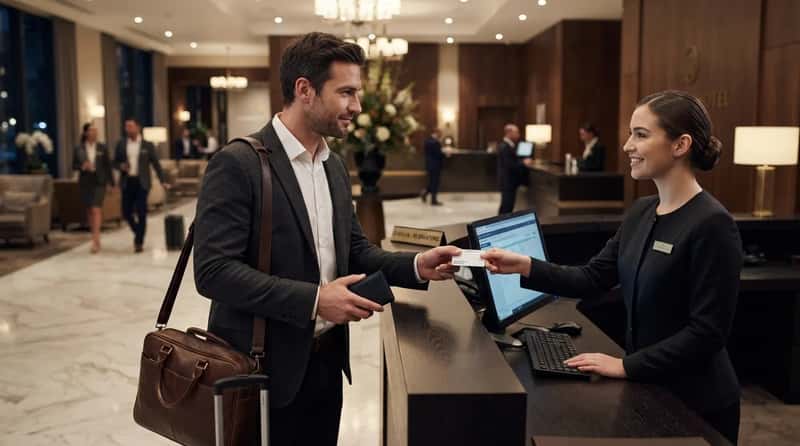
Business travelers aren’t just frequent guests – they’re contractually valuable ones. Hotels that manage corporate accounts know one upgraded employee can shape how an entire company books its travel.
Corporate clients get special attention because of how often they return and how much influence they carry over future group bookings. A single well-timed upgrade can sway a company’s travel policy for years.
Why It Stands Out
- Corporate accounts are often tracked separately from leisure bookings, sometimes with a dedicated account manager attached.
- One upgraded stay can quietly influence where an entire company books its future travel.
- Hotels view corporate travelers as a renewable revenue stream, not a single transaction.
- Impressing a business traveler is frequently cheaper than winning a brand-new corporate contract from scratch.
Hotels often assign dedicated account managers to major corporate clients specifically to handle these relationships. An upgrade request from that manager rarely gets questioned.
Companies notice when a hotel goes out of its way for their employees. That kind of goodwill often turns into more group bookings and longer-term partnerships between the business and the property.
A complimentary suite during one business trip can be worth tens of thousands of dollars in future contracted room-nights. That’s not hospitality – that’s sales strategy wearing a friendly face.
8. You’re the One Planning the Group Block
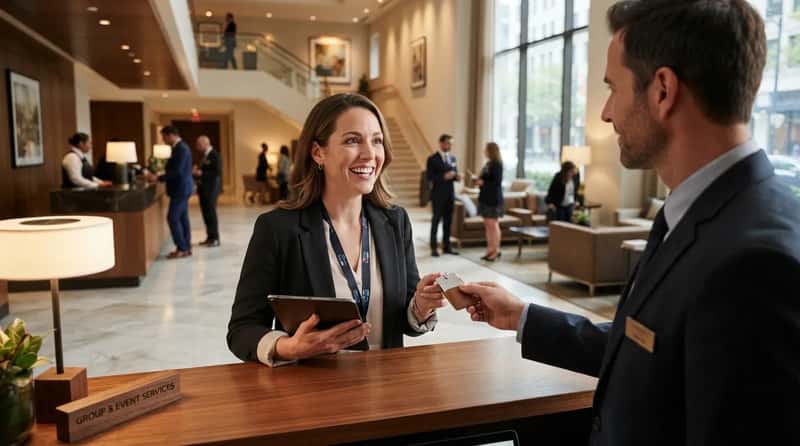
If you’re organizing a conference, a corporate retreat, or a wedding room block, the hotel already knows exactly who you are. Keeping you happy is worth far more to them than the price difference of one room category.
Group leaders and meeting planners directly control booking volume. Upgrading them is a cheap way to help secure future group business and contract renewals down the road.
Hotels often run on thin margins in individual room sales, but group business is high-volume and predictable. A planner who feels genuinely valued at check-in is far more likely to bring their next event back to the same property.
In this case, the upgrade is essentially a relationship-management tool disguised as a nice gesture. It costs the hotel almost nothing to deploy, and the return can be enormous.
7. You’re Celebrating Something and the Hotel Knows It

Hotels that learn you’re on your honeymoon, marking an anniversary, or celebrating a milestone birthday treat that detail as an upgrade trigger. You don’t have to ask for a thing.
Honeymooners and anniversary couples tend to share their experience widely online, which quietly boosts a hotel’s visibility to future guests. Milestone celebrations are often rewarded with a nicer room, a bottle of champagne, or both.
It genuinely matters to a hotel that you chose them for something this important. Making sure they show up well in your photos from that day is smart business, not just kindness.
User-generated content from a honeymoon suite functions as free marketing that money can’t easily buy. The hotel knows exactly what that content is worth.
But free marketing also flows from a very different kind of guest entirely – one whose influence has nothing to do with a wedding ring.
6. You’re an Influencer, Journalist, or Recognizable Name
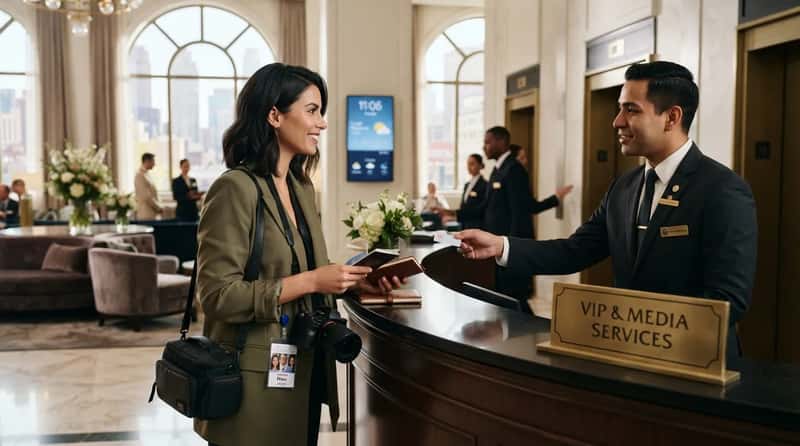
Hotels pay close attention to who’s walking through their doors. A guest with a large social following, a press credential, or a public profile often gets flagged in the system before they even arrive.
VIPs and influencers carry real marketing value through their networks. Staff keeping updated notes on these guests can deliver upgrades and personalized touches that feel effortless.
A single Instagram post from a corner suite can reach more people than a paid ad campaign the hotel would otherwise have to buy. For the property, the cost of the room category difference is basically cheap marketing.
Some hotels even keep a private list of local media contacts and regional influencers who deserve extra attention on arrival. It’s quiet, unofficial, and remarkably effective.
This calculus isn’t limited to celebrities, either. A well-connected local business figure with strong word-of-mouth influence can quietly trigger the same decision behind the scenes.
5. Your Travel Agent Has a Preferred-Partner Deal
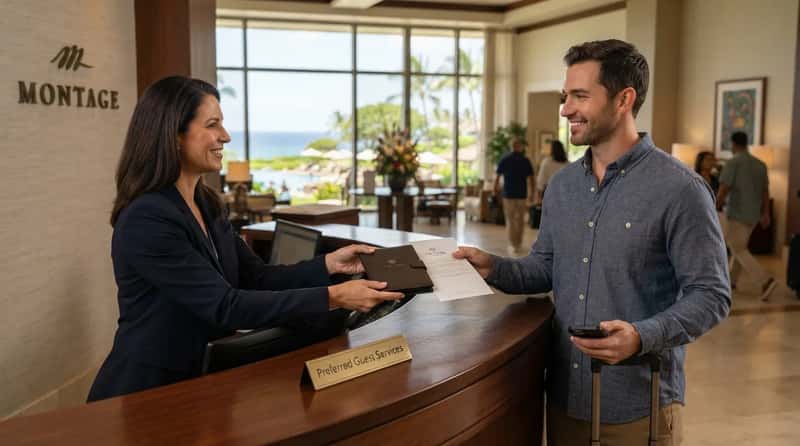
Most guests don’t realize the booking channel matters just as much as loyalty status. Travel agents with the right affiliations unlock upgrade pipelines that don’t exist on any public website.
Agents belonging to programs like Virtuoso can secure clients free upgrades, breakfast, and resort credit as a standard part of the booking. It has nothing to do with how many times that guest has stayed before.
Quick Compare
- Standard booking: Upgrade only if inventory allows and staff decide it’s worthwhile.
- Loyalty elite status: Upgrade tied to a tier earned through past stays with that specific brand.
- Preferred-partner booking: Priority upgrade, daily breakfast, and a property credit often confirmed as standard perks, regardless of stay history.
Loyalty tiers reward repeat stays built up over years. Preferred-partner programs reward the booking channel itself, which means a first-time guest can get the same VIP treatment as a platinum-tier member simply by booking through the right advisor.
Hotels honor these upgrades because preferred-partner bookings bring guaranteed volume and less dependence on high-commission booking sites. The guest wins – but the hotel’s commercial logic is firmly in the driver’s seat.
4. Pre-Arrival Software Is Already Reshuffling Room Assignments

Hotels don’t wait until check-in to decide who gets what room. Inventory optimization runs continuously in the days, sometimes weeks, before you ever arrive.
Some properties pre-assign upgraded room categories a day or two before arrival, quietly, without any announcement. It’s worth double-checking with the front desk when you check in, just in case.
The window between booking and arrival is one of the most commercially underused stretches in hospitality. Guests are already committed, already thinking about the trip, and already in a receptive planning mindset.
Hotels use that window to email early check-in offers, late checkout, upgrade packages, and add-ons through the app. By the time you reach the front desk, your room may have already been quietly upgraded hours earlier.
But one more invisible mechanism is almost always running underneath all of this, tied directly to the hotel’s bottom line.
3. The Hotel Is Betting You’ll Spend More Once You’re Upgraded
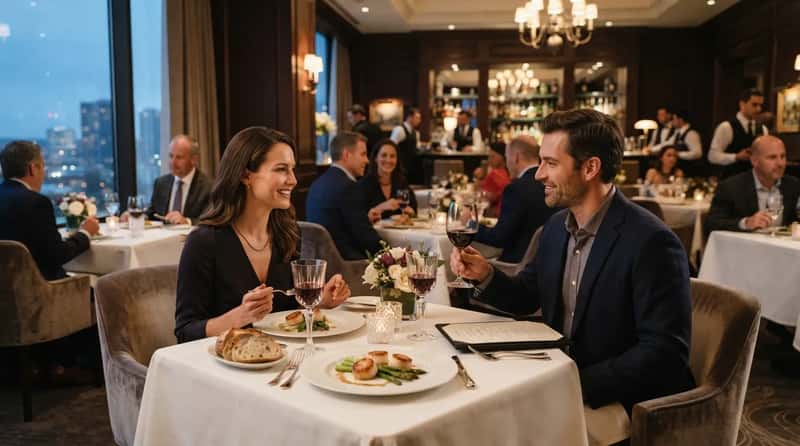
Here’s the part most guests never think about: hotels don’t just want you in a nicer room. They want you spending money at the restaurant, the spa, and the bar – and guests in premium rooms consistently do.
A guest paying a lower nightly rate who spends heavily on dining and spa treatments can generate more total revenue than a full-rate guest who leaves the property for every meal. Hotels track this pattern closely.
Analysts sometimes call this “total revenue per available room” rather than just room rate, and it’s becoming the real metric hotels chase. A cheaper room that spends big can outperform a pricier one that never leaves the door.
Training front-desk and sales staff to offer upgrades alongside bundled dining or spa packages is standard revenue strategy now. It raises average revenue per guest without raising the advertised room rate.
A guest in a suite is simply more likely to order room service, book a massage, and linger at the bar. Moving you up a category can quietly raise your total spend – making that “free” upgrade anything but free for your wallet, even if it costs the hotel nothing.
2. The Hotel Is New and Desperately Chasing Reviews
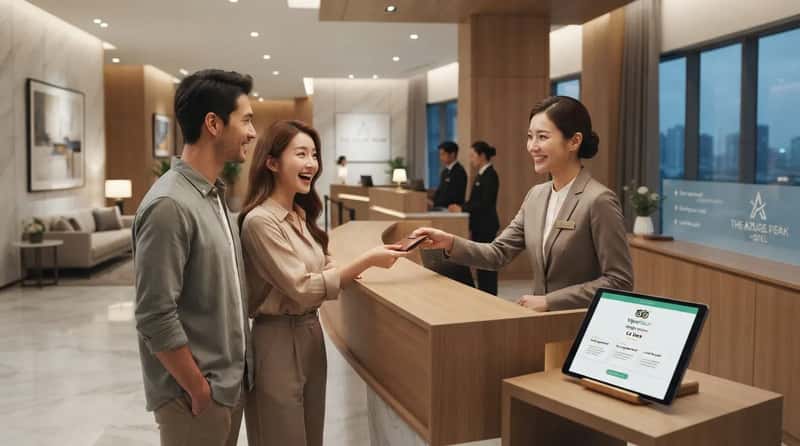
A newly opened hotel faces one brutal reality: it has zero reputation. In a booking world run by star ratings, a flood of early five-star stays is worth more than almost any ad campaign.
Newer properties are often far more generous with upgrades than established ones, simply because they’re still building a customer base. Impressing first-time guests with a nicer room is a cheap way to earn goodwill fast.
A hotel that just opened wants its Tripadvisor and Google reviews stacking up as quickly as possible. That urgency can work directly in your favor at check-in.
Some new properties even track review velocity daily during their first few months open. A dip in five-star ratings can trigger extra generosity almost overnight.
Early guests at a new property are essentially unpaid brand ambassadors. An upgrade is often the fastest way to turn a first-time visitor into a glowing five-star review.
But the single most powerful reason hotels hand out unsolicited upgrades runs deeper than any of this – and it’s the one strategy that locks in loyalty for years.
1. It’s a Calculated Bet on Years of Future Loyalty
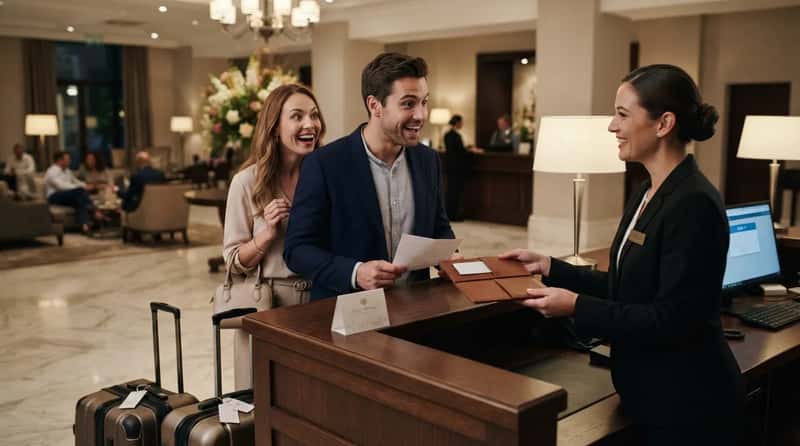
Every other reason on this list quietly feeds into this one. An unsolicited upgrade isn’t really an act of kindness – it’s one of the cheapest tools a hotel has for turning a casual visitor into a lifelong loyalist.
Hotels use upgrades to build loyalty, fill unsold premium inventory, and reward guests they already have a good rapport with. Special occasions make the gesture land even harder.
Upselling isn’t only about squeezing out more revenue. When it’s done well, it genuinely improves the guest’s experience by matching a room to what that person actually values.
Hotel loyalty programs trace back to the 1980s, when properties first began standardizing perks like room upgrades and complimentary nights. That model has only expanded since, and today upgrades are available to far more guests than the loyalty elite alone.
A guest who remembers being surprised with a suite on their anniversary doesn’t just come back – they bring their family, recommend the property to friends, and stop shopping around on price. One upgrade, delivered at exactly the right moment, can be worth thousands of dollars in lifetime guest value.
The Bottom Line
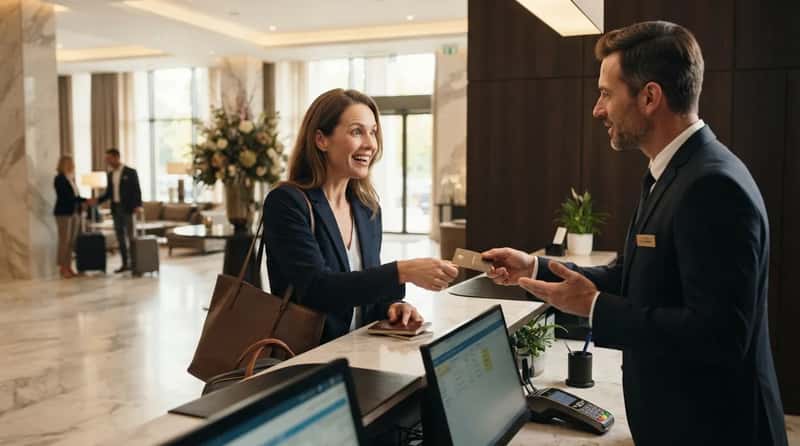
Hotels are not in the business of random generosity. Every unsolicited upgrade – whether triggered by an empty premium room, an overbooked category, a loyalty flag, or a maintenance fault down the hall – is a deliberate decision with real financial logic behind it.
The most powerful driver of all is long-term loyalty. A single surprise upgrade, delivered at the right moment, can lock in a returning guest for years.
Revenue management software, preferred-partner programs, AI-driven inventory tools, and well-trained front-desk staff all work together to make these moments feel spontaneous when they’re anything but.
Now you know the machinery quietly running behind that “lucky” check-in moment. If you’ve ever been upgraded for a reason not on this list, it’s worth remembering – it almost certainly wasn’t luck.