Some places become famous so quickly that the people who live there never get a say. A film, a viral photo or a cruise itinerary is enough to turn a quiet harbor or alpine lane into a daily queue. By 2026, the pushback is no longer a fringe complaint. Visitor caps, booking systems and cruise limits have become ordinary tools for local governments.
Below are five towns where residents and officials have been open about the strain, each paired with a calmer place nearby. The alternatives aren’t secrets in the strict sense. They simply carry far less of the spotlight, and that can change the way a trip feels.
Hallstatt, Austria, and the Lakes of Ebensee
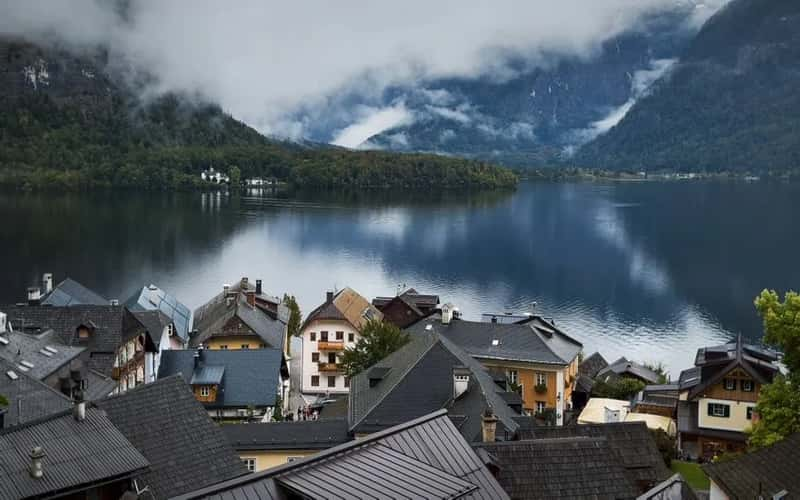
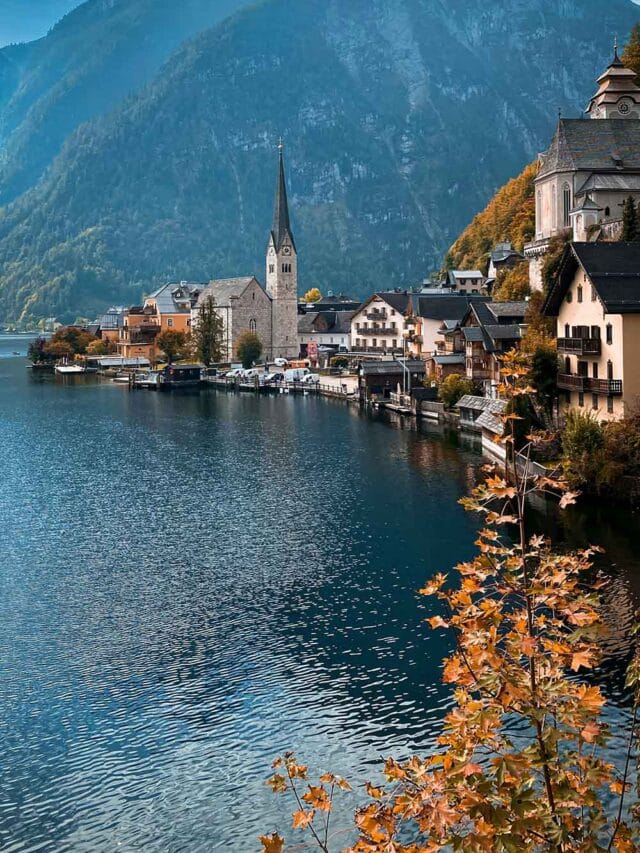
Hallstatt is a lakeside village with a World Heritage listing and roughly 750 residents. On peak days it sees up to 10,000 tourists passing through its streets, according to its deputy mayor.[1] The village has tried to push back: the local administration limits incoming tourist buses to 54 a day, with priority for organised groups staying overnight.[2] Local leaders have also pressed for a daily cap of around 5,000 to 5,500 visitors[1], which would still be a lot for a place this small.
For a quieter version of the same Salzkammergut scenery, look at Ebensee at the northern end of the Traunsee. Its lakes, Langbathsee and Offensee, now use a parking payment system with cameras that register licence plates on arrival.[1] The municipality’s manager of the scheme says it has led to fewer crowds, less litter, and an end to wild camping.[1] That makes it a useful example of crowd control that doesn’t depend on turning people away.
Cinque Terre, Italy, and the Wider Ligurian Coast
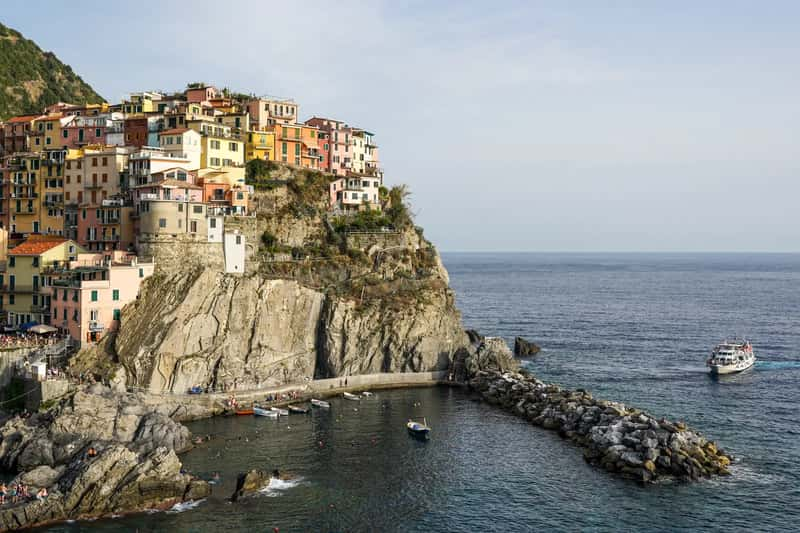
Please do not upload an edited image here without consulting me. I would like to make corrections only at my own source to ensure that the changes improve the image and are preserved.Otherwise you may upload an edited image with a new name. Please use one of the templates derivative or extract., CC BY-SA 4.0)
Cinque Terre’s five villages hold about 4,000 residents between them, yet more than 2.4 million people visit the area each year.[3] The famous Via dell’Amore path between Riomaggiore and Manarola reopened in 2024 after a long closure, this time with rules. In high season it runs in one direction, with a 30 minute limit and a cap of 400 people per hour.[4]
The villages have also leaned on penalties, and fines of up to €275 apply to visitors who block traffic or pedestrians by lingering for selfies.[5] Park officials are encouraging tourists to explore the area’s lesser known trails.[6] A sensible alternative is to stay along the nearby Ligurian coast, in towns such as Levanto or Camogli, which sit outside the national park’s most photographed stretch. Both are reachable by regional train, so you can still visit the five villages on a quiet weekday if you want to.
Dubrovnik, Croatia, and Zadar
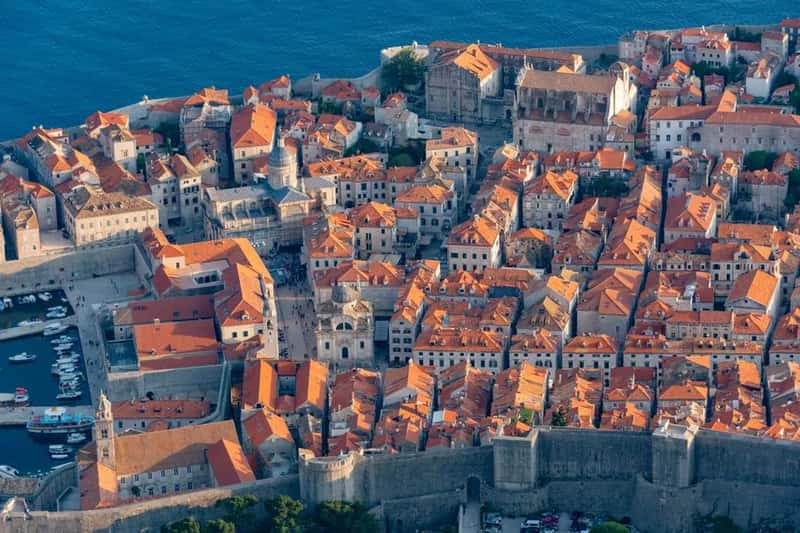
Dubrovnik’s Old Town has been described as the most overcrowded in Europe, with as many as 27 visitors per inhabitant at peak times.[7] The number of people actually living inside the walls has fallen sharply, from 5,000 in 1991 to about 1,500 in recent reporting.[8] The city’s response has been structured. Under its Respect the City program, no more than two cruise ships can dock at once, with a maximum of 4,000 passengers and a minimum stay of eight hours.[9]
Santorini, Greece, and Naxos
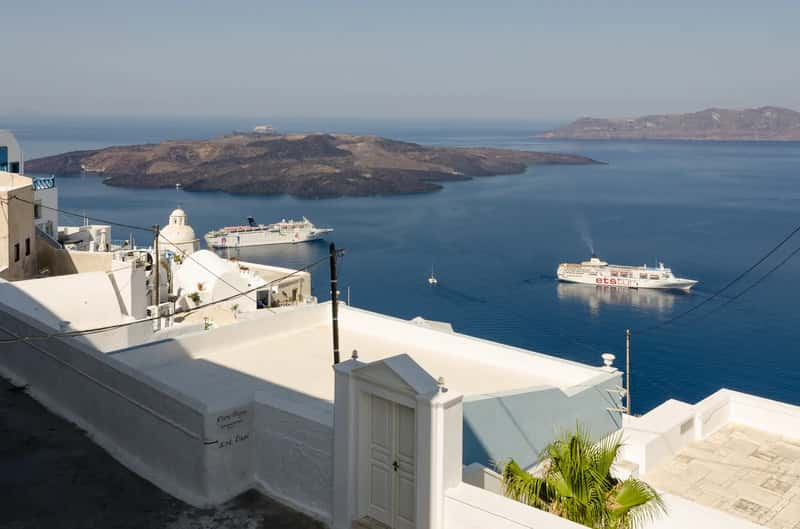
Santorini’s caldera views have made it one of the most photographed islands in the world, and its harbor shows the pressure. In a record summer in 2024, the Cyclades were overwhelmed with up to 20,000 cruise passengers a day, far exceeding the native population.[11] Greece responded with a levy, and for Santorini it is €20 in the high season from June to September, €12 in October, and €4 from November to March.[12] It took effect on July 1, 2025.
The crowding appears to be backfiring on the island’s reputation. One trade report said Santorini’s accommodation and dining sectors reported more than a 20% decrease in revenue in 2025[12], which it linked to earthquake fears and the overtourism image. The same report notes that Paros, once a tranquil alternative, has seen a rise in visitor numbers, crowded beaches and increased prices.[12] Naxos is worth a look instead. It’s the largest island in the Cyclades, which gives it more room to absorb visitors, along with long beaches, mountain villages and a lived in main town.
Binibeca Vell, Menorca, and Ciutadella
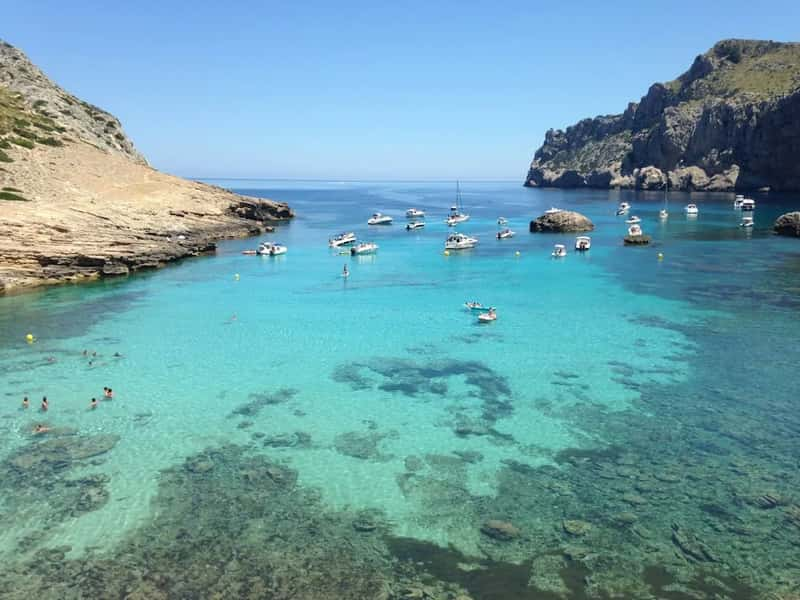
Binibeca Vell is a small whitewashed cluster on Menorca’s south coast, and its story is partly about social media. It was built in 1964 to resemble a traditional village, and images of it went viral on Instagram and TikTok in the 2020s, bringing an influx of tour buses.[13] It’s a private residential development, so the arrival of photo seekers lands directly on people’s front doors. That helps explain why Spanish locals’ frustration about tourism has reached a new level since 2024[14], as the BBC put it.
If you want Menorca’s character without the viral crowds, consider Ciutadella, the island’s historic western town. It has a working harbor, narrow lanes and old palaces, and it feels like a real place rather than a backdrop. The island as a whole is a recognised biosphere reserve, which suits slower travel. Visiting in the shoulder months, with a rented car to reach the quieter coves, is the easiest way to see it at its best.