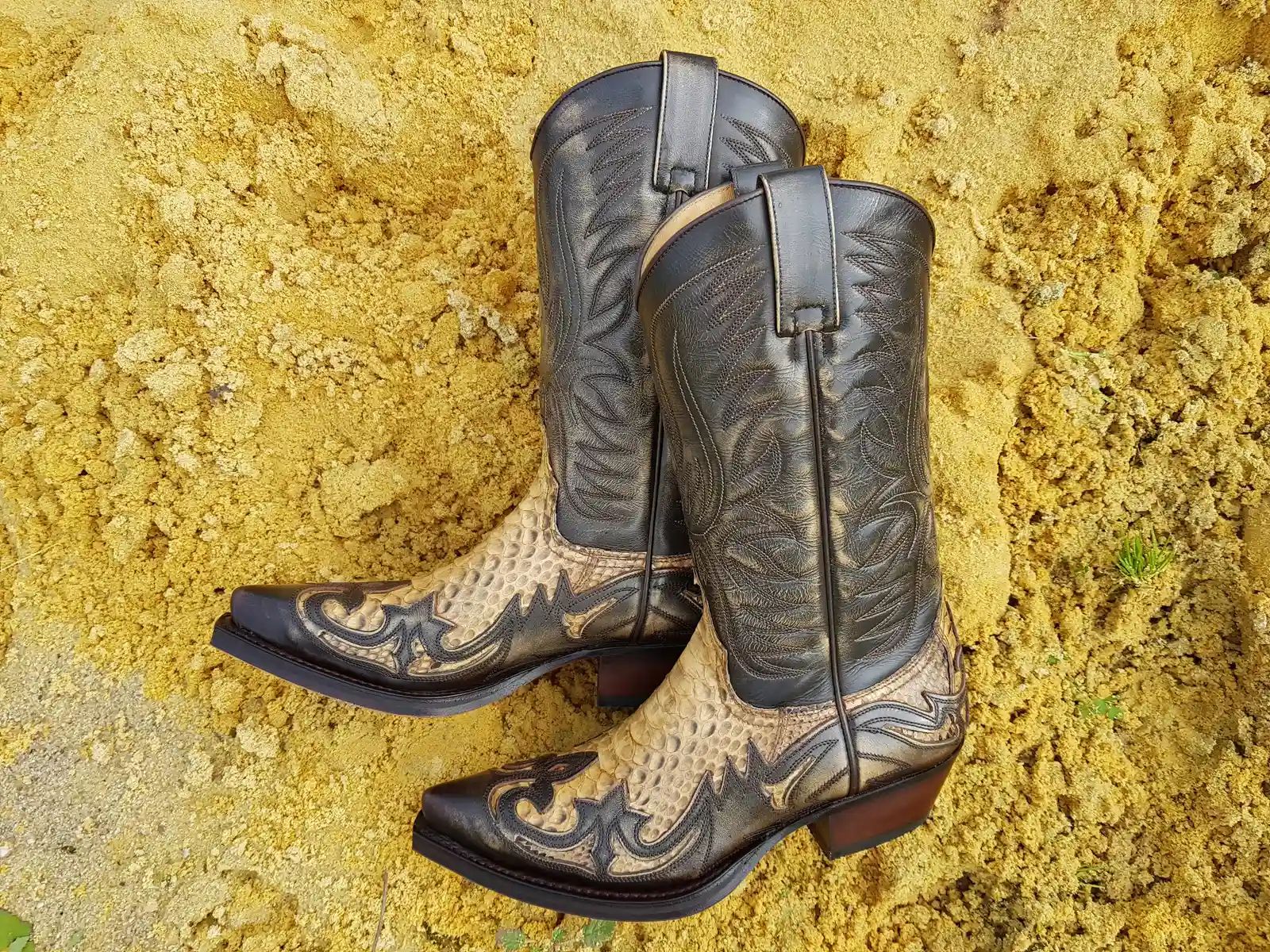
An air cargo shipment from Australia arrived at Hong Kong International Airport in late December 2025 labeled as snacks. Customs officers opened it and found live lizards concealed in sheepskin winter shoes. Customs authorities at Hong Kong International Airport intercepted a consignment from Australia and found 13 live lizards bound and stuffed inside sheepskin winter shoes, popularly known as ugg boots. ([1]) The case has since drawn attention to how Australian reptiles move through the city and why investigators see Hong Kong as a central point in that trade.
A shipment declared as snacks
Officers selected the consignment after a risk assessment. Customs officers on that day inspected an air consignment declared to contain snacks imported from Australia. The lizards were not in plain view. Upon inspection, the suspected scheduled endangered live lizards were found wrapped by socks or cloths inside three pairs of boots from the consignment. Authorities estimated the animals’ market value at about HK$92,000.
The species included the shingleback skink, a slow-moving native lizard that is widely recognized in Australia. Customs referred the case to the Agriculture, Fisheries and Conservation Department for follow-up. The lizards were treated as suspected endangered species, a classification that carries serious legal weight in Hong Kong.
A pattern beyond one airport seizure
The December case was not an isolated event. Between March 2025 and July 2026, customs announced at least three other seizures of live reptiles from Australian consignments. Across the four cases, officers confiscated 98 live animals, including 74 lizards and 24 snakes. Nearly all of the lizards are believed to be listed under the CITES appendices, the global framework that regulates international wildlife trade.
The broader data points in the same direction. Australian government records show that 99% of more than 270 seizures between 2018 and 2025 were Hong Kong-bound. The method is not limited to Hong Kong, either. In Hong Kong, officers also intercepted five live lizards of suspected scheduled endangered species concealed in high-heel boots on a lorry at Shenzhen Bay Control Point in February 2026, which suggests that footwear has become a recurring way to hide small reptiles.
Why Hong Kong sits at the center
Sam Inglis, wildlife program manager at ADM Capital Foundation, a Hong Kong-based environmental nonprofit that tracks wildlife crime, described the city’s position in direct terms. He said, “Hong Kong is a major trafficking hub or destination for Australian reptiles.” The statement reflects a combination of factors. Australia has banned commercial exports of live native species since 1982, yet the rarity and distinctive appearance of its reptiles keep them in demand in pet markets abroad. Hong Kong’s status as a major entrepôt in the Asia-Pacific region gives traffickers a busy transit point, which makes the city both a destination and a route.
Related Stories From Travelbinger


What matters now
- Most of the cases remain under investigation, one was dropped, and no arrests have been reported.
- Possessing or importing endangered species without authorization carries a maximum fine of HK$10 million and up to 10 years in prison, with specimens forfeited.
- Regulators and nonprofits continue to track shipments that move through Hong Kong, particularly those declared as food or household goods.
The cases show how a wildlife trade can hide inside ordinary commerce. Customs teams are relying on risk assessments and close inspection of declared cargo to find animals that would otherwise pass unnoticed. Whether the seizures reduce demand or simply push traffickers toward new routes will depend on how consistently enforcement is maintained across both Australia and Hong Kong. For now, a pair of boots has become an unlikely symbol of the problem, and a reminder that some of the most fragile wildlife moves in the most ordinary packaging.