Ask most people to picture a pretty Tennessee town and they’ll describe neon signs, pancake houses and a mountain coaster. Some of the most striking places in the state are nothing like that. One is a Victorian village built as a social experiment. One is a mineral-springs resort whose water looks like it’s boiling. One is a mountain pass that pulled a young nation westward.
Some of these towns have fewer than 500 residents. Some are famous for reasons you’d never guess from the postcard. And one is arguably the most overhyped stop on the list, so it starts the countdown. Keep scrolling, because the strangest and most beautiful stories are saved for the end.
#14 – Gatlinburg: The Famous Gateway Everyone Argues About
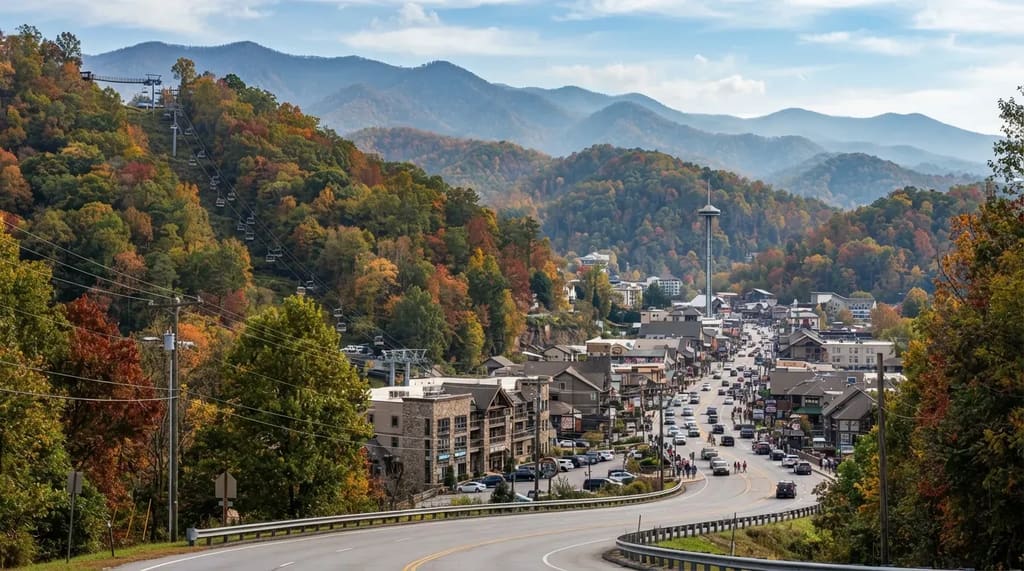
Gatlinburg is the best-known small town in Tennessee, and that’s exactly why people fight about it. Only about 3,500 people live here, yet WorldAtlas has named it the best small town in the Volunteer State. The reason is location. It sits just minutes from the entrance to Great Smoky Mountains National Park, which covers more than 500,000 acres of waterfalls, wildflowers and wildlife.1
Here’s the contrarian take. Plenty of travelers think the crowded downtown strip is the most overhyped stop in the state. The real payoff comes when you leave the sidewalk. The park behind the town is the most visited national park in the United States.1 That is a big reason the crowds keep coming.
But the next town has water that looks like it’s boiling, and it isn’t.
#13 – Red Boiling Springs: The Tiny Town Named for Water That Only Looks Like It’s Boiling
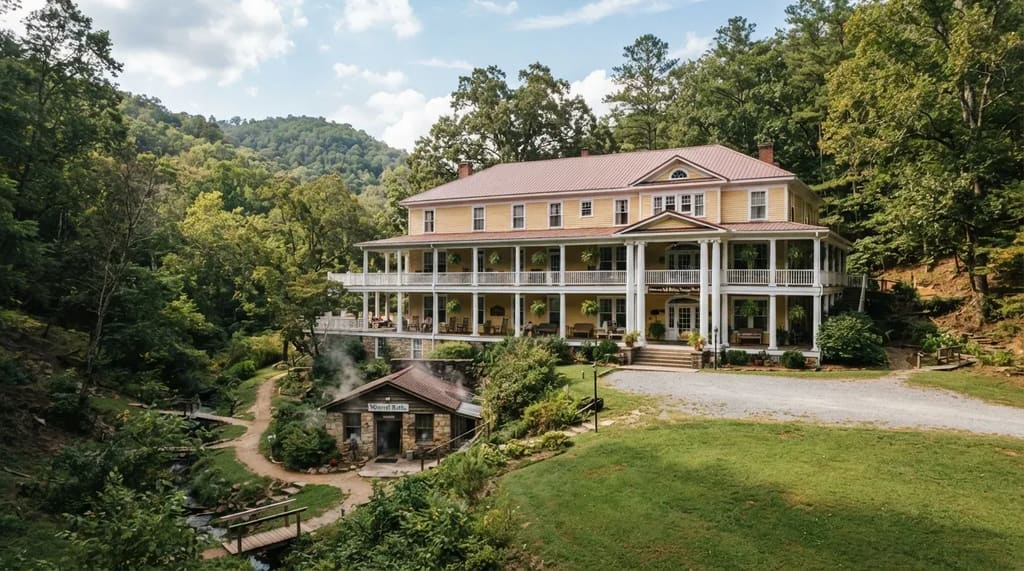
Red Boiling Springs got its name from a trick of the eye. Settlers noticed the water sometimes had a red tint and looked as if it were boiling, but the springs were never hot.2 The town was renamed in 1847, and visitors have been chasing the water’s reputation ever since. In its 1920s heyday, it had 11 hotels with bath houses, pools, bowling alleys and dance halls.
Most of that grandeur is gone, but not all of it. Armour’s Red Boiling Springs Hotel, built in 1924, has the only mineral bathhouse known to be operating in Tennessee.2 The town also has five different types of mineral water, and that combination is said to exist only here and in a small village in Germany.2 That claim is worth a road trip on its own.
Next, a town whose name is printed on bottles worldwide, though few visitors expect how small it is.
#12 – Lynchburg: The Postcard Town Behind a Famous Bottle
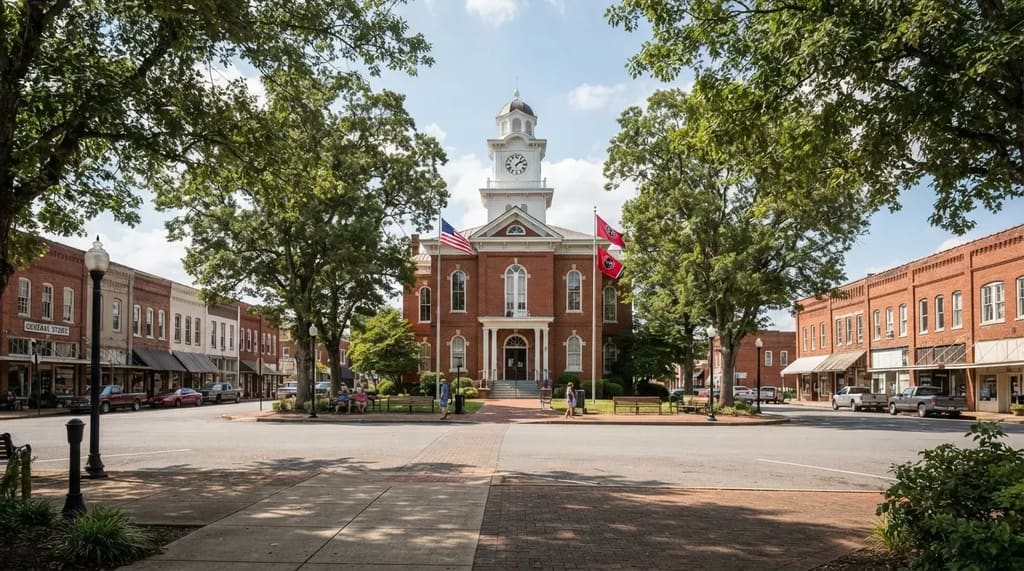
Lynchburg is small enough to cross in minutes, yet its name is known across the globe. The Jack Daniel’s Distillery is its most famous landmark, and it’s often described as the oldest registered distillery in the United States. The courthouse square keeps a classic Southern look, with shaded benches and old storefronts that seem to hold still while the world rushes by.
The secret to the flavor is a step most drinkers have never heard of. Tennessee whiskey is filtered through charcoal before aging, in a method known as the Lincoln County Process, named for the county next door. Even if whiskey isn’t your thing, the town works as a stop for the square, the old shops and a family-style lunch at a historic boarding house. The rolling countryside around it feels like a different Tennessee from the mountains.
Worth Knowing
- The distillery’s government registration dates to 1866, which is the basis for its “oldest registered” title.
- The charcoal used in the filtering step is made from sugar maple wood.
- Lynchburg sits in Moore County, which was carved out of Lincoln County and neighboring counties in 1871.
The next town has a population of only about 500, and it throws a party for a cola and a cookie.
#11 – Bell Buckle: A Town of About 500 People and a Very Loud Personality
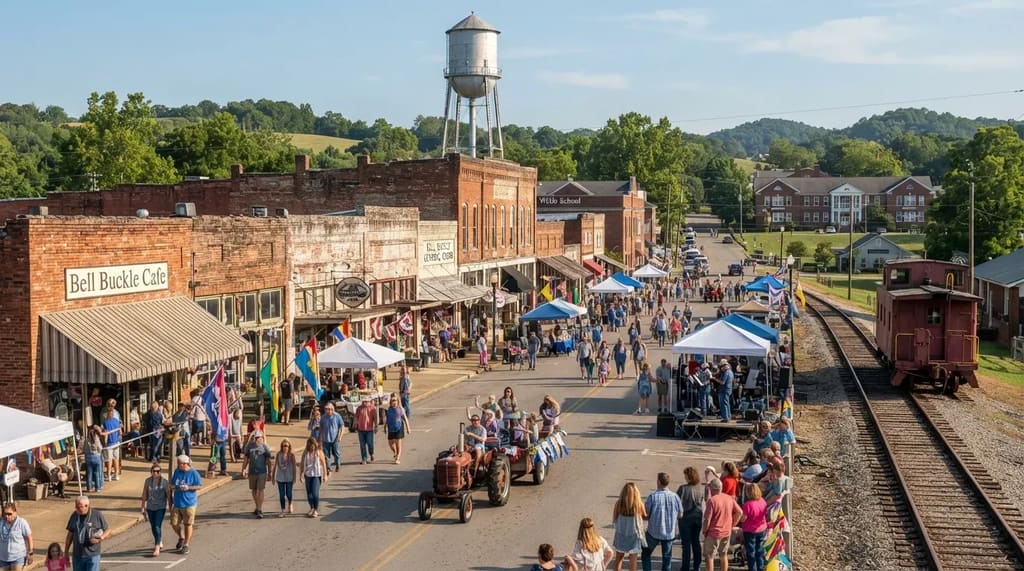
Bell Buckle probably has the funniest name in Tennessee, and the town knows it. Only around 500 people live here, which gives it a genuine small-town feel that bigger tourist spots can’t fake. Antique shops and cafes line a main street close to the railroad tracks.
The town is best known for its personality. Every June, the RC Cola and Moon Pie Festival fills the streets with crafts, music and a parade. The historic Webb School, which dates to 1870, adds a layer of old-fashioned charm. Quirky traditions and fierce community spirit make this one of the most heartwarming stops in the state.
Next is a river town that could have faded away but chose a very different ending.
#10 – Granville: The River Town That Refused to Disappear
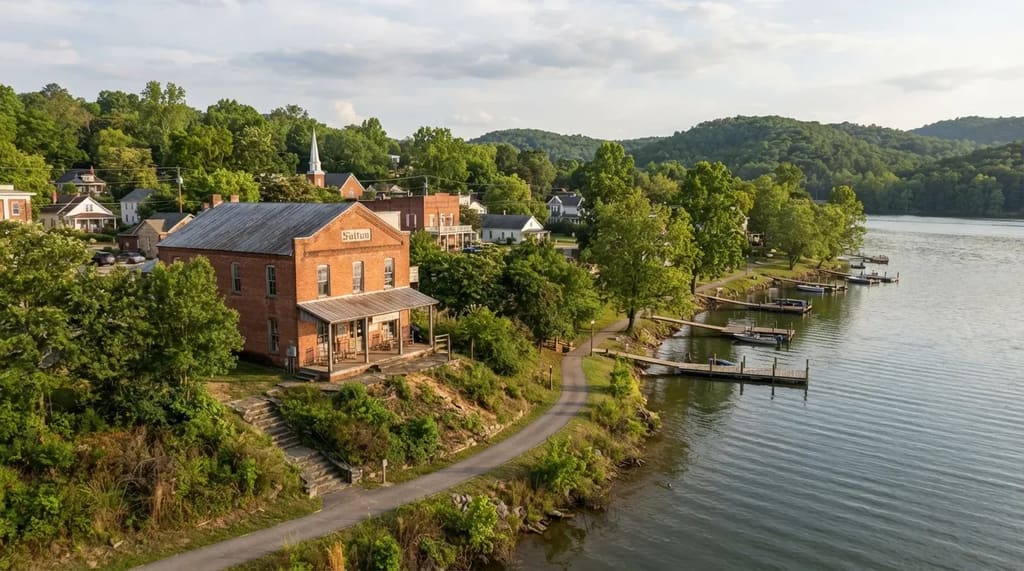
Granville could have gone the way of many quiet river communities. Instead, residents restored historic buildings and turned it into one of Tennessee’s most active heritage destinations. The result is a waterfront village where old storefronts, including the well-photographed Sutton General Store, still anchor daily life.
The strangest stop is a museum. Tennessee’s Mayberry-I Love Lucy Museum is packed with props, costumes and nostalgic items from the beloved shows, and it fits the town’s nostalgic mood perfectly. Granville sits on Cordell Hull Lake in the Upper Cumberland region, so a walk through town often ends at the water. It’s a place that survived because locals refused to let it go.
The next village isn’t even officially a town, and Nashville keeps sneaking out to see it.
#9 – Leiper’s Fork: The Village That Isn’t Even a Town
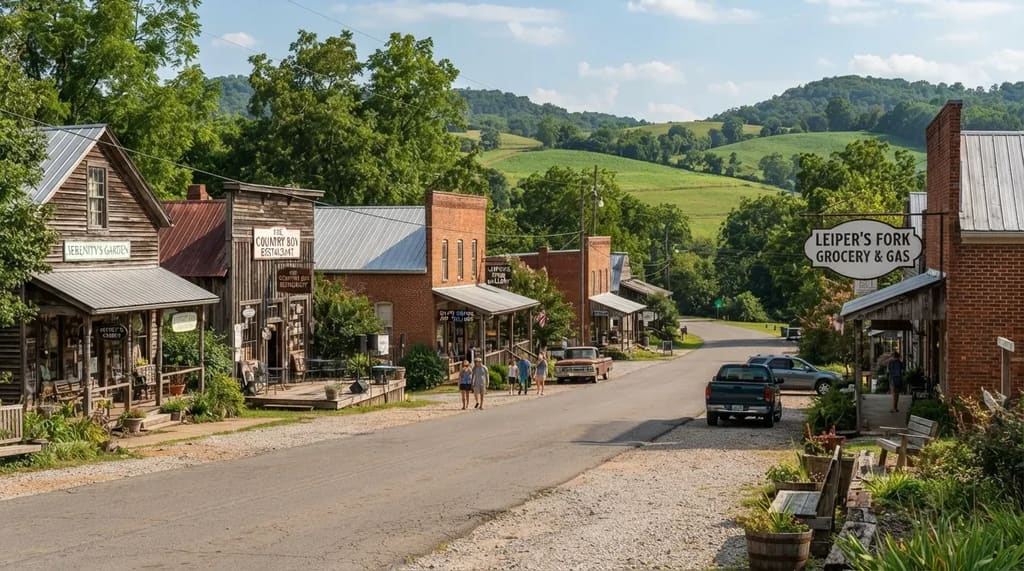
Leiper’s Fork looks like a movie set for rural Tennessee. It’s an unincorporated community, not an official town. That hasn’t stopped it from becoming one of the most photographed little main streets in Middle Tennessee, with galleries, antique stops and plenty of live music.
The setting adds to the appeal. Rolling farmland and hollows surround the village, and the Natchez Trace Parkway runs close by. A short drive away, the soaring double-arched bridge over Birdsong Hollow makes a dramatic photo stop. Nashville residents come here for a quieter weekend, and you can feel the pace drop the moment you park.
Next, a mountain-side town that’s often called the calm answer to Gatlinburg.
#8 – Townsend: The “Peaceful Side” of the Smokies
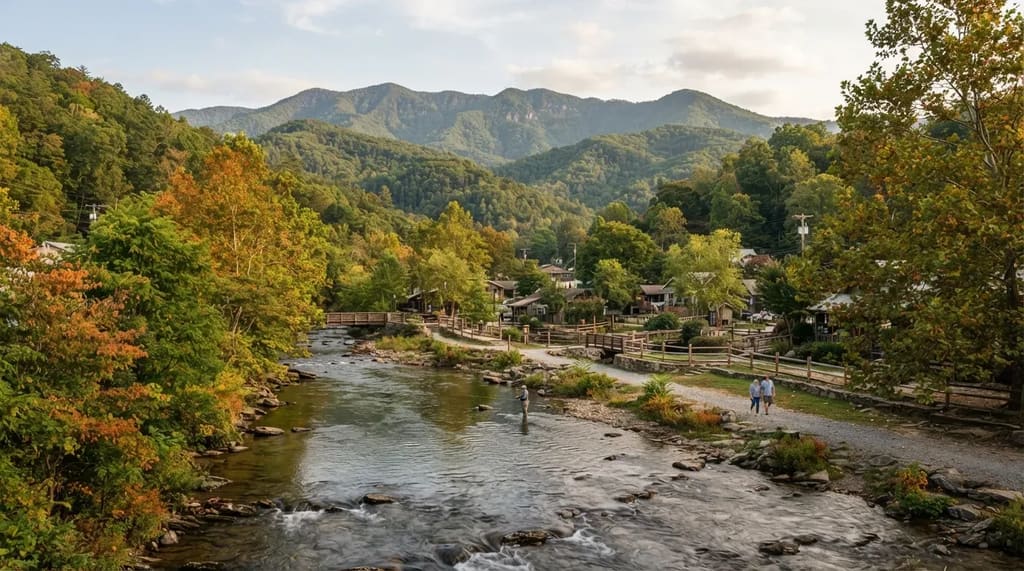
Townsend has earned a nickname that Gatlinburg could never claim. It’s often called the “peaceful side” of the Smokies. It sits on the quieter western approach to Great Smoky Mountains National Park, so the views arrive without the bumper-to-bumper traffic. For anyone who wants nature more than novelty, it can make the better base.
People have loved this spot for a very long time. The area has been occupied by people for thousands of years. Today you’ll find river views, trails and a slower rhythm. Townsend sits near the road to Cades Cove, one of the Smokies’ best-known valleys, so wildlife sightings are a regular perk.
Now head northeast to a town where a tailor shop tells a story most visitors never see coming.
#7 – Greeneville: The Quiet Town Where a Tailor Became President
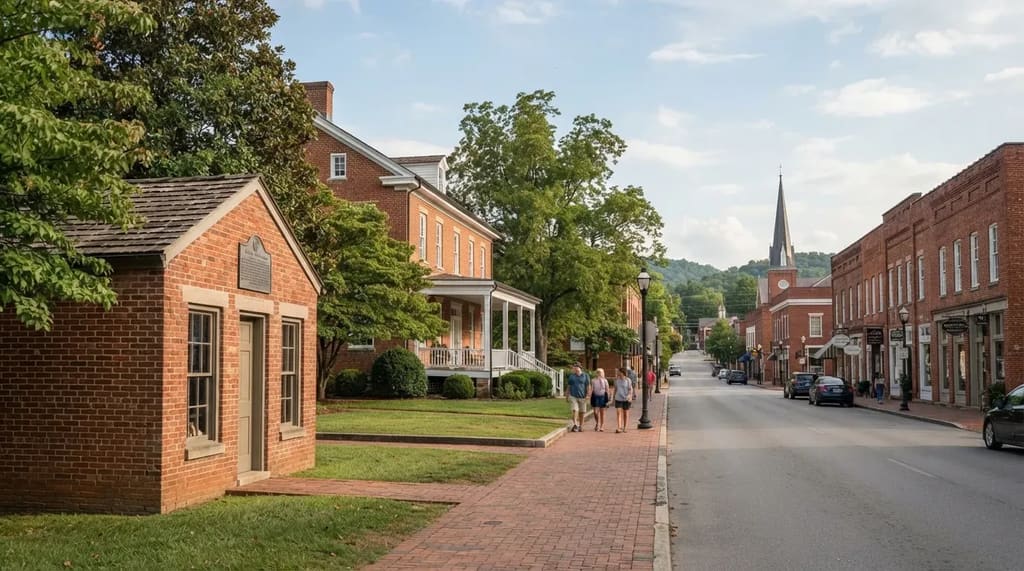
Greeneville looks like a sleepy Appalachian county seat, but the history behind it is huge. It’s a quiet small town in northeast Tennessee, known for its charming Historic District. Brick storefronts, church steeples and a walkable main street give it an unhurried look. It’s the sort of place where you can park once and see everything on foot.
The surprise is the man who made it famous. Andrew Johnson, the 17th president of the United States, worked as a tailor here before entering politics. The Andrew Johnson National Historic Site preserves his tailor shop and homes.3 It’s a rare chance to stand in the workplace of a president who never had a day of formal schooling.
At a Glance
- Johnson became president in 1865 after Abraham Lincoln was assassinated.
- The national historic site includes his tailor shop and two of his homes.3
- He is buried in Greeneville, in the Andrew Johnson National Cemetery.
- His wife, Eliza McCardle Johnson, is widely credited with helping him sharpen his reading, writing and math.
Not far away, another town holds a printing-press story that most Tennesseans have never heard.
#6 – Rogersville: Red Brick, Old Courthouse and a Printing Legacy
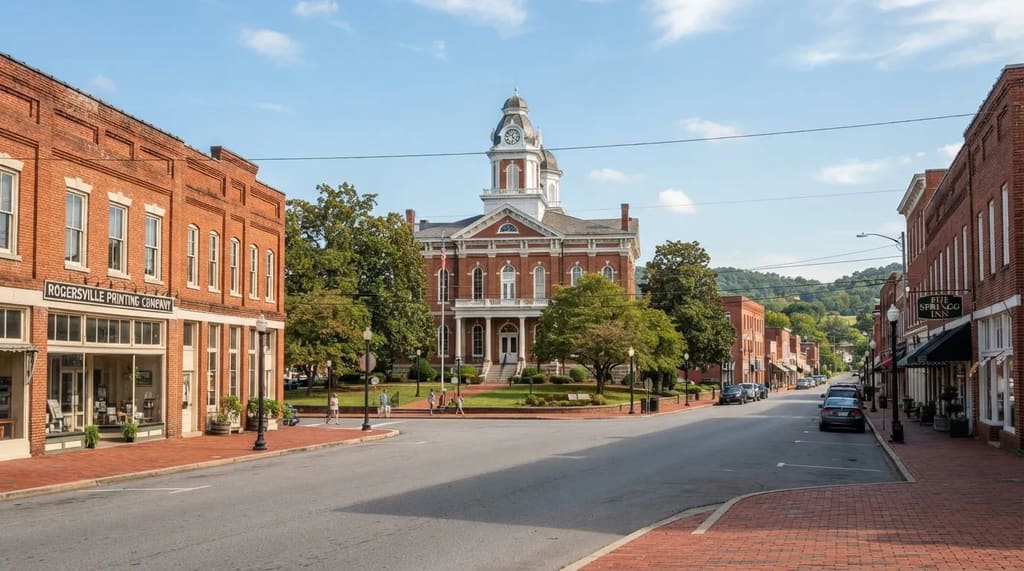
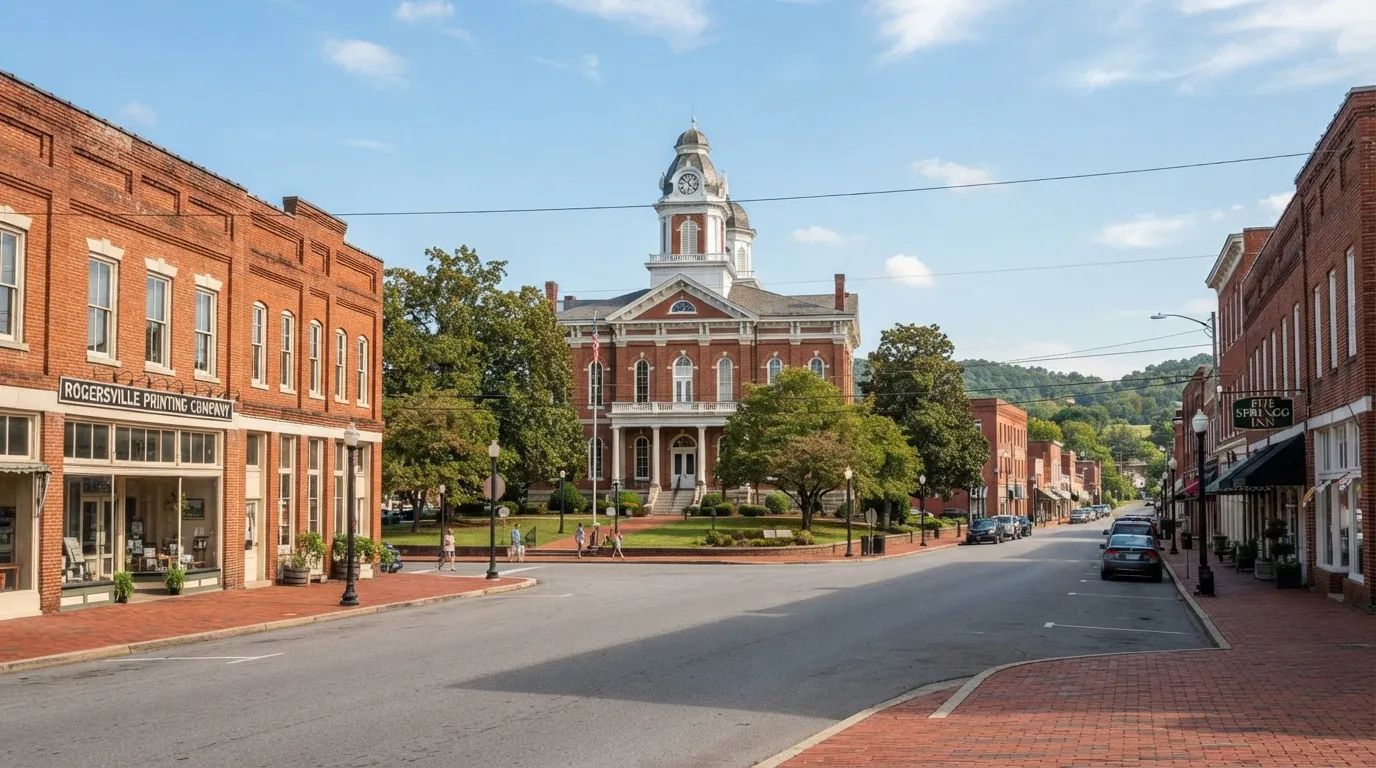
Rogersville feels like a town built around its courthouse. The Hawkins County Courthouse anchors Main Street, and the town is often grouped with the friendliest small towns in the state. Redbrick buildings line the historic downtown district. It’s calm, photogenic and surprisingly uncrowded.
The history underneath is anything but calm. Davy Crockett’s grandparents were among the early settlers in this area. The region saw an epic and sometimes violent struggle between Native peoples and European settlers. The town also honors its early printing and newspaper history, which makes a walk down Main Street feel like a lesson you actually want to learn.
Next is a gateway town to one of the most dramatic drives in the Southeast.
#5 – Tellico Plains: The Town at the Foot of a Legendary Road
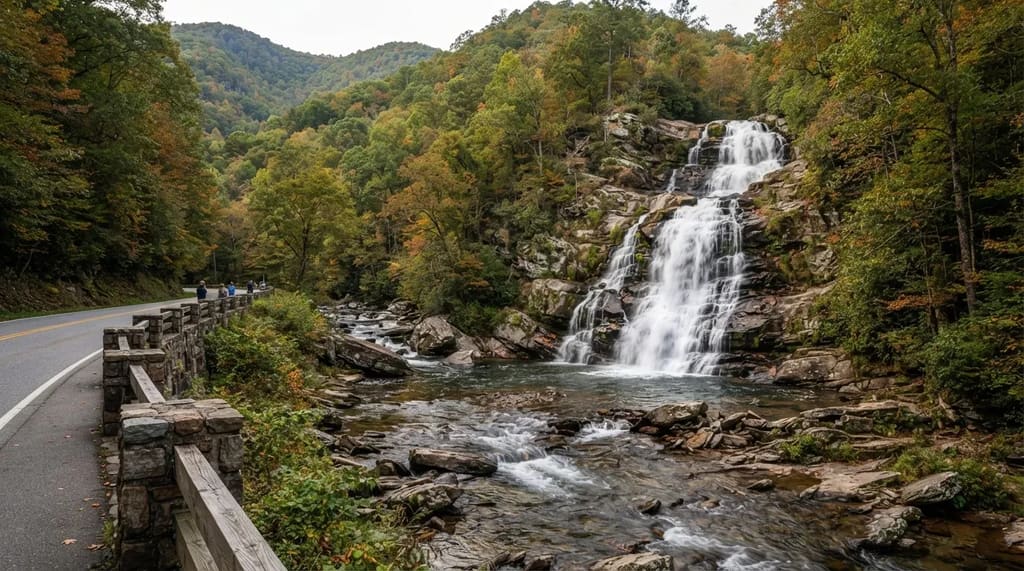
Tellico Plains sits in the mountains of southeast Tennessee. One travel site puts it at the top of its list of the state’s most beautiful small towns. It’s a launch point for waterfalls, rivers and one of the region’s best scenic drives. Few towns this size have so much wild country on their doorstep.
The history is just as deep. This was one of the most important Native American towns of its era. Today it’s popular for peaceful parks, nature areas and museums. Drivers come for the Cherohala Skyway, and photographers come for Bald River Falls, which is visible from the roadside.
Up next, a college town perched on a plateau where the campus is larger than the town itself.
#4 – Sewanee: A Gothic College Town on a Mountaintop
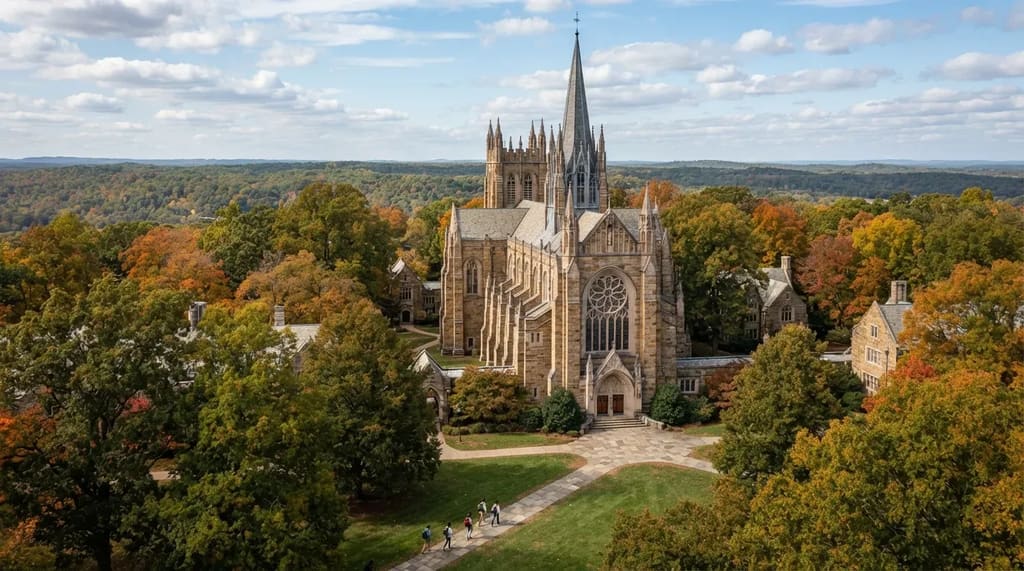
Sewanee looks more like an English university village than a Tennessee mountain town. Stone buildings with Gothic details sit under tall trees on the Cumberland Plateau. WorldAtlas describes it as a peaceful town, and the quiet is hard to miss. Even the roads feel unhurried.
The size of the campus is the real shock. The University of the South owns a roughly 13,000-acre property known as the Domain, far larger than the village. It includes forests, bluffs, hiking trails and scenic overlooks. You can walk wooded paths in the morning and sit in a campus chapel by afternoon. Few college towns in the South mix scholarship and wilderness so easily.
Why It Stands Out
- The University of the South was founded in 1857, so the stonework has had generations to age.
- The Domain’s 13,000 acres give hikers far more room than the small village footprint suggests.
- Gothic architecture and mountain forest share the same view.
- Campus and trails sit side by side, so a quiet afternoon takes no planning.
Next, a mountain pass that quietly changed the course of American history.
#3 – Cumberland Gap: The Mountain Doorway That Opened the West
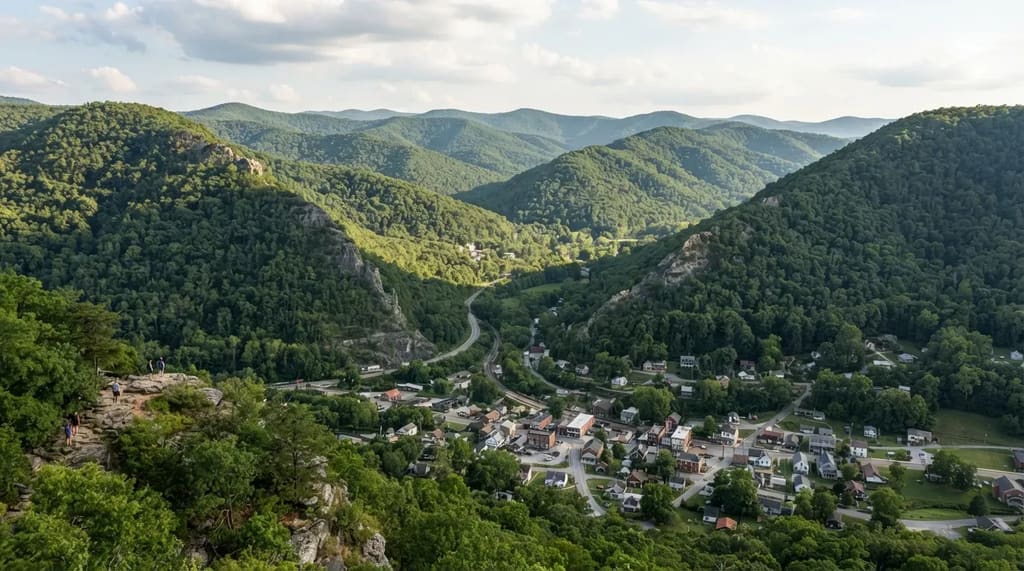
Cumberland Gap isn’t just pretty. It’s historic in a way few places can match. The town grew up around a mountain pass used for centuries, so trailheads, overlooks and historic streets blend into one continuous route. Walking its quiet streets feels like stepping into a story that began long before the town existed.
Related Stories From Travelbinger

That story reaches far beyond Tennessee. In 1775, Daniel Boone and a crew of axmen blazed the Wilderness Road through this gap, opening a path for thousands of settlers heading west.4 Today the area is protected as a national historical park. Hikers can climb toward panoramic overlooks, and the green ridges roll out in every direction.
But the oldest town in the state has an even bigger claim, and it’s the one most people overlook.
#2 – Jonesborough: Tennessee’s Oldest Town Still Has Stories to Tell
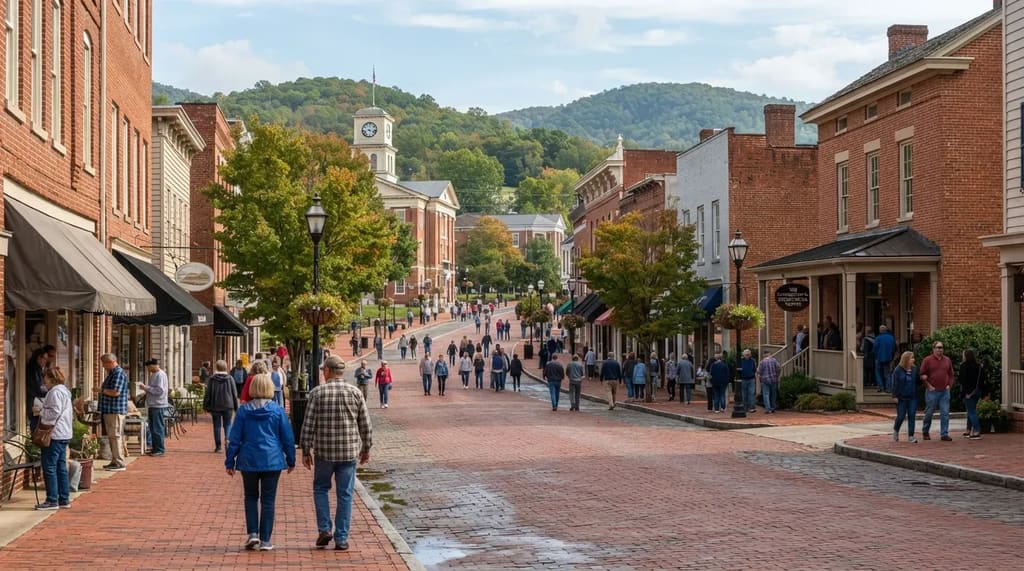
Jonesborough has been around longer than Tennessee itself. It was founded in 1779, 17 years before Tennessee became a state.5 In 1969, it became the first town in Tennessee listed on the National Register of Historic Places as an entire historic district. The brick-lined Main Street still looks like it belongs in a history book.
Then there’s the storytelling. A high school journalism teacher founded the National Storytelling Festival here in 1973.6 Every October, thousands of listeners still gather under giant circus-style tents to hear tales told live. It’s a small town hosting a worldwide tradition, and that alone makes it unforgettable.
But nothing on this list is stranger than the last town, which was meant to be a utopia.
#1 – Rugby: The Victorian Village Built to Be a Perfect Society
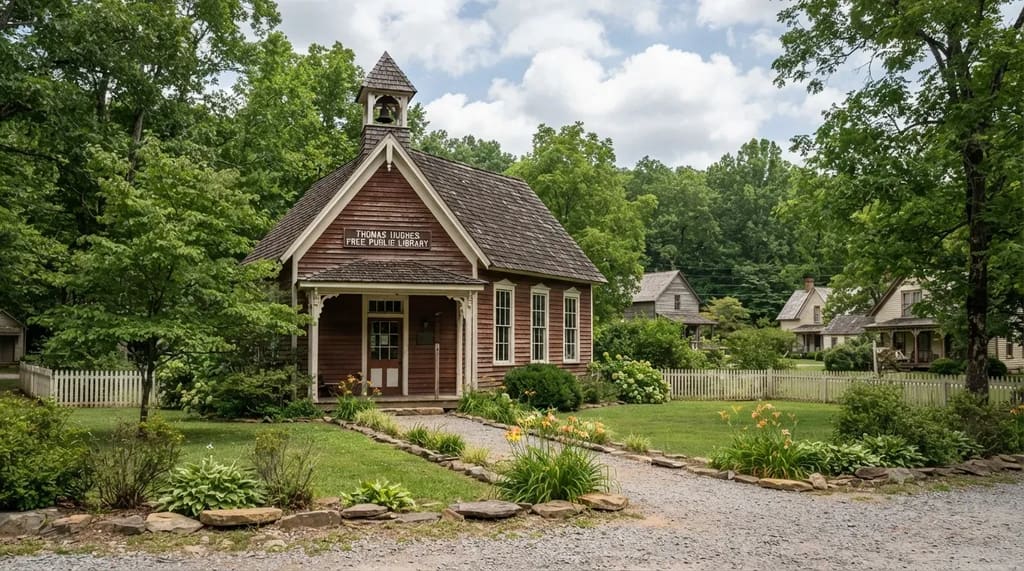
Rugby looks like a piece of England dropped onto the Cumberland Plateau. It’s a restored Victorian village founded in 1880 by British author and social reformer Thomas Hughes.7 His vision was a cooperative, class-free agricultural community for younger sons of English gentry and others starting life anew in America. It was an experiment, and it was bold.
The village reached a population of several hundred, but the dream faded quickly. Even so, more than 20 of the original Victorian buildings still stand, close to Big South Fork National River and Recreation Area. The Thomas Hughes Library holds about 7,000 volumes and has stayed unchanged since it opened in 1882.7
Strangest of all, the man behind the dream never made it his home. Hughes visited, but he never actually lived in the town he founded. You can still stay overnight in the Victorian-era Newbury House, in use since the 1880s.
The prettiest small towns in Tennessee aren’t always the busiest ones. Gatlinburg gets the fame, but quieter places carry the real surprises. Red Boiling Springs has water that only looks like it’s boiling, Cumberland Gap opened the way west, and Rugby is a utopia that never went to plan but kept its library shelves.
If you only know the famous names, you’ve seen the least interesting half of the state. Which town surprised you most, and did we miss your favorite?
- Smokies Most Visited Park: https://www.outsideonline.com/adventure-travel/national-parks/great-smoky-national-park/
- Red Boiling Springs Mineral Water: https://tnhomeandfarm.com/travel/red-boiling-springs-bed-and-breakfasts/
- Andrew Johnson Historic Site: https://www.battlefields.org/visit/heritage-sites/andrew-johnson-national-historic-site-0
- NPS Cumberland Gap History: https://www.nps.gov/parkhistory/online_books/founders/sitea10.htm
- Jonesborough Oldest Town: https://tnmuseum.org/junior-curators/posts/jonesborough-the-oldest-town-in-tennessee
- National Storytelling Festival: https://en.wikipedia.org/wiki/National_Storytelling_Festival
- ACHP Historic Rugby: https://www.achp.gov/preserve-america/community/rugby-tennessee