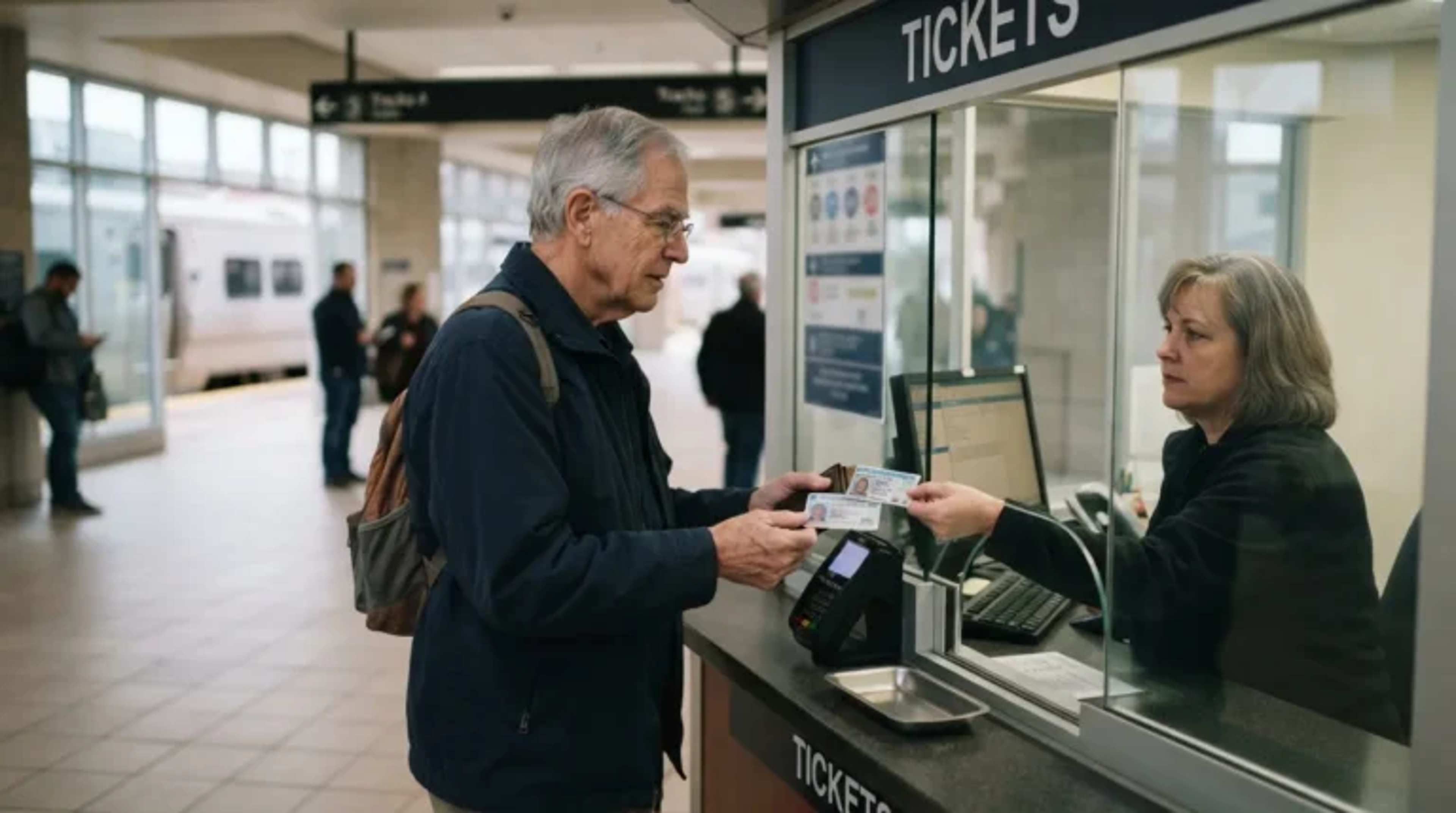
Most people picture a sleeper train as a hotel on wheels: board, dim the lights, wake up rested in a brand-new place. Then the brakes squeal at 3 a.m., the only outlet is taken, and the dream gets a lot less dreamy. The regulars who actually sleep well aren’t lucky. They run a quiet checklist nobody mentions at booking, and it works on everything from an Amtrak long-hauler to a European night train.
Some of these routines sound almost too obvious. A few sound borderline paranoid. And one of them is the reason veteran riders often book their next trip before the current one is even over, and it has nothing to do with the bed.
#17 – They Check That the Train Even Has a Bed
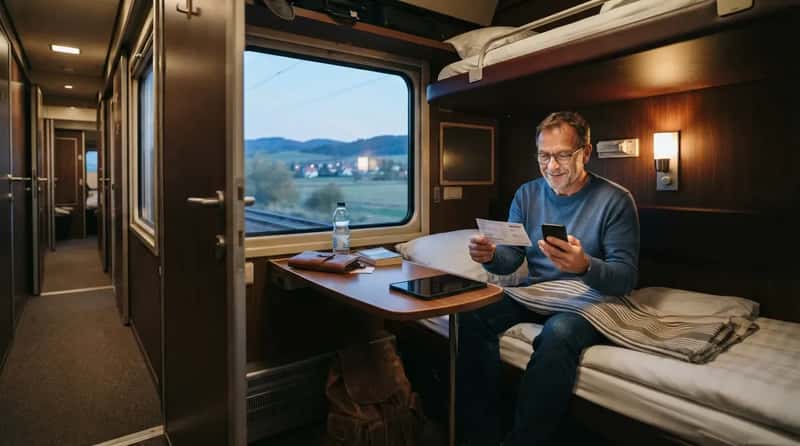
The first routine happens before the ticket is bought, and it can save a miserable night. Not every “overnight” trip includes a bed. On Amtrak, sleeping accommodations are offered only on long-distance routes, so a private room on a short regional run simply doesn’t exist.
“Overnight” describes the clock, not the accommodation. Rail guides in Europe commonly suggest that a seat can work for overnight trips under about eight hours, but anything longer is where a bunk earns its price. Regulars check the train number and car type before they even look at the fare, because a cheap seat can quietly cost you a full day of recovery.
- Confirm whether your fare is a seat, a couchette bunk, or a private cabin.
- Match the train number to the car type, not just the departure time.
But even the right bed is useless if it sells out, and that’s where the next routine starts months early.
#16 – They Book Months Ahead, Not Weeks

Seasoned riders treat sleeper space like concert tickets, not like a casual flight. The supply is small, and popular night-train routes tend to fill early, especially in summer. On ÖBB’s Nightjet, booking typically opens about six months before departure, and regulars put that date on their calendar.
The same logic applies to long-distance American trains, where each train carries only a limited number of private rooms. Waiting until the week before can be the difference between a private room and no room at all. Late bookers end up in a seat, or in whatever berth is left over.
Fast Facts
- Nightjet booking typically opens about six months before departure.
- Amtrak offers sleeping accommodations only on long-distance routes.
- Each long-distance American train carries a limited number of private rooms.
- Summer is when popular night routes tend to fill first.
Veterans know the best bunks vanish first. By the time most people start daydreaming about the trip, the good options are already gone.
#15 – They Pack a Separate “Night Bag” and Leave the Big Suitcase Behind
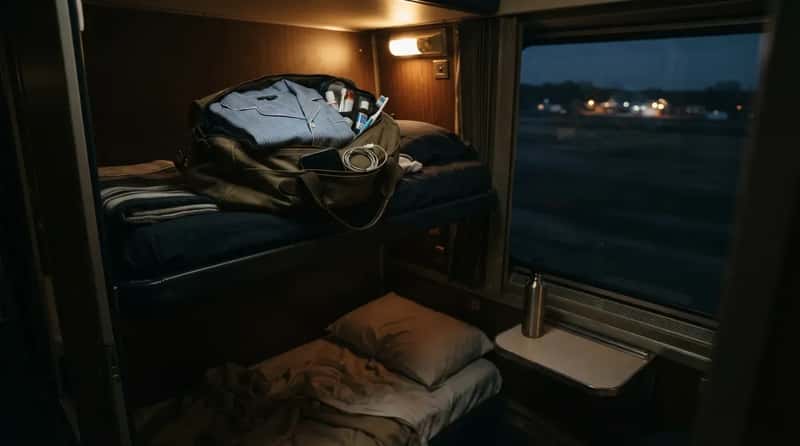
Nobody wants to dig through a full suitcase in a dark cabin at 11 p.m. So veterans build a small second bag with only what they’ll need between boarding and breakfast: toothbrush, pajamas, medication, charger, and a warm layer.
The cabin is tiny, and a roomette has no space for open luggage. On many American long-distance trains, larger bags go to a luggage area on the lower level of the car. Regulars pack the night bag in the order they’ll use things, with pajamas on top.
The next thing veterans prepare lives on their phone, and it has nothing to do with entertainment.
#14 – They Screenshot Everything Before the Signal Disappears
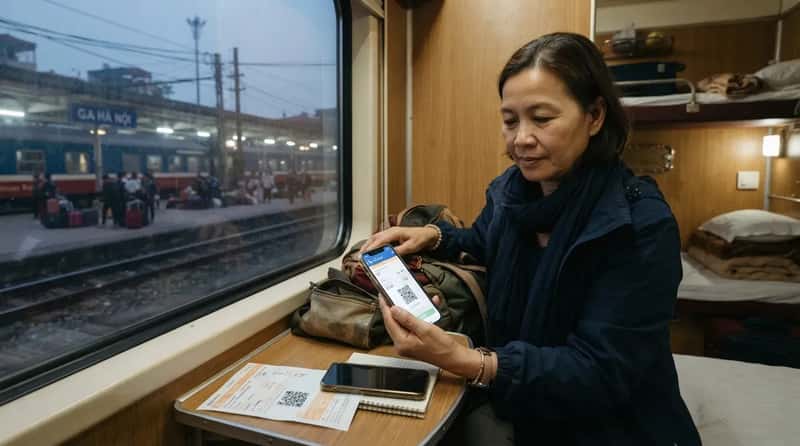
A spinning loading wheel at the station gate is one of the most avoidable panics in rail travel. Regulars screenshot the confirmation, the cabin or berth number, and the QR code the night before departure. Some even carry a printed copy, just in case a phone dies at the worst possible moment.
Rural stretches are the other reason. Coverage on long routes is patchy, and onboard Wi-Fi is often unreliable. One Vietnam rail guide warns travelers not to count on it at all. So veterans download maps, tickets, and entertainment before they ever leave the station.
It’s a boring habit, and it’s exactly why the regulars never look flustered on the platform. Next comes a person you’ll want to meet in the first ten minutes.
#13 – They Introduce Themselves to the Attendant Right Away
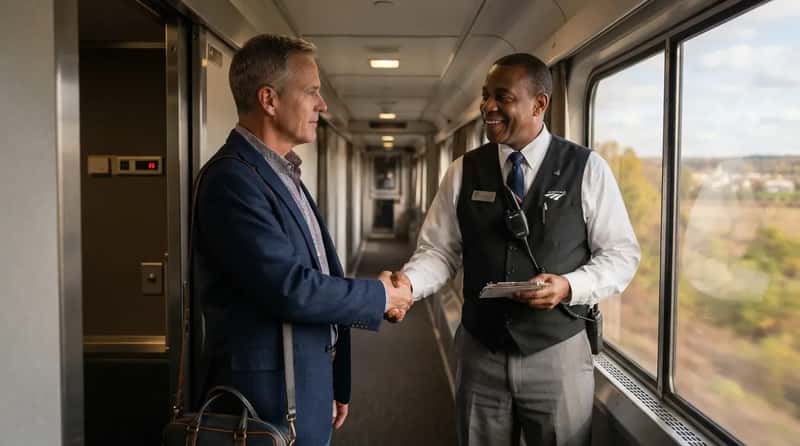
The sleeping car attendant is the quiet engine of the whole trip, and veterans know it. With a sleeper reservation on Amtrak, the attendant helps with dining reservations, makes up and takes down your bed, and lets you know when your stop is coming. That’s a lot of responsibility for one person on a moving train.
So regulars say hello early and ask the practical questions. When does the bed get turned down? Where’s the nearest bathroom? One friendly conversation sets the tone for the entire ride, and it costs nothing.
And one thing the attendant handles may already be paid for, a detail that surprises almost everybody.
#12 – They Read What’s Included Before They Buy Anything
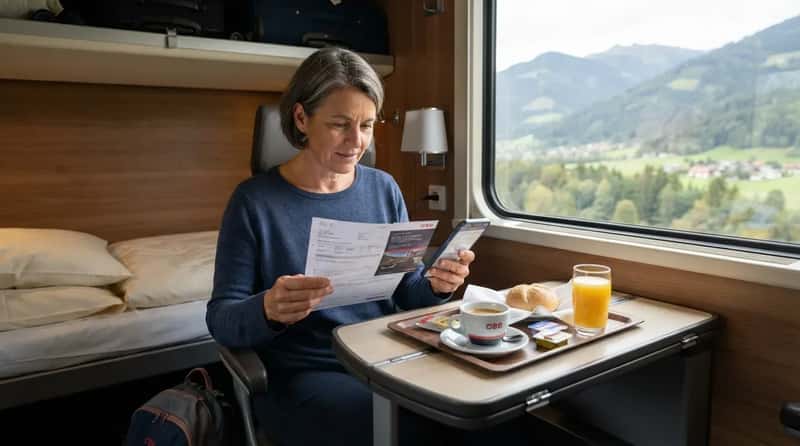
Veterans never pay twice for what’s already on the ticket. Policies vary by route and operator, but ÖBB Nightjet sleeper cabins include breakfast, and on many long-distance American routes, sleeper fares have traditionally covered meals, though dining service has changed in recent years.
That’s why regulars check the fare details first. Plenty of first-timers hand over cash for food they already paid for. A quick look at the inclusions can also tell you whether you need to pack dinner at all.
- Check whether meals, breakfast, or bedding are included for your fare.
- Confirm dining-car hours so you don’t miss your slot.
With the logistics handled, seasoned riders turn to one thing that has to happen early, and it’s all about timing.
#11 – They Get Ready for Bed Before the Train Starts Swaying

Brushing your teeth on a moving train is a contact sport, and veterans refuse to play it at midnight. Regulars handle the toothbrush, face wash, and change of clothes before the lights go down. Corridors are narrow, shared bathrooms get busy, and the whole car sways.
The other reason is noise. Nothing wakes a cabin faster than someone fumbling in the dark. A five-minute routine done early can save you from an hour of broken sleep.
Once you’re in bed, though, the real test begins, and it’s louder than most people expect.
#10 – They Never Board Without Earplugs and an Eye Mask
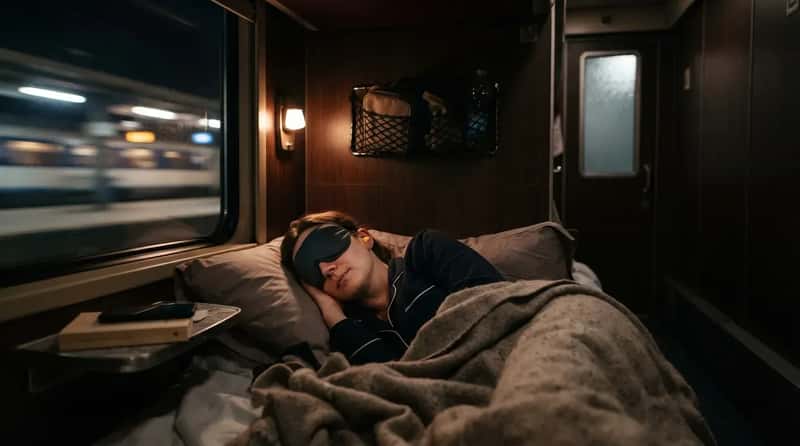
The biggest myth about sleeper trains is that the rocking will lull you straight to sleep. It might, until it doesn’t. Station stops, slamming doors, and announcements don’t care about your sleep schedule, and frequent riders often say a sleeper cabin can be louder than a hotel room.
Regulars carry both items every single time. Earplugs handle the squeal of brakes and the thud of doors. The mask handles platform lamps that leak around the shade at 3 a.m.
There’s also a temperature trap that catches even experienced travelers off guard.
#9 – They Pack a Layer Because the Cabin Climate Is a Gamble
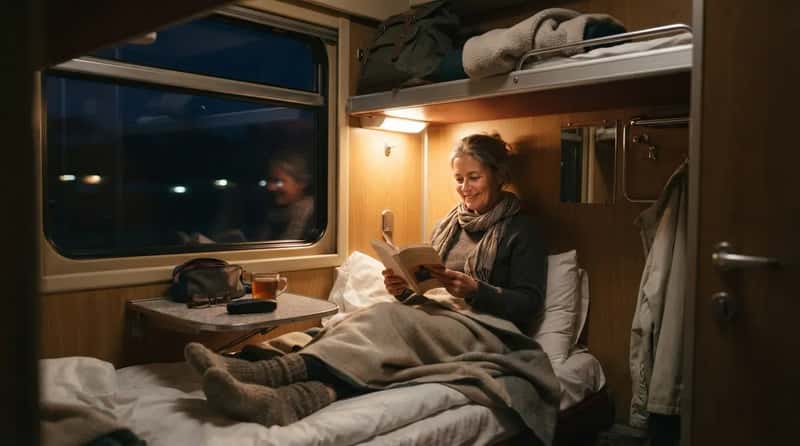
Sleeper cabins can feel like a freezer or a sauna, and veterans prepare for both. Air conditioning on trains can run strong, and one Vietnam guide warns that it’s known to blast. Meanwhile, other travelers find their compartment stuffy once the heat kicks in.
Quick Compare
- Too cold: strong air conditioning, a thin blanket, and a chilly 3 a.m. wake-up.
- Too warm: a stuffy compartment once the heat kicks in, and sheets you can’t escape.
So regulars dress in layers. A light sweater, warm socks, and a scarf cover the cold, and all of it peels off easily if the room turns toasty. Even when the railway provides a blanket, many veterans bring their own extra layer anyway, and some European rail guides recommend a light sleeping layer even if you’re given a couchette blanket.
- Pack socks and a thin sweater you can peel off.
- Ask the attendant or staff about the temperature control early.
Warm and comfortable is one thing. Keeping your phone and wallet safe is another, and veterans take it seriously.
#8 – They Keep Valuables on Their Body, Not in Their Bag
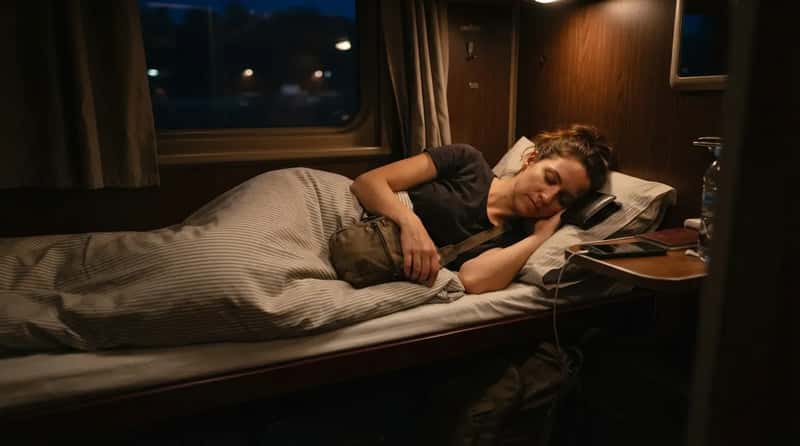
Experienced riders sleep with their passport closer than their pillow. Tucking a phone, ID, or wallet into a pillowcase, or wearing a small crossbody bag to bed, is a habit many frequent night-train riders swear by.
Theft is rare, but it does happen. One European rail guide notes that it occasionally occurs on the busiest tourist routes, and advises keeping valuables in the compartment with you rather than in corridor luggage racks. The smartest bag on the train is the one you can feel against your ribs.
Valuables are one layer of protection. The other is on the cabin door, and it works differently than you’d guess.
#7 – They Lock the Door From the Inside, Every Single Time
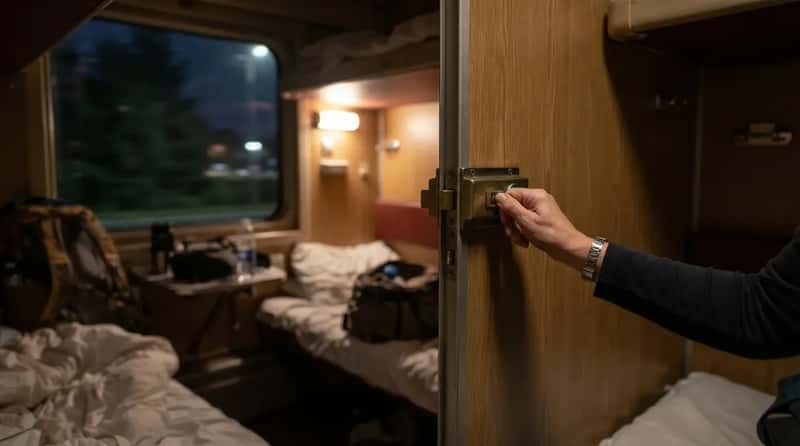
Solo travelers worry about safety on a sleeper car, but regulars have a simple system. Private sleeper cabins typically have a lockable door, and many shared compartments have a latch or lock too. Veterans use it the moment they settle in.
The rule is easy. If you’re inside, it’s locked. If you step out, you take the key or card with you. Many experienced riders make the lock check the very last thing they do before closing their eyes.
- Test the lock when you first enter the room.
- Learn how to open it quickly in case you need to leave in the dark.
The lock protects your sleep. The next problem is about keeping your phone alive through it.
#6 – They Plan Around One Overworked Power Outlet
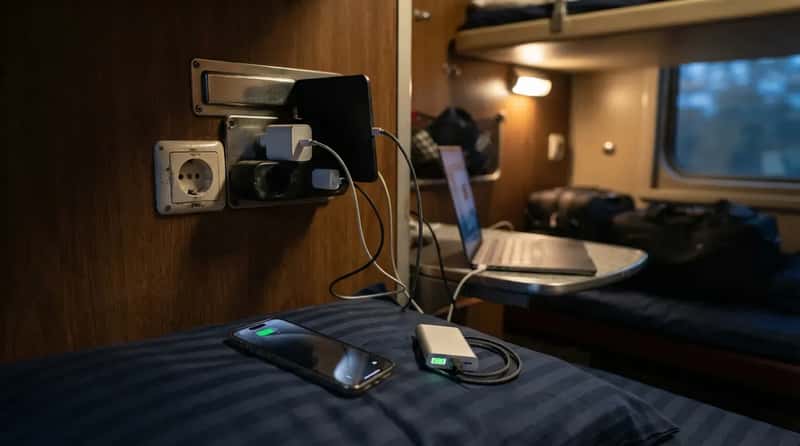
Modern travelers carry a phone, a tablet, and a laptop, but trains weren’t built for that. In shared cabins, plugs can be scarce, and riders often report just one socket for the whole compartment. Nobody enjoys a midnight negotiation over a single outlet.
So regulars show up with everything charged. A fully charged power bank is one of the most useful items in a sleeper bag. They also pack a short cable so the phone can sit near the pillow instead of across the room.
Then there’s the question that divides sleeper regulars like nothing else, and it’s about which bed to pick.
#5 – They Pick Their Berth on Purpose, and They Don’t Agree
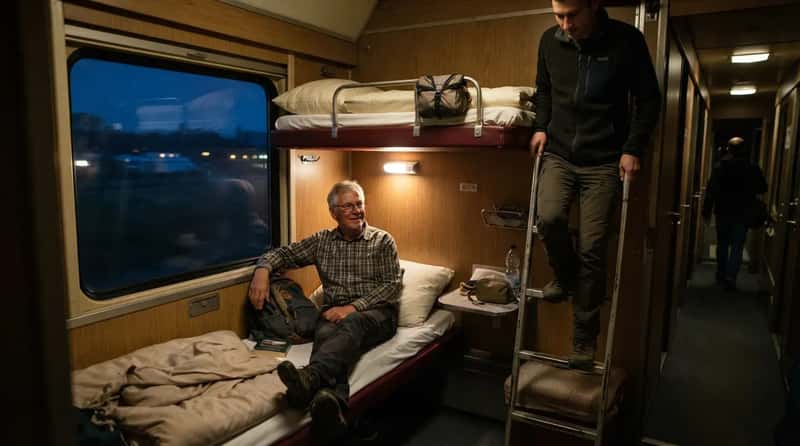
Ask five veterans about the best bunk and you’ll get five fierce answers. Some insist on the lower berth, because it’s easier to climb into and offers a window view. One Vietnam sleeper guide calls the lower berth the best. Others deliberately book the top.
At a Glance
- Lower berth: easier to climb into, with a window view.
- Top berth: harder for anyone to reach your belongings.
- Frequent waker: the lower bunk saves a dark-cabin climb.
- Sore knees: think twice before booking the top.
The top bunk makes it physically harder for anyone to reach your belongings during the night, and some frequent solo travelers say the extra climb is worth it every time. Others call that overkill and say a lower bunk is better if you wake up often.
Whichever bunk wins, the next routine keeps the long hours from dragging.
#4 – They Bring Their Own Snacks and Drinks
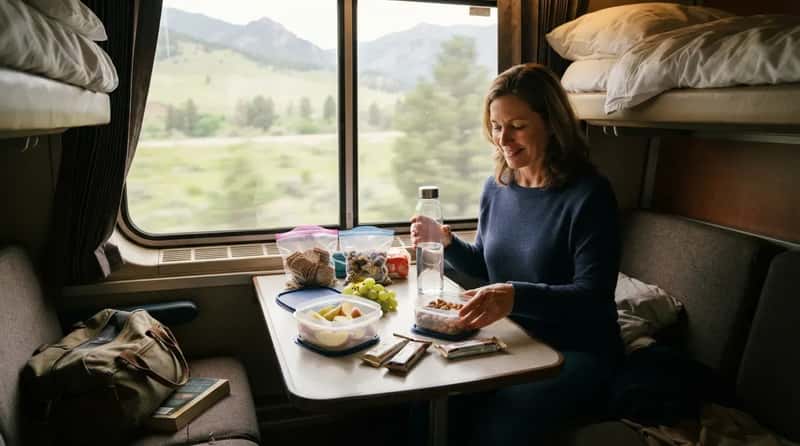
The dining car is a highlight, but seasoned riders never rely on it alone. Dining cars have set hours, and trains run late. Amtrak lets passengers bring their own food and non-alcoholic drinks to enjoy in their seats or private rooms, so a few snacks make a smart backup.
Regulars pack things that don’t crumble or smell: nuts, fruit, crackers, and a refillable water bottle. A late departure can turn a missed dinner service into a very hungry night. Rules differ by operator, so check before packing anything strong-smelling or alcoholic.
- Choose quiet, low-mess foods for shared compartments.
- Pack a reusable bottle for water.
Shared space, of course, comes with rules nobody printed on the ticket.
#3 – They Follow the Unspoken Curfew
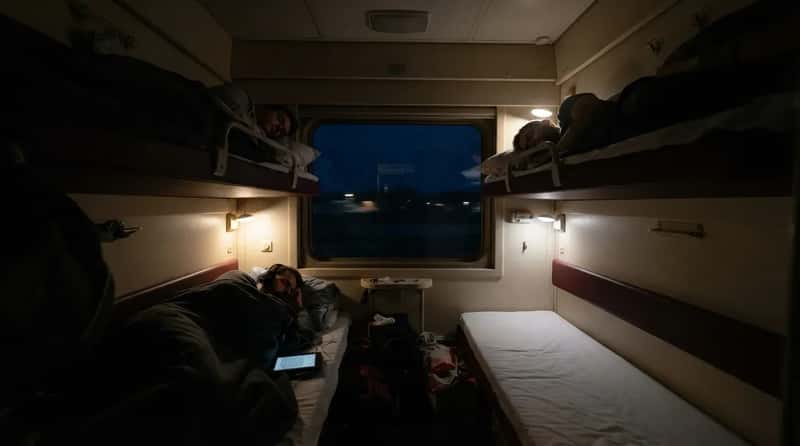
There’s no sign on the wall, but every seasoned rider knows the rules after dark. Shared cabins run mostly on social pressure. Keep noise low once the lights go out, and keep the door secured. Nobody is going to enforce it, which is exactly why it matters.
Regulars dim their screens, use headphones, and keep conversations to a whisper. They also avoid flipping on the main light at night. The quietest passengers are the ones their bunkmates remember fondly.
But even perfect etiquette can’t control the one thing that decides how your morning goes.
#2 – They Treat Delays as Part of the Ticket
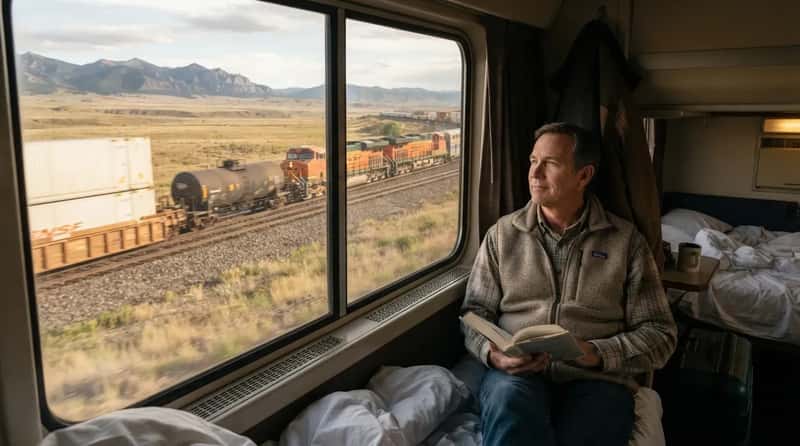
The veterans’ calmest habit is expecting the schedule to wobble. Long-distance trains run late, and regulars plan for it. They don’t book a tight connection or an important meeting for the first hour after arrival.
The cause is often outside the train’s control. Most of Amtrak’s long-distance network runs on track owned by freight railroads, which can mean waiting for freight traffic to clear. European night trains face their own delays, especially when crossing borders.
Which brings us to the last routine, the one regulars say is the real reason they keep coming back.
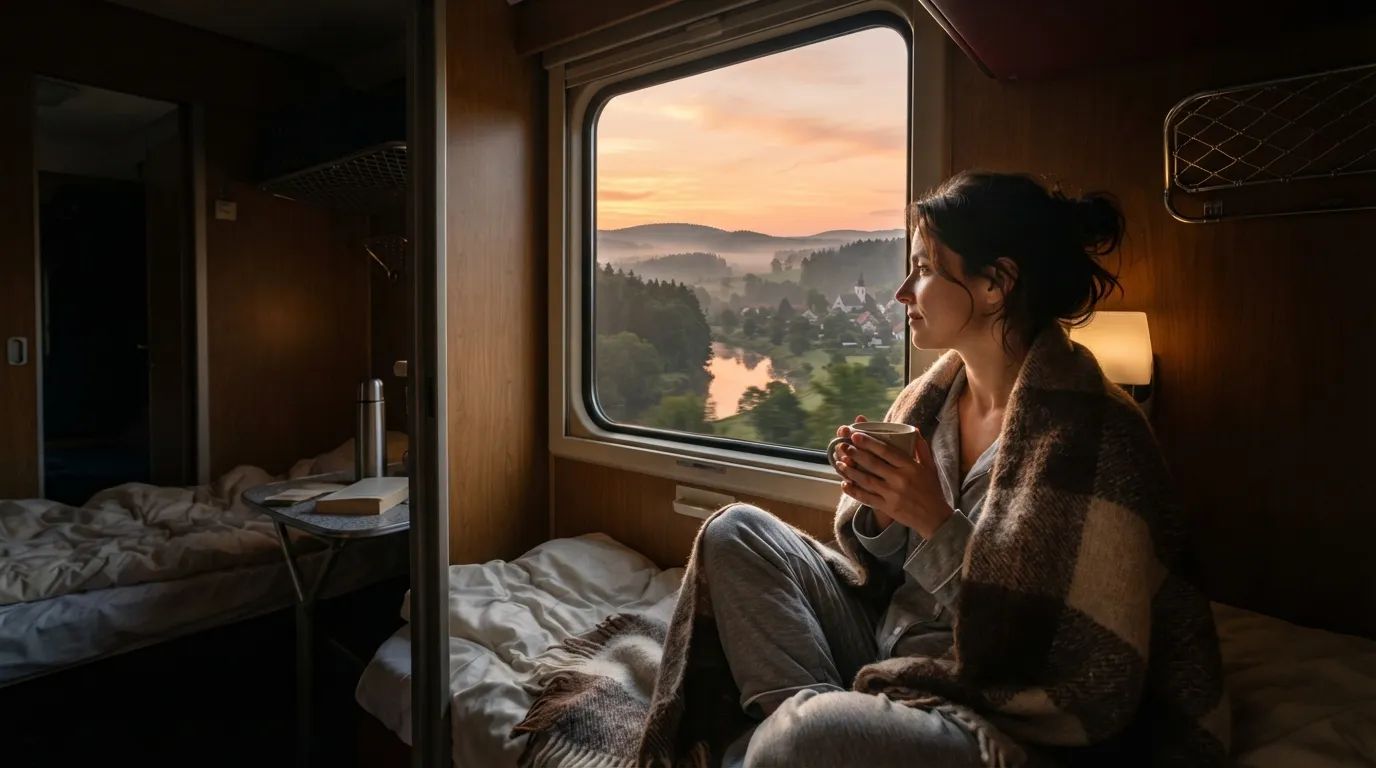
#1 – They Wake Up Early Just to Watch the Window
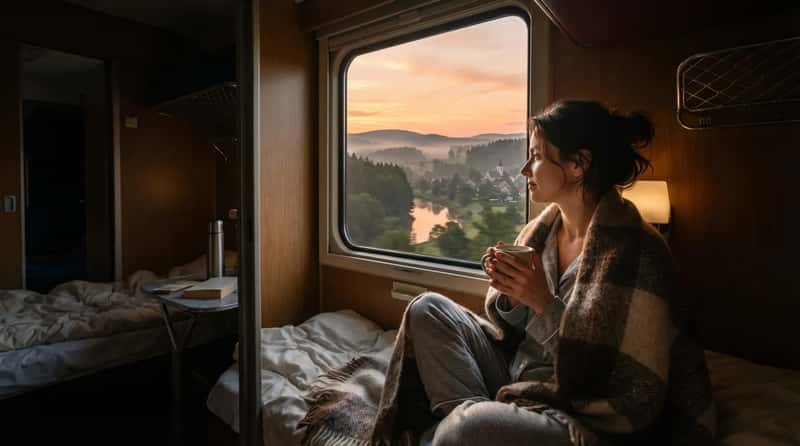
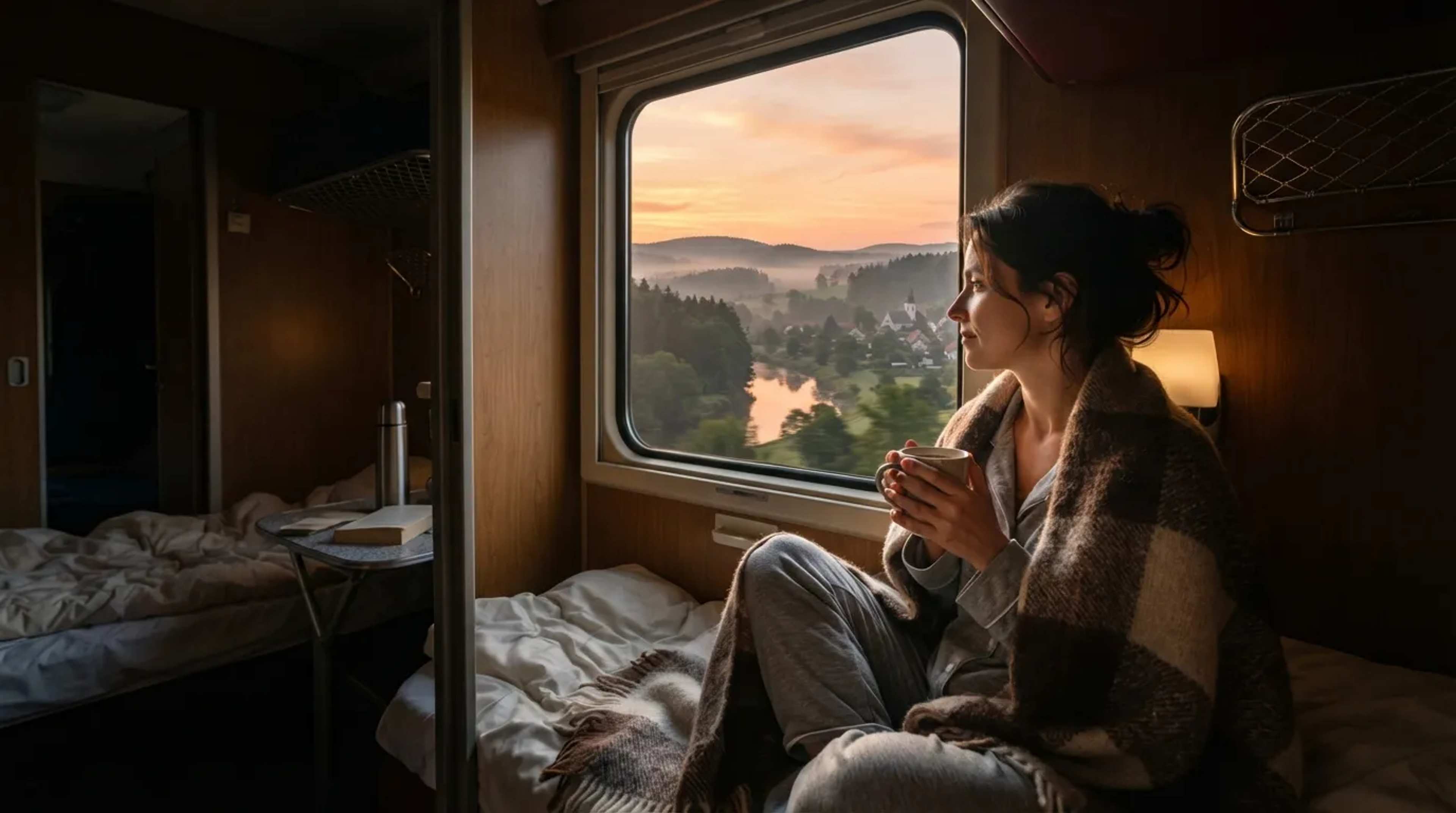
The best moment of a sleeper journey isn’t dinner or bedtime. It’s the first hour of daylight. Seasoned riders set an alarm, or ask the attendant for a wake-up, then lift the shade and just watch.
Fields, rivers, empty platforms, and sleepy towns slide past while nobody else is awake. You went to sleep in one place and you’re opening your eyes in another, with the whole day still ahead. You can’t get that from a plane seat, and you can’t get it from a highway at that hour. Regulars bring coffee, find the window, and let the landscape arrive on its own.
Why It Stands Out
- It costs nothing and needs no special gear.
- Few people are awake, so the view feels almost private.
- You arrive somewhere new without doing any of the driving.
- A coffee and a window are the whole plan.
It’s the one routine that costs nothing, and it’s the reason so many veterans book the next trip before this one ends.
The funny thing about all seventeen habits is how small they are. A night bag, a screenshot, a lock, a layer. None of it is complicated, but together it turns a rattling metal tube into the best night of the trip.
The people who sleep best on a train aren’t the ones who found a perfect bed. They’re the ones who stopped expecting the train to do the work for them, and woke up to a sunrise nobody else on the road got to see.