Most people assume hotels treat every guest exactly the same. Check in, hand over a key card, point toward the elevator — done. But anyone who has ever worked a hotel front desk will tell you a completely different story. Trained staff at quality properties are quietly reading every guest who walks through the door, and guests over 60 trigger a whole separate checklist of behind-the-scenes adjustments that happen before a single request is made. Around 37% of all U.S. travelers in 2024 were seniors — one of the largest and most loyal consumer groups in tourism — and hotels have quietly built entire protocols around them.
Here’s the part most guests never find out: almost none of these accommodations are announced. They just happen. Your room is already quieter. Your walk to the elevator is already shorter. The breakfast server already knows about your dietary restriction before you sit down. Some of what’s on this list is genuinely surprising — and a couple of items near the end most people have never heard of at all.
#17 They Flag Your Reservation for a Low-Floor, Elevator-Adjacent Room
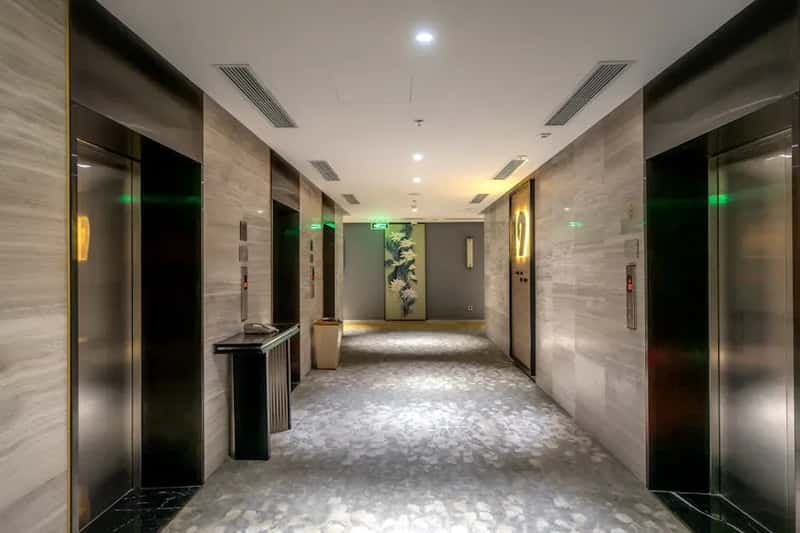
Long before you arrive, a note goes into the system. Hotels aim to assign older guests a room as close to the elevator as possible — not as a formality, but as a real safety and comfort measure. It reduces physical strain, cuts down on the quiet frustration of dragging luggage past a dozen doors, and minimizes the chance of a disorienting walk at 2 a.m. Most guests over 60 never know the swap happened. They just notice the elevator seems remarkably close.
At well-run properties, the front desk agent confirms this placement during check-in without making a production of it. No announcement, no fuss. The guest who ends up right next to the elevator didn’t get lucky — someone put them there on purpose before they ever walked through the door.
Fast Facts
- Low-floor rooms also reduce fire-evacuation risk for guests with limited mobility.
- Property management systems at most mid-scale and upscale hotels allow staff to tag room preferences before arrival.
- Elevator-adjacent placement is one of the most-requested accommodations among travelers 65 and older, according to hospitality accessibility consultants.
- Some hotel chains log room-proximity preferences permanently in a guest’s loyalty profile after the first stay.
#16 They Pre-Stock the Room With Better Lighting Before You Arrive
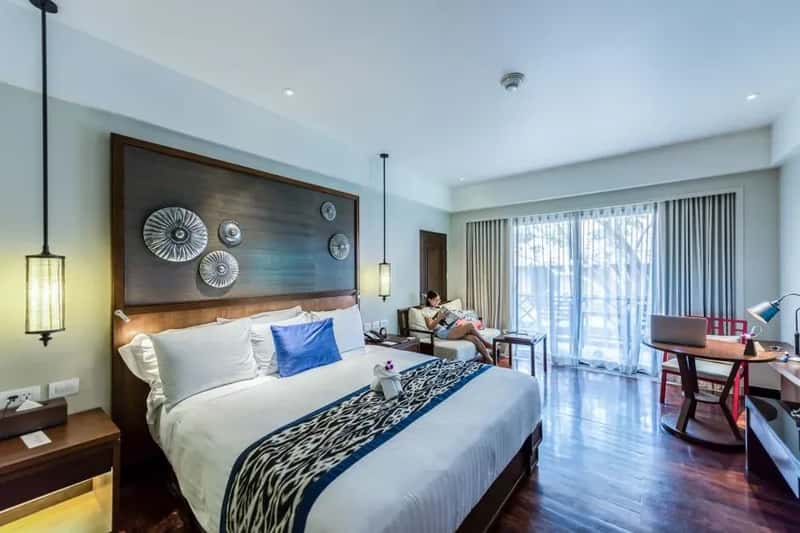
Housekeeping at quality hotels does more than make beds. Before a senior guest arrives, rooms are adjusted so lamps are switched on and accessible, nightstand lights are verified working, and the path from the bed to the bathroom is as clear as possible. Poor lighting in hotel rooms is one of the most-cited frustrations among older travelers — and it’s also one of the leading contributors to nighttime falls, which are far more common in unfamiliar spaces than most guests realize.
A well-lit room isn’t a luxury upgrade for guests over 60 — it’s a basic safety measure. Proactive housekeeping supervisors treat it that way before the guest even unpacks. The difference between a thoughtful property and a careless one often shows up in this single detail, usually around midnight when a guest gets up for a glass of water and finds the path actually clear.
#15 They Slow Down the Entire Check-In Pace Without Being Asked
This one happens in the first ten seconds. Trained staff who pick up on cues — a slower gait, a guest scanning the desk for where to stand, reading the check-in signage carefully — immediately adjust their tempo. They slow down, speak more clearly, and volunteer information instead of waiting to be asked. It’s not condescending. It’s professional. A rushed check-in is where room preferences get skipped and special requests go completely unmentioned.
The real problem is when guests feel embarrassed by the slower pace and rush to catch up — that’s exactly when small errors happen and the check-in ends feeling incomplete. The best front desk agents hold the tempo steady regardless of how long the line behind you gets. A check-in that feels unhurried isn’t accidental. It’s a trained response the moment certain cues appear.
#14 They Quietly Move You Away From the Noise Before You Even Request It
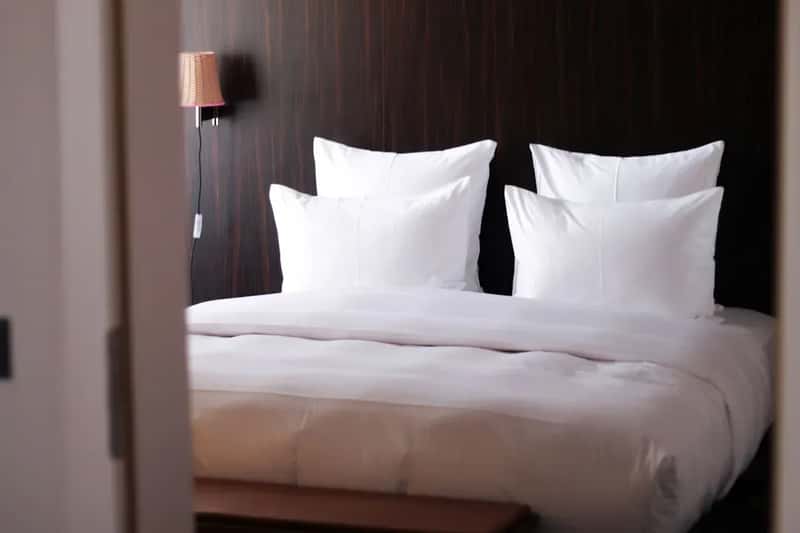
Ice machines, elevator mechanical rooms, the bar with weekend live music, the wing next to the ballroom hosting a Saturday wedding — experienced front desk staff know every noise source in the building. For guests over 60, a quiet room section is standard operating procedure at properties with a solid guest profile system. Away from the ground-floor restaurant. Away from the children’s play area. Away from the bass thump of a lobby bar at 11 p.m.
Senior guests tend to prioritize rest over proximity to amenities — and hotels that understand this act on it before arrival, not after a complaint at midnight. The guest who sleeps soundly while the couple two floors down hears every vibration from the lobby didn’t just get a better room. They got quietly repositioned before they arrived, and they’ll never know it happened.
At a Glance: What “Quiet Room” Actually Means at a Well-Run Hotel
- Away from ice machines, vending alcoves, and elevator mechanical rooms
- Not adjacent to event ballrooms, pool areas, or lobby bars
- Higher floors preferred — street noise drops significantly above the 4th floor
- Corner rooms are a bonus: fewer shared walls, less foot traffic outside the door
- Interior-facing rooms reduce urban street noise at busy city properties
#13 They Walk You Through the Key Card Before Sending You Upstairs
Key card technology trips up a surprising number of guests — and hotel staff know exactly which guests are most likely to encounter the “insert, remove quickly, wait for green light” problem. For guests over 60, trained staff will either walk through the process step by step at the desk or hand over a printed visual guide showing the exact motion before sending the guest upstairs. Smart TVs, climate controls, and digital room systems are all noted friction points — but the key card is the very first hurdle, and the best properties clear it before it becomes a frustrated phone call at midnight.
Some mid-range and upscale hotels have moved to a dual system: key card plus a brief visual guide tucked into the sleeve. The staff member handing it over will often demonstrate the swipe motion with the card itself. It takes fifteen extra seconds. It prevents a lot of unnecessary frustration. That’s the math good hotels run automatically for guests who look like they might need it.
#12 They Pass Your Dietary Needs to the Restaurant Before It Opens
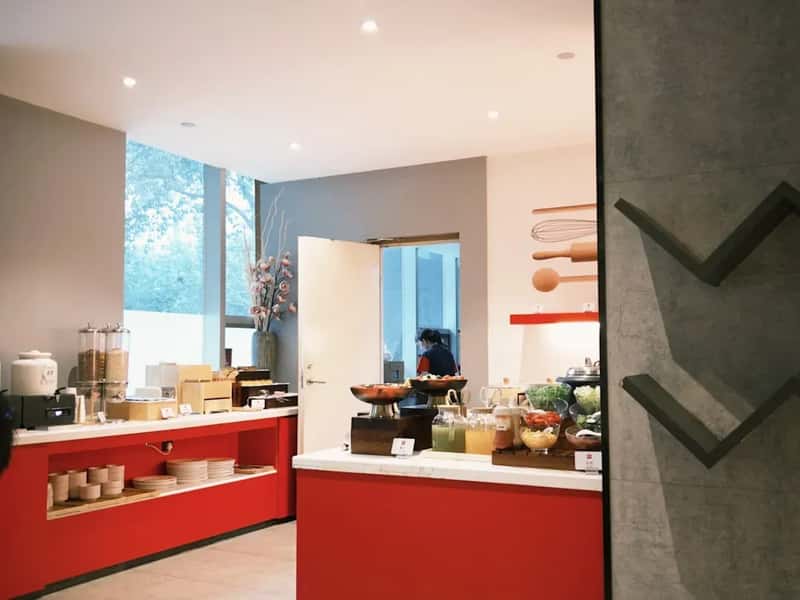
Many guests over 60 follow specific diets — low-sodium, diabetic-friendly, heart-healthy. When front desk staff gather this during check-in and pass it to the food and beverage team, that guest never has to explain their restrictions to three different servers over a three-day stay. It’s already in the system. The breakfast server knows before you sit down. That’s not magic — it’s a note in the property management system that traveled from the front desk to the kitchen the night before.
At a well-run hotel, the server who greets you in the morning has already been briefed. They may quietly steer you toward the right options or flag what to avoid without ever making you feel singled out. For a traveler managing a health condition away from home, that kind of invisible preparation is genuinely meaningful — and most guests assume it was luck.
#11 They Move Toward Your Luggage Before You’ve Asked for Help
Most hotels offer luggage assistance to everyone. For guests over 60, the offer comes faster, more insistently, and with a staff member already moving toward the bags before any struggle begins. Bell staff and door attendants are trained to read arrival cues — pace, posture, the way someone navigates rolling luggage across a threshold. A guest over 60 arriving with two large bags will typically have someone at their side before they’ve reached the check-in counter.
That kind of help isn’t charity — it’s trained hospitality. At full-service properties, it’s one of the first things that separates a comfortable stay from a frustrating one. The guest who had their bags handled without asking didn’t get lucky. Someone made the move the moment they read the room.
#10 They Run a Grab Bar and Bathroom Safety Check Before You Check In

Grab bars, non-slip mats, and accessible bathrooms are baseline requirements at quality properties — but the less obvious detail is that trained housekeeping supervisors specifically inspect these before a senior guest’s room is released. A loose grab bar in the shower is both a liability and a genuine danger. A pre-arrival sweep catches it before it becomes either. This kind of quiet quality check almost never shows up in a review, but it matters enormously.
The CDC reports that approximately 235,000 people are injured in bathroom falls each year, and older adults aged 65 and older have the highest injury rate of any age group. The difference between a hotel that verifies grab bar integrity and one that assumes it’s fine can be the difference between a safe stay and a preventable injury. Housekeeping supervisors — not just the standard cleaning crew — are often the ones doing this check specifically for rooms assigned to older guests.
Worth Knowing: The Bathroom Safety Checklist Good Hotels Actually Use
- Grab bars tested for stability — not just visually inspected
- Non-slip mat confirmed present and dry before arrival
- Nightlight or illuminated path from bed to bathroom verified working
- Tub-entry clearance checked for any debris or slipping hazards
- Toilet safety frame available on request at most full-service properties
#9 They Bump the Thermostat Up Before You Walk In

Older adults are generally more sensitive to cold, and many hotels know this well enough to act on it before check-in. Housekeeping or engineering staff will quietly raise the thermostat a few degrees before a senior guest’s room is released. It costs nothing, takes ten seconds, and prevents the guest from spending their first twenty minutes hunting for a thermostat they can’t read in low light. Smart climate controls are among the most commonly cited tech frustrations for older hotel guests — so staff who can remove that friction before arrival routinely do.
At higher-end properties with preference profiles, returning guests’ thermostat settings are stored in the system and applied automatically at room assignment. For first-time guests, a warmer default is the standard move. Most guests over 60 who walk into a comfortable room assume the hotel just keeps it warm. They have no idea someone adjusted it specifically for them thirty minutes before they arrived.
#8 They Keep a Printed Local Guide at the Desk Just for You
The digital concierge is great — if you can navigate a QR code on your phone in a dimly lit lobby. For guests over 60, quality hotels maintain a physical, printed guide to local dining, pharmacies, urgent care clinics, and accessible points of interest. A well-trained front desk agent slides it across the counter unprompted, often in a version with larger print and a cleaner layout than the standard tourist handout. Some properties maintain a specific senior packet that includes pharmacy locations, the nearest hospital, and local attractions with accessibility notes.
That packet doesn’t exist because a guest asked for it. It exists because someone anticipated they might need it. An AARP survey found that while 98% of older travelers are aware of AI tools, 40% actively avoid them over data privacy concerns — and only 8% have actually used AI for trip planning. Handing over a printed guide without being asked is one of the simplest, most appreciated gestures a front desk agent can make — and the best ones do it before the guest even finishes checking in.
#7 They Quietly Verify an Emergency Contact Is on File

At proactive properties, when a guest over 60 checks in alone, trained front desk staff will verify that an emergency contact is on file — and gently prompt the guest to confirm it during check-in if it’s missing. When done correctly, this barely registers as a separate step. It blends into the standard intake process. But it’s deliberate. The best hotels don’t wait for a crisis to figure out who to call.
The emergency contact is confirmed, the nearest hospital is identified, and the front desk shift manager has that information before the guest reaches the elevator. Senior travelers feel measurably safer when they sense a hotel has thought through what happens if something goes wrong — and the properties that have actually prepared for that scenario provide that reassurance without ever explicitly stating it. That kind of preparation is invisible until it suddenly isn’t.
#6 They Offer an In-Person Tech Walkthrough When They Bring Up Your Bags
The modern hotel room is full of technology that feels intuitive to a 30-year-old and genuinely baffling to someone who didn’t grow up with touchscreen interfaces. Smart TVs with vague input menus, app-controlled thermostats, motorized blackout shades, digital in-room safes — quality hotels now offer an in-room tech walkthrough as a standard part of bellhop service for guests who appear to be 60 or older. The walkthrough covers the TV input, thermostat, blackout curtains, and the in-room safe. All the things that generate frustrated calls to the front desk at 9 p.m.
A five-minute walkthrough at arrival eliminates a surprising number of those calls over a multi-night stay. The hotels that offer it unprompted have figured out something important: it actually reduces staff workload while dramatically improving the guest experience. Both sides win. And the guest who gets it usually thinks the bellhop is just being thorough — not that the hotel specifically built it into the protocol for them.
Quick Compare: Tech Friction Points Hotels Quietly Clear for Guests Over 60
- Key card: Demonstrated at desk + printed sleeve guide
- Smart TV: Input walked through in person at arrival
- Thermostat: Pre-set before arrival; explained during bag drop
- Blackout shades: Motorized control shown before bellhop leaves
- In-room safe: Reset and demonstrated — most calls to the front desk involve a forgotten safe code
#5 They Pre-Arrange a Golf Cart or Wheelchair Escort Across Large Properties
At sprawling resorts, conference hotels, and full-service properties, the walk from the lobby to a guest’s room can be genuinely exhausting — especially after a long travel day with luggage. Staff at these properties will proactively arrange a golf cart escort or wheelchair for guests over 60 who show any sign of mobility concern, often without the guest ever raising the issue. The distance from the front entrance to a room on the far wing of a large resort can stretch a quarter mile or more, and the best properties treat transport assistance as a standard arrival step for older guests, not a last resort.
An AARP survey found that among travelers aged 70 and older, 89% report needing some form of health or mobility accommodation while traveling — yet they plan just as many trips as those without such needs. The properties leading the shift toward proactive mobility assistance have baked transport into their arrival protocol. The guest who gets a golf cart ride didn’t ask for it. A staff member made that call the moment they read the body language at the front door. It’s one of the most appreciated gestures in senior hospitality — and one of the least talked about.
#4 They Clear the Mini-Fridge and Flag It for Medication Storage

An increasing number of travelers over 60 carry medications that require refrigeration — insulin, certain biologics, eye drops with specific storage requirements. At proactive properties, staff note this need during check-in or pre-arrival and confirm that the assigned room’s mini-fridge is cleared, functional, and set to an appropriate temperature. Some full-service hotels keep a dedicated medication refrigerator available on request, entirely separate from the minibar unit that charges you for every item you glance at.
The guest who needs to refrigerate insulin is making a medical request, not a preference — and the best hotel staff treat it exactly that way, acting on it before the guest finishes the sentence. At the top tier of hospitality, this is anticipated in the pre-arrival notes, not handled reactively at 11 p.m. when the guest realizes the minibar is packed and locked and their medication has been sitting out for three hours.
#3 They Pencil In a Late Checkout Buffer Without Announcing It

Repeat guests at a familiar hotel chain often get quiet perks that first-timers don’t know about — extra towels pre-stocked, a note in the file about the quiet floor preference, a late checkout already penciled in. But here’s what most guests don’t realize: at well-trained properties, that checkout buffer is sometimes quietly extended to first-time guests over 60 as well, particularly those traveling alone or who appear to need a slower morning pace. A 30-minute buffer costs the hotel almost nothing when the room isn’t immediately re-booked.
But to the 67-year-old who doesn’t have to rush through packing after a long trip, it feels like the hotel actually saw them as a person rather than a departure time. Older guests tend to be among the most loyal demographics in hospitality — when well served, they return and they recommend. Travelers aged 60 to 69 expect to spend around $6,865 on travel in a single year, making them an exceptionally high-value guest. A late checkout buffer is a small investment with a disproportionate return — and it’s often already on the account before the guest ever thinks to ask.
#2 They Walk You to the Room Instead of Just Pointing Down the Hall

Most guests get directions. Guests over 60 at quality properties get an escort — not always, and not at every price tier, but as a deliberate practice at well-run full-service hotels. The walk from the entrance to the check-in desk tells a story before a single word is spoken. Guests who pause to read signage, scan the lobby for orientation, or look slightly uncertain about where to go broadcast that this environment is unfamiliar. That signal triggers a full escort response from trained staff.
The escort isn’t just about navigation. It’s a chance to point out the breakfast location, confirm elevator access, show where the ice machine and laundry room are, and verify the key card works before leaving the guest alone at the door. The guest who got walked to their room didn’t just get directions — they got the full orientation that quietly sets up the entire stay. And it happened because someone at the front desk made a calm, unprompted decision to go the extra mile.
#1 They Put a Wellness Check Protocol on the Account for Solo Senior Travelers

This is the one most people have never heard of — and it might be the most important item on this entire list. At a meaningful number of full-service and resort properties, when a guest over 65 checks in alone with a multi-night reservation, a quiet wellness check is added to the daily housekeeping or concierge schedule. It might be a gentle knock-and-check at a reasonable morning hour, a brief courtesy call to the room, or a flag for the front desk if the “Do Not Disturb” sign has been up for an unusually long stretch. Health issues can happen anywhere — and hotels that serve senior travelers well know that quiet preparedness is part of the job description.
Senior guests are demanding in the best way — when well served, they return, they recommend, and they become the kind of loyal guests that sustain a property for decades. A wellness check protocol isn’t just compassionate — it’s smart hospitality, and in documented cases, it has made a real difference in genuine emergencies. The solo traveler over 60 who books a four-night stay at a quality resort isn’t just a reservation number. At the best properties, they’re someone a real staff member is quietly keeping an eye on. Not intrusively. Not condescendingly. Just carefully, professionally, and without ever making the guest feel anything other than completely independent.
Why It Stands Out: What the Best Hotels Do Differently for Solo Senior Travelers
- Wellness check flagged in the housekeeping schedule — not left to chance
- Emergency contact confirmed and on file before the guest reaches the elevator
- Extended DND alerts: front desk notified if the sign has been up longer than expected
- Courtesy call option noted in the guest file for multi-night solo stays
- Staff briefed on nearest hospital and urgent care — before any need arises
That’s the kind of hospitality that never makes the brochure — but it’s exactly the reason people call the same hotel their “favorite place” for twenty years running. If any of these surprised you, the comments are open.