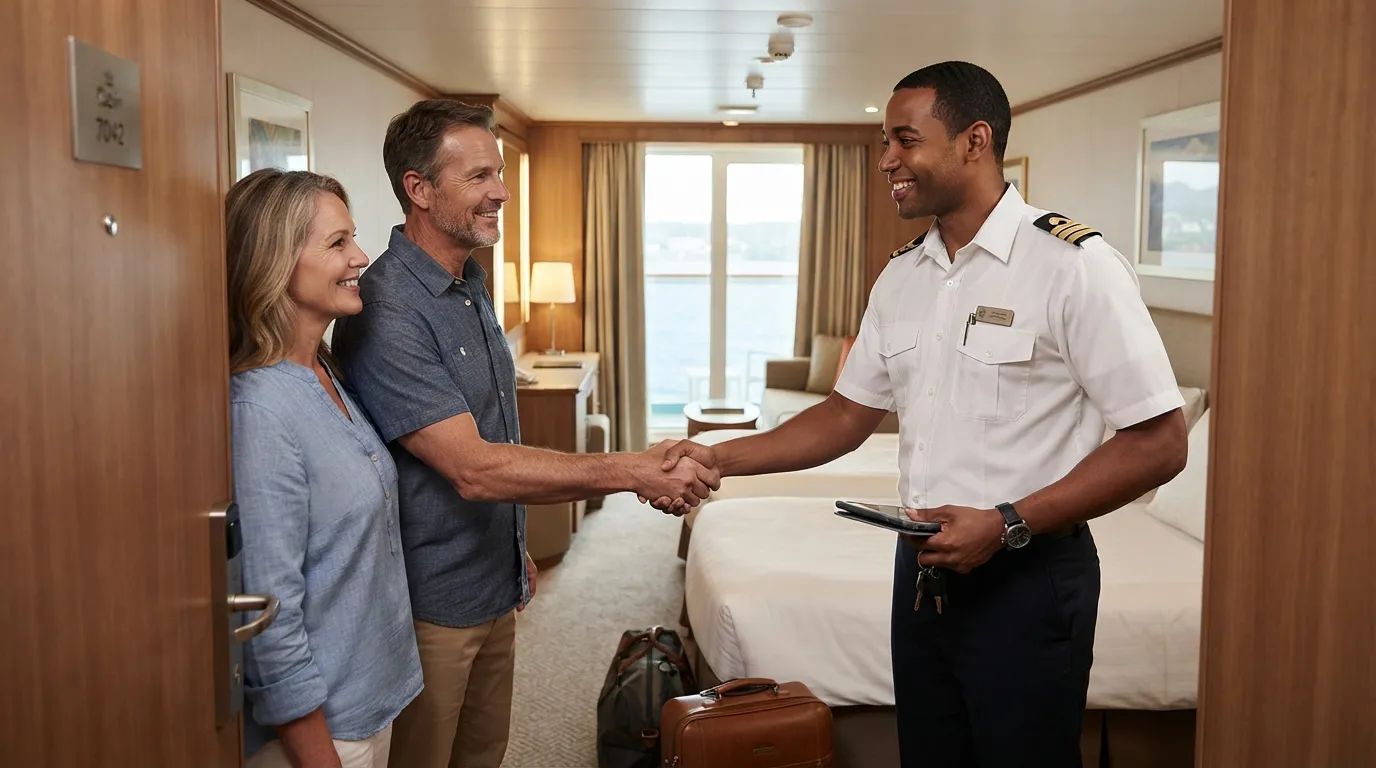
You can read a cruise cabin like a résumé. On embarkation day, the first-timer is easy to spot: bags spilled across the bed, a key card jammed in a back pocket, and a phone quietly hunting for a roaming signal in the middle of the ocean. A veteran’s room looks completely different, and nearly every difference traces back to a lesson someone learned the hard way.
Most of these giveaways cost a few dollars and fit in a sandwich bag. A couple sound almost too simple to matter, until you hear what they prevent. And the biggest sign of all has nothing to do with gear.
#17 – Magnetic Hooks Stuck to the Walls
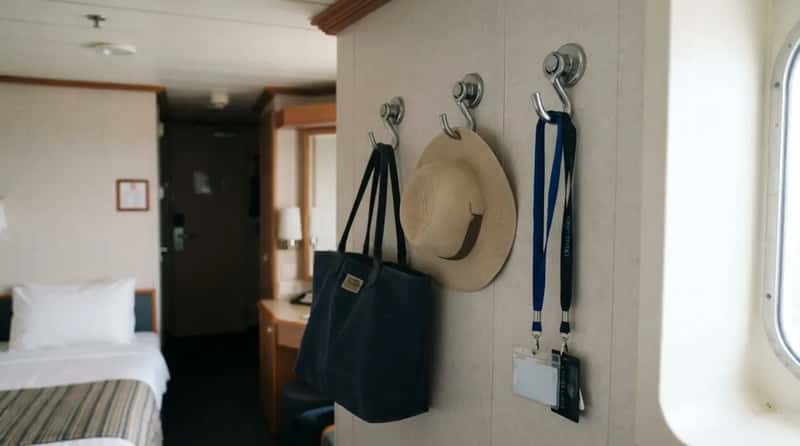
Cabin walls on most ships are steel, so magnets stick the way they would on a refrigerator. Veterans pack a few strong magnetic hooks and put them up within minutes of walking in. A bare wall becomes free storage for hats, lanyards, and tote bags in about ten seconds.
Cabins have very little hanging space, and the closet is usually small. Hooks keep everyday items off the bed and the floor, so the room stays walkable. Not every surface is magnet-friendly, so seasoned travelers test one hook before they trust it with a heavy bag.
But the next sign is something you’re probably wearing around your neck right now.
#16 – The Key Card on a Lanyard, Not Lost in a Pocket
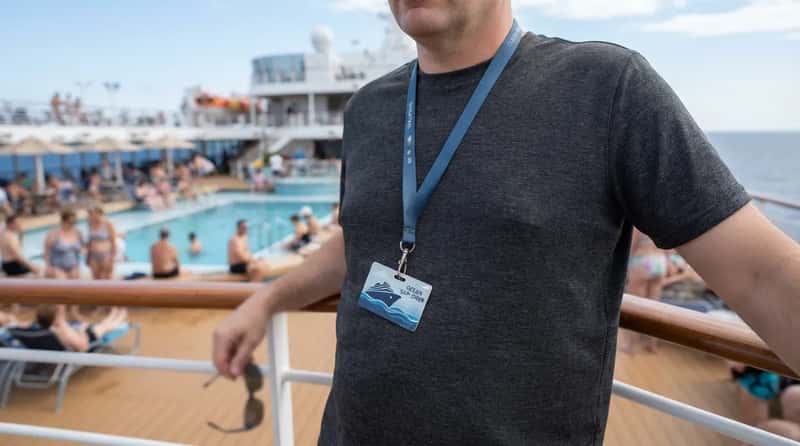
On many ships, your cabin key card is also your onboard ID and your payment card. Lose it, and you can be locked out of your room and unable to buy a drink in the same moment. Veterans clip it to a lanyard or a wrist strap on day one.
First-timers tend to tuck it into a back pocket or a swimsuit. That’s how cards slip out on the pool deck or end up at the lost-and-found. The lanyard costs next to nothing, but replacing a card means a trip to guest services in the middle of your vacation.
Fast Facts
- On most ships, one card opens your door, identifies you at the gangway, and charges your onboard purchases.
- A replacement means a stop at guest services, and that line is rarely shortest right before dinner.
- Some lines now offer wearable options, such as Princess’s OceanMedallion and Disney’s MagicBand.
- A lanyard or wrist strap keeps the card at hand at the pool, the gangway, and the bar.
Still, the next sign is on the outside of the cabin, and it says a lot about the person inside.
#15 – A Door Magnet That Turns One Identical Hallway Into a Landmark
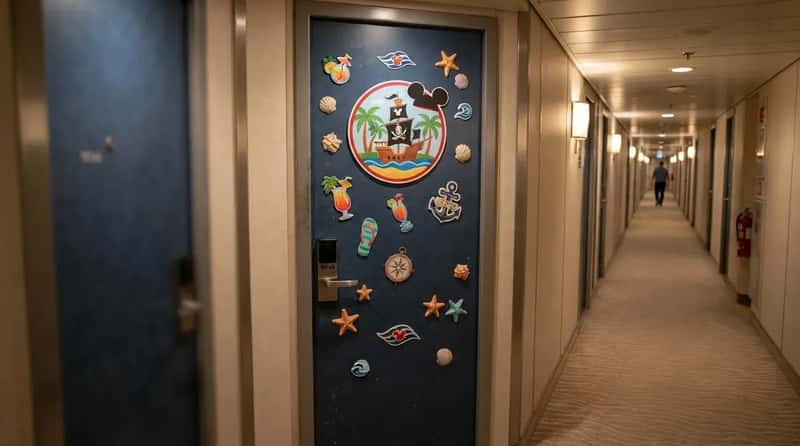
Long cruise corridors are famous for looking exactly alike. Veterans stick a small magnet or decoration on their steel cabin door so they can find it at a glance. Door decorating has become a full-blown tradition among Disney Cruise Line fans.
It’s practical, too. After a late show or a few cocktails, every door looks the same, and a bright magnet saves you from trying the wrong handle at midnight. Check your line’s rules first, since some cruise lines restrict what you can attach.
Next up is a cheap office supply that regulars swear by, and it solves a problem you probably didn’t notice.
#14 – Binder Clips Holding the Curtains Shut
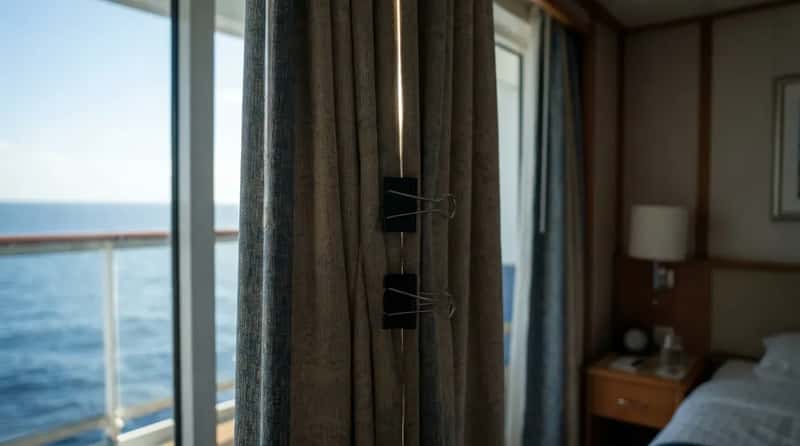
Here’s an opinion that gets a reaction: cabin curtains aren’t really blackout curtains. A thin strip of light usually slips through the gap, and it can wake you at dawn. Veterans pack a couple of binder clips and pinch the fabric closed.
Inside cabins are naturally dark, but balcony and oceanview rooms catch sunrise and bright deck lights. One clip across the seam fixes it in seconds. Some travelers trust this trick more than any pricey sleep mask.
The next sign is hiding under the bed, and it’s the opposite of what rookies do.
#13 – Suitcases Empty and Stowed Under the Bed
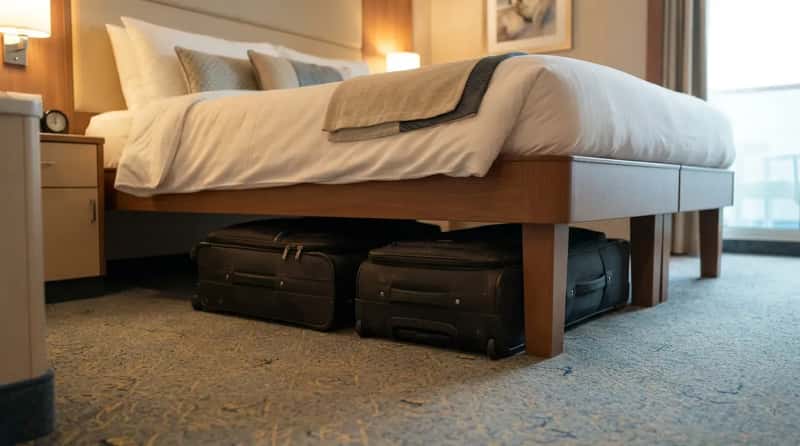
Seasoned cruisers unpack completely on day one. Many cabins have just enough room under the bed to slide an empty suitcase out of sight. Space varies by ship and cabin type, so they check early.
The logic is simple. A cabin that’s mostly open floor feels bigger, and there’s less to trip over in the dark. Clothes go into drawers and the closet, and the bags disappear. Rookies live out of open suitcases all week and wonder why the room feels like a storage unit.
The next item keeps your devices charged, and it’s also the one people get wrong most often.
#12 – A Power Strip Without a Surge Protector
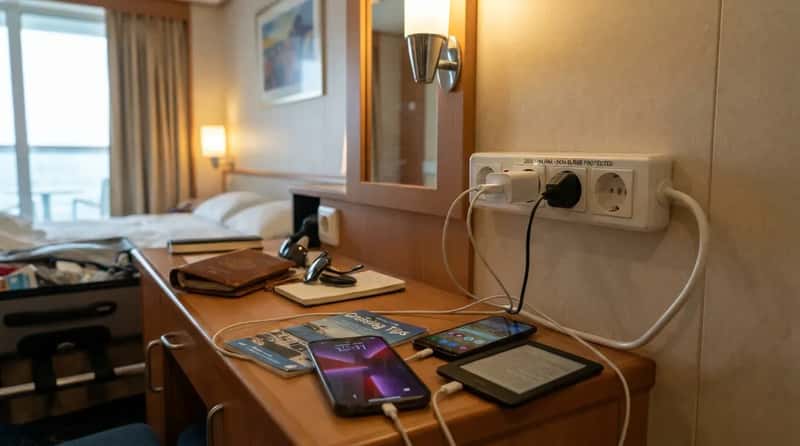
Most cabins have shockingly few outlets, and a family with four phones can feel the pinch fast. Veterans bring a basic power strip and make sure it has no surge protection. Many cruise lines prohibit surge-protected strips, and staff can remove them from your cabin.
Lines cite fire safety as the reason for the rule. Policies differ from brand to brand, so experienced cruisers read the prohibited-items list before they pack. A plain extension strip or a USB-only charger is usually the safer choice. It’s an easy way to look like a pro and avoid coming back to find your gear gone.
Quick Compare
- Basic power strip: usually allowed, and it adds outlets fast.
- Surge-protected strip: commonly banned, and it can be confiscated.
- USB-only charging hub: usually allowed, and it’s light enough to forget it’s in your bag.
Meanwhile, the next sign sits in your pocket, and it can quietly cost you money.
#11 – A Phone on Airplane Mode and a Ship App Open

Once you’re out at sea, phones can latch onto a maritime cellular network instead of land towers. Roaming charges on those networks can be far higher than on shore. Veterans switch to airplane mode, then turn Wi-Fi back on only if they’ve bought a package.
Many lines now run apps for daily schedules, dining reservations, and messaging. Seasoned cruisers download the app before boarding and use it instead of guessing from a crumpled daily planner. Plenty also check their carrier’s cruise plan before they leave home.
The next sign hangs on the back of a door most people ignore.
#10 – An Over-the-Door Organizer Hanging in the Bathroom
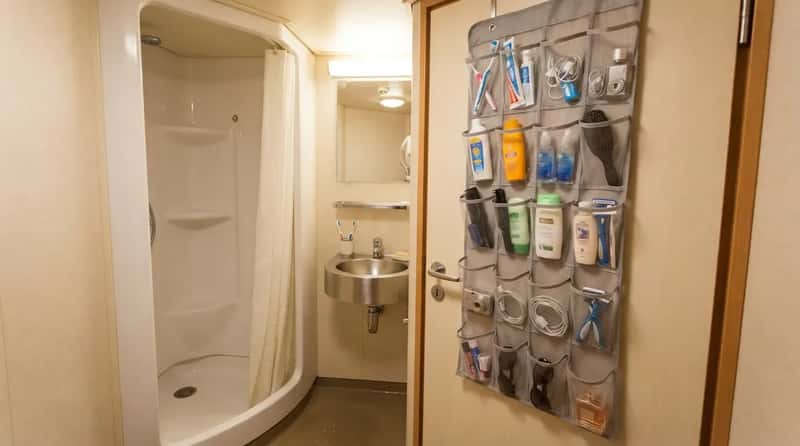
Cruise bathrooms are tiny, and the shelf space is even tinier. Veterans hang a pocketed organizer on the bathroom door or closet door. That one item can hold an entire family’s toiletries off the counter.
Counters in many cabins are barely wide enough for a toothbrush cup. Pockets keep sunscreen, chargers, and hair tools within reach. Rookies spread everything across a narrow ledge, then watch it slide into the sink the first time the ship rolls.
The next one will save you a surprise at the check-in line, and a wrinkled outfit before dinner.
#9 – Wrinkle-Release Spray Instead of an Iron

Here’s the catch about cruise packing: irons are generally prohibited. Most lines ban them because of fire risk, and staff can confiscate one from your luggage. Veterans know that, so they pack a small bottle of wrinkle-release spray instead.
Dinner nights and formal evenings mean shirts and dresses come out of suitcases creased. Hang the clothes in the bathroom while you shower, mist them lightly, and smooth them by hand. Many ships do offer pressing services, but those usually cost extra.
And the next item is for people who are sure they’ll never need it.
#8 – Motion Remedies Sitting Out Before the Ship Even Leaves
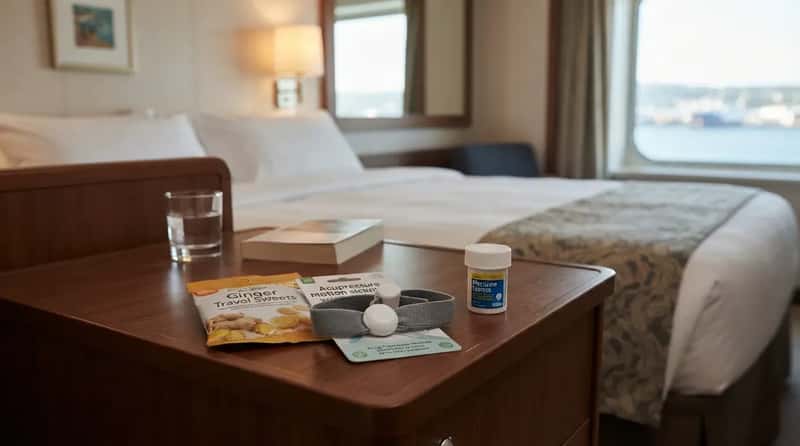
Seasoned travelers don’t wait to feel queasy. They set remedies on the nightstand from the very first evening. Common choices include ginger candies, acupressure wristbands, and over-the-counter options their doctor has approved.
The reasoning is timing. Many motion remedies work better when taken before symptoms start, which is the standard advice for motion sickness. Rookies end up scrambling at 2 a.m. when the sea turns rough. Anyone with health concerns should check with a doctor before sailing.
Worth Knowing
- Ginger candies and acupressure bands are drugstore items, so they’re easy to pack ahead.
- Prescription patches have to be arranged with a doctor before you leave home.
- Some over-the-counter options cause drowsiness, so it’s smart to read the label first.
- Many ships keep basic remedies at guest services or the medical center, sometimes for a fee.
The next sign is invisible once you’re inside, but it was decided months earlier.
#7 – A Cabin Picked for Its Position, Not Its View

Here’s a take that starts arguments: the top-deck balcony most people dream of isn’t always the smart pick. Veterans often book a lower, midship cabin because it moves the least. A ship pitches and rolls around its center, so the middle of the hull feels calmer.
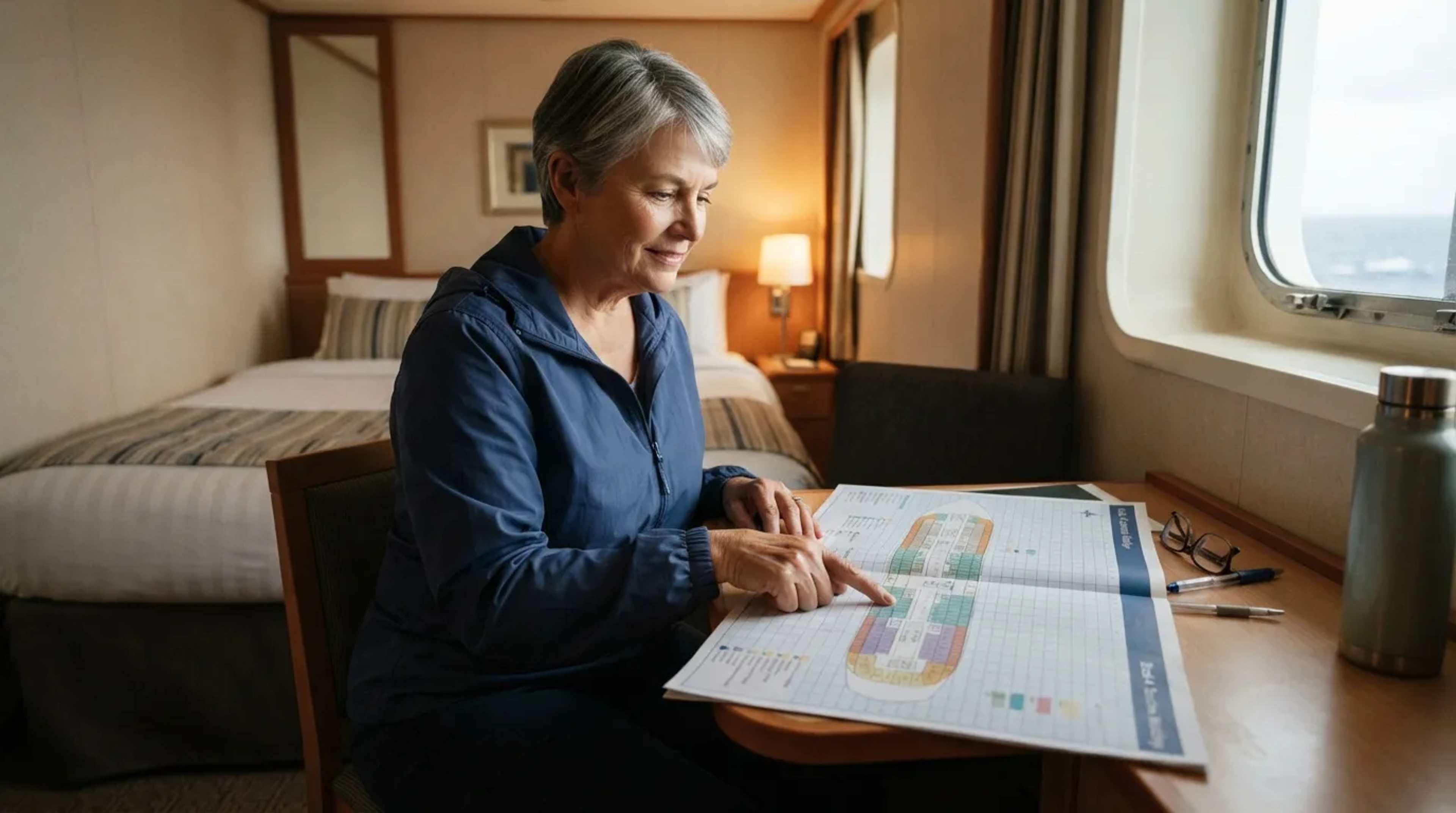
They also study the deck plan for what’s directly above and below. A cabin under a pool deck or a nightclub can mean scraping chairs and late-night bass. A quiet corridor and a central location often matter more than extra square footage.
Of course, location only matters if the bed is right, and that’s the next sign.
#6 – The Bed Already Set Up the Way They Wanted

On many ships, a cabin’s two beds can be pushed together as a queen or king, or split into twins. Veterans ask for their layout before they sail, not after they’re stuck with the wrong one. Most lines let you request it through your booking or with a short message to the steward.
Rookies walk in to find the beds pushed together when they’re traveling with a friend who’d rather not share. Or they find twins when they wanted a big bed. A quick request, made ahead or on day one, usually gets it sorted. It’s a tiny ask that can save a week of bad sleep.
The next item looks small, but it’s the one that stops a midnight stumble.
#5 – A Tiny Night Light Glowing by the Bathroom

Inside cabins can be pitch black with the lights off. With no window, there’s no moonlight, no streetlamp, and no hint of where the door is. Veterans plug in or stick on a small night light so they can find the bathroom without hitting a wall.
The ship can also shift beneath your feet in the dark. A soft glow lowers the odds of a stubbed toe or a woken roommate. Choose a small, low-power LED model, and check it against your line’s rules before you pack it.
Next comes a bag that costs almost nothing, yet keeps your week from turning into a mess.
#4 – A Collapsible Laundry Bag Hanging Where Dirty Clothes Belong
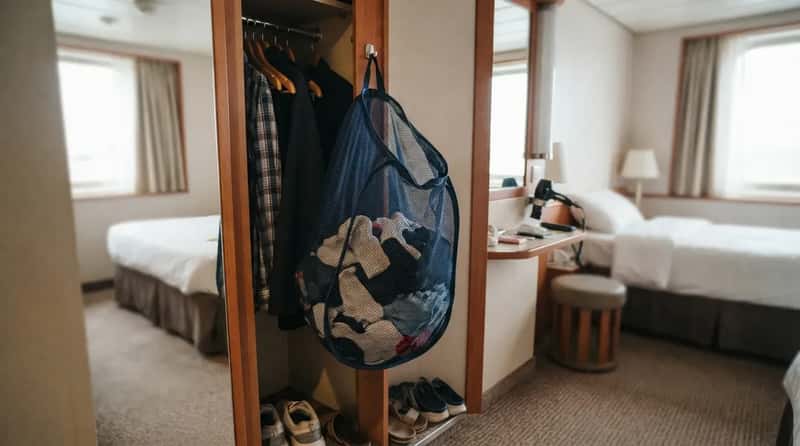
Cabins usually include a laundry bag, but it often comes with a price list attached. Per-piece laundry fees add up quickly on a long sailing. Veterans bring a mesh or collapsible hamper so dirty clothes stay sorted and out of sight.
Some lines also offer self-service laundry rooms, though that varies by ship and brand. Seasoned cruisers check ahead and pack accordingly. Either way, a separate bag keeps damp swimsuits from soaking into fresh outfits.
Why It Stands Out
- It keeps wet swimsuits away from the clean shirts you saved for dinner.
- It folds flat in a suitcase, so it takes almost no packing space.
- Mesh lets damp items breathe, which helps the cabin smell fresher by day five.
- The complimentary bag in the closet is usually meant for paid laundry service, not everyday sorting.
The next sign is about something you’d expect to be free, and often isn’t.
#3 – A Reusable Bottle, Not the Pricey Fridge Water

Many cabins include a minibar or a stocked fridge with bottled water, and every bottle carries a price. Veterans skip them and refill a reusable bottle at the buffet or a drink station. Ships make drinking water onboard through treatment systems, and cruise lines generally say it’s safe to drink.
This habit shows who’s been around. Rookies buy water packages without asking how much they’ll actually drink. Seasoned travelers do the math first, then clip a bottle to their daypack for every port. It’s a small move that saves real money over a week.
The second-to-last sign has less to do with gear and more to do with habits.
#2 – A Cabin That Looks Barely Lived In

Walk into a veteran’s cabin mid-week and the room is oddly calm. The bed is neat, the surfaces are clear, and the whole space looks barely used. They treat it as a place to sleep and change clothes, not a place to hang around.
They also use cabin service the smart way. Stewards usually tidy the room while guests are out at breakfast or dinner, so seasoned cruisers rarely leave the Do Not Disturb sign up. Left on all day, it can mean towels and trash pile up. Besides, they’d rather be out on deck watching the water.
But the number one sign is something you won’t find on any packing list.
#1 – A Steward Who Already Knows Their Name

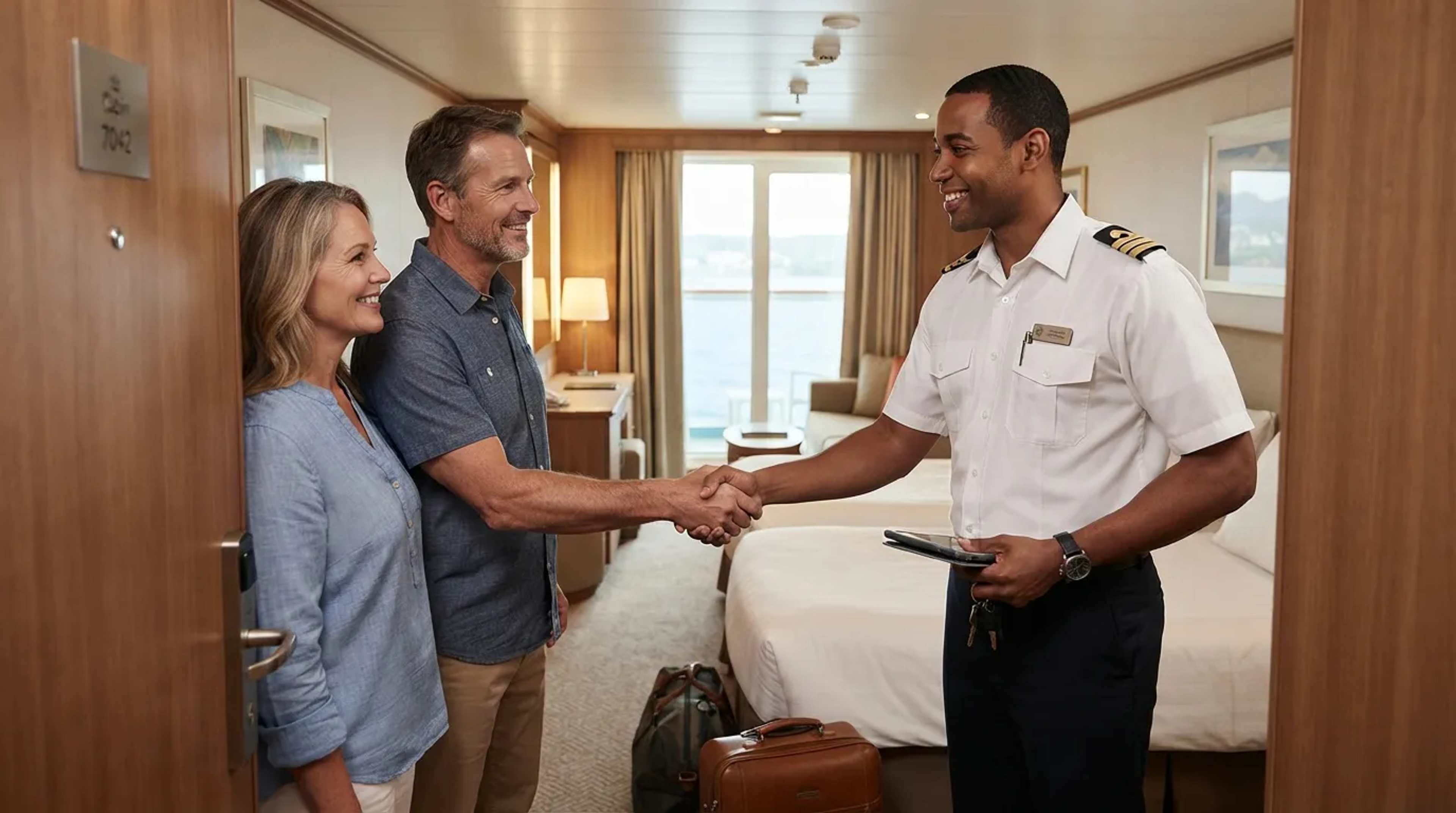
The real giveaway is a person, not an object. Veterans introduce themselves to their cabin steward on day one. They ask for what they need early, such as extra hangers, ice, or a different pillow, and they say thank you.
Many lines add gratuities automatically, so seasoned cruisers know the basics are covered. Even so, a name and a smile go a long way. Stewards look after a lot of cabins, and guests who are friendly and specific tend to get the smoothest service. No gadget beats that.
None of these signs cost much. A magnet, a clip, a night light, and a quick hello change how a cabin works for you. The pattern is simple: veterans plan around the ship’s limits, and they learn the rules before they leave port.
Pick the one habit you’d actually use on your next sailing. And if you’ve cruised before, which sign gave you away on your first trip?