Most travelers over 60 walk up to the TSA PreCheck checkpoint the same way they have for years – boarding pass ready, shoes half off out of habit, quietly hoping nothing goes sideways. What they don’t realize is that trained agents are already reading them long before they step through any scanner. TSA PreCheck staff are specifically trained to notice physical, behavioral, and situational cues that most passengers never know are being observed – and for travelers over 60, those observations quietly trigger a whole set of adjustments, accommodations, and behind-the-scenes decisions that nobody announces out loud.
Some of what agents notice is tied to federal screening policy. Some of it is trained behavioral observation. And some of it is the kind of quiet, human-level awareness that experienced officers develop after years of watching thousands of people move through a checkpoint under stress. The gap between what’s actually happening on the agent’s side of that podium and what most travelers over 60 assume is happening is wider than almost anyone knows – and a few of the items on this list carry real consequences that the airline industry has no interest in advertising.
#17 – Whether Your Date of Birth Has Already Changed How You’ll Be Screened
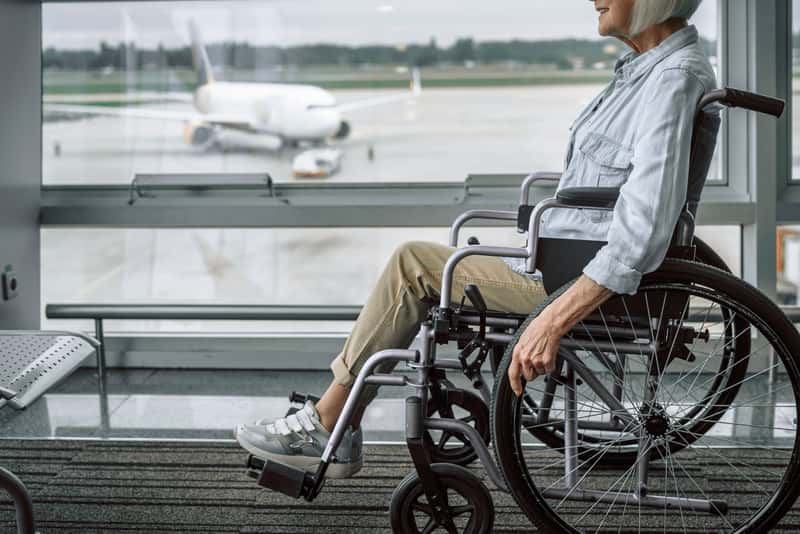
Before you ever reach the podium, the agent checking boarding passes already knows more about you than you might expect. TSA’s Secure Flight program is a risk-based passenger prescreening system that collects your full name, date of birth, and sex to match you against trusted traveler lists – and that date of birth isn’t just a formality. It’s the trigger for age-based screening adjustments that most travelers over 60 have no idea exist. Agents at the document check podium can see what the system has flagged before you say a single word.
The formal age-based adjustment officially kicks in at 75 – and it’s more substantial than most people realize. Passengers 75 and older automatically receive expedited screening benefits that include keeping shoes and light jackets on through the entire process, with no enrollment, no application, and no PreCheck membership required. But agents start making mental assessments about your age even before the system confirms it, which means how you look and move as you approach matters more than most people expect. And that’s before we get to what they notice in #16.
Fast Facts
- TSA’s Secure Flight program uses your full name, date of birth, and sex to assess every traveler before they reach the podium.
- Passengers 75 and older get automatic shoe and jacket exemptions – no PreCheck enrollment required.
- The age-based screening adjustment requires zero paperwork, zero cost, and zero advance notice.
- Agents visually assess age from the moment you enter the queue, before any system confirmation.
#16 – The Exact Moment They Assess Whether You Can Stand Through the Full Process

Experienced PreCheck agents don’t wait until you’re inside the scanner to decide whether you’ll need a modified process. They watch how you move through the queue. TSA policy instructs officers to assess a passenger’s ability to walk or stand independently before screening begins – and agents trained to work with older travelers learn to recognize the physical signs of difficulty early: a hesitation before lifting a bag onto the belt, a hand gripping the divider, a shifted stance that telegraphs pain.
What most travelers don’t know is that agents are supposed to offer seated screening options proactively – not wait to be asked. If you’re unable to stand, you may remain seated in your mobility device while the officer conducts the screening, which typically includes a residue test of your hands. The practical problem is that many older travelers never know to ask and assume they must stand regardless. Agents who catch the struggle early can redirect the entire process before it becomes a distressing, public ordeal – but only if they’re paying attention from the start.
#15 – Whether You’re Traveling Alone and What That Changes for Them

A solo traveler over 60 with a complex medical setup, a heavy carry-on, and no companion in sight gets a very different level of quiet attention from a prepared PreCheck agent. On busy days, TSA Cares Passenger Support Specialist teams actively move through airports – especially near check-in areas – watching for anyone who may need help before they even reach the checkpoint. An older solo traveler visibly struggling with their bag is exactly the kind of person these specialists are trained to spot. The approach is deliberate and low-key. You won’t hear an announcement. They’ll simply appear and offer help.
Supervisors at airports like Phoenix Sky Harbor have described these specialists as sensitive, soft-spoken employees whose job is to de-escalate the chaos of security and usher passengers in need toward their gates. They’ve seen older adults with dementia who can’t navigate the airport alone, passengers flying to funerals who need moral support more than procedural guidance, and people who are simply terrified of flying. Agents reading the room for solo older travelers are doing far more than security work – and the travelers who benefit most are often the ones who never realized anyone was watching out for them.
#14 – Signs That You Didn’t Hear the Verbal Instructions Clearly

One of the most common invisible friction points at the PreCheck lane for travelers over 60 is missed verbal instructions – and trained agents are watching for exactly that. When an experienced agent notices a traveler isn’t catching what’s being said, they shift their entire approach without making a scene: facing you directly, speaking more slowly, using clear hand signals, and physically guiding you through each step. Most travelers who miss an instruction assume they’ve done something wrong. They haven’t – the agent has already quietly adapted.
The single most useful thing a hard-of-hearing traveler over 60 can do is say so upfront at the podium. Not because it changes the procedure, but because it signals the officer to communicate more clearly throughout the entire process. Agents catch the signs of a missed instruction fast – a pause, a glance at other passengers for cues, moving in the wrong direction after clearing the scanner. They’re trained not to embarrass you. They’re trained to bridge the gap before it becomes a problem.
#13 – Whether Your Boarding Pass Is Missing the PreCheck Indicator
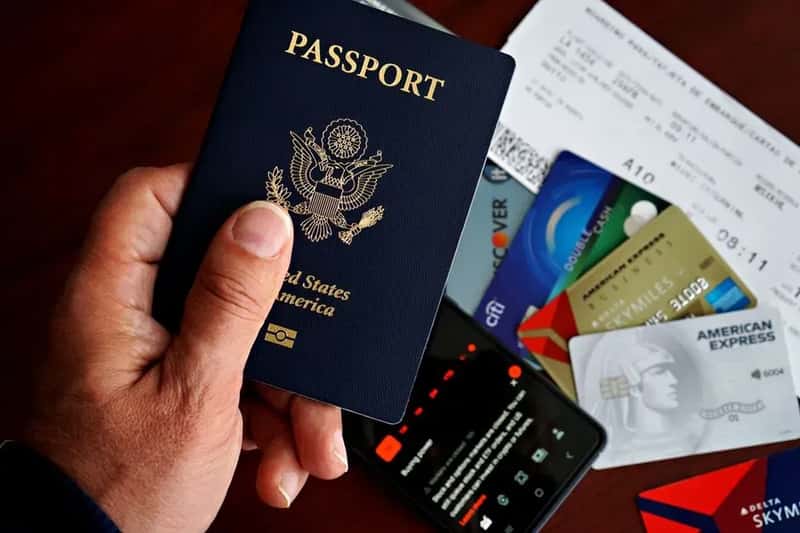
This one catches more travelers over 60 than almost any other checkpoint detail. An enrolled PreCheck member walks up to the dedicated lane, boarding pass out – and the indicator simply isn’t there. Agents see it constantly. The TSA PreCheck checkmark must appear on your printed or digital boarding pass, not just your profile, and even a missing middle initial can strip PreCheck from your pass entirely. Agents cannot override this at the checkpoint. If the indicator isn’t printed on the pass, you’re going to the standard lane – full stop.
TSA PreCheck isn’t guaranteed on every flight, either – travelers may still be selected for standard screening at random. What agents quietly notice is the look of frustrated surprise on travelers who assumed PreCheck was automatic and permanent. If you’re not seeing the indicator, check that your membership hasn’t expired, then confirm with your airline that your Known Traveler Number, name, and date of birth are entered exactly right. Agents recognize the body language of a confused PreCheck member from twenty feet away – and by then, there’s nothing they can do to help.
At a Glance: Why the PreCheck Indicator Goes Missing
- Your Known Traveler Number (KTN) wasn’t added to the airline reservation.
- Your name on the booking doesn’t exactly match your TSA application.
- Your 5-year membership has expired without renewal.
- TSA randomly selected you for standard screening on that specific flight.
- You booked through a third-party site that didn’t carry your KTN forward.
#12 – Medication Bags and the 3-1-1 Rule You Probably Think Still Applies to You

Travelers over 60 are far more likely to carry medically necessary liquids, gels, and aerosols – and a significant number of them don’t know the rule that actually applies to them. You can bring liquid, gel, cream, and aerosol medications in your carry-on even if they exceed 3.4 ounces, and it’s smart to keep them in original prescription packaging or include a note from your doctor or pharmacist. This is a complete bypass of the standard 3-1-1 rule – and almost nobody tells you about it.
What agents notice is when an older traveler nervously tries to jam a large prescription bottle into a quart-sized bag, clearly unaware they don’t have to. Pack clearly labeled medications in a bag you can easily pull out at security, because these items will be inspected separately. Pills go through the X-ray machine; liquids and gels may be tested by hand for explosives or concealed items, and officers may open containers. Agents can tell within seconds whether a traveler knows this rule or is about to be blindsided by it – and the ones who don’t know it almost always hold up the line.
#11 – Whether You’re Carrying Medical Devices That Could Alarm the Scanner

Pacemakers, insulin pumps, cochlear implants, joint replacements – older travelers are statistically far more likely to wear or carry medical devices that interact with screening technology. Agents are trained to gather this information before you step into the scanner, not after the alarm sounds. The traveler who mentions a hip replacement at the podium moves through faster and with far less friction than the one who says nothing and triggers an alarm mid-process in front of a crowded lane.
If a device triggers the metal detector or advanced imaging, additional screening may follow – but in most cases these devices pass through without any alarm at all. Agents will ask whether you can disconnect from the device; if you can, you go through like everyone else. If you can’t, they’ll test the equipment for explosive residue. Experienced PreCheck agents scan the approach line for walkers, canes, visible medical ports, or the slight gait of someone with a joint replacement – it’s all visual information processed well before you even reach the belt.
Worth Knowing: Medical Devices at the Checkpoint
- Pacemakers and implanted defibrillators: Tell the agent before entering the scanner – you may request a pat-down instead of the Advanced Imaging Technology machine.
- Insulin pumps: Cannot be disconnected for screening; agents will test the device for residue.
- Cochlear implants: May alarm the walk-through metal detector; notify the officer in advance.
- Joint replacements: Most modern implants do not trigger alarms, but gait and posture often tip off experienced agents before you say a word.
- TSA notification cards can pre-brief agents on any of the above – all from a single printed card.
#10 – Your Mobility Aid and How It Will Move Through Screening Separately From You
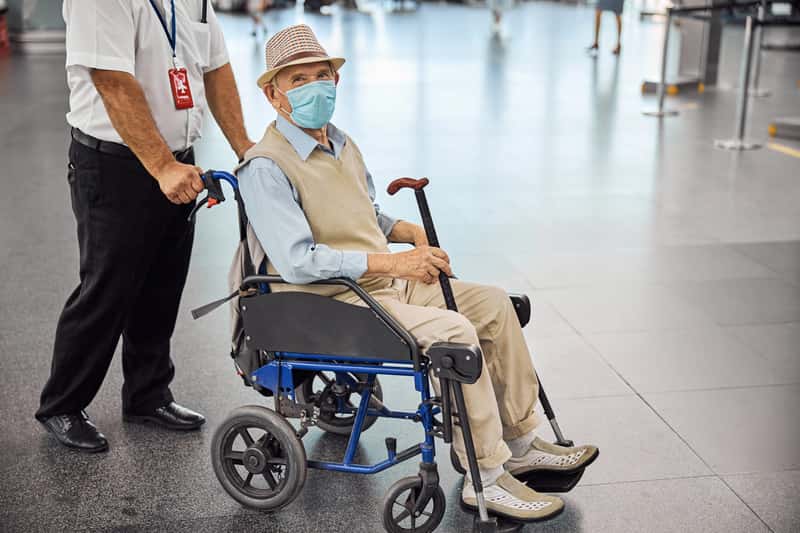
Here’s something that genuinely surprises older travelers every single time: your cane, walker, or rollator doesn’t go through the scanner with you. It goes on the belt. Walkers, crutches, and walking canes must undergo X-ray screening, and you can notify the officer that you need to be reunited with your device immediately after it clears. Agents watch for the moment a traveler realizes their cane is on the belt and they have to walk unassisted – sometimes five or six feet – into the scanner. That moment of realization, mid-checkpoint, is one of the most common points of visible distress agents observe in older travelers.
The fix is a quiet word before it happens. Experienced agents at busy PreCheck lanes learn to anticipate this and step in with a heads-up or physically slow the belt down. Wheelchairs and scooters are screened separately, including seat cushions and any pouches or bags attached to them. Passengers 75 and older with mobility devices may also qualify for alternative screening procedures that allow them to remain seated throughout. Agents who spot the mobility aid early can brief you in advance – but only if they’re paying close enough attention from the start.
#9 – Whether You’re Showing Behavioral Stress That Signals Confusion, Not a Threat

TSA deploys Behavior Detection Officers at larger airports to observe passengers for stress, fear, and confusion throughout the checkpoint – and they’re specifically trained to distinguish between different kinds of anxiety. For travelers over 60, the critical distinction experienced agents make is between confusion-based stress and threat-based stress. An older traveler who looks panicked because they can’t remember which bag their medication is in reads very differently to a trained eye than someone who is deliberately evasive or avoiding eye contact for other reasons.
Behavior Detection Officers often engage travelers in casual conversation while reading facial expressions, body language, and other behavioral cues. For travelers over 60, this casual exchange frequently serves a dual purpose – it’s both a behavioral assessment and a chance to identify someone who needs help rather than extra scrutiny. The agents who misread genuine confusion for suspicion create unnecessary secondary screenings. The better-trained ones know the difference in about fifteen seconds.
#8 – A TSA Notification Card You Should Be Carrying but Probably Aren’t
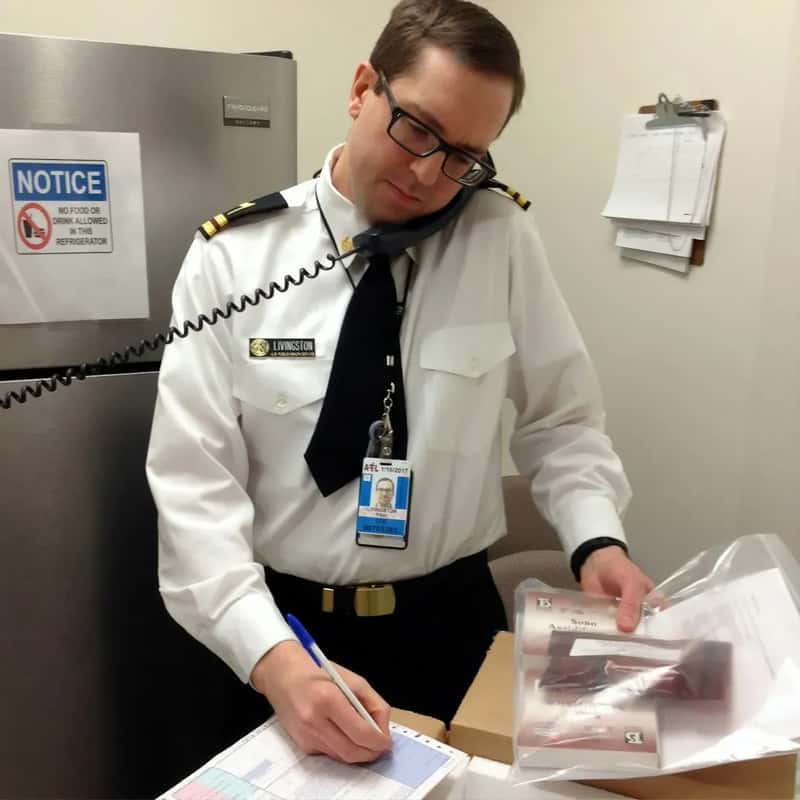
Very few travelers over 60 know this tool exists – and agents can spot the ones who don’t almost immediately. TSA notification cards are available as free downloads online, designed to let you discreetly inform agents of your disability, medical device, or condition before the screening process begins. A traveler who produces one at the podium immediately signals: this person is prepared, there are known variables here, and this is exactly what they are. The entire tone of the interaction changes within seconds.
Agents who see a notification card skip the exploratory back-and-forth entirely and move straight to the tailored protocol. The travelers who move through PreCheck fastest with a complicated medical profile are almost universally the ones who arrived prepared with documentation. The ones who didn’t have to explain everything from scratch – under pressure, in a noisy checkpoint, with people stacking up behind them. You can download the card from TSA’s website before your next trip and hand it over before you say a word.
#7 – Whether the Name on Your Boarding Pass Exactly Matches Your ID
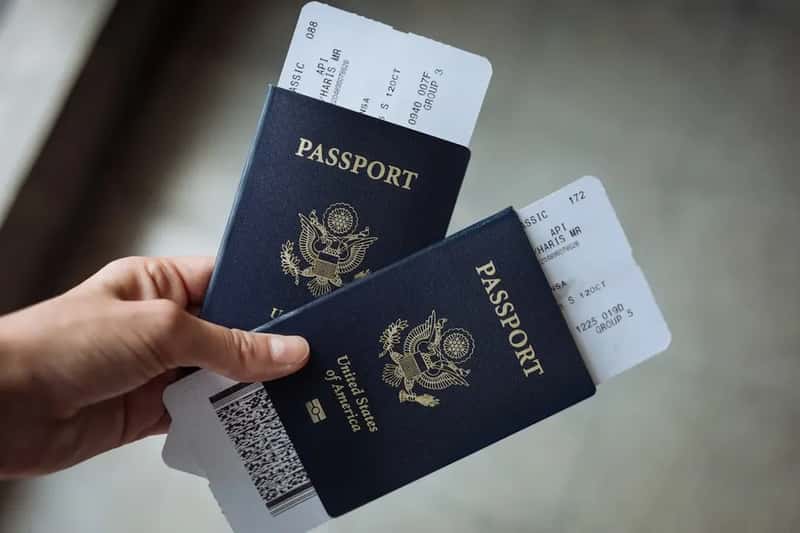
This is a silent checkpoint killer that hits older travelers disproportionately hard – particularly women who travel under a married name, carry a hyphenated surname, or have a middle name that appears on their ID but not their airline profile. TSA requires that the name on your PreCheck application match exactly what you use when booking flights. Agents at the document check podium see name mismatches constantly and are trained to flag them. Even a single dropped middle name can pull your PreCheck status off a boarding pass entirely.
What experienced agents notice first is the hesitation – that slight pause when a traveler compares their license to their boarding pass and something doesn’t quite line up. Agents cannot fix a name mismatch at the checkpoint. They can only redirect you to the standard lane. And for many travelers over 60, the standard lane isn’t just an inconvenience – it’s a physically demanding experience that PreCheck was specifically designed to spare them from.
#6 – The Moment You Might Qualify for a Passenger Support Specialist Without Knowing It
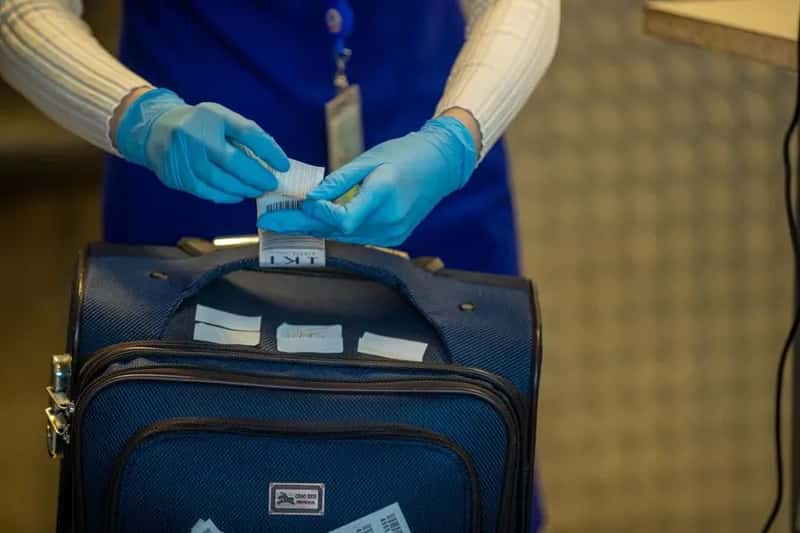
This is the one most older travelers walk right past without ever realizing it was available. TSA Passenger Support Specialists are officers who have received specialized training in effectively assisting and communicating with travelers who have disabilities, medical conditions, or other circumstances that complicate screening. The program is completely free. It requires no special enrollment. And agents at the PreCheck checkpoint who see an older traveler struggling are supposed to offer it – though in practice, many don’t unless asked.
Most travelers over 60 who could use a PSS never learn the service exists until after their worst airport experience. A PSS functions as your personal advocate through the entire checkpoint process – calm, unhurried, and already briefed on your situation. To request one in advance, contact TSA Cares at least 72 hours before departure by calling (855) 787-2227 or completing the TSA Cares form online. But you can also simply ask at the checkpoint itself – and an agent trained to recognize the need will often already be watching to see if you will.
Quick Compare: Asking at the Checkpoint vs. Calling TSA Cares Ahead
- Calling 72+ hours out: A Passenger Support Specialist is pre-assigned and waiting for you at the checkpoint by name.
- Asking on arrival: A specialist may still be available, but availability depends on staffing at that moment.
- Both options: Completely free, no disability documentation required, works for any medical condition or mobility concern.
- TSA Cares line: (855) 787-2227, available for calls or the online form at tsa.gov.
#5 – Whether Your Carry-On Bag Layout Is About to Cause a Secondary Screening
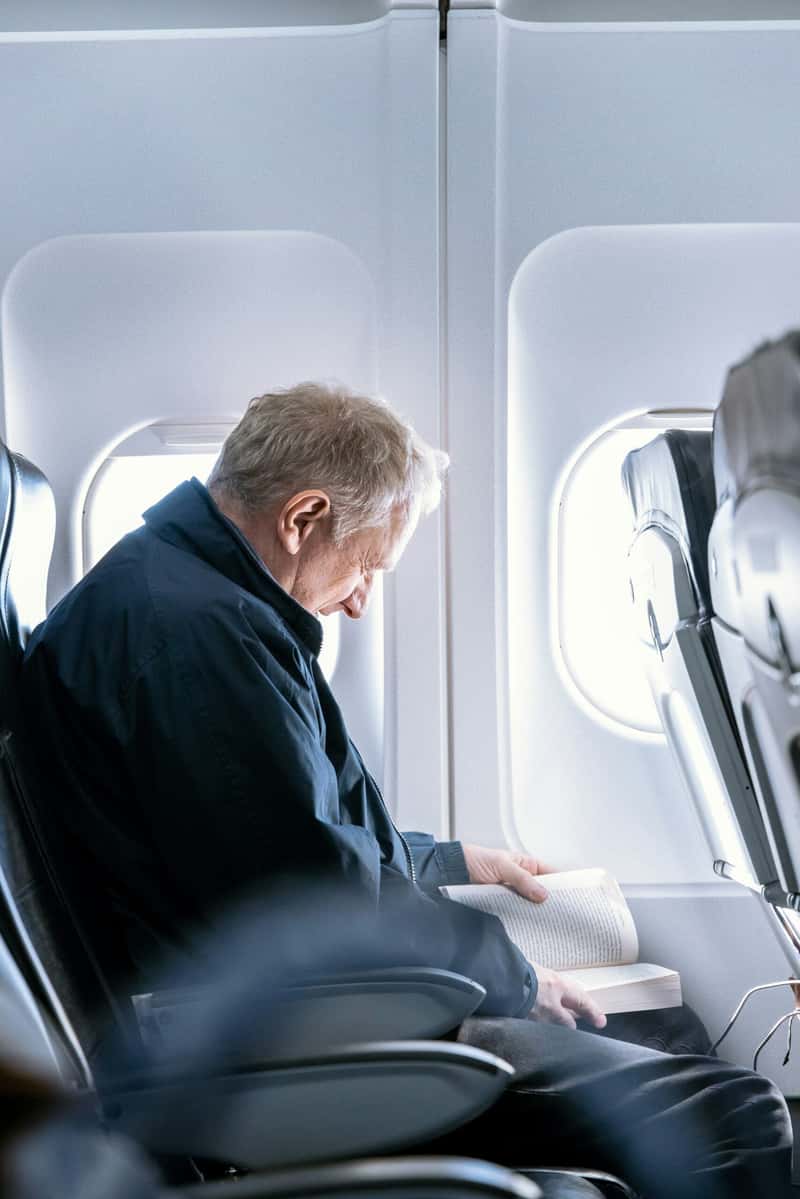
PreCheck agents working the X-ray monitors are remarkably fast at reading bag contents – and experienced officers can often predict a bag-pull before the image even fully resolves. For older travelers, the most common culprits are oversized pill bottles in unlabeled bags, CPAP machines not properly separated, and mobility-related equipment packed in ways that create confusing shadows on screen. If you use a CPAP, BiPAP, or APAP machine, it must be removed from its case and placed in a clear plastic bag for the X-ray – the machine itself needs to be clearly visible and separated from everything else.
Agents watching the belt approach can tell how a bag is packed before it even enters the machine. A well-organized bag with medical equipment clearly laid out moves significantly faster than a dense, tightly packed bag the X-ray has to resolve multiple times. Pack and label any accessories – IV bags, syringes, pumps, freezer packs – and alert the agent you have them. Agents also notice the traveler who looks tense while watching their bag disappear into the machine, and that visible anxiety is itself a signal to look more carefully at what’s inside.
#4 – Whether You’re a PreCheck Member Who Would Benefit Far More From It Than You Realize
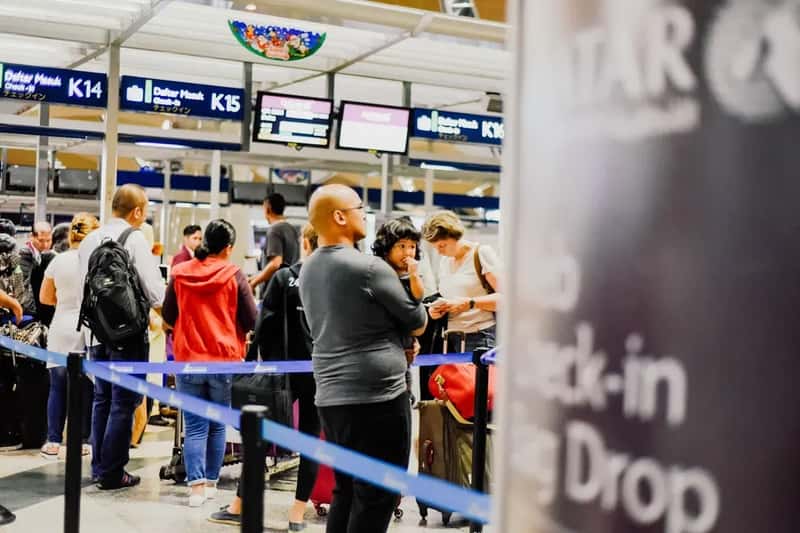
Here’s the demographic irony nobody talks about: the travelers who benefit most from TSA PreCheck aren’t the road warriors in their thirties rattling off their KTN from memory. They’re travelers over 60 managing medications, mobility issues, arthritis, and hearing loss – because the PreCheck lane eliminates almost every physical task that makes standard screening grueling. No removing shoes, no stripping out a laptop, no cramming a quart-sized bag out of a side pocket. For most older travelers, the biggest physical stress at the checkpoint isn’t the screening itself – it’s standing in a slow-moving standard lane for 20 to 40 minutes before you even get there.
About 99% of PreCheck passengers wait less than 10 minutes at security, while the TSA’s own benchmark for standard lanes is under 30 minutes – a gap that’s exhausting for anyone managing pain or mobility challenges. Enrollment runs roughly $77 to $85 for five years depending on your provider, and many travel credit cards cover the fee entirely as a statement credit. Agents at PreCheck lanes who regularly watch older travelers grinding through the standard line do notice – and the ones who genuinely care about their passengers will quietly mention the program when the opportunity comes up, especially for travelers 75 and older who already get the shoe exemption but are still physically working through everything else in the harder lane.
At a Glance: TSA PreCheck by the Numbers
- 99% of PreCheck passengers wait less than 10 minutes, per TSA’s own data.
- Under 30 minutes is TSA’s benchmark for standard lanes – nearly triple the PreCheck target.
- $77–$85 for a new 5-year membership depending on enrollment provider; renewals start lower.
- Over 200 airports nationwide participate in the PreCheck program.
- 20 million+ active members as of August 2024, a program record.
- Many premium travel credit cards reimburse the full enrollment fee as a statement credit.
#3 – Whether You Need a Second Pass Through the Scanner Before a Pat-Down Is Even Considered
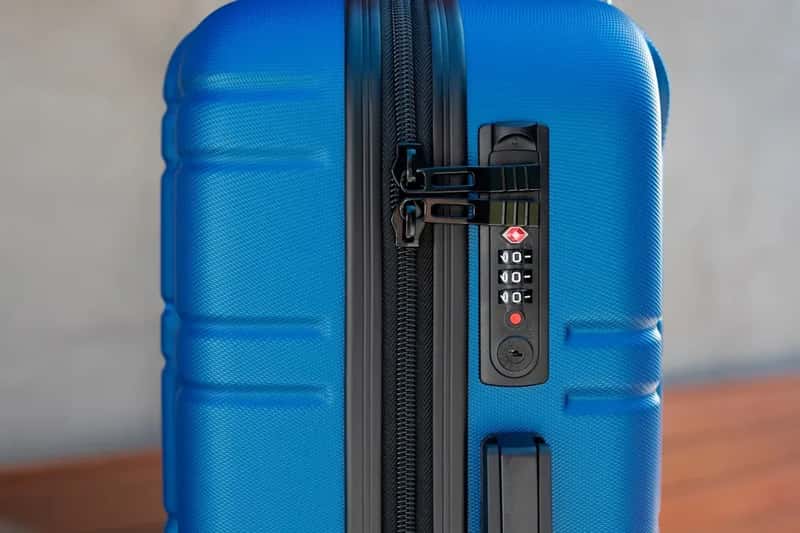
Here’s something the average traveler never gets told – and it matters enormously if you’re over 75. Setting off the alarm does not automatically mean a hands-on pat-down is next. For passengers 75 and older, TSA policy allows an extra pass through the scanner before a pat-down is even considered. This is a specific policy that applies to older travelers and is almost never announced at the checkpoint. The traveler who knows it going in is the one who can advocate for themselves calmly if the first pass doesn’t clear them. Most older travelers who get redirected to a pat-down after an alarm have no idea a second scanner pass was an option.
If a pat-down does become necessary, it’s conducted by a TSA officer of the same sex, and you may request private screening at any point. Even passengers with PreCheck status may occasionally be selected for a pat-down as part of unpredictable security measures. Experienced agents performing pat-downs on older travelers are also watching for signs of pain or limited mobility – and are authorized to conduct the screening with the traveler seated if needed. Knowing to ask for that second scanner pass first can spare the entire process entirely.
#2 – Whether You’ve Called TSA Cares 72 Hours Out and How Much Smoother That Makes Everything
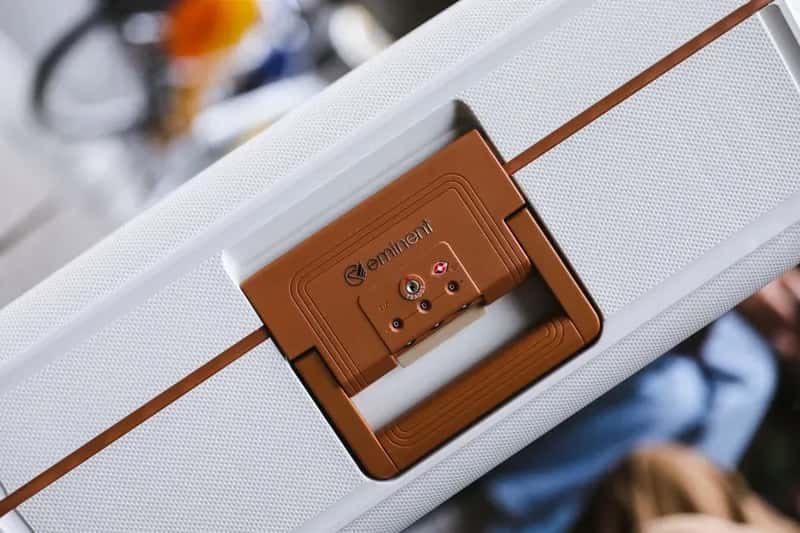
The travelers who move through the PreCheck checkpoint with a complex medical profile and barely break stride are almost always the ones who made one phone call before they left for the airport. When a Passenger Support Specialist is pre-assigned to meet you at the checkpoint, the entire dynamic shifts. The officer already knows your situation. The improvisation is gone. That single call transforms a checkpoint from a gauntlet into a guided, almost seamless process – and most travelers over 60 with complicated medical needs have never made it.
TSA Cares supports travelers managing diabetes, cancer, heart conditions, chronic pain, CPAP machines, prosthetics, wheelchairs, and a wide range of disabilities – all at no cost and with no formal disability designation required. Call (855) 787-2227 at least 72 hours before departure, or complete the TSA Cares form online. Agents working the PreCheck checkpoint can see from the first moment which travelers called ahead – and which ones are about to need three times the help, all of it improvised under pressure in a crowded lane.
#1 – Whether You Know You’re Legally Entitled to Something Almost Nobody at the Airport Will Tell You About
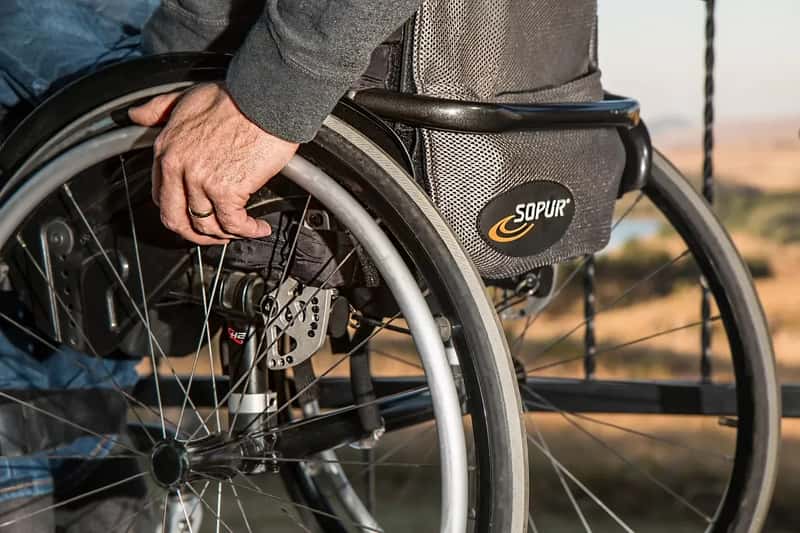
This is the one that stops frequent travelers cold when they finally hear it. Under the Air Carrier Access Act, travelers who need extra assistance – including many passengers over 60 – are entitled to free wheelchair or ambulatory escort through security, help with carry-ons, expedited checkpoint processing, and priority boarding that places them ahead of first class, elite-level passengers, and even military members. This is a federal legal protection, not an optional airline perk, and the carrier is legally required to provide it upon request. Airlines are not required to announce it at check-in. Most don’t.
A 2013 DOT clarification specifically confirmed that passengers who self-identify as needing extra time must be allowed to board before all other passengers – no diagnosis required, no documentation needed, no fee. TSA PreCheck agents who see older travelers arrive at the checkpoint already looking exhausted, having walked from a distant check-in counter with heavy bags and no assistance, are watching the downstream effect of a right that was never invoked. The most important thing a traveler over 60 can do before reaching the scanner is request this assistance when booking the ticket. It costs nothing. It requires no diagnosis. It only requires knowing it exists.
Why It Stands Out: Rights Most Travelers Over 60 Never Use
- Free wheelchair or ambulatory escort from check-in through the gate – no medical documentation needed.
- Priority boarding before first class and elite travelers, guaranteed under federal law upon request.
- Help with carry-on bags stowed and retrieved, also covered under the Air Carrier Access Act.
- Self-identification is all that’s required – no diagnosis, no form, no fee.
- Request it when booking your ticket, at check-in, or at the gate – all three are valid trigger points.
The bottom line is that TSA PreCheck staff notice far more about travelers over 60 than most people walking through the lane ever realize. From your date of birth quietly triggering screening adjustments to the way you grip your cane at the belt, every detail is being read by people trained to act on what they see. The older travelers who move through fastest and with the least friction are almost always the ones who showed up knowing their rights, carrying the right documentation, and having made that one call to TSA Cares before they left home. The gap between what’s available to you and what you’re actually using at that checkpoint is enormous – and now you know exactly where it is.