You board at dusk dreaming of gentle rocking and a pillow-soft morning. Then a platform announcement blares at 2 a.m., and the dream gets complicated. Nobody measures every passenger’s sleep on every sleeper train, so this ranking uses what can be checked: how long the night really is, what kind of bed you get, and what riders and rail guides keep reporting. It runs from the trains that mostly leave you staring at the ceiling to the one that comes closest to a real hotel night.
Here’s the twist: the longest journeys don’t always lose, and the famous ones don’t always win. Some of the best-loved routes in the world land near the bottom. The winner isn’t a luxury cruise train at all, and the reason it wins might surprise you.
#18 – Amtrak Coast Starlight in Coach: America’s Prettiest Train Is a Rough Night
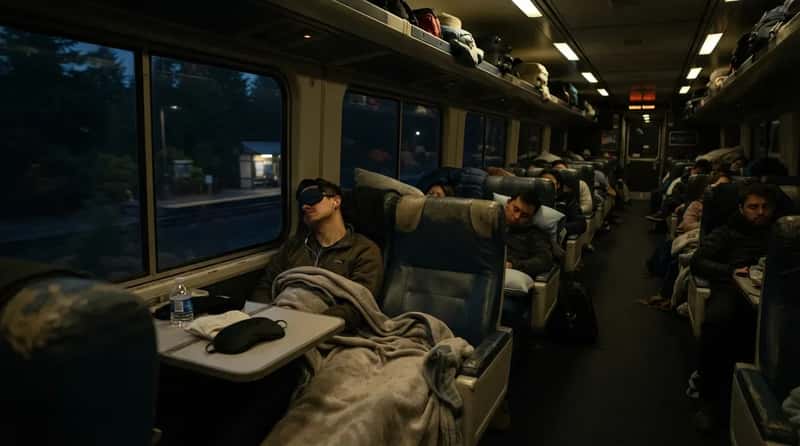
The Coast Starlight covers 1,377 miles between Seattle and Los Angeles in roughly 34 to 35 hours, with one night aboard. Passengers in coach spend it in a reclining seat, under aisle light, with station stops punctuating the dark. One rail guide calls a night in coach survivable but not restful.
Then there’s the timetable gamble. Another guide blames freight railroads that get priority on the shared tracks, so delays of an hour or more are not unusual. That means your “night” can drift well past the schedule, whatever time your body says it’s morning. The sleeper-car roomette comes with a flat bed and meals, and the coach seat doesn’t.
#17 – Vietnam’s Reunification Express: Two Nights, Not Much More Sleep
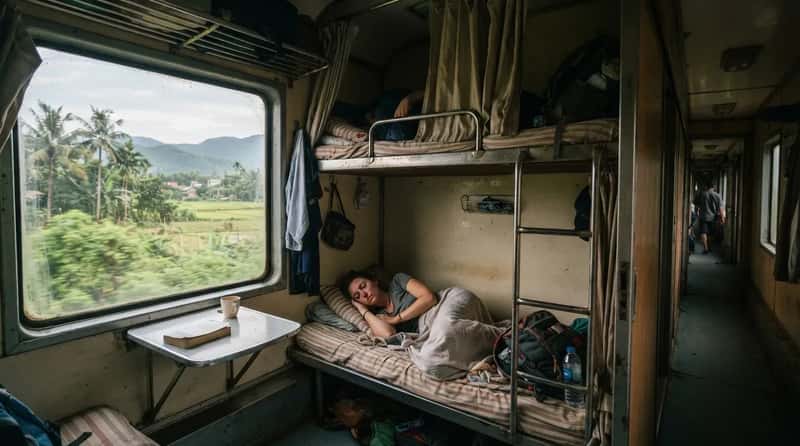
The rail line from Hanoi to Ho Chi Minh City runs roughly 1,700 kilometers. The full trip takes about 30 to 35 hours, which means two nights on board. Beds are bunks in shared compartments, and the narrow-gauge track gives riders a rattly, swaying ride.
Two nights should add up to plenty of rest, but it rarely works out that way. Sleep in a shared compartment tends to arrive in pieces, broken up by stops, announcements and neighbors coming and going. Plenty of travelers split the trip into shorter overnight hops for exactly that reason. The famous full-length ride is better for the scenery than for the sleep.
At a Glance
- Route: Hanoi to Ho Chi Minh City, roughly 1,700 kilometers
- Time on board: about 30 to 35 hours
- Nights aboard: two
- Bed type: bunks in shared compartments
#16 – Amtrak Empire Builder: 46 Hours and Two Nights of Freight-Track Gambling
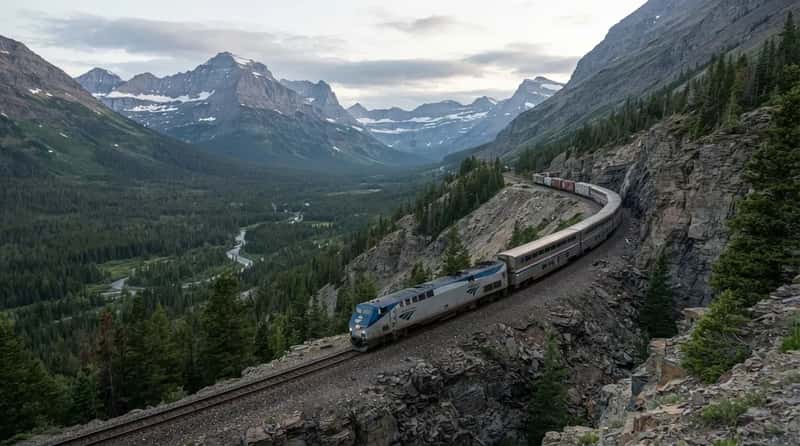
The Empire Builder links Chicago with the Pacific Northwest in roughly 46 hours. That’s two full nights in motion. The route crosses the northern plains and skirts Glacier National Park, which is the main reason people book it.
Like the Coast Starlight, it shares track with freight, so the clock can slip. A late train means a late bedtime or a very early wake-up. By the second night, many riders find the novelty has worn off and the tiredness hasn’t. It’s a spectacular trip, but arguably one of the least efficient ways to bank a good night’s sleep.
#15 – Mumbai Rajdhani: The Evening Train With Bedding Included
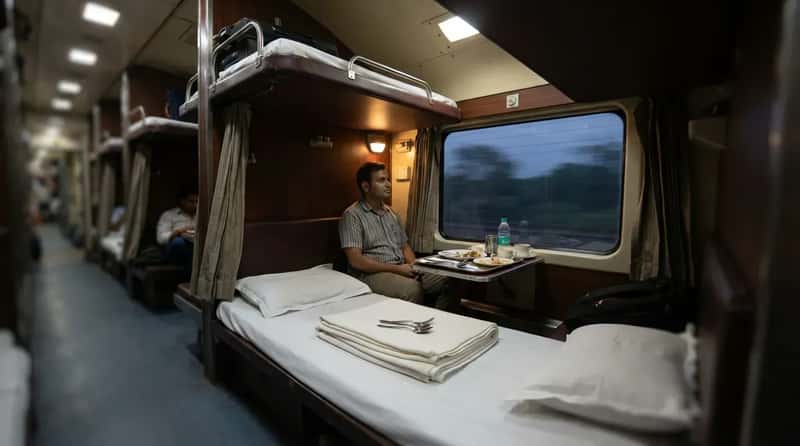
The Mumbai-Delhi Rajdhani covers about 1,380 kilometers in roughly 16 hours. It’s an air-conditioned, bunk-style train with an evening departure and a morning arrival. Bedding comes with the experience in the air-conditioned classes, so you don’t have to haul your own pillow.
The catch is the early part of the night. Dinner service, chatter and lights-on time chew into the evening and shrink the real sleep window. The overnight stretch is shorter than the clock suggests. Light sleepers say the trick is to claim a lower berth and ask the attendant when lights go out in your coach.
#14 – China’s Sleeper Bullet Trains: The Fast Train That Slows Down on Purpose
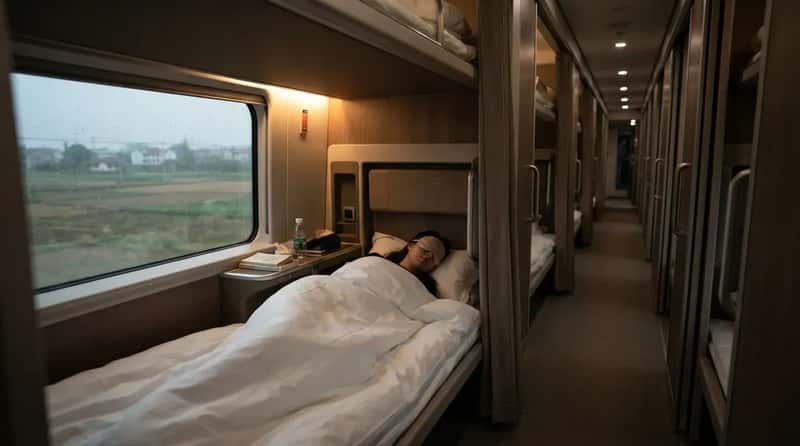
China runs bullet trains with beds. Several overnight “D” trains between Beijing and Shanghai take roughly 12 hours, while the fast daytime trains on the same route need about four and a half. The slowness is the whole point.
Passengers sleep in bunk compartments while the train keeps an unhurried pace that gets you in around breakfast. It’s smart design: no 3 a.m. arrival, no dawn scramble. Stops and platform announcements still happen, so earplugs matter. Check current timetables, because sleeper services change.
#13 – Via Rail’s The Canadian: Four Nights Across a Whole Country
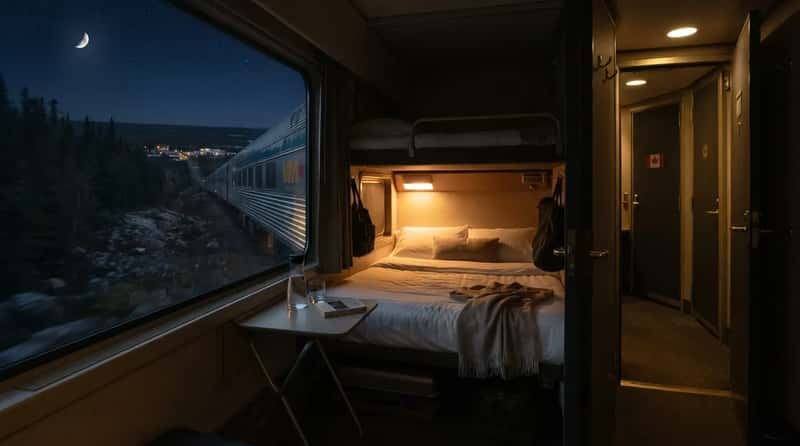
Toronto to Vancouver on The Canadian takes about four nights. Passengers in the sleeper cars get real beds, a dome car and a dining car. Few trains in North America feel more like a floating hotel.
Here’s the surprise. The train crosses time zones, so your body is never fully on one schedule. Some riders adapt after a night or two and sleep deeply. Others say the constant adjustment leaves them oddly tired by the end. It may be the best trip on the list and the least predictable for a steady night.
#12 – Turkey’s Eastern Express: The Snow Train That Takes a Full Day
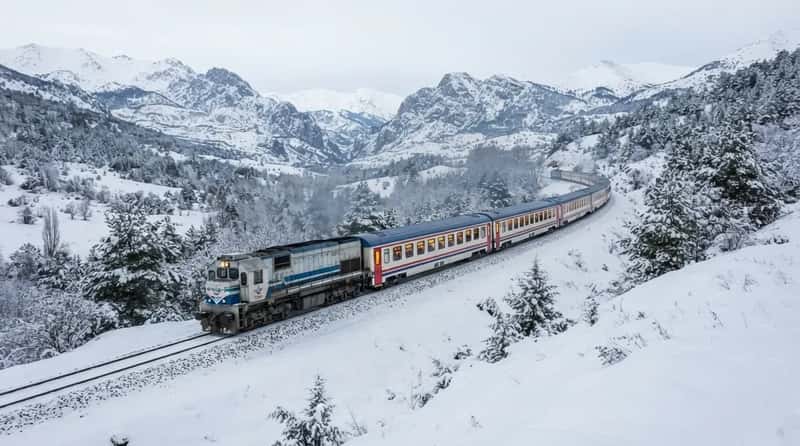
The classic Eastern Express connects Ankara with Kars in roughly a full day. It crosses the Anatolian highlands, where winter snow is a big part of its fame. It’s built for the journey, not for efficiency.
That long, window-gazing schedule changes how you sleep. You spend hours wide awake watching the white landscape slide by, then try to rest in the dark. Rail fans love the route for the snowy scenery, not the sleep. Treat the bunk as a bonus, and check timetables and sleeper availability before booking, since they shift.
#11 – Egypt’s Watania Sleeper: Cairo to Luxor, With a Very Early Wake-Up
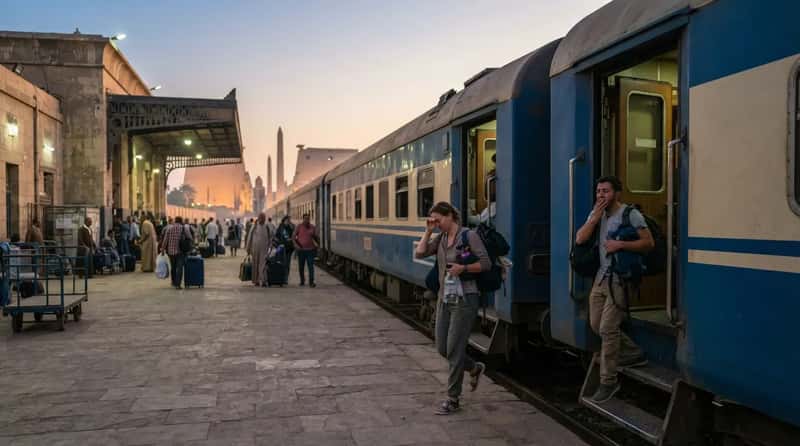
Egypt’s private sleeping train connects Cairo with Luxor and Aswan overnight. Passengers get cabins with beds and meals served on board. The Cairo-to-Luxor run is around ten hours, and Aswan takes longer.
The weak spot is the arrival. Riders often mention early-morning arrivals in the south, so you can wake before your body is finished. The night can feel shorter than the ticket suggests. It’s a legendary way to reach the temples, but you may step onto the platform half asleep. Confirm the current timetable, since schedules have changed over the years.
#10 – Thailand’s Bangkok to Chiang Mai Sleeper: The Backpacker Classic With Curtains
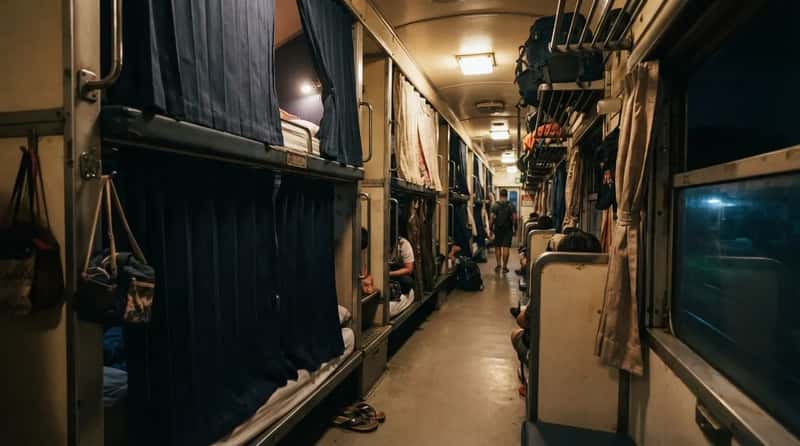
This is the overnight train most backpackers picture. The ride takes roughly 12 to 14 hours. In second-class sleepers, attendants convert the seats into curtained berths in the evening, and lower berths are wider and cost more.
Curtains give you privacy, but they don’t stop noise. Riders often warn that the air-conditioning runs cold, so layers matter. The upper berth is cheaper, but the lower one is wider and often considered the better sleep. It’s a fun ride, and usually more sleepable than its reputation suggests.
#9 – Sweden’s Arctic Night Train: Where Midnight Sun Fights Your Pillow
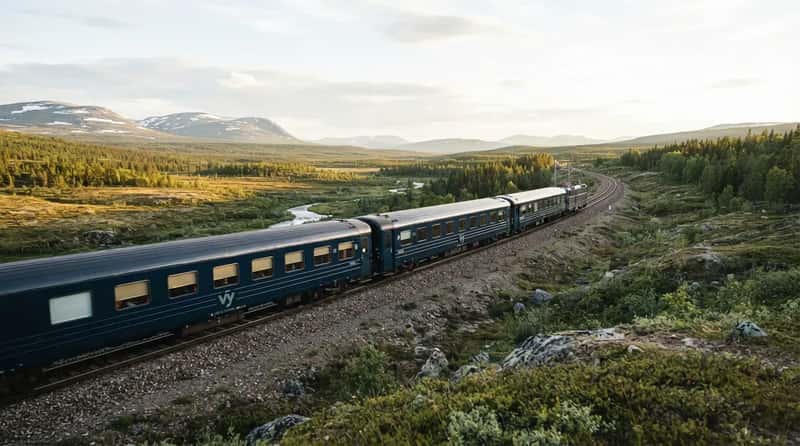
Sweden runs night trains from Stockholm up to the far north, including services toward Narvik in Norway. The ride takes roughly 18 hours or more. It crosses the Arctic Circle and rolls through some of the quietest land in Europe.
The sleep problem isn’t noise. It’s daylight. In summer, the sun barely sets at these latitudes, so your “night” can be bright. Blackout blinds in sleeper compartments help, and an eye mask helps more. In winter, the darkness works in your favor. Check which seasonal services are running before you plan around it.
Worth Knowing
- The ride runs roughly 18 hours or more from Stockholm
- The route crosses the Arctic Circle
- Summer means almost no real darkness, so bring an eye mask
- Winter flips the problem: long, dark nights that favor sleepers
#8 – Japan’s Sunrise Seto and Izumo: The Last of Its Kind, Where the Floor Is a Bed
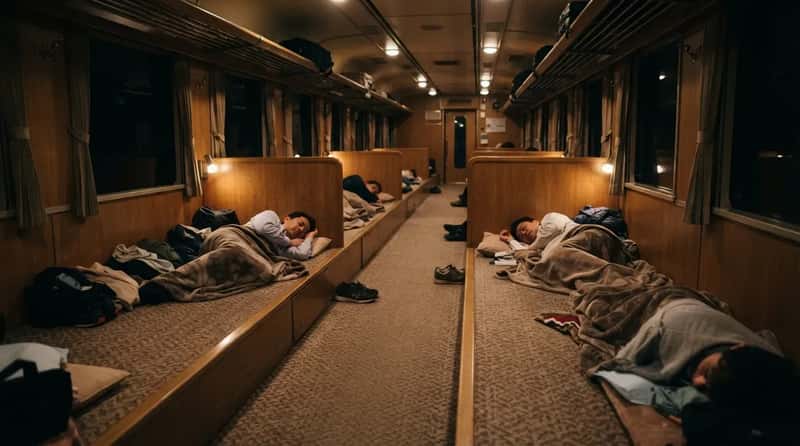
Japan’s Sunrise Seto and Sunrise Izumo are widely described as the country’s last regularly scheduled sleeper trains. They leave Tokyo late in the evening and travel together before splitting in the morning, one half heading for Takamatsu and the other for Izumo.
The cheapest option isn’t a bed. It’s a carpeted floor space called a “nobi nobi” seat, where you stretch out in your own patch. Some of the best sleepers on the train are lying on the carpet. Private rooms offer more privacy at a higher price. Either way, you get a real night.
#7 – European Sleeper Paris-Berlin: The Route That Was Lost, Then Rescued
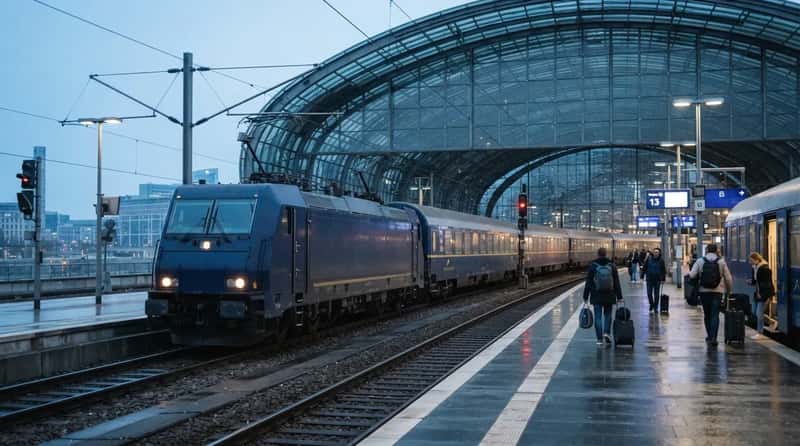
After ÖBB discontinued the Nightjet Paris-Berlin, European Sleeper stepped in to fill the gap. The connection was scheduled to start on 26 March 2026. Departures from Paris are planned for Sunday, Tuesday and Thursday evenings, with arrival in Berlin the next morning.
The sleep window is generous. One operator listing shows the Berlin-to-Paris run leaving at 17:25 and arriving at 11:48. That’s roughly 18 hours door to door, on a train that started life as a cooperative project. The long clock leaves plenty of room for a real night. Whether you sleep well depends on whether you book a seat, a couchette or a sleeper.
#6 – European Sleeper Brussels-Prague: Same Train, Wildly Different Nights
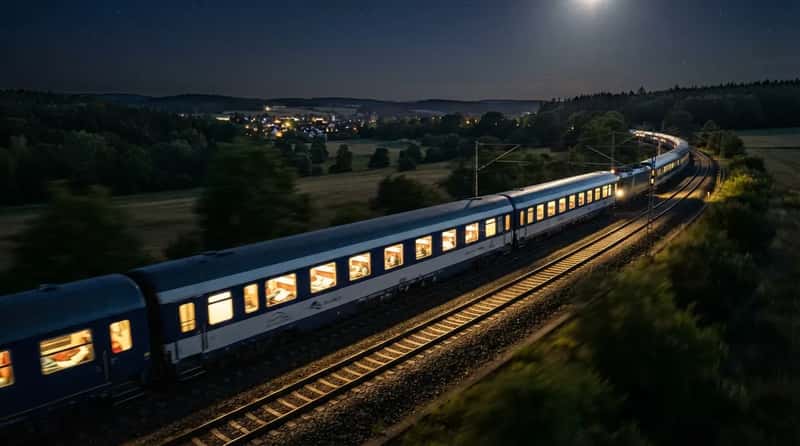
The route launched between Brussels and Berlin in May 2023 and was extended to Prague in March 2024. It leaves Brussels at 19:22 and reaches Prague at 11:00, crossing four countries overnight.
One 2026 guide says it feels either brilliant or mildly punishing, depending on the setup you book. That guide compares Budget, Classic and Comfort classes. The same train can deliver a hotel-quality night or a cramped one. The cheaper tickets save money, while the sleeper costs more because it buys privacy and a flat bed.
#5 – Night Riviera: The Short Run to the End of England
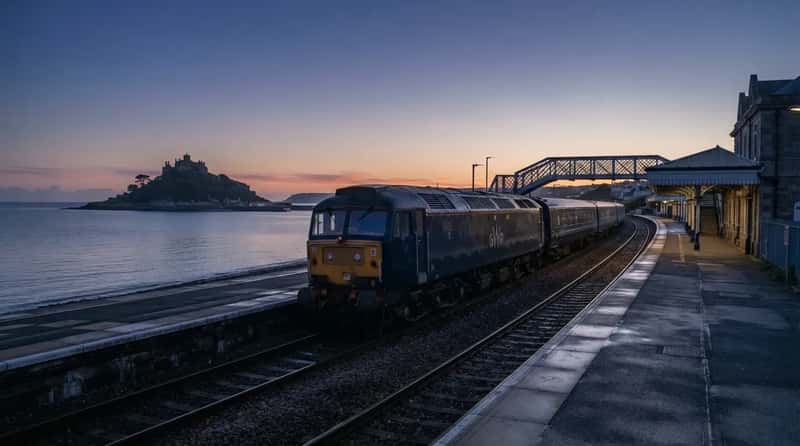
The Night Riviera leaves London Paddington near midnight and reaches Penzance in Cornwall roughly eight hours later. It’s one of Britain’s two sleeper trains, run by Great Western Railway. Sleeper passengers get a proper berth, and seated passengers get a reclining seat.
The schedule works in its favor. It’s a short night, but most of it is genuine sleep time. Nobody is sightseeing in the dark, and the late start fits a normal bedtime. Critics say eight hours is tight for light sleepers. For everyone else, it’s a neat way to wake up at the edge of Cornwall.
Quick Compare: Britain’s Sleepers by the Clock
- Night Riviera: leaves near midnight, about eight hours to Penzance
- Caledonian Lowlander: 23:40 to around 07:20, about 7 hours 40 minutes
- Caledonian Highlander: 21:15 to around 09:55, nearly 13 hours
#4 – Caledonian Lowlander: Edinburgh by Breakfast
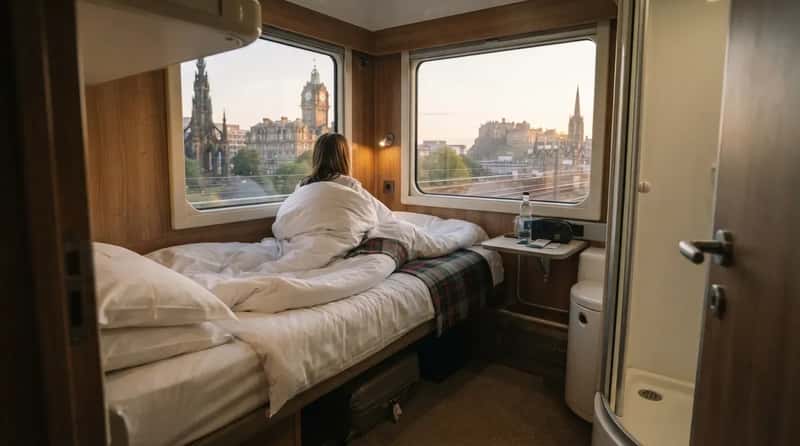
The Lowlander leaves London Euston around 23:40 and reaches Edinburgh and Glasgow around 07:20. The Scottish Government took the Caledonian Sleeper over from Serco in 2023, which makes it a publicly owned sleeper with a real bed.
Rooms come in three levels: a Classic room with bunks and a washbasin, a Club room with a private toilet and shower, and the Caledonian Double. Even the entry-level room gives you a real bunk, which beats any seat on this list. The night is short, but the late departure means you’re in bed at a normal hour.
#3 – Nightjet’s Older Sleepers: The Classic Berth, Minus the Hype
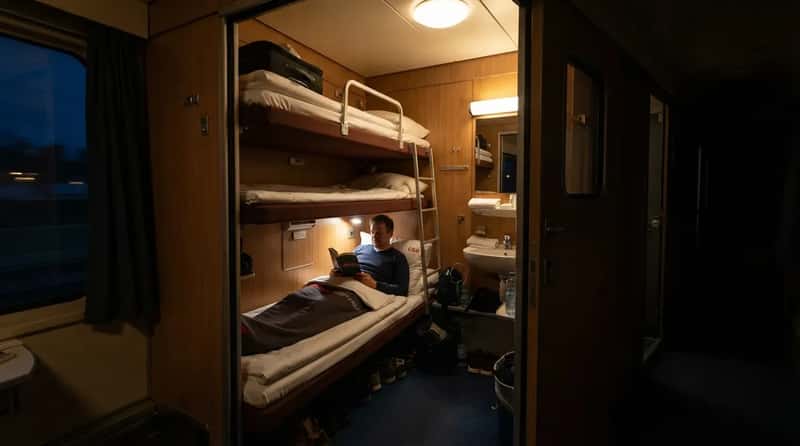
Older Comfortline sleeping cars have 12 compartments: nine economy with a washbasin and three deluxe with a toilet and shower. Each has upper, middle and lower berths and can be sold as a single, double or triple room. The beds are real, and on many routes the night is long.
Here’s the surprise. Standard passengers use a shower at the end of the corridor, yet one longtime rail writer says the standard and deluxe rooms are so similar that he wouldn’t stress about getting the deluxe. That’s useful if you’re debating whether the upgrade is worth it. For sleep, the difference is small.
Why It Stands Out
- Twelve compartments per car: nine economy, three deluxe
- Upper, middle and lower berths in every compartment
- Flexible setup: sold as a single, double or triple
- Economy rooms have a washbasin, with a shared shower at the corridor’s end
#2 – Caledonian Highlander: The One Where You Wake Up in the Highlands
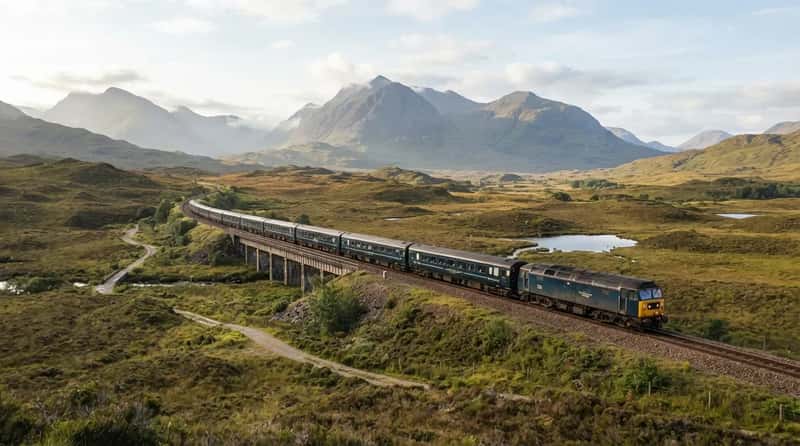
The Highlander leaves London Euston at 21:15 and reaches Fort William around 09:55. That’s about 13 hours with a real bed under you, one of the longest single-night windows on the list. Along the way, the train splits into Fort William, Inverness and Aberdeen portions.
Passengers wake up crossing Rannoch Moor, which is not a bad alarm clock. The train is really three trains in one, joined and split during the night. Light sleepers may notice the pauses. Most riders say the long night and the view at breakfast make up for it.
#1 – Nightjet New Generation: The First Sleeper Built Around Sleep
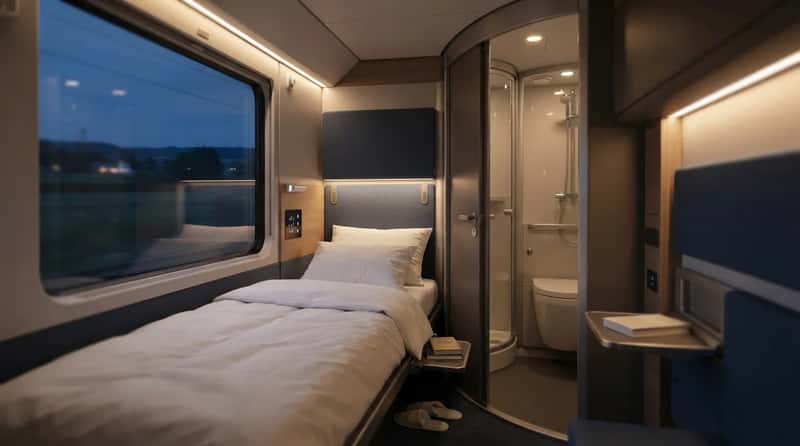
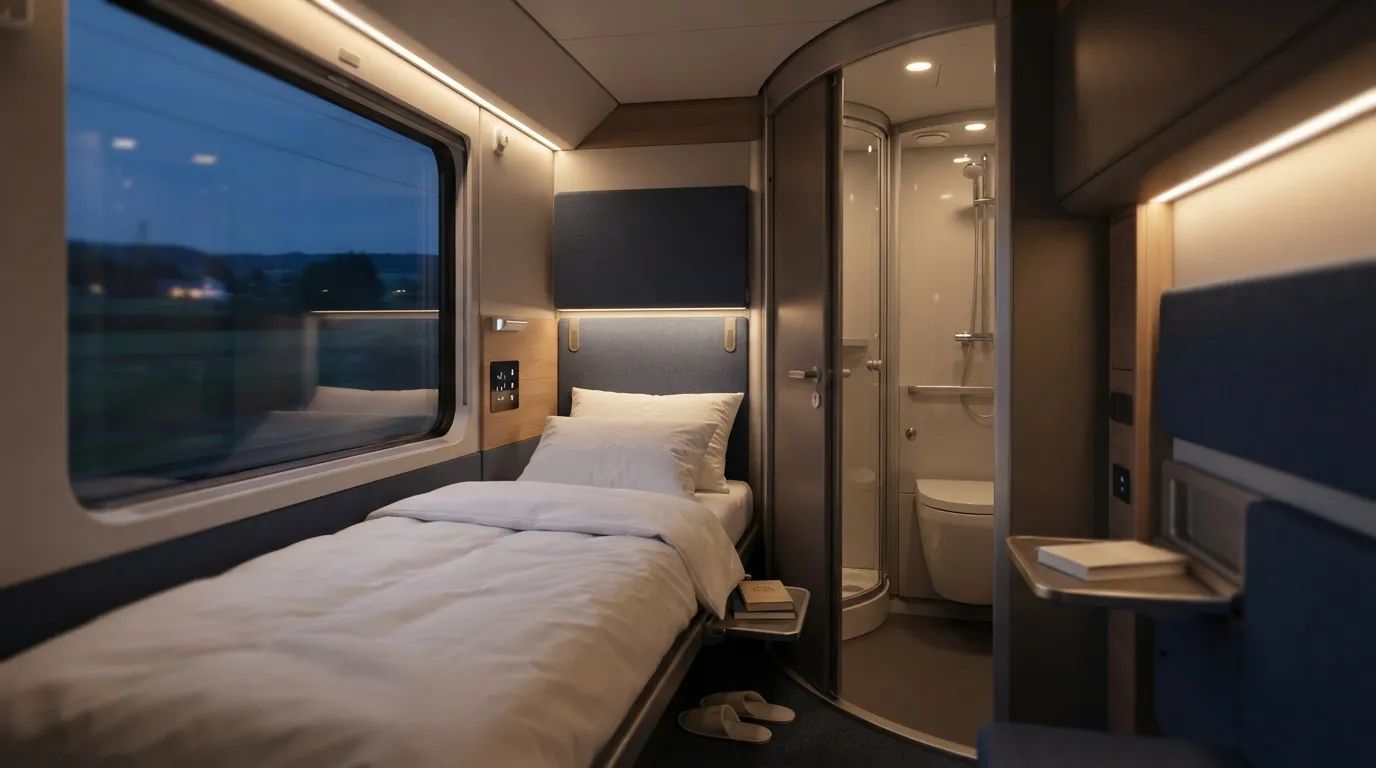
ÖBB launched the new Nightjet trains in December 2023, and they have run on the Zürich HB-Hamburg line since 4 December 2025. They offer fixed beds, mini cabins for solo travelers, and private showers and toilets in the sleeping cars. This is a train designed around the night, not squeezed into it.
Beds come fully made up with sheets, pillow and duvet, and the standard beds are 190 cm long. Mini cabins are pod-style berths stacked in two layers, and one reviewer says the lights can be set to different brightness levels. Each sleeper compartment has its own toilet and shower, so there’s no corridor queue. Some argue the mini cabins are the real revolution for solo travelers.
Sleep, it turns out, has little to do with how famous a train is. The weakest nights come from seats, freight delays and bright skies. The best ones come from real beds, privacy and a timetable that lets you go to bed at a normal hour.
This ranking is editorial, built on schedules and rider reports rather than measured sleep data, so your own night may differ. Which overnight train gave you the best night’s sleep, and which one surprised you by being the worst?