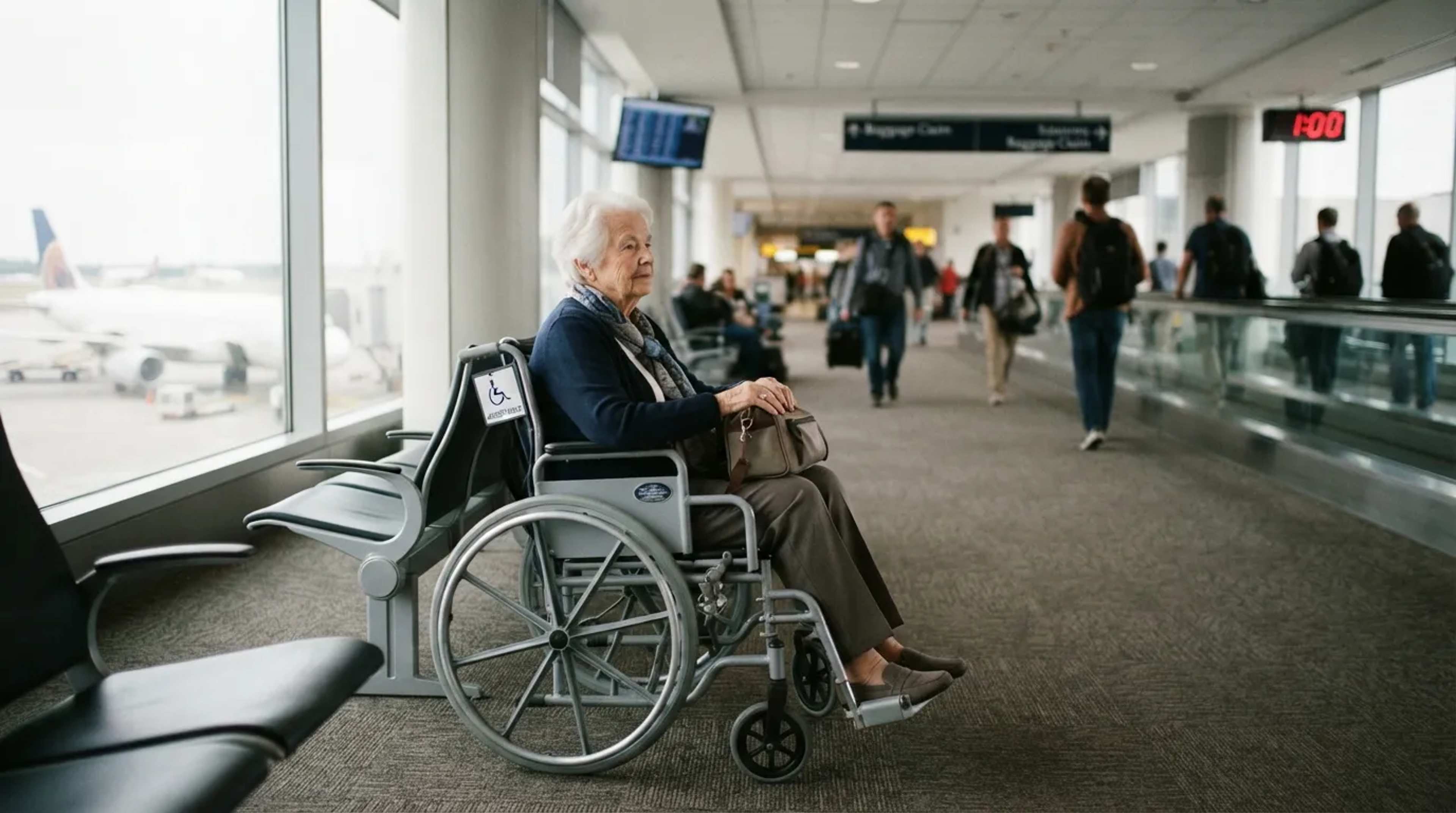
Ask a retiree in the United States what worries them most about growing older, and medical bills usually rank near the top. Premiums, deductibles and prescription costs can swallow a fixed income quietly, year after year. Plenty of other countries run their health systems differently, and a few of them let foreign residents join for a modest fee.
The details matter a great deal, though. Some countries sell a real seat in the public system, while others only discount private care. The five below show the range, with 2026 figures wherever they could be verified.
Ecuador: Public Coverage From About $85 a Month

Foreigners living in Ecuador can join the public social security system, IESS, voluntarily if they hold an Ecuadorian ID card and are over 18.[1] The monthly premium is 17.6 percent of declared income, and the minimum base is the 2026 basic salary of $482, which produces a minimum payment of about $84.83.[2] A spouse adds a little over three percent of the same base, so a couple at the minimum pays roughly $101 a month.[1]
Inside the IESS network there are no copays or deductibles, and medical costs are covered in full.[3] Existing conditions are covered after a three month waiting period.[3] Voluntary members also report waits of three to six months for hospitalization and six to twelve months for major surgery.[1]
There’s one catch worth knowing. If your residency visa was granted on a higher declared income, IESS may calculate your contribution on that figure instead of the minimum.[3] On a pensioner income base of $1,446, for example, the principal contribution would be about $254.50 a month.[3]
Mexico: An Annual Fee for IMSS Coverage

Foreign residents with a temporary or permanent resident card can enroll voluntarily in IMSS through a program called Seguro de Salud para la Familia, but tourist status doesn’t qualify.[4] IMSS updated its voluntary fee schedule on March 1, 2026, and premiums are paid as one non refundable lump sum for the year, rising with age.[5] One 2026 fee table lists about 20,600 pesos a year for people in their sixties, so a retired couple would budget roughly 41,200 pesos.[6]
Published figures differ from guide to guide, so confirm the current table at your local IMSS office. Coverage includes primary care, hospitalization, surgery and most prescriptions dispensed through IMSS pharmacies.[5] Voluntary enrollees may face waiting periods, some existing conditions can be excluded, an application can occasionally be declined, and the process runs in Spanish.[7]
Because of those limits, many retirees use IMSS as a backstop for major hospital care and pay for routine visits privately.[7] Even so, private insurance for retirees in Mexico generally runs from about $1,500 to $3,500 a year[8], which keeps the combined bill modest.
Spain: The Convenio Especial Buy In

Spain’s convenio especial lets foreign residents tap into the public health system by paying a fixed monthly fee.[9] The cost is €60 a month under age 65 and €157 from 65 on.[9] Those amounts don’t depend on medical history.[10] The national rates come from a 2013 royal decree and haven’t changed since.[11]
Members get the same public treatment as a Spaniard, including GP visits, specialists, hospital care and emergency services.[12] That includes treatment for existing conditions.[9] The gaps are real, however. Outpatient prescriptions are paid in full by the patient[13], and each adult pays their own fee with no family discount.[12]
Timing is the other hurdle. Non EU visa rules require private insurance at first, and the convenio needs 12 months or more of continuous residence.[11] Private premiums for retirees over 65 typically run €90 to €250 a month[14], so the first year costs more than the years that follow.
Panama: Deep Discounts Under the Pensionado Program
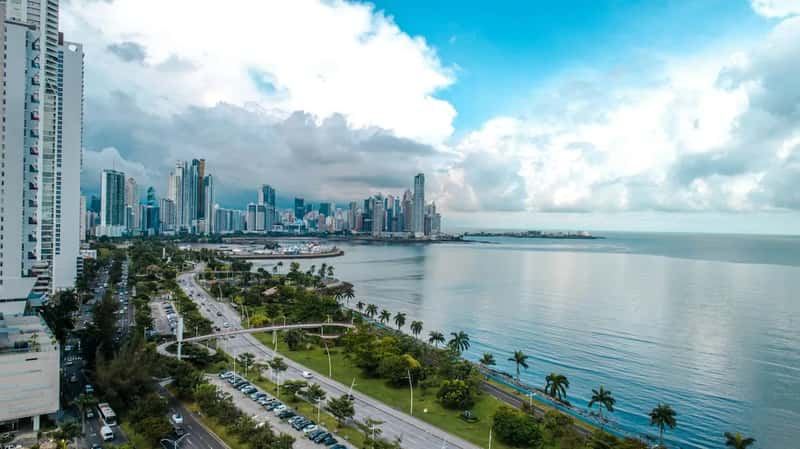
Panama works differently from the first three. Its Pensionado visa is a permanent residency program for retirees with a verifiable lifetime pension of at least $1,000 a month.[15] Law 6 of 1987 gives pensionados legally mandated discounts on medicines, restaurants, utilities and more, and the consumer protection authority investigates merchants who refuse them.[16]
On health costs specifically, the discounts are twenty percent off consultations, twenty percent off prescriptions and fifteen percent off private hospital and clinic bills.[17] One guide lists a lower hospital figure, so the exact percentages are worth checking with a provider. A bill approved in third debate on 28 August 2026 would raise the pharmacy discount to thirty percent, but it isn’t yet in force.[16]
These are discounts on private care, not a public plan. Hospital Punta Pacifica in Panama City is accredited by Joint Commission International and affiliated with Johns Hopkins.[18] International insurance runs about $150 to $400 a month, and many expats simply pay cash for routine care.[18]
Portugal: A Tax Funded Public System for Residents

Portugal’s national health service, the SNS, is funded through taxes rather than premiums. Legal residents can register at a local health centre and receive a user number, which opens the door to GP visits, specialists and hospital care. Patients pay small user fees called taxas moderadoras, and many people are exempt from them.
The trade off is capacity. The SNS has been under strain in recent years, and waits for some specialist appointments and procedures can be long. For that reason, plenty of foreign retirees keep a private policy alongside public registration, and the rules for registering can vary by nationality, so check with your local health centre first.