Watch a seasoned frequent flyer over 60 move through a busy airport and something immediately stands out: they’re not rushing. They’re not stressed. They’re not wrestling an overstuffed suitcase or frantically checking their phone for gate changes. They glide. And somehow they land fresher, calmer, and more satisfied than travelers half their age who sprinted the whole way. That’s not an accident – it’s a deeply ingrained set of habits built over hundreds of flights and a few painful lessons along the way.
Most of what younger travelers treat as just “how flying works” – the window seat, the skipped travel insurance, the last-minute airport dash, the silent acceptance of whatever seat or meal they’re handed – is exactly what experienced older flyers quietly stopped doing years ago. What they do instead is more interesting than you’d expect.
#19 – They Stop Chasing the Cheapest Fare and Start Chasing the Best Value

There’s a hard-earned mental shift that happens around the 100th flight: you stop obsessing over the rock-bottom fare and start weighing comfort, timing, and convenience against price. Experienced travelers in their 60s aren’t asking “what’s cheapest?” – they’re asking “what’s easiest?” That sounds like a luxury, but it actually saves money in the long run by cutting out miserable connections, lost nights of sleep, and emergency purchases after a brutal red-eye arrival.
Seasoned flyers often budget 15-30% more than they would have in their younger years, spending it on things like daytime departures, more direct routings, and slightly better seats. The real revelation is that comfort and value aren’t opposites. A direct morning flight often costs only marginally more than a red-eye with two connections – but the difference in how you feel at your destination is enormous. Veteran flyers have done that math a hundred times, and it always comes out the same way.
At a Glance
- Direct daytime flights vs. cheap red-eyes with connections – experienced flyers almost always choose direct
- The extra cost is often $30-$80, but the physical recovery difference at your destination is dramatic
- Shoulder season pricing (see #18) can offset the premium for a direct flight entirely
- “What’s easiest?” replaces “what’s cheapest?” as the core booking question
#18 – They Travel During Shoulder Season on Purpose

Peak summer travel is something most experienced flyers over 60 actively avoid – not because they can’t afford it, but because they know better. April and October travel means skipping the worst of the crowds, the heat, and the chaos that defines high season at major destinations. Retirees and semi-retired travelers have scheduling flexibility that most 35-year-olds simply don’t, and the smart ones use it aggressively.
That small seasonal shift can cut airfare nearly in half, and the savings don’t stop at flights – hotels and excursions follow the same curve. Shoulder season travelers also encounter fewer delays and cancellations, which matters more the older you get. Fewer people in airports, shorter lines at attractions, and airlines running closer to normal operations – it’s a meaningfully different travel experience, and experienced flyers have quietly claimed it as their own.
#17 – They Pack Like They’ve Learned Their Lesson

Every frequent flyer over 60 has a story about the trip that broke them – the one where a monstrous suitcase turned a beautiful European city into a logistical nightmare of cobblestones and stairwells and no elevator in sight. After that trip, they never overpack again. Heavy luggage means bag fees, physical strain, and slower movement through every airport and train station. Experienced flyers don’t pack light because it’s trendy. They pack light because their back demands it.
The approach is deliberate: versatile, mix-and-match clothing, a willingness to do laundry mid-trip, and investment in genuinely lightweight luggage. The golden rule most veteran travelers live by: if you can’t comfortably lift your bag into an overhead bin yourself, you’ve brought too much. That single standard eliminates a surprising amount of unnecessary weight and keeps every airport transition fast, independent, and painless. One bad trip with an overstuffed bag is usually all it takes to learn it permanently.
#16 – They Always Ask for Priority Boarding – And Get It

Here’s something most casual travelers genuinely don’t know: you don’t need a first-class ticket or elite status to board early. Seniors who need extra time or assistance getting to their seats can preboard – airlines actively encourage it because it keeps aisles less congested during the main boarding rush. You don’t need a doctor’s note or a special form. You just need to identify yourself to the gate agent before boarding begins and ask.
Being one of the first to board means guaranteed overhead bin space, time to arrange your items without anyone hovering over you, and the chance to get fully settled before the crowd presses in. Frequent flyers over 60 know this and use it every single time without a second thought. Most airlines also allow one travel companion to preboard alongside you – a perk almost nobody asks about but experienced travelers never leave on the table. The boarding door hasn’t even opened and they’re already comfortable.
#15 – They Have TSA PreCheck or Global Entry Without Exception

Waiting in a standard TSA security line when you don’t have to is something experienced flyers over 60 simply refuse to do. TSA PreCheck means no removing shoes, belts, jackets, laptops, or liquids. You apply online, complete a short in-person appointment – the whole process takes about 10 minutes on-site – and many travel credit cards reimburse the fee entirely. Approval covers five years, and about 99% of PreCheck passengers wait less than 10 minutes in line. That is an extraordinary return on a single afternoon’s investment.
For international travelers, Global Entry adds expedited customs and immigration upon re-entering the U.S. The fee is $120 for five years as of 2025, and it includes TSA PreCheck automatically. Experienced flyers treat these programs as non-negotiable travel infrastructure – not an optional upgrade for people who travel a lot. The real question isn’t whether they’re worth it. It’s why anyone who flies more than twice a year wouldn’t already have one. Veteran travelers stopped asking that question long ago.
Quick Compare
- TSA PreCheck: ~$77-$85 for 5 years | domestic expedited security | no shoes, belts, or laptops out
- Global Entry: $120 for 5 years | includes PreCheck + expedited U.S. customs on return from abroad
- Both: Many travel credit cards reimburse the full fee – effectively free
- Wait time: PreCheck passengers wait under 10 minutes about 99% of the time, per TSA
#14 – They Always Book the Aisle Seat
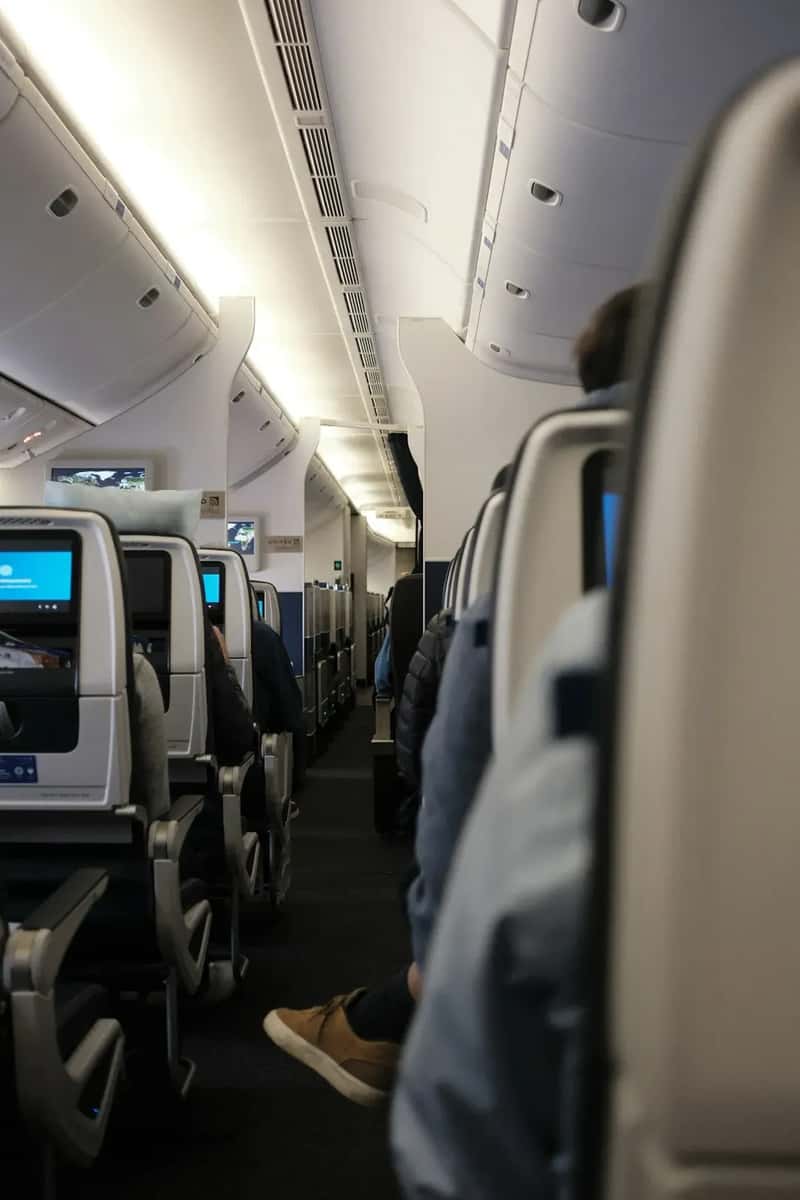
Window seat loyalty is a younger traveler’s game. Once you’ve hit your 60s with a few hundred flights in the rearview, the aisle seat wins every time – and for reasons that go well beyond leg room. Experienced travelers switch to the aisle for the freedom to stretch, walk, and visit the restroom without the social awkwardness of climbing over two sleeping strangers. That simple preference shift quietly changes the entire in-flight experience.
There’s a serious health reason behind it, too. Aisle seats make it dramatically easier to get up and move regularly – and on flights over four hours, that movement matters for circulation in ways that window seats simply can’t match. The aisle seat isn’t just a comfort choice – it’s a legitimate health decision that seasoned travelers figured out long before most people ever heard of deep vein thrombosis. Frequent flyers over 60 book it automatically, without hesitation, on every single flight.
#13 – They Move Around the Cabin Intentionally
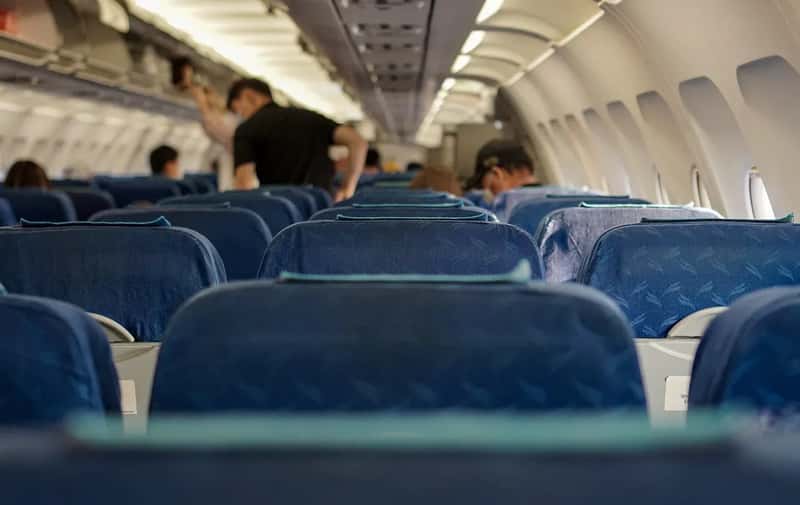
Casual travelers sit still for the entire flight, stand up once to use the bathroom, and land with stiff legs and swollen ankles. Frequent flyers over 60 treat the cabin aisle like a required part of the itinerary. Deep vein thrombosis is a real risk on long flights, particularly for travelers over 60, and the prevention is simple: stand up, stretch, and walk every one to two hours. This isn’t overcaution. It’s basic in-flight maintenance that experienced travelers have internalized as pure habit.
Beyond walking, experienced flyers do in-seat exercises during stretches when movement isn’t possible – ankle circles, calf pumps – to keep circulation moving. Many also wear properly fitted graduated compression socks, which travel health guidelines specifically recommend for passengers over 60 on longer routes. Smart flyers over 60 combine the aisle seat, the movement routine, and compression socks as a complete system – not just one piece of it. Most younger travelers have never thought about any of this until something goes wrong at 35,000 feet.
#12 – They Carry Their Medications in Their Carry-On Only

This one seems obvious until you watch someone’s checked luggage disappear for three days in Madrid with all their prescriptions inside it. Experienced frequent flyers over 60 treat medication in checked bags the way pilots treat fuel miscalculations: it simply never happens. Medications travel in carry-ons, in their original labeled containers, accessible at all times – through delays, layovers, and long connections.
Veterans also pack an extra week or two of supply beyond what they expect to need, because travel disruptions are unpredictable and foreign pharmacies can’t always fill U.S. prescriptions on short notice. Experienced flyers also photograph their prescription bottles before every trip – a two-second habit that has saved more than a few vacations when a pharmacist overseas needed to verify exactly what was needed. It costs nothing, takes no time, and protects everything. That combination is exactly why seasoned travelers never skip it.
Worth Knowing
- Medications always travel in carry-on luggage – never in checked bags, no exceptions
- Pack 7-14 extra days of supply beyond the trip length as a buffer for disruptions
- Keep meds in original labeled containers to avoid issues at international security
- Photograph each prescription bottle before departure – useful if a foreign pharmacy needs to verify dosage
- Check destination country rules: some common U.S. medications are restricted or require documentation abroad
#11 – They Get a Pre-Travel Medical Check-Up Before Any Big Trip

Younger travelers book flights and only think about their health if something goes wrong mid-trip. Experienced flyers over 60 flip that sequence entirely. Before any major trip, the move is a visit to your primary care doctor – a chance to review health concerns, update prescriptions, and flag anything about your destination that could affect your health plan. Depending on where you’re going, getting a refill abroad may be impossible, illegal, or simply far more complicated than anyone anticipates until they’re actually standing in a foreign pharmacy.
A pre-travel check-up is also the right moment to clarify exactly how your medical coverage works overseas – because Medicare is not valid outside the U.S. except in very narrow circumstances, and that surprises more travelers than it should. Experienced flyers treat the pre-travel doctor’s visit the same way they treat booking the flight itself: non-negotiable. They also use this appointment to discuss evacuation insurance – coverage that pays to get you to adequate medical care in a genuine emergency, even if that means a medical transport flight home. That coverage can run into six figures without a policy. Smart travelers never board without it.
#10 – They Genuinely Understand Their Loyalty Programs
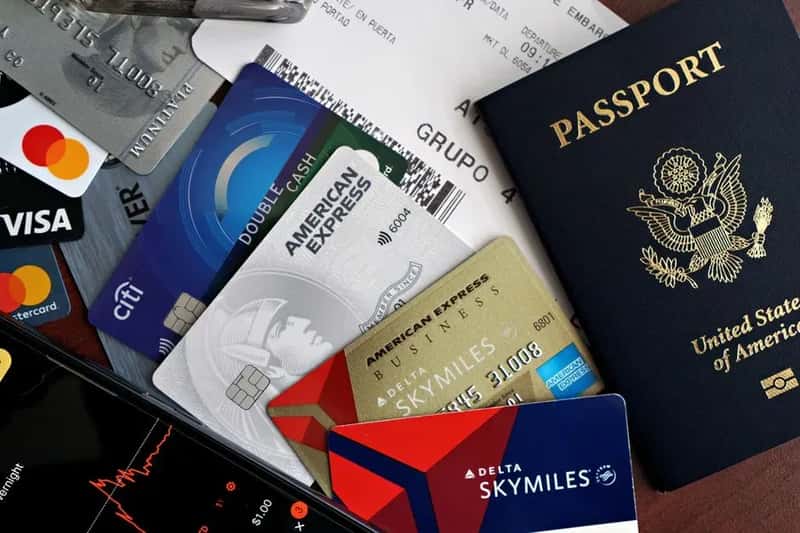
Most casual travelers sign up for a frequent flyer program, forget about it, and occasionally wonder why their miles expired. Frequent flyers over 60 who travel regularly treat their loyalty programs as a financial tool they actively manage. Status and frequent flyer programs are among the top reasons Baby Boomers maintain brand loyalty to a specific airline – and that’s not nostalgia. It’s a calculated decision based on accumulated perks that genuinely change the travel experience: priority boarding, complimentary upgrades, and real customer service when things go sideways.
The insight most people miss is that experienced older travelers stack their benefits. They combine airline status with hotel loyalty programs, AARP discounts, and credit card travel rewards to multiply the value of every trip. The real power move: they actually ask what they’re entitled to – at the gate, at check-in, at the hotel desk. Younger travelers wait to be offered things. Experienced travelers over 60 learned a long time ago that the offer rarely arrives unless you speak up first.
#9 – They Stay at Least Three Nights Per Stop

The classic rookie mistake – booking a different city every night to “see as much as possible” – is something experienced travelers over 60 gave up years ago. Moving that fast doesn’t create rich memories. It creates exhaustion and a blur of hotel lobbies, missed meals, and things you technically saw but barely experienced. Veteran travelers stay longer at each stop, slow down, and actually inhabit the places they visit instead of just checking them off a list.
Three nights minimum per stop is the standard – more if possible, especially in Europe, where four or five nights in one city allows genuine exploration without the grind of constant transit. Staying longer in one place also cuts costs significantly. Less transportation, fewer transfer fees, and the freedom to explore at your own pace rather than racing a packed itinerary. Experienced flyers learned this the hard way on some exhausting trip early in their travel lives – and they never went back to the sprint-and-skip approach again.
#8 – They Request Airport Wheelchair or Cart Assistance Without Embarrassment
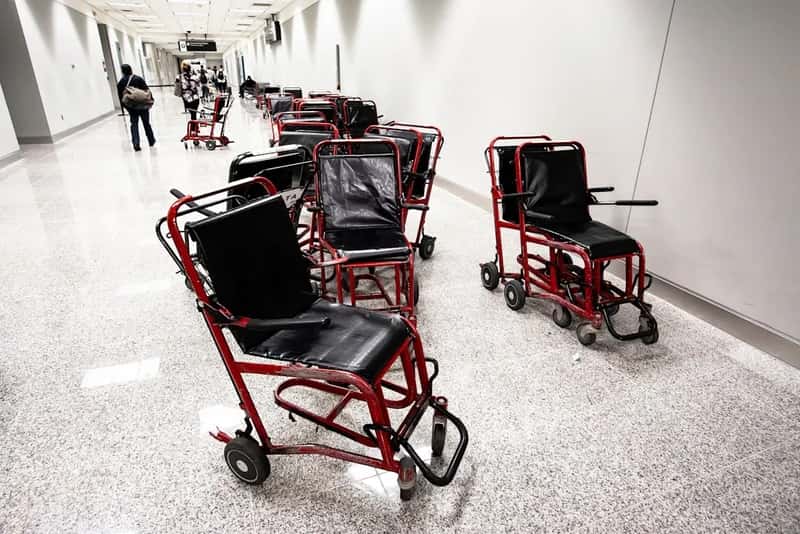
This is the habit that separates the truly experienced traveler from someone who has simply flown a lot but hasn’t yet made peace with asking for help. Major airports in the U.S. and abroad are enormous – some require walking the equivalent of half a mile between gates. If you move slowly, or if a tight connection leaves no margin for error, requesting a wheelchair or an electric cart at booking is the smart move. Veteran flyers don’t view this as defeat. They view it as efficiency.
Airport courtesy carts operate across terminals at most major U.S. airports, picking up passengers who need assistance or are facing tight connections. Policies vary by airport, so calling ahead or checking the airport’s website confirms what’s available – some larger airports offer it at no additional cost. The biggest mistake is waiting until you’re already winded and running late to ask. Experienced flyers request these services at booking, not at the gate. That small timing difference means the cart is waiting for them – not the other way around.
#7 – They Never Announce Their Travel Plans on Social Media

Experienced frequent flyers over 60 have developed a quiet discipline that many younger, social-media-native travelers haven’t quite built yet: they don’t broadcast that their house is sitting empty. It sounds obvious, but the habit is shockingly common. There are documented cases of thieves using social media posts to identify and target homes when owners announce upcoming travel, and frequent flyers have either heard one of those stories firsthand or they know someone it happened to directly.
Facebook’s default privacy settings aren’t as tight as most people assume – unless strict controls are in place, posts can reach well beyond the intended audience. The rule experienced travelers follow without exception: post the photos after you’re home, never before or during the trip. They also arrange for a trusted friend or neighbor to check in on the house while they’re gone – not as paranoia, but as the same low-effort, high-payoff habit that defines everything else on this list. These aren’t fearful habits. They’re earned ones.
Fast Facts
- Post vacation photos after returning home – never during or before the trip
- Review Facebook privacy settings before any trip: default settings are often broader than expected
- Ask a trusted neighbor or friend to check the house – visible activity deters opportunistic theft
- Hold your mail or have someone collect packages while you’re away
#6 – They Always Have a Backup of Every Document
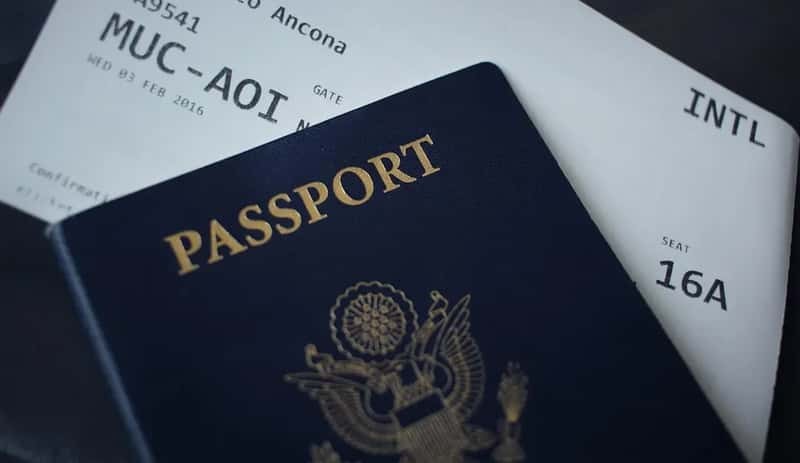
Losing a passport in a foreign country ranks among the most stressful things that can happen to a traveler – a problem that turns a great trip into a frantic, expensive ordeal involving embassy visits and missed flights. Experienced flyers over 60 have either lived through this or watched someone else live through it, and they’ve built a redundant document system as a result. A digital backup saved to a secure cloud folder like Dropbox, plus a separate photo of the passport saved directly on the phone, takes five minutes before any trip.
But they don’t stop there. Paper copies of key documents travel separately from the originals – because phones die, batteries fail, and technology picks the worst possible moments to stop cooperating. Experienced flyers also leave a complete copy of their itinerary with someone at home – dates, booking numbers, accommodation contacts, and emergency numbers. It’s the kind of detail that feels unnecessary until the one moment it isn’t, and veteran travelers set it up before every single trip without needing to be reminded.
#5 – They Book Directly with Airlines for Anything Complicated
Third-party booking sites look appealing right up until your flight is canceled and you’re stuck in a 90-minute phone queue with a call center that has no authority to rebook you. Experienced frequent flyers over 60 have learned to be surgical about where they book. For simple, straightforward itineraries, discount platforms are fine. But for complex trips, special service requests, or senior fare programs, they go direct. Some airline senior discounts and age-based fare programs can only be accessed by calling the reservation line – details you’d never discover if you only ever book through a third-party site.
Booking directly also means one conversation handles everything: mobility assistance flagged on your account, dietary needs noted, seating preferences confirmed, and status perks applied. Experienced travelers know a ten-minute phone call before a long trip prevents a dozen problems during it. Younger travelers often assume the website captures everything. Veterans know from experience that it doesn’t – and they’ve stopped making that assumption entirely.
#4 – They Insist on Comprehensive Travel Insurance Every Single Time

There’s a specific overconfidence that makes people skip travel insurance – the quiet belief that serious disruptions happen to other people. Experienced frequent flyers over 60 have been traveling long enough to know better. They’ve seen medical emergencies, missed connections, canceled trips, and lost luggage turn into financial disasters for people who thought they didn’t need coverage. For them, comprehensive travel insurance is simply the cost of traveling responsibly – not an optional add-on for the cautious.
Medicare and most standard U.S. health insurance plans provide little to no coverage outside the country, leaving travelers exposed to full out-of-pocket costs for medical care abroad. The single most overlooked clause in travel insurance, according to experienced older travelers, is emergency evacuation coverage. Evacuation insurance covers the substantial cost of getting you to adequate medical care in a genuine emergency – including medical transport flights that can run into six figures without a policy. Experienced flyers read that clause carefully, confirm the coverage limits, and never board an international flight without it in place.
#3 – They Arrive at the Airport With Serious Time to Spare
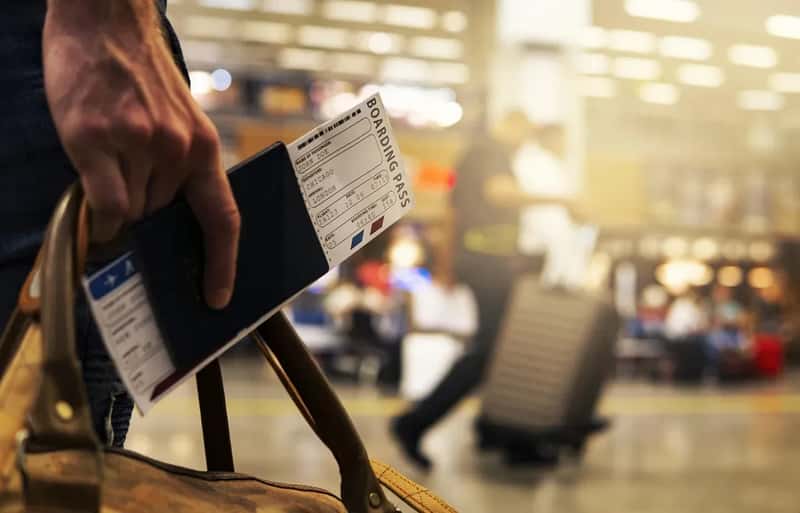
Modern travel culture glorifies cutting it close – the sprint through the terminal, the gate collapse just as the doors are closing. Experienced frequent flyers over 60 have zero interest in that particular form of adrenaline. They arrive early on purpose, and they use the buffer time deliberately. Rushing to make a flight, or booking connections so tight that a minor delay cascades into a missed departure, is a mistake seasoned travelers stopped making years ago. The extra time isn’t wasted. It’s insurance.
Arriving with time to spare means a calm security experience, a real meal instead of whatever was grabbable at a newsstand, a chance to find the gate without urgency, and the ability to handle small problems before they compound into big ones. Experienced flyers treat their airport arrival time the same way they treat the departure itself: it is a fixed commitment, not a rough estimate. For travelers over 60, the body adjusts more slowly to travel stress and disrupted routines – building in buffer time isn’t just logistically smart, it’s physically protective. Calm arrivals lead to calm trips, and calm trips are better trips.
#2 – They Proactively Hydrate Before and During Every Flight

The airplane cabin is one of the most dehydrating environments a human body regularly sits inside. Cabin humidity typically runs between 10 and 20 percent – compared to the 30 to 50 percent the EPA recommends for homes and offices. Experienced frequent flyers over 60 treat hydration as a deliberate strategy built into every flight, not an afterthought. They bring an empty water bottle through security, fill it before boarding, and drink steadily throughout the flight without waiting to feel thirsty. In the standard airliner environment, the body loses approximately eight ounces of water per hour just from normal breathing.
They also skip the in-flight alcohol, especially on long flights – a discipline that quietly separates truly experienced older travelers from the rest more than almost any other single habit. Cabin pressure, reduced oxygen, and extended sedentary time compound the dehydration effect, and for travelers over 60 on medications that affect circulation or blood pressure, the stakes are higher. Fainting is one of the most common in-flight medical emergencies, and dehydration combined with cabin pressure changes is a well-documented contributor – particularly for older passengers. Water isn’t glamorous, but it’s the habit that keeps frequent flyers over 60 landing consistently well, flight after flight.
Fast Facts
- Cabin humidity typically sits at 10-20% – far below the 30-50% recommended for home environments
- The body loses roughly 8 oz. of water per hour on a flight just from breathing, per aviation health guidance
- Bring an empty bottle through security and fill it before boarding – hydration starts before wheels up
- Skip alcohol on flights over 3 hours: it accelerates dehydration at altitude
- Dry cabin air also dulls taste and smell – one more reason that in-flight food disappoints
#1 – They Ask for Help, Assistance, and Upgrades – Out Loud, Every Time

The single biggest differentiator between an experienced frequent flyer over 60 and almost everyone else isn’t a travel hack or a gadget or a loyalty program tier. It’s a willingness to ask. Ask for the upgrade. Ask for the wheelchair. Ask for the extra time. Ask for the senior discount that isn’t posted anywhere. Ask for the gate pass for a companion. Ask the flight attendant for a different meal. Veteran travelers have shed the self-consciousness that keeps most people silently accepting whatever they’re handed. Senior travelers have access to real rights, real perks, and real discounts that can save money and meaningfully reduce stress – and most of them are free. Almost nobody asks for them.
At museums, national parks, transit systems, and hotels across the country and abroad, senior discounts exist even when there’s no posted sign – showing identification is often all it takes. Stacking that with airline loyalty status, AARP membership, hotel rewards, and credit card travel perks can unlock upgrades and savings that younger travelers don’t even know are available. The most powerful travel habit any person over 60 can develop is simply this: use your voice. Younger travelers wait to be offered things. Experienced travelers over 60 learned, flight by flight and trip by trip, that the offer almost never comes unless you speak first. That shift – from passive passenger to active advocate for your own experience – is the habit that holds every other item on this list together.
The gap between a stressful trip and a seamless one is rarely about budget. It’s almost always about habits – small decisions, repeated consistently, that compound into a completely different travel experience over time. Frequent flyers over 60 haven’t just logged more miles. They’ve extracted more hard-won lessons per mile than most people realize. The aisle seat, the pre-trip doctor visit, the relentless hydration, the quiet willingness to ask for what they need – none of it is complicated. All of it is learnable. Which of these habits do you already have – and which one do you wish someone had told you about years ago?