
Picture this: a kid sprawled across the far back of a station wagon, no seatbelt, no seat, sliding sideways every time Dad took a curve too fast. Nobody in that car thought it was dangerous. It was just Tuesday.
What’s stranger is how normal all of it felt at the time, from the sunburns nobody treated to the single phone call home that had to cover two whole weeks. Some of these rituals are funny in hindsight. A few of them will genuinely make you wonder how an entire generation survived family vacations at all.
#19 – The Cooler Got Better Seating Than the Kids
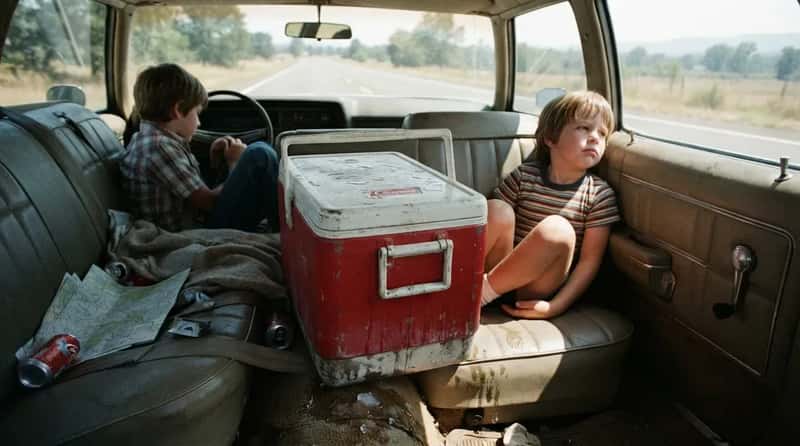
Before insulated bags and gas station snacks, the family cooler was basically a third parent. Packed with bologna sandwiches, warm soda, and melting ice, it sat wedged between the front seats or on the floorboard, in prime real estate a kid would’ve killed for. Most families refilled it with gas station ice at every other stop, treating the ritual like it was almost as important as filling the tank.
Nobody questioned eating lunch that had been baking in a hot trunk for three hours. It was just what road food tasted like. Fast food was a rare treat, saved for the halfway point or handed out as a reward for making good time.
#18 – Gas Station Stamps Decided the Entire Route
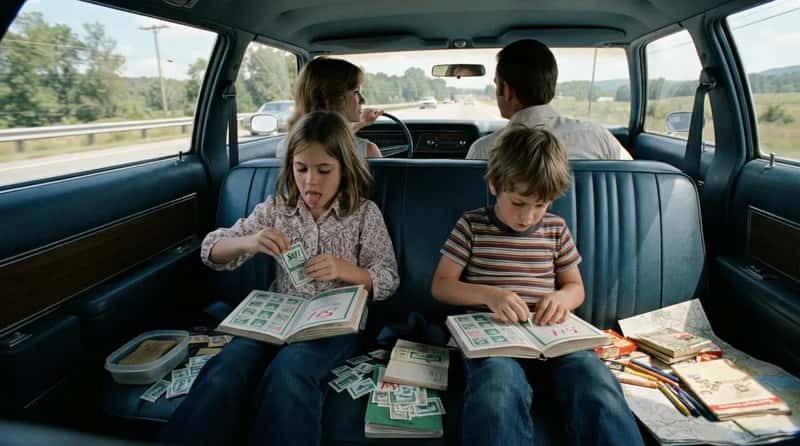
Long before rewards apps, gas stations lured families with trading stamps like S&H Green Stamps, and parents actually planned routes around which stations gave the best haul. Kids licked and pasted stamps into books during the drive, turning a boring stretch of highway into a competitive family project.
Full stamp books could be redeemed for real merchandise, from toasters to lawn chairs, which made every gas fill-up feel like a tiny treasure hunt. Loyalty wasn’t about a brand anyone loved. It was about whoever was closest to finishing the next book.
Fast Facts
- They were distributed as part of a rewards program operated by the Sperry & Hutchinson company, founded in 1896 by Thomas Sperry and Shelley Byron Hutchinson.
- During the 1960s, the company issued more stamps than the U.S. Postal Service and mailed out 35 million catalogs a year.
- Filling just one collector’s book took 1,200 points, since each book held 24 pages worth 50 points apiece.
- Close to 80 percent of American households were collecting Green Stamps during the 1960s and 70s.
- The program didn’t fully disappear until 2020, when S&H shut down for good and discontinued its digital Greenpoints rewards.
#17 – The License Plate Game Was Basically a Second Job for Kids
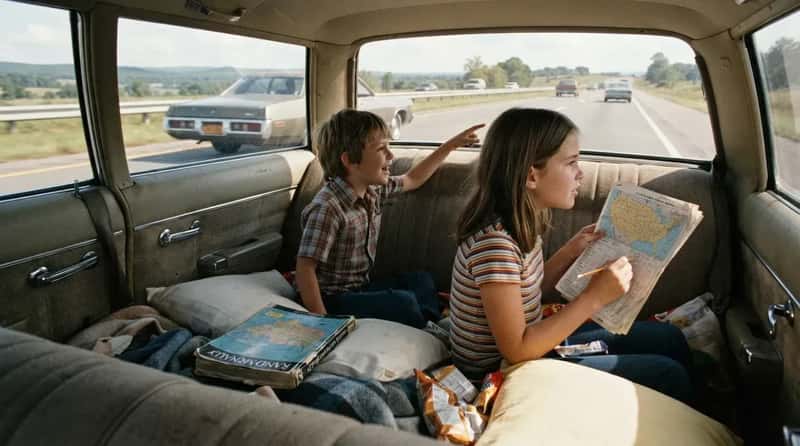
With no tablets, no headrest screens, and often no working radio for long stretches, kids were handed one job: spot license plates from as many states as possible. Some families kept official scorecards printed by oil companies specifically for this purpose.
Winning meant bragging rights for the entire trip, sometimes the entire summer. Parents leaned on this game hard, because a quiet backseat was worth more than gold on a twelve-hour drive. It wasn’t a screen-time substitute. It was simply what long drives were for.
#16 – Front Seat Seatbelts Were Optional Too
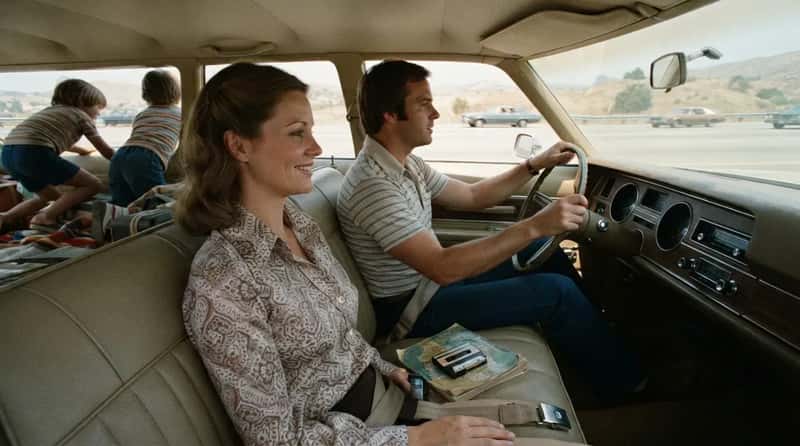
While the way-back gets most of the attention, front seat passengers weren’t exactly buckled in either. Seatbelt use was legally optional in most states well into the decade, and plenty of adults saw belts as an unnecessary hassle for a quick trip to grandma’s.
Seatbelt laws didn’t start becoming mandatory in most states until the early-to-mid 1980s, meaning an entire generation of parents drove cross-country trusting momentum and luck. Kids climbed over seats mid-drive to grab snacks or settle arguments, and nobody pulled over to fix it.
Quick Compare
- 1968: A new federal rule required automakers to install seat belts in every new car, but it never required anyone to actually buckle up.
- Through the 1970s: Seat belt use stayed voluntary in nearly every state, which is exactly why nobody in this ritual was buckled in.
- 1984: New York became the first state to require vehicle occupants to wear seat belts, ending well over a decade of “click it if you feel like it.”
- Mid-1980s: Other states followed New York’s lead within just a couple of years, finally closing the loophole an entire generation grew up with.
#15 – Postcards Were the Original Group Text
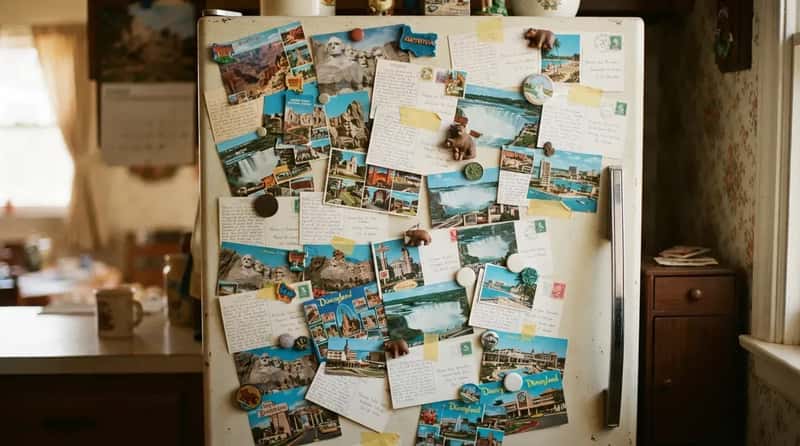
Every rest stop and roadside attraction sold postcards, and buying one was basically expected, not optional. Kids picked their favorite image, scribbled a few lines, and dropped it in a mailbox that might get it home before the family did.
It wasn’t really about the message. It was proof you’d actually been somewhere, a tangible flex before social media existed. Grandparents often kept every single postcard, taping them to refrigerators like a paper Instagram feed nobody could scroll past.
#14 – The Motel Pool Made or Broke the Whole Trip
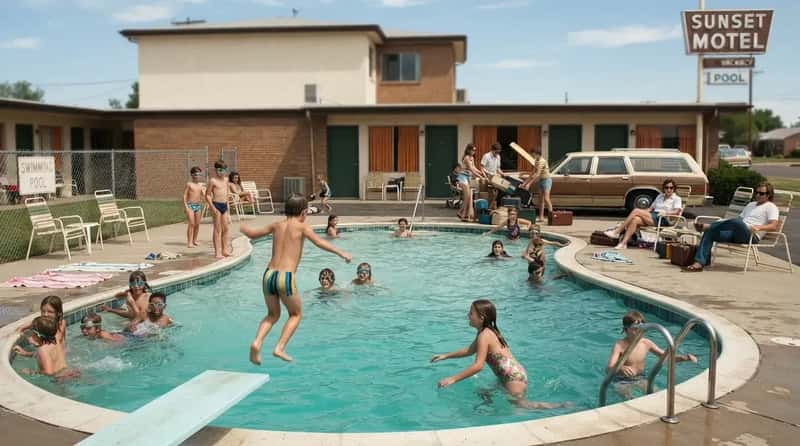
Kids didn’t care about the Grand Canyon nearly as much as whether the motel had a pool. A pool meant the day was a win. No pool meant instant, vocal disappointment right there in the parking lot.
Chlorine levels, cleanliness, and depth markers were irrelevant details nobody bothered checking. Many motel pools had zero lifeguards and questionable fencing, yet parents let kids swim unsupervised while unpacking the car. It was simply the reward system every family had unofficially agreed on.
#13 – Kodak Film Meant Waiting Weeks to See Your Own Vacation
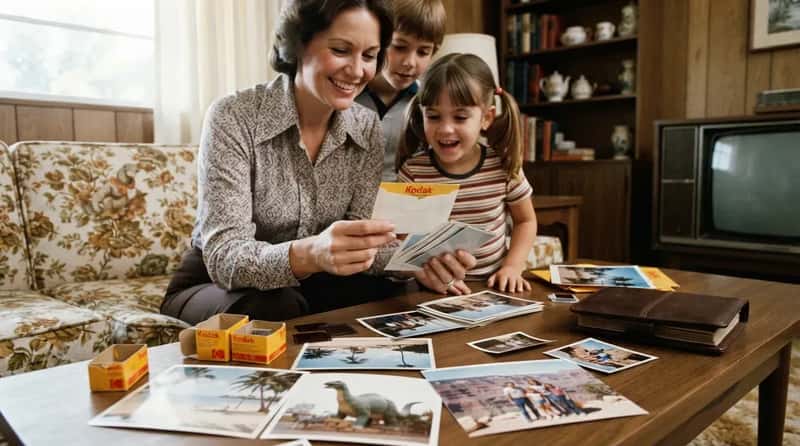
Cameras came loaded with 12, 24, or maybe 36 exposures, and every shot had to count because film and developing cost real money. Parents rationed photos like currency, sometimes skipping entire attractions rather than “waste a shot.”
The real twist came after the trip ended. Families dropped film off at the drugstore and waited one to two weeks just to see if the pictures had even turned out, with no guarantee a single one was in focus. Reliving the vacation happened almost a month after it was actually over.
#12 – CB Radios Turned Every Dad Into a Trucker for a Week
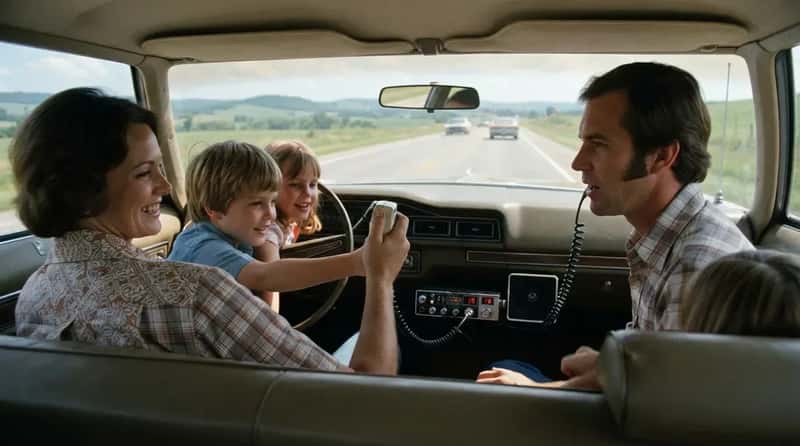
Citizens Band radios exploded in popularity through the decade, and plenty of family cars had one installed just for road trips. Dads picked embarrassing handles, chatted with truckers about traffic jams, and got real-time warnings about speed traps ahead.
Kids thought it was the coolest thing in the car, often begging to key the mic themselves. CB slang like “smokey” and “breaker breaker” leaked straight into everyday family vocabulary, staying long after the radio got sold at a garage sale.
At a Glance
- The craze took off around 1973, fueled by the oil crisis and a new 55 mph speed limit that truckers desperately wanted to dodge.
- At its peak, the FCC was fielding more than a million CB license applications every single month.
- By 1979, the craze’s peak year, there were roughly 14 million licensed users and an estimated 20 to 30 million radios in operation nationwide.
- A license cost $20 in the early 1970s, dropping to just $4 by 1975 as the fad exploded.
- Individual licensing was eliminated altogether in 1983, officially closing the book on the fad.
#11 – Roadside Oddities Were Treated Like Legitimate Landmarks
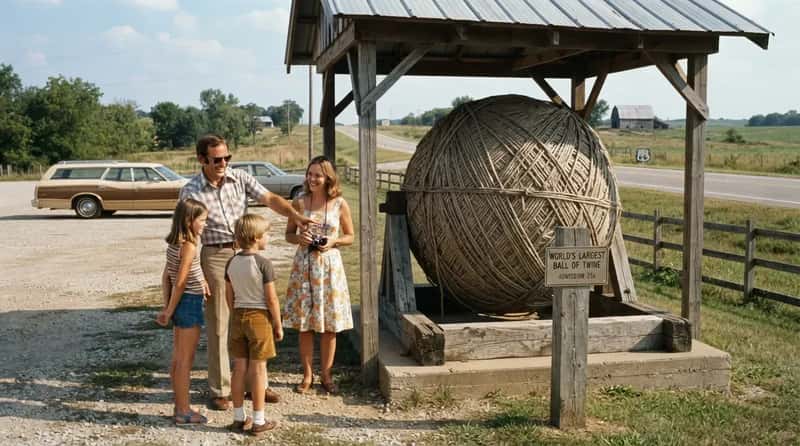
The World’s Largest Ball of Twine. A concrete dinosaur. A “mystery spot” that supposedly bent gravity. None of it was ironic kitsch yet. Families genuinely planned detours around these stops as real vacation highlights.
Billboards advertised these attractions for a hundred miles in advance, building anticipation the same way movie trailers do now. Many of these roadside stops charged just a quarter or fifty cents admission, making them an easy yes for budget-conscious parents trying to stretch a two-week trip.
#10 – Howard Johnson’s Orange Roof Meant You Were Safe for the Night
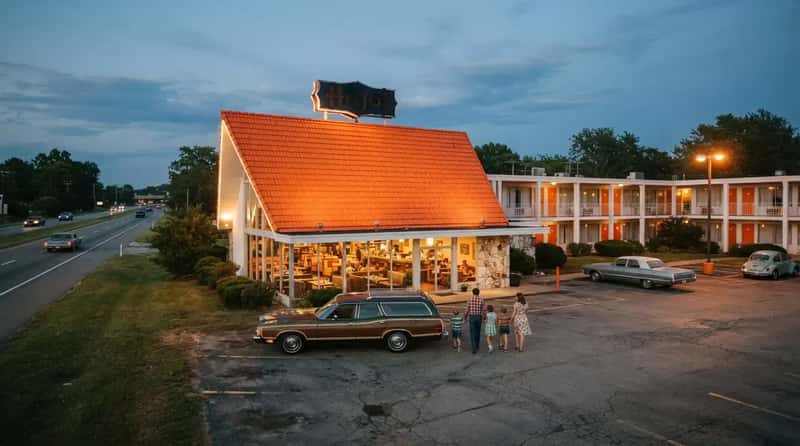
Long before consistent hotel chains dominated every exit, the bright orange roof of a Howard Johnson’s signaled safety, decent food, and 28 flavors of ice cream. Families specifically timed their driving to land near one by dinner.
It wasn’t fancy, but it was predictable, and predictability mattered on a route with few reliable options. HoJo’s grew to nearly a thousand locations at its peak, making it one of the most recognized restaurant brands a road-tripping family could count on.
#9 – Paper Maps and TripTiks Were the Only GPS Anyone Had
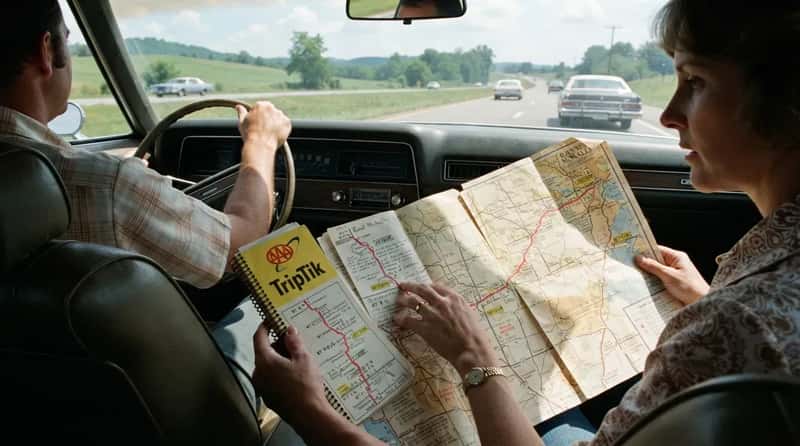
AAA members could request a custom TripTik, a spiral-bound strip map highlighting the exact route with hand-marked construction zones and detours. Getting one in the mail felt like receiving a personalized treasure map for the trip.
Without it, families relied on gas station maps, sun-faded and refolded a hundred times until they tore along the creases. Mom usually held navigator duty, calling out exits while Dad refused to admit he’d already missed one. Getting lost wasn’t an inconvenience. It was simply part of the trip’s plot.
#8 – Slide Show Night Was Mandatory Family Theater
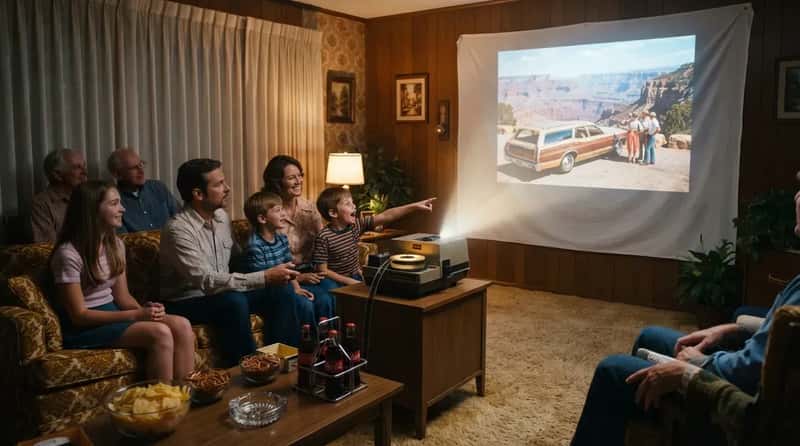
Once film got developed into slides, families didn’t just glance at them, they staged an actual event. The projector came out, a bedsheet or wall became a screen, and relatives were formally invited to watch the entire vacation in order.
Sitting through 200 slides of a stranger’s road trip was considered a normal social obligation, not a punishment. Neighbors brought snacks. Kids narrated their own trip like tiny documentarians, milking every scenic overlook photo for maximum storytelling drama.
#7 – Traveler’s Checks Were the Only Way to Feel Safe With Money
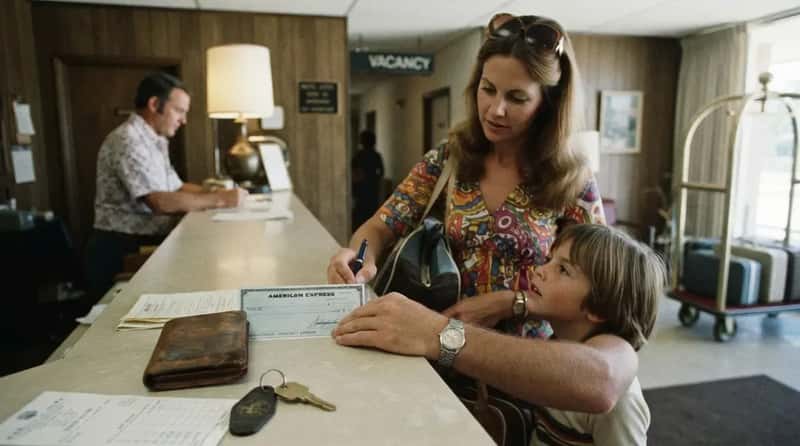
Credit cards weren’t universally accepted yet, and carrying cash across state lines felt risky, so families relied heavily on American Express traveler’s checks. Signing each one twice, once at the bank and once at checkout, was a ritual every kid watched with fascination.
Losing them meant a real crisis, since replacement required tracking down an office in an unfamiliar city. Parents often hid the checks in a separate bag from their wallet, treating them like a mini insurance policy against pickpockets or lost luggage.
#6 – Camping Meant a Leaky Canvas Tent, Not Climate Control
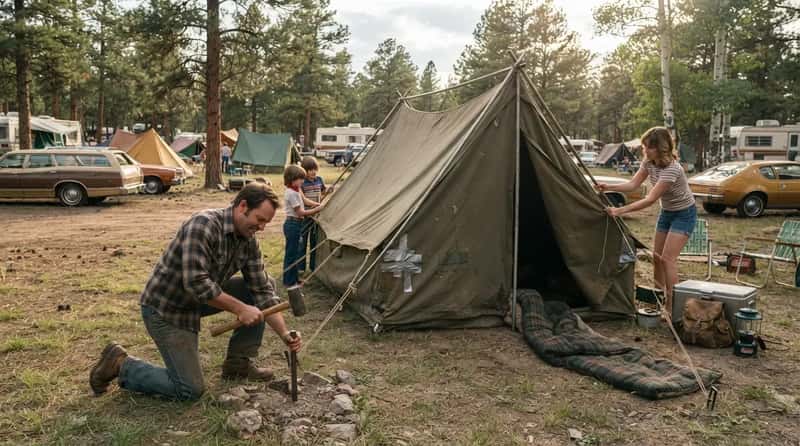
Family camping trips relied on heavy canvas tents, metal stakes hammered by hand, and sleeping bags that never quite kept anyone warm. Setting up camp before dark was a genuine race against the sun, one that usually ended in at least one argument.
State and national parks saw massive crowds throughout the decade as camping became an affordable vacation alternative to motels. Many families reused the exact same tent for a full decade, patched with duct tape and treated like a beloved, if leaky, family heirloom.
#5 – Kids Wandered Off Alone at Rest Stops, No Big Deal
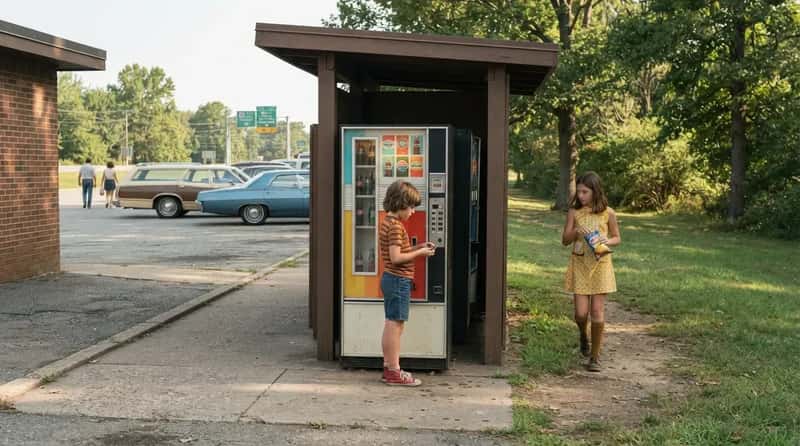
Rest stops were treated as safe, low-supervision zones where kids ran off to explore vending machines or nearby trails without a parent trailing behind. “Meet back at the car in twenty minutes” was considered sufficient parenting.
This wasn’t reckless by 1970s standards. It was just the culture around independence and public trust at the time. Missing persons cases at highway rest stops were rare enough that parents genuinely weren’t thinking about it, a mindset that would shock most parents scrolling social media today.
#4 – Sunburns Were Basically a Vacation Souvenir

Sunscreen existed, but plenty of families skipped it entirely or used baby oil to speed up tanning instead. A painful, peeling sunburn by day three was treated almost like proof the vacation was going well.
Nobody reapplied every two hours, checked a UV index, or covered up during peak sun. Coppertone’s own marketing in this era leaned into deep tanning rather than sun protection, which says everything about how casually skin damage was viewed at the time. Aloe vera from a plant on the windowsill was the only treatment anyone used.
#3 – One Phone Call Home Was the Entire Communication Plan

Long-distance calls were expensive, so families often made exactly one collect call home during a two-week trip, usually just to say they’d arrived safely. Grandparents sat by the phone anxiously until it finally rang.
There was no way to send updates, photos, or check-ins in between. A silent week wasn’t alarming. It was simply expected, since the entire concept of staying constantly reachable didn’t exist yet. That single call carried enormous emotional weight compared to today’s instant messages.
Worth Knowing
- Long-distance rates were billed by the minute, so most families treated a phone call home like a luxury item, not a daily habit.
- Collect calls let the receiving side foot the bill, which is exactly why so many trips featured just one hurried check-in.
- Home answering machines were still a rarity in most households, so a missed call usually just meant silence until the next attempt.
- The idea of a constantly reachable family simply didn’t exist until mobile phones went mainstream decades later.
#2 – Air Conditioning Was a Luxury Most Cars Didn’t Have
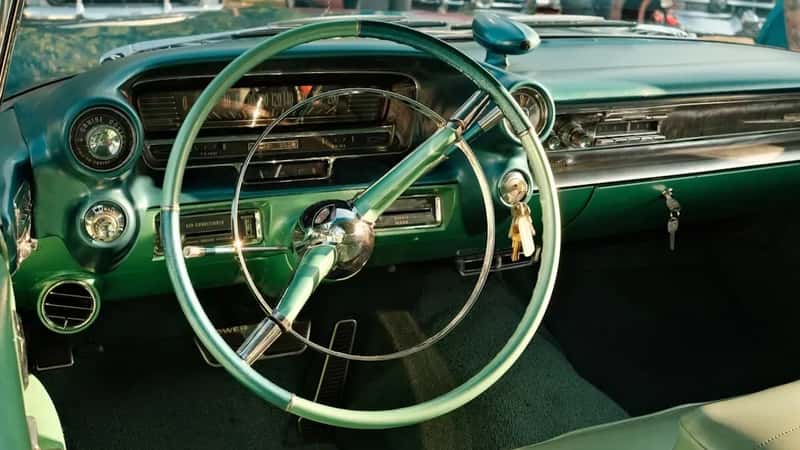
Plenty of family cars in the early-to-mid 1970s didn’t have working air conditioning, meaning every window stayed rolled down for the entire drive. Wind noise got so loud that conversations turned into shouting matches by default.
Vinyl seats in direct summer sun could reach temperatures hot enough to genuinely burn bare legs, yet kids just learned to sit on a towel and deal with it. Sweaty, windblown, and slightly sunburned was simply what arriving somewhere looked like.
#1 – Kids Rode Loose in the Way-Back With Zero Seatbelts
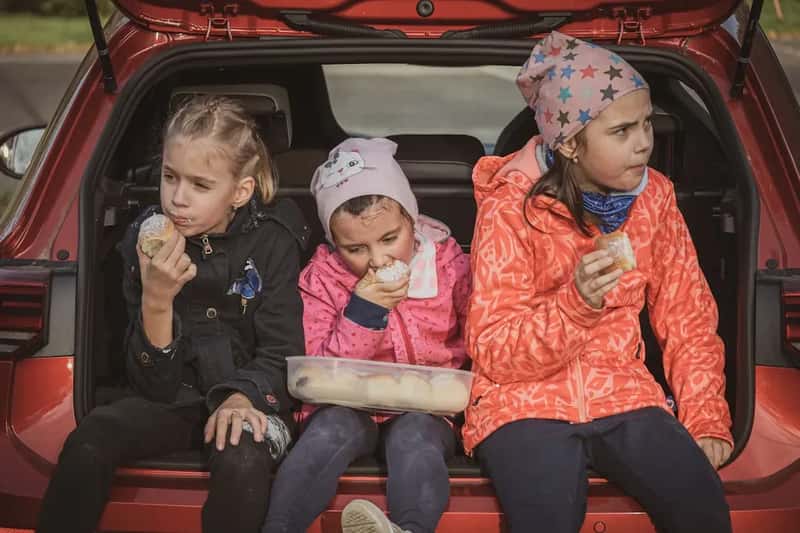
The station wagon’s rear cargo area, known simply as “the way-back,” was prime real estate for kids on long trips, and it had no seats, no belts, no restraints of any kind. Families treated it as completely normal, even preferable, seating.
Kids sprawled out, played cards, napped, or faced backward waving at cars behind them for miles. This was standard practice for an entire generation, not a rare exception, and it remains the single detail that stuns people most when they picture it happening today. It’s the ritual every 70s kid remembers most vividly, and the one no parent would ever allow now.
Looking back, none of this was really about carelessness. It was a whole culture that hadn’t yet built the safety habits, technology, or communication expectations we now treat as basic common sense.
Every single one of these rituals felt completely ordinary in the moment. That’s exactly what makes them so jarring, and honestly a little charming, when you picture them now.