Walk into your favorite restaurant enough times and something strange starts happening. The table you like is somehow always open. The bartender starts pouring before you’ve said a word. Nobody ever explains why, because none of it is written down anywhere.
Most diners assume good service is just good service, the same for everyone who walks through the door. But people who work the floor describe a completely separate layer of treatment that only kicks in once you’ve quietly earned it, and almost none of it shows up on a receipt.
#20 – The Just-Because Dessert With a Candle
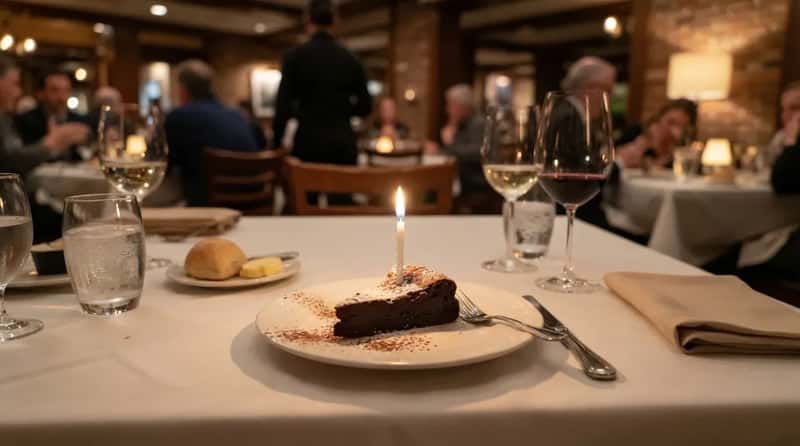
Nobody orders this one; it just appears. Servers and managers describe slipping a free dessert onto the table for guests they’ve come to recognize, no birthday required. It’s rarely announced with fanfare. A plate quietly lands, sometimes with a candle, sometimes without.
Restaurants that track regulars closely have real financial reasons to keep doing this. In surveys, 77% of guests say they tip more generously at restaurants where they feel recognized, and 37% add an extra 10% to 15% on top of their usual rate. A free slice of cake costs pennies but buys years of loyalty.
#19 – The Corkage Fee That Quietly Disappears
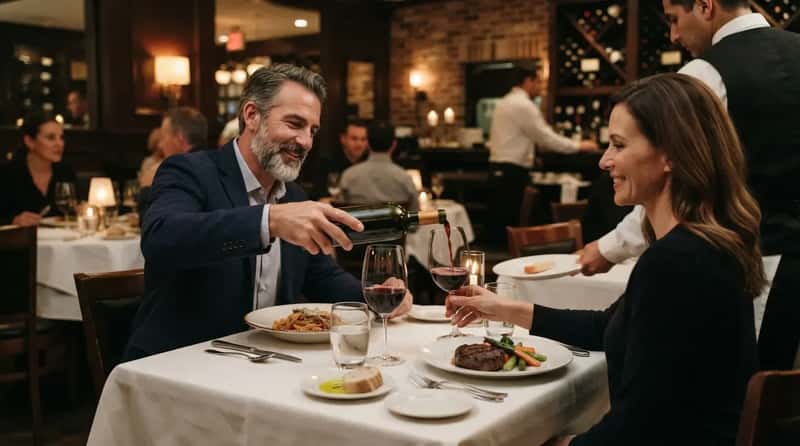
Bring your own bottle enough times and the fee tends to vanish. Restaurants that would normally charge for outside wine simply stop mentioning it once a guest becomes familiar. Nobody ever says the words “we’re waiving this.” It just stops showing up on the check.
Plenty of restaurants will happily bring back a regular’s favorite dish even after it’s been pulled from the menu, and waiving corkage is often part of that same unspoken deal. It costs the restaurant almost nothing, yet it’s one of the clearest signals that you’ve crossed into “regular” territory.
Worth Knowing
- Reservation platforms like OpenTable and Resy let staff attach private notes to a guest’s profile, from a favorite table to a go-to drink order.
- Many independently owned restaurants keep an informal “regulars list” long before any app or loyalty program ever gets involved.
- Point-of-sale systems can flag a guest’s most-ordered dish automatically, so it’s remembered even after the original server has moved on.
- None of this tracking gets disclosed to diners; it simply shapes how effortless the next visit feels.
#18 – A Bottle Held Behind the Bar With Your Name on It
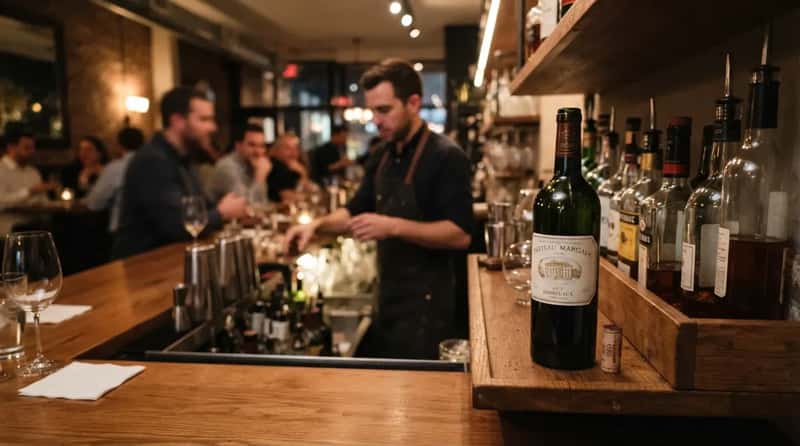
Some guests never see a wine list again. Once staff know your order, they simply keep a bottle on hand specifically for you. It’s not written on any label or tab, but the bartender knows exactly whose it is.
Restaurants will sometimes stock a particular wine purely because one regular orders it often. It’s a small inventory decision with a big emotional payoff. Your bottle, waiting, before you’ve even asked for a menu. Most regulars never realize how deliberate that stocking choice actually is.
#17 – The Server Who “Just So Happens” to Be Your Top Pick Every Time
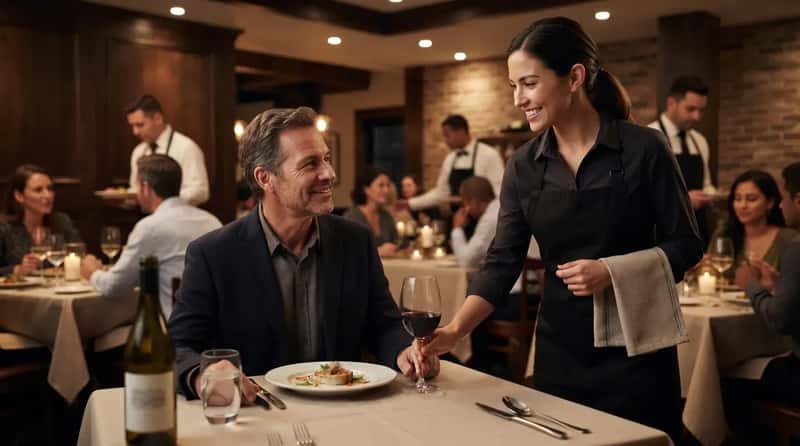
This one isn’t a coincidence. Restaurants often route their most loyal guests toward whichever staff member is sharpest on the floor that night. It’s a quiet form of quality control that never gets announced at the table.
While other tables get looked after by newer or junior servers, a regular is far more likely to land with the most competent person in the house, because one bad experience is enough to lose that guest for good. Your “usual server” may actually be a scheduling decision, not luck. It’s insurance against ever having a rough night at a place you love.
#16 – An Off-Menu Dish That Belongs Only to You
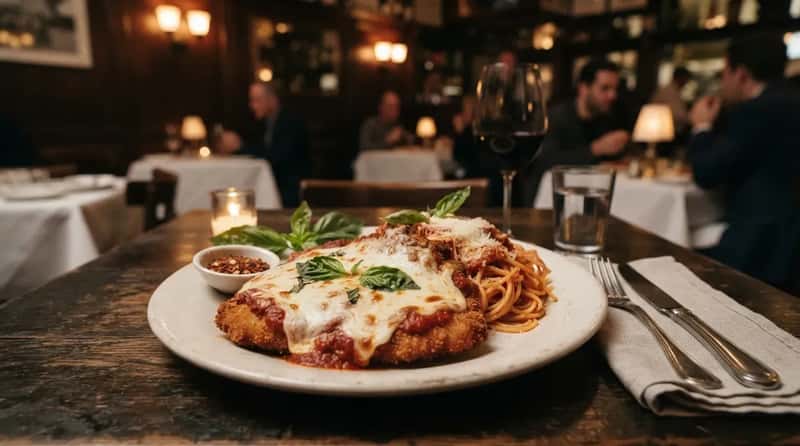
Some of the best dishes in a restaurant were never printed anywhere. They exist purely because a regular liked something enough that the kitchen kept making it, quietly, off the books.
At one longtime New York institution, the chicken parm is a customer favorite that will never make the real menu, because as the late co-owner explained, it isn’t a traditionally classic Italian dish. Diners who know still insist it’s the best thing in the building. The dish stays hidden on purpose. Exclusivity is part of the appeal.
#15 – Homemade Condiments That Never Show Up on a Ticket
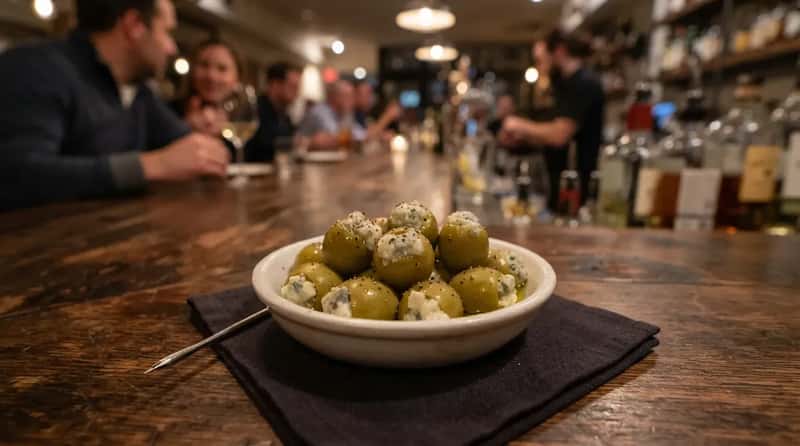
Ask nicely and the kitchen might build you something from scratch. Sauces and dressings that appear nowhere on the menu can still get made, just for you, using ingredients that were already sitting in the walk-in.
One server described making blue cheese olives for a regular but said she wouldn’t do that for just any customer, because some customers have simply earned it. The ingredients were there the whole time. The courtesy was never the food, it was the relationship.
#14 – A Plate Gets Re-Fired Before You Even Complain
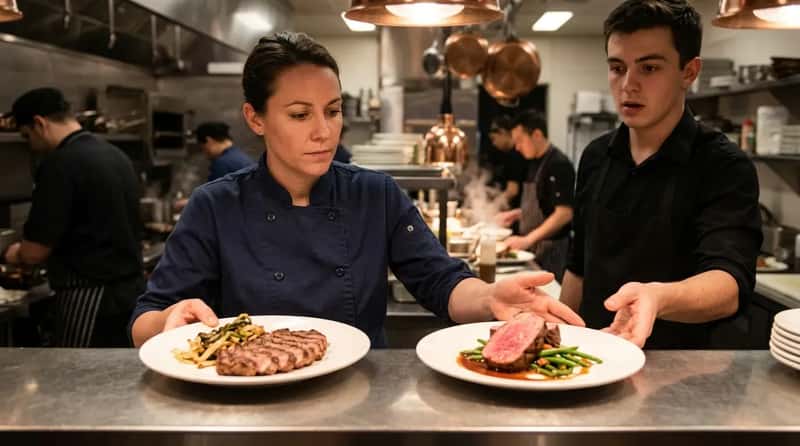
Sometimes staff catch a mistake before you do. A slightly overcooked steak or a wrong side gets quietly swapped out, with no blame passed to the kitchen and no lecture given to the guest.
This matters because of how fragile that moment actually is. A regular might order the same dish every visit, but the first time it comes out badly could be the last time anyone sees them, and they usually won’t say a word, they’ll just stop coming back. Restaurants that catch the error first save a relationship they didn’t even know was at risk.
#13 – Your Favorite Table, Blocked Off Without Being Asked
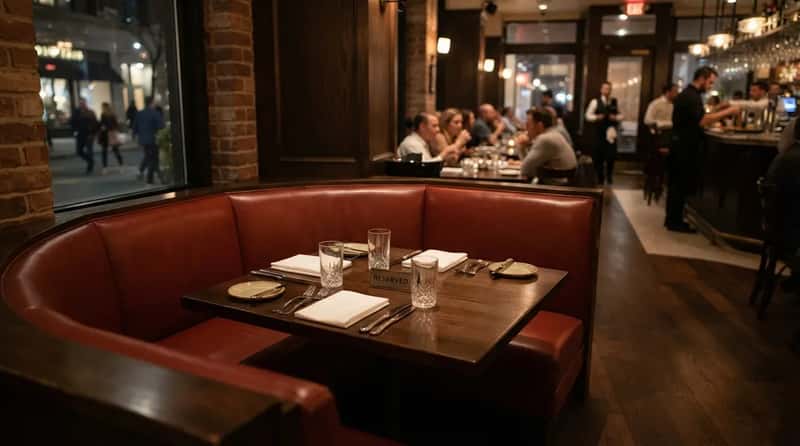
Somebody remembered. That’s the entire explanation for why the same booth always seems to be waiting for you when you walk in on a Friday night.
Restaurants that track guest history do this on purpose, holding the exact seat a regular always requests before the request ever comes in. Nobody tells you a table has been reserved in spirit for you. It just quietly is. It’s a small logistical choice with an outsized emotional effect.
#12 – The Bartender Starts Pouring Before You Sit Down
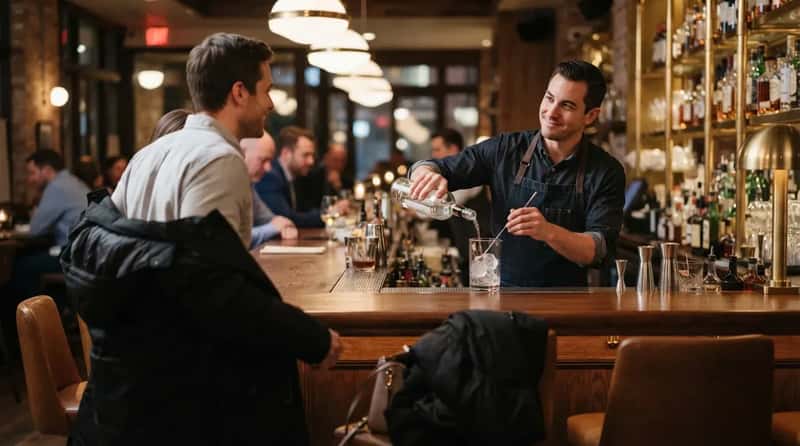
By the time you’ve hung up your coat, the drink is already being made. This is one of the most consistent unwritten courtesies in the entire industry, and it’s almost never accidental.
The bartender simply knows the order before the guest sits down. It isn’t guesswork. Bartenders quietly track drink orders the same way servers track dietary notes. It’s designed to feel effortless, even though it never actually is.
Fast Facts
- Resy data shows regulars visit their favorite restaurants 52% more often than occasional diners.
- Bartenders often memorize a regular’s usual order within just a handful of visits.
- Recognition doesn’t require a rewards card. Staff build this memory through repetition alone, no membership needed.
- A drink poured before you sit down is often the first sign the whole table is about to be looked after differently.
#11 – A Whispered Heads-Up About Tonight’s Secret Special
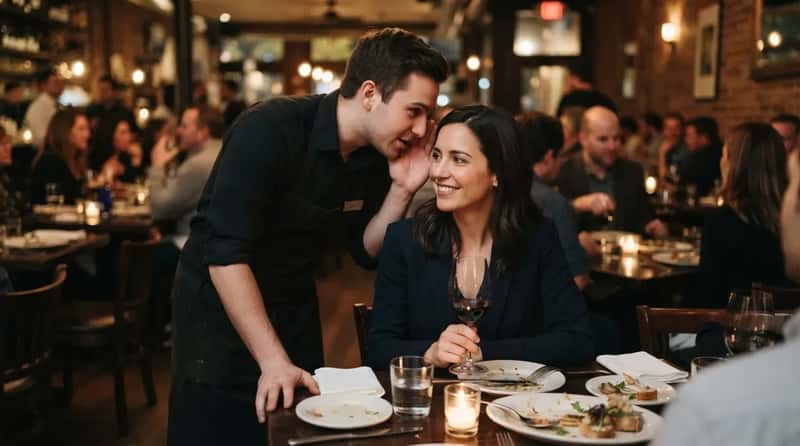
Some information never makes it to the printed specials board. Staff will lean in and tell certain guests about a limited dish before it’s announced to the rest of the room.
Restaurants increasingly lean into this exclusivity on purpose. Diners in the know take real pride in ordering something the rest of the room doesn’t even know exists, and one restaurant co-owner put it simply: regulars like knowing things other people don’t. The tip-off itself is the reward. The dish is almost secondary.
#10 – The Tab Quietly Extended When Your Ride Is Running Late
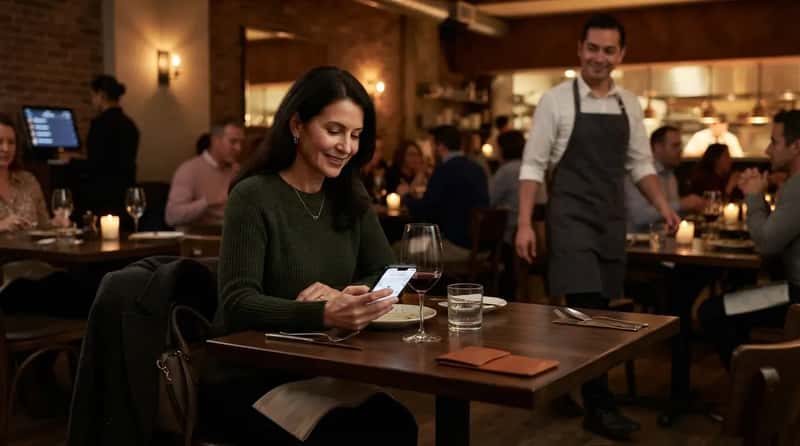
Nobody rushes a regular table just because a reservation window closed. Staff will often let a familiar guest linger well past their slot without a single mention of the wait list piling up at the host stand.
Resy data shows regulars dine out at their go-to spots 52% more often than occasional guests, which gives staff every incentive to protect that relationship instead of squeezing in one more turn. Turning tables faster loses to keeping a loyal guest happy, every single time.
#9 – A Distracted Toddler Gets a Secret Kitchen Treat
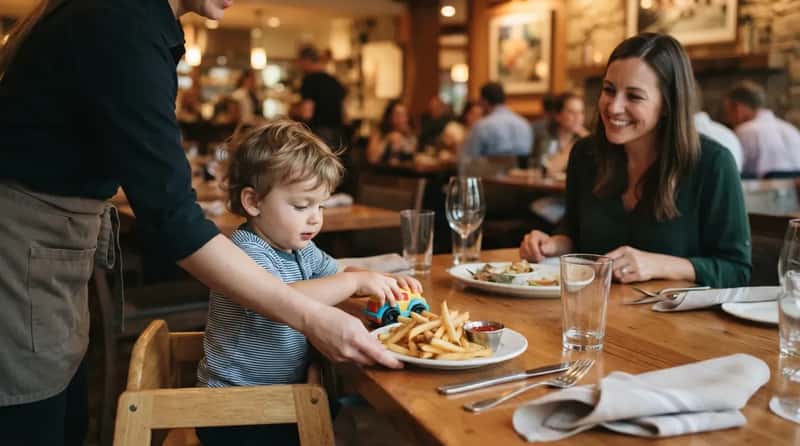
Parents rarely ask for this, but plenty of kitchens do it anyway. A small plate of fries, a scoop of ice cream, or a plain breadstick shows up specifically to buy the table a little peace.
It’s part of a broader pattern of generosity staff describe as earned rather than transactional. Free bread and olives are common everywhere, but the extra plate that shows up unprompted is usually a reward for a table that’s been easy and kind to work with. The treat isn’t for the child. It’s a thank-you to the parents.
#8 – The Walk to the Door, Rain or Shine
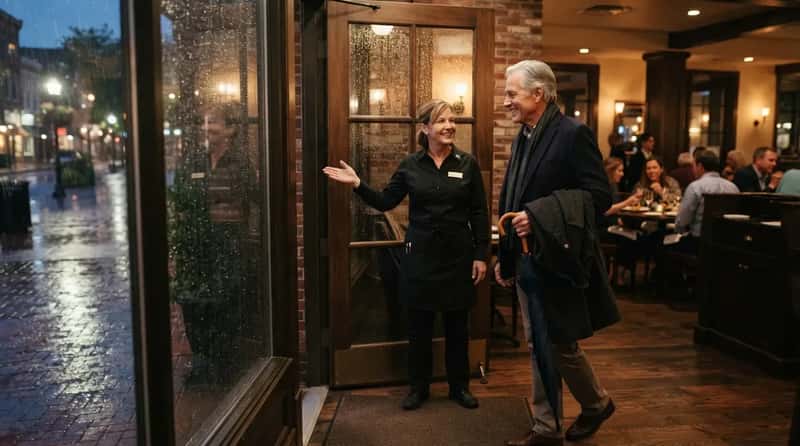
Some staff won’t let a familiar face leave without walking them out personally. It’s a small physical gesture that separates a transaction from a relationship, and it costs nothing but a few extra steps.
This kind of closing ritual tends to show up most at restaurants deliberately building a “regulars culture,” where the goal is to make guests feel like family instead of foot traffic. The walk to the door is the last impression, and staff know it matters as much as the first one.
#7 – A Round Appears After a Rough Night, No Bill Attached
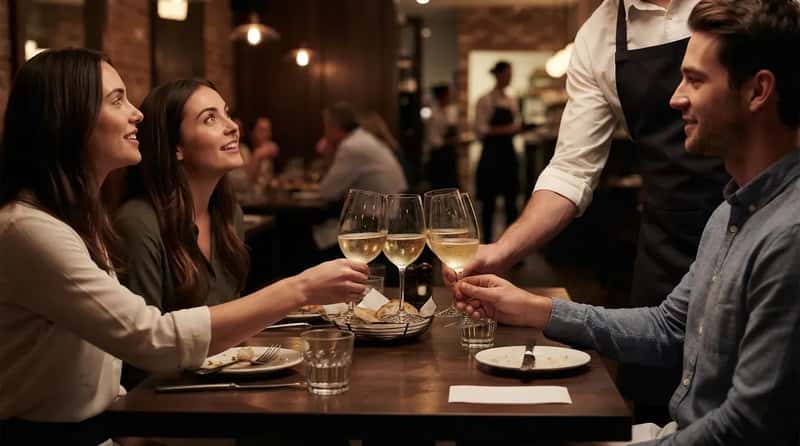
Sometimes a kitchen mistake, a slow night, or a bad mood in the room gets quietly smoothed over with a free round nobody asked for. It’s rarely explained. It just shows up at the table.
This kind of gesture is part of a larger, deliberate strategy restaurants use to protect repeat business, since regulars are often the ones who quietly receive free courses, a glass of wine, or dessert on the house. The math is simple: a $12 round is cheaper than losing a guest who visits fifty times a year.
#6 – The Manager Remembers Your Bad Night From Months Ago
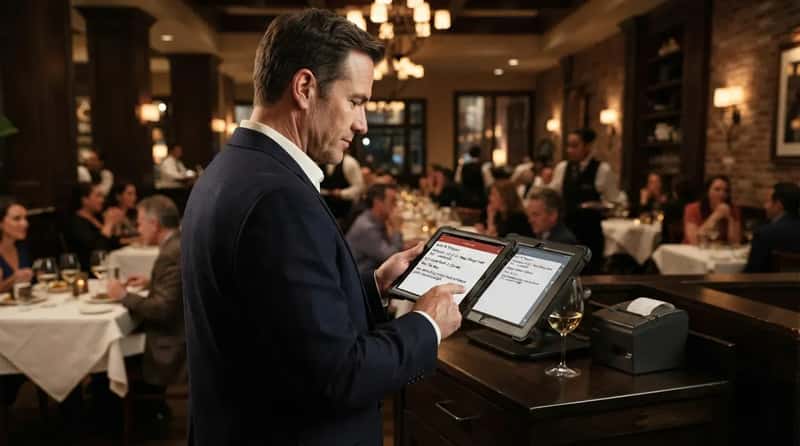
Some restaurants keep detailed memory of exactly what went wrong for you, and they use it to make sure it never happens again. It’s a little unsettling to think a disappointing steak got logged somewhere, but it usually did.
Restaurants that use point-of-sale systems to track spending, likes, dislikes, and visit frequency are running on data most guests never realize exists. That “quiet upgrade” you got last time you complained wasn’t random. It was flagged in a system. It’s part of why some tables never seem to have the same problem twice.
Quick Compare
- First-time guest: generic greeting, standard seating, no built-in memory of preferences.
- Regular guest: preferred table held, past issues flagged, favorite order anticipated before ordering.
- First-time guest: a mistake gets a standard apology, maybe a small discount.
- Regular guest: a mistake triggers a quiet fix plus an unspoken effort to make sure it never repeats.
#5 – A Text or Call When You’ve Been “Missing”
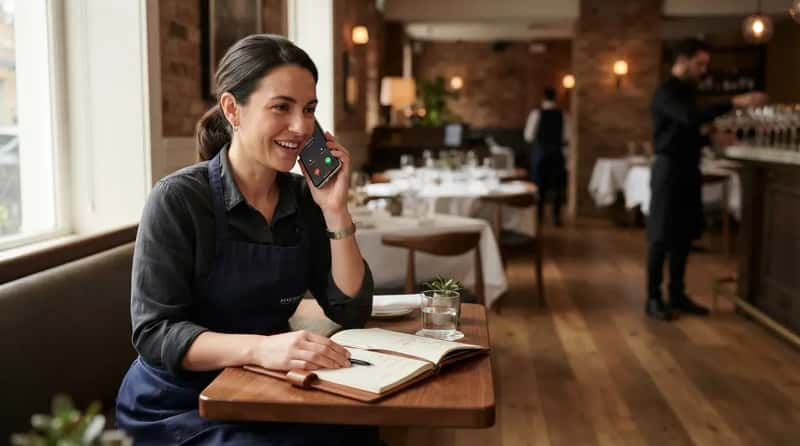
Disappear for a few months and some restaurants notice. Staff have been known to reach out personally to guests who suddenly stopped showing up, treating an absence almost like a warning sign worth acting on.
The industry has real numbers behind why this matters. Regulars rarely vanish all at once; they tend to fade gradually, which means restaurants that check in early can often win a guest back before they’re gone for good. A single “we miss you” message can undo months of quiet drift.
#4 – The Junior Server Gets Quietly Reassigned Away From Your Table
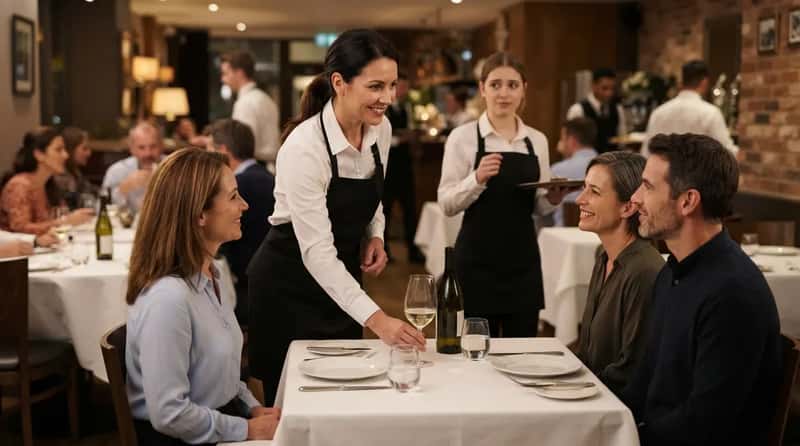
If a newer employee is struggling, management sometimes intervenes without ever telling the guest. A more experienced server simply takes over mid-shift, framed as a routine check-in rather than a rescue mission.
This ties directly back to how much regulars are worth protecting. Toast data from early 2026 suggests that just 7% of a restaurant’s guest base, the multi-visit regulars who know the staff by name, can drive up to half of total order volume. Losing one loyal guest can cost more than losing a dozen first-timers, so managers step in fast and quietly.
At a Glance
- Just 7% of a restaurant’s guest base can generate close to half of total order volume, according to 2026 Toast data.
- Losing one loyal regular can outweigh losing several first-time visitors combined.
- That’s why managers often intervene fast when a newer server is struggling with a familiar face at the table.
- Protecting a regular isn’t sentimental. It’s a straightforward business calculation.
#3 – Your Allergy Note Follows You to Every Visit, Silently
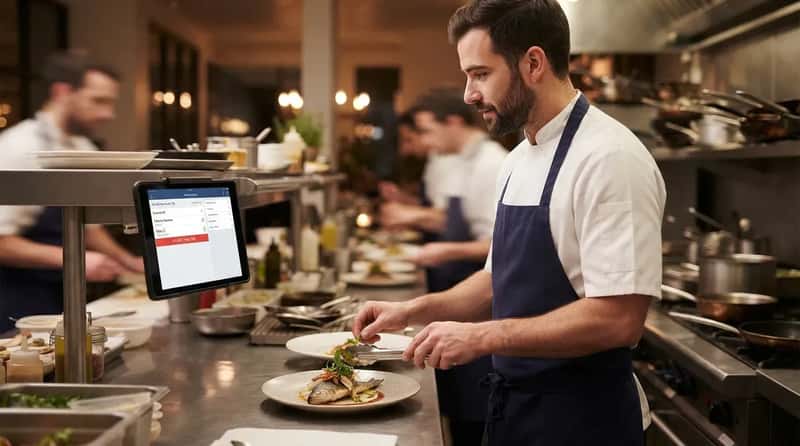
You mention a shellfish allergy once, and somehow it never has to be repeated again. That’s not memory. That’s a system working behind the scenes long after you’ve forgotten you ever said anything.
Restaurants increasingly use technology alongside personal interactions to tailor the dining experience, and small details like allergies get logged the moment they’re mentioned. Most guests have no idea their preferences are being recorded in real time. It quietly removes friction from every future visit without you ever asking.
#2 – Custom Meals Built Just for You, Cost Be Damned
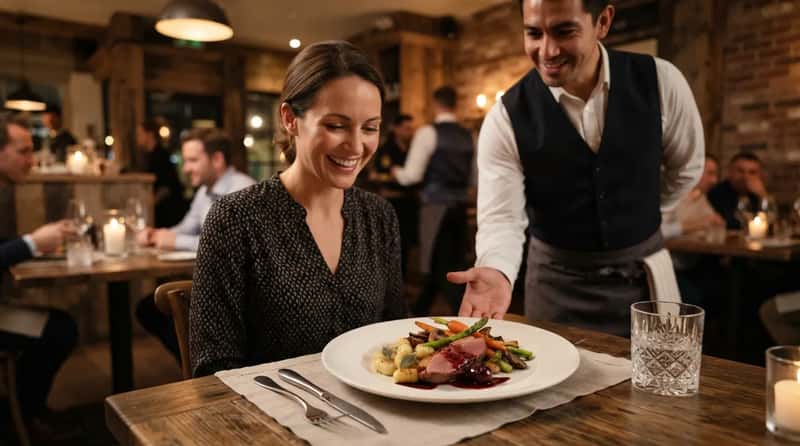
Some kitchens will build an entirely new dish out of existing ingredients if a loyal guest asks the right way. It’s not on the menu, it’s not on the specials board, and it’s rarely priced the way you’d expect.
One veteran restaurant worker with more than a decade in the industry said customers regularly asked if the kitchen could whip something up off-menu, and more often than not, staff were happy to accommodate. Attitude alone can be the difference between a polite “no” and a dish invented on the spot. It’s one of the few courtesies guests can actually influence just by being kind.
#1 – They Remember Your Name, Your Order, and Your Story
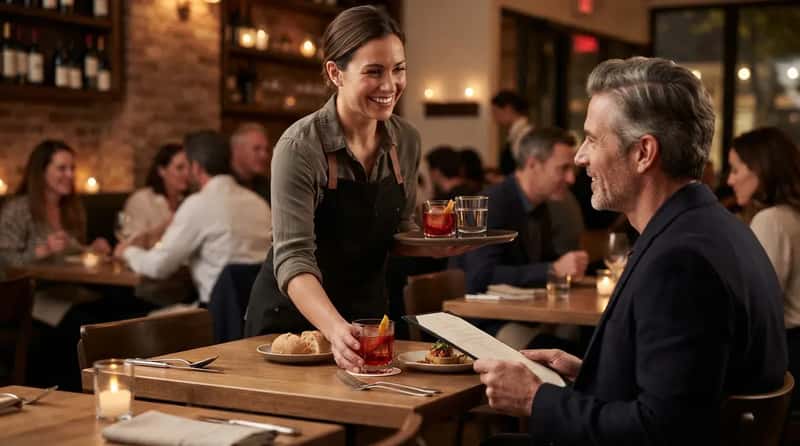
This is the courtesy every other one on this list is really built around. Staff who greet you like family aren’t performing. They’re recalling real details from your last visit, unprompted, because someone trained them to.
Teach staff to really touch tables, to say hi, to say welcome back, good to see you again, you had that Negroni last time, do you want the same or something new.
Restaurant industry beverage training standard
That single moment is the entire unwritten courtesy system distilled into one sentence. Once a restaurant remembers you like that, everything else on this list tends to follow.
None of these twenty courtesies show up on a receipt, a menu, or a training manual pinned to a break-room wall, yet they’re often the exact reason a restaurant becomes someone’s “regular spot” instead of just another dinner out. The pattern is consistent: recognition breeds loyalty, and loyalty gets quietly rewarded in ways that never touch the bill. Most diners will never notice the system working in their favor until the night it suddenly doesn’t.
Which one of these have you experienced firsthand, and which one surprised you the most? Drop it in the comments.