Everyone assumes a red-eye is something you just survive. You white-knuckle it through the night, land looking like you lost a fight with a pillow, and burn the next day recovering. But the people who fly overnight for a living, the ones logging six-figure mileage every year, don’t suffer through red-eyes at all. They’ve quietly built a whole system around them.
None of it involves an expensive seat or some secret first-class trick most people can’t access. It’s a string of small, almost invisible decisions made hours before boarding even starts. Here are the 20 habits seasoned flyers lean on every single time the sun goes down and the gate agent calls their zone.
#20 – The Screenshot Habit That Saves Them When Wifi Dies
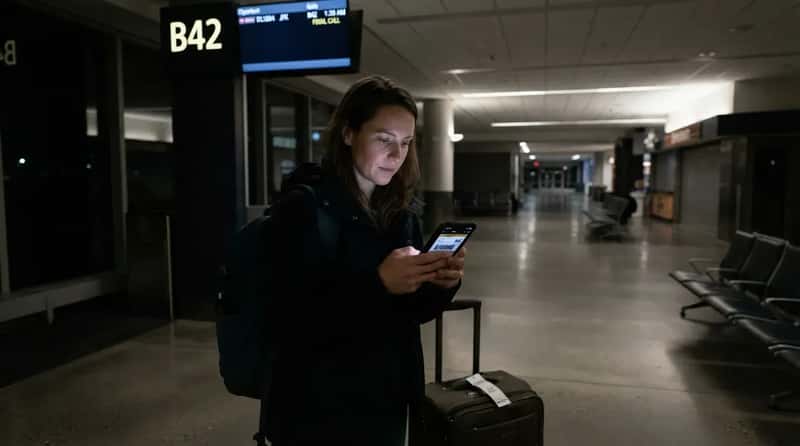
Experienced red-eye flyers screenshot their boarding pass, gate number, and confirmation details before they even step into the terminal. Overnight airports run on skeleton crews, wifi drops without warning, and apps freeze at the worst possible moment. Having everything saved locally means zero panic if a phone loses signal at 1 a.m.
It sounds almost too simple to matter, but gate changes on late-night flights happen constantly and rarely get announced loudly. A screenshot means you’re not betting your connection on a shaky airport network. It’s a two-second habit that quietly prevents a genuinely stressful sprint through an empty concourse.
#19 – They Never Let a Dead Phone Battery Run Their Night
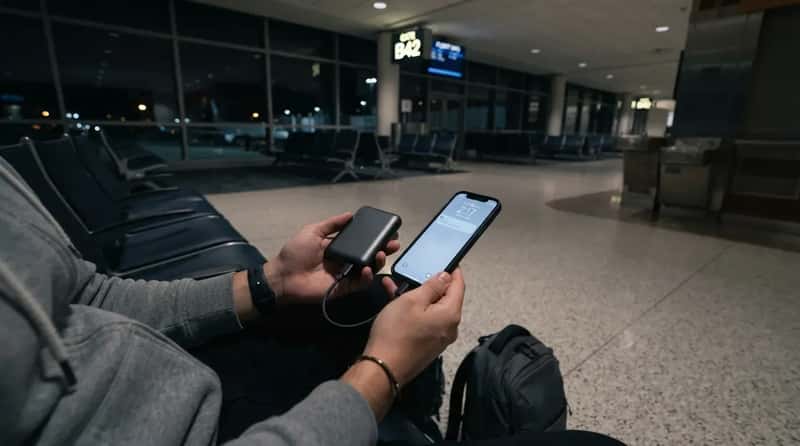
Frequent overnight flyers pack a charged battery pack every single time, no exceptions. A dead phone at midnight in an unfamiliar airport isn’t just annoying. It can mean missing a gate change, a delay alert, or a rideshare pickup on the other end.
The habit runs deeper than convenience. Many red-eye travelers use their phones as flashlights, translation tools, and boarding pass backups all night long, and that drains a battery fast. Carrying a backup charger means never becoming the person hunting a dead outlet at an empty gate at 2 a.m.
#18 – They Steer Clear of the Bathroom Row Every Single Time
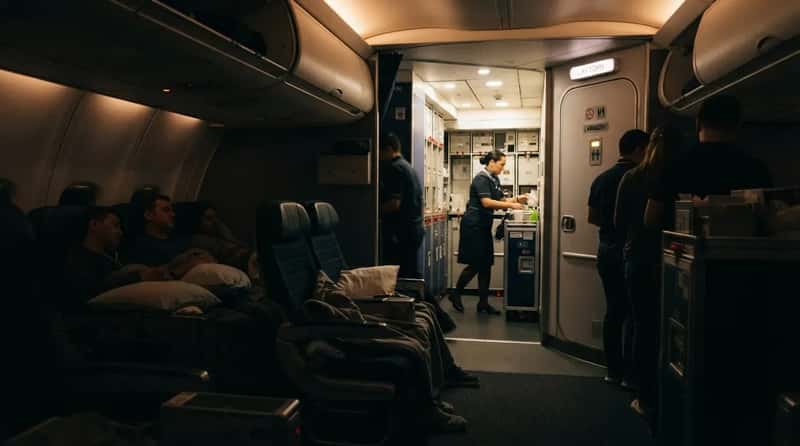
Seasoned flyers actively dodge seats near the galley or lavatory on overnight flights, and for good reason. Those rows see constant foot traffic and noise that chips away at sleep the whole night through.
It’s an easy detail to overlook when booking a red-eye in a hurry, but it makes a real difference over five or six hours. Crew members move through that aisle nonstop to prep breakfast service, and the door chime alone can jolt even a sound sleeper awake multiple times.
#17 – They’ve Learned the “Pink-Eye” Trick Most Travelers Never Hear About
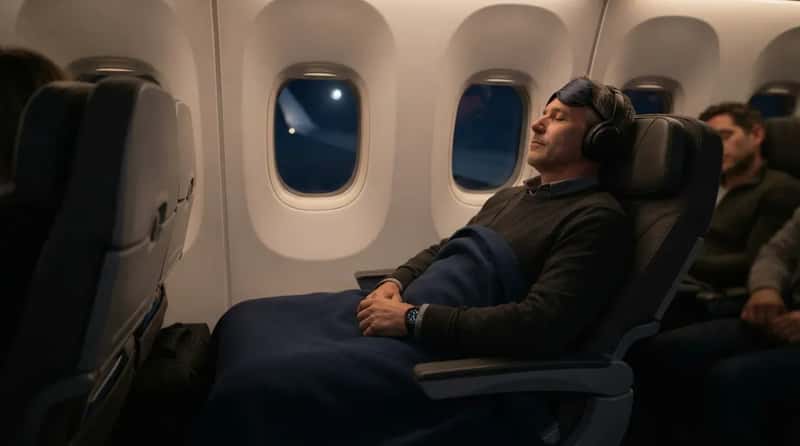
Not every overnight flight is technically a red-eye, and experienced travelers know the difference. So-called pink-eye flights depart and land earlier, generally in the 10 p.m. to 1 a.m. window, instead of pushing deep into the overnight hours.
Choosing a pink-eye over a true red-eye when the option exists means landing with a fuller night’s sleep still intact. It’s a small scheduling distinction most travelers never think to search for, but it can be the difference between arriving foggy and arriving functional.
Quick Compare
- True red-eye: Departs around midnight to 2 a.m., lands early the next morning
- Pink-eye flight: Departs roughly 10 p.m. to 1 a.m., lands well before sunrise
- Standard evening flight: Departs before 9 p.m., no true overnight stretch involved
#16 – They Dress Like They’re Going to Sleep, Not to a Meeting
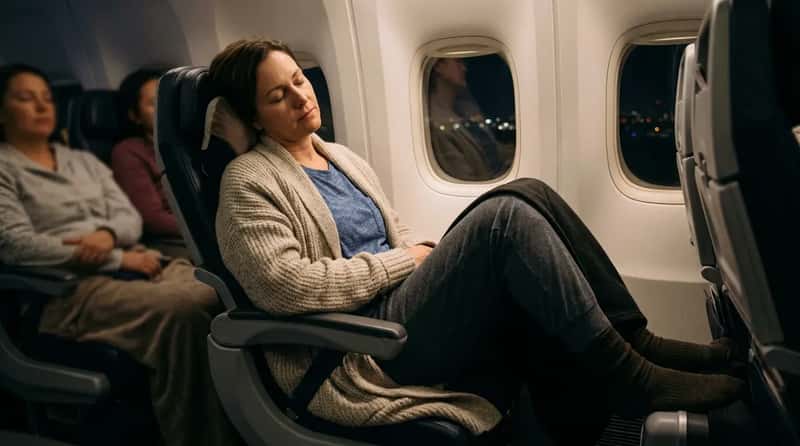
Comfortable, breathable clothing is non-negotiable for anyone who flies overnight regularly. Soft fabrics built for sleep are the standard, paired with a sweater or wrap since cabin temperatures often drop hard in economy.
Jeans and stiff button-downs might look sharp at the gate, but they’re miserable by hour four of a red-eye. Layers matter too, because cabin temperature swings wildly depending on where you’re seated relative to vents and doors.
#15 – They Skip the Airport Burger and Bring Their Own Light Meal
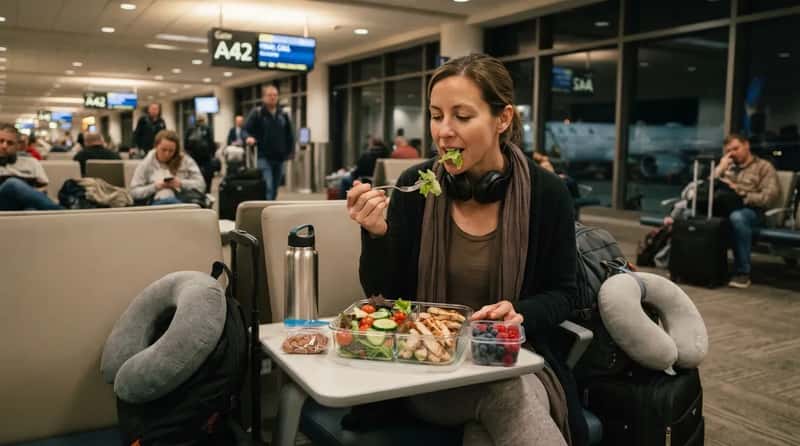
Heavy, greasy food before a red-eye is one of the fastest ways to sabotage sleep. A rich meal sits like a brick at 30,000 feet, so lighter options like fruit, soup, or a simple salad win out before boarding.
This is one of those habits that seems minor until you’ve felt the difference firsthand. A stomach working overtime to digest a heavy dinner almost guarantees restless, shallow sleep, no matter how comfortable the seat underneath it is.
#14 – They Fast-Track Security With Trusted Traveler Programs
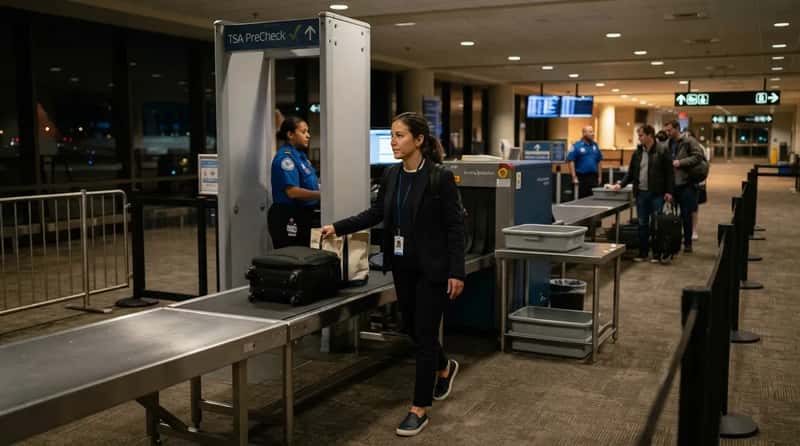
Late-night terminals are quieter, but seasoned flyers still don’t leave security lines to chance. Airports run noticeably lighter overnight, and arriving 90 minutes before a domestic red-eye is usually plenty of cushion.
Even so, programs that speed up screening are worth every dollar for people flying overnight often. A quiet line can back up fast when several red-eyes cluster around the same departure window, and nobody wants to sprint at 10 p.m.
Fast Facts
- TSA PreCheck runs about $78 for a five-year membership
- Global Entry costs $120 for five years and automatically includes PreCheck
- Both programs can shave real time off security during peak overnight clusters
- Many premium travel credit cards reimburse the application fee entirely
#13 – They Build Their Own Sleep Kit Instead of Trusting the Airline’s
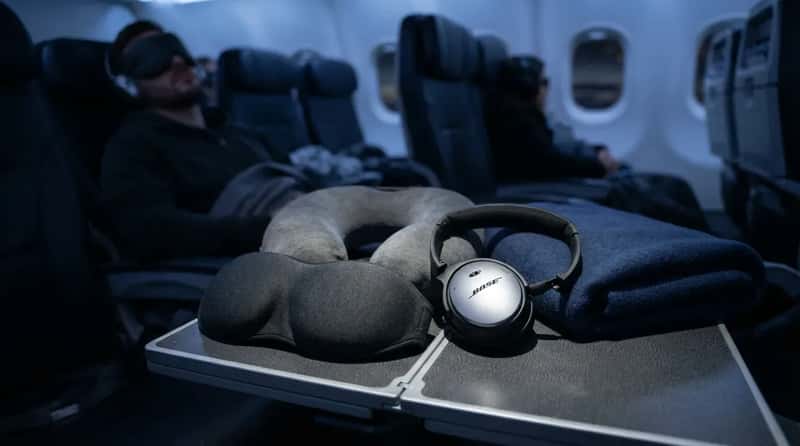
Airline-provided amenity kits, when they exist at all, are rarely enough for actual sleep. Frequent flyers bring their own essentials instead: an eye mask, a neck pillow, noise-canceling headphones, and a light blanket.
This habit is almost universal among people who fly overnight for a living. A cheap eye mask and a pair of foam earplugs cost less than an airport sandwich, yet they do more for sleep quality than almost anything else on this list.
#12 – They Treat the Drink Cart Like a Trap, Not a Treat
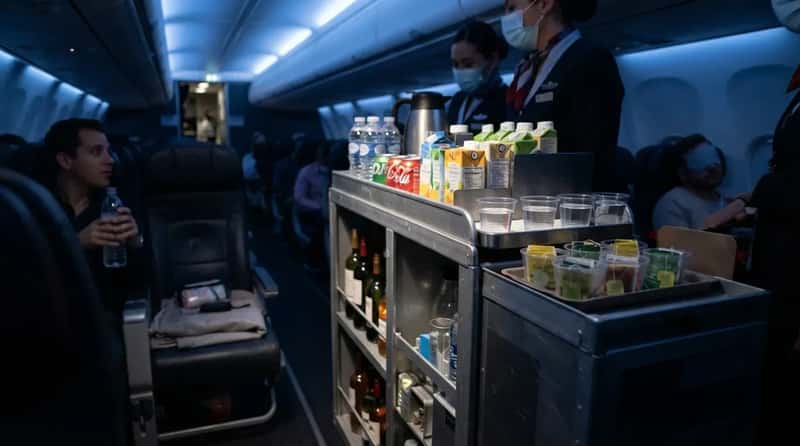
It feels relaxing to order a glass of wine on a night flight, but experienced flyers know better. Wine or coffee might feel comforting in the moment, yet both quietly wreck sleep quality later, so water or herbal tea in the hours before boarding wins out.
Alcohol might make falling asleep easier at first, but it fragments sleep later in the flight and worsens dehydration in already dry cabin air. Caffeine is the more obvious offender, and plenty of tired travelers reach for it anyway, not realizing it can linger in the system for six hours or more.
#11 – They Dim Their Screens Hours Before Boarding, Not After
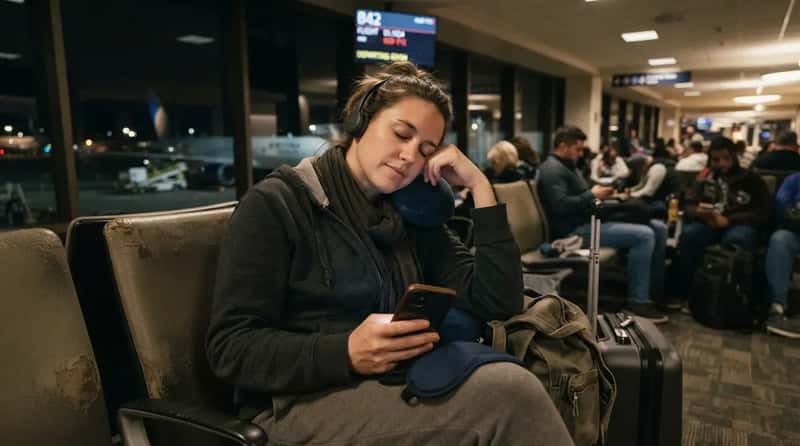
Frequent red-eye flyers start winding down before they even reach the gate. Bright phone and tablet screens signal the brain to stay alert, which fights directly against falling asleep quickly once the plane levels off.
Some travelers switch on night mode hours in advance. Others simply put the phone away once boarding starts, a habit borrowed from basic sleep science that shows up again and again among the most frequent overnight flyers.
#10 – They Book Hotels With Early Check-In Built Into the Plan

Nothing undoes a good red-eye faster than landing exhausted with nowhere to rest. Frequent travelers make sure they’ve locked in a room that allows check-in right after landing, because waiting until the afternoon while running on zero sleep is its own kind of misery.
This is an overlooked detail that separates a smooth arrival from a wasted morning. Seasoned flyers either pay the small premium for guaranteed early check-in or book hotels known for flexible arrivals specifically because of overnight flight patterns.
#9 – They Fight for the Window Seat Every Time
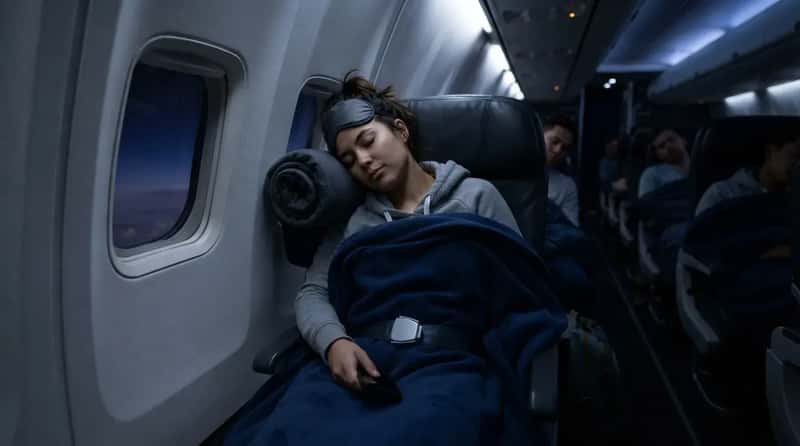
Ask any frequent overnight flyer and they’ll tell you the window seat isn’t just a preference, it’s strategy. It gives you something to lean against and full control over the light, both of which matter enormously on a dark, cramped overnight cabin.
Aisle seats offer easier bathroom access, sure, but they also mean getting bumped, stepped over, and jostled by cart traffic all night long. For anyone actually trying to sleep, the window seat wins almost every time.
#8 – They Keep a Tiny Melatonin Dose in Their Carry-On
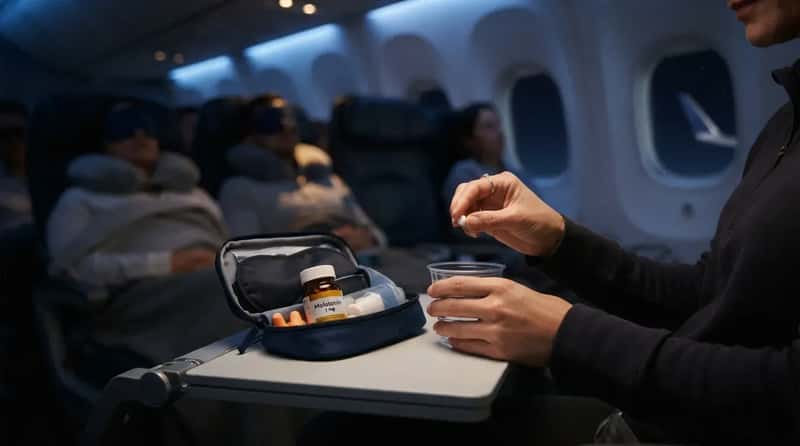
This habit surprises casual flyers, but it’s nearly universal among people who fly overnight constantly. A low dose, often just a milligram or two, helps without leaving anyone groggy the next day.
The key word is low dose. First-time users often take far more than needed, assuming more melatonin means more sleep, when a small, well-timed amount actually works better and skips the foggy hangover feeling larger doses tend to cause.
Worth Knowing
- A dose between 0.5 and 3 milligrams is typically enough to help the body wind down
- Taking it about 30 minutes before your target sleep window beats popping it right at boarding
- Higher doses don’t speed up sleep, they mostly raise the odds of next-day grogginess
- Pairing a small dose with an eye mask and earplugs outperforms melatonin alone
#7 – They Download Everything Before Takeoff, Just in Case
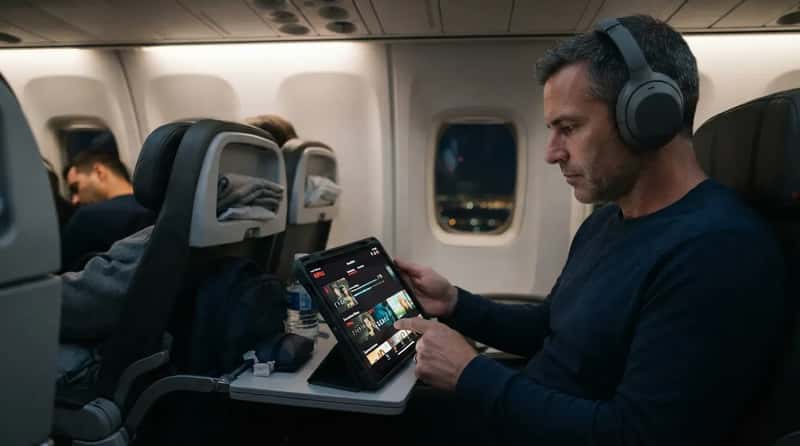
Wifi on overnight flights is inconsistent at best, and seasoned travelers plan around that reality instead of hoping for the best. Movies, podcasts, and playlists get downloaded before boarding so entertainment never depends on a signal that might not show up.
This habit becomes second nature after just one flight ruined by a buffering wheel and dead wifi. It’s a small step, but it removes one more variable that could turn a quiet overnight flight into a frustrating one.
#6 – They Get Up and Walk, Even When They’d Rather Not
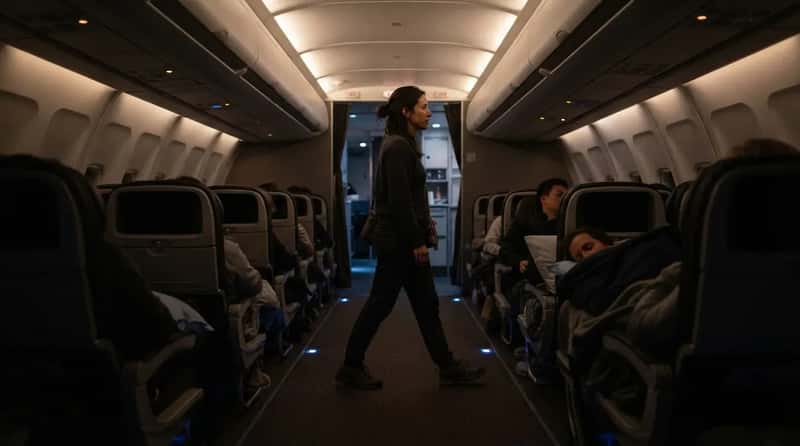
Experienced flyers don’t stay glued to their seats for six straight hours, no matter how cozy they feel. A short stretch or a slow lap around the cabin keeps comfort levels steady through the whole overnight stretch.
It’s tempting to stay curled up once you’re finally warm and settled, but circulation matters more on long flights than most people realize. A short walk every couple of hours keeps stiffness and swelling from building up before landing.
#5 – They Know the Real Discount Red-Eyes Are Hiding
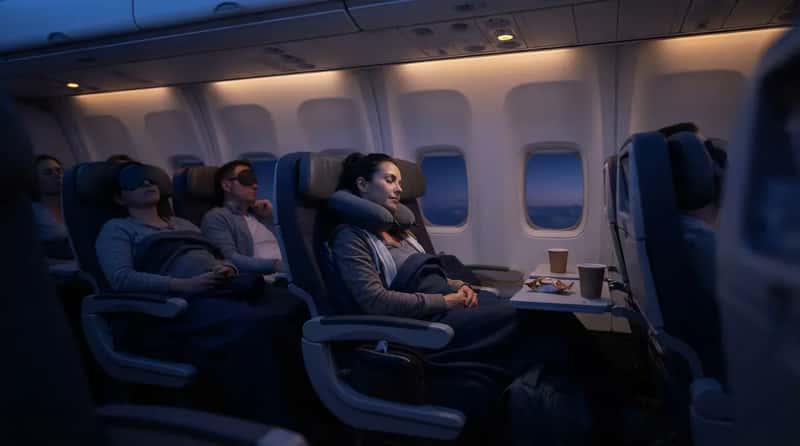
Most people assume red-eye pricing is only slightly cheaper, but the gap is often bigger than expected. Red-eye flights can run up to 30% cheaper than daytime flights, according to travel data from Hopper, which turns them into a genuine budget strategy rather than just a scheduling inconvenience.
Frequent flyers treat that discount as a real financial tool, not an afterthought. Booking overnight on the right route can fund an upgraded seat, an extra night at the destination, or simply a cheaper trip overall.
#4 – They Chase the Upgrade Specifically on Overnight Flights
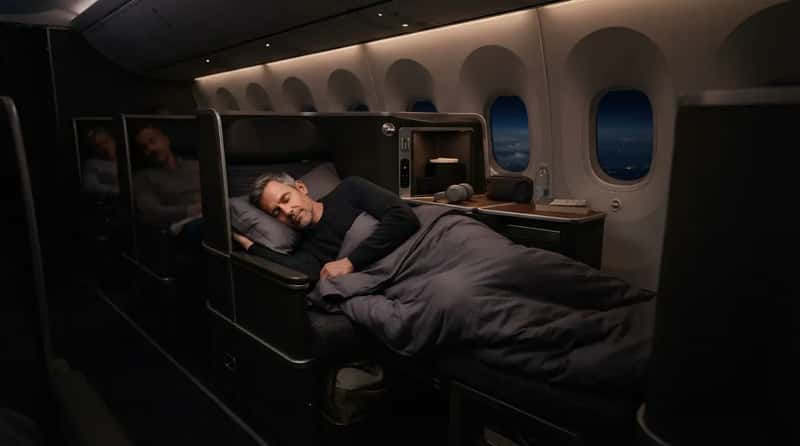
Seasoned red-eye travelers know upgrades matter more at night than during the day. A lie-flat seat can turn a wrecked landing into a rested one, and while most business-class fares sit outside typical budgets, airlines have gotten far more aggressive about offering paid or mileage-based upgrades.
This is where points get spent strategically instead of impulsively. Many frequent flyers save their upgrade instruments specifically for overnight routes, reasoning that actual sleep outweighs almost any other use of the same miles.
#3 – They Chase Sunlight the Second They Land

The habit that separates a rough landing from a smooth one has nothing to do with the flight itself. Building rest time into the schedule matters, but exposure to natural light the moment you land is what actually resets the body’s internal clock.
This one trips up a lot of casual travelers who head straight for a dark hotel room to “catch up” on sleep. Experienced flyers do the opposite, forcing themselves outside into the morning light, which resets circadian rhythm far faster than hiding from it ever could.
#2 – They Grab Exit Row Seats for Free Extra Space
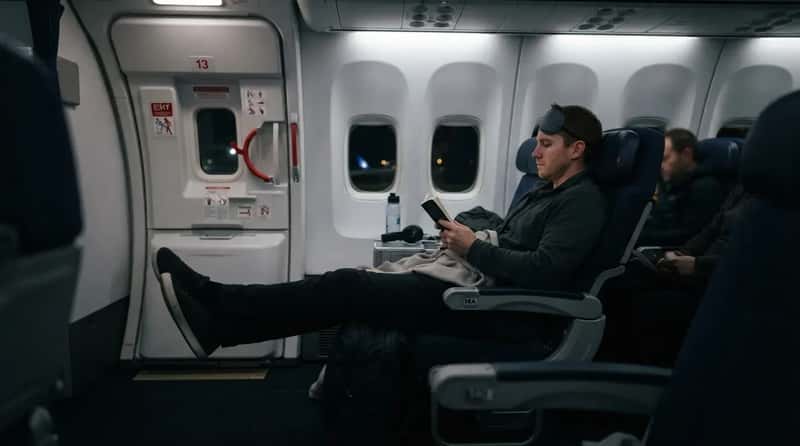
This is one of the most underused tricks in overnight flying, and it costs nothing extra. Seats near the emergency doors offer noticeably more room than the rest of the cabin, usually at the exact same price as any standard seat.
Bulkhead and extra-legroom seats often carry a fee, but standard exit rows frequently don’t, depending on the airline. For anyone trying to stretch out and actually sleep on a red-eye, this is one of the highest-value, lowest-cost habits on the entire list.
Why It Stands Out
- Extra legroom without the added fee many bulkhead or extra-legroom seats charge
- Easier to stretch out fully, which matters most on flights built around sleep
- Frequently overlooked because travelers assume every roomier seat costs more
- Worth requesting at check-in or the gate if it wasn’t available during booking
#1 – They Treat the Red-Eye as a Hidden Time Machine, Not a Sacrifice
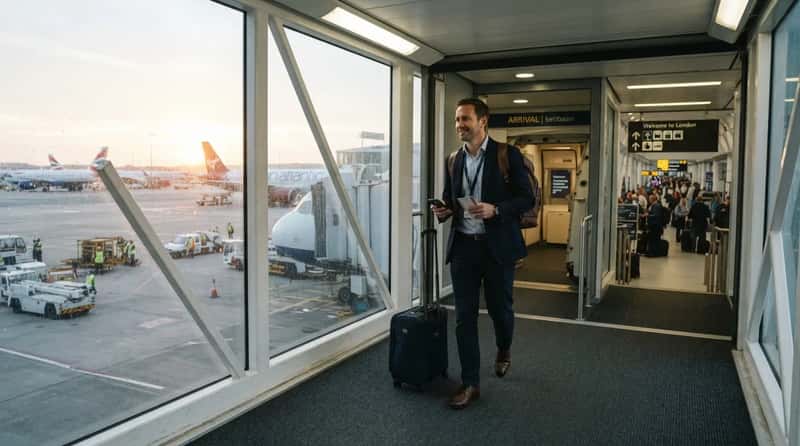
The most experienced overnight flyers don’t see red-eyes as something to endure, they see them as a way to steal back an entire day. Flying west to east overnight lets a traveler depart in one time zone, sleep through the flight, and land just in time for breakfast. For business travelers especially, that means a full workday isn’t lost to travel at all.
This mindset shift changes everything about how the flight actually feels. Instead of dreading a wasted night, seasoned flyers treat the red-eye as the most efficient hours of the entire trip, arriving rested enough to walk straight into a meeting, a vacation, or a new time zone without losing a single daylight hour.
What ties every one of these habits together isn’t luck or an expensive seat. It’s preparation done hours before boarding, small decisions repeated flight after flight until they run on autopilot. Most travelers only discover half of these tricks after years of trial and error, usually the hard way, somewhere over the Atlantic at 3 a.m.
The real secret isn’t any single habit on this list. It’s that experienced flyers stack several of them together every single time, turning a flight most people dread into one of the most efficient stretches of their entire trip. Which one are you trying on your next red-eye?