You booked the ticket. You printed the confirmation. You’re sure you’re covered. Then a conductor stops at your seat, looks at your screen for two seconds, and tells you that you’re sitting in the wrong place on the wrong document entirely.
It happens more than people admit, because reservation rules on trains aren’t the polite suggestions most travelers assume they are. They’re enforced with a precision that catches out backpackers, business travelers, and rail-pass veterans alike – and the reasons behind each rule are stranger, and stricter, than you’d expect.
20. Night trains never let you skip the reservation
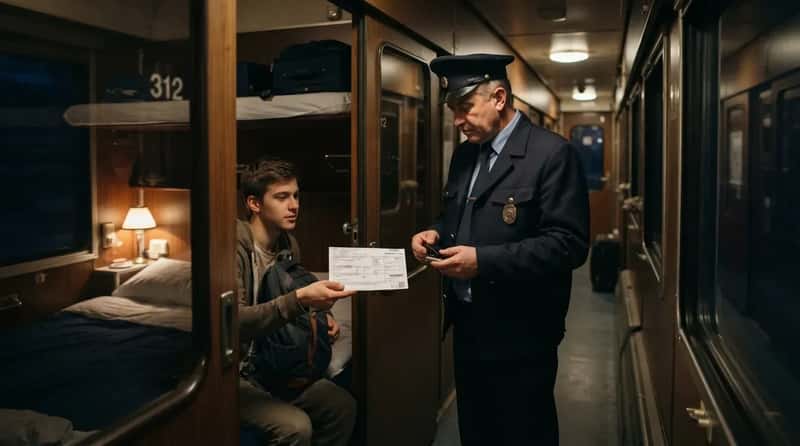
If you think an overnight train is the one place you can wing it, think again. On sleeper services across Europe, the reservation isn’t optional add-on paperwork – it’s baked into the ticket itself, no matter what kind of pass you’re carrying.
On any night train, EN or CNL, the reservation is mandatory, full stop. Rail pass communities repeat this warning constantly because so many travelers assume passes work the same everywhere they go. They don’t. Inspectors on night trains check reservations before you’ve even found your berth.
19. Eurostar’s rule has zero wiggle room
There’s only one train that crosses the English Channel by rail, and that single fact gives its reservation rule unusual power. There’s no competitor route to fall back on if you get this wrong.
Because Eurostar is the only train linking the UK to mainland Europe under the Channel, it runs on a strict mandatory seat reservation system. Travelers are advised to reserve seats as early as possible, since there’s no backup train waiting in the wings. Inspectors here don’t bend, because there genuinely is no plan B.
18. Bringing a bike means booking a second reservation

Bicycles don’t ride for free just because you paid for your own seat. Most European rail systems treat bike space as its own separate inventory, tracked apart from passenger seating entirely.
In many countries, bringing a bike or pet on board means registering the extra service or buying a special ticket before boarding. Skip that step and inspectors will flag it immediately. Bike space is limited, counted, and enforced just as tightly as a passenger seat.
Fast Facts
- Bike space is booked separately from passenger seats on most European trains
- High-speed trains often require bikes to be folded and bagged unless a dedicated bike car exists
- Showing up without the bike reservation can mean a boarding fee or being turned away
- Popular summer routes fill bike slots just as fast as regular seats
17. Your ticket has to match the exact train number
Booking the right route and time isn’t enough – the train number printed on your ticket has to line up with the actual train you’re standing on. It’s a detail most travelers skim past without a second thought.
Rail pass providers are blunt about this, warning travelers to double-check that the train number, departure time, and stations all match exactly. One digit off, and an inspector can treat your ticket as invalid for that specific service, even if everything else about your trip looks correct.
16. Sitting in first class without paying gets you moved fast
An empty first-class seat looks tempting when your own car is packed shoulder to shoulder. It’s not a free upgrade just because nobody happens to be sitting there.
Pass systems spell this out clearly: second-class pass holders can sit in first class if seats are free, but the upgrade must be purchased on board and depends entirely on availability. Try to sit there without paying, and inspectors will either charge you on the spot or send you straight back to your own class.
15. The supplement fee that only hits domestic ticket buyers
Some routes have a hidden asterisk that trips up people who booked the “wrong” kind of ticket for the exact same train. It’s confusing enough that even locals get it wrong.
On the Brussels-to-Amsterdam corridor, international ticket holders and pass holders don’t need to buy the extra supplement fee – it’s only required for people traveling on a domestic ticket. Inspectors know exactly who owes what. Travelers who assumed the fee applied to everyone are often stunned when it doesn’t touch them at all, or the opposite.
14. Your name has to match the ID in your pocket
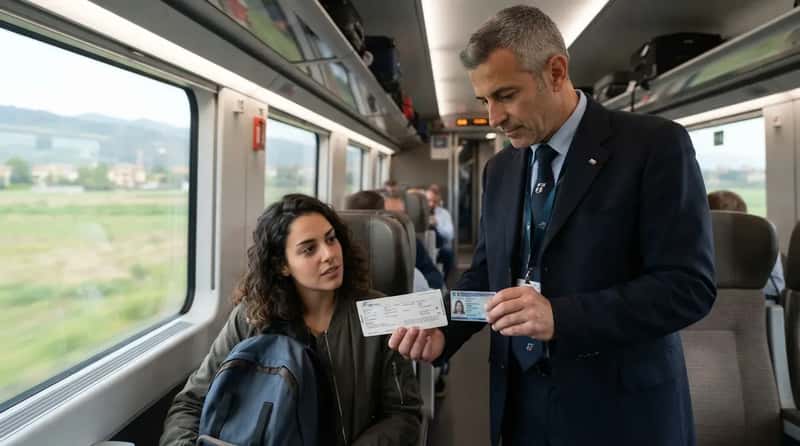
Some train tickets aren’t just tied to a seat – they’re tied to a specific person, by name, and inspectors actually check this against identification.
Every Trenitalia ticket carries the passenger’s name, so it’s only valid for the person listed, and they need ID to prove it. On-board staff can request valid identification at any point during the journey. Hand your ticket to a friend to save money, and you’re both taking a real gamble.
13. A waitlisted ticket bans you from the reserved coach entirely
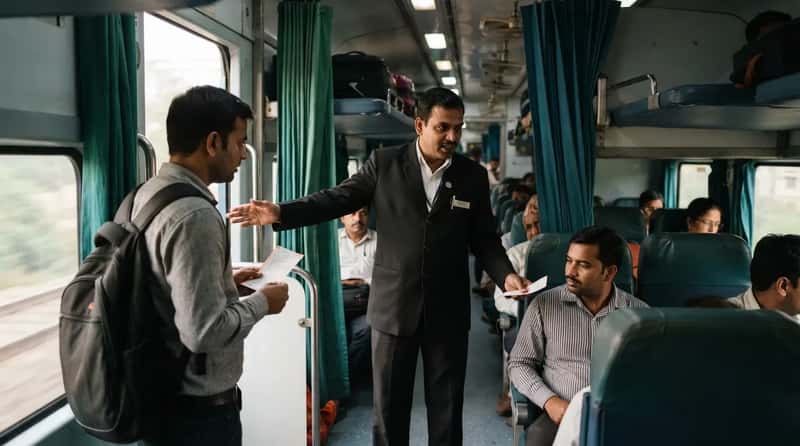
In some rail systems, a ticket that hasn’t cleared the waitlist doesn’t just mean a worse seat – it means no seat in that coach whatsoever, empty or not.
On Indian Railways, passengers holding waitlisted tickets aren’t allowed into reserved coaches at all, including Sleeper, AC 3-Tier, AC 2-Tier, or First Class. They have no right to occupy a berth even if it visibly sits empty. Inspectors enforce this aggressively because it protects the confirmed passengers who actually paid for that exact space.
12. There’s an invisible line between reserved and unreserved cars
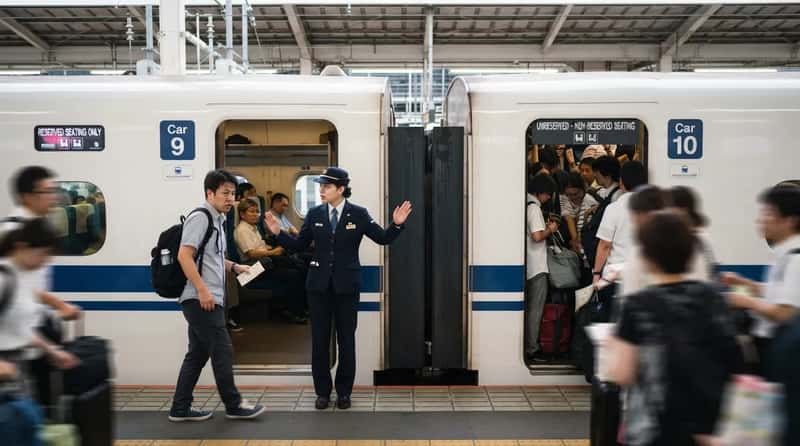
On some high-speed systems, one car can be a total free-for-all while the car right next to it is completely off-limits without a paid reservation. Nothing on the outside tells you where that line is.
Passengers with unreserved tickets get directed to the non-reserved car based on staff instructions or the platform screen, where seating is first-come, first-served and standing is allowed once it fills. Wander into the wrong car anyway, and staff will send you right back out. Reservation zones here aren’t a suggestion – they’re a hard boundary.
11. A rail pass and a seat reservation are two completely different things
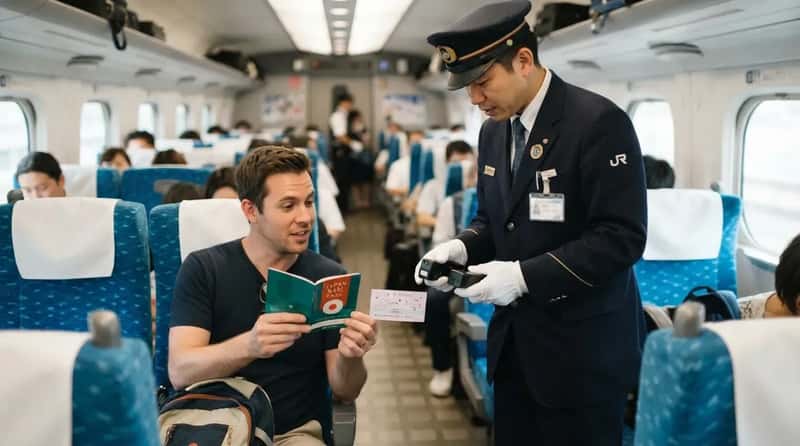
This single mix-up sends more travelers into a panic than almost any other rule on this list, especially first-timers holding a Japan Rail Pass for the first time.
Travelers often have to present both the pass and a separate seat reservation to the ticket inspector – the pass alone doesn’t cut it on trains where reservations exist. People genuinely believe the pass functions as an all-access ticket. Inspectors have to correct that assumption constantly, sometimes several times a day.
Quick Compare
- Rail Pass: covers your right to travel on included trains, but does not guarantee a seat
- Seat Reservation: locks in your exact seat, usually booked separately and sometimes for a fee
- Together: many mandatory-reservation trains require both to be shown at the same time
- Alone: flashing only the pass on a reservation-required train can still trigger a fine
10. A sold-out reservation beats a valid pass every time

Here’s the one that catches out even careful planners: owning a pass does not guarantee you a spot if the reservations for that train have already run out.
If a train requiring reservations is sold out, having a rail pass doesn’t let you board it anyway – doing so results in a hefty fine, paid in cash, no exceptions. There’s no appealing to the conductor here. Once the reservation quota fills up, that train is effectively full too, no matter what’s sitting in your wallet.
9. Assigned seats are enforced like an airline boarding pass
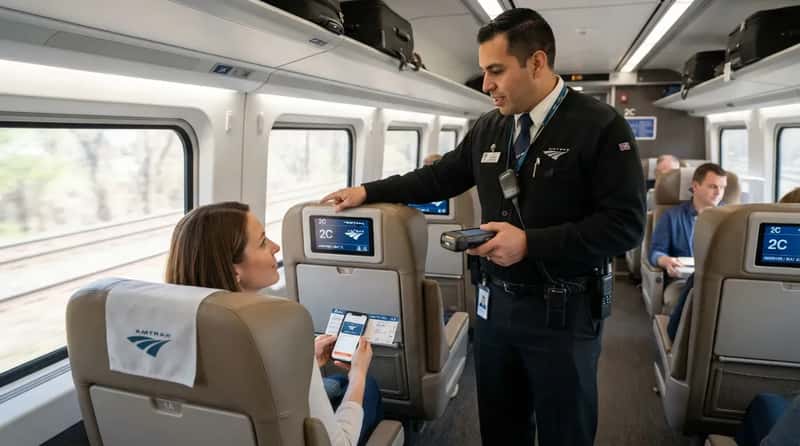
Some train seating has quietly become as rigid as air travel, and a lot of riders haven’t caught up to the shift yet.
Pre-departure seat assignments on Amtrak apply to Business Class on Northeast Regional trains and to both classes on the Acela. Amtrak has leaned further into this system, letting passengers pick their exact seat on Acela First Class the same way they would on a flight. Sit in the wrong assigned spot, and the conductor will simply ask you to move.
8. A “recommended” reservation can still get you bumped
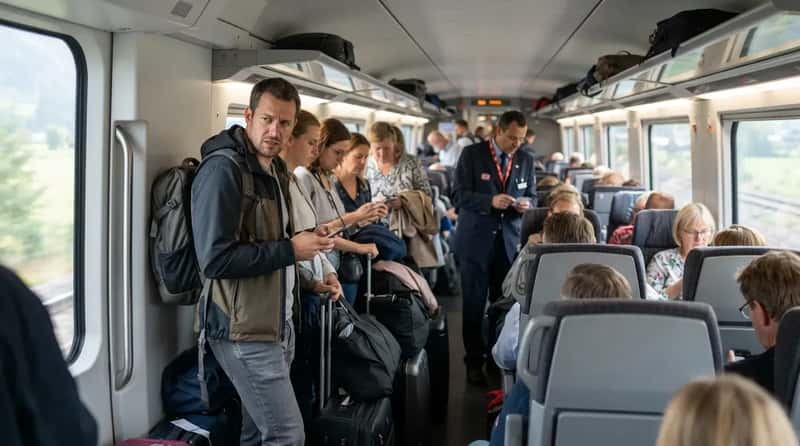
Not every reservation rule is labeled mandatory, but that doesn’t make skipping it risk-free. Some “optional” reservations turn into hard requirements the second a train fills up.
Trains with recommended seat reservations can get packed during high season, and without one you might not find an empty seat at all – in some cases, you could even get asked to board a different train, which happens on busy routes like the ICEs between Germany and Switzerland. Travelers who treat “recommended” as “unnecessary” are usually the ones standing in the vestibule for three hours.
7. Activating your pass one minute late counts as no ticket at all
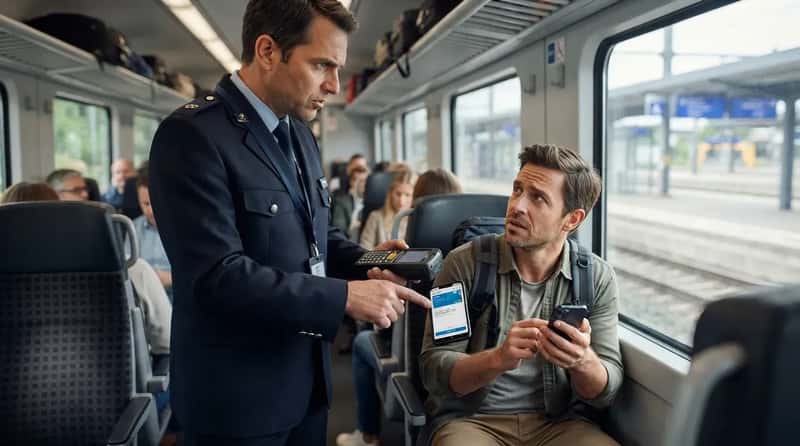
Timing matters more than most travelers realize, and inspectors treat a late activation almost identically to traveling with nothing at all.
Rail pass guidance is blunt about this: you must activate your journey before boarding, because an inspector can check the pass details and issue a fine if activation happened after the train’s actual departure time. A few minutes of fumbling with an app can turn into an on-the-spot penalty.
6. Every high-speed train in Italy requires a paid reservation, no exceptions
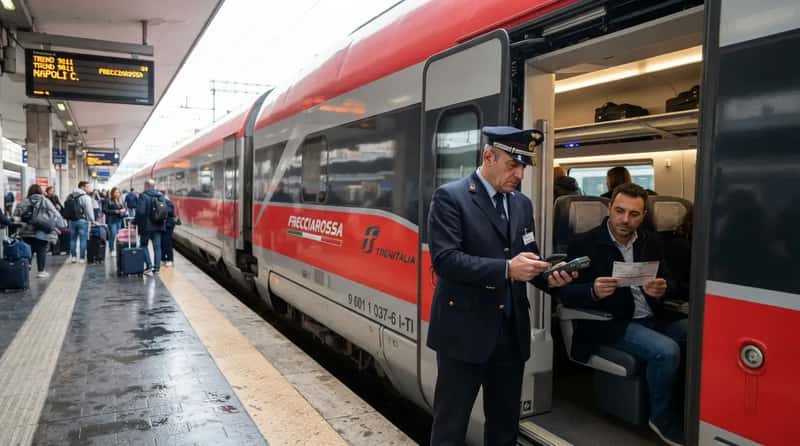
Italy runs one of the strictest reservation systems in Europe, and the fines for skipping it are steep enough to wreck an entire day of travel.
Reservations have been compulsory on Trenitalia’s high-speed Frecciarossa, Frecciargento, and Frecciabianca trains for years, and Italo enforces the same rule. Skip it, and you’re treated exactly like someone with no ticket – which can mean getting removed at the next stop or fined between 100 and 300 euros. Travelers call it a rip-off. Trenitalia calls it policy, and conductors enforce it without a shred of hesitation.
At a Glance
- Frecciarossa, Frecciargento, and Frecciabianca: reservation required on every trip
- Italo: same strict rule, no reservation-free option anywhere on the network
- No valid reservation: treated the same as having no ticket at all
- Typical penalty range: 100 to 300 euros, plus possible removal at the next stop
5. France’s high-speed network has no reservation-free option
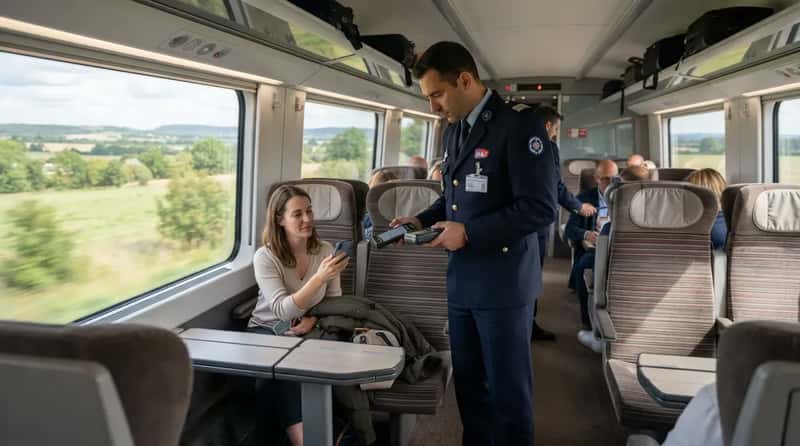
Unlike countries where reservations are optional on certain routes, France doesn’t offer that loophole anywhere on its flagship high-speed trains.
France’s TGV trains always require seat reservations, and they routinely book up weeks in advance. There’s no version of the TGV where you casually hop on with a generic ticket and grab whatever’s open – the reservation is baked into every fare, and inspectors check for it on every single trip.
4. Regional trains have no reservation system – and inspectors spot fakers instantly
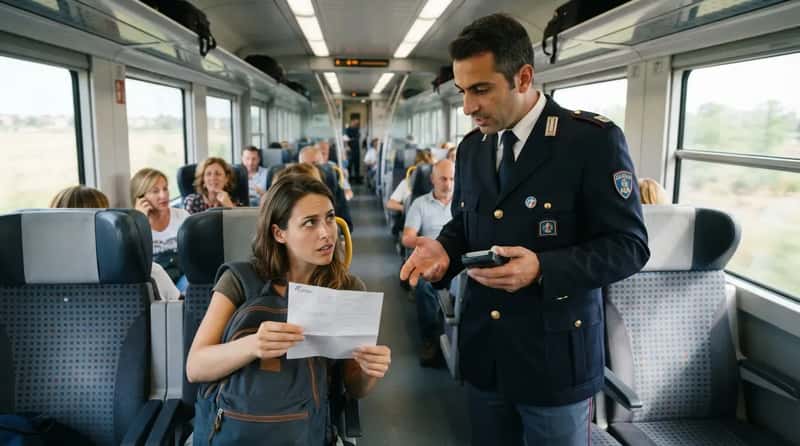
On the flip side, some trains have no reservation system whatsoever, and that creates its own strange kind of trouble for confused travelers.
In Italy, every train except the Regionale requires a seat reservation, making it essentially the only system that works this way. There are simply no assigned seats on Regional trains at all. Travelers who show up waving a printed “reservation” for a Regionale service just confuse the conductor, because that document doesn’t exist in this category.
3. Groups booked together can still get split apart
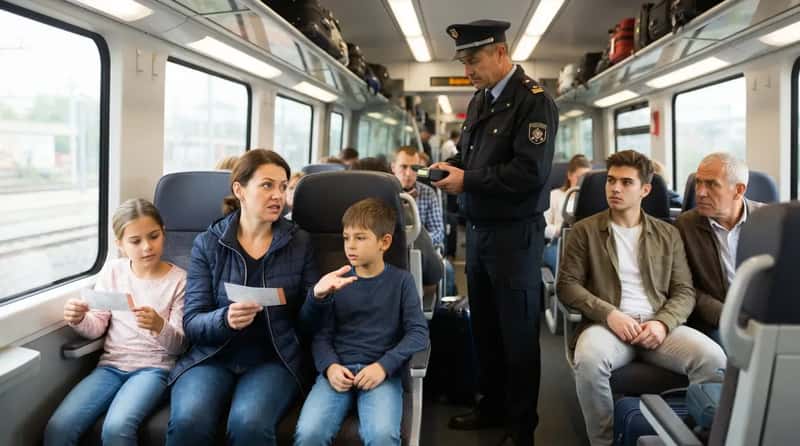
Paying for five seats in one transaction feels like it should guarantee everyone sits together. It doesn’t always work out that way, and the fine print backs that up.
Seat reservations are based on actual availability at the moment of booking, so there’s no guarantee of seat proximity during busy dates. Booking systems try their best, seating groups as close together as possible, but “as close as possible” isn’t the same as “together.” Inspectors have zero authority to fix a seating map after the fact.
2. Taking an empty reserved seat is treated the same as fare evasion
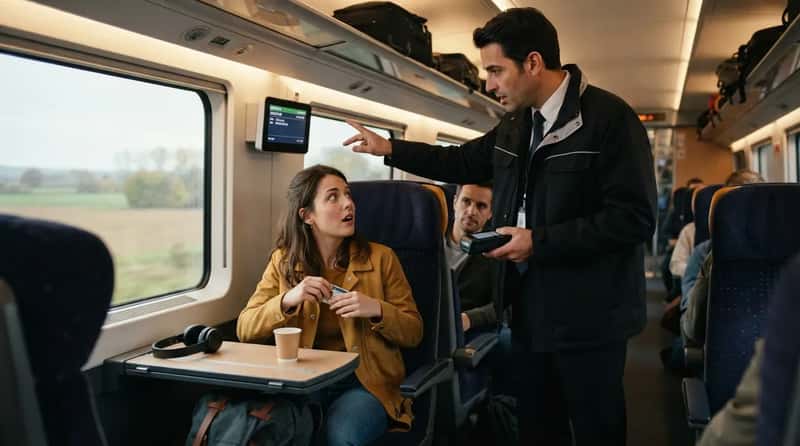
This is the rule that blindsides more travelers than almost any other on this list: an empty seat is not the same thing as an available seat.
On mandatory-reservation trains, sitting in someone else’s assigned spot – even one that looks completely unused – puts you in the exact same category as someone with no ticket at all. That can mean removal at the next stop or a fine between 100 and 300 euros. Inspectors don’t care whether you “didn’t know” or “didn’t check” – the seat map decides, not the naked eye.
1. The rail pass itself is never your ticket for reservations
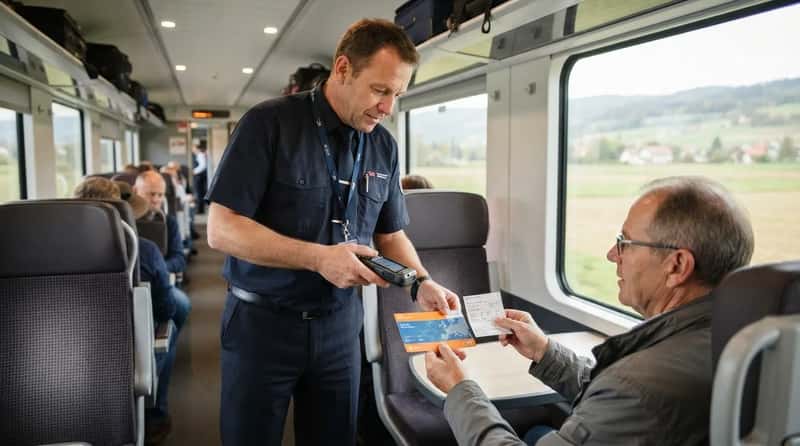
This is the single biggest myth on this entire list, and it’s the one that causes the most fines by far. A pass gets you access to the rail system – it does not get you a seat.
The pass functions as your ticket, and for trains included in it, you don’t need to buy anything else. But for trains requiring reservations, that’s a separate document entirely, and if it’s mandatory, you must show it alongside your pass. Every other rule on this list is really just a variation of this one truth: two documents, checked separately, enforced without sympathy.
Worth Knowing
- Two documents, two checks: the pass proves eligibility, the reservation proves your seat
- First-time pass holders are the most common ones caught assuming the pass alone is enough
- Reservation fees are billed separately from the pass and vary by train and route
- When in doubt, book the reservation before boarding, not after the conductor asks
None of these rules are secret, exactly. They’re all sitting in the fine print, buried in FAQ pages and forum threads that almost nobody reads until after a conductor has already flagged them down. The pattern across every single one is the same: a reservation isn’t a formality bolted onto your ticket, it’s its own separate contract, and inspectors treat it that way every time, on every train, in every country.
Which one of these has actually happened to you or someone you know? Drop your story in the comments – chances are you’re not the only one.