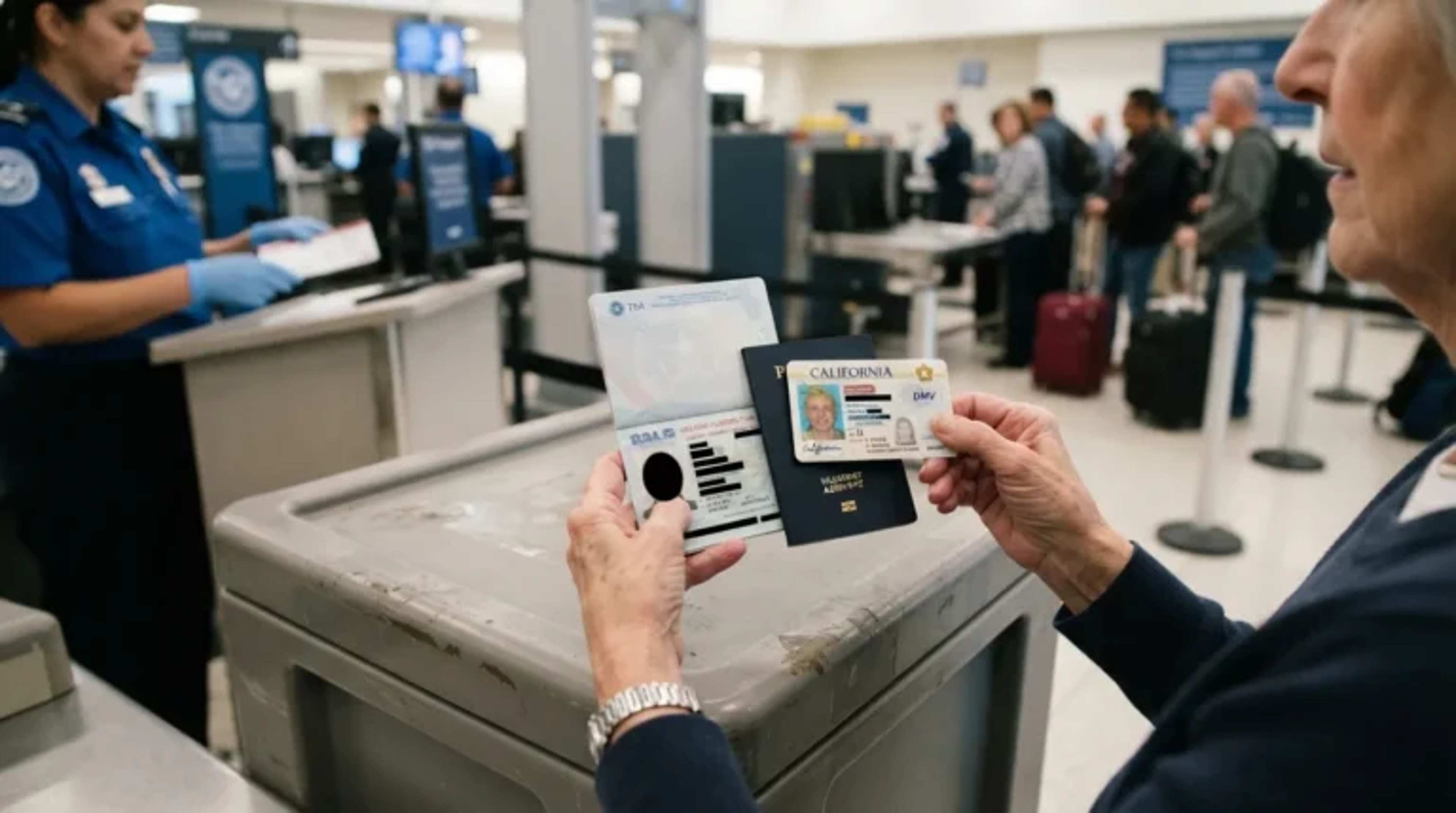
Most people book a multi-city trip the same way they’d order a sandwich – pick a few cities, click “next,” and assume the airline will sort out the rest. Travelers who’ve logged hundreds of these trips know that assumption is exactly how vacations fall apart in an immigration line at 6 a.m. The gap between what a multi-city itinerary looks like on a booking screen and what it actually feels like at the gate is bigger than almost anyone expects.
There’s a reason frequent flyers get twitchy the moment someone mentions a five-city trip through three different airlines. It’s not paranoia – it’s pattern recognition. Here’s what veteran flyers actually say once you get them talking about the mistakes, loopholes, and quiet rule changes most travelers never see coming.
#20 – Basic Economy Quietly Kills Your Multi-City Plan

Booking the cheapest fare on a multi-city trip feels smart until the airline blocks the entire itinerary. On several major U.S. carriers, that bargain fare strips out flexibility, can hurt your status progress, and simply won’t let certain multi-city or open-jaw combinations through at all.
American Airlines blocks domestic open-jaw and multi-city itineraries on Basic Economy fares entirely. And as of December 17, 2025, those tickets stopped earning AAdvantage miles or Loyalty Points altogether. Veteran flyers treat that fare class as a trap for anything beyond a simple round trip, and book Main Cabin the moment a second city enters the plan.
Fast Facts
- American Airlines blocks domestic open-jaw and multi-city itineraries on Basic Economy fares entirely
- As of December 17, 2025, Basic Economy tickets stopped earning AAdvantage miles or Loyalty Points
- Basic Economy fares typically block seat selection and same-day changes
- Veteran flyers upgrade to Main Cabin the moment a trip touches more than one city
#19 – The “Open Jaw” Everyone Confuses With Multi-City

Not every trip touching three cities needs three flights. Veteran flyers know the difference between a true multi-city ticket and an “open jaw,” where you fly into one city and quietly make your own way to the next by train, ferry, or rental car.
Adding a connecting flight just to link your arrival and departure cities is tempting, but it turns a trip into a full multi-city itinerary and can drive up the cost. Flying into Rome, training to Florence, and flying home from there is the classic cheaper version. Skipping that extra flight and embracing ground travel isn’t a compromise – it’s the move that saves the most money on paper.
#18 – Airlines Will Hand You a Free City If You Just Ask

Here’s the part most casual travelers never discover: some airlines will let you tack on an entire extra destination for almost nothing. It’s called a stopover, and it’s built directly into certain route networks.
Icelandair allows travelers to add a free stopover lasting up to a week on flights connecting through Reykjavik. Several other airlines offer similar free or cheap stopovers of up to seven days on the way to a final destination in Europe. Veteran flyers rarely fly through these hubs without carving out at least two nights to explore.
#17 – The Free Flight Hiding Inside Your Award Ticket

Frequent flyers who cash in miles for multi-city trips have learned to look for one specific loophole before booking anything else. Certain loyalty programs let you add an entire extra flight segment without spending a single additional mile.
United’s MileagePlus excursionist perk makes the interregional flight on most long-haul round-trip or multi-city itineraries cost no extra miles – you only pay the taxes and fees. It’s the closest thing to a genuinely free flight left in modern travel. Most casual bookers never even know to ask their agent about it.
#16 – The Cheap Trick That Can Strand You at Immigration

Booking two separate cheap tickets instead of one connected itinerary – often called a self-transfer or hacker fare – can genuinely undercut standard pricing. But veteran flyers treat it as a gamble, not a shortcut.
A self-transfer means booking two separate tickets, often on unaffiliated airlines. Each airline treats its own leg as independent, so the connection becomes entirely your responsibility. Worse, a self-transfer with checked bags requires you to legally enter the country just to collect your luggage, and without the right visa for that transit country, you can be denied boarding on your very first flight.
#15 – Two Tickets, Two Headaches: Why Cheap Feels Expensive Later

Splitting a multi-city trip across separate bookings can look like a bargain right up until a flight changes. That’s when the second ticket becomes its own separate problem, disconnected from the first.
Even with major fee waivers now standard, having two one-way tickets often means double the fees and double the headache when changes occur. Veteran flyers call this the “silent tax” of budget multi-city planning. It doesn’t show up at checkout – only when something inevitably shifts mid-trip.
#14 – That “Legal” Connection Time Isn’t a Safety Net

Every airport publishes a minimum connection time, and most travelers assume that number is a comfortable cushion. It isn’t. It’s the absolute floor, calculated for a perfect day with no delays.
The gap between airports is enormous. Minimum connecting time ranges from just 20 minutes at Dubai for a domestic connection to 135 minutes at JFK for an international-to-domestic connection. Veteran flyers pad every multi-city connection well beyond that published number, especially anywhere with terminal changes.
Quick Compare
- Dubai, domestic-to-domestic: 20-minute minimum connection time
- JFK, international-to-domestic: 135-minute minimum connection time
- Both numbers assume a perfect day with zero delays
- Veteran flyers treat the published minimum as a floor, not a safe cushion
#13 – One Bad Delay Ruins Nearly Half of All Tight Connections
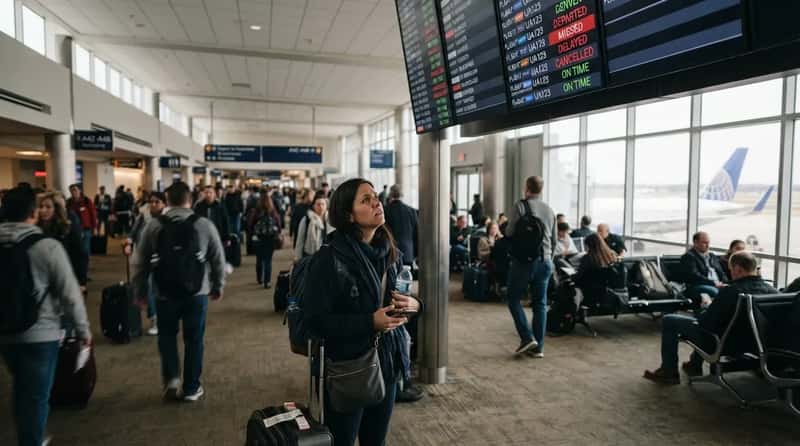
A short delay on the first flight of a multi-city trip sounds harmless. The data says otherwise, and it’s why experienced travelers refuse to book razor-thin connections no matter how good the price looks.
A 30-minute delay on your incoming flight causes 40.3% of passengers to miss their connection, according to an EU academic study – meaning the math is almost a coin flip. And with the US posting only a 78.10% on-time arrival rate in 2024, nearly 1 in 4 flights arrives late. That risk isn’t rare. It’s routine.
#12 – Your Bag Might Not Be Coming With You
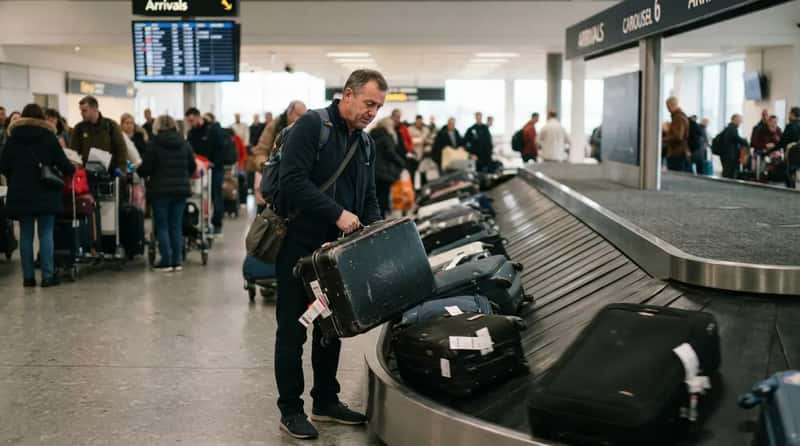
People assume checked luggage magically follows them through every leg of a multi-city trip. Veteran flyers know that assumption only holds true under very specific conditions.
If you book multiple flights with the same airline on the same ticket, your bag will most likely transfer automatically. But if you’ve booked a combination of flights on separate tickets, you’ll need to pick up and re-check your baggage every time you transfer. On a five-city separate-ticket trip, that can mean re-checking a bag four or five different times.
#11 – Every Bag Gets Reopened the Moment You Touch US Soil

This one surprises even people who’ve flown internationally dozens of times. It doesn’t matter what ticket type you have or how long your layover is – U.S. entry has one hard rule that overrides everything else.
You have to recheck baggage on any connecting international flight that enters the United States at a US port of entry. That rule applies regardless of airline, ticket type, or layover length, because CBP mandates that every checked bag arriving from abroad be physically presented for inspection before clearing customs. Skip the recheck belt, and you’re not going anywhere.
#10 – The Visa You Need Even If You Never Leave the Airport

Plenty of travelers assume that staying inside the terminal during a layover means visa rules don’t apply to them. Veteran flyers have learned the hard way that’s not always true.
Some countries require a transit visa even if you never leave the airport. That requirement often kicks in specifically on international flights arriving in the US or Canada, where you must collect your bags to clear customs before re-checking them, regardless of whether you’re on a single ticket. Checking transit rules before you book, not after, is the difference between a smooth layover and a denied boarding.
#9 – Europe and the UK Just Changed the Rules on You

Anyone building a multi-city Europe trip in 2026 is running into paperwork that didn’t exist a couple of years ago. Two new authorization systems are quietly reshaping how transit works across the continent.
Starting in the last quarter of 2026, visa-exempt travelers like US and Canadian citizens will need an ETIAS authorization before entering at their first point of entry. Separately, from February 25, 2026, many visa-free visitors must hold an approved UK Electronic Travel Authorisation just to enter or transit through a UK airport. Veteran flyers now check both before locking in any European multi-city route.
At a Glance
- ETIAS: required for visa-exempt travelers like US and Canadian citizens starting late 2026
- UK ETA: required starting February 25, 2026, even for short transits through UK airports
- Both must be secured before your first point of entry, not city-by-city
- Skipping either one can block boarding before your trip even starts
#8 – The Terminal Walk Nobody Warns You About

A connection that looks fine on paper can quietly fall apart because of geography alone. Big hub airports don’t just add time for customs – they add time simply because the gates are far apart.
Connections requiring a bus, train, or extended walk between separate terminal buildings add 20 to 40 minutes to the minimum floor. And if your itinerary changes airports entirely, plan on five to eight hours in mid-sized cities and eight to twelve hours in large, congested hubs such as London, Paris, or Tokyo. Most missed connections aren’t about bad luck. They’re about bad geometry.
#7 – The Month Veteran Flyers Refuse to Book Tight Connections

Timing a multi-city trip isn’t just about price – it’s about weather patterns that quietly wreck connection windows across the entire network, especially in the U.S.
July is the riskiest month to book a tight connection, with only 68.4% of US flights arriving on time in July 2024, while October is the safest at 86%. Anyone stacking three or four flights into a single summer trip is stacking risk on top of risk. Veteran flyers shift multi-city routing toward fall whenever the itinerary allows it.
#6 – The Loyalty Programs Quietly Rewarding Multi-City Chaos

Most travelers redeem points for the simplest route possible. Veteran flyers do the opposite, specifically because certain programs reward complexity if you know where to look.
Programs such as Alaska Airlines Atmos Rewards, Air Canada Aeroplan, and All Nippon Airways Mileage Club have generous routing rules that let you build in stopovers and open-jaws, turning a single award redemption into a trip through two or three destinations. It’s one of the last remaining ways to stretch a mileage balance further than it was ever designed to go.
#5 – One Ticket Can Save the Whole Trip When One Flight Fails

The single biggest reason veteran flyers avoid piecing together separate bookings comes down to what happens when something goes wrong on day one, not day five.
Travel forums are full of firsthand accounts confirming what agents already know: try to get as much on one booking and e-ticket as possible, so you’re protected if one flight is cancelled or delayed and it disrupts the rest of your itinerary. A single reservation means the airline owns the problem. Separate tickets mean you do.
#4 – The Discount That Comes With a Hidden Catch

Pairing a budget carrier with a full-service long-haul airline can dramatically undercut a standard multi-city fare, and plenty of savvy travelers do exactly that on purpose.
The tradeoff is real, though. Because you have to re-check your bags on a self-transfer, you’re bound by the second airline’s check-in cutoff, usually 45 to 60 minutes before departure. A two-hour layover with an hour-before bag-drop cutoff leaves barely an hour to deplane, clear immigration, and reach the desk. That’s a tight sprint, not a relaxing connection, on what looked like a generous layover.
#3 – The Insurance Gap Nobody Reads Until It’s Too Late

Most travelers assume travel insurance automatically covers every piece of a multi-city trip. Veteran flyers have learned that assumption gets expensive fast when a connection falls apart.
Airlines themselves confirm the limit of their responsibility: what the airline will not do is compensate you if you had non-cancellable hotel bookings or tour bookings in a later city and didn’t get there on time. That’s on your travel insurance, not the airline. And trip cancellation insurance only covers your trip if you need to cancel it entirely for a covered reason – a very different protection than covering a missed connection mid-trip.
Travel far enough, you meet yourself.
David Mitchell
#2 – The Clock Some Countries Start the Moment You Land

A layover that feels casual can quietly become a legal problem if it runs long, because transit visa exemptions aren’t unlimited. They’re timed, and the limits vary wildly by country.
In many countries, if a passenger stays only in the international transit zone and the layover lasts up to 24 hours, no visa is required. But the exact window shifts fast: the UAE allows visa-free transit for up to 24 hours, Qatar allows up to 72 hours, and China’s visa-free transit can range from 24 to 144 hours depending on the city. Miscalculate that window on a multi-city routing, and a “free” stopover suddenly needs paperwork you didn’t bring.
Worth Knowing
- UAE: visa-free transit up to 24 hours
- Qatar: visa-free transit up to 72 hours
- China: visa-free transit ranges from 24 to 144 hours depending on the city
- Exceeding the window can turn a “free” stopover into a boarding denial
#1 – The One Rule Veteran Flyers Never Break

After everything else – the stopovers, the loyalty perks, the visa fine print – every experienced multi-city traveler eventually lands on the same non-negotiable habit. Book the entire trip as one connected itinerary whenever it’s remotely possible, even if it costs a little more upfront.
It’s the one decision that quietly protects every other decision on this list: your baggage transfers, your rebooking rights, and your protection when one flight goes sideways. Everything else here is a detail. This is the rule the details all depend on.
Multi-city trips reward people who plan like insiders and punish people who plan like tourists. The itinerary that looks identical on a booking screen can turn into two completely different travel experiences depending on ticket type, connection buffer, and a handful of rules almost nobody reads until they’re stuck in a customs line.
The next time a booking site tempts you with three cities and one bargain price, remember that the fine print is where these trips actually live or die. The travelers who’ve learned that the hard way don’t gamble on it twice.