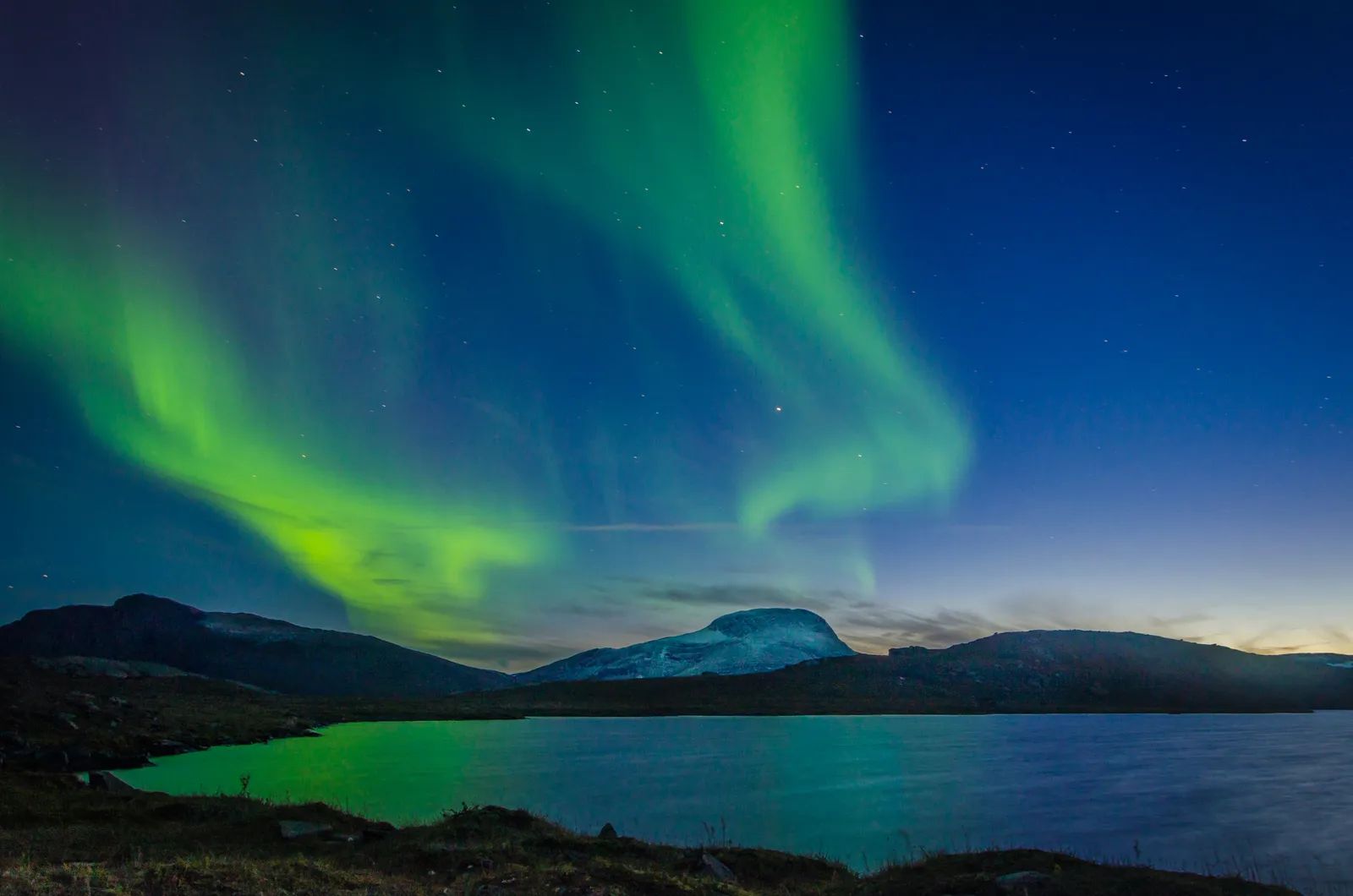
Travelers planning Arctic trips are paying close attention to forecasts for the coming year. Heightened solar activity is expected to reach a maximum in 2026, increasing the chances of vivid aurora displays across northern latitudes. Norway stands out as one of the most accessible destinations for those hoping to witness the phenomenon under dark winter skies.
Why Solar Activity Matters for Aurora Viewing
The sun follows an approximately 11-year cycle of rising and falling activity. During the peak phase, known as solar maximum, the frequency and intensity of solar storms increase. These events send charged particles toward Earth that interact with the atmosphere to produce the Northern Lights. Observers in high-latitude regions often report more frequent and brighter displays when solar activity is elevated. The current cycle is projected to reach its height in 2026, creating conditions that experts describe as favorable for sightings. This timing gives travelers a window that may not repeat at the same strength for another decade.
Norway as a Leading Destination
Norway offers a combination of reliable darkness, clear Arctic air, and established infrastructure for winter travel. Coastal routes and fjord areas provide vantage points away from light pollution. Many itineraries combine scenic sailing with opportunities to step ashore in remote locations during the long polar nights. Cruise operators have responded by scheduling dedicated sailings that align with the expected peak. These voyages typically depart from UK ports and head north through Norwegian waters, allowing passengers to remain mobile while monitoring conditions. The approach reduces the need for travelers to commit to a single fixed location that might be clouded over on any given night.
Practical Steps for 2026 Trips
Advance planning improves the odds of a successful viewing. Key considerations include selecting dates between late September and early April when nights are longest. Travelers should also factor in flexible itineraries that can adjust for weather and solar forecasts issued closer to departure. – Book accommodations or voyages with northern exposure and minimal light interference. – Monitor space-weather updates from agencies that track solar activity. – Pack layered clothing suitable for sub-zero temperatures during outdoor viewing sessions. – Consider travel insurance that covers weather-related disruptions common in Arctic regions. These measures help convert the scientific forecast into a more reliable personal experience.
Business and Traveler Implications
Tour operators and cruise lines are adjusting capacity and marketing to meet anticipated demand. Early bookings allow companies to secure berths and coordinate with local suppliers in Norway. For individual travelers, the window means weighing the cost of locking in plans now against the possibility of higher prices or limited availability later. The combination of a predictable solar cycle and established Arctic routes creates a clear timeline for decision-making. Those who act in the coming months can position themselves for what many anticipate will be an unusually active season for the Northern Lights.