If you flew anywhere in the 1980s, the airport itself was half the adventure. No two-hour security lines. No TSA bins. No $18 bottles of water past the checkpoint. You could show up 20 minutes before a flight and still make it. Your whole family could walk you all the way to the gate, hug you goodbye, and watch your plane push back from a giant window. It felt less like a government checkpoint and more like a living room with runways attached.
Most people under 30 assume airports have always been the fluorescent-lit security gauntlets they know today. They haven’t. Some of what was completely normal in the 1980s would get you flagged, fined, or flat-out refused entry now. And a few of these will make you genuinely mourn something you never even knew existed.
#21 – You Could Smoke Literally Anywhere in the Terminal
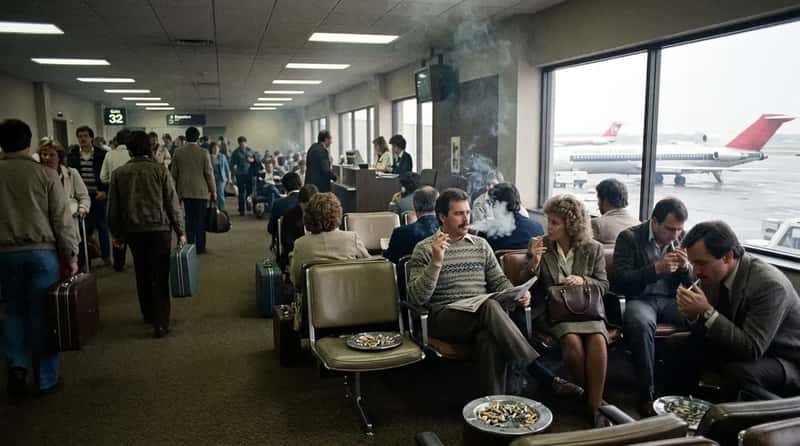
Not in a sad little glass box near the parking garage. Anywhere. At the gate. In the restaurant. At the bar. Waiting at baggage claim. In the 1980s, there were no designated smoking areas in most U.S. airports because no one had decided yet that you needed one. The entire terminal was essentially a smoking zone, and the air quality inside the average concourse reflected exactly that. Flight attendants from the era have described coming off shifts with bronchitis and sinus infections from working in smoke-filled cabins day after day.
Congress passed legislation banning smoking on U.S. domestic flights of less than two hours in the late 1980s, and the ban was made permanent and extended to all domestic flights on February 25, 1990. Anyone under 30 who has only ever seen those sad outdoor smoking corrals has no idea what a fog-filled terminal gate area looked like – or smelled like. The fact that millions of people flew through that environment and considered it completely normal is one of the stranger things the 1980s quietly normalized.
Fast Facts
- Congress banned smoking on short domestic U.S. flights in 1988; the permanent full ban came February 25, 1990.
- Flight attendant unions fought for a smoke-free workplace for more than two decades before winning.
- Some passengers actually arrived early just to secure a seat in the non-smoking section – not guaranteed on every flight.
- By the 2010s, most major U.S. airports were fully smoke-free inside terminals.
#20 – Arriving 20 Minutes Before Your Flight Was Totally Fine
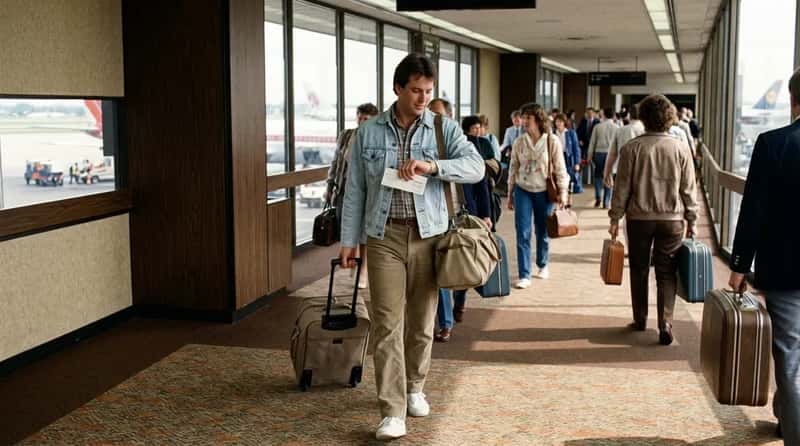
Today you’re told to arrive two hours early for domestic flights, three for international. In the 1980s, that would have seemed absurd. Twenty minutes before departure was genuinely enough time to get through security, find your gate, and board. Security was more like the check-in process at a sports stadium – a quick metal detector walk-through, shoes staying on, nothing removed from your bags, and you were through.
Nobody asked about your liquids. Nobody x-rayed your shoes. The whole concept of planning your airport arrival like a military operation simply didn’t exist. The process was so casual that showing up early felt unnecessary rather than responsible. Try explaining to anyone born after 1995 that a 20-minute runway was considered generous.
#19 – Your Whole Family Walked You to the Gate
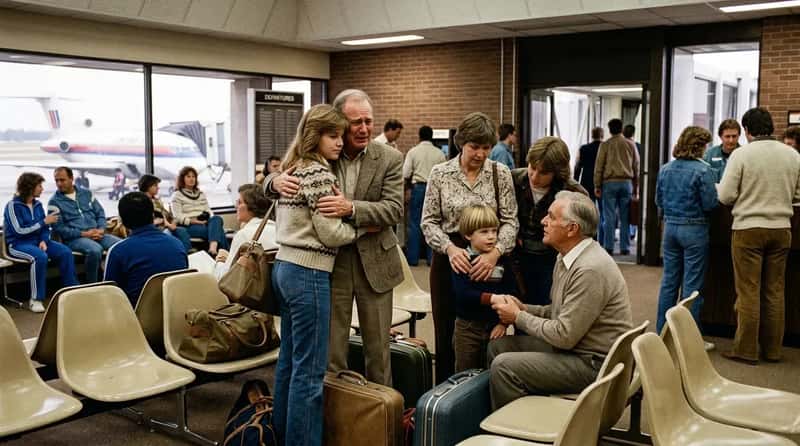
This one consistently breaks the hearts of people old enough to remember it. In the 1980s, you didn’t say goodbye to your family at a crowded curbside drop-off. They parked the car, came inside, and walked with you all the way to the gate. They sat with you until boarding. They waved as you disappeared down the jetway. The airport farewell was a real, extended human moment – not a 30-second hug under a No Parking sign with cars honking behind you.
You didn’t need a ticket to pass through security, so anyone could escort you all the way to the departure gate. Terminals often felt like community spaces because of it – full of people who weren’t even flying. That movie cliché of someone sprinting through an airport to catch someone before they board? That wasn’t fantasy. It was Tuesday. It’s a lot harder to sell that scene today, and everyone under 30 who watches those old films probably wonders why nobody got stopped at security.
#18 – You Could Also Meet Arriving Passengers Right at the Gate
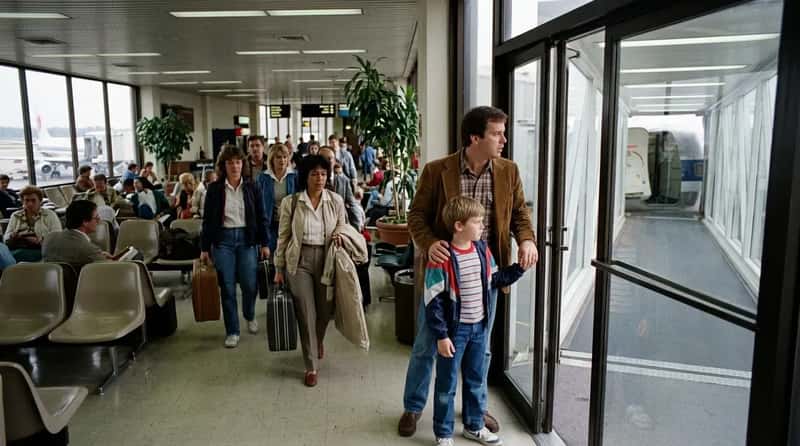
The gate experience wasn’t just about departures. When someone you loved landed, you could go meet them right at the gate as they stepped off the plane. Not at baggage claim. Not at curbside. At the actual door, so the first face they saw after a long trip was yours. It was a completely different emotional experience than today’s baggage-claim reunions, where you’re scanning a crowd of strangers next to a rotating belt.
Families and friends regularly walked their loved ones to the gate to say goodbye or picked them up the moment they arrived. The informal test of a new relationship was often which version of airport pickup you got – gate, baggage claim, or curbside. The closer the pickup, the more you mattered. Post-9/11 restrictions on non-ticketed individuals in secure areas ended that entirely. Most travelers under 30 have never experienced it, and most don’t even realize what they’re missing.
#17 – Kids Could Visit the Cockpit
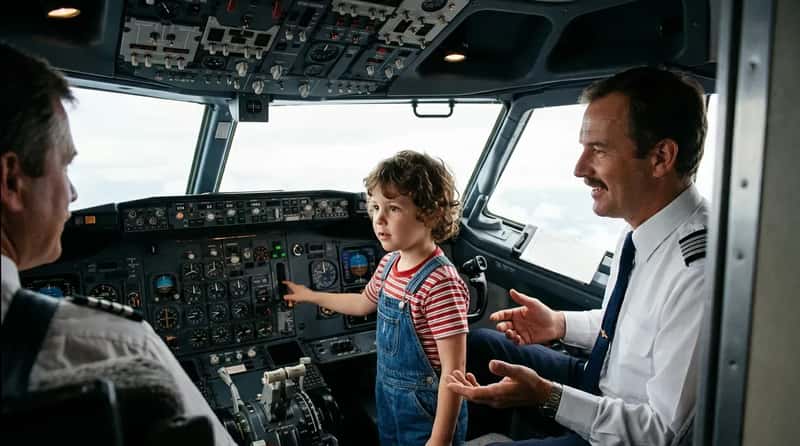
It sounds completely unhinged by today’s standards, but in the 1980s, it was a perfectly normal treat for a child flying with their parents to be walked up to the cockpit mid-flight, introduced to the pilots, and let inside to look at all the switches. Pilots often encouraged it. Flight attendants made it happen as a gesture of goodwill. It was so commonplace that the 1980 comedy film Airplane! used it as a throwaway gag – because audiences recognized it instantly as everyday reality.
Post-9/11 regulations locked and reinforced cockpit doors permanently, and that entire category of experience simply ceased to exist. A generation of aviation-loving kids grew up with a memory that their own children will never share. The cockpit visit wasn’t a rare perk or a special occasion. It was just something that happened on planes, casually, the way a flight attendant might bring you an extra bag of peanuts today.
#16 – There Were Glass Observation Decks for the Public
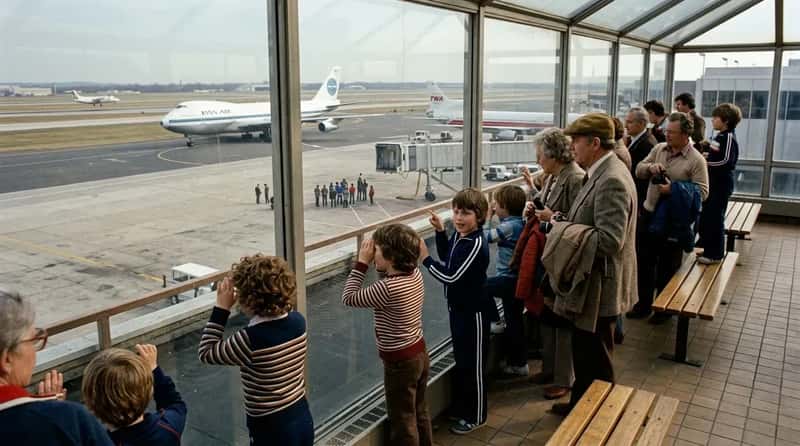
Before airports became security fortresses, they were also entertainment venues for people who weren’t even flying. Almost every major American airport had a dedicated glass-enclosed observation deck where the public – no ticket required – could sit for hours watching planes take off and land. Families came on weekends just to watch the jets. Kids pressed their faces against the glass. JFK alone once boasted three separate public observation decks. It was free, thrilling, and completely accepted as a legitimate reason to spend a Saturday afternoon.
The idea of a random family turning up at an airport to watch planes – with no flight, no ticket, no reason to be there – is essentially impossible today. Outdoor observation decks at American airports suffered badly after the 9/11 attacks, and most major hubs quietly closed their public viewing areas without any formal announcement or national debate. One generation grew up with it. The next never knew it existed. That gap is wider than most people realize.
At a Glance: What the Public Observation Deck Used to Be
- No ticket, no boarding pass, no security scan required – just show up.
- JFK once had three separate public observation decks across its terminals.
- Minneapolis-St. Paul’s deck drew 264,000 visitors in a single year – more than 700 per day.
- Security concerns in the late 1980s began eliminating rooftop views even before 9/11 finished the job.
- A handful of U.S. airports are now quietly bringing observation decks back – but most require a boarding pass to access them.
#15 – Coin-Operated TVs at the Gate
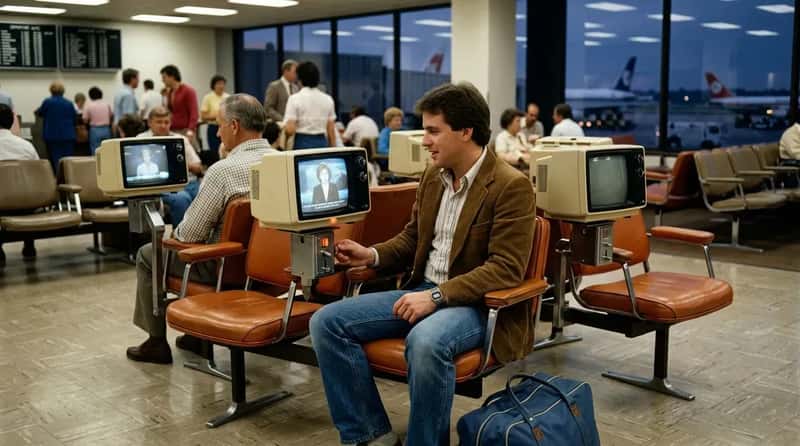
No Wi-Fi. No streaming apps. No personal device in every pocket. When your flight was delayed in the 1980s and you wanted something to watch, you sat down in a special chair bolted to the terminal floor that had a small television mounted on it – and you fed it quarters. Twenty-five cents bought you 30 minutes of whatever local programming happened to be on. It was clunky, a little absurd, and weirdly wonderful in hindsight.
The equipment was called Tele-A-Chairs, and they were a genuine fixture at major airports through much of the decade. Try explaining to a 22-year-old that you once fed coins into a tiny mounted TV just to watch local news while waiting for a delayed flight to Cleveland. Their faces tell the whole story. In the age of personal screens, the coin-operated terminal TV became economically inviable almost overnight – but for a long time, it was the only game in the concourse.
#14 – Baggage Tags Were Colorful and Collectible
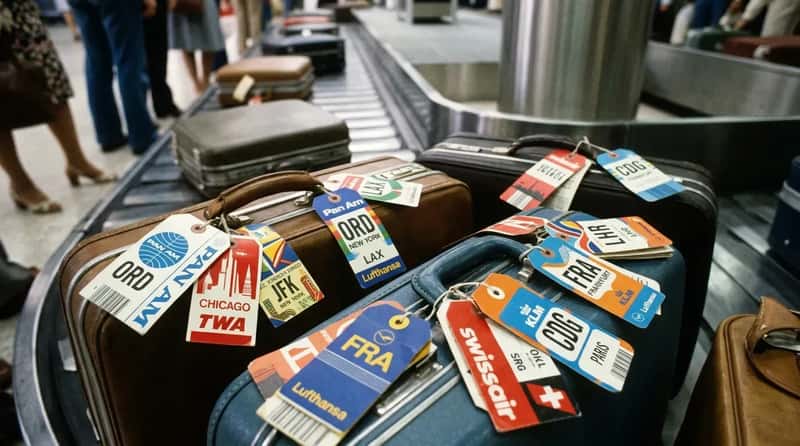
In the 1980s, your checked bag came back from the carousel with something almost worth keeping. Airline baggage tags were individually designed, brightly colored, logo-stamped items – each airline and even each airport had its own distinctive look. Travelers and collectors treated them the way some people treat postage stamps. You could identify a bag’s destination airline from across the baggage claim just by the tag’s colors.
Baggage tags from that era were as visually distinct as postage stamps – each airport had its own logo, color combination, and design language, so you could tell from many yards away if the bag was headed to ORD or ORY. Today’s version is a black-and-white barcode sticker printed on adhesive paper. It communicates nothing except a number. The craft and identity embedded in the old tags is something the airline industry quietly abandoned without most passengers even noticing.
#13 – Hare Krishnas Were Everywhere
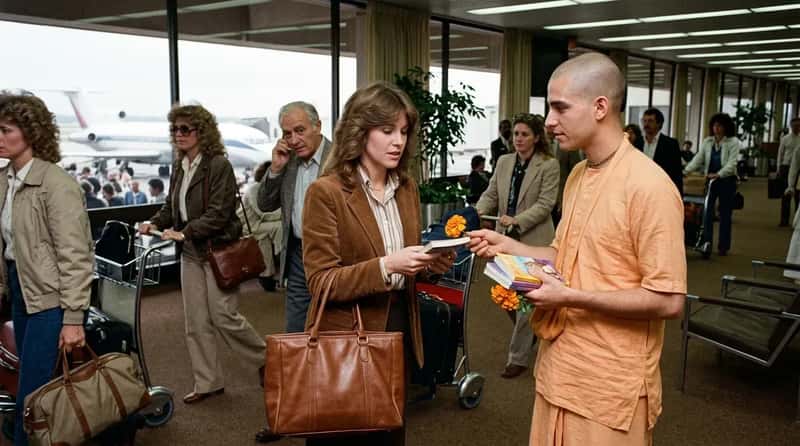
If you flew through a major U.S. airport in the late 1970s or 1980s, you almost certainly got approached. Robed members of the Hare Krishna movement were a fixture at virtually every major terminal – handing out flowers, books, and literature, and asking for donations. It was so ubiquitous that it became part of the cultural texture of what going to the airport meant. The 1980 film Airplane! used a Hare Krishna encounter as an instant-recognition gag precisely because every audience member had lived it.
Tighter security, combined with a ban eventually imposed at LAX and other major airports, prevented the sect from approaching airline passengers as freely as before. Post-9/11 restrictions on non-ticketed individuals in secure terminal areas finished the job entirely. Today’s travelers would have zero frame of reference for being handed a marigold by a stranger in an orange robe while rushing to Gate C-12. For people who remember it, the memory is oddly vivid.
#12 – You Bought Tickets at the Airport, Day-Of
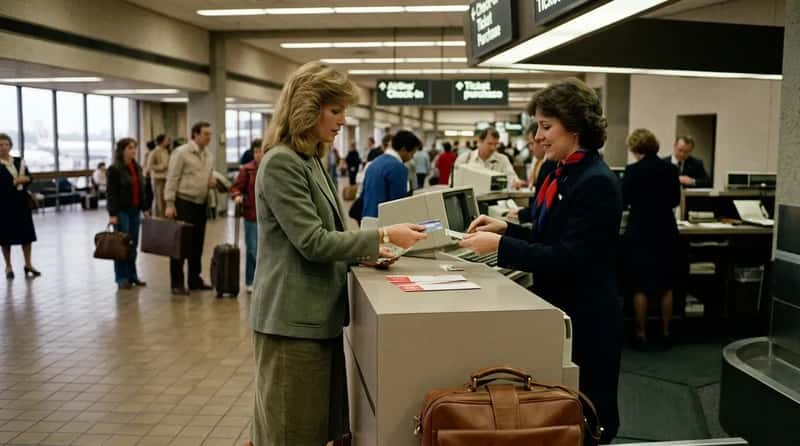
Online booking didn’t exist. Travel agents handled most advance reservations, but if you needed to fly somewhere, you could simply walk up to an airline counter and buy a ticket on the spot – sometimes for the very next departure. There was no algorithmic surge-pricing system watching your browser history and bumping fares the moment it detected interest. Walk-up ticket prices at the counter in the 1980s could actually be competitive, especially on shorter routes.
When industry deregulation made air travel more affordable to the masses after 1978, the walk-up ticket became a real and viable option for spontaneous travelers. Today, showing up at an airline counter without a previously purchased ticket and expecting to get on a plane is either impossible or ruinously expensive. The spontaneous flight is a relic, not a choice – and that loss is bigger than it sounds for anyone who once booked a same-day flight on a whim.
#11 – Physical Paper Tickets That Could Ruin Your Trip If Lost
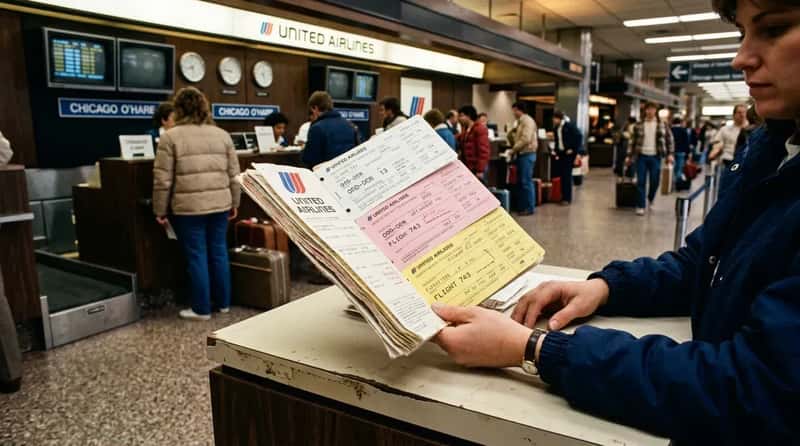
Before e-tickets and mobile boarding passes, you had a physical airline ticket – a multi-part document with carbon copies, each page representing a different leg of your journey. It was valuable, irreplaceable, and genuinely terrifying to lose. If you misplaced your paper ticket, there was no database lookup that could easily confirm you’d paid. Airlines could require you to buy another one on the spot, and some did.
The paper ticket was a physical artifact of your travel rights – it had weight, it meant something, and losing it meant potentially missing your flight entirely. Meanwhile, Southwest Airlines famously used reusable plastic boarding passes well into the 1980s. Passengers picked up a numbered, color-coded plastic card at the gate that sorted them into boarding groups, then handed it back when they stepped onto the plane. It was a completely different philosophy of ticketing – tangible, tactile, and now utterly gone.
Quick Compare: Then vs. Now
- Boarding pass then: Multi-page carbon-copy paper ticket or a reusable plastic card you handed back at the door.
- Boarding pass now: A QR code on your phone – or a plain paper printout if you’re feeling retro.
- Lost ticket then: Potentially stranded, forced to repurchase on the spot.
- Lost phone now: Borrow someone else’s charger and pull up your email.
#10 – Skycaps Were Everywhere and Incredibly Powerful
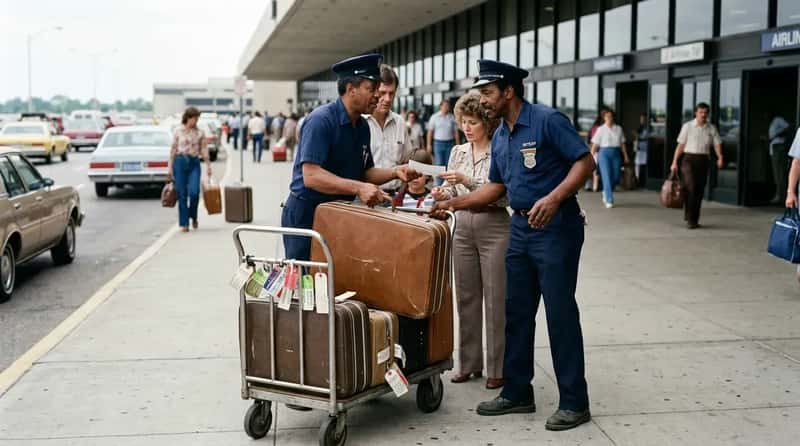
The skycap – a uniformed curbside porter who could check your bags, tag your luggage, and hand you a boarding pass without you ever entering the terminal – was once a central figure of the American airport experience. In the 1980s, skycaps were busy, well-tipped, and genuinely useful. A generous tip to the right skycap could make an overweight bag disappear without a surcharge. They had real informal authority over how your departure started, and experienced travelers knew it.
By the mid-20th century, skycaps had become a fixture at major U.S. airports, with many employees serving in the role for decades. They were the first person you interacted with at any major hub – before the ticket counter, before security, before any of it. Many younger travelers today have never seen a skycap in action. The role still exists at some airports, but its golden-era dominance is long gone, quietly displaced by self-check-in kiosks and the general acceleration of airport processing.
#9 – Checked Baggage Was Free on Every Ticket
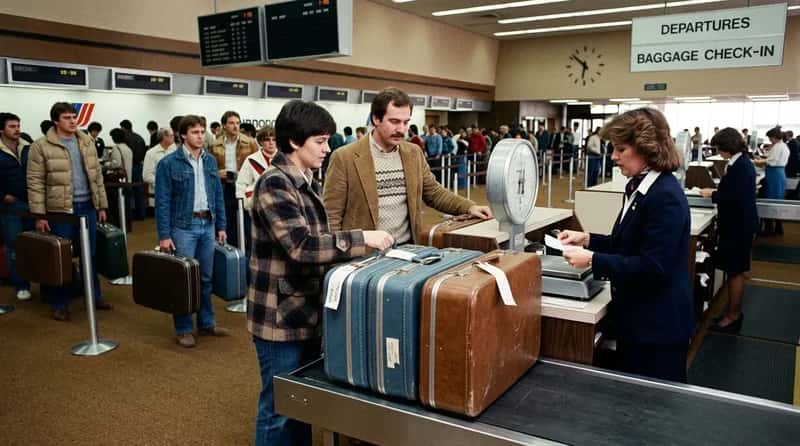
Here is something that genuinely stuns younger travelers: in the 1980s, checking your bags was simply part of flying. It was included. You bought a ticket, handed over your suitcases, and none of that cost you an additional dollar. The idea of paying $35 per bag on top of your airfare would have been considered an outrage – and probably a deal-breaker for most traveling families. Free checked baggage wasn’t a perk or a loyalty reward. It was just how flying worked.
Even after the Airline Deregulation Act of 1978 made flying more affordable to ordinary Americans, baggage was still included in the cost of the ticket. American Airlines became the first major U.S. carrier to charge a checked-bag fee in May 2008 – starting at just $15 – and the rest of the industry quickly followed. By 2023, U.S. airlines were collecting $6.8 billion in baggage fees annually. The shift from included baggage to fee-per-bag culture is arguably the single most resented change in modern air travel – and it happened so gradually that many passengers barely registered when it started.
#8 – Full Hot Meals Were Served in Coach
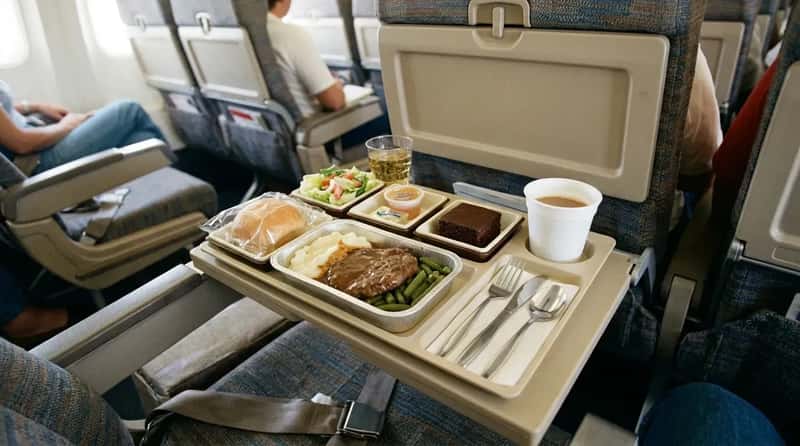
Not just peanuts and a tiny cup of ginger ale. In the 1980s, even coach passengers on domestic flights could expect a real hot meal on a tray – an entrée, a side, a bread roll, a dessert, and real metal utensils. American Airlines even enlisted prominent chefs in 1988 to help redesign its in-flight food service, trying to upgrade what was on every tray. First class in the same era reportedly resembled a restaurant at altitude, with tablecloths and multi-course service.
Today, most domestic coach passengers receive a bag of pretzels and a beverage if they’re lucky. The September 11 attacks accelerated the decline, with United, American, and Delta all slashing in-flight meal service shortly after – and Continental, the last holdout, finally ending free domestic economy meals in 2010. Paying separately for a meal box on top of baggage fees, seat selection fees, and the base fare has become the new normal. The 1980s coach meal is one of those things people remember with genuine warmth and slight disbelief, because the gap between what flying used to include and what it includes now is so enormous it barely seems like the same product.
“The irony is that airline food has gotten fantastically worse as the technology has gotten fantastically better.”
Richard Foss, author of Food in the Air and Space
#7 – Terminals Felt Like Community Spaces, Not Security Checkpoints
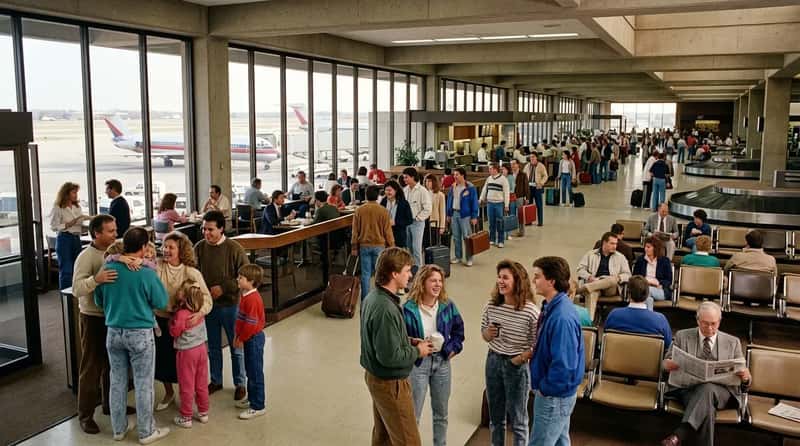
Walk into a major airport today and the dominant feeling is processing: get scanned, get through, get to your gate, wait. In the 1980s, terminals felt fundamentally different. Non-travelers came to airports to meet friends, have lunch, watch planes, and just spend time. There was no hard barrier between the public world and the flying world. The terminal was genuinely open to the community in a way that no longer exists at any major U.S. hub.
It functioned more like a town square with runways than a controlled facility. In the quest for a secure environment, airports were gradually transformed from vibrant public spaces into sterile, efficient corridors. What was lost in that transformation was something harder to define than any specific amenity. It was a sense of belonging – the feeling that the airport was a place that welcomed you even if you weren’t going anywhere. That hasn’t been restored, and it’s not clear anyone is trying.
#6 – No ID Required at Security
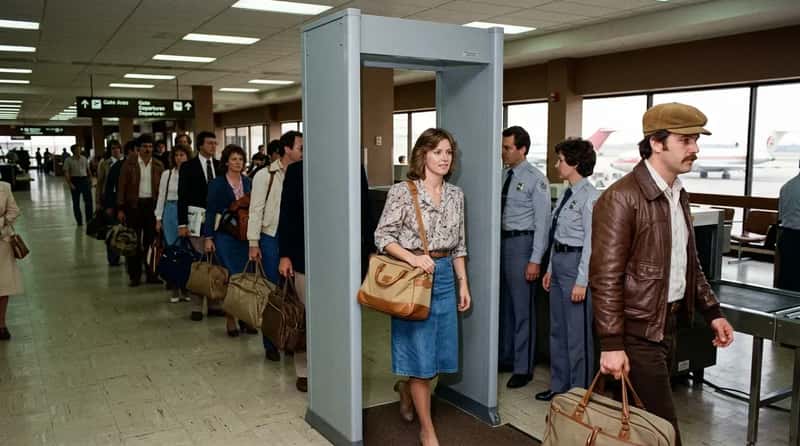
This one stops younger travelers cold. In the 1980s, you did not need to show any identification to get through airport security. None. You walked up, passed through a metal detector, and headed to your gate. Security was checking for weapons, not verifying identities. The entire concept of showing a government-issued ID as a precondition for boarding a domestic flight simply didn’t exist. You could, in theory, have been anyone.
The security experience of that era was closer to entering a theme park than crossing a border checkpoint. You passed through a metal detector, removed nothing from your bags, kept your shoes on, and kept walking. Today, flying without a REAL ID or passport on domestic routes is increasingly impossible, and the identity verification layer is so deeply embedded in the process that opting out isn’t even a conceptual option. The distance between those two realities – same country, same airports, 40 years apart – is staggering.
Worth Knowing
- Prior to the 1970s, U.S. airports had only minimal security measures – no screening at all before boarding.
- Security screening was introduced in response to a wave of hijackings: 159 incidents in U.S. airspace between 1961 and 1972.
- Even after metal detectors arrived, showing ID was not required – security was about weapons, not identity.
- The REAL ID Act, passed in 2005, set the stage for today’s strict ID requirements at airport checkpoints.
#5 – Airport-Loaned Cars for Business Travelers
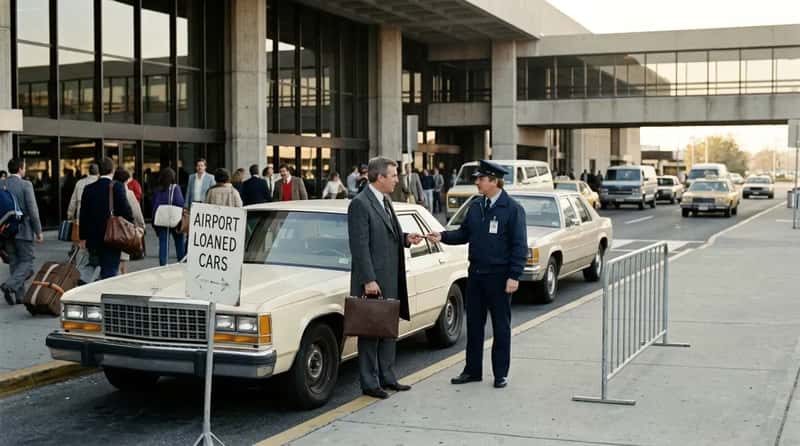
Most people have no idea this ever existed. Several major airports in the 1980s offered a service where business travelers – the dominant flying demographic at the time – could borrow an airport-owned automobile for a nominal fee during a layover or brief stop. The service was designed for the executive who needed to run a quick errand or take a short meeting without going through a full car rental agency. These were cars owned and operated by the airports themselves, not a third-party company.
Eventually, rental car companies like Hertz, Avis, and National became massive airport concessions and swallowed the category whole. Those important businessmen had to start waiting in line with the rest of us to pick up a sub-compact. The airport-owned loan car program is a footnote in aviation history that almost nobody under 50 has ever heard of – yet at the time, it was a completely ordinary amenity offered at major hubs as a matter of course.
#4 – Flight Insurance Vending Machines at Every Gate
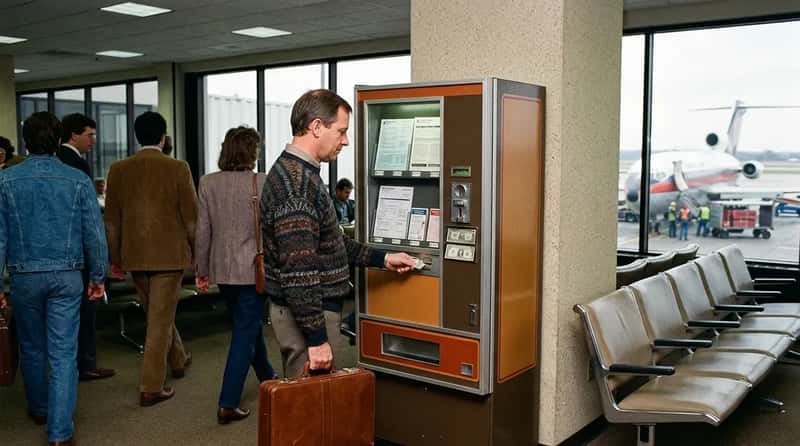
Scattered near gates throughout 1980s terminals were kiosks and actual vending machines selling one specific product: flight insurance. For a few dollars, you could insure your life for $25,000 or more against death in an aviation accident – right there at the machine, minutes before boarding. The policies were cheap, widely available, and purchased by thousands of passengers with a casual ease that seems almost surreal in retrospect. Impulse-buying your own death insurance from a vending machine before getting on a plane was a completely normal part of the 1980s airport experience.
The machines had a dark history well before the 1980s. In 1955, a 23-year-old Colorado man named Jack Gilbert Graham purchased policies totaling $50,000 at the Denver airport for his mother, then packed her suitcase with dynamite. Eleven minutes after her flight departed, the plane exploded, killing her and 43 others. The vending machines persisted for decades after that incident, right through much of the 1980s, before quietly disappearing as life insurance became easier to buy elsewhere. The machines are gone, but the story behind their disappearance is grimmer than most people expect.
#3 – Smoking and Non-Smoking Sections on the Actual Plane
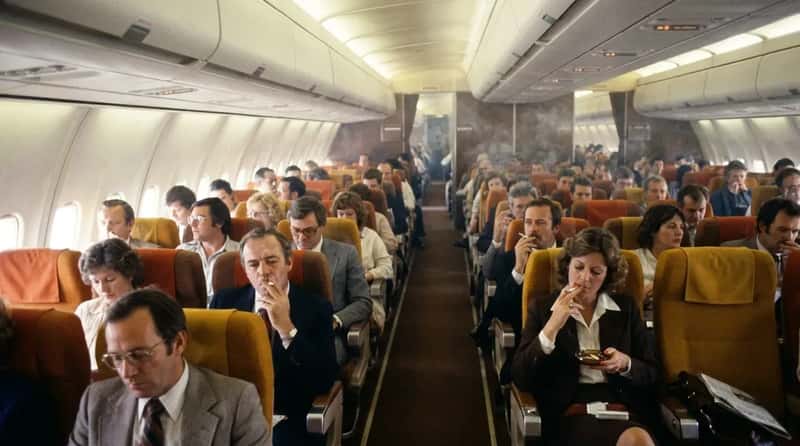
It wasn’t just the terminal. On the plane itself, you chose your seat the way you chose a table at a restaurant – smoking or non-smoking. The flight attendant would ask, the ticket would note your preference, and you’d be seated accordingly. The physics of this arrangement were, of course, completely absurd. Smoke doesn’t recognize an aisle as a boundary. Non-smokers in row 14 breathed whatever was happening in row 15, on a sealed aircraft, at 35,000 feet.
With poor air circulation in pressurized aircraft, secondhand smoke spread throughout the cabin – and sometimes the non-smoking section was sandwiched between two smoking sections. Flight attendants from the era talk about bronchitis, chronic sinus problems, and coming off every flight smelling like they’d spent hours next to a bonfire. The non-smoking section on a sealed aircraft was arguably the most optimistic fiction of the entire decade. Anyone who ever sat in row 13 while row 18 was fully lit knows exactly what that means.
#2 – Saying Goodbye at the Gate Was a Cultural Ritual
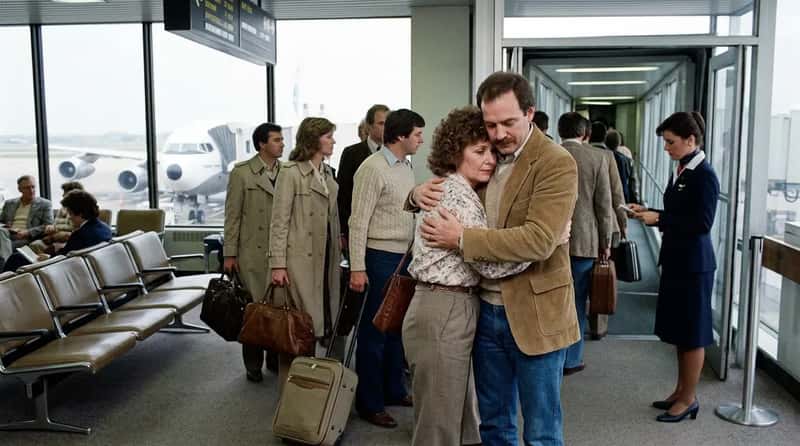
Before 9/11 collapsed the emotional geography of airports, the gate goodbye was one of the great unspoken rituals of American life. It had genuine weight. You walked together through the terminal, found the gate, sat down, and squeezed every last moment out of the time before boarding. You held someone’s hand until the final boarding call. You watched them walk down the jet bridge and gave one last wave before they were gone. It was a full, human farewell – not a rushed hug at a curbside drop-off with cars honking behind you.
The goodbye wasn’t a hurried exchange under fluorescent lights. It was a slow, shared walk. It was finding the gate together, settling in, and sitting with someone in the particular silence of knowing they’re about to leave. That kind of closure – physical, unhurried, witnessed – is gone. And for millions of people who grew up with it, the loss is felt in a specific, quiet way every single time they drop someone at the curb today and drive away before the doors even close.
#1 – The Airport Was a Place People Actually Wanted to Be
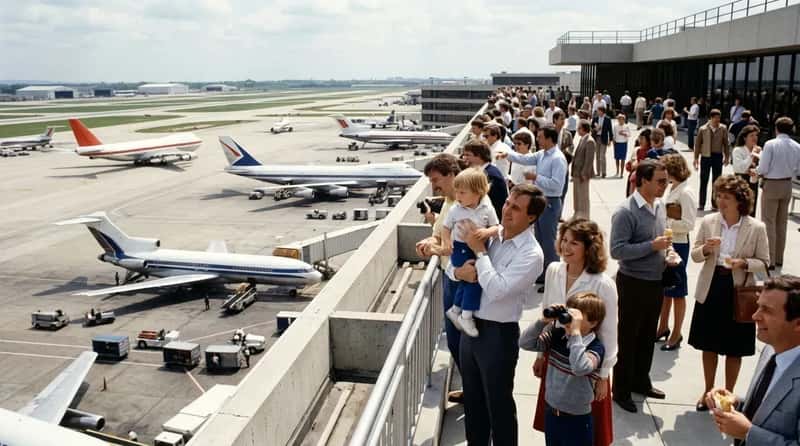
Everything else on this list feeds into this one truth: in the 1980s, the airport was a destination, not an ordeal. People dressed up to fly. Families came to watch planes on observation decks with no intention of getting on any of them. Travelers lingered over meals in terminal restaurants because the food was worth lingering over. The airport carried a sense of possibility, glamour, and civic pride that has almost completely evaporated from the modern travel experience.
The golden-era attitude toward air travel – depicted in shows like Mad Men and Pan Am – wasn’t pure fiction. It reflected a real cultural reality that lasted well into the deregulation era of the 1980s, when flying was still something you dressed for and arrived early to savor. The 1980s airport wasn’t just a place you passed through on the way somewhere else. For a lot of people, it was the experience itself. That’s the thing that’s truly gone – and unlike the coin-operated TVs or the paper tickets, nobody made a conscious decision to give it up.
Why It Stands Out
- Free checked bags. Hot meals in coach. Your family at the gate. All gone – and none of it went at once.
- Each change happened quietly, one policy or crisis at a time, with no single moment to push back against.
- The 1980s airport represented a brief democratic golden era: flying was newly affordable, but service hadn’t been stripped away yet.
- Today airports are optimized for throughput and retail revenue – not for the feeling of arrival or departure.
This list isn’t just nostalgia bait. It’s a concrete record of how dramatically one shared public experience can change in a single generation. Some of those changes – smoke-free terminals, tighter security – are unambiguous improvements. Others, like the gate goodbye, the community observation deck, and the full meal in coach, represent genuine losses that no one officially voted to accept. They were quietly taken away, one policy at a time, while everyone was looking somewhere else.