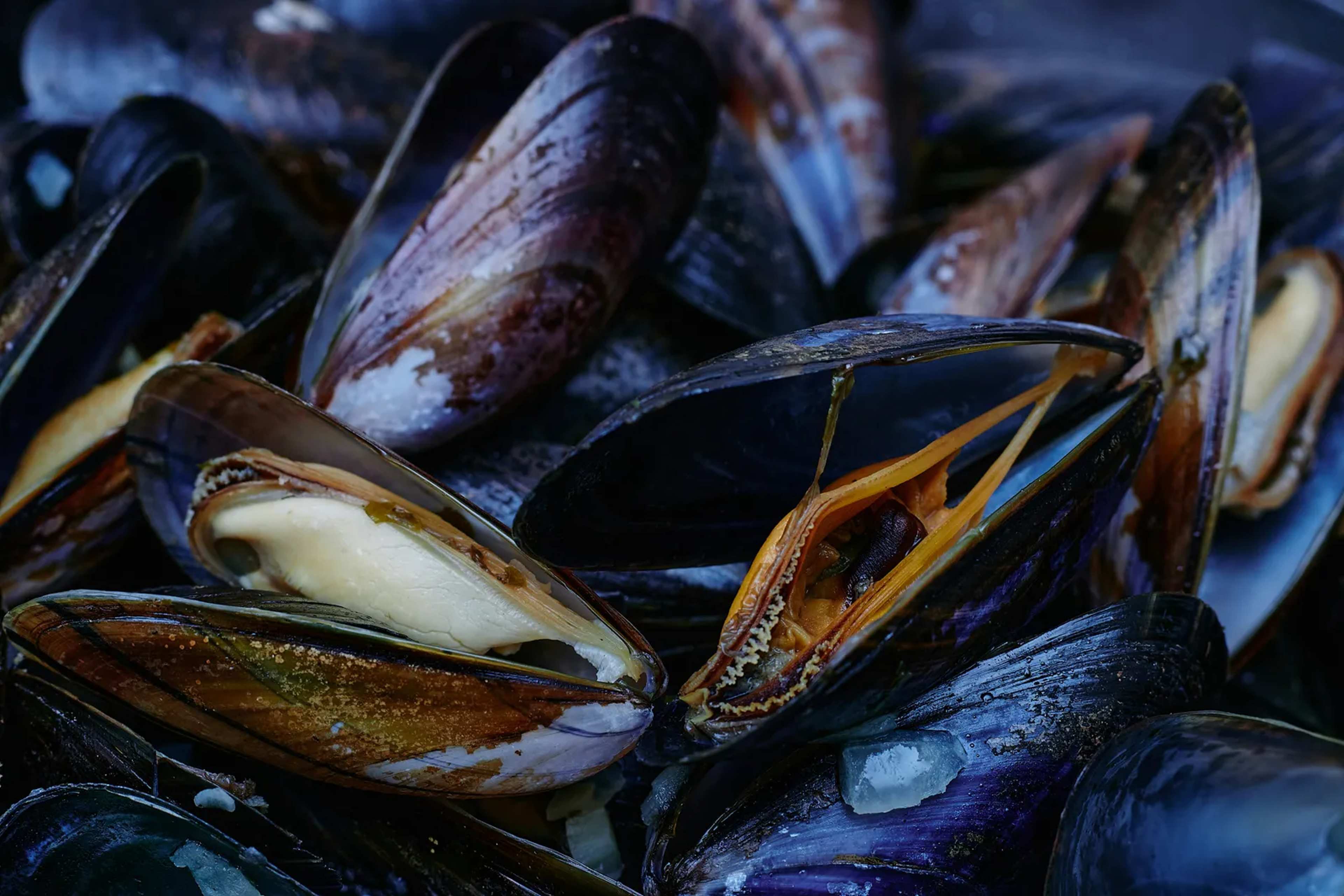
Researchers spent two decades wading and snorkeling through rivers in the southern United States, searching by hand for freshwater mussels that often blend into the muddy substrate. What appeared at first to be familiar species turned out, under genetic analysis, to represent five previously unknown types. The findings, published in the journal Zootaxa, underscore how much remains hidden even in well-studied American waterways. ([1])
Decades of Hands-On Surveys
Teams from Shedd Aquarium, Arkansas State University, and the U.S. Geological Survey worked across multiple states, including Missouri, Arkansas, Mississippi, Alabama, Louisiana, and Texas. They focused on headwater streams and larger river channels where mussels anchor themselves in sediment. The effort required repeated visits to the same basins because many populations are small and localized.
Snorkelers and waders felt along the riverbed, collecting shells and live specimens for closer inspection. In many cases they took tissue samples or swabs without harming the animals, then returned them to the water. This non-lethal approach allowed the researchers to gather genetic material while minimizing impact on the populations they were studying.
Shells That Deceive the Eye
Freshwater mussels present particular identification challenges. Shell shape can vary with water flow, depth, and even the sex of the individual. A mussel from a swift headwater may appear flatter than one of the same species found downstream in slower water. These physical differences often led earlier observers to group distinct lineages under single names.
Traditional shell measurements and visual comparisons proved insufficient. The team therefore sequenced three genes from each specimen and analyzed more than 440 shell outlines using statistical methods. The genetic data consistently separated populations that had been considered one species into separate lineages, each tied to its own river basin.
Naming the Discoveries
The new species received names that reflect their geographic origins. One example is the Mobile hickorynut, Obovaria sipseyensis, described from Alabama’s Sipsey River. Several of the mussels appear restricted to single basins, a pattern that raises questions about their long-term survival if those waterways face further stress.
Because the animals are difficult to distinguish without laboratory work, the researchers caution that some populations may already be rarer than field records suggest. Continued monitoring will be needed to determine whether any of the newly described mussels qualify for additional protection under state or federal conservation programs.
What the Findings Mean for River Science
The study illustrates that even common-looking organisms in accessible rivers can harbor unrecognized diversity. Nathan Johnson, a USGS research biologist and study co-author, noted that the work shows how much remains to be learned about biodiversity in American rivers. Such gaps matter because mussels play key roles in filtering water and supporting aquatic food webs.
Future surveys are likely to combine genetic tools with traditional field methods. The same approach could help clarify the status of other invertebrate groups whose distributions and relationships are still poorly mapped. For now, the five new species stand as a reminder that systematic, patient fieldwork continues to yield surprises in familiar landscapes.