Most people think TSA delays are the agency’s fault – slow lanes, understaffed checkpoints, outdated machines. But screeners will tell you a different story if you ask them off the record: the real bottleneck is almost always sitting in the passenger’s own bag, packed the night before with zero thought about what a scanner actually sees.
The gap between what travelers assume is “fine” and what actually triggers a manual search is bigger than most flyers realize. Here’s what screeners actually wish people decided before they ever stepped into that line.
#21 – Packing a Carry-On So Tight It Turns Into a Black Box
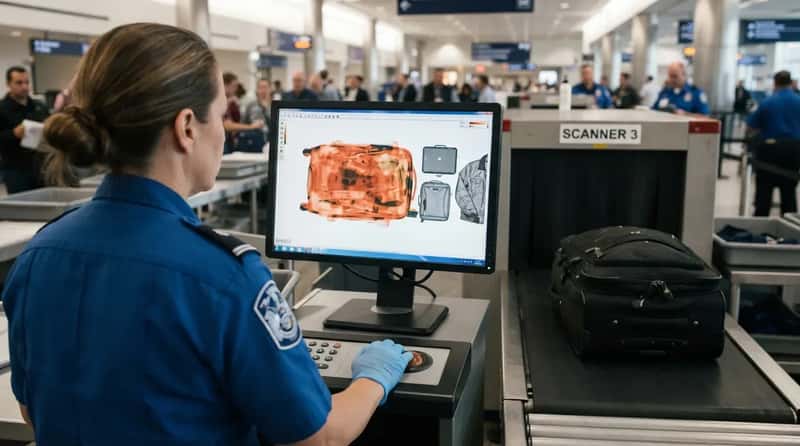
Screeners say a densely packed bag is one of the fastest ways to slow down an entire line. When everything is layered and compressed together, the X-ray image becomes a blur instead of a clear picture. It might feel efficient to compress a wardrobe into packing cubes, but dense bags can force a manual search when agents can’t clearly distinguish what’s inside.
It’s not that packing cubes are banned – it’s that a tightly layered bag forces a human to look twice. A bag that looks organized to you can look like a solid block to a machine. Screeners aren’t guessing about your intentions; they’re just trying to see shapes clearly.
#20 – Forgetting to Empty Last Trip’s Bag Before Packing the Next One
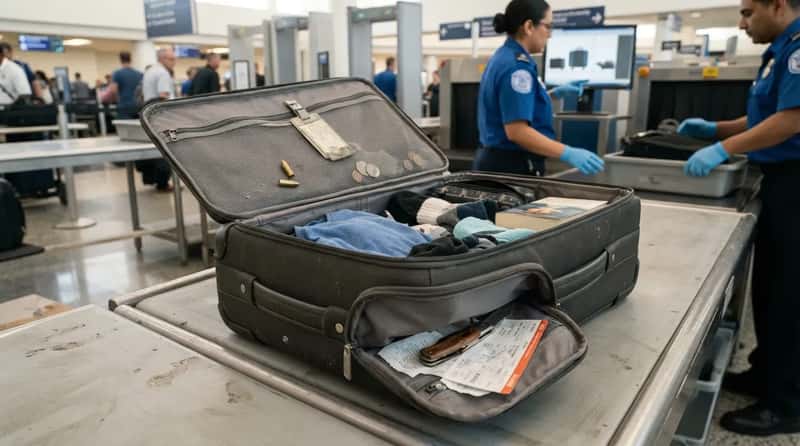
This one sounds harmless until it isn’t. TSA has pointed to the case of a U.S. tourist who was charged with taking ammunition to Turks and Caicos after not emptying his bag from a previous trip, and was threatened with 12 years in jail before receiving a fine instead.
Most travelers have no idea a stray bullet or leftover pocketknife from a hunting trip can still be sitting in a side pocket months later. TSA’s own advice is blunt: start every packing session with a completely empty bag. It sounds obvious, but screeners say almost nobody actually does it.
#19 – Trusting Aluminum Foil to Hide Anything
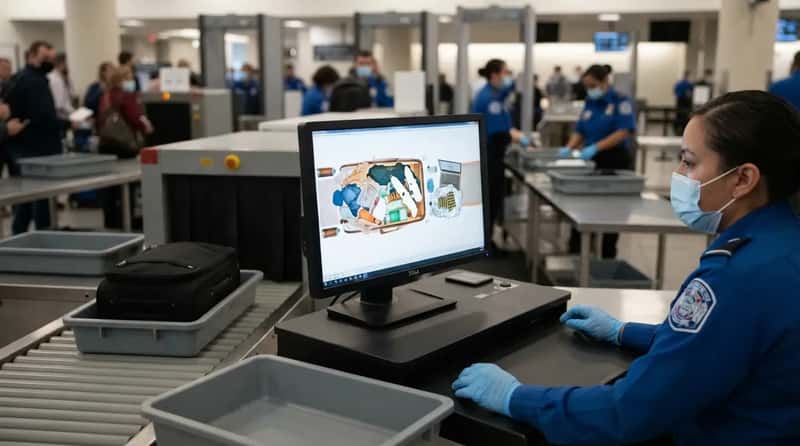
Wrapping something in foil doesn’t disguise it from an X-ray – it does the opposite. A pair of catches from Akron-Canton Airport and Newark Liberty International Airport made TSA’s year-end list specifically because both passengers used aluminum foil, one wrapping a knife and the other wrapping bullets individually.
Screeners immediately flag foil-wrapped objects because the material creates a dense, oddly shaped blob on screen that demands a closer look. The foil doesn’t hide the item – it basically circles it in red ink. TSA’s own recap joked that these travelers’ plans were, fittingly, foiled from the start.
Fast Facts
- TSA’s 2025 year-end recap featured foil-wrapped prohibited items from multiple airports
- A wrapped knife was caught at Akron-Canton Airport
- Bullets individually wrapped in foil were caught at Newark Liberty International Airport
- Foil creates a dense, uniform blob on X-ray screens that instantly draws a second look
#18 – Digging for ID and a Boarding Pass at the Belt Instead of Before It
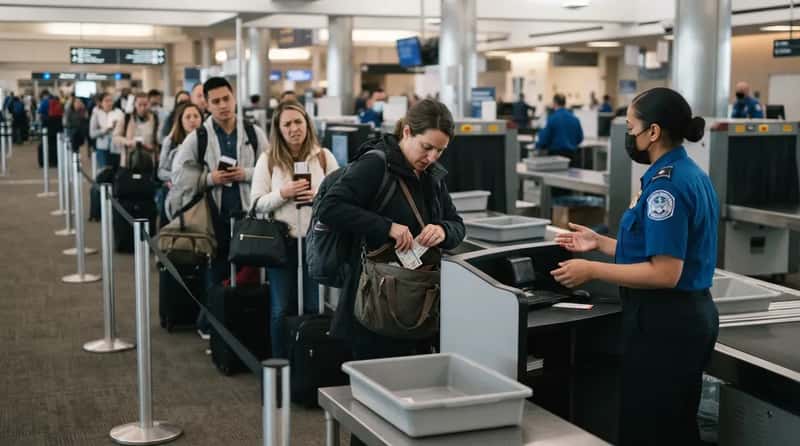
Screeners describe this as one of the most avoidable slowdowns in the entire checkpoint. One TSA-facing account calls it maybe the most maddening mistake to watch from behind in line, describing the person who reaches the podium and only then starts searching for identification.
Every extra second spent patting down pockets for a phone with the boarding pass app ripples backward through the entire line. A five-second decision made thirty feet earlier can save an entire checkpoint from backing up. Screeners wish people treated the walk-up like a countdown, not a surprise.
#17 – Assuming Shoes Still Have to Come Off
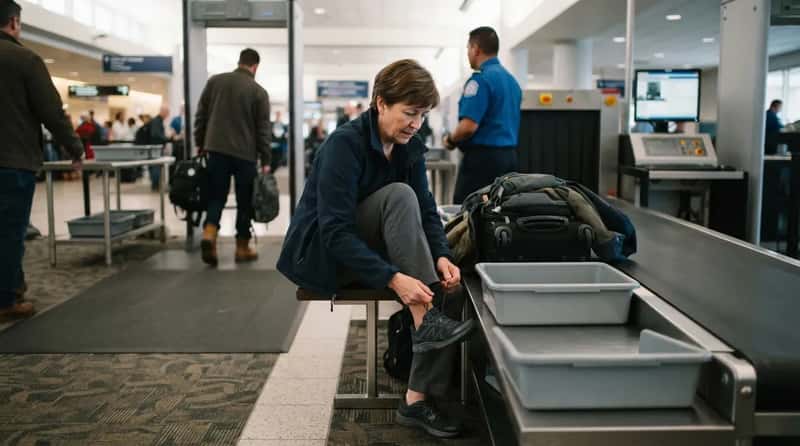
This is one of the newest shifts in airport security, and plenty of travelers haven’t caught up yet. In July 2025, after nearly 20 years, TSA ended the shoe rule, allowing passengers to keep their shoes on during airport security screenings.
Nearly two decades of muscle memory doesn’t disappear overnight. Screeners say plenty of passengers still reflexively start unlacing sneakers out of habit, adding unnecessary time to the lane. Checking current rules before arriving saves an oddly persistent, now-unnecessary ritual.
#16 – Carrying a “Travel Size” Bottle That’s Secretly Over the Limit
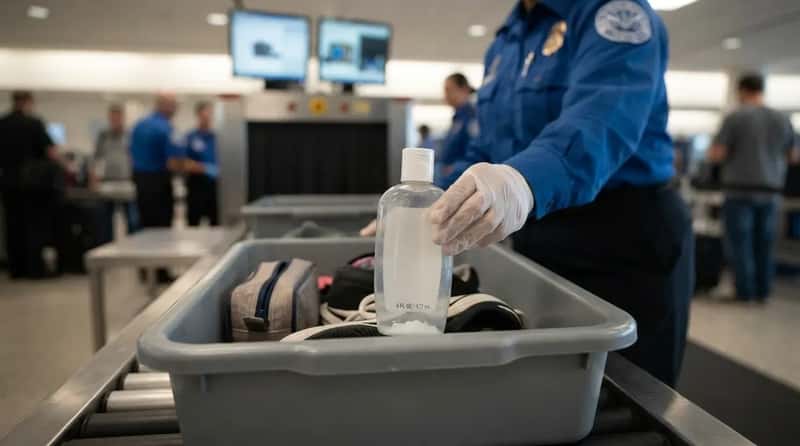
The 3-1-1 rule doesn’t care how much liquid is actually inside a bottle – only how big the container is. TSA measures the container size, not how much product is left inside a half-empty 6 oz bottle of shampoo, which will still be confiscated because the container exceeds the limit.
A bottle that’s 90% empty still gets tossed if the label says 6 ounces. Screeners say this catches frequent flyers just as often as first-timers, because reusing an old bottle “since it’s basically empty” ignores how the rule is actually written.
#15 – Saving Duty-Free Liquids for a Connecting Flight
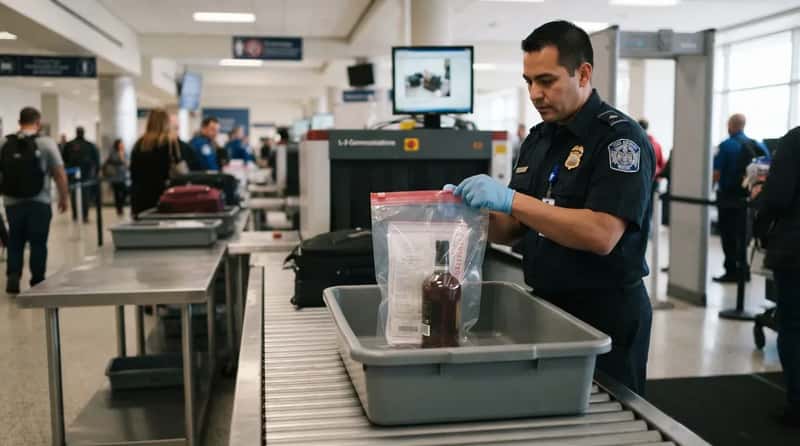
That perfume or bottle of liquor from the airport shop isn’t automatically safe to carry through a second checkpoint. For international connections, duty-free liquids must remain in sealed, tamper-evident bags with the receipt visible, and TSA recommends packing duty-free items in checked luggage if there’s a connecting flight through another security checkpoint.
Break that seal even slightly and the bottle can be confiscated at the next checkpoint, receipt or not. Screeners see this constantly with travelers connecting through a second U.S. airport who assume the original purchase covers them the whole way home.
#14 – Never Checking if a Driver’s License Is REAL ID Compliant
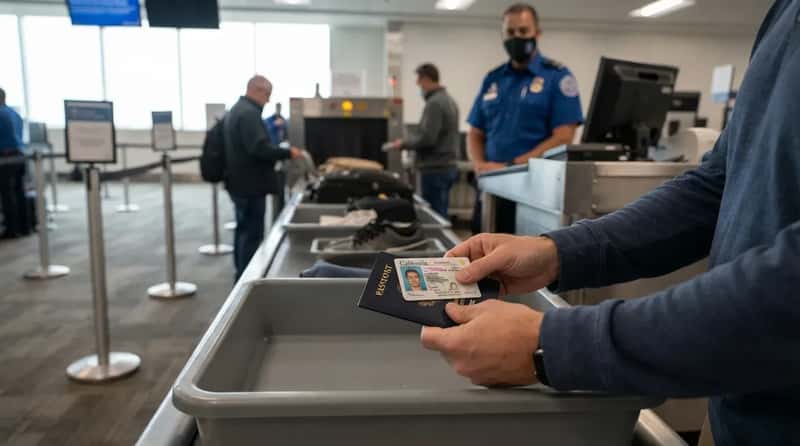
This is quietly one of the most expensive mistakes in modern air travel, and it’s entirely avoidable. REAL ID enforcement began in May 2025, and as of February 1, 2026, travelers without a REAL ID-compliant driver’s license or acceptable alternative such as a passport face a $45 non-refundable ConfirmID fee to pass through security.
Forty-five dollars for forgetting to check a star on your license is a strange way to start a trip. A passport works fine as a substitute if a license isn’t updated yet, and checking this before leaving the house takes thirty seconds and saves a headache at the checkpoint.
Quick Compare
- REAL ID-compliant license: standard screening, no extra fee
- Standard passport: accepted everywhere, no upgrade needed
- Non-compliant license, no passport: $45 non-refundable ConfirmID fee as of February 1, 2026
#13 – Packing a Jumbo Tub of Protein Powder or Spice Blend
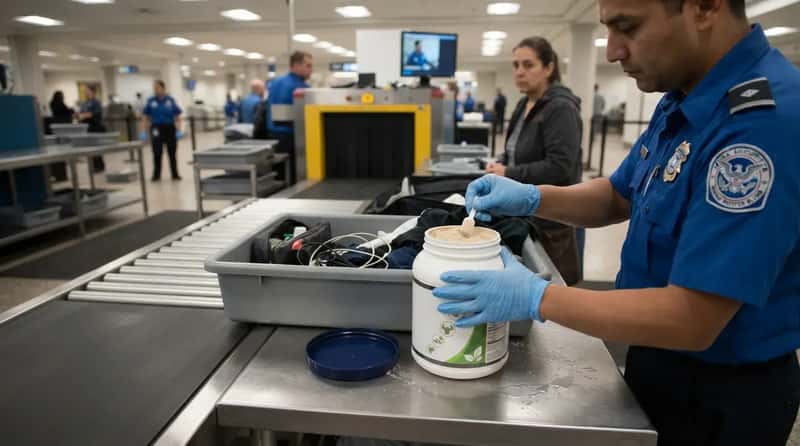
Powders have quietly become one of the most scrutinized categories at the checkpoint. Since 2024, TSA has increased its focus on powders like protein mixes, spices, and cosmetics, especially in quantities over 12 ounces, and officers may swab or test large powder containers, so packing them in checked bags when possible avoids delays.
A container of pre-workout powder can trigger the same scrutiny as a suspicious liquid. Screeners say fitness-focused travelers are among the most surprised by this rule, since protein tubs rarely feel like a security concern until they’re being swabbed on a table.
#12 – Loading Up on Multiple Power Banks
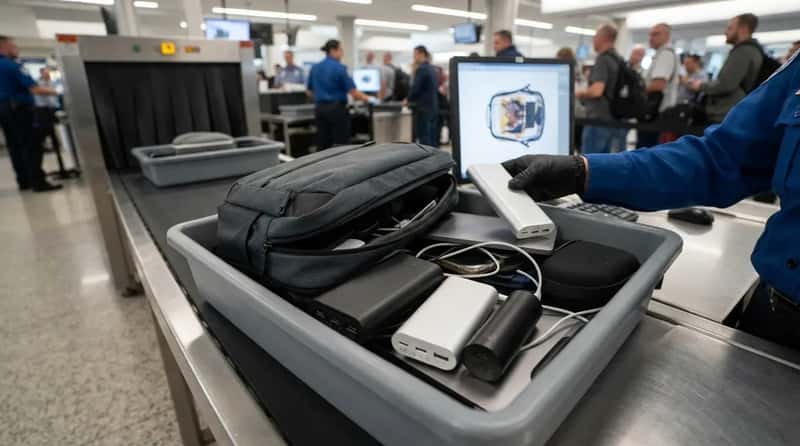
Portable chargers used to be a total non-issue in carry-ons, and that changed fast. Since May 1, 2026, American and Delta each cap passengers at two power banks rated 100 watt-hours or less, and neither airline permits charging one from an in-seat outlet.
A backpack with three or four chargers “just in case” now violates a real airline policy, not just an old rumor. Screeners say frequent flyers with tech-heavy carry-ons are the most likely to get stopped over this, simply because the rule is so new.
#11 – Grabbing a “Frozen” Item That’s Actually Half-Thawed
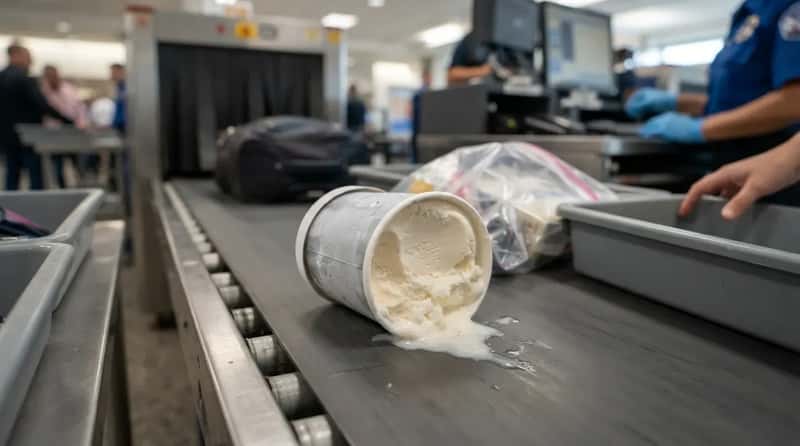
Frozen food is allowed through security, but only under a strict definition of frozen. Items that are completely frozen solid when screened are allowed, including ice cream, frozen peas, or frozen yogurt, but partially thawed items count as liquids.
A pint of ice cream that’s been sitting in a warm bag for an hour is no longer “frozen” in TSA’s eyes. Screeners say this trips up travelers bringing food home from vacation more than almost anyone else, since a little melt is easy to miss until it’s on the belt.
#10 – Stashing Prescription Meds in an Unlabeled Pillbox
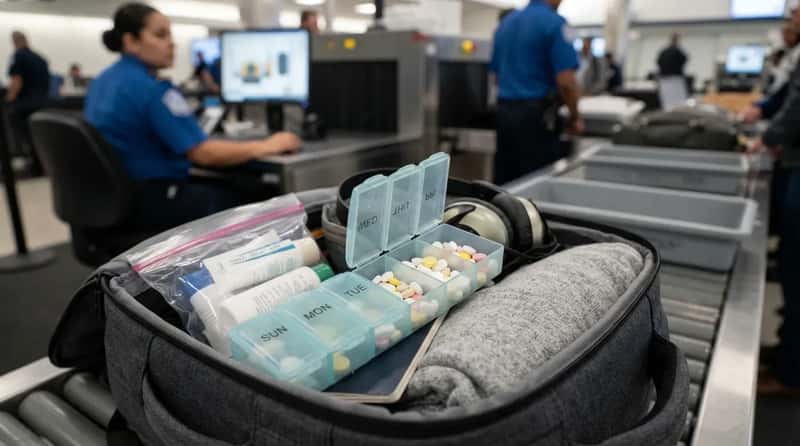
Medication rules are actually more flexible than most people assume – but only if it’s packed correctly. Prescription medications don’t count toward the liquid limit if they’re in original containers with labels, and over-the-counter medications like cough syrup or liquid ibuprofen also don’t count.
Transferring pills into a daily organizer to save space accidentally strips away the one thing that makes them exempt. Screeners say travelers who keep medication in its original, labeled bottle almost never get flagged, while unmarked containers almost always draw a second look.
#9 – Treating Peanut Butter, Hummus, or Dips as Solid Food
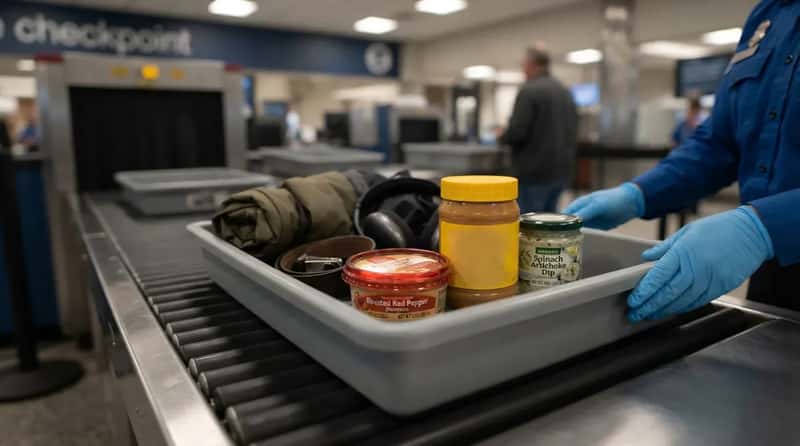
This is one of the most common “gotcha” moments at the checkpoint, and it catches even seasoned travelers off guard. TSA still catches items travelers often forget about, including peanut butter, hummus, dips, and similar spreads when they exceed the limit.
A full-size jar of peanut butter packed for a picnic is treated exactly like a bottle of shampoo. Screeners say the confusion makes sense on paper – it’s food, not a liquid – but TSA classifies anything spreadable the same way it classifies gels and creams.
#8 – Packing Electronics at the Bottom of the Bag
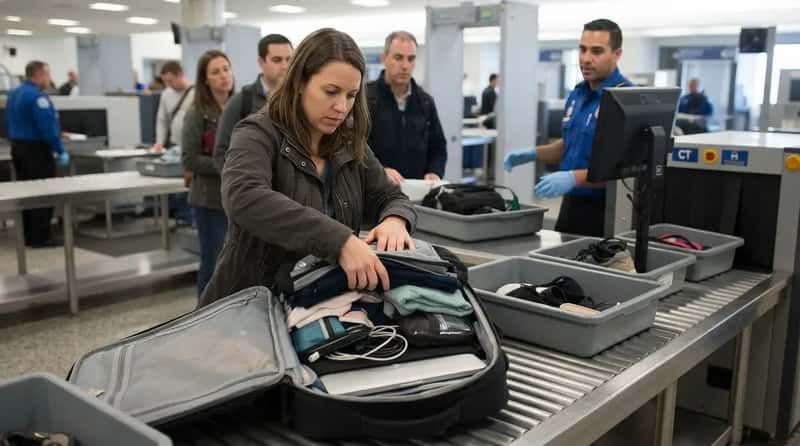
Laptops and tablets buried under clothes create a predictable bottleneck at every single lane. A good rule of thumb is to pack electronics so they can slide out in under five seconds – if a traveler has to dig for a laptop, they’ve already lost that race.
Newer CT scanners are changing this at some airports, but not everywhere yet. New CT scanners are rolling out at more checkpoints, and at major airports travelers may no longer need to remove laptops, though these scanners aren’t everywhere yet and officers may still ask for the bag to be unpacked.
Worth Knowing
- Newer CT scanners let some travelers leave laptops inside their bags
- The technology is expanding, but it’s not yet standard at every U.S. airport
- Even at upgraded checkpoints, officers can still request that a bag be unpacked
- Packing electronics near the top of a bag remains the safest bet everywhere
#7 – Assuming PreCheck Cancels Out the Liquids Rule
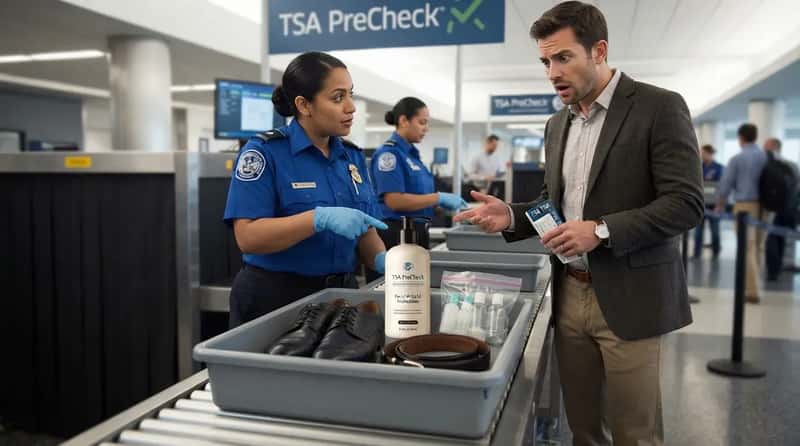
This misunderstanding surprises a lot of frequent flyers who assumed their trusted-traveler status covered everything. TSA PreCheck does not exempt travelers from the 3-1-1 rule – PreCheck members still cannot bring liquids larger than 3.4 ounces, since PreCheck only exempts fliers from removing shoes, belts, and light jackets, not from liquid restrictions.
Paying for expedited screening doesn’t buy an exception to physics or explosive-detection limits. Screeners say PreCheck travelers are sometimes the most confused when a liquid gets pulled, simply because they assumed the faster lane meant fewer rules across the board.
#6 – Packing a Knife “For the Trip” and Forgetting It’s in the Carry-On
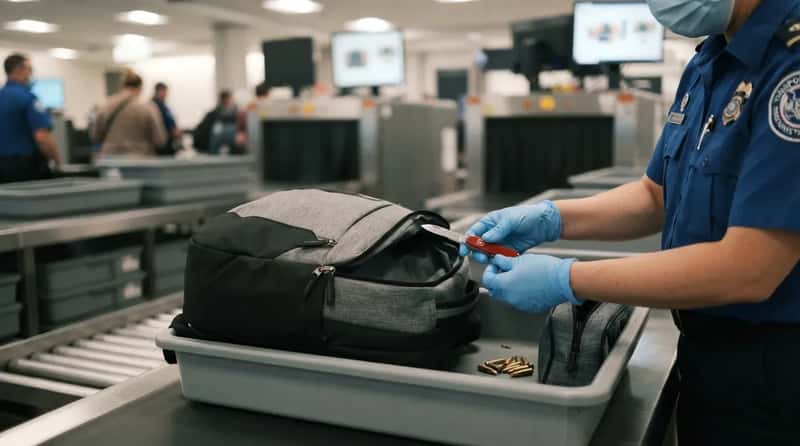
This is a more common mistake than most people would guess, and it’s rarely malicious. At Akron-Canton Airport and Newark Liberty International Airport, passengers arrived at security with ammunition and knives in their carry-on bags – items that may be transported legally when properly packed in checked luggage, but are prohibited at passenger screening checkpoints.
A pocketknife tossed into a bag for a camping trip and forgotten about is one of the single most frequent checkpoint stops. Screeners say the fix is simple: anything sharp goes in checked luggage, full stop, no exceptions for “I just forgot it was in there.”
#5 – Trying to Sneak a Live Animal Through in Clothing
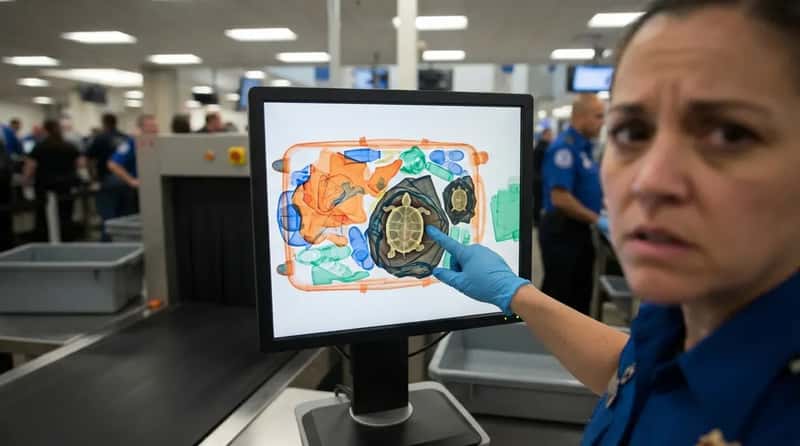
Yes, this actually happens, and screeners still talk about it. A turtle was discovered hidden in the pants of a Newark passenger, and two turtles were discovered hidden in the bra of a Miami passenger, according to TSA’s year-end recap.
Live animals concealed in clothing show up as bizarre, unmistakable shapes on an X-ray that no screener can simply wave through. TSA reminds travelers that pets can be screened properly as long as it’s safe to do so – hiding them in clothing is never the move.
#4 – Packing a Shotgun Inside a Golf Bag
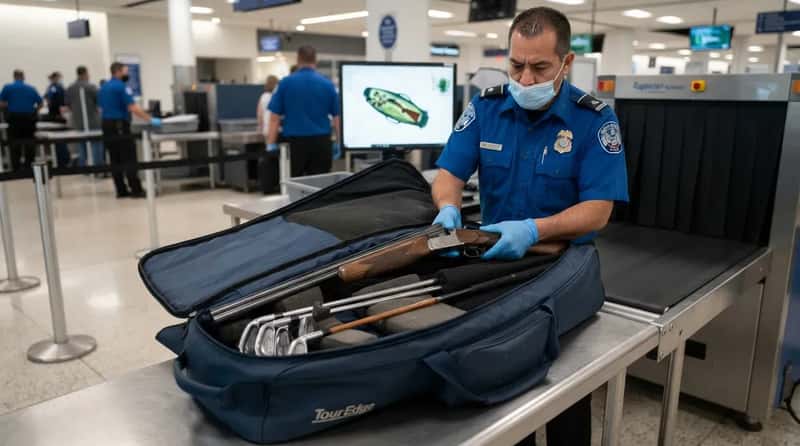
This isn’t a hypothetical scenario dreamed up for a training video – it happened. A passenger at George Bush Intercontinental Airport in Houston tried to get through security with a shotgun tucked inside their golf bag.
Sporting equipment gets less visual scrutiny from travelers packing it themselves, which is exactly why screeners treat it with extra suspicion. Firearms are allowed in checked luggage only when properly declared, unloaded, and locked in a hard-sided case – a golf bag zipper doesn’t meet any of those requirements.
#3 – Ignoring Checked Bag Weight and Size Limits Until the Scale Beeps
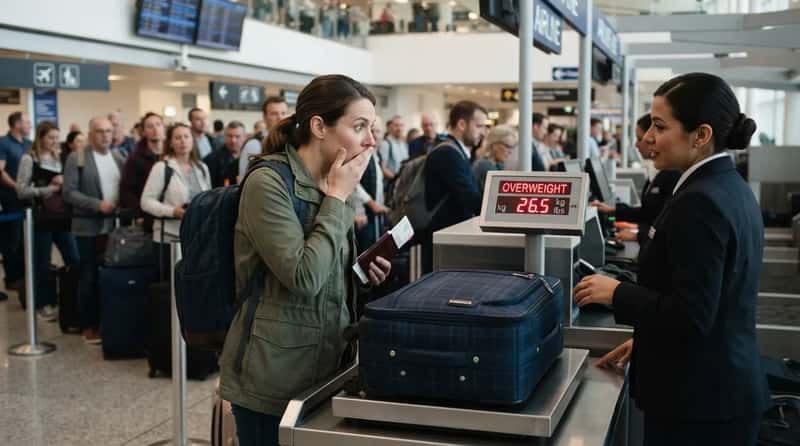
Checked bag fees and weight limits have quietly gotten stricter, and plenty of travelers are working off outdated numbers. Fees have crept up quietly enough that many people still budget for last year’s prices without realizing it.
A suitcase that was fine last year can now trigger a surprise overweight fee at the counter. Screeners and gate agents both say the fix takes two minutes: weigh the bag at home before leaving, not for the first time on an airport scale with a line behind you.
#2 – Packing a Realistic-Looking Replica Bomb “As a Joke”
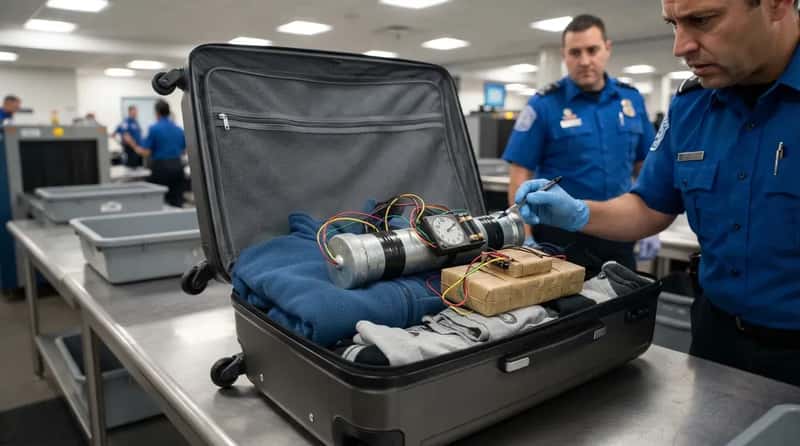
This is the single most alarming decision on TSA’s entire 2025 recap, and it wasn’t close. Explosive replicas discovered at Boise Airport topped TSA’s year-end list – a replica pipe bomb and fake C4 blocks complete with wires, an initiator, and a detonator, packed in a checked bag.
Real or replica explosives do not belong at the airport.
TSA
A prop or novelty item that looks convincing on an X-ray gets treated exactly like the real thing, triggering a full security response. Screeners say there’s zero tolerance for this category, regardless of intent – a joke to one traveler shuts down an entire terminal for everyone else.
#1 – Assuming a “Small Amount” of a Banned Substance Doesn’t Count
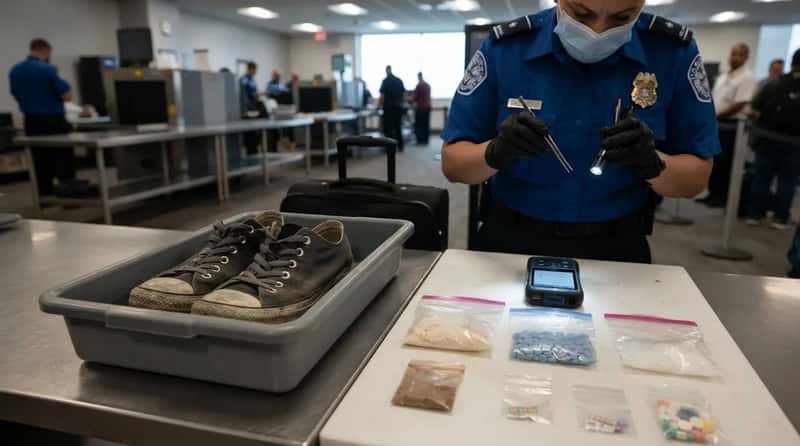
The single most serious decision screeners wish travelers never made involves quantities most people would call “just a little.” At No. 4 on TSA’s 2025 list, officers found 108.1 grams of heroin, 500 fentanyl pills, 3.2 grams of ketamine, 244.6 grams of meth, 7.7 grams of brown-sugar heroin, 12 acid tabs, 25 Xanax bars, and 10 soma pills hidden in the carry-on shoes of a single traveler at Kona International Airport in Hawaii.
One pair of shoes hiding eight different controlled substances is the kind of discovery that reshapes how screeners look at footwear for months afterward. There’s no gray area here, and no “small amount” exception – it’s the single most consequential decision on this entire list, by a wide margin.
At a Glance
- 108.1 grams of heroin
- 500 fentanyl pills
- 244.6 grams of methamphetamine
- 25 Xanax bars and 12 acid tabs
- All hidden inside a single pair of carry-on shoes at Kona International Airport
Put all 21 together and a pattern emerges that has nothing to do with bad luck: nearly every serious slowdown, fine, or confiscation traces back to a decision made hours before anyone ever saw a security line. The empty bag, the labeled pill bottle, the properly packed knife – none of it is complicated once you know it matters.
Screeners aren’t hoping travelers become security experts. They’re just hoping people make a handful of small, boring decisions before they ever reach the checkpoint. Which one of these has actually happened to you or someone you were traveling with? Tell us in the comments.