Most travelers assume that if you miss the ship, it’s simply “game over” – pack it in, fly home, chalk it up to bad luck. But there’s an entire invisible operation of port agents, terminal staff, and cruise line liaisons who spring into action the moment a passenger doesn’t make it back up the gangway.
They’re not glamorous, they rarely get thanked publicly, and most cruisers have no idea they exist until they desperately need one. Here’s what these behind-the-scenes fixers actually handle when a guest gets left standing on the dock.
#21 – They Watch the Clock Harder Than You Do
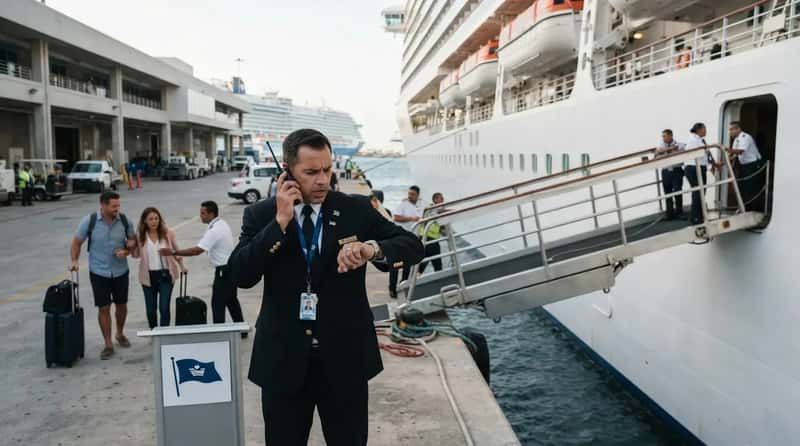
Port teams live and die by the all-aboard cutoff, and they know it down to the minute. The “all aboard” time is usually 30 to 60 minutes before departure, and once the gangway is raised, that’s it. That narrow window is exactly why port staff track late arrivals in real time instead of waiting for a phone call.
Once that window closes, the agent’s job shifts instantly from “boarding helper” to “recovery coordinator.” Even being a few minutes late can result in denial of boarding, since cruise ships cannot wait for delayed passengers because they must adhere to strict port departure windows and navigation schedules. It’s a brutal system, but it’s consistent across almost every major line.
#20 – They Treat Ship-Booked Excursions Completely Differently
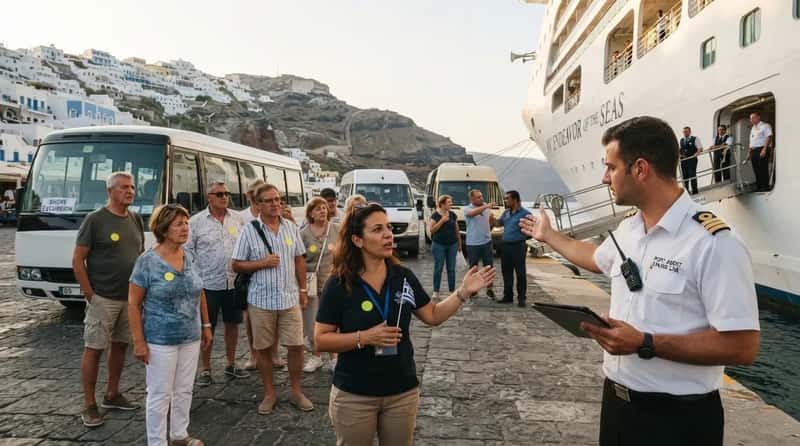
Here’s a distinction most first-time cruisers never learn until it’s too late: not all late returns are treated equally. If you booked an excursion directly through the cruise line and it runs late, the ship will typically wait for you. Go rogue and book your own tour, and you’re on your own clock entirely.
This creates a quiet double standard that some travelers find frustrating once they realize it. Port teams still track independent guests, but they can’t hold the ship for someone who wandered off with a local taxi driver. Many experts now argue this pushes cautious travelers toward pricier ship excursions purely for the safety net, not the experience.
Quick Compare
- Ship-booked excursion running late: the crew typically holds the ship
- Independent tour running late: the ship departs on schedule, no exceptions
- Ship excursions: the cruise line assumes responsibility for delays
- Independent excursions: the guest assumes full risk and cost of catching up
#19 – They Physically Hold Your Passport at Their Office
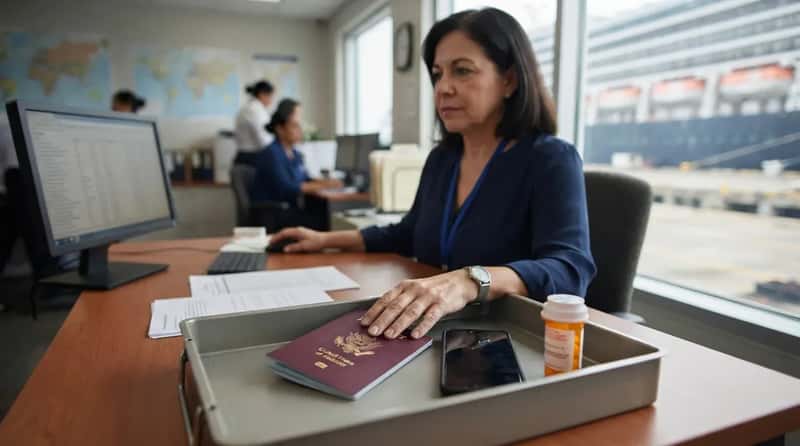
One of the more surprising services port teams provide involves your most important document. Port agents can help late passengers contact the ship and arrange travel, and crews may leave passports, phones, and medication with them. That’s right – the crew literally pulls your belongings before the ship sails.
In situations where it’s clear a passenger won’t return to the ship on time, agents can even have essential items like passports, smartphones, and medication removed from the ship and held at their office for retrieval. Without that system, plenty of stranded guests would be left in a foreign country with zero identification.
#18 – They Get You Talking to the Ship Directly
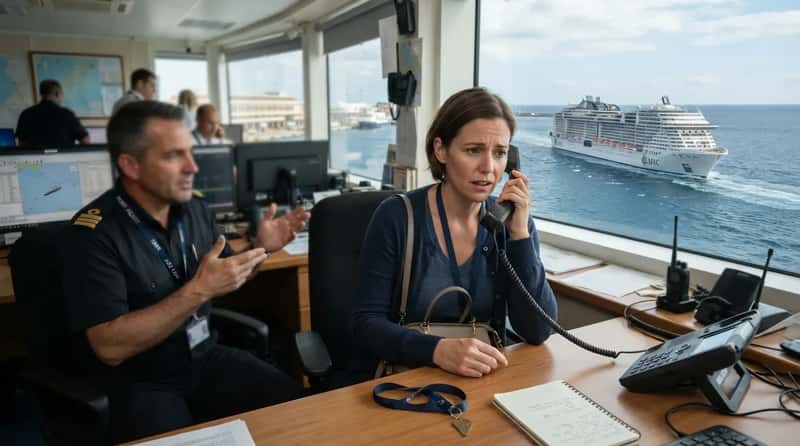
Panic makes people freeze, so port agents push one action immediately: contact the vessel itself. Guests are told to call the ship right away to let them know their location and figure out next steps, including how and where to meet the vessel at an upcoming port.
This direct line matters because the ship’s crew, not the terminal staff, ultimately decides logistics like whether a delay is possible. Port agents essentially become the translator between a stranded guest on land and a moving vessel already headed offshore. Without that bridge, most passengers would have no way to reach the ship at all.
#17 – They Decide If You’re a “Rejoin” or a Flat-Out No-Show
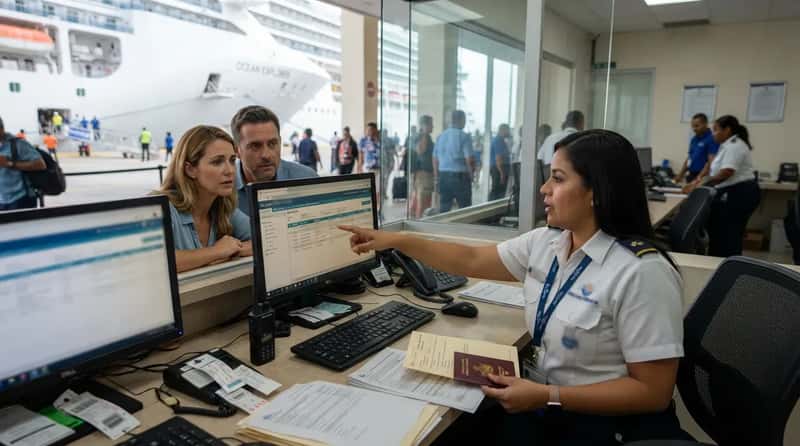
This distinction sounds bureaucratic, but it changes everything financially. Guests who do not show up for the sailing or miss the ship at departure usually forfeit the entire fare. Port teams help determine which category you fall into before anyone touches a refund conversation.
Get classified as a “no-show” and the booking is often canceled outright. Get flagged as an active “rejoin” case, and there’s still a path back onboard. That single label, decided in the first frantic hour, quietly shapes your entire financial outcome.
#16 – They Scramble to Find You a Same-Day Flight
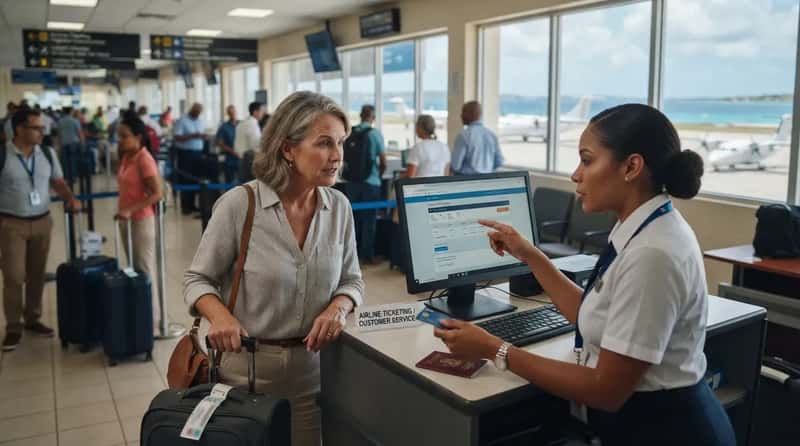
When rejoining is possible, speed becomes everything. Port teams often help stranded guests book travel to the ship’s next destination, noting that in the Caribbean, inter-island flights are frequent. That single detail is often the difference between rejoining tomorrow or losing the whole cruise.
This part rarely comes cheap. Meeting the ship at its next port typically costs $300 to $1,000-plus in last-minute flights and an overnight hotel, depending on the port and route. Port agents can’t wave a wand and make that number smaller – they can only help you spend it faster and smarter.
At a Glance
- Rejoining a ship often means booking a same-day or next-day flight
- Frequent inter-island flights in the Caribbean improve rejoin odds
- Typical rejoin costs run $300 to $1,000-plus in flights and lodging
- Once rejoining is possible, speed matters more than budget
#15 – They Line Up a Hotel Room Before You Even Ask
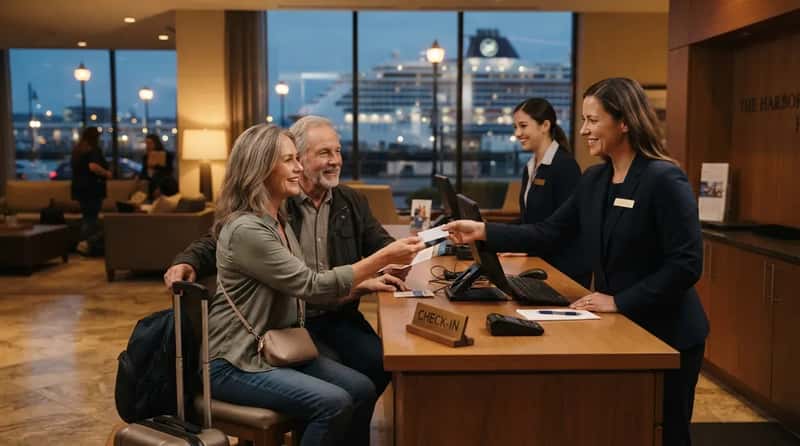
Stranded guests rarely think about lodging in the chaos of the moment, so port teams often think of it first. If an overnight stay becomes necessary, the port agent can often help with recommendations for accommodation.
It’s a small detail with a massive emotional payoff. Instead of wandering an unfamiliar city at midnight, guests get pointed toward something safe and close to the terminal. It’s not glamorous work, but it’s often the moment guests remember most gratefully afterward.
#14 – They Call In the Embassy When Documents Are Stuck Onboard
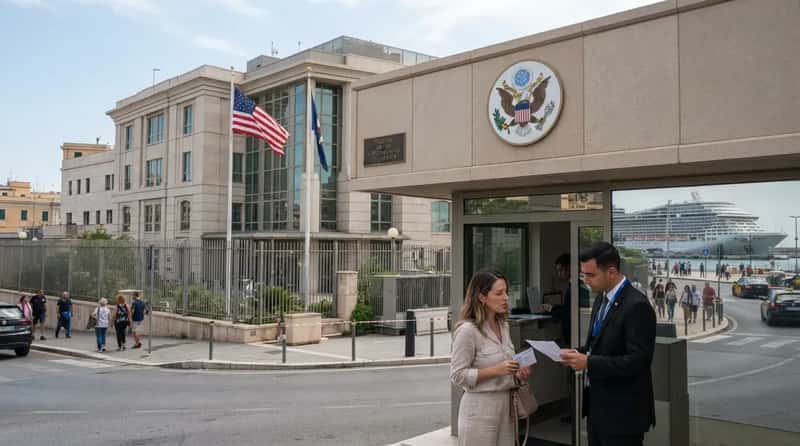
Losing access to your passport mid-trip sounds like a nightmare scenario, and it genuinely can be. If a guest doesn’t have a passport or proper identification with them, the recommended move is to visit the nearest U.S. embassy to discuss next steps and receive replacement identification.
Embassy staff can help figure out next steps and potentially connect a stranded traveler with someone who can help them reach their ship or return home. Port teams often make that first embassy contact happen faster than a panicked traveler could manage alone.
#13 – They Keep Your Traveling Companions From Spiraling

It’s easy to forget that missing the ship doesn’t just strand one person – it leaves worried family or friends onboard with zero information. Port teams typically relay updates back through the ship’s guest services so cabin mates aren’t left guessing for hours.
That reassurance matters more than people expect. A short “they’re safe, they’re with the agent, here’s the plan” message can turn a group’s entire mood around. It’s a quiet, unglamorous task, but it prevents a single missed sailing from becoming a full-blown family crisis.
#12 – They Untangle Split Groups and Families
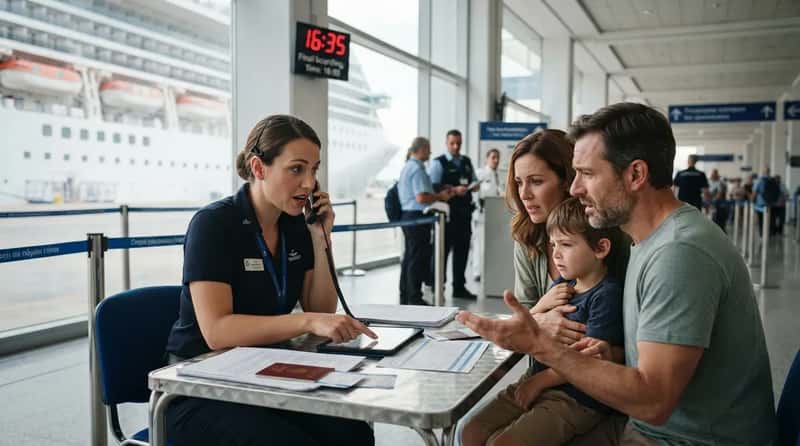
When only part of a traveling party misses the ship, the logistics get messier fast. Port teams help figure out whether the group should split – some staying onboard, others catching up – or whether everyone should regroup on land together.
There’s no universal script here, since every family situation is different. Kids left onboard without a parent, for example, require far more urgent coordination than two adults who simply lost track of time. Port agents essentially become crisis managers, weighing logistics against basic family safety in real time.
#11 – They Help You Function Without Your Wallet
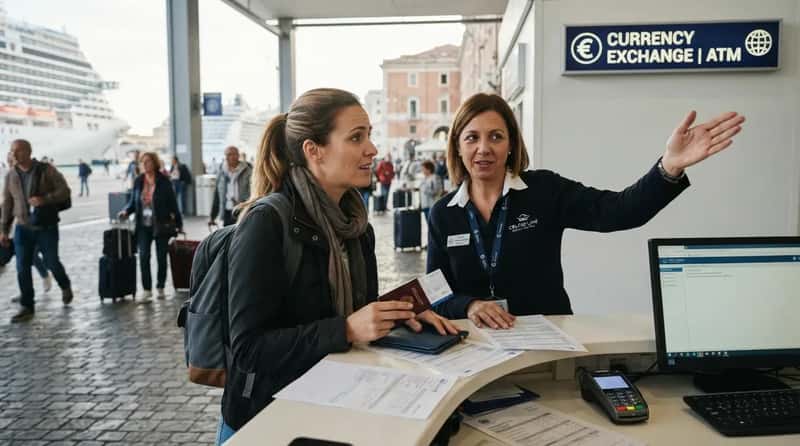
Plenty of missed-sailing guests suddenly realize their cash, cards, or currency exchange app are sitting in a cabin safe hundreds of miles away. Port teams can’t hand out money, but they routinely point stranded guests toward nearby ATMs, currency exchange counters, or emergency wire-transfer options.
It sounds minor until you’re standing in a foreign port with no local currency and a language barrier on top of it. Solving the money problem quickly is often what allows every other step – hotels, transport, flights – to actually happen.
Fast Facts
- Cabin safes often hold cash, cards, and travel money apps
- Port agents point guests toward nearby ATMs and currency exchanges
- Emergency wire transfers can sometimes be arranged locally
- Money access is usually the first problem solved, since everything else depends on it
#10 – They Bridge the Language Gap in Non-English Ports

Not every port agent speaks fluent English, and not every stranded passenger speaks the local language either. Part of the job involves translating instructions clearly enough that a frightened, disoriented traveler actually understands the plan.
This matters more in smaller ports where terminal staff and taxi drivers may not speak English at all. A miscommunication here can cost hours nobody has to spare. Port agents essentially become interpreters as much as logistics coordinators in these moments.
#9 – They Coordinate Immigration So You’re Not Stuck Twice
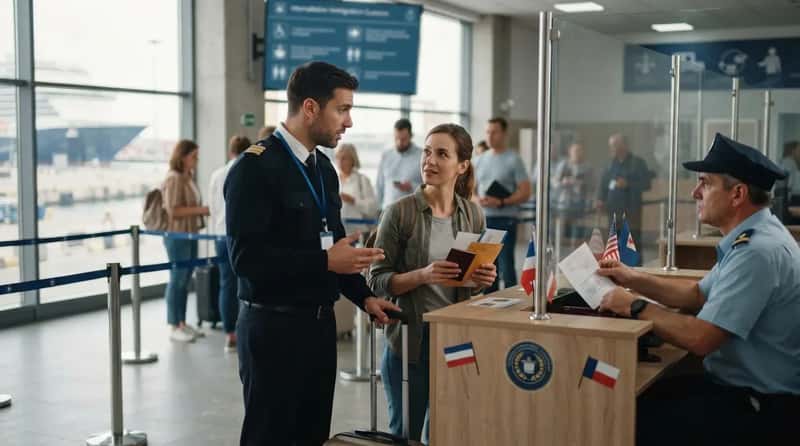
Rejoining a ship internationally isn’t as simple as buying a plane ticket. If the next port is in another nation, guests will also face immigration checks once they arrive. Port teams often flag this ahead of time so travelers aren’t blindsided at customs.
Getting turned away at immigration after already paying for an emergency flight would be a devastating second blow. By coordinating with local authorities in advance, port agents help prevent that exact nightmare scenario from compounding an already stressful day.
#8 – They Build the Paper Trail Your Insurance Will Demand
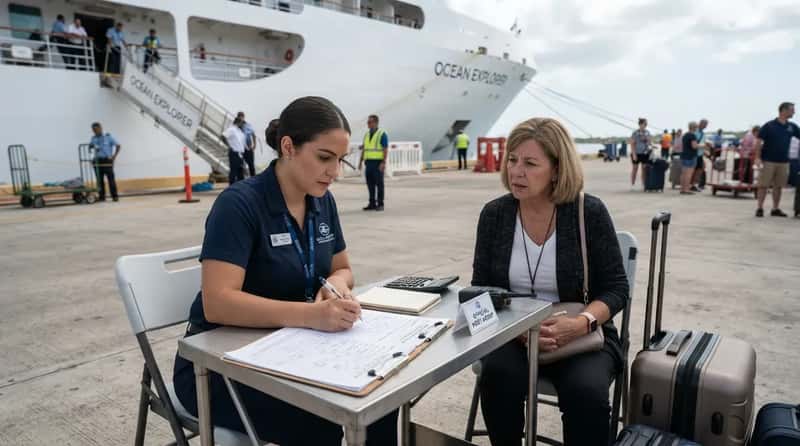
Nobody thinks about paperwork while panicking on a dock, but port teams often do it for you. Solid travel insurance policies explicitly cover trip interruption, hotel stays, rebooking costs, and travel to the next port if a guest misses embarkation.
Timestamps, written confirmations, and official incident notes from the port agent become essential evidence later. Without documentation proving exactly when and how you missed the ship, insurers can make reimbursement painfully difficult. This unglamorous paperwork step quietly determines whether you get any money back at all.
#7 – They Know Which Itineraries Won’t Let You Rejoin At All
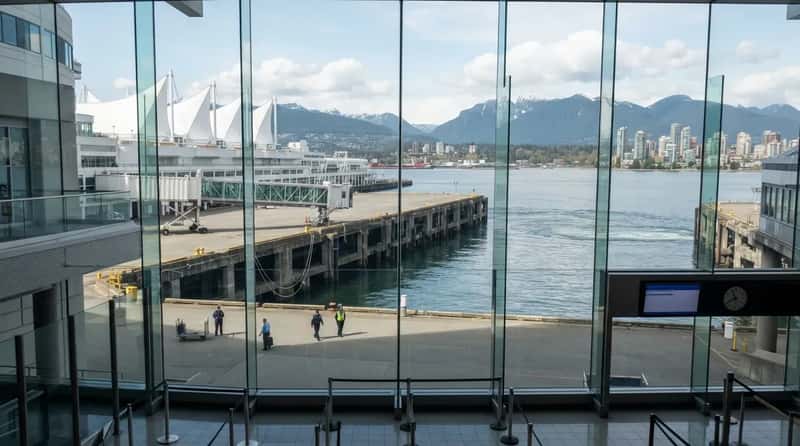
This is where things get genuinely shocking for most travelers. In most cases, cruise line agents work to determine whether a passenger can join their ship at a scheduled port call, but this depends on whether local customs authorities will allow embarkation there – and there are exceptions.
Passengers who miss the departure to Alaska from Vancouver, for instance, are generally out of luck due to U.S. law restricting where certain itineraries can pick up passengers. Port teams know these legal landmines cold, and they’ll tell you plainly when rejoining simply isn’t an option – no matter how much money you throw at the problem.
#6 – They Quietly Mobilize Five or Six Outside Agencies
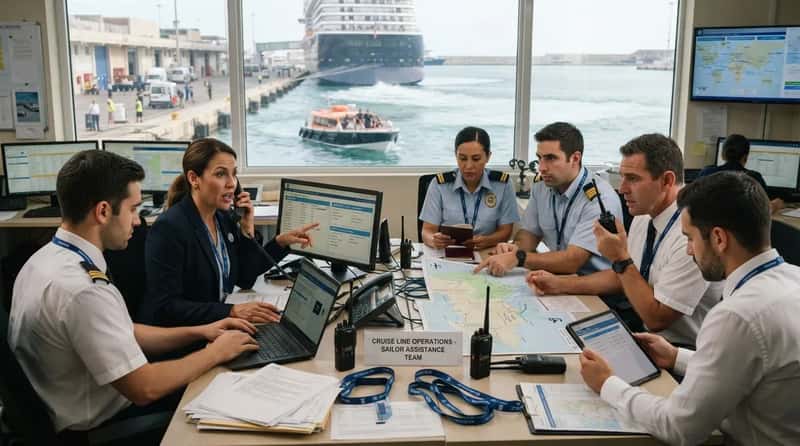
This is the part almost nobody realizes happens behind the scenes. When a ship truly cannot wait, cruise line teams don’t just make one phone call – they activate an entire local network most guests never even see.
Our shipboard teams collaborate with no less than five to six different local partners and governmental agencies to ensure that we are doing our utmost to assist our Sailors in reaching the next port on time.
Zeitz, cruise line executive
That’s not a single port agent working alone – that’s a coordinated web of government offices, transportation companies, and local contacts activating simultaneously. Most stranded guests never see this machinery; they just experience the outcome as one calm voice on the phone telling them what to do next.
#5 – They Deliver the Hard Truth About Refunds

This is often the most emotionally difficult conversation port teams have. The largest financial loss in a missed sailing is typically the fare itself, and unless it’s covered by insurance, that amount is generally non-refundable.
Beverage packages, dining packages, and pre-booked excursions may also be forfeited entirely. While it feels harsh, agents aren’t the ones setting these policies – they’re simply the ones stuck delivering the bad news face-to-face.
Worth Knowing
- Cruise fare is typically non-refundable once you miss the ship
- Beverage and dining packages are usually forfeited too
- Pre-booked shore excursions are rarely reimbursed by the cruise line
- Travel insurance, not the cruise line, is usually the only path to recovering costs
#4 – They Judge Whether Your Emergency Is “Delay the Ship” Serious
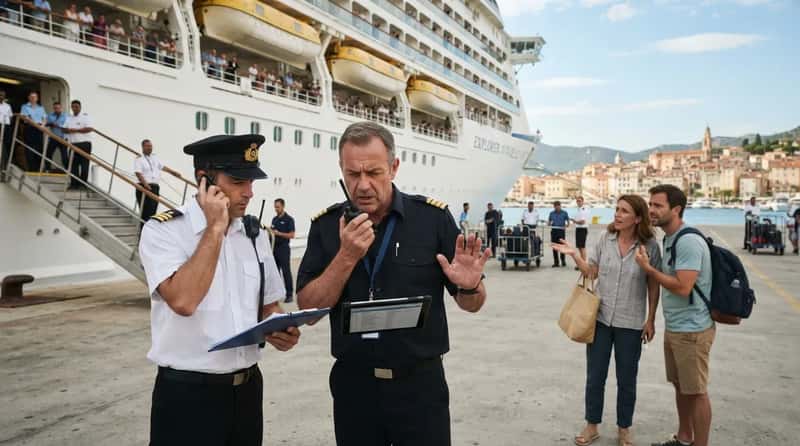
Not every late arrival gets the same response, and that’s intentional. If a guest is running late or facing a genuine emergency, the local port agent can liaise with the onboard crew to determine whether departure can actually be delayed.
This judgment call carries enormous weight, since holding a ship affects hundreds of other passengers’ itineraries downstream. A medical emergency might tip the scale toward waiting; a guest who simply lost track of time at a beach bar almost never will. It’s an uncomfortable truth, but consistency is exactly why the system works at all.
#3 – They Navigate a Law Most Passengers Have Never Heard Of
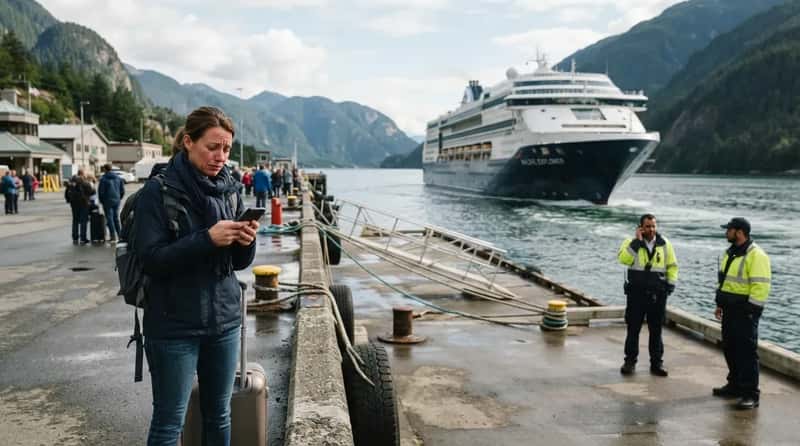
Few vacationers realize a decades-old maritime law can single-handedly end their cruise. Certain closed-loop and Alaska-region itineraries are legally restricted from picking up passengers at intermediate U.S. ports, which means no amount of persuasion, money, or pleading changes the outcome once you’ve missed the original departure city.
Port teams have to break this news calmly, even when it’s devastating to hear. Many experts argue cruise lines should advertise this restriction far more aggressively at booking, since most guests only learn about it the hard way – standing on a dock, phone in hand, with no legal path back onboard.
#2 – They Sometimes Actually Get the Captain to Wait
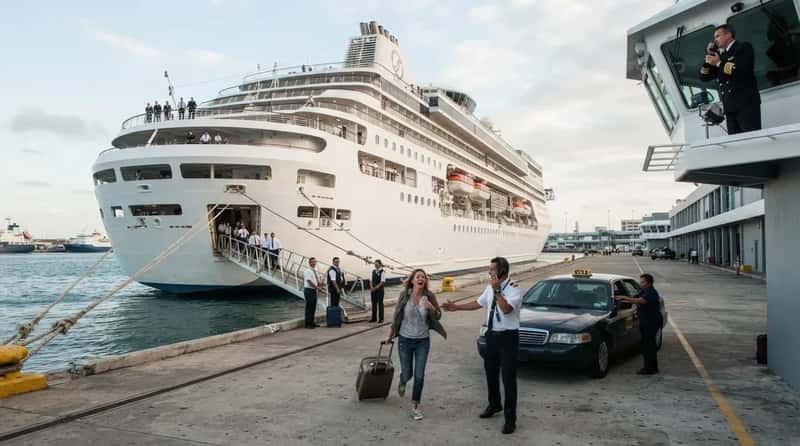
Contrary to popular belief, ships aren’t always as rigid as advertised. Port teams occasionally succeed in buying a stranded guest an extra ten or fifteen minutes by relaying real-time updates straight to the bridge crew about exactly how close someone is to the pier.
It’s rare, and it’s never guaranteed, but it happens more than most travelers assume. A single confirmed sighting of a taxi pulling up can be the difference between a ship holding briefly and a ship sailing on schedule. This tiny sliver of flexibility is one of the best-kept secrets in the entire missed-sailing process.
#1 – They Turn the Worst Vacation Day Into a Reunion Story

After the flights, the hotel scramble, the immigration checks, and the anxious phone calls, there’s usually one final moment port teams help engineer: the actual reunion at the gangway. Guests can retrieve the items the cruise line left with the port agents when they eventually show up to port, even if the ship has already left the original stop.
Watching a stranded passenger finally reboard, passport in hand, relief written all over their face, is the quiet payoff of everything the port team coordinated. It rarely gets applause, and most guests never think to thank the agent by name. But that single reunion moment is exactly why the entire system exists in the first place.
Missing the ship isn’t the isolated disaster most travelers imagine – it’s actually a well-rehearsed, multi-agency response involving embassies, immigration officers, hotel contacts, and a network of local partners most passengers never realize exist. The biggest surprise isn’t that help is available; it’s how much coordination happens in the background before a stranded guest even finishes their first panicked phone call.
The one universal truth across every cruise line? Arriving a day early and buying real trip-interruption insurance are still the two cheapest insurance policies against ever needing this list at all. Have you or someone you know ever missed the ship? Tell us what actually happened in the comments.