Most people picture the cockpit as the final word on everything that happens during a flight. In reality, a huge share of the decisions that shape your trip get made – or approved – by someone you’ll never see, sitting at a desk hundreds of miles away. That’s the flight dispatcher, and under U.S. law they carry legal authority equal to the captain’s.
What’s stranger is how often dispatchers say yes. Requests that sound like a fight waiting to happen – more fuel, a different route, a diversion – usually get approved in minutes, not hours. Here’s what airline insiders actually say about the requests dispatchers wave through without blinking.
#24 – Extra Fuel Above the Flight Plan Minimum
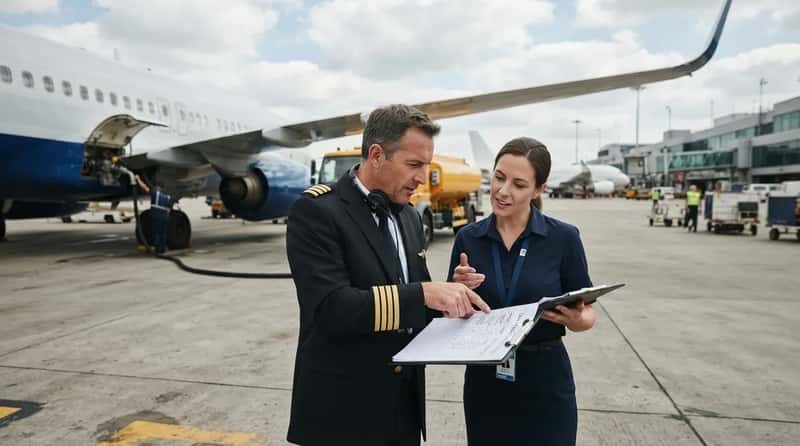
Pilots ask for fuel beyond the computer-generated plan constantly, and it’s almost never a fight. Either party can request additional fuel beyond the planned figure, and the captain can always request additional fuel – the airline must accommodate a reasonable request. That single rule quietly overrides every spreadsheet in the operations center.
The extra load is technically called discretionary fuel. It’s the quantity the commander requests above what the flight plan calculates, usually added when the pilot has better knowledge of what the flight may actually encounter. Most passengers assume fuel is locked in stone before boarding – it isn’t even close.
Fast Facts
- The U.S. is one of the few countries where licensed dispatchers are legally required for every commercial flight
- Federal rules give dispatchers joint responsibility for flight safety alongside the captain
- Neither the captain nor the dispatcher can unilaterally override the other on safety-related fuel calls
- Dispatchers track flights in real time from an operations control center, not from the plane itself
#23 – A Full Reroute Around a Building Thunderstorm
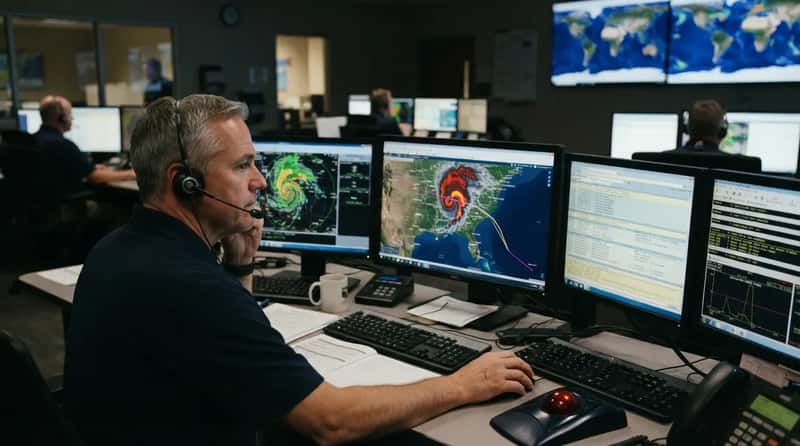
When a storm cell blooms across the filed route, dispatchers don’t debate – they redraw the map. If both agree, the dispatcher will amend the release and file a new route with ATC before the flight departs. The whole process can happen while passengers are still boarding.
If the weather is significant enough, the pilot asks ATC to deviate away from it, then coordinates with dispatch to find an alternate route, since the longer an airplane flies, the more fuel it burns. The reroute itself is rarely the sticking point – the fuel math is. Once that pencils out, approval is nearly automatic.
#22 – A Higher Cruise Altitude to Escape Chop

Turbulence complaints from the cabin travel fast, and dispatchers tend to say yes to altitude changes quickly because smoother air also usually means better fuel burn. A climb request rarely needs much justification beyond “ride’s rough back here.”
Dispatchers already have real-time turbulence reports feeding into their screens from other aircraft on similar routes, so they’re often expecting the request before it comes in. The altitude change frequently gets approved before the seatbelt sign even comes back on. It’s one of the fastest yeses in the entire system.
#21 – Swapping the Alternate Airport at the Last Minute

Every flight is filed with a designated alternate airport in case the destination goes bad. When weather trends shift, dispatchers routinely swap that backup without much ceremony.
The bigger factor is simply whether the new alternate has enough fuel reserve built into the plan. If a diversion becomes necessary, the flight dispatcher determines and relays the best course of action to the pilots. A last-minute alternate swap barely raises an eyebrow inside the operations center – it happens on stormy days more than travelers realize.
#20 – A Short Ground Hold to Let a Squall Line Pass
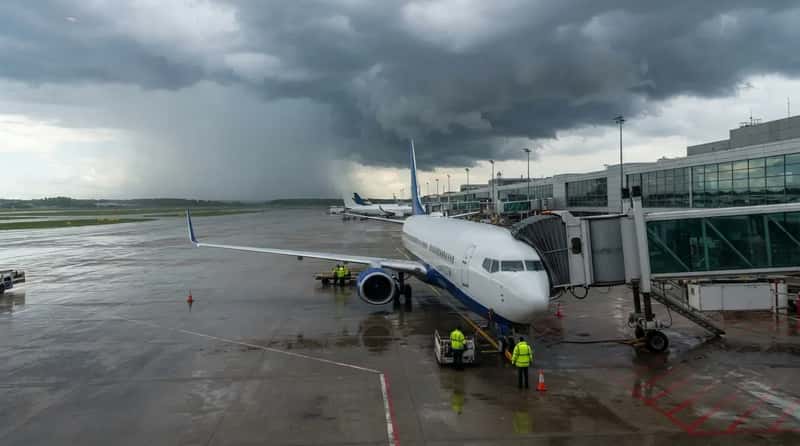
Nobody wants to sit at the gate, but a brief hold to let a line of storms clear the departure corridor is one of the easiest approvals dispatchers grant. It protects both the schedule and the fuel burn from a much messier reroute later.
Dispatchers weigh the delay against what happens if the flight pushes into weather anyway – usually a longer, costlier detour. A 15-minute hold now often prevents a 45-minute reroute later, which is exactly why these requests rarely get pushback.
#19 – Extra Fuel to Cover Holding at a Jammed Hub
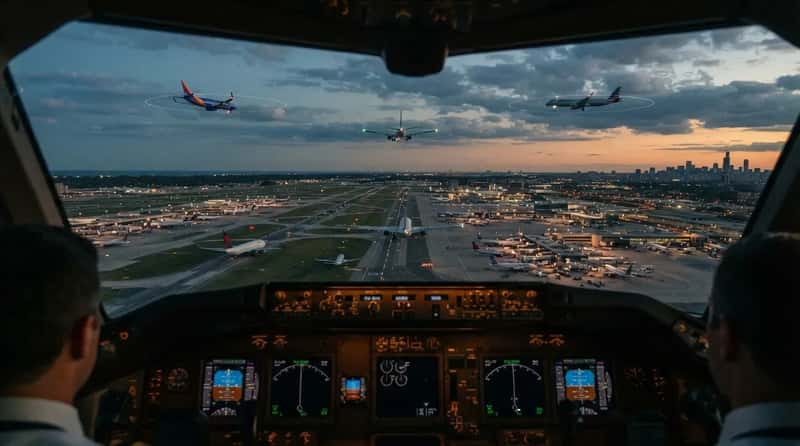
Flying into a congested hub like Chicago, Atlanta, or JFK during peak banks almost guarantees some holding. Dispatchers build padding for this into busy-hour flight plans, and pilots asking for a bit more on top of that get approved without much friction.
This is different from thunderstorm fuel – it’s purely about traffic volume. The pilots and dispatchers are best placed to judge how much fuel a flight actually needs, though airlines increasingly track the reasons behind every request. Congestion fuel has become one of the most predictable “yes” categories in the entire industry.
#18 – A Diversion for a Sick Passenger
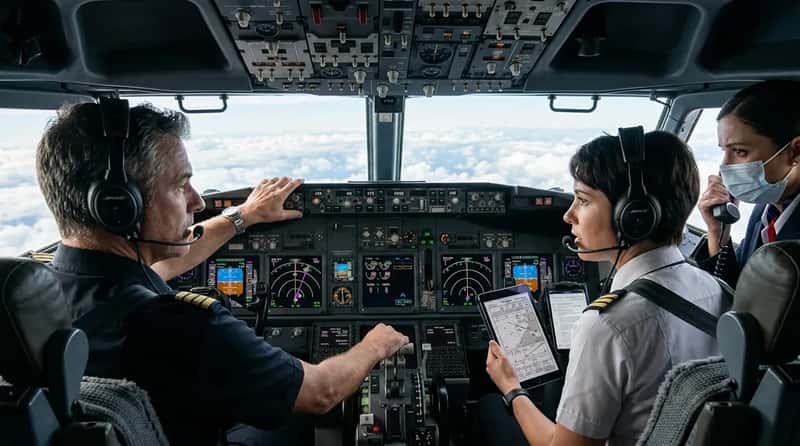
Medical diversions sound dramatic, but from a dispatcher’s chair they’re rarely controversial. Dispatchers usually share responsibility for the exercise of operational control, which gives them authority to divert, delay, or cancel a flight. When a passenger’s health is on the line, that authority gets used fast.
The dispatcher is often already scanning nearby airports for suitable runway length and services the moment the call comes in. Most medical diversions are approved before the flight attendant even finishes describing the symptoms. Speed matters more than paperwork in that moment.
#17 – A Slower Cruise Speed When Time Allows
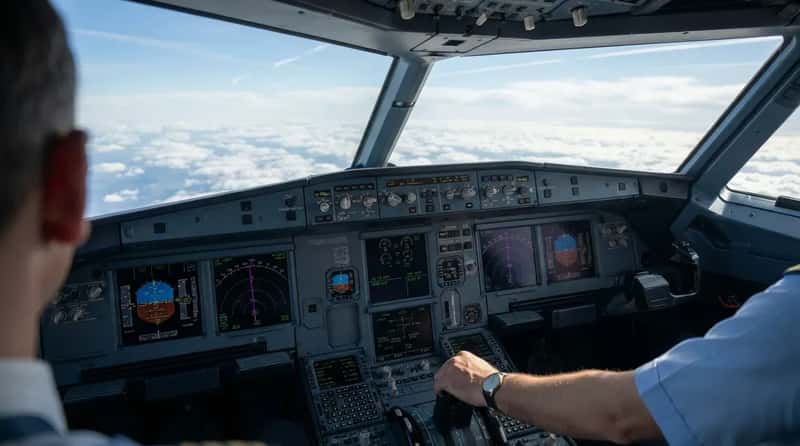
Not every request is about going faster or higher. When a flight is running ahead of schedule, pilots sometimes ask to ease back on cruise speed to burn less fuel – and dispatchers are usually thrilled to approve it.
Slower cruise speed can meaningfully cut fuel costs on longer routes without threatening the arrival slot. It’s one of the rare requests where the airline’s bottom line and the pilot’s preference line up perfectly. There’s almost never a reason to say no.
#16 – An Early Push When Boarding Finishes Ahead of Schedule
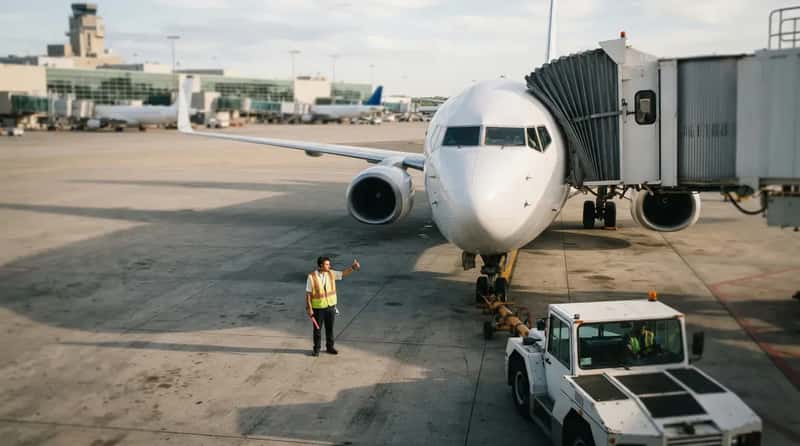
If the last passenger boards early and the ramp is clear, crews often ask to push back ahead of the scheduled time. Dispatchers generally approve it instantly, since an early departure rarely disrupts anything downstream.
The only real check is whether the filed flight plan and slot times can absorb the shift. Airlines quietly love early pushes because on-time performance metrics reward it heavily. It’s a low-friction win for everyone involved.
#15 – Buffer Fuel for Expected ATC Vectoring Delays
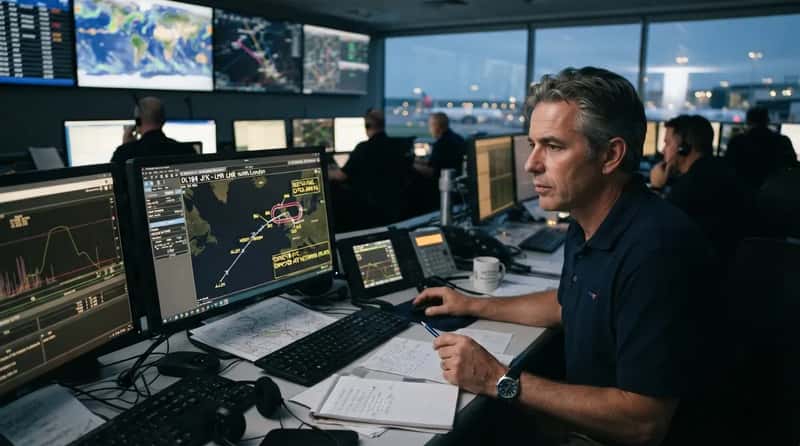
Pilots flying into airspace known for heavy vectoring – extra turns and holding patterns issued by air traffic control – often request a fuel cushion in advance. Dispatchers with historical data on that route tend to approve it without much back-and-forth.
Some operators provide statistics on fuel burn, reserve fuel, and comparisons with flight plans to help crews make these decisions at the planning phase. The busier the airspace, the more automatic this fuel request becomes. It’s baked into the culture of certain routes.
#14 – A Reroute Around a Temporary Flight Restriction

Wildfires, VIP movements, and special security events can trigger sudden airspace restrictions mid-route. When that happens, dispatchers move fast to file an amended path, and the approval process is almost a formality given the alternative is a much bigger problem.
These restrictions can appear with very little notice, so the coordination between pilot and dispatcher becomes tight and immediate. A TFR reroute is one of the few requests where hesitation isn’t really an option. Everyone just adapts.
#13 – Tankering Cheaper Fuel From the Last Stop
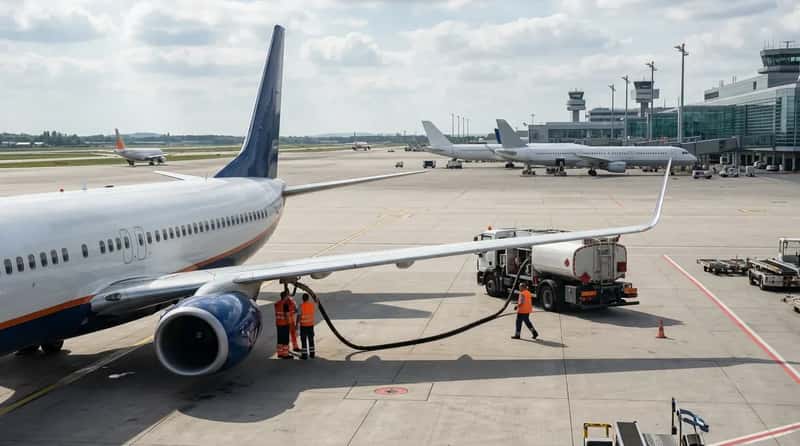
Airlines sometimes load extra fuel at one airport specifically because it’s cheaper there than at the next stop – a practice called tankering. Dispatchers factor this into planning constantly on routes where fuel price gaps are significant.
Eurocontrol estimates around 15% of European flights use full tankering, though environmental concerns and new regulations have begun limiting the practice. The math has to account for the extra weight burning its own fuel – but when it pencils out, approval is routine.
Worth Knowing
- Tankering only makes sense when the price gap between airports outweighs the cost of carrying the extra weight
- It’s most common on short hops where the fuel-price difference between two nearby airports is steep
- Some European regulators have floated limits on the practice over its added carbon footprint
- Dispatchers run the weight-versus-savings math before ever presenting the option to a crew
#12 – Riding a Better Track for Extra Tailwind
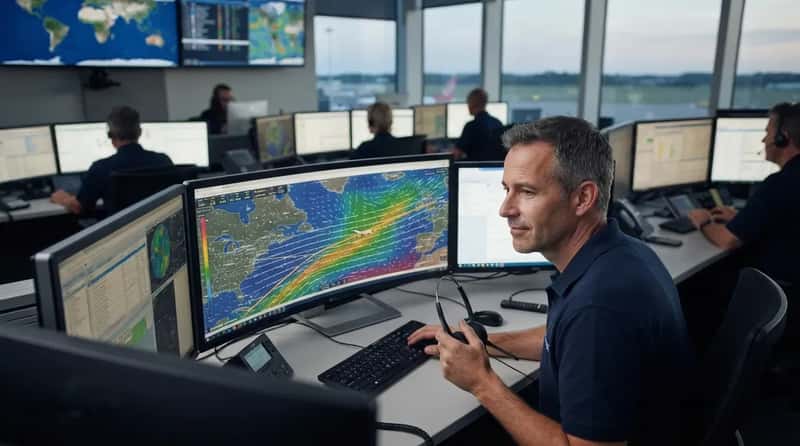
On long-haul routes, especially transoceanic ones, small shifts toward a track with a stronger tailwind can shave real time and fuel off a flight. Pilots requesting a shift toward a more favorable track rarely meet resistance.
Dispatchers are already running the wind models before the request even comes in, since it directly affects their own fuel calculations. A tailwind shift request is often approved because the dispatcher wanted it too. It’s a rare case of both sides arriving at the same answer independently.
#11 – A Delayed Pushback for a Stuck Cargo Door
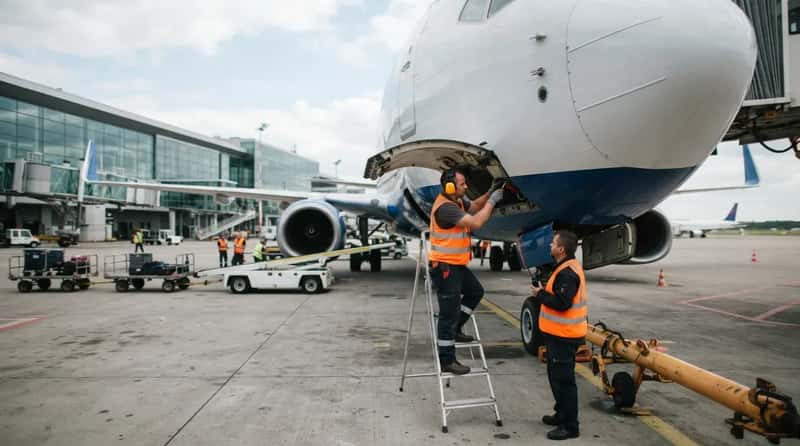
A jammed cargo door or a late bag doesn’t usually trigger a full maintenance review – it triggers a short, practical delay request that dispatchers approve almost on reflex. The alternative, a missed connection cascade, is far costlier.
These small mechanical hiccups happen daily across a large fleet, and airlines have learned that a five-to-ten-minute hold beats the downstream chaos of a late departure snowballing through the schedule. Short ground delays for minor snags are approved so routinely they barely register as decisions.
#10 – A More Direct Routing to Save Time and Fuel
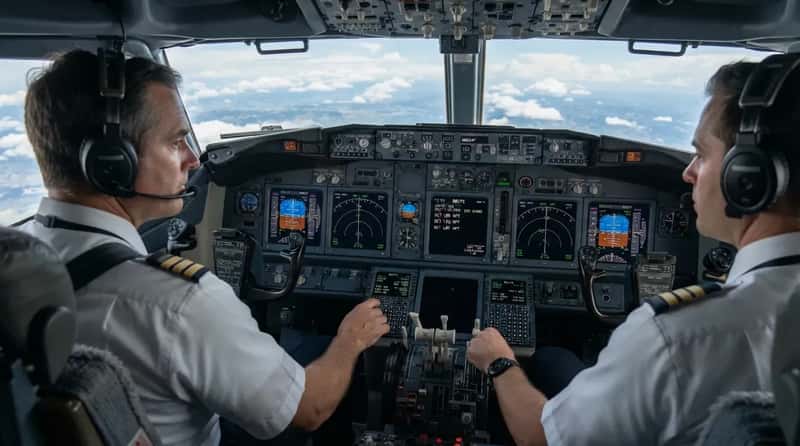
Sometimes the filed route isn’t the shortest one available once real-time traffic flow is considered. Pilots requesting a more direct path get quick approval when the numbers support it.
Once a flight is underway, ATC can change the flight’s route by offering pilots a more direct path, a change to avoid weather, or a new arrival time. A shorter path almost always means less fuel burned, which makes this one of the easiest requests to greenlight.
#9 – A Mid-Flight Step Climb as the Jet Gets Lighter
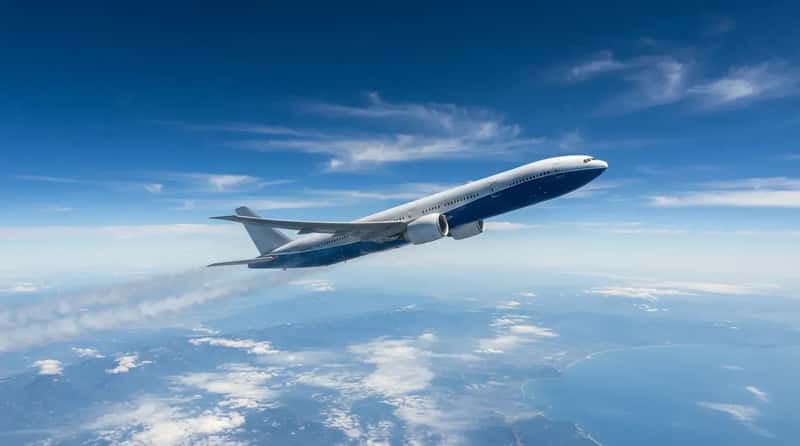
As an aircraft burns fuel, it gets lighter, and lighter jets fly more efficiently at higher altitudes. Pilots requesting a step climb mid-cruise are essentially asking to cash in on physics, and dispatchers rarely object.
The request usually depends more on air traffic control availability at the new altitude than on dispatcher approval itself. Once the traffic picture clears, the climb request is basically a rubber stamp. It’s built into how long-haul flights are planned from the start.
#8 – Extra Winter Fuel for De-Icing Delays
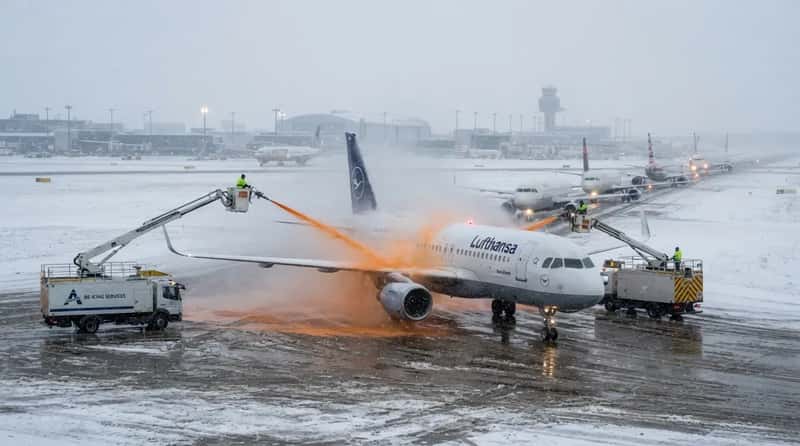
Winter operations bring a predictable request: extra fuel to cover the time lost sitting in a de-icing queue before takeoff. Dispatchers who’ve handled a hundred snowy mornings approve this almost by muscle memory.
De-icing lines at major hubs can stretch unpredictably during a heavy storm, and running out of holdover time means starting the process over. Extra winter buffer fuel is one of the most seasonal, most reliably approved requests on the calendar.
#7 – Switching Alternates When the Weather Turns Marginal

If the originally filed alternate airport starts trending toward minimums, pilots ask to switch to a backup with better conditions. Dispatchers, already tracking the same forecast trend, tend to agree before the pilot finishes the sentence.
Preflight, a dispatcher prepares the flight plan by analyzing weather data, reviewing airspace changes, calculating fuel requirements, and selecting the most efficient and safe route – and that same process runs continuously in flight. The switch usually happens quietly, long before passengers notice anything changed.
#6 – A Few Extra Minutes for a Late Connecting Jet
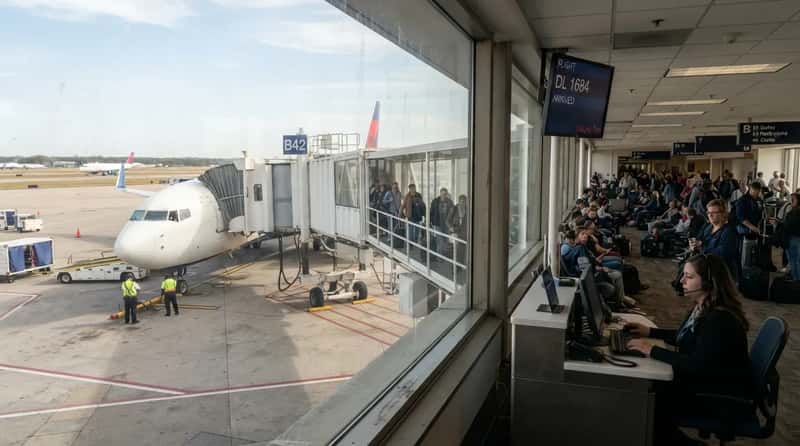
When an inbound aircraft carrying connecting passengers is running a little behind, crews sometimes request a short hold at the gate rather than push on time and leave dozens of people stranded. It’s more of an operations-control call, but dispatchers weigh in on the fuel and schedule impact.
These holds are always capped – nobody’s holding a flight for an hour – but a handful of minutes is a common, easy yes. The math almost always favors a short wait over a wave of missed connections and rebooking chaos.
Quick Compare
- Short gate hold: a few minutes lost, connecting passengers stay on the flight
- Push on time instead: zero delay now, but missed connections trigger rebooking, hotel costs, and crew scheduling headaches
- Airlines almost always choose the short hold when the numbers are close
#5 – Extra Fuel for a Single-Runway Airport
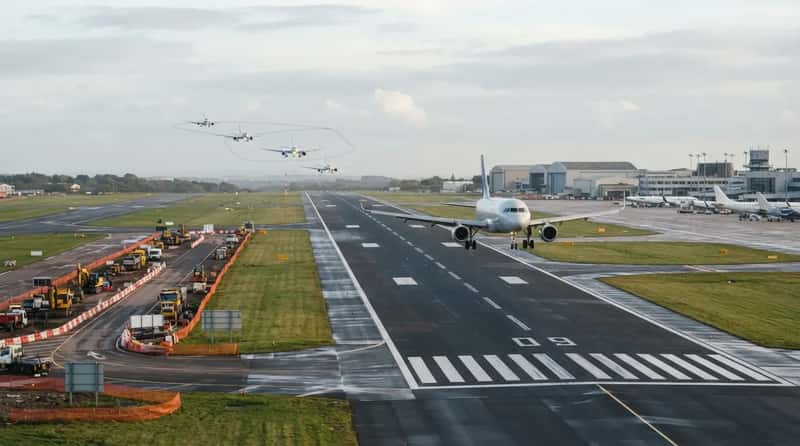
Airports running on one active runway due to construction or closures create longer, less predictable approach sequences. Pilots flying into these airports commonly request extra fuel, and dispatchers approve it almost as a standard practice for that specific field.
The uncertainty isn’t about weather here – it’s about queue length behind other aircraft. Single-runway operations turn a routine fuel request into an almost automatic add, because the alternative is a rushed decision closer to minimums.
#4 – A Shorter Track After the Winds Shift Mid-Flight
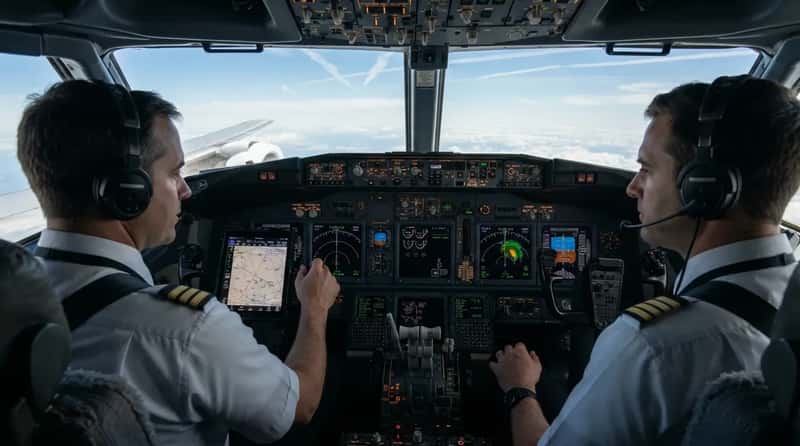
Winds aloft don’t always behave the way the morning forecast predicted. When a flight crew notices better winds on a slightly different track partway through the flight, dispatchers can amend the plan in the air.
Throughout the flight, pilots evaluate weather radar returns, receive updated weather reports from ATC and the dispatcher, and make decisions about route modifications. A mid-flight track adjustment for wind is one of the most technical requests, yet also one of the fastest approvals, since the data speaks for itself.
#3 – Continuing In Despite Marginal Weather at the Gate

When conditions at the destination are hovering right at the edge of usable minimums but trending upward, dispatchers will often approve continuing toward the airport rather than diverting early. The forecast trend does the heavy lifting in that decision.
A dispatcher must provide the pilot in command with additional information on meteorological conditions that may affect safety, and both continue to monitor weather and remaining fuel throughout the flight. This constant monitoring is exactly why “continue and reassess” gets approved more than outright diversion does.
#2 – A Lower Altitude for a Smoother Ride
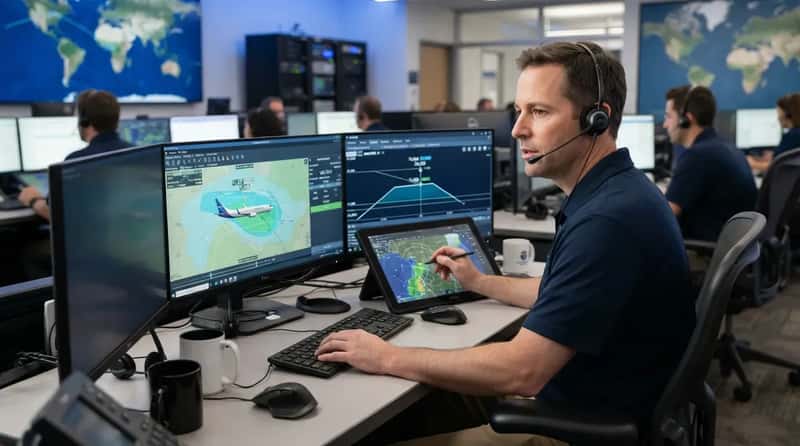
Just as often as pilots request a climb for smoother air, they request a descent for the same reason – usually when turbulence is layered lower in the atmosphere than expected. Dispatchers rarely hesitate, since passenger comfort and safety both point the same direction.
The fuel penalty for a lower cruise altitude is usually small enough not to matter on shorter or mid-length flights. A descent request for comfort is approved almost as fast as a climb request – dispatchers just want the ride smoothed out, wherever that altitude happens to be.
#1 – The Captain’s Standing Right to Ask for More Fuel, Period
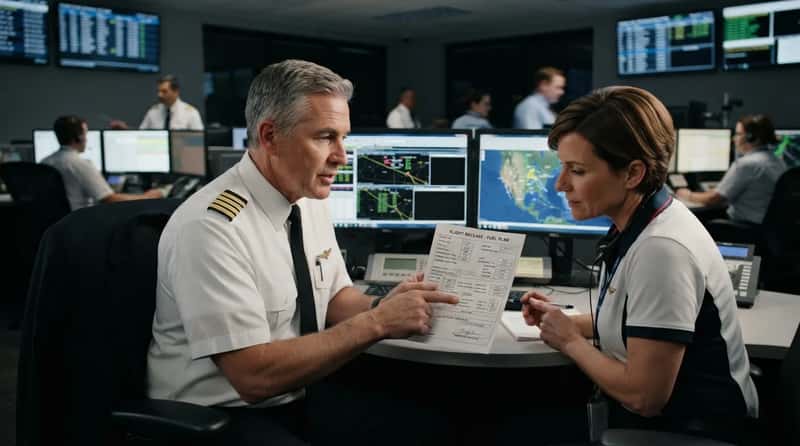
Of everything on this list, nothing gets approved more reliably than a simple request for more fuel. In the United States, the fuel load for every commercial flight must be agreed upon by both the dispatcher and the captain, and neither can override the other on matters of flight safety. That balance of power almost always tips toward yes.
The captain typically has the authority to load extra fuel, although they’re usually required to provide a justification for the added fuel. It’s the one request in aviation that’s treated as a right, not a favor – and that single fact tells you more about how flights are really run than almost anything else on this list.
Why It Stands Out
- It’s the only request on this list treated as a standing right rather than a case-by-case favor
- It requires agreement between two federally recognized decision-makers, not a single signature
- It reflects the bigger truth behind every item here: U.S. flights run on shared authority, not top-down control
Put it all together and the picture that emerges isn’t one of pilots begging ground staff for permission – it’s two licensed professionals sharing legal authority over every single flight, built to say yes quickly when the numbers and the safety case line up. Fuel requests, reroutes, altitude changes, and diversions move fast because the entire system is designed around fast, informed agreement, not gridlock.
What surprises most people isn’t that these requests get approved – it’s how routine the approval actually is behind a process most travelers assume is rigid and slow. Have you ever noticed one of these mid-flight changes from your seat? Tell us what you experienced in the comments.