Most people assume solo travel disasters start with a sketchy neighborhood or plain bad luck. They don’t. Safety professionals who study these cases for a living say the real damage almost always traces back to one small, forgettable choice made hours or even days before anything actually happens – a skipped registration, an oversharing habit, a polite decision to ignore a gut feeling screaming otherwise.
Solo travel is booming right now, and so is a quiet list of habits even seasoned travelers repeat without realizing it. Some of these mistakes feel completely normal. That’s exactly why experts keep flagging them.
#25 – Live-Posting Your Exact Location Before You’ve Even Checked In
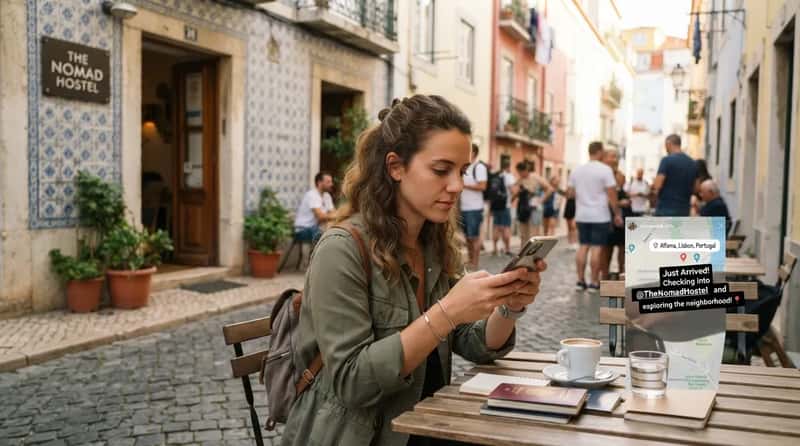
Posting real-time location tags feels harmless, but it’s one of the first habits security professionals beg travelers to break. A geotagged story tells anyone watching exactly where you are, when you’re alone, and how long you’ll likely stay there. That’s a full itinerary handed to a stranger for free.
Experts recommend posting after you’ve left a location, not during. It sounds small, but it removes the easiest way for someone to track a predictable pattern. Delayed posting keeps the memory without keeping the risk.
#24 – Skipping Travel Insurance to Save a Few Bucks
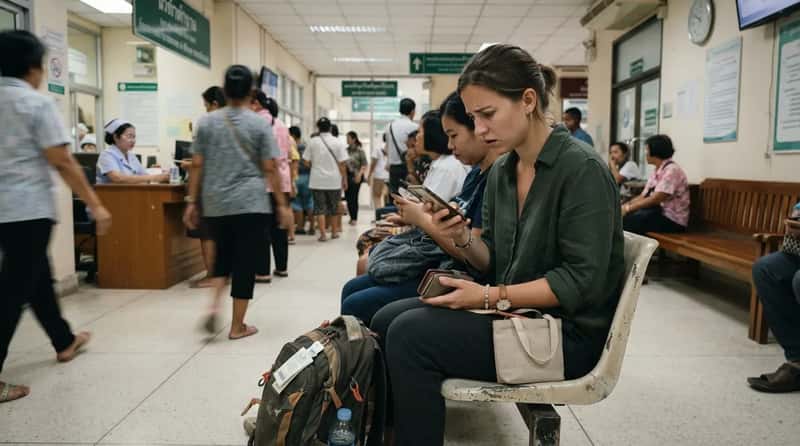
Solo travel has become a massive industry, and the money involved shows how seriously people take these trips now. The solo travel industry was valued at $482 billion in 2024, with a projected 14% annual growth rate through 2030. Yet plenty of solo travelers still skip coverage entirely to save a hundred dollars upfront.
Without insurance, a solo traveler absorbs every cost alone – no partner to help cover an emergency flight change or split a hospital bill. Claims for travel assistance protection actually rose sharply in early 2024, a sign more people needed it than expected. Experts call it the cheapest insurance against the most expensive kind of bad luck.
Fast Facts
- Solo travel industry valued at $482 billion in 2024
- Projected 14% annual growth rate through 2030
- Travel assistance claims rose sharply in early 2024
#23 – Telling No One Back Home Your Real Itinerary

Solo means alone, not invisible. Safety experts consistently point to itinerary-sharing as the easiest habit that gets ignored the most, and it’s the one that matters most when something actually goes wrong.
A vague “I’ll text you” isn’t a plan. Experts recommend sharing specific addresses, check-in times, and a simple daily check-in system with one trusted person. It costs nothing and takes two minutes, yet it’s the step most people quietly skip.
#22 – Landing in a New City After Dark With No Plan
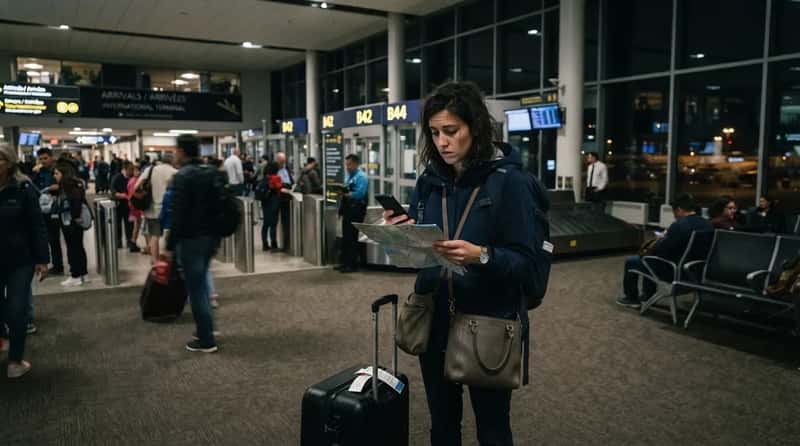
Arriving somewhere unfamiliar at night, jet-lagged and unsure which exit leads where, is a classic setup for bad decisions. Tired travelers make worse judgment calls, and predators know exactly which arrivals gate to watch.
Experienced solo travelers book daylight arrivals whenever the schedule allows and pre-arrange transportation from the airport. The few extra dollars for a verified pickup beat wandering a dark terminal parking lot looking for a random cab. That single booking choice quietly removes an entire category of risk.
#21 – Wearing Both Earbuds Through Unfamiliar Streets
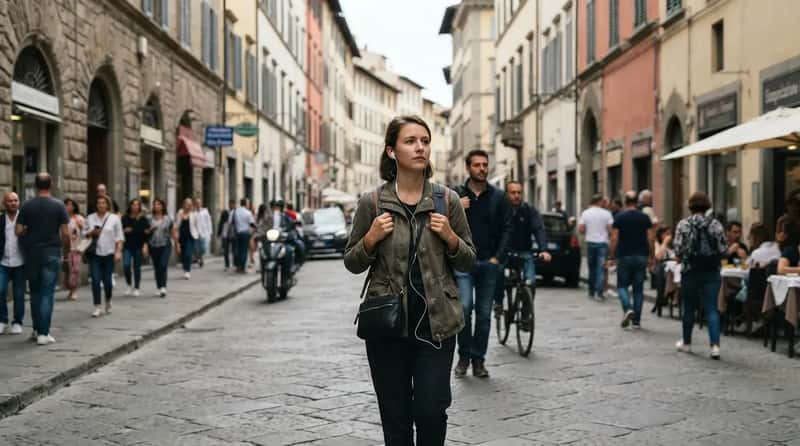
Music makes a new city feel cinematic, but two earbuds in means zero situational awareness. Safety trainers call this one of the most common, most fixable mistakes solo travelers make daily without thinking twice.
Losing your hearing to a soundtrack means missing footsteps behind you, a car slowing down, or someone calling out a warning. One earbud out keeps the vibe and the awareness. It’s a tiny habit swap that costs nothing and changes everything.
#20 – Flashing Designer Bags and Jewelry Like a Walking Target

Nobody plans to look like an easy mark, but visible wealth does exactly that in unfamiliar cities. Experts who study pickpocketing patterns say it’s rarely random – thieves scan crowds for whoever stands out the most.
A flashy watch, a designer bag, or brand-new sneakers in a market known for tourist theft turns a solo traveler into the obvious pick over everyone else nearby. Blending in isn’t boring, it’s strategic. Dressing down in high-traffic tourist zones is one of the oldest safety tricks that still quietly works.
#19 – Letting a “Too Friendly” Local Stick By Your Side All Day
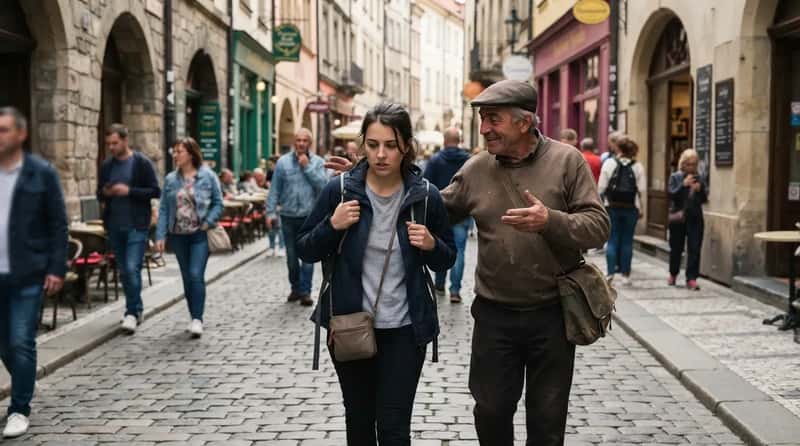
Genuine hospitality exists everywhere, but so do people who target isolated travelers with excessive friendliness. The line between a warm local encounter and a manipulation setup can blur fast when someone won’t take a polite no.
Safety experts say the giveaway is persistence – someone who insists on walking you somewhere, refuses to leave, or steers you away from crowds. A real local doesn’t need you isolated to be kind. Trusting that instinct early avoids the situation entirely.
#18 – Stashing All Your Cash and Cards in One Spot

One wallet, one bag, one loss – and suddenly a solo traveler has nothing. Experts recommend splitting money and cards across two or three locations: a money belt, a hotel safe, and a backup card hidden in a separate bag pocket.
Losing everything at once turns a minor theft into a full-blown emergency with no fallback. Splitting funds means a single bad moment doesn’t end the whole trip. It’s a five-minute packing habit that prevents a genuinely awful day.
#17 – Skipping the Free Embassy Registration
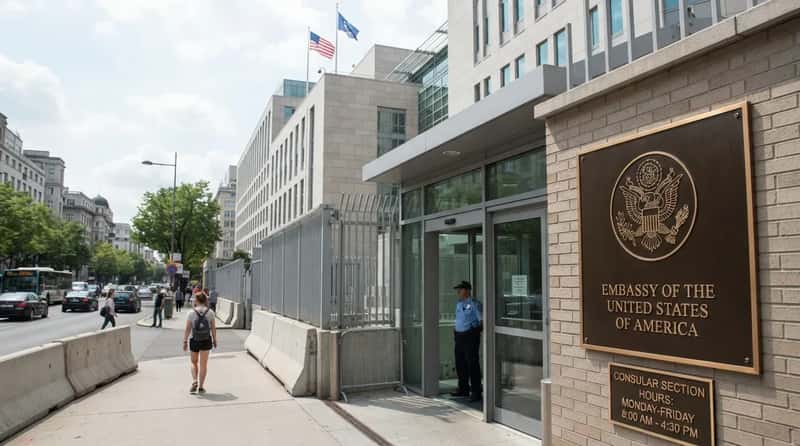
Most solo travelers have never heard of it, and that’s exactly the problem. Registering with a government’s traveler program before departure means officials know you’re in-country if a natural disaster, political unrest, or personal emergency happens.
It takes minutes and costs nothing, yet it remains one of the most overlooked steps in solo trip planning. Skipping it means being functionally invisible to the people whose job is finding you if things go wrong. Experts call it the single easiest box to check before any international trip.
Worth Knowing
- U.S. citizens can register for free through the State Department’s STEP program
- Registration alerts the nearest embassy or consulate during emergencies
- Enrollment sends local safety and security updates directly to your phone or email
- The entire sign-up process takes just a few minutes online
#16 – Mistaking Confidence for Actual Street Smarts

Feeling capable and being prepared are two different things, and solo travelers often blur them together. Confidence gets you on the plane; awareness gets you home safely.
Recent survey data backs this shift in mindset. The Global Rescue Spring 2025 Traveler Sentiment and Safety Survey found that safety concerns are now one of the most significant factors shaping how and where solo travelers move around the globe. Bravado without preparation is exactly what experienced guides warn against most.
#15 – Never Googling the Scams Locals Warn Tourists About
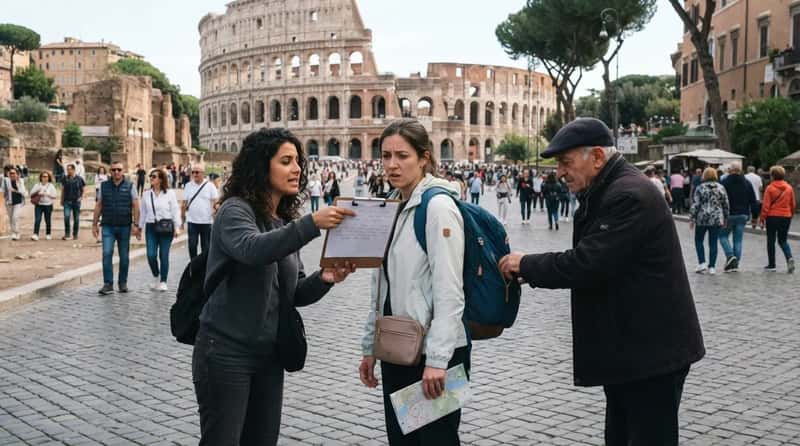
Every heavily touristed city has its own signature scam, and it’s usually well documented online in about five minutes of searching. Skipping that search means walking straight into it unaware.
Fake petitions, “broken” taxi meters, distraction theft duos – these patterns repeat because they work on travelers who didn’t do the homework. A ten-minute search before landing can eliminate the most common trap in any city. Experts treat pre-trip scam research as non-negotiable, not optional.
#14 – Hopping Into Unmarked “Taxis” Outside Airports
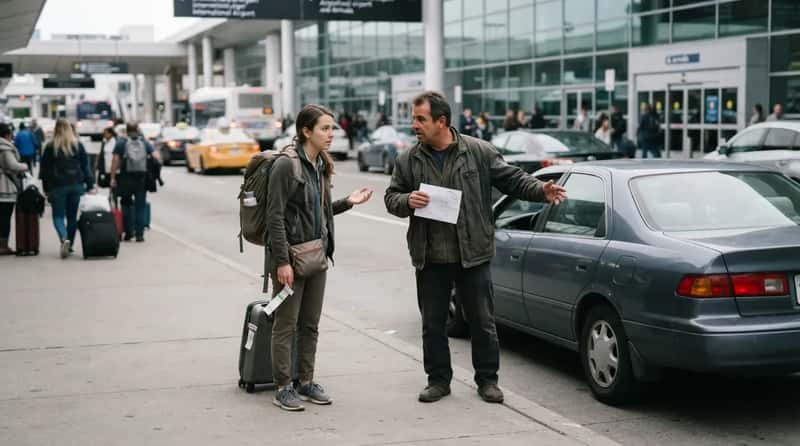
The unofficial driver waving a sign or shouting “taxi, taxi” outside arrivals isn’t always dangerous, but it’s the single most common way solo travelers get overcharged, rerouted, or worse. Verified ride apps and official taxi stands exist for a reason.
Skipping the extra steps to find a licensed vehicle is the mistake experts see repeated in nearly every travel-safety report. A few extra minutes at arrivals is a small price for knowing exactly who’s driving and where the trip is actually headed.
#13 – Drinking Past the Point of Remembering the Night
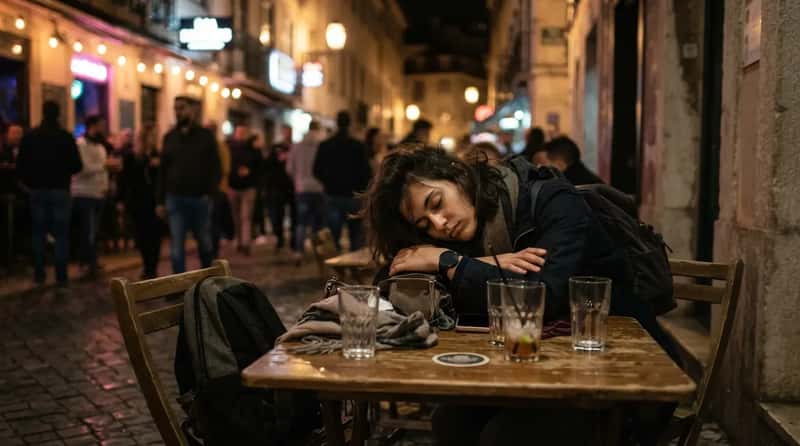
Solo means no one watching your drink, no one walking you home, and no one noticing if you don’t come back. Losing control of the night alone removes every safety net a group trip would normally provide.
Experts don’t say skip the fun – they say know the limit and stick to it. A blacked-out solo traveler is statistically the easiest target in any nightlife district. Pacing drinks and watching your glass isn’t paranoia, it’s basic trip math.
#12 – Banking Online Over Sketchy Hotel Wifi

Free hotel wifi feels convenient, but unsecured networks are a well-known target for data theft. Logging into a bank account or booking site over open wifi hands financial details to anyone else on that same network.
Security experts recommend a VPN or a personal mobile hotspot for anything involving money or passwords. It’s an invisible risk that never shows up until the account’s already been drained. The fix costs a few dollars a month and prevents a genuinely expensive mistake.
#11 – Choosing a Hostel Based on Price Alone

The cheapest bed isn’t always the safest one, and solo travelers on tight budgets sometimes learn that the hard way. Location, lighting, and reception hours matter as much as nightly rate.
Guides recommend checking for 24-hour front desks, secure lockers, and recent reviews mentioning safety specifically, not just cleanliness. A ten-dollar price difference is nothing compared to staying somewhere with no working lock on the door. Cheapest and safest are not the same search filter.
Quick Compare
- Cheapest pick: lowest nightly rate, no staff after hours
- Safer pick: 24-hour front desk and key-card entry
- Cheapest pick: no mention of security in reviews
- Safer pick: recent reviews specifically calling out working locks and secure storage
#10 – Never Learning How to Say “Help” in the Local Language
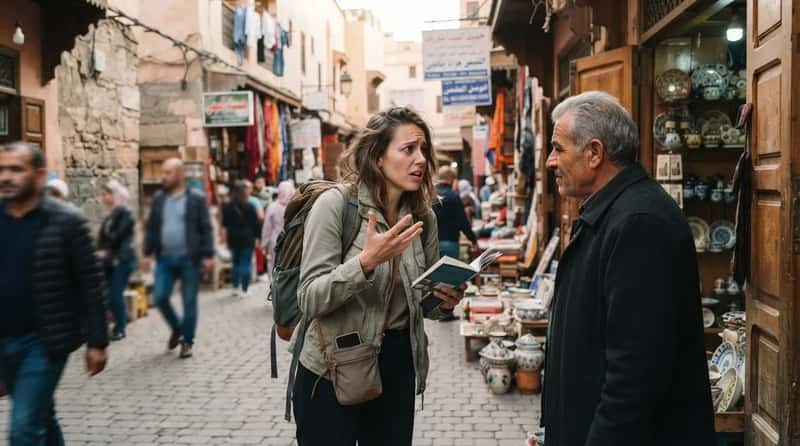
It sounds obvious until you’re the person who actually needs it and can’t get the word out. Solo travelers skip basic emergency phrases far more often than group travelers, simply because there’s no one else to lean on for translation.
Knowing how to say help, police, or hospital in the local language takes minutes to memorize before a trip. That handful of words can be the difference between fast help and a confused, panicked delay. Experts call it the most underrated five minutes of trip prep.
#9 – Telling Strangers Exactly Where You’re Staying

A friendly conversation at a bar or hostel common room can turn into an accidental confession of exactly which room number or hotel a traveler is staying in. That detail should never leave the conversation.
Vague answers like “downtown” or “near the station” protect privacy without seeming rude or paranoid. Specific hotel names and room numbers are details strangers simply don’t need, no matter how friendly they seem. It’s a small boundary that costs nothing to keep.
#8 – Staying Polite Instead of Listening to Your Gut
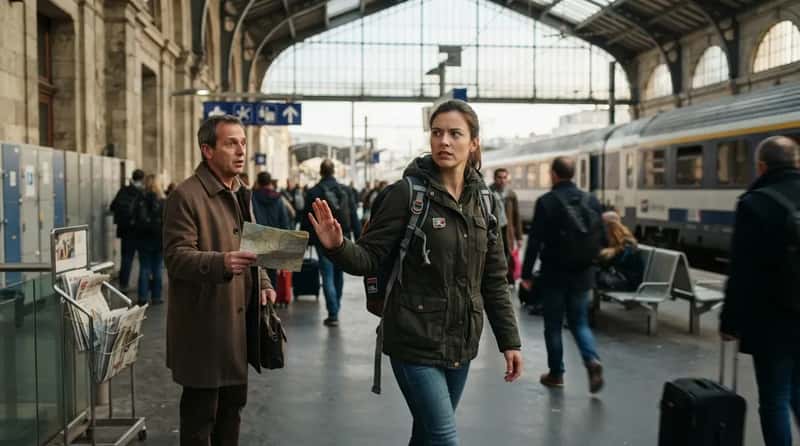
Social conditioning tells people to be nice, even when something feels off. Safety experts say this exact instinct – the fear of seeming rude – is one of the most dangerous reflexes a solo traveler can carry.
Walking away, saying no firmly, or leaving a conversation abruptly is never actually rude if the discomfort is real. Politeness has never once been a functioning safety strategy. Trusting that uneasy feeling immediately, without overthinking it, is what experienced travelers consistently say saved them.
#7 – Traveling Without a Single Backup Copy of a Passport
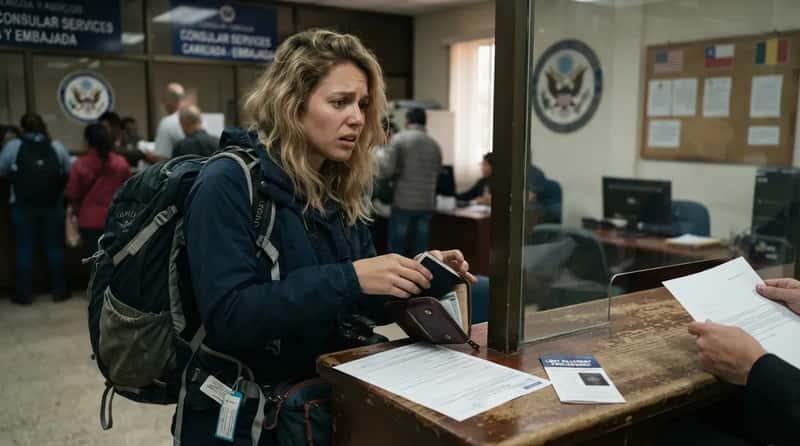
A lost or stolen passport with no backup turns a stressful moment into a full week of embassy visits and canceled plans. Yet plenty of solo travelers still pack just the original and nothing else.
Experts recommend a physical photocopy in a separate bag, plus a photo saved to the phone and to cloud storage. One missing document shouldn’t be able to derail an entire trip, but without a backup, it usually does. It’s a five-minute prep step most people only remember after the fact.
#6 – Wandering With a Phone Out and a Lost Look on Your Face
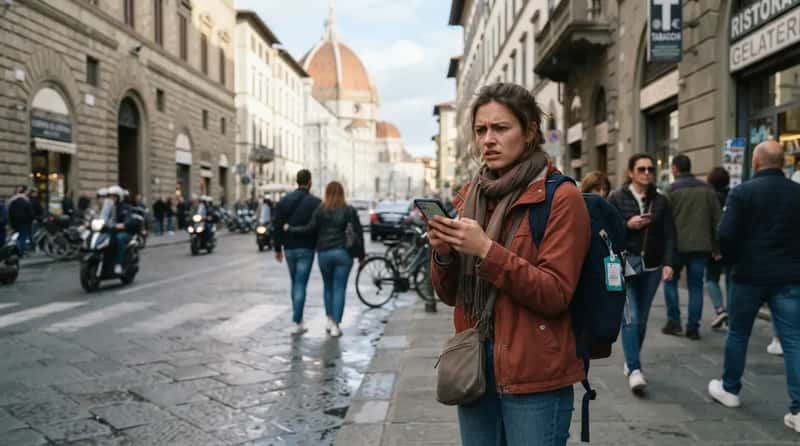
Nothing signals “easy target” faster than standing on a street corner, phone raised, visibly confused about direction. Pickpockets and scammers actively scan crowded tourist zones for exactly this body language.
Experts recommend checking directions before stepping outside, or ducking into a shop or café to glance at a map rather than standing exposed on a corner. Looking lost in public is one of the most common giveaways thieves rely on. A confident walk, even a fake one, changes how approachable a traveler looks.
#5 – Renting a Scooter or Car Without Checking It First
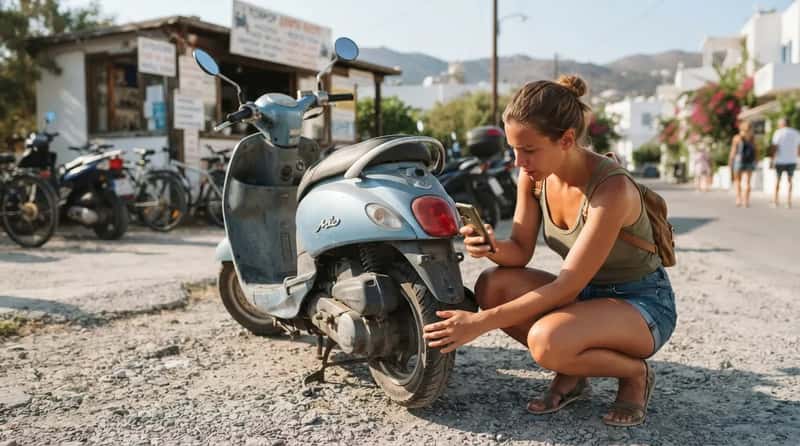
Solo travelers renting vehicles abroad sometimes skip the basic walk-around inspection, and that single skipped step causes a disproportionate number of overseas travel injuries. Faulty brakes or bald tires aren’t always obvious until it’s too late.
Experts recommend photographing the vehicle before driving off and testing brakes, lights, and mirrors in a quiet lot first. A five-minute inspection is nothing compared to breaking down on an unfamiliar road with no one else to call for help. It’s a habit rental companies rarely encourage but travelers should insist on.
#4 – Going Off-Trail Alone Without Telling a Soul

Solo hiking has genuine appeal, but going off marked trails without telling anyone the route removes the entire safety net if something goes wrong. Search and rescue teams consistently name this as the top contributing factor in solo hiker emergencies.
Experts recommend sticking to marked trails when alone and always leaving a written route plan with someone back home. An unplanned detour with zero cell signal and zero witnesses is exactly the scenario rescue teams dread most. A shared route plan turns a worst-case scenario into a solvable one.
#3 – Assuming “It Won’t Happen to Me” Is a Safety Plan
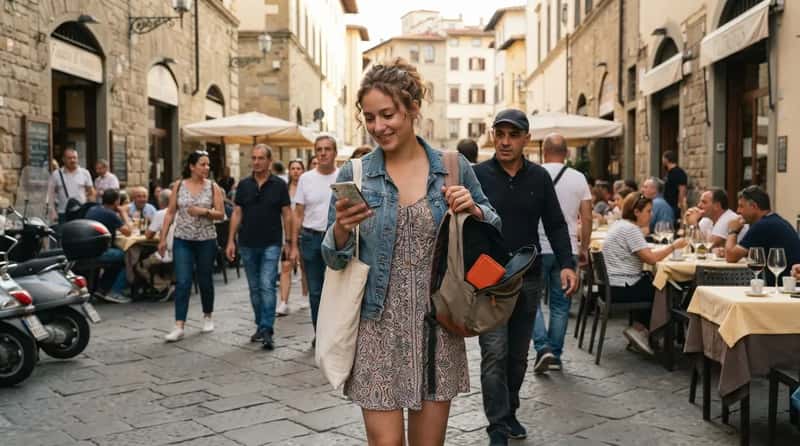
This mindset shows up constantly in post-incident interviews, almost always paired with skipped precautions. Believing bad luck only happens to other people is the exact reason so many basic safety steps get skipped in the first place.
Interest in destination safety data has surged as more solo travelers actually research risk before booking. Price and safety were the top two factors influencing solo travelers’ destination decisions, at 77% and 76% respectively. That shift shows experts are finally being heard – but only by the travelers already inclined to listen.
At a Glance
- Price ranked as the top destination factor for 77% of solo travelers
- Safety followed closely behind at 76%
- Post-incident interviews consistently reveal precautions that were skipped beforehand
#2 – Relying on One Phone as the Only Lifeline
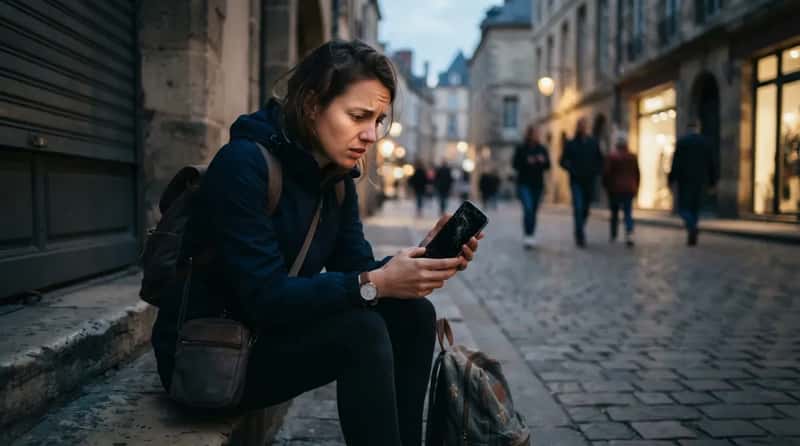
A dead battery, a cracked screen, or a stolen phone shouldn’t mean total isolation, but for many solo travelers it does. Every plan, contact, map, and emergency number lives in one single device with no backup.
Modern safety tools have made backups easier than ever. Sharing your itinerary with a trusted friend and using location-sharing apps creates a second layer that doesn’t rely on the phone staying charged or intact. A portable charger and a written list of emergency contacts on paper is the backup nobody thinks they need until the exact moment they do.
#1 – Ignoring the One Warning Sign That Mattered Most
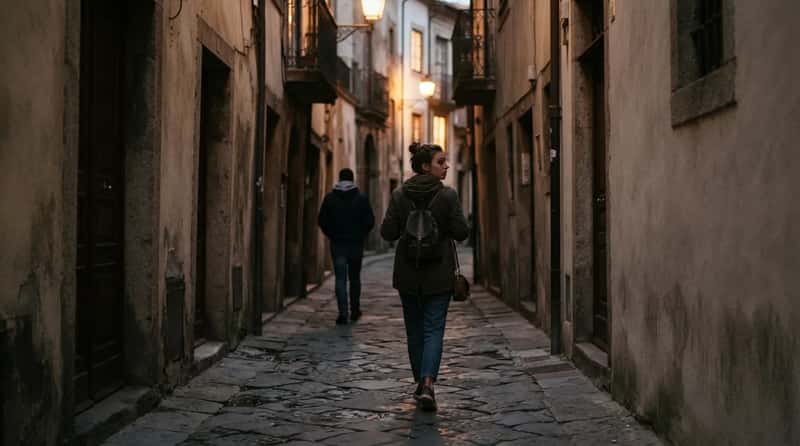
Almost every serious incident solo travelers report afterward includes the same detail: there was a moment, however small, where something felt wrong and got dismissed anyway. A weird vibe from a driver, a too-quiet street, a person following just a little too closely.
Safety experts agree this is the single biggest theme across nearly every case study they review. The warning sign was almost always there – it just got explained away in the moment.
Intuition is always right in at least two important ways: It is always in response to something. It always has your best interest at heart.
Gavin de Becker, The Gift of Fear
None of these mistakes are exotic. They’re small, forgivable, easy-to-repeat habits that thousands of solo travelers make every single day without consequence – until the one time it doesn’t go fine. The travelers who avoid trouble aren’t lucky, they’re just paying attention to the details everyone else brushes off.
Solo travel isn’t getting more dangerous so much as more visible, and the numbers prove people are adjusting – more research, more insurance, more safety apps, more caution before booking. The instinct to travel alone hasn’t faded. The instinct to prepare for it has finally caught up. Which one of these have you made, or barely avoided?