The brochure shows a sunset, a buffet and a smiling couple at the rail. What it skips is the fine print that cruisers over 60 say they only learned after they’d already paid. Most of the surprises have nothing to do with seasickness. They’re about paperwork, deadlines, sneaky charges and how far the dining room really is from your cabin.
Some of these cost real money. One has a clock that starts ticking the day you pay your deposit. And one quietly flips the whole idea of who is actually on board. Here’s what experienced cruisers keep repeating, starting with the assumption that trips up the most people.
1. Medicare Doesn’t Sail With You

Many first-timers assume their health coverage follows them up the gangway. It doesn’t. Original Medicare generally does not cover care aboard a cruise ship or in foreign countries, with very limited exceptions tied to U.S. waters and ports.
Medicare Advantage plans vary, but many offer only limited emergency coverage outside the country. That gap is why travel insurance shows up on nearly every list like this one. It’s also why some of the numbers further down are so jarring.
2. Plot Twist: Roughly a Third of Passengers Are Under 40
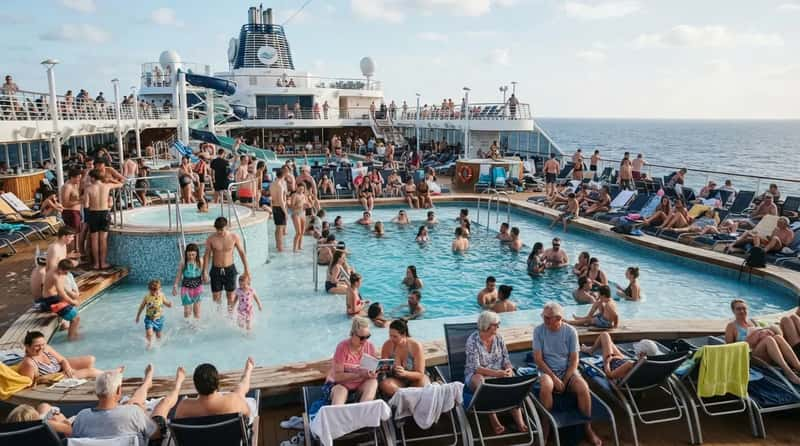
The “floating retirement home” picture is out of date. CLIA, the cruise industry’s trade group, puts the average cruiser’s age in the mid-40s in its recent reports, and about a third of cruisers are under 40.
Plenty of trips are multigenerational, too, so kids, teens and thirtysomethings are splashing around the pool deck. If you picture a hushed ship full of your peers, brace yourself. Some lines and itineraries do skew older, which means the ship you pick matters more than the stereotype.
Fast Facts
- Average cruiser age: mid-40s, per CLIA’s recent reports
- About one in three cruisers is under 40
- Multigenerational family trips are common, especially on big mainstream ships
- Premium, luxury and longer itineraries often skew older, so check the line before you book
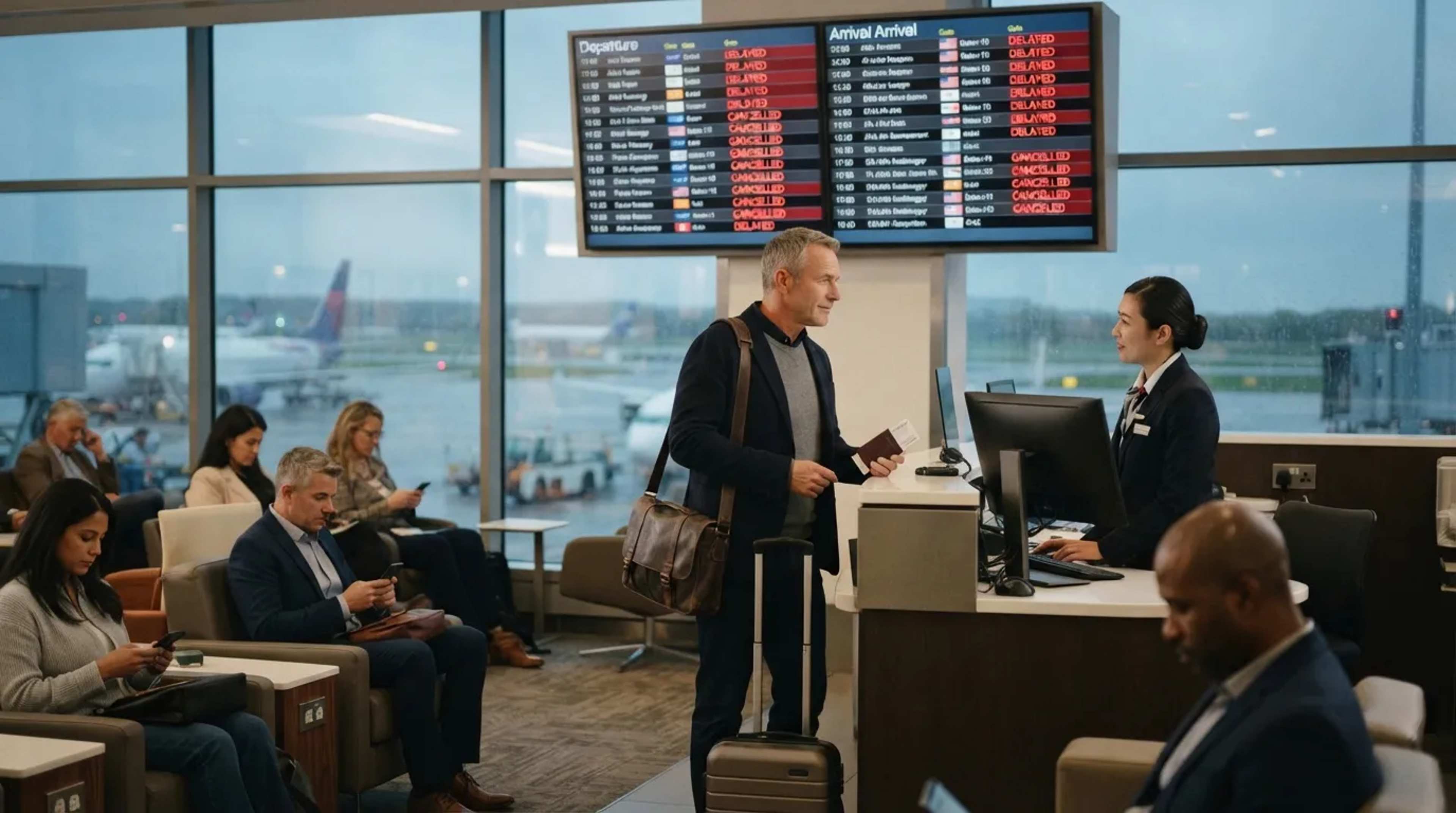
3. Fly In the Day Before, or Watch the Ship Leave Without You
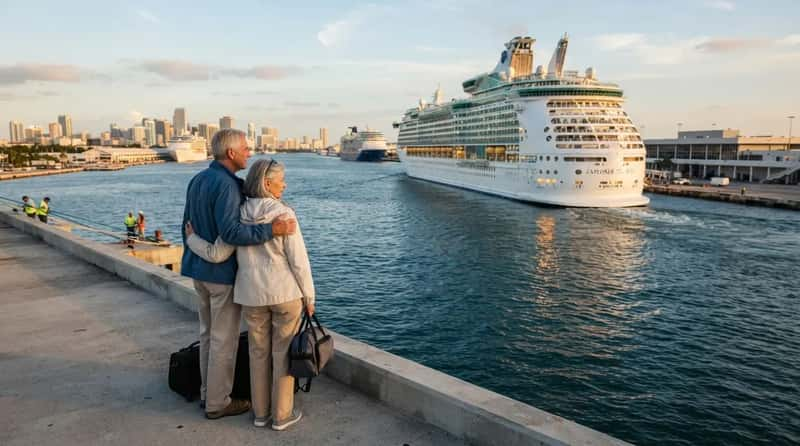
Veterans call this the cheapest insurance on the whole trip. Ships leave on schedule, and a delayed flight on embarkation morning can leave you standing on the pier watching your vacation sail away. The ship won’t wait for a flight you booked yourself.
An extra hotel night costs far less than chasing a ship to its next port. Many cruisers say it also turned a frantic first day into a calm one. Then comes the choice that shapes every day after: where you sleep.
4. Where Your Cabin Sits Matters More Than the Cabin Itself
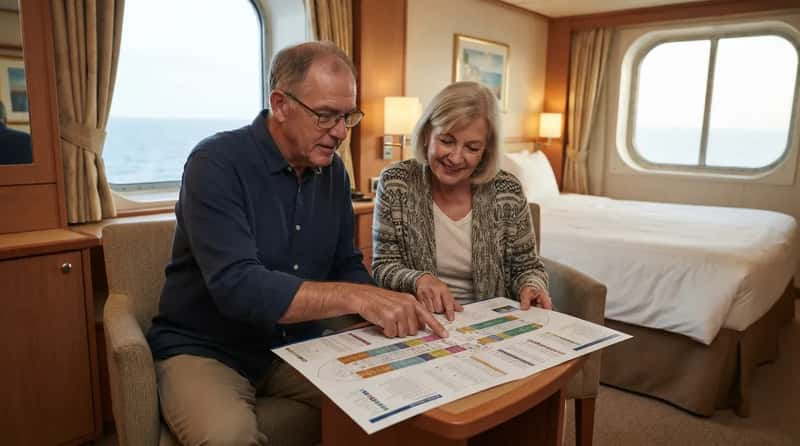
Ships move the most at the front, the back and the top decks. Cabins in the middle of the ship on lower decks usually feel the least motion. That’s why seasoned cruisers pick location before they pick a view.
Study the deck plan for what sits above and below your room. A cabin under a nightclub or a pool deck can get loud at hours you never expected. Dreamy ocean view, 2 a.m. chair-scraping. It happens more than the brochures admit.
5. The Walk to Dinner Can Be Longer Than Your Street
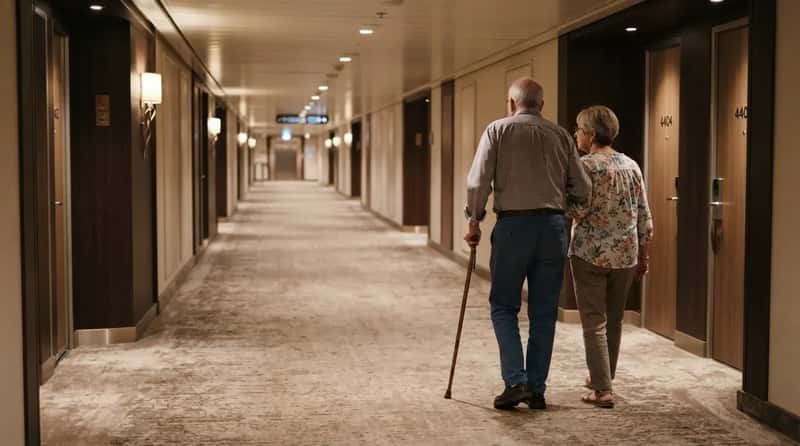
Big ships are enormous, and the elevators jam at peak times. Hiking from a cabin at the back to a dining room at the front adds up over seven days. If you have a bad knee or use a cane, those steps start to count.
Ask the cruise line about mobility access before you book, not after you board. A cabin near the elevators can save a surprising number of steps. Plenty of travelers also say they wish they’d packed shoes they’d already broken in. Your feet, it turns out, are not the only thing that needs a plan.
6. The Seasickness Patch Is Prescription-Only
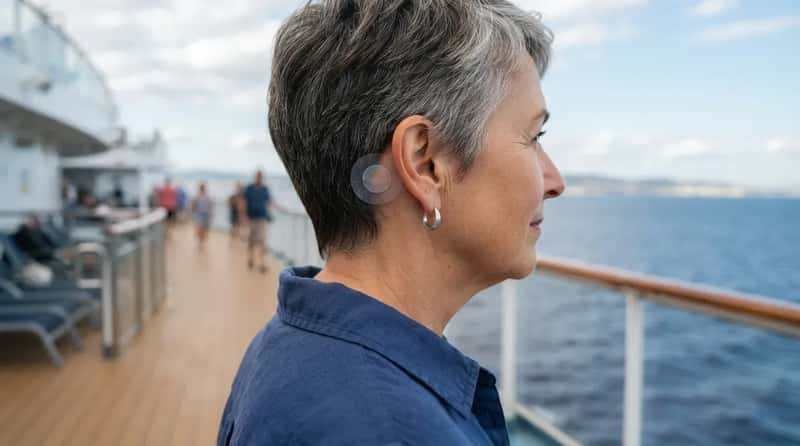
The scopolamine patch many people picture for motion sickness requires a prescription in the U.S. You can’t count on grabbing one at the ship’s shop. Over-the-counter options exist, but they work differently, and some cause drowsiness.
Plenty of people never feel a thing on a modern ship. The ones who do get queasy say they wish they’d packed a plan instead of a hope. Which brings up the rest of your medicine cabinet.
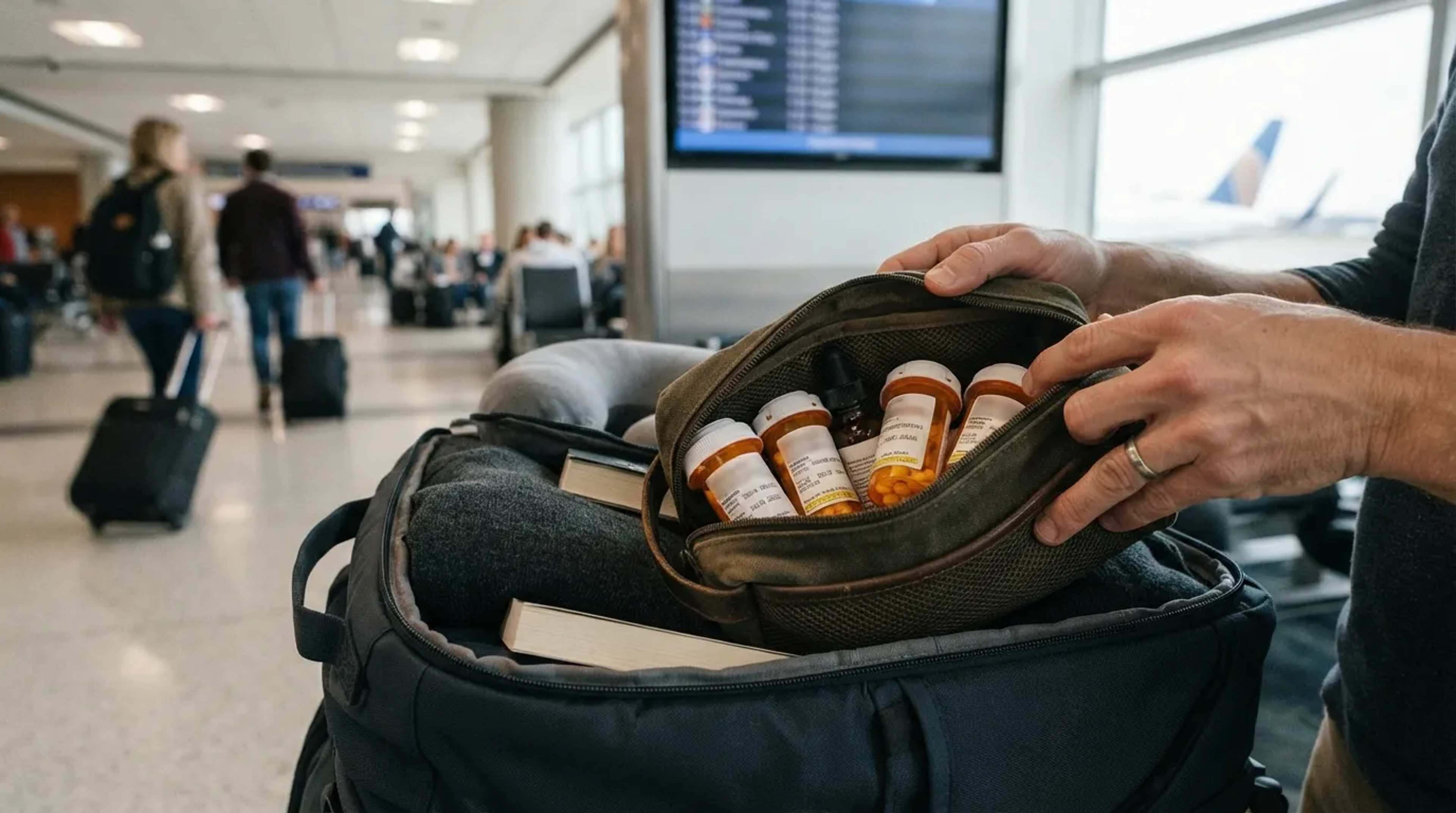
7. Your Pills Belong in Your Carry-On, With a Backup
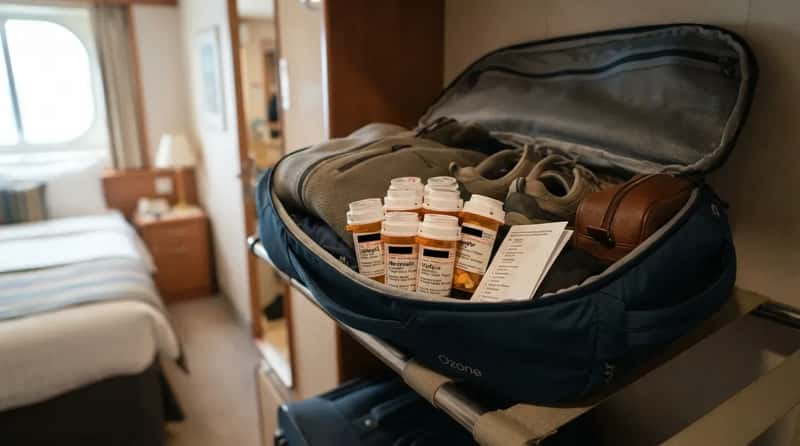
Checked luggage can reach your cabin hours late. A missed dose of a heart or blood pressure medication isn’t something to gamble on. Keep every prescription in its original bottle in your carry-on.
Pack a few extra days of supply in case of delays. Bring a printed list of your medications and doses, too. If you ever need care at a foreign port, that single sheet of paper can save hours of confusion.
8. The Daily Service Charge Shows Up Whether You Notice or Not

On most big cruise lines, daily gratuities are added to your onboard account automatically. Plenty of first-timers don’t spot them until the final bill. For two people over a full week, the total is sizable.
Check your line’s policy at booking. Some lines let you prepay, and some let you adjust the charge at the guest services desk. Nobody wants a surprise on the last night, especially when the drinks bill is the bigger shocker.
9. The Drink Package Is Often a Bad Deal for Light Drinkers

Here’s the opinion that starts arguments in cruise forums. Many seasoned cruisers call the all-inclusive drink package the biggest waste of money for anyone who isn’t a heavy drinker. Packages are priced per day, so you’d need several drinks daily to come out ahead.
Do the math at home: your usual drinks per day times the menu price, plus the automatic service charge. If the package still wins, buy it. If not, pay as you go. Food, meanwhile, has its own fine print.
10. “Included” Dining Is Better Than You’d Expect, but the Specialty Restaurants Aren’t Free

Main dining rooms and buffets are included in your fare. Specialty restaurants carry a cover charge or a per-person price. Plenty of first-timers book one out of curiosity and are startled by the bill.
Popular specialty restaurants fill up early, and some lines offer discounts for reserving before you sail. Many cruisers say the included dining room was far better than they’d feared. The real surprise is how much food is already covered.
At a Glance
- Already in your fare: main dining room and buffet
- Costs extra: specialty restaurants, by cover charge or per-person price
- Smart move: reserve specialty dining before you sail, since some lines discount early bookings
- Common verdict: the included food beats first-timers’ fears
11. Tell the Ship About Your Diet Before You Board

Low sodium, diabetic-friendly, gluten-free and allergy needs are all routine on big ships. They work best when you flag them at booking, not at the table on night one. Kitchens plan ahead for requests they know about.
Allergies deserve extra care in port, where the ship’s kitchen has no control over what’s served. That’s one reason some travelers keep meals aboard on higher-risk days. Ports come with surprises of their own.
12. Some Ports Need a Small Boat, and Small Boats Need Steady Legs
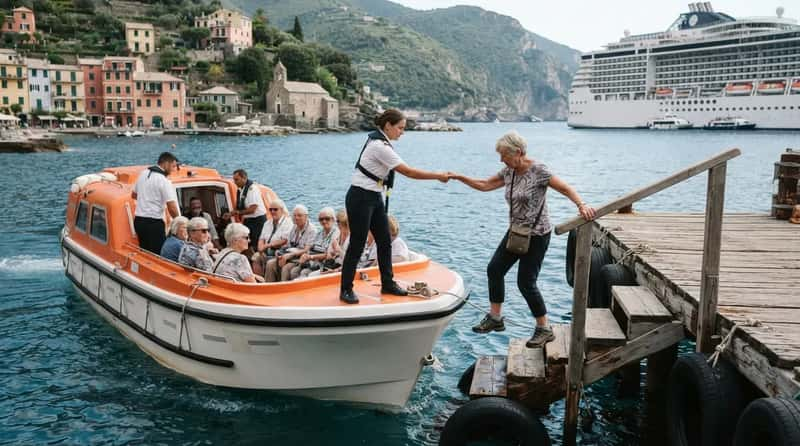
At “tender” ports, the ship anchors offshore and passengers ride a smaller boat to land. There are steps, a gap between boats, and crew who help you across. Rough seas can slow tendering or cancel it entirely.
For anyone with mobility limits, a port day can quietly turn into a ship day. Ask the cruise line which ports on your route use tenders. Some itineraries have none at all.
13. Ship Tours and Solo Tours Carry Very Different Risks
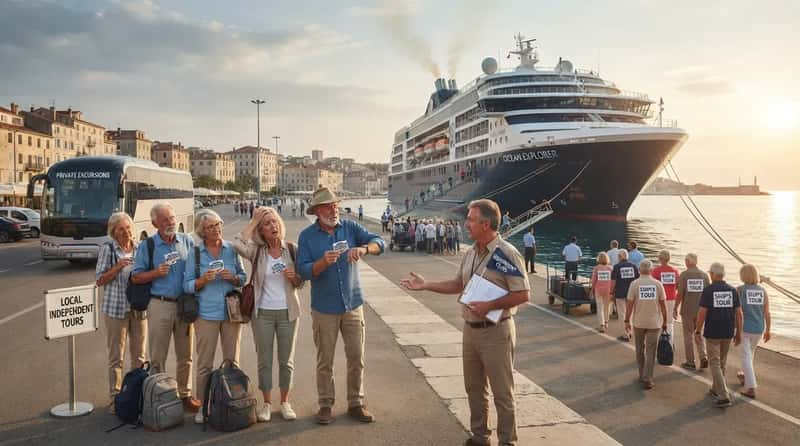
Most cruisers book at least one shore excursion, and the big difference comes down to what happens if you run late. Ships generally hold for their own tours. If you booked on your own, the ship may sail without you.
Independent tours can be cheaper and more personal. If you choose one, build in a generous buffer before all-aboard time. Many cruisers say that buffer matters more than whatever they saved.
14. Your Phone Can Rack Up Charges at Sea
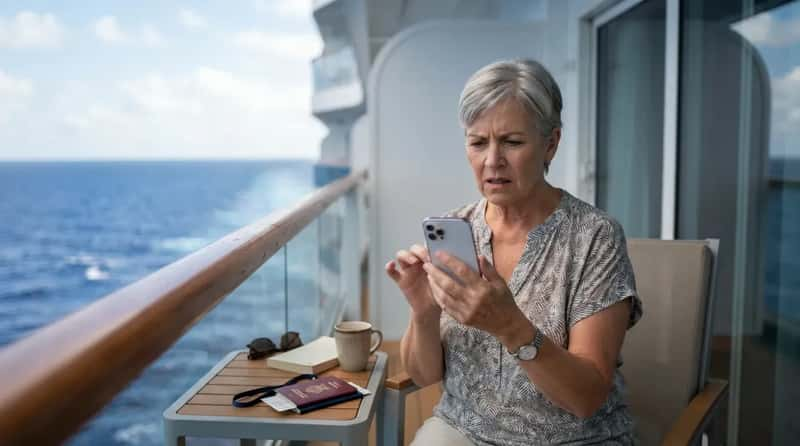
Ships often run their own cellular networks. A phone that joins one can be billed at roaming rates far above normal. Plenty of cruisers found out from a bill that arrived weeks after they got home.
Switch to airplane mode, then turn Wi-Fi on only if you buy a package. Internet at sea is often slower and pricier than at home. Tell the family you’ll be hard to reach, and enjoy it.
15. Formal Night Isn’t the Tuxedo-and-Gown Affair You Imagined

Plenty of first-timers pack a tuxedo or an evening gown out of fear. On many mainstream lines, formal nights have loosened into “dressy” and are optional. Many ships offer a casual dining alternative on those evenings.
Many travelers admit they overpacked evening wear and never touched half of it. A few smart outfits usually do the job. There is one event, though, that nobody gets to skip.
16. The Safety Drill Is Not Optional

Every passenger has to take part in the muster drill before or soon after departure. It’s a safety requirement, not a suggestion. You’ll learn your assembly station and what the alarm signals mean.
Some lines now let you do part of it on your phone and then check in at your station. Either way, it’s a good moment to note the stairs and exits near your cabin. Many people say it was the first time the giant ship finally felt navigable.
Worth Knowing
- Attendance is required for every passenger
- You’ll be assigned an assembly station, so find it before the drill starts
- Some lines let you complete part of the briefing on your phone
- Use the walk to spot the nearest stairs and exits to your cabin
17. Sea Days Turn Out to Be the Best Days

Many first-timers dread days with no port stops. Experienced cruisers often name them as the highlight. No packing, no tour buses, no deadlines. Just the ship, the deck and the horizon.
If you hate downtime, pick an itinerary with fewer sea days. If you want to rest, pick one with more. That one choice changes the feel of the whole trip.
18. Power Strips and Medical Devices Need a Plan
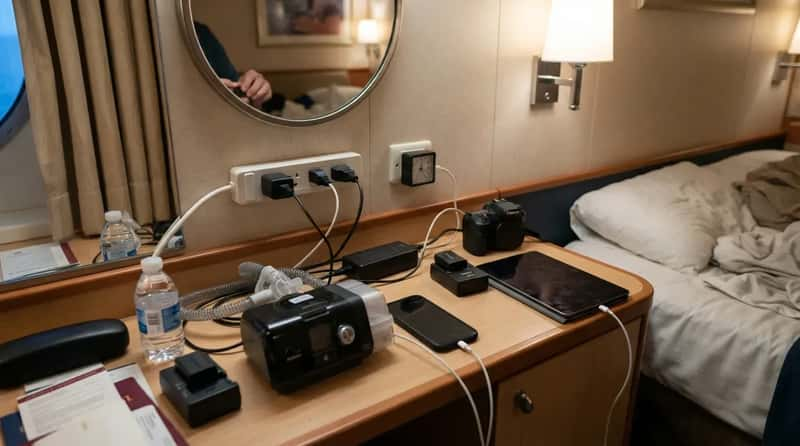
Cabins often have only a few outlets, and CPAP machines, phone chargers and camera batteries all compete for them. Many cruise lines restrict extension cords and surge-protected power strips for fire safety. Rules vary, so check yours before you pack one.
If you use a CPAP or other medical equipment, tell the cruise line in advance. Some ships can supply an extension cord or distilled water on request. Oxygen equipment usually needs advance notice, so don’t leave it to the last week.
19. Soap and Water Beats Hand Sanitizer Against Norovirus

The CDC tracks stomach-bug outbreaks on ships, and it posts one when 3% or more of passengers or crew on a ship under its jurisdiction report gastrointestinal symptoms. The CDC has said recent years saw more reported cruise outbreaks than the years before the pandemic, though it’s unclear whether that’s a lasting trend. Washing with soap and water works better than sanitizer against norovirus.
Wash before every meal, and use the actual sinks, not just the sanitizer stations at the buffet. It’s not a reason to skip cruising. It’s a reason to be fussy. And when someone does get sick, there’s a limit to what the ship can do.
20. The Ship’s Medical Center Is a Clinic, Not a Hospital
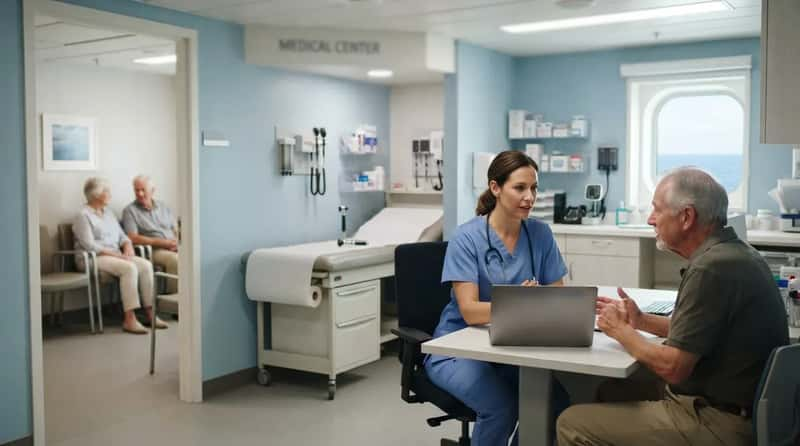
Ships carry doctors and nurses, and they handle routine problems well. They aren’t equipped like a land hospital. Anything serious, such as a heart event or a stroke, can mean evacuation to a hospital on shore.
That’s why the route matters for anyone with a health condition. A week hopping between Caribbean ports and a stretch of open ocean carry very different risks. Ask where the nearest capable hospitals are before you commit.
21. A Good Travel Advisor Can Catch Mistakes You Don’t Know You’re Making

Booking online is easy, but it’s not always smart for a first cruise. An experienced advisor can flag a bad cabin location or a mismatch between your ship and your itinerary. Those are exactly the problems that don’t show up on a booking page.
Quick Compare
- Booking on your own: fast and simple, but nobody flags a noisy cabin or a poor ship-and-itinerary match
- Using an advisor: a second set of eyes on cabin location, ship fit and timing, if they’ve actually sailed your ship
- Either way: compare the final price with the cruise line’s own
That said, the advice is only as good as the advisor. Ask how they’re paid and whether they’ve actually sailed your ship. Compare their price with the cruise line’s own. A good one earns the fee, and then the biggest regrets on this list come into view.
22. The Pre-Existing Condition Clock Starts at Your Deposit

This is the one that trips up older travelers most. Waivers for pre-existing conditions often have to be bought within about 14 to 21 days of your first deposit. Miss that window and the door can close.
Windows differ by policy, so read the fine print. Put the deadline in your calendar the day you pay the deposit. Many travelers say they only learned about it after it had passed.
23. The Cruise Line’s Own Insurance Can Be Surprisingly Thin
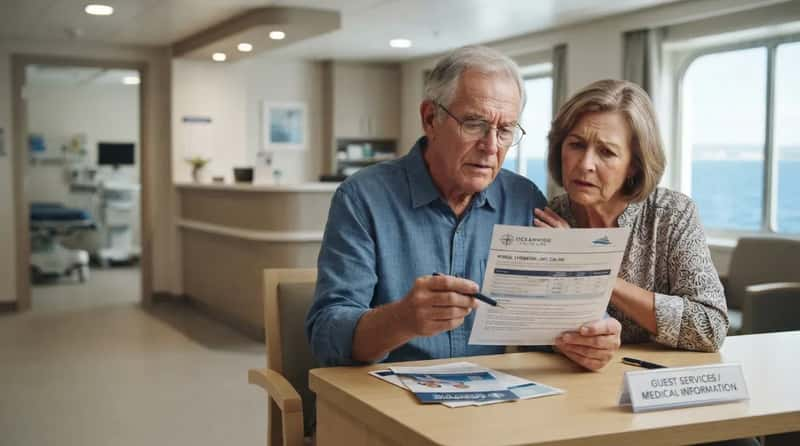
The plan offered at checkout is convenient, and that’s about all some travelers can say for it. Some standard cruise-line plans cap medical evacuation at around $50,000. That can fall far short of what a serious emergency costs.
Policies vary a lot, so compare coverage limits, not just prices. A cheaper plan with low caps can look like a bargain right up until the day you use it. The number on the next page is the one that gets most people.
24. One Air Ambulance Can Cost More Than a Car
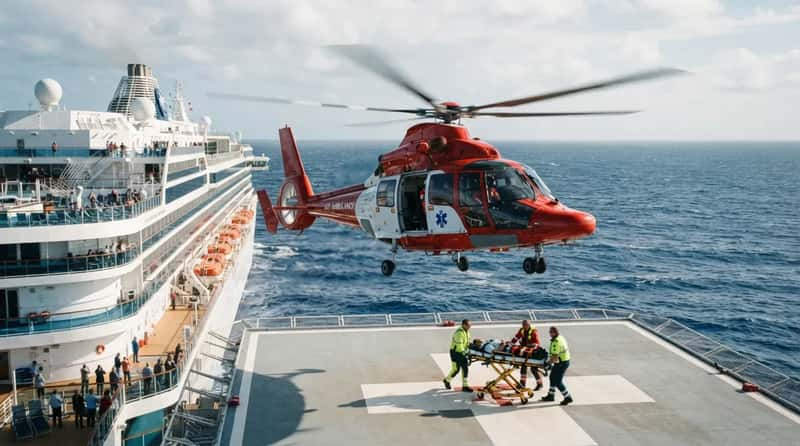
Travel insurers and government travel guidance warn that medical evacuations can run well into six figures. Air-ambulance flights from mid-ocean or remote ports are commonly quoted anywhere from $50,000 to $300,000. Without proper coverage, that bill lands entirely on you.
Evacuation coverage is usually a small slice of the total premium. Many experienced travelers call it the cheapest protection on the trip. Read the evacuation limit before you read the medical limit.
25. The First Cruise Is Usually Just the Sampler
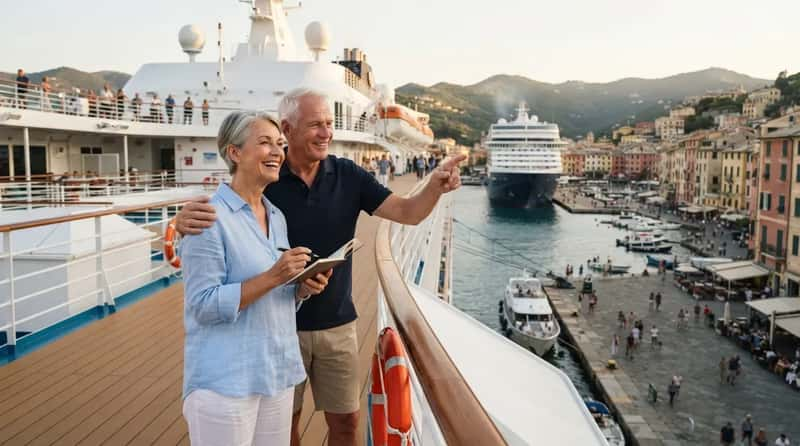
Here’s the twist many first-timers never see coming. CLIA surveys consistently find that the vast majority of cruisers plan to sail again, and the industry projected a record of more than 37 million passengers for 2025. Once people find the version of cruising they like, they tend to come back.
Many say their second cruise was the better one. By then they knew the cabin spot, the ship size and the pace that suited them. Treat the first one as research, and most of the mistakes above are avoidable.
That’s the quiet truth running under every item on this list. The ship was rarely the problem. The surprises came from what nobody said at the booking desk.
Do the homework before the deposit, keep the pills in your carry-on, and read the evacuation limit twice. Then go stand at that rail with the sunset, knowing exactly what the brochure left out.