Most first-time cruisers picture embarkation day as champagne, ocean breezes, and a quick stroll onto the ship. The reality? Long lines, luggage chaos, and a terminal that can feel more like an airport on Thanksgiving than a vacation kickoff. Yet somehow, the veteran cruiser next to you in line seems completely unbothered – bag tags ready, boarding time locked in, already halfway to a poolside chair by 1 p.m.
That calm isn’t luck. It’s a set of small, almost invisible habits that seasoned cruisers follow automatically, without ever stopping to think about why. Here’s what those habits actually are – and why skipping even one of them can turn your first afternoon at sea into a scramble.
#26 – They Screenshot the Deck Plan Before They Lose Signal
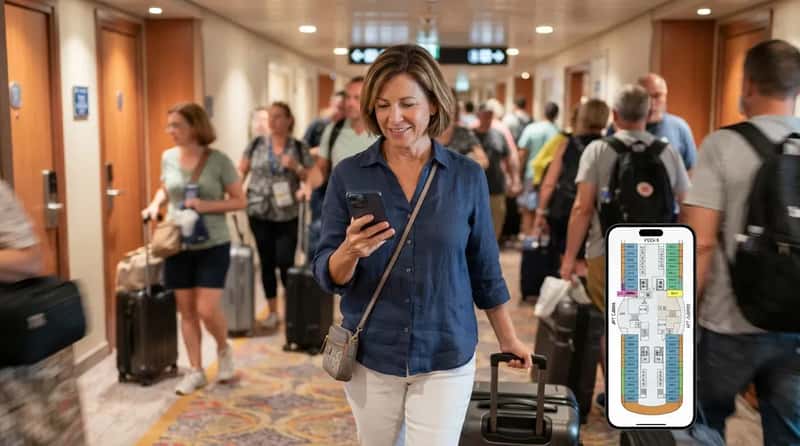
Veteran cruisers never rely on finding WiFi the second they step aboard. Ship apps can lag or crash entirely during the first boarding rush, when thousands of passengers try to log in at once. So experienced travelers screenshot the deck plan, muster station number, and dining times before they even reach the gangway.
It sounds minor, but it saves real time. Instead of standing in a hallway squinting at a spinning loading icon, they’re already walking confidently toward their cabin. The five seconds it takes to screenshot a map beats the ten minutes it takes to re-download an app in a crowded terminal.
#25 – They Know Exactly Which Lane to Stand In
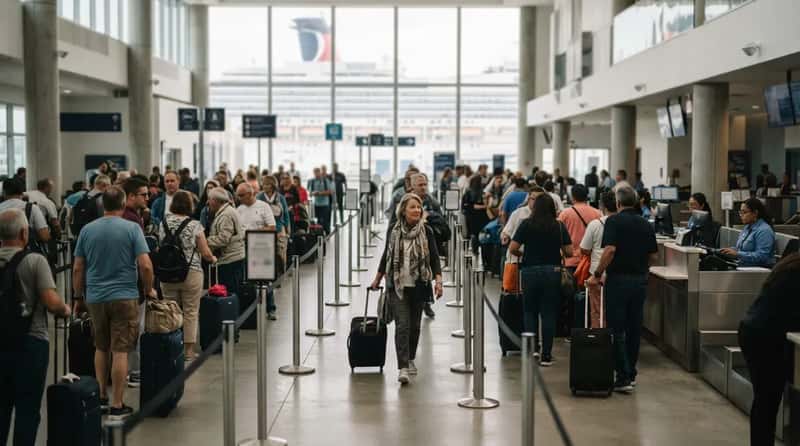
Cruise terminals are not built like airports, and veteran cruisers know the layout matters more than people think. Experienced travelers always know which lane, which entrance, and which elevator is actually moving, because standing in the wrong one can cost thirty minutes before you’ve even shown an ID.
This isn’t guesswork – it comes from repetition. Frequent cruisers watch which line staff are actively waving people into, rather than which line simply looks shortest. The busiest-looking line is often the fastest one, because that’s where staff concentrate.
#24 – They Carry Dollar Bills Before They Even Reach the Port
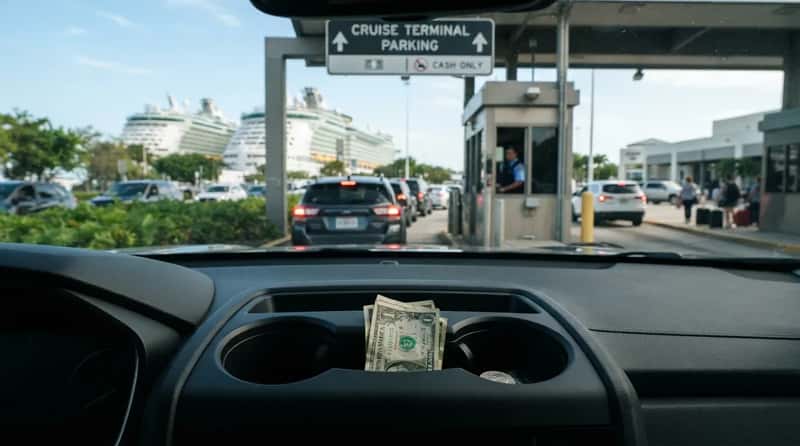
This one catches first-timers off guard almost every time. Driving to some cruise ports involves toll booths, so having dollar bills on hand ahead of time matters – and fumbling for cash while a line of cars builds behind you is not how anyone wants to start a vacation.
Veteran cruisers keep a small stash of ones in the car’s cupholder for exactly this reason. It’s a tiny detail, but it’s the kind of thing that separates a smooth arrival from a stressful one. Most people don’t realize toll lanes near cruise terminals rarely accept cards.
#23 – They Tip the Porter Before They Even Enter the Building
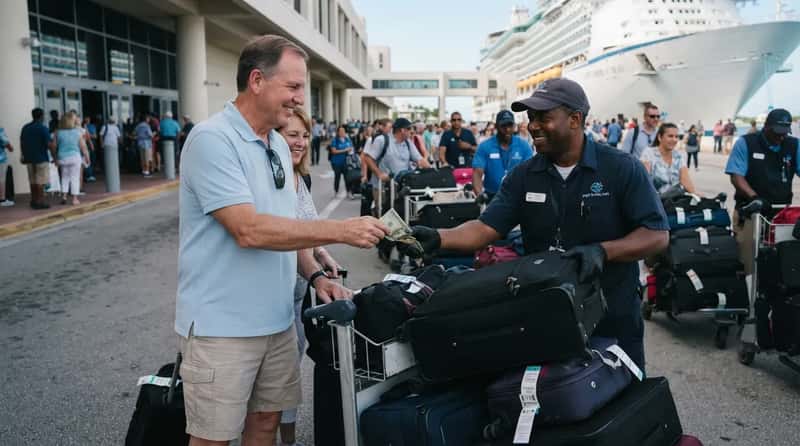
Curbside porters handle hundreds of bags an hour, and veteran cruisers know a small tip upfront often means their luggage moves faster through the system. A dollar or two per bag, handed over with a smile, is a habit longtime cruisers never skip.
It’s not about buying special treatment – it’s about respect for a physically demanding job done in the heat, over and over, all day. Skipping this step is one of the most common regrets first-timers mention after their bags arrive hours late.
Worth Knowing
- Standard porter tips run about $1 to $2 per bag on most U.S. departures
- Porters often move well over a hundred bags an hour during peak boarding windows
- Curbside porters work outside in heat, rain, or wind all day long
- A tip won’t stop your luggage from arriving – but skipping it can add hours to the wait
#22 – They Avoid the Buffet Completely on Boarding Day

This is one of the biggest surprises for new cruisers. On embarkation day, the buffet area tends to be crowded with luggage rather than people, since some passengers who skip porters end up dragging bags right through the dining area. It’s chaotic, cramped, and not exactly relaxing.
Veteran cruisers head somewhere else entirely. Many cruise lines actually open a sit-down restaurant on embarkation day, offering better food and service without the extra wait. Most first-timers never realize this quieter option even exists.
#21 – They Pack a “First Four Hours” Bag, Not Just a Carry-On

Checked luggage doesn’t magically appear in your cabin the moment you board. Everything you’ll need before your suitcase arrives – documents, valuables, and anything urgent – has to travel with you, because delivery can take several hours.
Veteran cruisers pack this bag with intention: swimsuit, medication, a phone charger, and a change of clothes. Even a suitcase that technically fits through security scanners can slow things down and become a hassle to drag around while waiting for the cabin to open. Most people underestimate just how long that wait can be.
#20 – They Check In Online Weeks Before It’s Due

Procrastinating on online check-in is one of the quietest mistakes new cruisers make. Cruise lines typically open check-in about a month before sailing, and getting it done early clears one major task off the list.
Veteran cruisers treat this step like locking in a flight seat – the earlier, the better. Completing it early also reveals your assigned boarding time and any other details you’ll need for the day. Waiting until the week before often means getting stuck with the worst arrival slot.
#19 – They Grab the Earliest Arrival Slot They Can Get
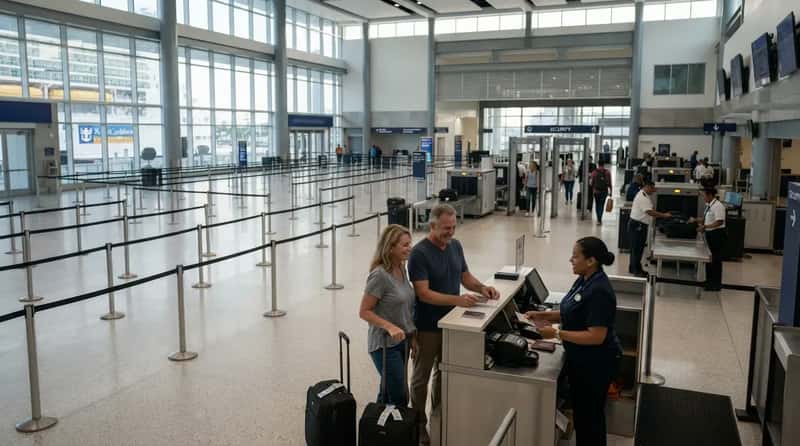
Not all boarding times are created equal. Veteran cruisers know that the earliest available appointment usually means shorter lines, faster security, and a calmer terminal overall, before the crowds peak in early afternoon.
They also know the terminal only gets busier as the day goes on, especially at major homeports. Some of the world’s largest ports move tens of thousands of passengers through in a single day, which is exactly why timing your arrival matters so much more than people assume.
#18 – They Skip Checked Luggage Whenever They Can
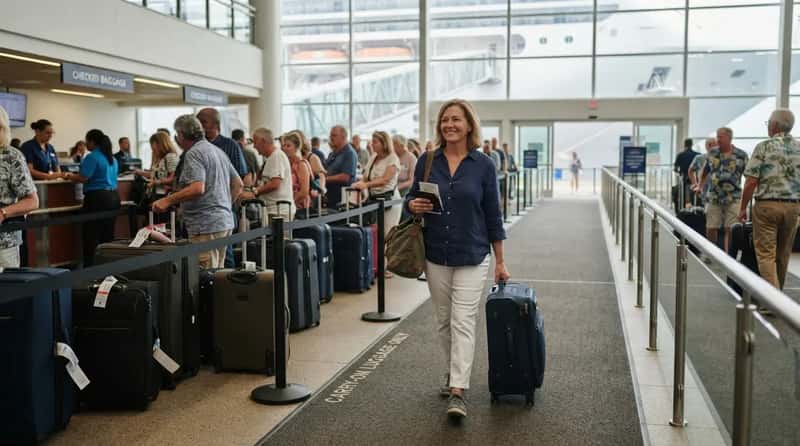
For shorter cruises, veteran travelers often avoid checking bags entirely. Carrying everything on means no waiting, no wondering where a suitcase ended up, and immediate access to swimwear the second the pool opens.
It’s not always possible for longer trips, but when it is, experienced cruisers take the option every time. The single biggest advantage isn’t convenience – it’s control over your own timeline.
#17 – They Head to the Muster Station Before They Find Their Cabin
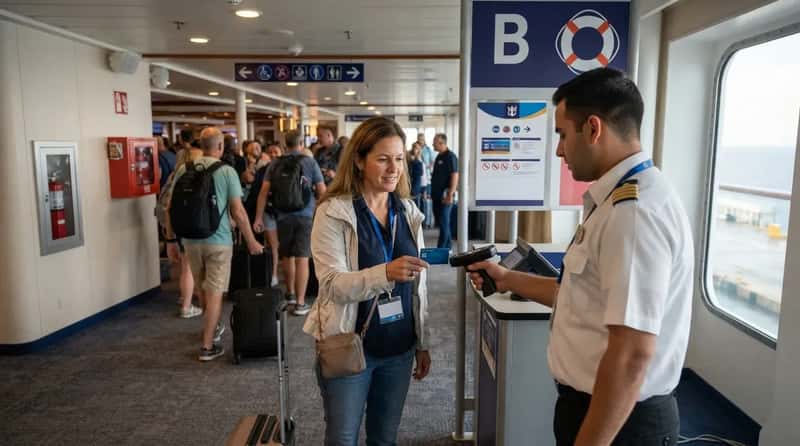
Veteran cruisers make a point of visiting their muster station as soon as possible after boarding, so they can check it off the list and spend the rest of the day actually enjoying the ship. It’s a small errand that removes a mandatory task hanging over the whole afternoon.
On some lines, the process has changed noticeably. On Royal Caribbean, guests now watch a safety video on the app, listen for the emergency horn, and check in at their assembly station – there’s no fixed appointment time, only a deadline before the ship departs. Waiting until the last minute means competing with a ship full of people doing the same thing at once.
#16 – They Flip on Airplane Mode Before Sailaway, Not After
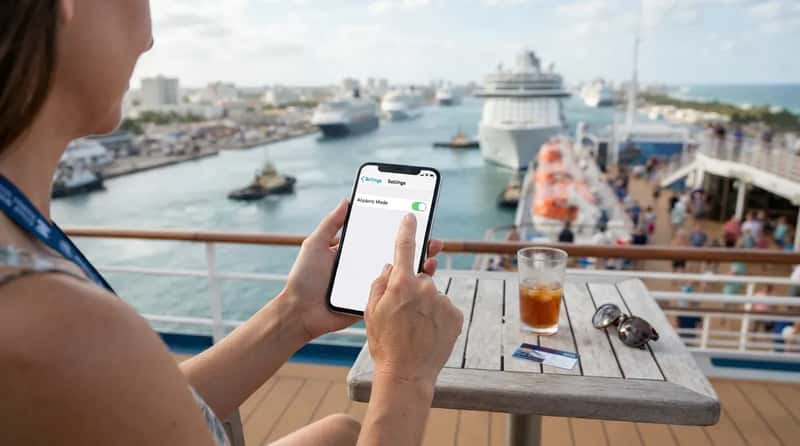
This is one of the most expensive mistakes a new cruiser can make. Veteran cruisers make sure their phone is in airplane mode before the ship actually leaves the embarkation port, not sometime later that evening.
The reasoning is simple. Regular cell phone plans generally don’t apply once you’re in international waters, and the roaming charges that follow can be enormous. A single forgotten setting can turn into a shockingly large phone bill by the end of the week.
#15 – They Have the Steward Clear the Minibar Immediately
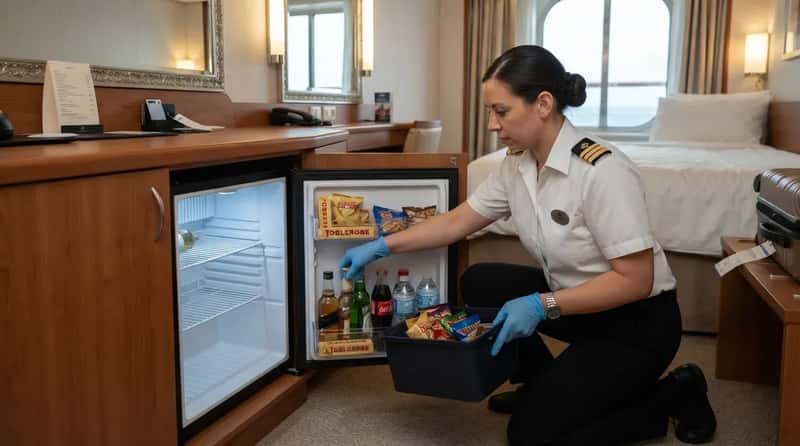
It sounds like a strange first request, but it’s a near-universal veteran move. Experienced cruisers ask their steward to remove the overpriced minibar items right away, before anyone in the cabin is tempted to grab a $9 candy bar out of habit.
It takes less than a minute to request and instantly removes a source of surprise charges at the end of the cruise. Most first-timers don’t discover this trick until after they’ve already been billed for snacks they don’t remember touching.
#14 – They Photograph the Cabin Before It Gets Messy

There’s a short window right after boarding when a cabin looks its absolute best – bed made, towels folded, nothing unpacked yet. Veteran cruisers use this moment to take a quick photo or video, since the room will never look quite this pristine again for the rest of the trip.
It’s partly sentimental, partly practical – a useful reference if anything gets damaged or misplaced later. Most people don’t think to document a room until something’s already gone wrong.
#13 – They Download the App Before Losing Signal, Not During
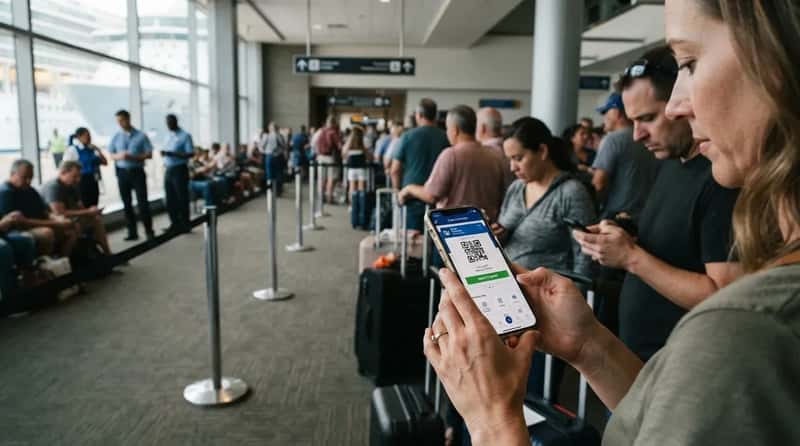
Cellular service near the terminal can be spotty, especially with thousands of people trying to connect to the same towers at once. Veteran cruisers download and set up the cruise line’s app the night before, while they still have reliable WiFi at a hotel or home.
This one habit prevents a surprisingly common headache: standing in a boarding line with a stalled download bar and no way to pull up a digital boarding pass. The app is often the single most important tool for the entire week, not just embarkation day.
#12 – They Check the Daily Planner the Second They Board
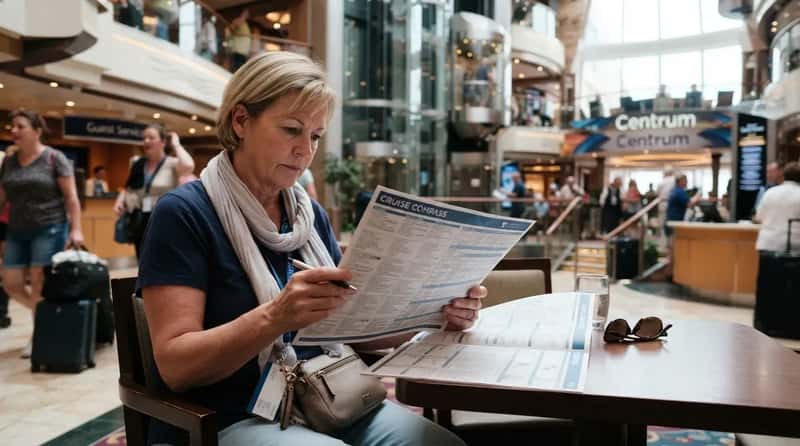
The first day’s schedule fills up fast, and popular slots for shows, spa treatments, and specialty dining disappear within hours. Veteran cruisers open the day’s planner the moment they’re on board, before they even find their cabin.
This habit is less about excitement and more about strategy – locking in a good dinner reservation or show time before it’s gone. Waiting until after unpacking often means settling for the leftover time slots nobody else wanted.
Fast Facts
- Specialty dining reservations can fill within the first few hours of boarding
- Popular show times and spa slots often vanish before most passengers finish lunch
- Many cruise line apps let you book dinner and entertainment before you even reach your cabin
- The most requested time slots on formal night usually go first
#11 – They Reserve Specialty Dining Within the First Hour

Specialty restaurants on cruise ships book up shockingly fast, sometimes within the first few hours of boarding. Veteran cruisers treat this like a race, walking straight to the reservation desk or app before doing anything else fun.
It’s a small sacrifice of “vacation mode” for a bigger payoff later in the week. The best dinner slots on formal nights are often gone before most passengers even find their room.
#10 – They Buy the Drink Package Before Sailaway, Not After
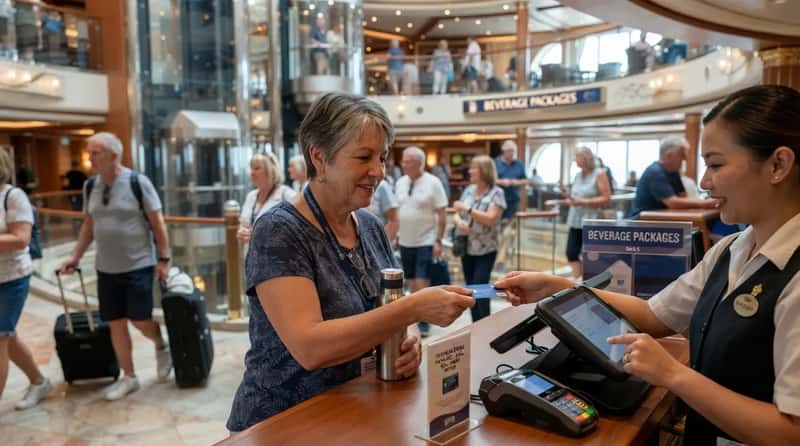
Some cruise lines offer a short window of discounted pricing on drink packages right at boarding, before prices reset once the ship departs. Veteran cruisers know this window exists and act on it immediately if they’re planning to buy one at all.
It’s a habit built from experience, not a rumor – waiting even a few hours can mean paying full price for the exact same package. Most casual cruisers miss this window entirely because they’re busy exploring instead.
#9 – They Never Wait in Line at Guest Services on Day One

Guest Services lines on embarkation day can stretch impressively long, filled with people asking questions that don’t actually require standing in person. Veteran cruisers solve most issues – billing questions, cabin requests, dining changes – through the app instead.
It’s a habit that saves an hour or more of standing around on the one day everyone wants to be exploring the ship instead. Most in-line requests on day one could be solved from a phone in under two minutes.
#8 – They Pack a Portable Charger for Cabin Chaos
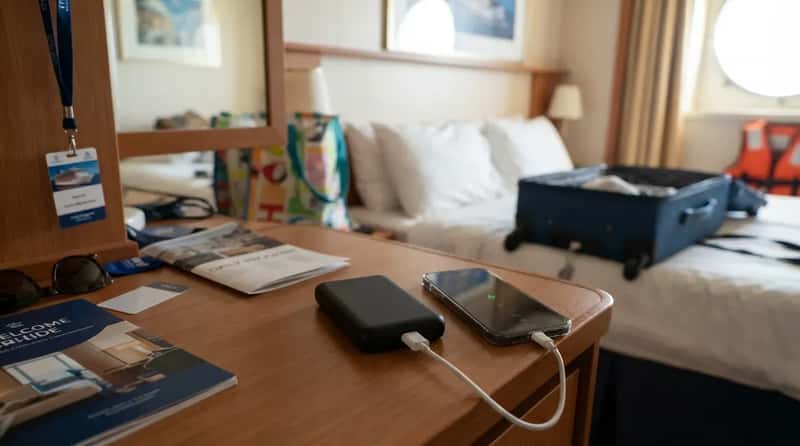
Cabins on embarkation day are a flurry of unpacking, and outlets are often the last thing anyone thinks about until a phone dies mid-photo. Veteran cruisers keep a charged portable battery in their carry-on for exactly this moment.
It’s a small item that solves a surprisingly common frustration, especially before luggage – and its charging cables – has even arrived. A dead phone during the ship’s first sailaway photos is one of the most common day-one regrets.
#7 – They Wear Comfortable Shoes, Not “Cruise Outfits”
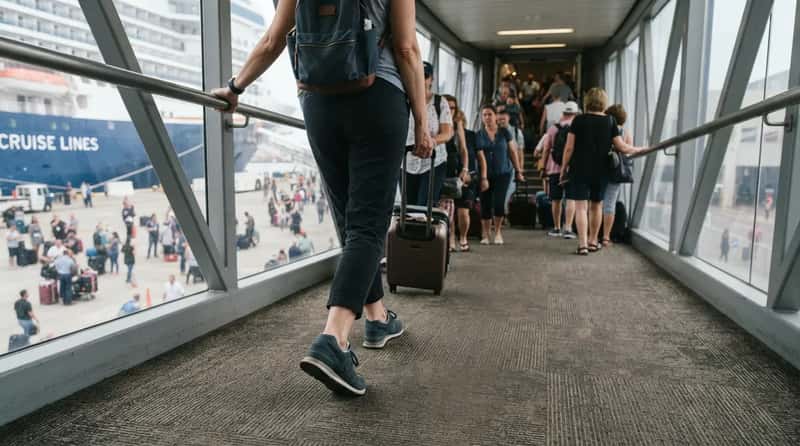
Social media makes embarkation day look like a photoshoot, but veteran cruisers know better. Terminals involve long walks, standing in security lines, and climbing gangways – not exactly the setting for new sandals or heels.
Comfortable, broken-in shoes make the entire process smoother, and nobody remembers what you wore standing in a security line anyway. Many first-timers regret their footwear choice within the first thirty minutes of boarding.
#6 – They Keep Passports Within Reach, Never in Checked Bags
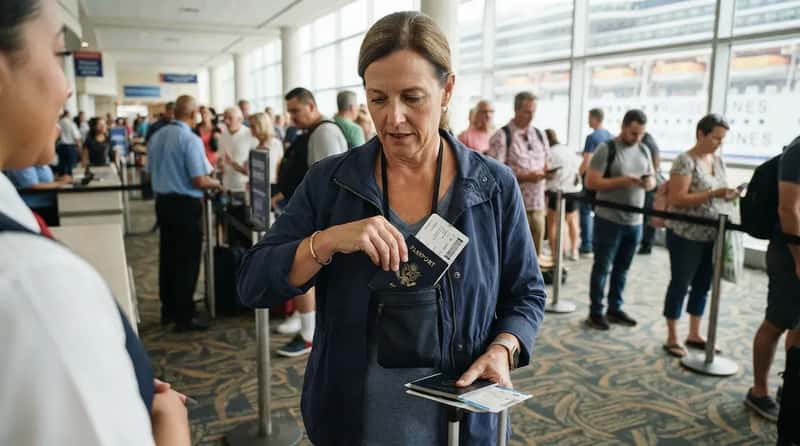
This sounds obvious until you watch how often it goes wrong. Veteran cruisers keep passports, boarding documents, and IDs in a small pouch or neck wallet that never leaves their body during the boarding process.
Checked luggage disappears into a system that can take hours to reunite with its owner, and that’s the last place you want your passport sitting. A surprising number of boarding delays trace back to a document buried in a suitcase already loaded onto the ship.
#5 – They Explore the Ship Instead of Guarding the Cabin Door

On many cruises, staterooms aren’t actually accessible until sometime in the mid-afternoon, which catches new cruisers off guard when they head straight there after boarding.
Veteran cruisers don’t waste that window standing around. Instead, they knock out their safety briefing early, grab lunch, and by the time both are done, the cabin is usually ready anyway. Fighting the system rarely speeds it up – working around it usually does.
#4 – They Know Their Boarding Wave and Don’t Fight It
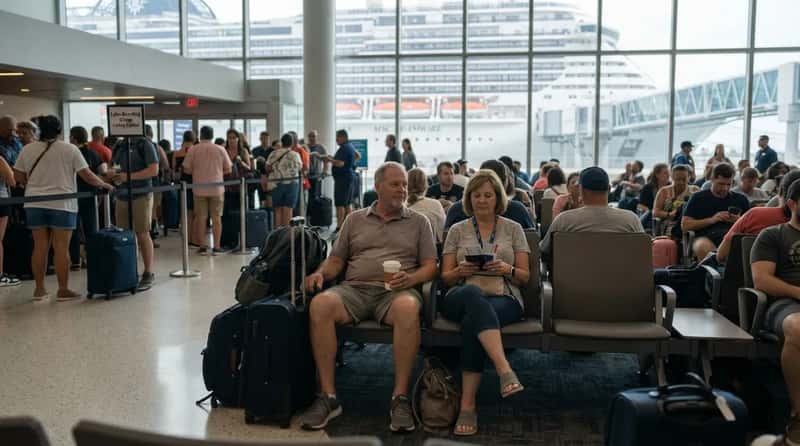
Cruise lines assign boarding groups for a reason, and veteran cruisers respect the system instead of trying to sneak into an earlier wave. Showing up hours before your assigned time doesn’t get you on faster – it just means waiting in a holding area longer.
This patience isn’t passive; it’s strategic. Experienced cruisers use the extra time to grab coffee, double-check documents, or relax before the rush. Fighting the boarding wave system is one of the most common sources of unnecessary stress on embarkation day.
#3 – They Expect Computer Glitches and Just Wait Them Out
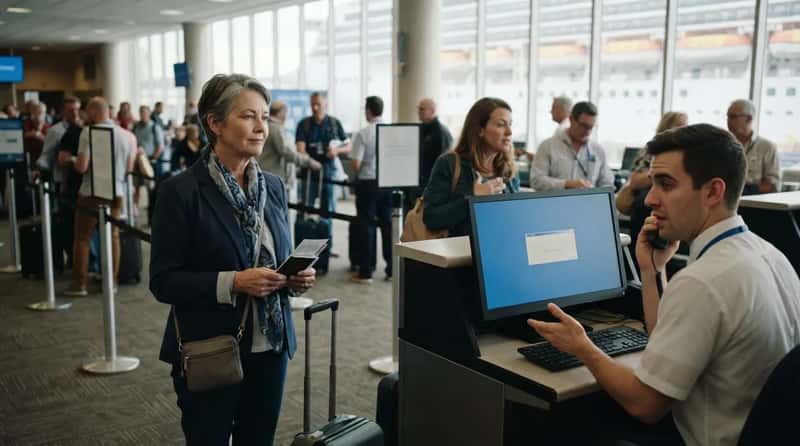
Technology doesn’t always cooperate at the terminal, and veteran cruisers know it. Check-in systems have been known to slow to a crawl during embarkation, occasionally frustrating passengers enough to lose their patience with staff.
The difference is how experienced travelers respond. Rather than escalating frustration, they treat a system outage as part of the process, knowing staff are working through it as fast as possible. The calmest person in a stalled line almost always gets processed the fastest, purely because staff prioritize easier interactions.
#2 – They Never Fly Into Town the Morning of the Cruise
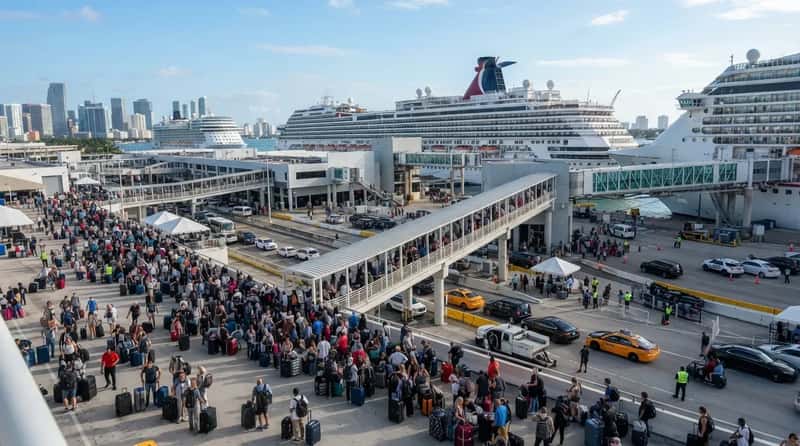
This is the rule veteran cruisers feel most strongly about, and it’s not close. Major ports like PortMiami – the world’s busiest cruise homeport – handled a single-day record of 72,401 passengers on April 20, 2025, a reminder of just how real the bottlenecks at peak sailing days can be.
A single flight delay on sailing morning can mean missing the ship entirely, and most travel insurance won’t fully cover that gamble. The cost of one extra hotel night is almost always cheaper than the cost of missing embarkation altogether.
I can’t stress enough the importance of arriving at least one day before your cruise departs.
Lois Alter Mark, travel writer
#1 – They Treat the Muster Drill as Non-Negotiable, Not Optional

Every other rule on this list is about comfort and convenience. This one is about the law. All passenger ships are required to hold a muster drill within the first 24 hours of the voyage under international safety rules, no exceptions, no matter how experienced the passenger.
The format has shifted repeatedly across the industry, from in-person gatherings to digital “e-muster” check-ins and back again on some lines, as cruise companies balance convenience against safety concerns. Many cruise lines have leaned toward e-mustering in recent years, calling it a real improvement for passenger comfort and safety alike. Veteran cruisers never treat this step as a formality to dodge – they know it’s the one rule that isn’t up for debate, and skipping it can genuinely delay the entire ship’s departure. A single unchecked-in passenger has, on more than one sailing, held up an entire ship full of people.
At a Glance
- International maritime law requires a muster drill within 24 hours of departure
- E-muster check-ins now let passengers complete part of the briefing through the app
- Crew must confirm every passenger has checked in before the ship can sail
- A missing passenger at muster can delay departure for everyone aboard
Add it all up, and the pattern is clear: the smoothest embarkation days aren’t about luck or money – they’re about knowing which small habits actually matter. From dollar bills at the toll booth to a photo of an untouched cabin, none of these rules are complicated. They’re just easy to overlook until you’ve been burned once.
What’s the one boarding day habit you never skip? Drop it in the comments – the next first-time cruiser reading this might need it.