Most first-time cruisers treat the last night like any other night – one more dinner, one more show, one more drink by the pool. Veteran cruisers know better: the final night is actually the most important night of the whole trip, and skipping its quiet rituals is exactly how vacations end in stress, missed items, and a chaotic scramble at 6 a.m.
Ask anyone who’s sailed a dozen times and they’ll tell you the same thing: it’s never the big stuff that ruins disembarkation morning. It’s the tiny, easy-to-forget habits nobody warns you about until you’ve already lost a phone charger to housekeeping. Here’s what experienced cruisers actually do before they turn off the cabin lights for the last time.
#26 – They Settle the Bill Before the Line Forms

Veteran cruisers never wait until morning to look at their onboard account. A printed tally typically arrives at the cabin on the final night, before disembarkation, and smart passengers read it right away instead of tossing it aside.
If something looks off, they head to guest services that same night. Waiting until morning means fighting a long reception line while everyone else is trying to disembark too – a rookie mistake seasoned sailors avoid every single time.
#25 – They Pack Before the Last Show Ends, Not After

Experienced cruisers treat packing as a final-night task, never a next-morning one. Most cruise lines expect guests to start packing the evening before the last day, leaving checked luggage outside cabins by a set time, usually between 8:00 and 10:00 p.m.
That deadline sneaks up fast if you’re still lingering at the farewell show. Veterans pack strategically before dinner, then enjoy the evening guilt-free. Missing the luggage deadline means dragging bags through a crowded terminal yourself the next morning instead of finding them waiting in a color-coded pile.
Fast Facts
- Checked luggage is usually due outside cabins by 8:00–10:00 p.m. on the final night
- Once bags are picked up, they’re inaccessible until the terminal the next day
- Farewell shows and packing windows often overlap, so timing the evening matters
#24 – They Strip Off Every Old Tag Before Attaching New Ones
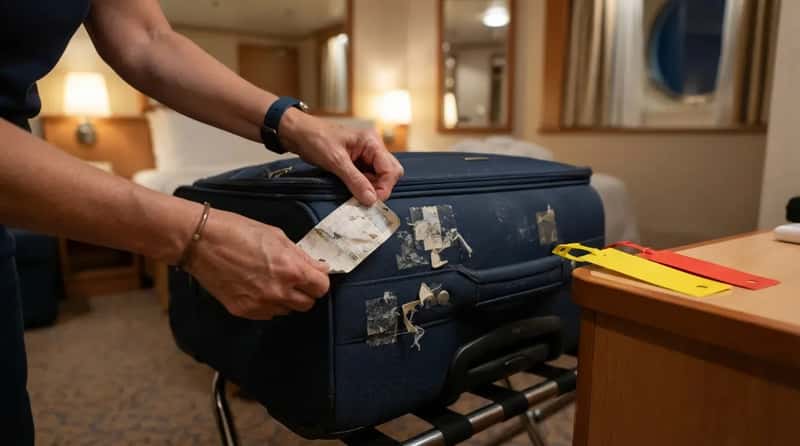
Nothing confuses a baggage crew faster than a suitcase covered in tags from three cruises ago. Seasoned travelers remove every old sticker before attaching the newly provided debarkation tags, which are color- or number-coded to match transportation plans.
Skipping this step isn’t just messy – it can send a bag to the wrong holding area entirely. A single leftover airline tag has derailed more than one disembarkation morning. Veterans double-check every tag twice before the bag ever leaves the cabin.
#23 – They Build a Separate “Morning Survival” Bag
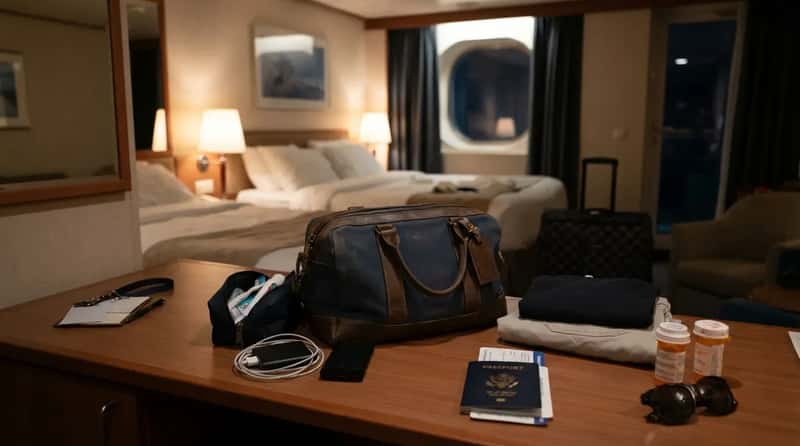
Once the big suitcase goes outside the door, it’s gone until the terminal. That’s why experienced cruisers pack a second, smaller bag for the final hours – a change of clothes, toiletries, medications, and travel documents, kept somewhere easy to reach.
This habit separates rookies from regulars. First-timers often pack medication or chargers into the checked bag, then panic at 7 a.m. Veterans never let that happen – anything they’ll touch before leaving the ship stays in their hands, not in cargo.
#22 – They Fill the Tip Envelopes While the Ship Is Quiet

On lines with traditional gratuity envelopes, final-night regulars handle tipping before the evening gets busy. Many ships provide a form and envelopes in the stateroom for the server, assistant server, head server, and stateroom host, with room to add extra cash.
Doing this early means the crew members who made the trip special actually get thanked in person, not left to guess. Most passengers wait until the rushed final morning and miss the moment entirely. Veterans treat it as one of the most important stops of the night.
#21 – They Actually Read the Departure Time Assigned to Them

Nobody wants to be the confused passenger blocking the gangway. Experienced cruisers check the disembarkation memo or in-room TV the night before, since the ship assigns a specific departure time based on flight schedules, stateroom category, and loyalty status.
Ignoring this detail is a classic first-timer mistake. Veterans know their number, their color group, and their lounge assignment before their head hits the pillow. Showing up an hour early accomplishes nothing except standing in a hallway – regulars would rather finish their coffee first.
#20 – They Take One Last Lap Around the Ship

The final night isn’t just logistics – it’s also a goodbye tour. Many cruisers retrace the same path they walked on embarkation day, back when they were scouting favorite bars, restaurants, and the best sunset viewing spot.
Doing it again on the last night hits differently. The ship feels smaller, more familiar, almost like home. Most guests never bother with this closing walk, but veterans say it’s what makes the goodbye feel real instead of abrupt.
#19 – They Show Up Early for the Farewell Show

Seats fill up fast on the last night, and experienced cruisers know it. Whether it’s a headline performance or a themed sendoff, many lines host a farewell event built as a fun, emotional close to the whole voyage.
Arriving even fifteen minutes late often means standing in the back or missing it altogether. Veterans build their whole evening schedule around this one event. It’s frequently the most emotional hour of the entire trip, and nobody wants to watch it from a doorway.
#18 – They Pour One Last Drink on the Balcony

This is the bookend to a tradition many cruisers start on night one. If popping champagne and toasting the voyage ahead becomes a cherished first-night ritual, veterans mirror it in reverse on the final night – same spot, same drink, quieter mood.
It’s less about the alcohol and more about closure. Standing where the trip technically began gives the ending a shape. Skipping this feels like leaving a sentence unfinished to anyone who’s done it before – which is exactly why they never skip it twice.
#17 – They Empty the Laundry Hamper Before Repacking
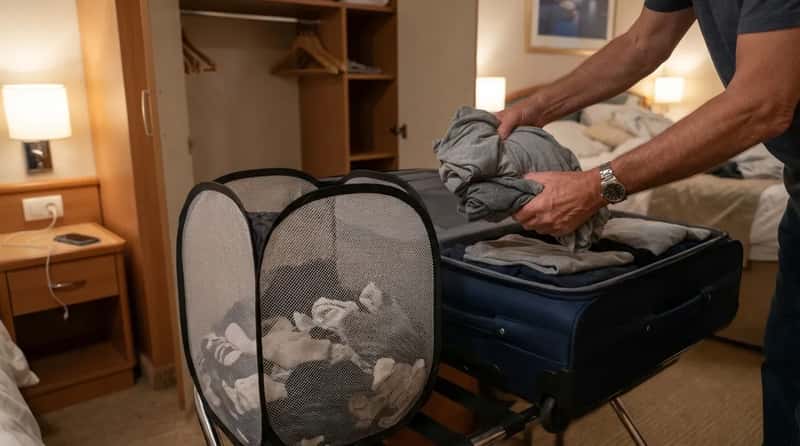
That pop-up hamper stashed in the cabin closet isn’t decoration – it’s a packing shortcut. Experienced cruisers use it all week so that on the last night, they can dump everything straight into the suitcase instead of hunting for loose items scattered around the room.
Skipping this habit turns final-night packing into a scavenger hunt through drawers, under the bed, and behind the dresser. A single forgotten sock under the nightstand has ruined more than one smooth departure. Veterans never leave laundry loose past dinner.
#16 – They Charge Everything and Set Two Alarms

Cabins fill up with dead devices by the final night – phones, cameras, portable speakers, e-readers. Veterans line everything up on the last available outlets before bed, since there’s no guarantee of charging time once bags are packed and the outlet gets buried in luggage.
They also set a backup alarm, since ship Wi-Fi and cell service can behave unpredictably near port. Relying on a single phone alarm is a surprisingly common final-morning failure. Regulars treat a second alarm – a watch, a room clock, anything – as non-negotiable insurance.
#15 – They Photograph the Cabin Door Before Taking It Down

Magnetic door decorations have become a full-blown cruise tradition, but they don’t survive the trip home. Before peeling everything off, seasoned cruisers snap a quick photo – partly for memories, partly because only magnetic decorations belong there in the first place, since tape and sticky materials can damage door finishes.
That photo also doubles as proof the door was left undamaged. Most first-timers forget this decoration even exists until they’re halfway packed and realize it’s still stuck to the metal. Veterans build it into their final-night checklist automatically.
#14 – They Check Every Drawer, Not Just the Obvious Ones

The safe gets checked. The nightstand gets checked. But experienced cruisers also check the spots nobody thinks about: behind the bathroom door, under the bed skirt, inside the mini-fridge, and the little shelf above the closet.
Items left behind on a cruise ship rarely make it back to their owners once the ship turns over for the next sailing. A missed passport or medication bottle can turn a smooth vacation into a nightmare at customs. Veterans do a full sweep before the door closes for good.
#13 – They Double-Check What They’re Allowed to Bring Home

Souvenir shopping doesn’t end when the trip does – customs still has a say. Experienced cruisers confirm their home country’s limits the night before, since allowances for alcohol, cigarettes, and cigars brought back from abroad vary and need to be checked.
Getting this wrong at the border is embarrassing and occasionally expensive. Most vacationers never think about duty limits until they’re already standing in the customs line. Veterans settle it from their cabin the night before, with a phone and five quiet minutes.
Worth Knowing
- Duty-free allowances vary by country and can change without much notice
- Alcohol, cigarettes, and cigars are the categories most often flagged at customs
- Keeping receipts for pricier souvenirs can speed up any questions at the border
#12 – They Photograph the Final Bill Before Handing It Back

Once the printed account summary arrives, smart cruisers snap a picture before doing anything else with it. It’s a small habit that protects against disputed charges weeks later, when memories of a specific drink or spa charge have already faded.
This isn’t paranoia – it’s just experience talking. Onboard charges occasionally show up incorrectly on credit card statements after the trip ends. Having a timestamped photo of the original bill makes disputing any error painless instead of impossible.
#11 – They Set Aside Small Bills for the Porters
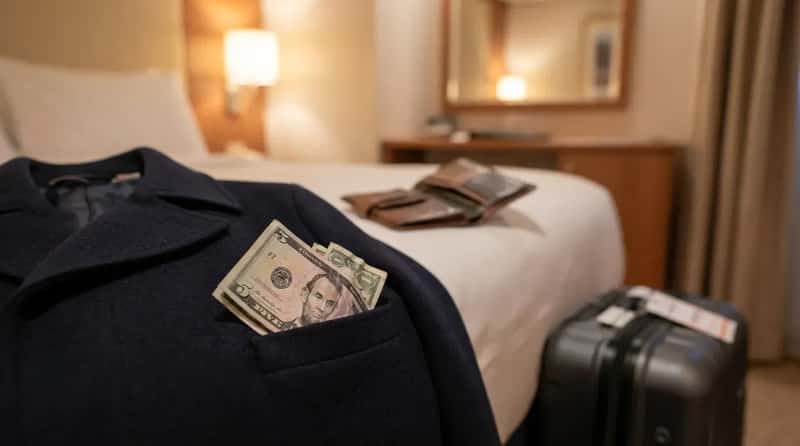
Cash gets tight by the final night of a cruise, but experienced travelers always keep a little back. It’s common courtesy to have a few small bills ready to tip the porters who haul luggage through the terminal the next morning.
Skipping this isn’t just stingy – it’s impractical, since hunting for an ATM in a crowded port terminal is the last thing anyone wants to do. A five-dollar bill tucked into a coat pocket the night before saves an awkward fumble the next day. Veterans plan this out before the wallet gets packed away.
#10 – They Say a Real Goodbye to Their Cabin Steward
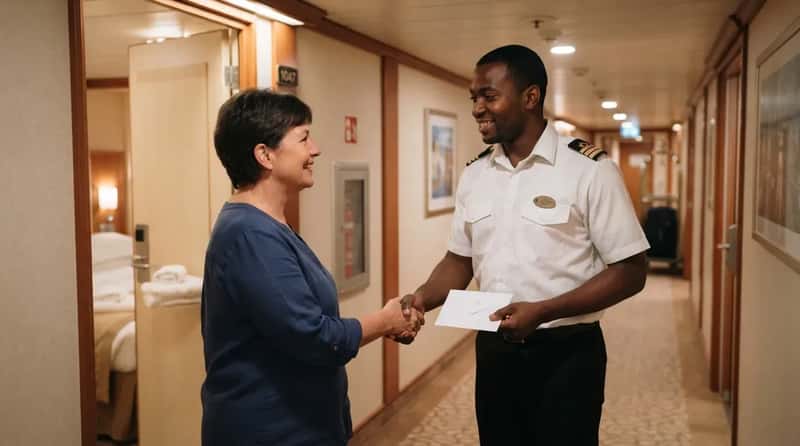
The person who quietly refreshed towels and turned down beds all week rarely gets a proper thank-you. Experienced cruisers catch their steward on the last night – not just leaving an envelope, but actually saying goodbye in person.
It’s a small gesture that means more than most passengers realize. Stewards often remember the guests who took thirty seconds to say thank you. Veterans treat this moment as part of the trip, not an afterthought squeezed into a rushed morning.
#9 – They Order One Last Midnight Snack

Whether it’s the buffet, room service, or a late-night pizza window, veteran cruisers rarely skip a final indulgence. It’s less about hunger and more about ritual – one more taste of a vacation that’s about to end.
This habit also solves a practical problem: breakfast the next morning is often rushed and crowded. A calm midnight snack beats a chaotic 6 a.m. buffet line every time. Regulars know the last real meal of the cruise happens the night before, not the morning after.
#8 – They Decide Between Self-Disembarkation and Waiting Their Turn

This choice gets made the night before, not in a panicked hallway. Guests capable of carrying their own bags can often choose an early self-assist option – keeping bags in the stateroom overnight, no luggage tags needed – then heading straight to the gangway in the morning.
Everyone else places tagged bags outside for crew pickup instead. Choosing the wrong option for your situation is one of the most common last-night mistakes. Veterans weigh flight times and bag weight the night before, never the morning of.
Quick Compare
- Self-assist: keep bags overnight, carry them yourself, leave among the earliest groups
- Standard pickup: tag bags for crew collection, wait for your assigned color or number group
- Best fit: self-assist suits light packers and tight flight connections; standard suits heavier luggage
#7 – They Pack an Overnight Bag Just for the Last Evening
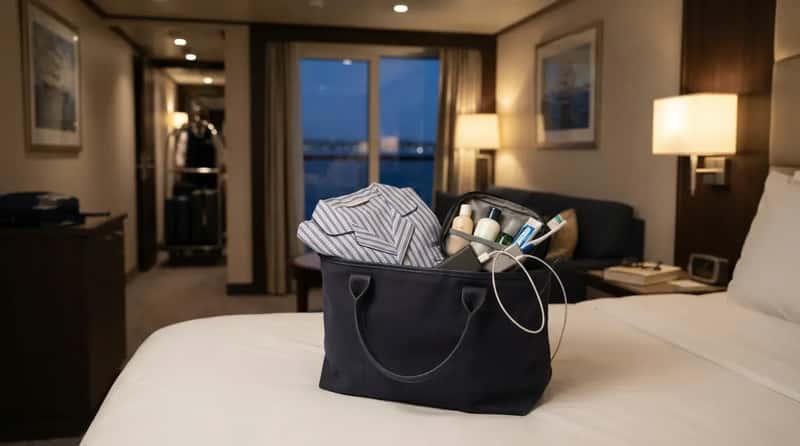
Once the big suitcase disappears from the hallway, it’s genuinely gone until morning. Many lines remind guests they won’t have access to checked bags after 10 p.m., so an overnight bag with essentials for the final evening is non-negotiable.
This applies fleet-wide, not just to one cruise line. First-timers routinely pack pajamas into the checked bag and end up sleeping in whatever they wore to dinner. Veterans keep sleepwear, chargers, and toiletries in a small separate tote every single cruise.
#6 – They Peel Off Every Cabin Magnet, Not Just Some

Magnetic decorations, whiteboards, and photo clips scatter fast over a week-long cruise. Experienced cruisers do a magnet sweep on the final night, checking the door, the closet, and the metal trim around the mirror.
Leaving even one behind isn’t a huge deal, but it interrupts the next guest’s cabin setup. A missing magnetic whiteboard is a surprisingly common lost-and-found item. Veterans do one final visual sweep specifically for these small metal pieces.
#5 – They Check the Safe Twice, Not Once
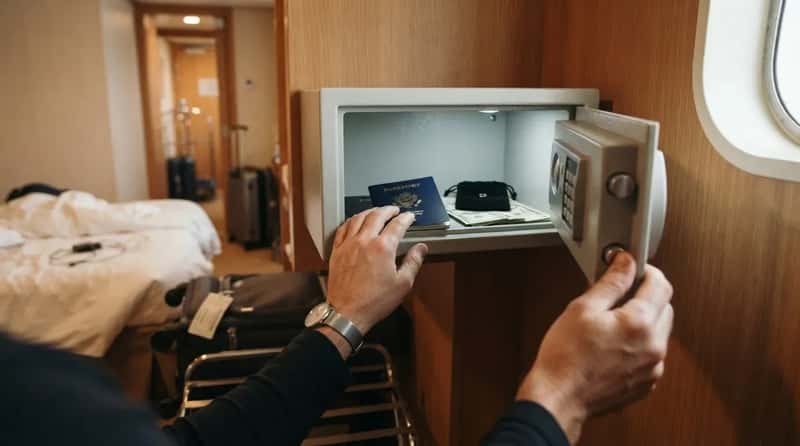
Passports, jewelry, extra cash – the in-room safe holds the trip’s most important items, and it’s also the easiest thing to forget while distracted by suitcases and hallway deadlines. Experienced cruisers check it once while packing and again right before leaving.
This double-check habit exists for a reason. A locked safe with a passport inside has stranded more than one distracted traveler at the port. Veterans never trust a single glance – they open that door twice before walking away for good.
#4 – They Prep Their Phone for Real-World Signal Again

After a week of ship Wi-Fi packages and airplane mode, phones need a quick reset before hitting shore. Experienced cruisers check roaming settings, delete unnecessary offline downloads, and make sure navigation apps are ready to work again on dry land.
This sounds minor until you’re standing in an unfamiliar port with no working maps. A phone stuck in ship Wi-Fi mode is useless the moment you step onto the gangway. Veterans handle this setting change the night before, not while distracted in a taxi line.
At a Glance
- Turn off airplane mode and confirm cellular roaming before leaving the ship
- Clear out offline maps or downloads that are no longer needed
- Test that navigation apps have real signal before relying on them in port
#3 – They Write Down What They’d Actually Do Differently

Regular cruisers often keep a private note – a phone memo, a journal page – recapping what worked and what didn’t. Best excursion, worst dinner reservation, cabin location they’d choose again. It’s a five-minute habit that shapes every future booking.
This isn’t sentimental fluff; it’s strategy. Cruisers who track these details tend to make sharper choices on their next sailing. First-timers rarely bother, then find themselves repeating the same booking mistakes trip after trip.
#2 – They Trade Contact Info With the People They Actually Liked

Somewhere between the pool deck and the specialty restaurant, most cruises produce at least one genuine connection – a dinner table neighbor, a trivia teammate, a couple from three decks up. Veterans know these moments vanish fast once everyone scatters at the terminal.
So they ask before the last night ends, not during the rushed morning goodbye. Some of the best repeat-cruise friendships start with a phone number exchanged over a final drink. It’s a small step first-timers almost always skip and later regret.
#1 – They Take One Quiet Minute Alone Before Bed

After all the packing, tipping, and logistics, the most experienced cruisers do one more thing nobody puts on a checklist: they stand somewhere quiet – a balcony, an empty deck, a dark hallway window – and just take it in for sixty seconds.
It’s the moment that actually closes the trip, long after the suitcases are zipped and the tags are attached. This is the single habit almost every veteran cruiser mentions when asked what they never skip. It costs nothing and takes no planning, yet it’s the part of the final night people remember years later.
Add them all up and a pattern appears fast: the smoothest disembarkation mornings are built the night before, not scrambled together in a panic at sunrise. None of these routines are complicated or expensive – they’re just habits earned the hard way, usually after one chaotic final morning taught an unforgettable lesson.
The next time your ship’s last night rolls around, it won’t feel like the end of the trip. It’ll feel like the part you were finally ready for.