Most travelers assume a cancelled flight means standing in a snaking customer service line and hoping for the best. Frequent flyers know that’s the slow, losing move — the real action happens on a phone screen, thirty seconds after the gate agent’s face changes.
There’s an entire unwritten playbook that road warriors follow the second “cancelled” flashes on the departure board, and it has almost nothing to do with waiting patiently. Here’s what actually separates the passengers who get home that night from the ones sleeping on an airport bench.
#26 – They Refresh the App Before the Announcement Even Finishes
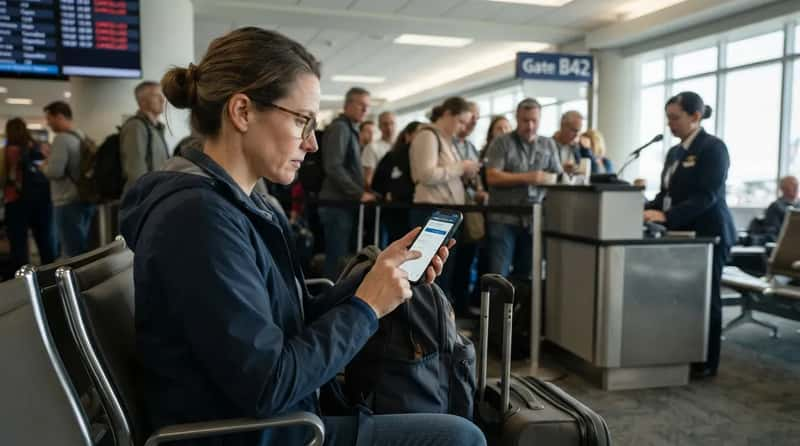
Seasoned flyers don’t wait for a gate agent to say the word “cancelled” out loud. The moment the departure board flickers or a push notification hits their phone, they’re already rebooking through the airline’s app, because the digital system updates before the human microphone does.
This isn’t paranoia — it’s math. Every minute spent standing in line is a seat someone else just took on the next flight out, and app-based rebooking runs in parallel with hundreds of other passengers doing the exact same search. Waiting for an announcement means starting the race dead last.
#25 – They Screenshot the Standby List the Second Their Name Appears
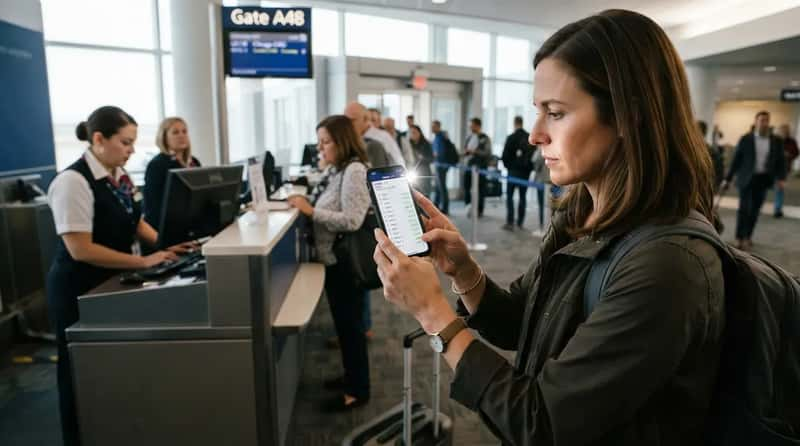
Standby positions shift constantly as elite members, distressed passengers, and airline staff get slotted in ahead of casual travelers. Experienced flyers screenshot their position the moment it appears, because gate agents rarely repeat verbal confirmations twice, and a screenshot becomes proof if a dispute happens later.
It sounds excessive until it saves a seat. A number-12 spot on standby can silently become number-19 within ten minutes as new confirmed rebookings get added ahead of it, and having a timestamped record helps travelers push back calmly instead of guessing.
#24 – They Know Elite Status Helps, But It’s Not a Golden Ticket

Frequent flyers with top-tier status genuinely do clear standby lists faster, but seasoned travelers stop treating that status as a guarantee the moment cancellations hit. Elite status improves priority relative to other standby passengers, but it doesn’t guarantee a seat will actually open up on a full flight.
This is the part status-obsessed travelers hate to hear: on a fully sold-out reroute flight, even a top-tier elite member can get bumped to the next available departure. Status shifts your place in line; it doesn’t create seats that don’t exist.
#23 – They Never Trust the Airline’s First Rebooking Suggestion

Airline rebooking algorithms don’t always optimize for what passengers actually want. One traveler noted the algorithm appears programmed to prioritize fewer connections over time of arrival, and after his own flight was cancelled, the system automatically rebooked him to a flight the next morning.
Seasoned flyers search the app themselves instead of accepting the auto-suggestion. A same-day flight with one connection often beats a “direct” flight the algorithm books for the next morning, and manually browsing available routes frequently reveals options the system buried.
#22 – They Know Basic Economy Can Lock Them Out of Standby Entirely
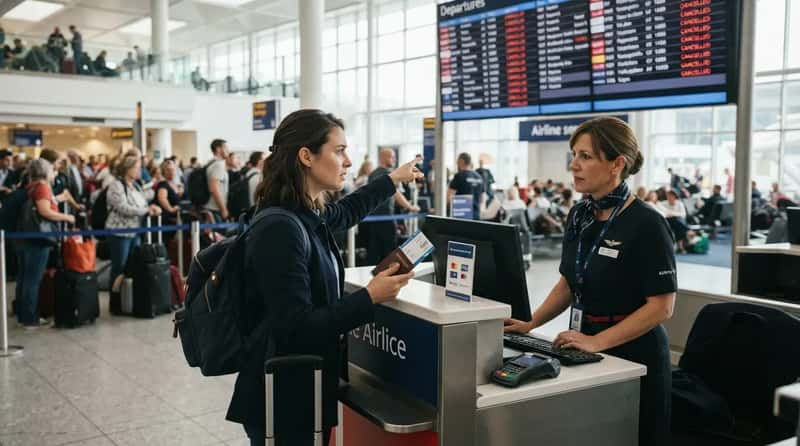
Not every ticket earns a spot on the waitlist. Fare type determines base priority level, with fully refundable tickets ranking above discount fares, while basic economy often blocks standby access entirely.
This is a controversial one, but it’s true: the cheapest ticket on the plane is often the one denied a standby seat when things go wrong. Veteran travelers who book basic economy on purpose accept that trade-off, but they don’t get blindsided by it during a cancellation.
Quick Compare
- Refundable fares: top priority for standby seats
- Elite or premium tickets: priority above standard economy
- Standard economy: eligible, but lower on the list
- Basic economy: frequently blocked from standby entirely
#21 – They Ask for a Confirmed Seat Before Ever Settling for Standby
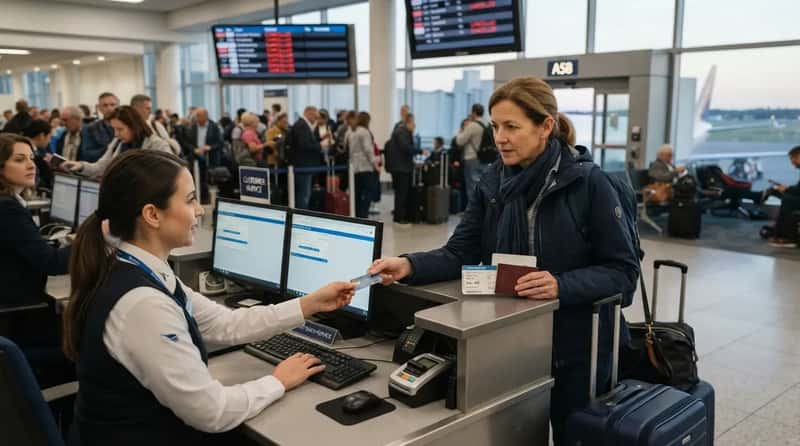
Standby and a same-day confirmed change sound similar but aren’t. A same-day confirmed change moves you to an earlier flight with a confirmed seat, guaranteed, usually requiring open seats at the time of rebooking. If seats are available, airlines will often offer the confirmed change instead of standby, so seasoned travelers always ask for the confirmed change first.
A guaranteed seat for a small fee almost always beats a free gamble on standby, especially on a day when flights are already running thin from cancellations across the network.
#20 – They Know the Standby Fee Isn’t the Same Everywhere
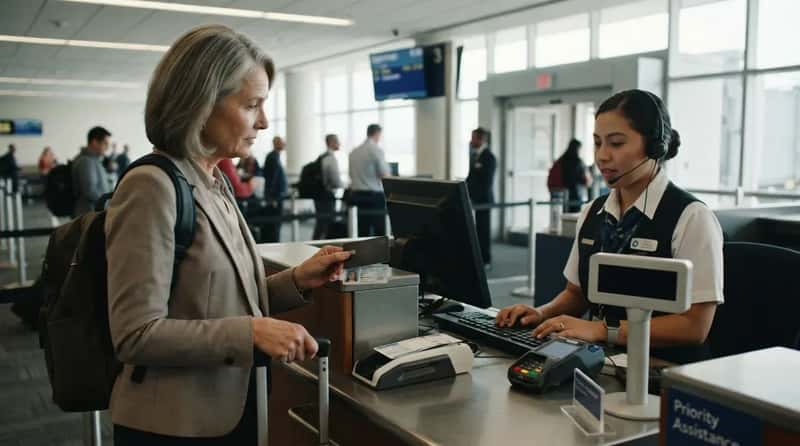
Pricing on same-day changes varies more than most people assume. Same-day standby is usually free, while most major U.S. airlines charge around $75 for a same-day confirmed change, though the fee is typically waived for elite frequent flyer members and premium ticket holders.
Regular flyers know exactly which of their cards or status levels waives that fee before they ever get to the counter. Showing up unprepared means paying full price for something a frequent flyer gets free, purely because nobody checked ahead of time.
#19 – They Know JetBlue Breaks the Industry Pattern
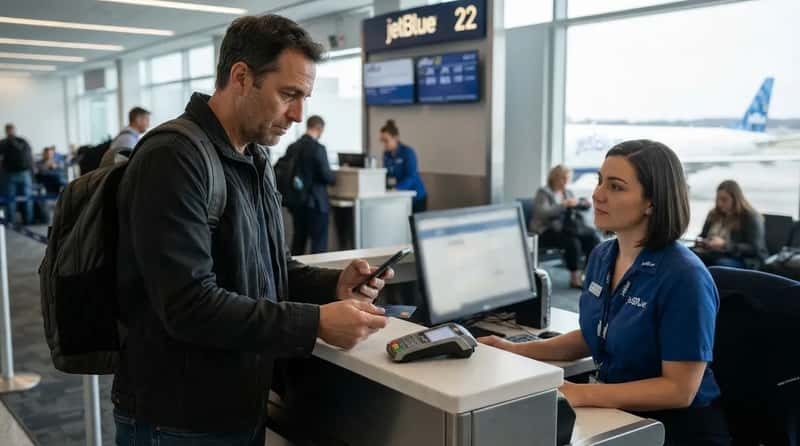
Most carriers don’t charge for the waitlist itself, but one major airline does things differently. JetBlue stands out as the one major carrier that charges for the waitlist version of standby, not just the confirmed change, with Mosaic elite status or certain fare types offsetting the fee.
This surprises a lot of loyal flyers who assume standby is free everywhere. Budget-fare JetBlue passengers can end up paying just to get their name on a list with no guaranteed seat, which frustrates travelers used to free standby on other carriers.
#18 – They Skip One Airline’s Standby System Entirely
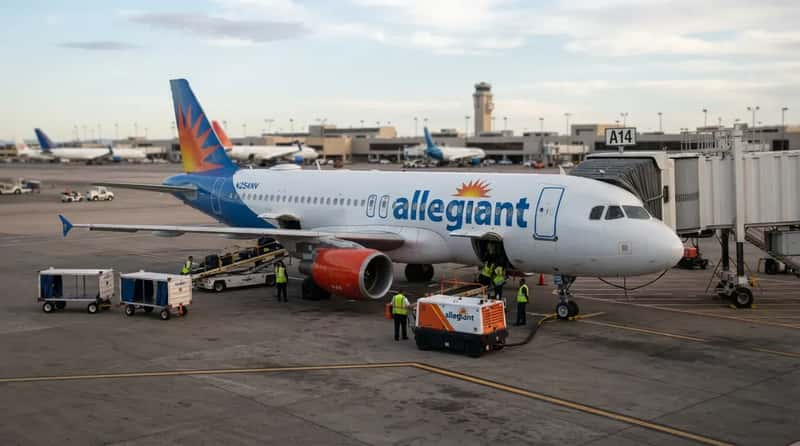
Not every carrier even offers this safety net. Allegiant Air does not offer standby flights and does not offer same-day confirmed flight changes, meaning a change in plans generally requires a full rebooking rather than a same-day workaround.
Seasoned bargain-hunters who fly ultra-low-cost carriers know this going in. Booking the cheapest fare on the market sometimes means there’s no flexible fallback at all if a flight gets cancelled at the last minute.
#17 – They Don’t Expect Standby to Work Internationally
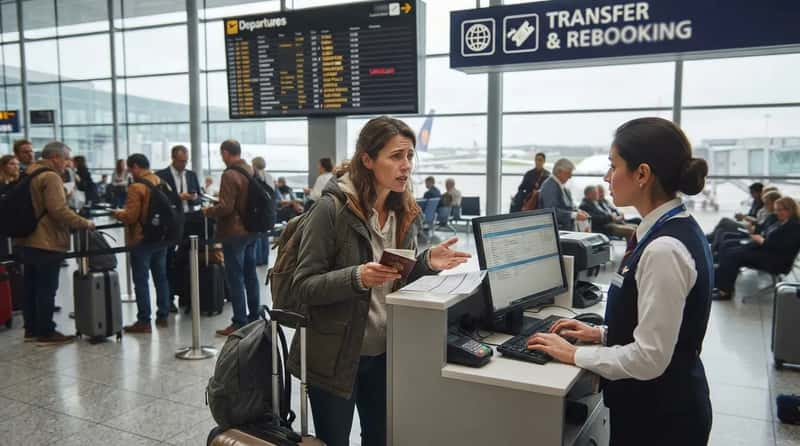
Standby culture is largely a domestic phenomenon in the U.S. Same-day standby programs on most U.S. carriers are limited to domestic routes and select nearby destinations like Puerto Rico or Canada, meaning international itineraries typically require a full rebooking instead.
Travelers who’ve been burned once stop assuming their overseas connection can be swapped at the gate for free. A cancelled international leg almost always means a phone call or counter visit, not a quiet standby swap.
#16 – They Understand Timing on the List Still Matters
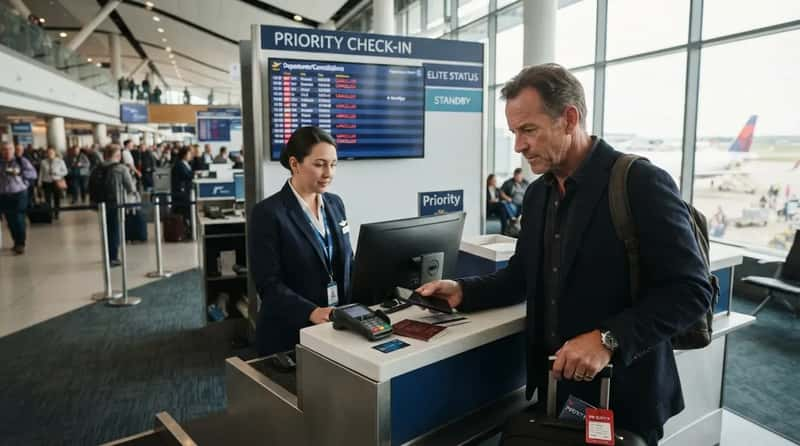
Within any given priority tier, when you check in still counts. Elite frequent flyer status, time of check-in, and airline employee status all factor into standby order, which is why showing up early matters.
Two travelers with identical status can land in very different spots based purely on who checked in first. Arriving fifteen minutes earlier than a fellow elite member can be the entire difference between clearing the list and getting bumped.
#15 – They Know “Distressed” Doesn’t Automatically Mean Standby
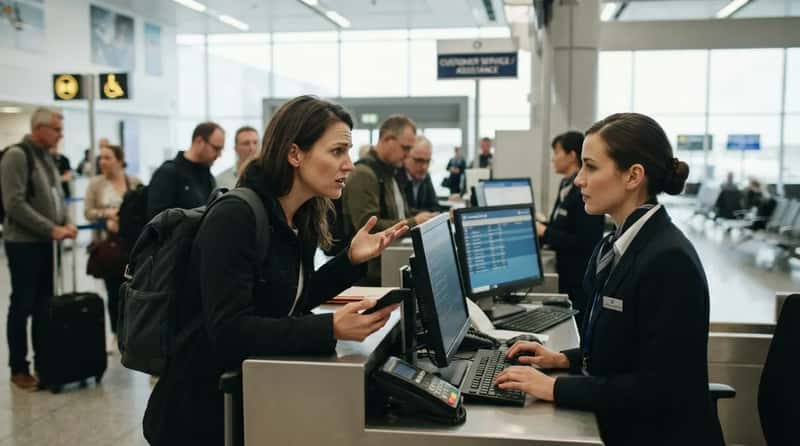
Passengers assume being bumped by a cancellation puts them at the front of every line, but that’s not quite how it works. Distressed passengers unable to board due to a cancellation change the usual standby priority order, but it’s not standard practice for an airline to place them on standby at all — carriers generally rebook them onto later flights instead.
This trips up a lot of travelers who expect automatic waitlist priority. The airline’s default move is a rebooked seat hours later, not a fast pass to the front of standby, so asking specifically for standby can sometimes beat waiting for the automatic rebooking.
#14 – They Decline the Voucher on the Spot
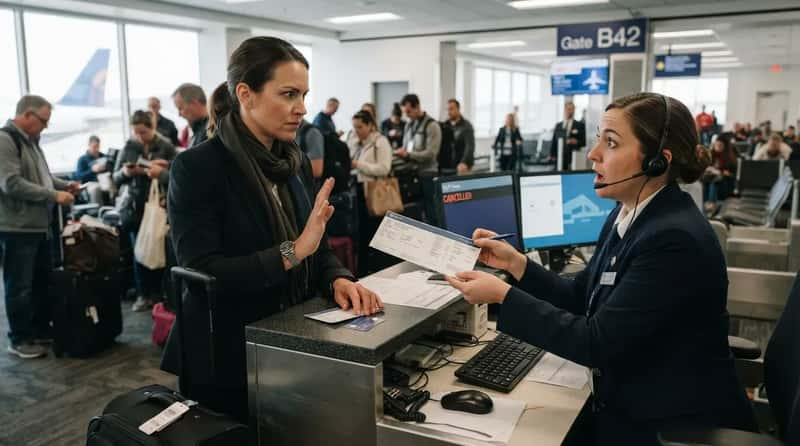
Gate agents often offer travel credit first because it’s cheaper for the airline. Under current federal rules, passengers are entitled to a refund if their flight is canceled or significantly changed, and they do not accept alternative transportation or travel credits offered.
Seasoned flyers say the word “refund” clearly and skip the voucher pitch entirely. A voucher only benefits the traveler who’s already committed to flying that airline again, and plenty of frequent flyers would rather have cash back in their pocket.
#13 – They Know Exactly How Fast a Refund Legally Has to Land
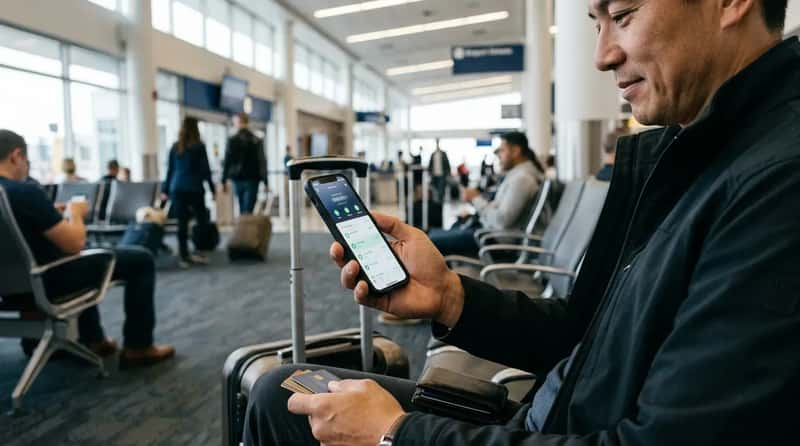
There’s no more guessing games about processing time. DOT requires automatic refunds to consumers when a flight is cancelled or significantly changed and the passenger doesn’t accept alternative transportation, and these refunds must be provided within 7 business days for credit card payments and within 20 calendar days for other forms of payment.
Travelers who know this number don’t sit around wondering if they’ve been forgotten. A refund that hasn’t posted after seven business days on a credit card is a red flag worth escalating, not something to quietly accept.
Fast Facts
- Refunds are automatic — passengers don’t need to request them
- Credit card payments: refunded within 7 business days
- Cash, check, or other payments: refunded within 20 calendar days
- Rule only applies if the passenger declines rebooking or a voucher
#12 – They Never Panic-Accept an Expiring Voucher Anymore
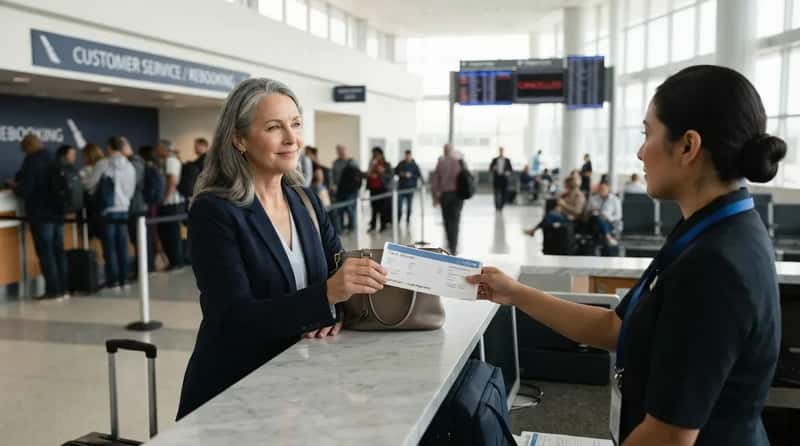
Vouchers used to come with brutally short shelf lives, pressuring people into rebooking fast. When passengers do accept a voucher from an airline, that voucher cannot expire in less than five years.
Knowing this changes the entire negotiation at the counter. There’s zero rush to use a travel credit the same week it’s issued, so seasoned flyers take the voucher only when it genuinely benefits them, not out of fear it’ll vanish.
#11 – They Know Which Airline Won’t Cover Their Hotel
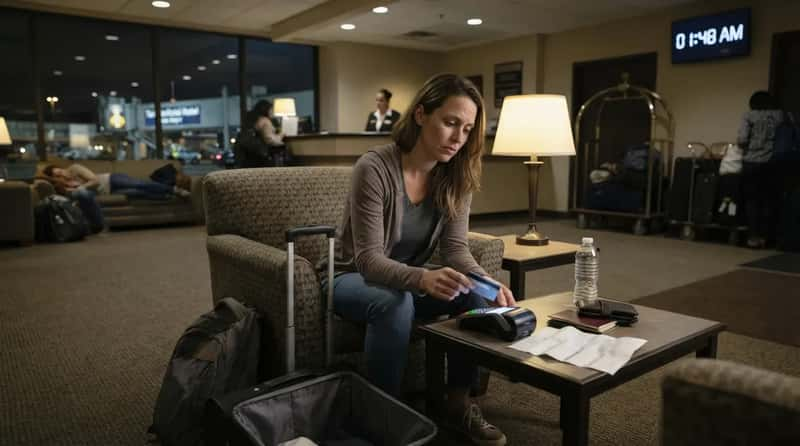
Not every U.S. carrier treats an overnight cancellation the same way. Every airline except Frontier is committed to covering hotel accommodations and transportation to that hotel for any passenger affected by a controllable overnight cancellation.
This is exactly the kind of detail that separates casual flyers from seasoned ones. Booking the absolute cheapest fare sometimes means eating a hotel bill yourself if the cancellation happens overnight, a tradeoff many travelers never realize until it’s too late.
Worth Knowing
- Protection applies to controllable overnight cancellations
- Covers the hotel stay plus transportation to and from it
- Every major U.S. airline offers this coverage except Frontier
- Even the cheapest base fares typically still qualify
#10 – They Book the App Change Instead of Racing to the Counter
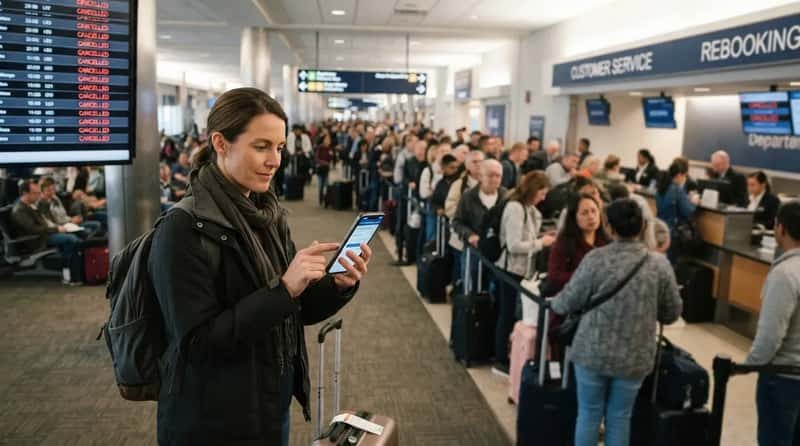
The counter line looks productive, but it rarely is. Self-service tools resolve rebookings in the time it takes to walk to a gate agent, and seasoned travelers know exactly which buttons to tap without help.
One frustrated traveler at the counter can eat twenty minutes of an agent’s time while a phone user rebooks in ninety seconds. That gap compounds fast during a mass cancellation event, when hundreds of people are competing for the same handful of remaining seats.
#9 – They Put Themselves on Standby Even Without a Cancellation
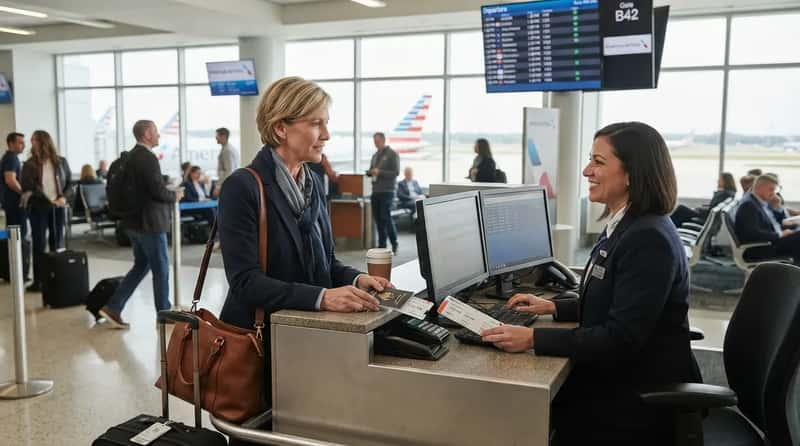
Standby isn’t only a disaster-recovery tool. American Airlines already offers the ability to get on the standby list for an earlier flight — for example, joining the list for a 1 p.m. departure while ticketed on a 4 p.m. flight — with no fee, potentially arriving three hours early.
Frequent flyers use this constantly on light travel days, treating every trip as a chance to leave earlier. A free three-hour head start is sitting there unused for most casual travelers who never think to ask.
#8 – They Noticed When One Major Airline Opened Standby to Everyone
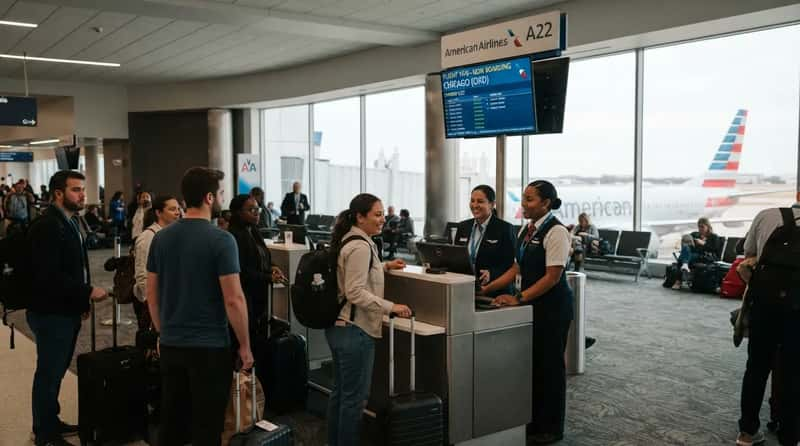
A quiet 2025 policy shift changed the game for non-elite flyers. Starting July 1, 2025, American Airlines began allowing all passengers on domestic flights to join a same-day standby list — no elite status required and no need to be flying in a premium seat.
This is a bigger deal than it sounds. Millions of AAdvantage members with zero status suddenly got the exact same standby access that used to require elite tier or a premium cabin seat. Seasoned flyers noticed the change instantly and started using it.
At a Glance
- Effective date: July 1, 2025
- Applies to domestic flights only
- No elite AAdvantage status required
- No premium cabin seat required
- Same-day standby with no added fee
#7 – They Know Who Used to Be Locked Out – and Why That Mattered
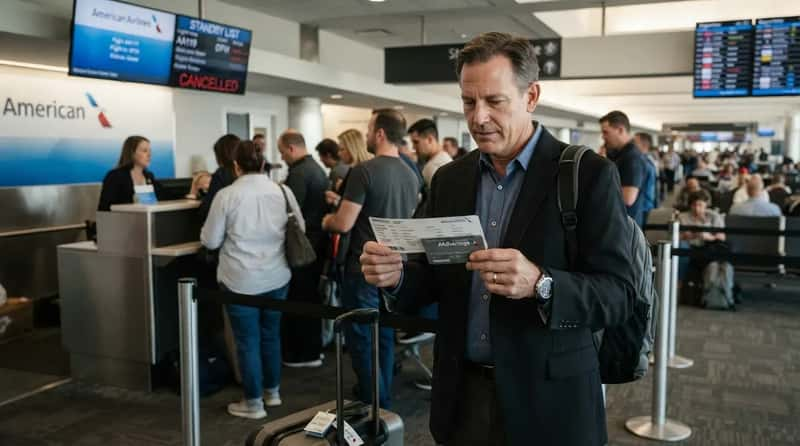
Before that 2025 change, the rules were far stricter. The list of passengers eligible for same-day standby privileges used to require traveling in business or first class, holding AAdvantage or Oneworld elite status, or traveling on military orders, while those who bought discounted tickets weren’t eligible.
Understanding the old system explains why some long-time flyers still hoard status even now. Years of chasing elite tiers were partly about unlocking a benefit that’s now handed out for free, which stings a little for anyone who paid for it with hundreds of flight segments.
#6 – They Target the Last Flight of the Day on Purpose
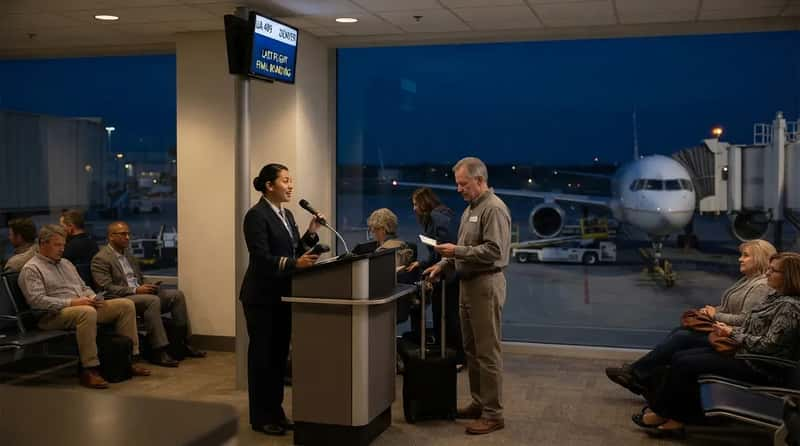
The final departure of the day tends to have the most movement on its standby list. No-shows accumulate throughout the day, and seasoned flyers know later flights inherit that slack.
A last flight that looks “full” on the app often has several no-show seats open up in the final twenty minutes before boarding closes. This is exactly why frequent flyers deliberately list themselves for the day’s last departure instead of an earlier one.
#5 – They Understand Why Standby Exists At All
Standby isn’t a courtesy — it’s a math problem airlines solve every single day. Airlines oversell flights because passengers do not show up, and on any given route, between 5% and 15% of confirmed passengers either miss their flight, cancel at the last minute, or no-show without rebooking.
Knowing this percentage changes how seasoned travelers read a “full” flight. A flight showing zero seats at 6 a.m. can easily open two or three by boarding time, purely from that built-in no-show rate.
#4 – They Split Their Party Across Multiple Standby Lists
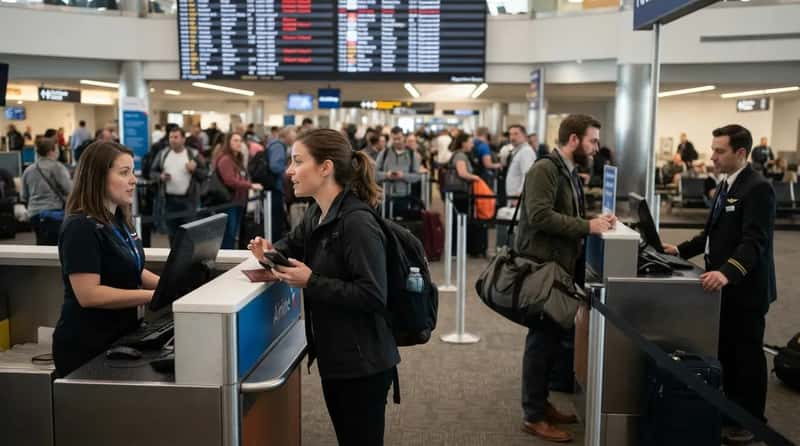
Traveling with a companion doesn’t mean staying glued together during a mass cancellation. Seasoned flyers sometimes list themselves on different flights or even different routings, then merge back up once one of them clears.
It’s a slightly cold strategy, and it does draw pushback from people who think families should stick together no matter what. But getting one person home three hours earlier while the other follows on the next available seat beats both people missing the same flight together.
#3 – They Track the Renumbered-Flight Loophole Airlines Are Using
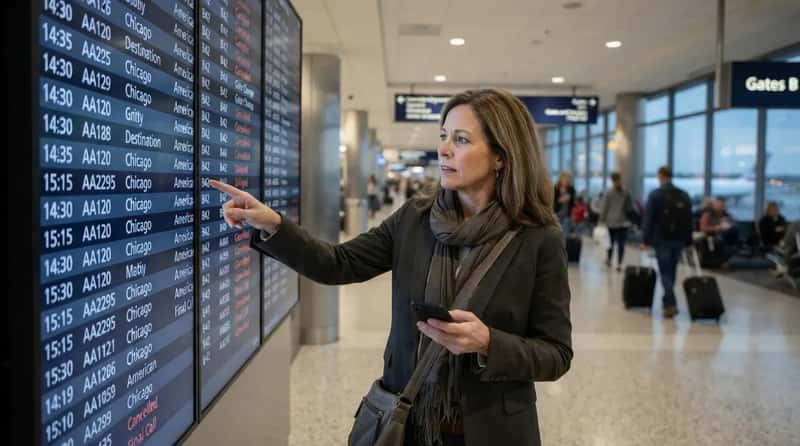
A recent regulatory shift quietly changed how “cancelled” gets defined. In December 2025, the DOT began temporarily pausing refund obligations for flights that are simply renumbered rather than cancelled outright, even though such renumbering was previously treated as a cancellation warranting a refund, so long as the passenger is rebooked without significant change or delay.
This is genuinely controversial among frequent flyers. A flight can now get a new flight number instead of a formal cancellation, and passengers may not automatically qualify for the cash refund they’d have gotten a year earlier. Seasoned travelers check the fine print instead of assuming the old rule still applies.
#2 – They Keep a Backup Interline Option in Their Back Pocket
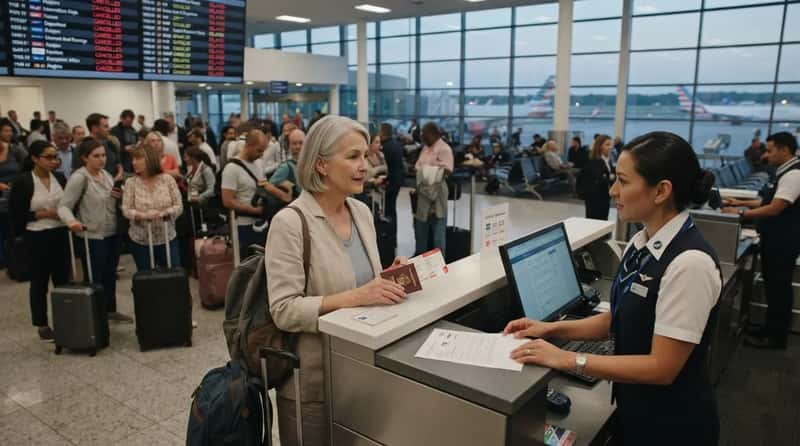
Not every airline will hand off a stranded passenger to a competitor, but some still will during major disruptions. If a cancellation involves a significant delay, it’s worth finding out if another carrier has space and asking the first airline if they will endorse your ticket to the other carrier, though finding extra seats can be difficult around holidays and peak travel times.
Most travelers never even think to ask this question. A single polite request at the counter can unlock a seat on an entirely different airline, especially during a widescale weather event when one carrier’s schedule is wrecked but another’s is fine.
#1 – They Build Rapport With the Gate Agent Instead of Arguing
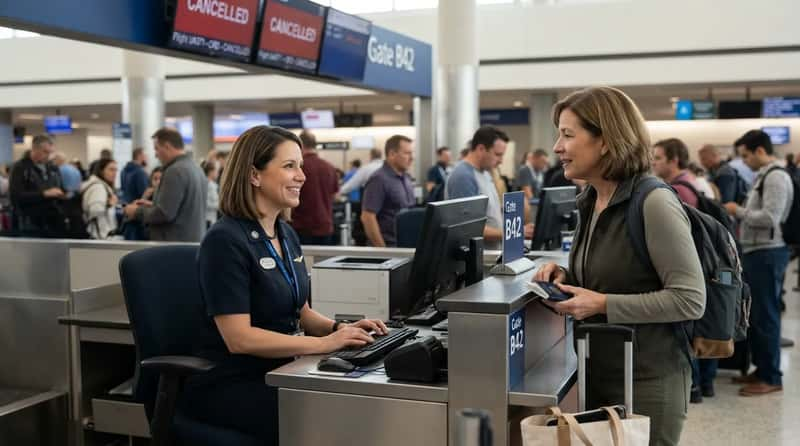
This is the rule every seasoned flyer swears by above all others. Gate agents have real discretion over who moves up a standby list, who gets a hotel voucher without a fight, and who gets quietly reseated — and that discretion tends to favor calm, respectful passengers over loud ones.
A frustrated traveler yelling at the counter routinely gets less help than the quiet person who simply asked a clear, polite question. Frequent flyers know the smartest move during chaos isn’t confrontation — it’s treating the person with the keyboard like the ally they actually are.
None of this is complicated once you see the pattern: speed beats waiting, information beats assumption, and knowing the actual rules beats hoping an agent explains them to you. The travelers who get home on time during a mass cancellation aren’t luckier — they simply know things like the five-year voucher rule, the 5-to-15% no-show math, and which airline quietly skips standby altogether. That knowledge gap is the entire difference between a bad travel day and a genuinely miserable one.
Which of these rules did you already know — and which one are you stealing for your next trip? Drop it in the comments.