Everybody thinks they know the drive-in story: a screen, a car, a bag of popcorn, roll credits. The real story was weirder and way more specific than that – speaker cords that could snap your window clean off, secret scouts sent ahead just to check the bathroom line, and a ghost story that somehow every single lot in America told the exact same way.
Some of these habits sound almost made up now, like folklore from a stranger, slower version of the country. But they happened, night after night, on gravel lots that are mostly gone now – and once you see the full list, you’ll understand exactly why people still get misty-eyed over a parking lot with a big white screen.
#27 – The Speaker Box You Almost Always Forgot Was Still Hooked to Your Window
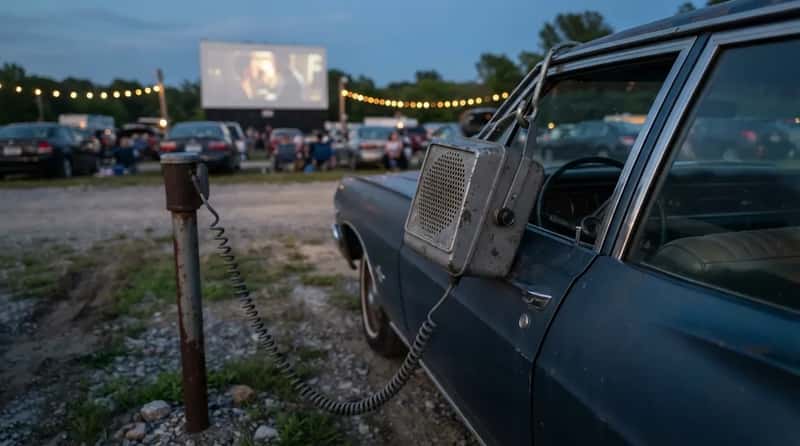
Every single drive-in trip carried the same silent threat: forgetting the metal speaker clipped to your glass before you put the car in drive. Drivers would forget it constantly, and the result was ugly – a snapped cable, a shattered window, or sometimes the whole pole yanked straight out of the ground. It happened so often that regulars developed a reflex, checking the window before ever touching the key.
The boxes themselves weren’t delicate showpieces, either. The housings were die-cast aluminum, tough enough to survive being run over by a full-size car without crushing. That ruggedness is exactly why so many of them are still turning up in barns and swap meets decades later.
#26 – Kids Hiding Under Blankets to Dodge the Per-Head Ticket Count
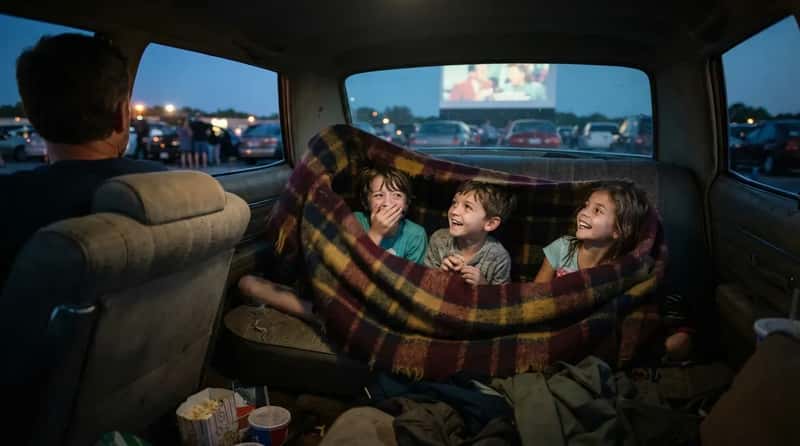
Long before streaming had “family plans,” drive-in families ran their own version of the loophole. The driver paid for himself and one passenger at the booth, then once the car was parked, extra heads would pop up from under a blanket in the backseat like a magic trick.
It wasn’t much of a secret from staff, either. Owners mostly let it slide, since a car full of smuggled kids still meant more mouths buying popcorn at intermission. The blanket trick became such a running joke that some families treated it like the fun part of the night before the movie even started.
#25 – The Ramp Under Your Tires That Tilted the Whole Car Back
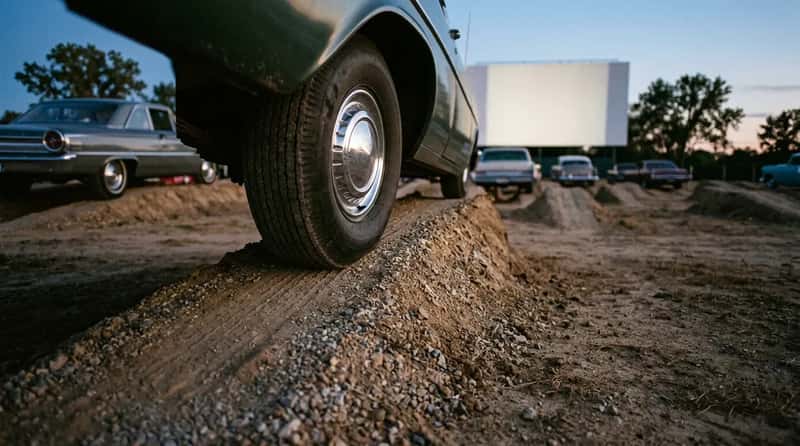
Before stadium seating existed anywhere, drive-ins solved sightlines with pure engineering instinct. Rows of cars sat on short, angled ramps that tipped the whole vehicle backward, tilting passengers toward a screen raised high enough for the cars in back to still see clean over the hoods in front.
Park on the ramp wrong, though, and you spent the whole movie craning your neck sideways instead of sinking into your seat. Families learned which rows had the best-graded ramps fast, and claiming that exact spot again became its own quiet tradition.
#24 – Flashlight Ushers Waving You Into the Perfect Row
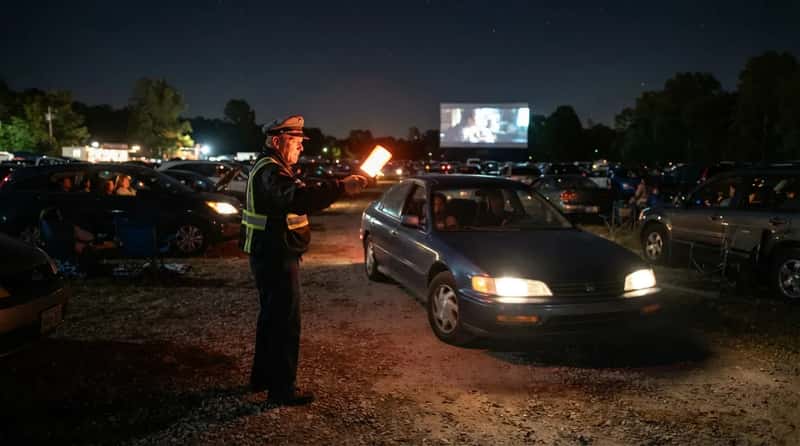
Arriving after dark meant trusting a stranger with a flashlight to find your spot. An usher would wave you toward an open row with a beam of light, and getting steered somewhere bad – too close to the fence, too far from the screen – could sour the whole night before the movie even started.
Regulars learned to show up early enough to request their favorite territory. Some ushers even recognized returning families and quietly waved them toward the same reliable spot week after week, a small kindness nobody ever talked about out loud.
#23 – The Gravel Walk to the Restroom That Doubled as an Obstacle Course
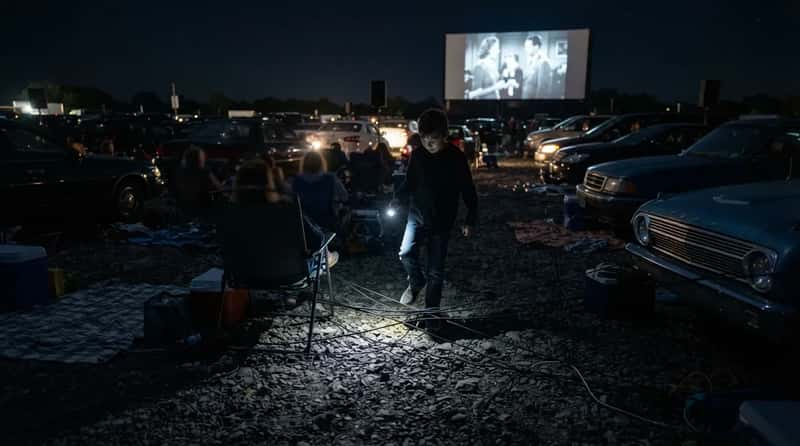
Getting to the bathroom wasn’t a quick errand – it was a mission. The walk across the dark gravel lot meant dodging speaker cords strung like tripwires, parked cars, and lawn chairs nobody could see until they’d already tripped over one.
Parents warned kids specifically about the cables. Flashlights were practically required gear. What should’ve taken two minutes could stretch into ten once you factored in every hazard hiding between rows.
#22 – Citronella Candles Lit Against the Nightly Mosquito Invasion
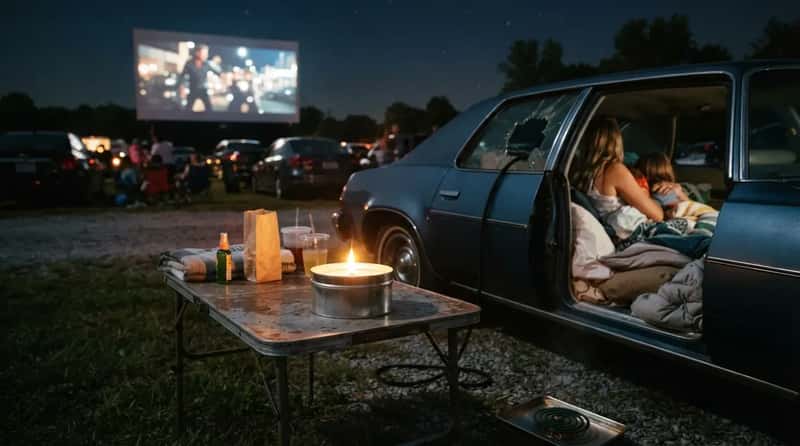
Summer nights meant bugs, and drive-in regulars came prepared for war. The most dedicated families showed up with folding tables, citronella candles, and enough gear to survive an entire double feature under siege.
Windows got cracked just far enough for the speaker cord, never far enough to let the mosquitoes pour in. Getting that balance wrong meant slapping at your ankles through the entire second movie, no matter how good it was.
#21 – The Playground Right Under the Screen Before Showtime
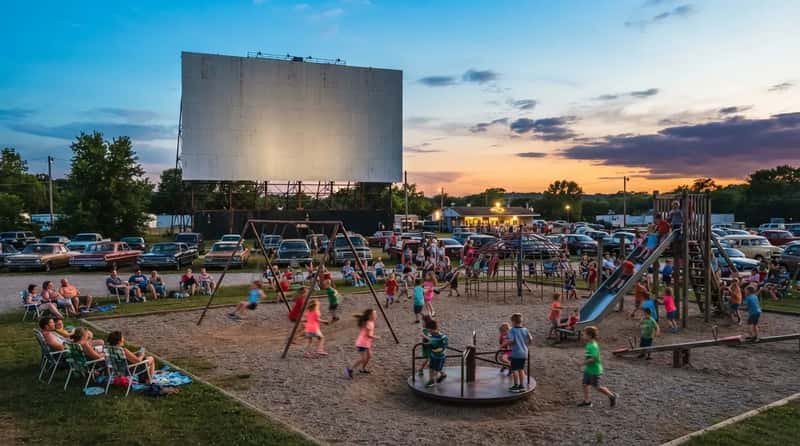
Long before the movie started, kids were already burning off energy. Some of the earliest drive-in operators leaned hard into being family-friendly, letting children in free and building actual playgrounds right on the property.
The idea stuck for decades. Parents didn’t need a babysitter – the theater practically was one, with swings and slides doing the tiring-out work for free. Getting the kids exhausted before dusk was practically a survival strategy for anyone hoping for a quiet second feature.
Fast Facts
- Drive-ins had playgrounds, baby bottle warmers, fireworks, laundry services, and concession stands built right onto the property in the 1940s and ’50s.
- Some theaters let kids in completely free, treating the whole lot as one big family destination rather than just a movie screen.
- Owners leaned into the idea that a drive-in could replace a babysitter, a park, and a restaurant all in one trip.
#20 – Fogged-Up Windows and the Reputation Every Teenager Already Knew
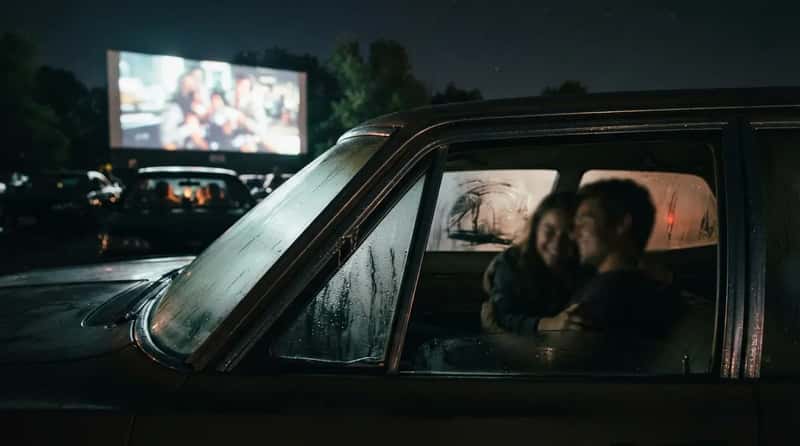
Drive-ins earned a reputation that had nothing to do with what was playing. For plenty of teenagers, the privacy of a parked car was half the appeal of the whole night out, movie or no movie.
Not that it was ever simple. Actual privacy required dodging family supervision, nosy neighbors, and the awkward reality of being parked two feet from someone else’s headlights. Drive-ins were legendary for romance, but real privacy was more myth than guarantee.
#19 – The Intermission Clock Counting Down to the Snack Bar
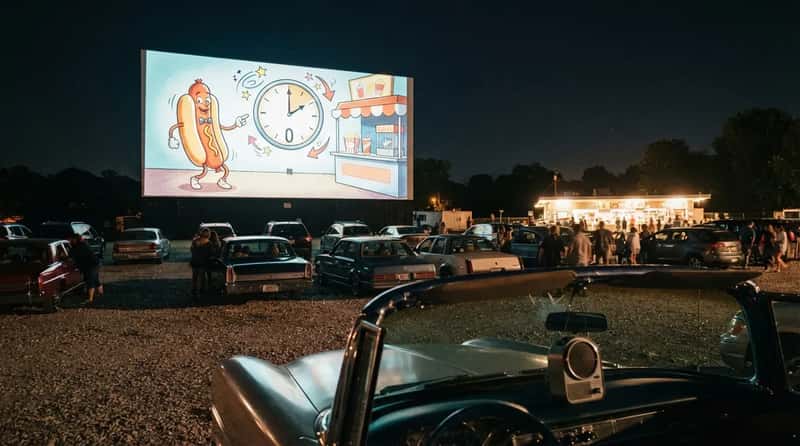
Between features, screens lit up with animated countdown clocks urging patrons toward concessions. Dancing hot dogs, singing popcorn boxes, and cartoon soda cups filled ten straight minutes of screen time – the drive-in’s version of the TV commercial break, just with a lot more personality.
The animations got so ingrained that some people remember the jingles better than the actual movie they saw that night. Theater operators knew exactly what they were doing; every second of that countdown was built to sell more butter-drenched popcorn before the lights dimmed again.
#18 – “Drizzle Guard” Tents for Watching Movies in the Rain
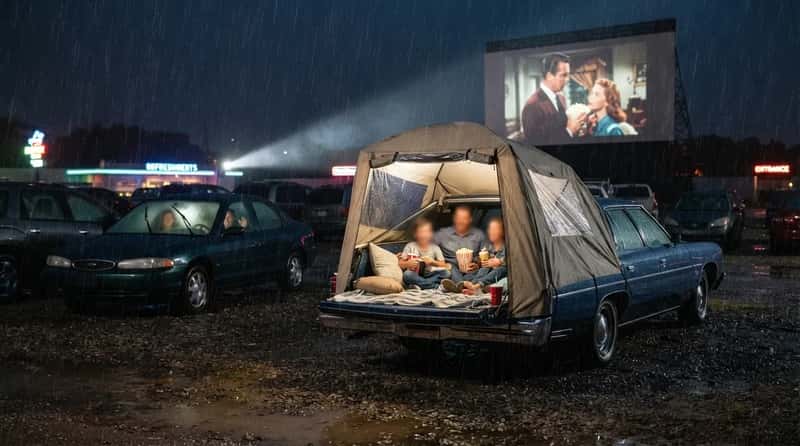
Rain didn’t automatically cancel a drive-in night – theaters actually sold gear to fight through it. There were car heaters for chilly nights and something called a “Drizzle Guard,” a little tent rigged up specifically for watching movies in a downpour.
Families who invested in the gear became the envy of the lot on stormy nights, staying dry while everyone else fought fogged-up windshields. It sounds almost absurd now, but for regulars, packing rain gear was as normal as packing a cooler.
#17 – Station Wagons Treated Like the VIP Section
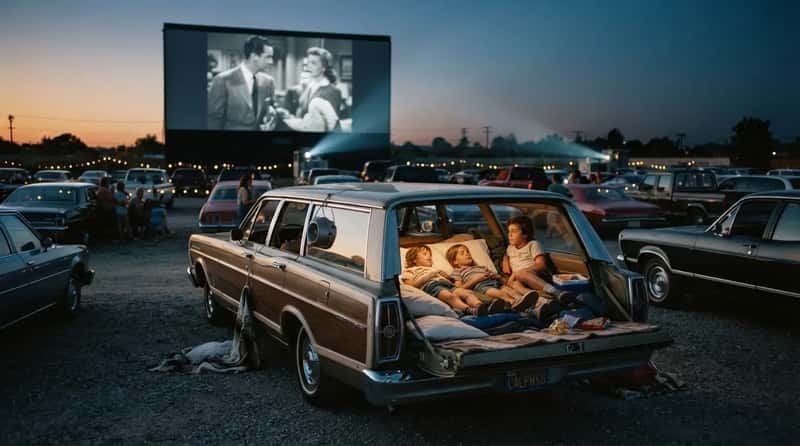
Not every car was created equal at the drive-in, and station wagons ruled the lot. The extra cargo space meant room to fold down seats, stack pillows, and basically build a living room on wheels right there in the parking row.
Families without a wagon eyed those setups with something close to jealousy. Kids negotiated furiously for a spot in the “wagon car” on group outings, because sprawling out flat beat sitting upright in a sedan for three straight hours.
#16 – Truck Beds Loaded With Lawn Chairs and Extra Blankets
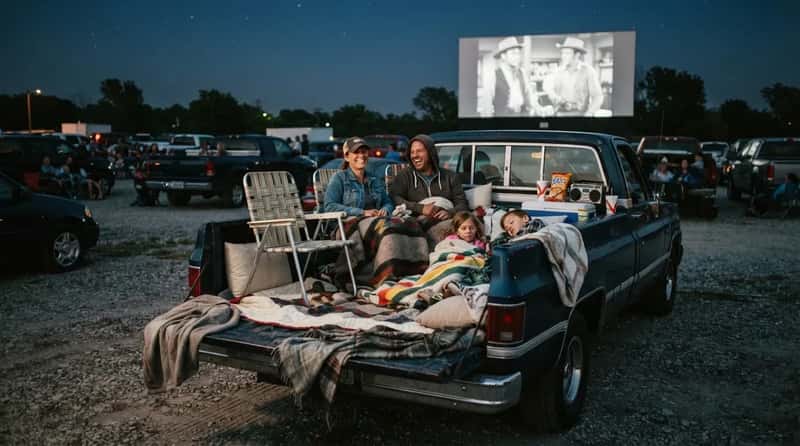
Pickup trucks turned into makeshift bleachers the moment they rolled through the gate. Whole families piled lawn chairs, quilts, and pillows into the bed, angling everything toward the screen like a private balcony seat.
Blanket assignments weren’t random, either – the good ones went to the parents, and kids made do with whatever scratchy throw was left over. Getting stuck with the itchy blanket became a running family joke that outlived the drive-in itself.
#15 – The Car Battery That Quietly Died Before the Second Feature
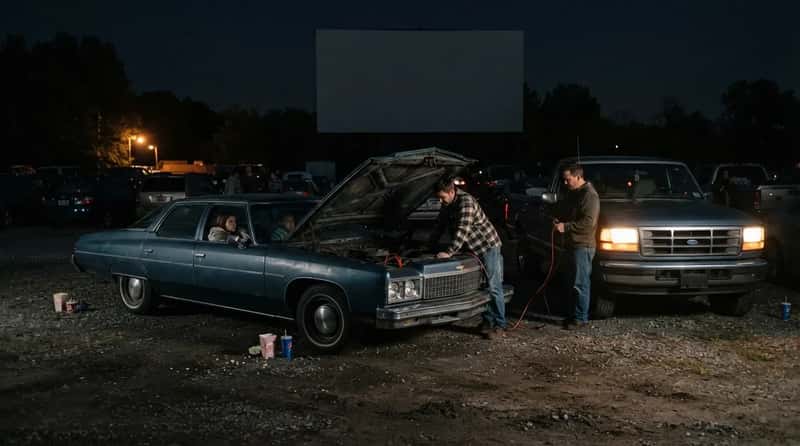
Running a radio or an in-car heater for three straight hours came with a real risk: a dead battery by the time the credits rolled. Parents learned to start the engine briefly during intermission just to keep enough charge for the drive home.
It became such a common headache that some drive-ins built a side reputation for jump-starting stranded cars after the last show. Nothing killed the nostalgic mood faster than a click-click-click instead of an engine turning over at midnight.
#14 – The Switch From Speaker Boxes to Car Radio Broadcasts
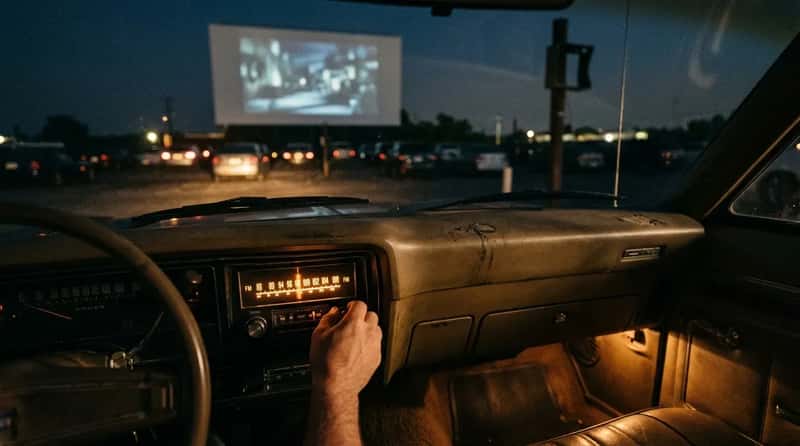
Eventually, theaters ditched the clunky window speakers for something far simpler: broadcasting the soundtrack straight to your car radio on a low-power FM frequency.
The upgrade solved more than convenience. Stereo car systems delivered far richer sound than the tinny mono speakers ever could, and for longtime regulars, tuning the dial to catch the broadcast felt like the end of one era and the start of another.
Quick Compare
- Speaker Box Era: clipped to your window, mono sound, easy to forget and snap clean off the glass.
- FM Broadcast Era: tuned through your own car radio, richer stereo sound, nothing to break or leave behind.
- One era meant hauling a metal box back to the pole; the other meant just turning your key and driving off.
#13 – The Screen Slide Warning Against “Public Demonstration of Affection”
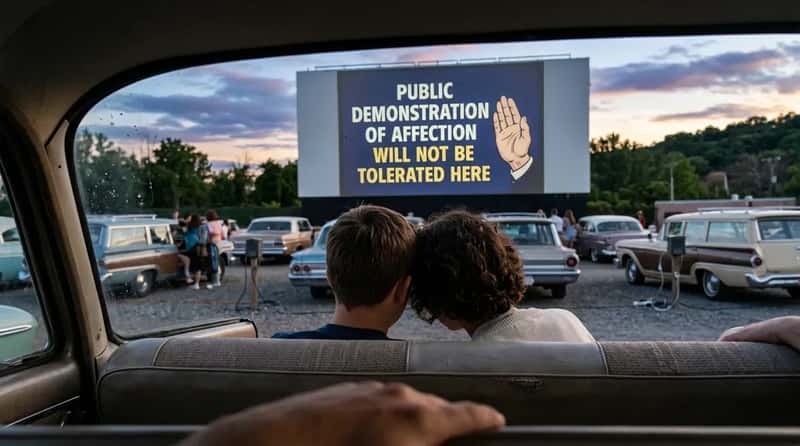
Amid the cartoon hot dogs and soda ads, intermission reels sometimes slipped in a stern message aimed squarely at teenagers – reminders to drive safely, register to vote, see a doctor once a year, and a chiding slide insisting that “Public Demonstration of Affection Will Not Be Tolerated Here.”
The irony wasn’t lost on anyone. Drive-ins had a well-earned reputation as make-out spots, yet the theaters themselves kept posting warnings against exactly that behavior, right there on the same screen everyone was ignoring.
#12 – Double Features That Ran Well Past Midnight
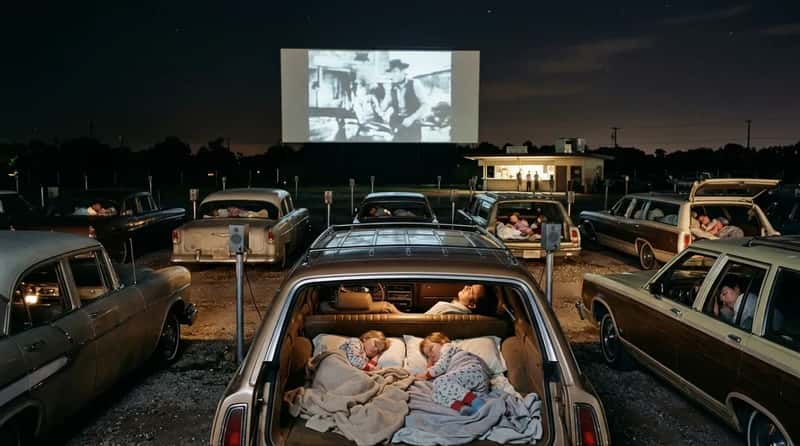
A single ticket at most drive-ins bought two full movies, not one. A short intermission of ten to fifteen minutes gave everyone time to hit the concession stand between films, then the second feature rolled straight into the deep night.
Kids who swore they’d stay awake for both films rarely made it. Plenty of families remember waking up in their own driveway at home, having slept clean through the entire second half without noticing they’d ever left the lot.
#11 – Carload Pricing That Turned Family Night Into a Puzzle
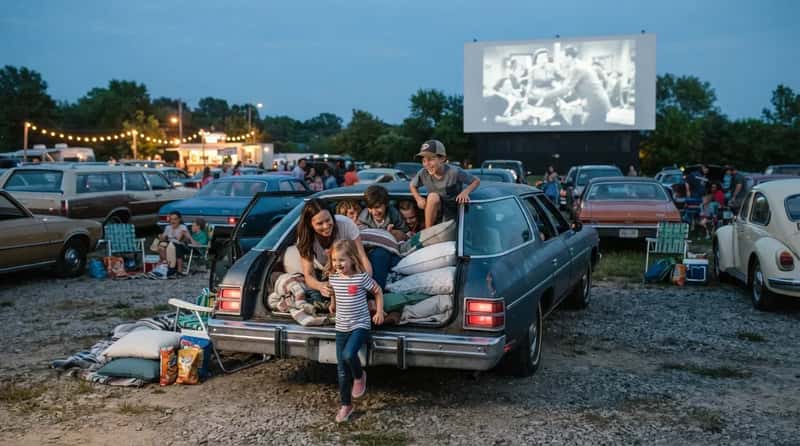
Ticket prices weren’t always per person – sometimes it was a flat rate for the whole car, and families built entire strategies around it. Parents packed extra kids, neighbors, and cousins into one vehicle just to stretch the value of a single admission.
This pricing model shaped an entire subculture of creative packing. Sedans that looked like they held four people somehow unloaded seven kids once parked, blankets pulled back to reveal a backseat that had been standing room only the whole drive over.
#10 – Cartoons and Newsreels Running Before the Real Feature
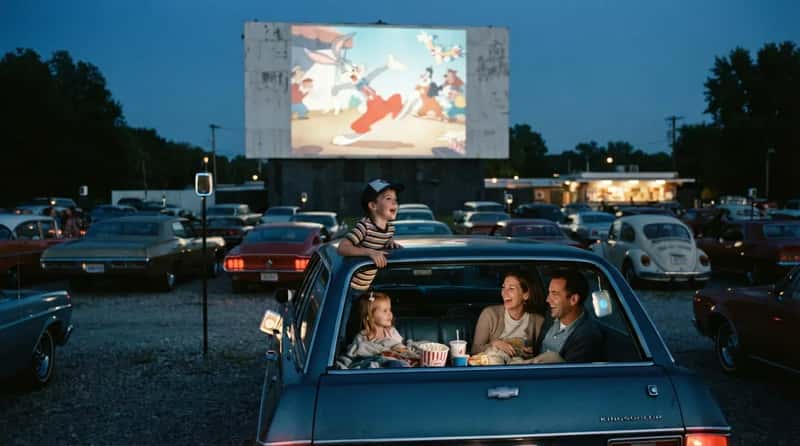
The main movie was never the first thing on screen. Short cartoons, newsreels, and coming-attractions reels filled the gap while the sky finished getting dark enough for a clear picture.
For younger kids, the cartoons were often the actual highlight of the night, more memorable than whatever adult drama or western played afterward. Parents used this stretch as their last chance to get everyone settled before the real feature demanded quiet.
#9 – Concession Runs Timed Like Military Operations
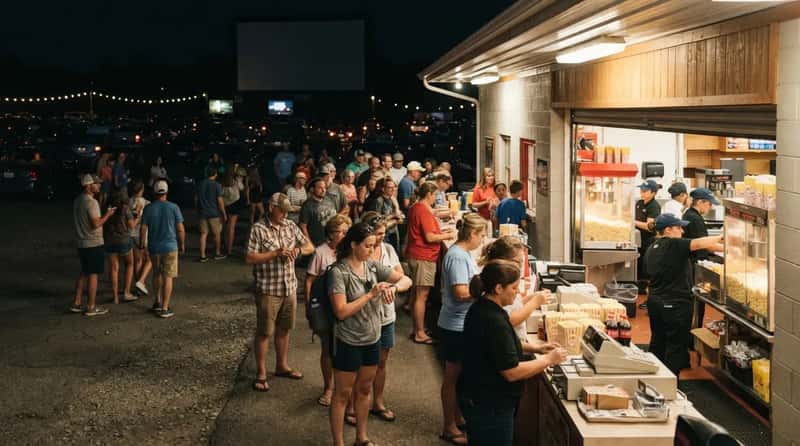
Nobody just wandered up to the snack bar and hoped for the best. Smart families sent a scout ahead to report back on line lengths and specials, turning a simple bathroom break into a coordinated mission.
Timing mattered because the lines only got worse as intermission wore on and the biggest movie moments seemed to always land right when someone needed the restroom most. A well-run scouting mission could mean the difference between fresh popcorn and an empty tray by the time you finally reached the counter.
#8 – Popcorn That Somehow Tasted Better Under the Stars
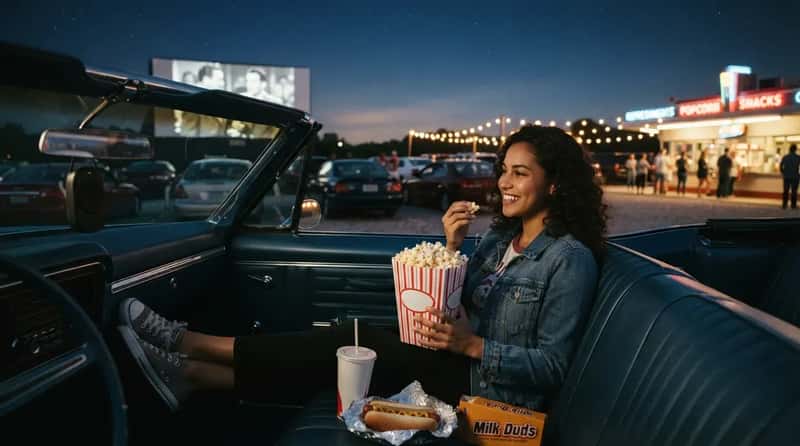
Everyone agrees on this one detail, even decades later: concession food that would seem overpriced anywhere else tasted completely different at a drive-in. Intermission gave everyone a chance to stretch legs cramped from hours in a car seat and stock up on snacks that somehow hit different under an open sky.
The menu wasn’t fancy, either – hot dogs, hamburgers, candy, ice cream, soda, popcorn. On paper it’s the least impressive lineup imaginable, yet it’s still the exact meal people crave the second they start remembering those nights.
#7 – Ghost Stories That Traveled From Speaker Post to Speaker Post
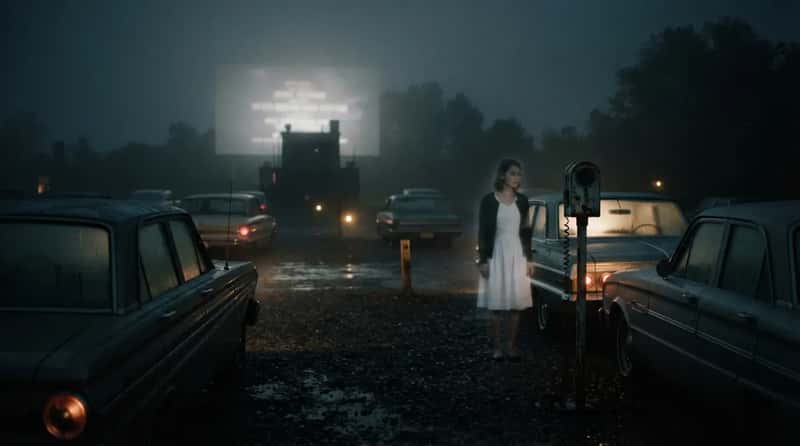
Between double features, drive-ins bred their own folklore, and somehow the same tale showed up at theaters hundreds of miles apart. A young woman in white would appear between the cars, ask quietly to watch the movie, then vanish by intermission – leaving nothing behind but a suspiciously damp seat.
The story wasn’t just harmless fun for everyone, either. It got popular enough that some theater owners noticed a real bump in attendance on foggy, rainy nights, with teenagers showing up specifically hoping to spot the phantom moviegoer for themselves.
Worth Knowing
- The tale followed the classic “vanishing hitchhiker” pattern found in American roadside folklore, just relocated to a parking lot.
- Nearly every region seemed to swear its own local drive-in had the “real” version of the story.
- Some owners quietly let the legend spread rather than shut it down, since a good ghost story was free advertising on a slow night.
#6 – The Midnight Monster Movie Crowd That Never Missed a Weekend
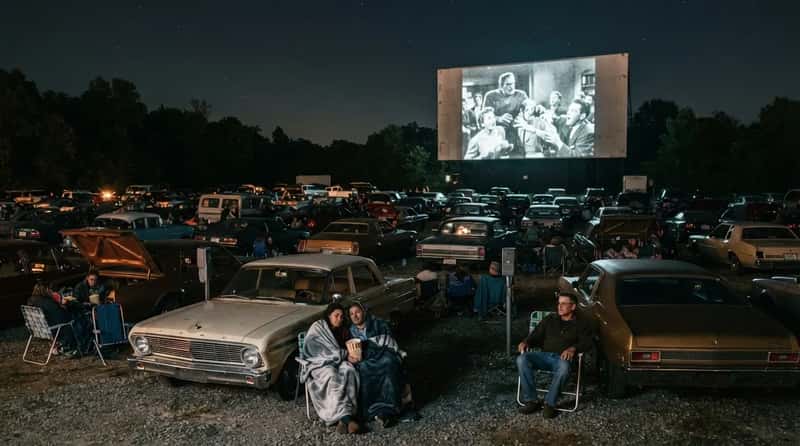
Drive-ins gave horror and cult movies a home that indoor city theaters wouldn’t touch. Cheap double features and monster flicks built the “midnight movie” tradition, and it built it fast.
These weren’t casual moviegoers, either – they were superfans who showed up week after week for the same low-budget genre thrills. That loyal crowd is a big reason B-movies and slasher flicks found any audience at all before home video existed.
#5 – Building an Entire Living Room Inside the Car
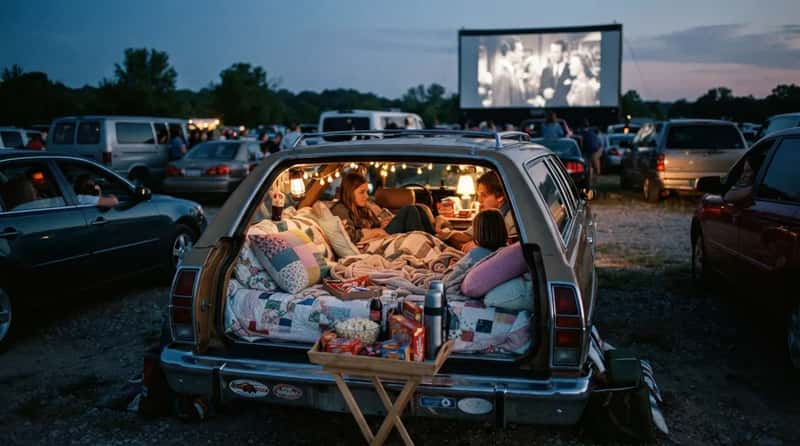
Regular drive-in families didn’t just bring snacks; they brought their whole household setup. Pillows, quilts, folding tables – the whole car got converted into a private little fort for the night, tucked right in the middle of a crowded lot full of strangers doing the same thing.
It’s a level of preparation that feels almost foreign now, when most people show up to a modern theater with nothing more than a phone and a jacket. Somehow the effort was part of the fun, not a chore.
#4 – The Slow Fade Once Cable and VCRs Showed Up
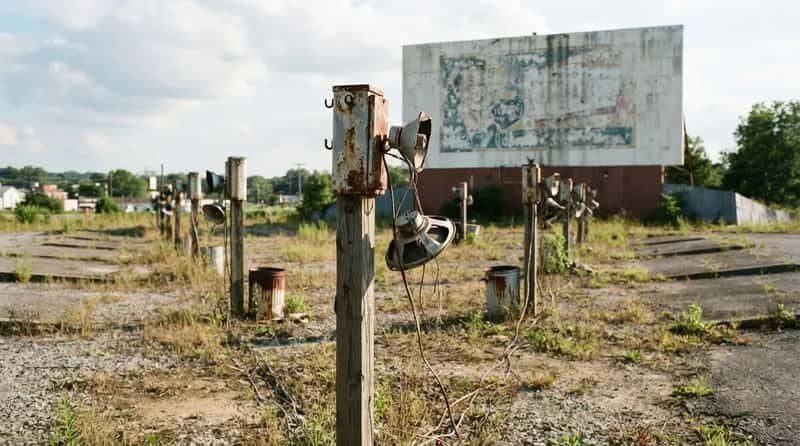
The technology that killed the drive-in wasn’t complicated – it was just easier. Cable got cheap, VCRs meant you could rent whatever you wanted whenever you wanted it, and suddenly there wasn’t much reason to fight mosquitoes for a movie you could watch from your own couch.
People started going less, and the taxes on those large properties kept going up.
Common owner complaint from the drive-in decline of the 1980s
The decline showed up in the details. Corners got cut on maintenance, screens went unpainted, and the magic started slipping away one broken speaker at a time.
#3 – Land Value Quietly Killing Beloved Screens
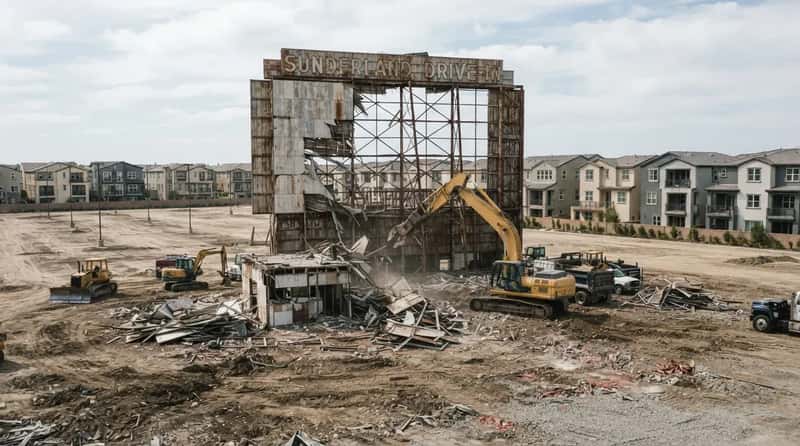
The real threat to drive-ins was never streaming – it was real estate. Owners of huge open lots near growing suburbs found their land was worth vastly more as condos or strip malls than as a seasonal movie business.
Recent closures follow that exact pattern. One long-running drive-in shut down in December 2024 to make way for condos and is currently being bulldozed. Another closed entirely after the property owner reportedly demanded a massive rent increase, proving the math almost never favors keeping the screen standing.
#2 – Falling From Thousands of Screens to a Small, Stubborn Handful
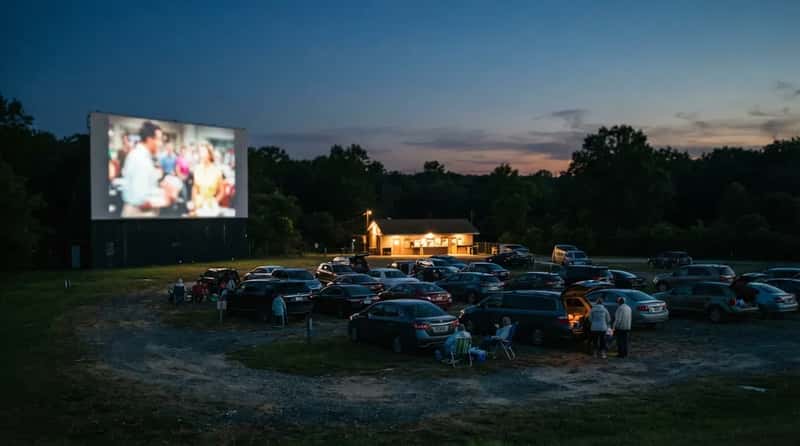
The scale of the collapse is genuinely startling once you see the numbers side by side. Drive-ins peaked in 1958, numbering 4,063. Today, only about 300 remain in operation across the entire country.
Even that smaller number isn’t spread evenly across the country. New York and Ohio have the most drive-ins, with 28 each, while Indiana and California each have 18 – and New Jersey has exactly one. Whole regions of the U.S. now have no working drive-in at all, a reality that would’ve been unthinkable during the format’s postwar boom.
Quick Compare
| Era | Drive-Ins Operating |
|---|---|
| 1958 (peak) | ~4,063 nationwide |
| Mid-1980s | Below 2,000 |
| 1989 | Fewer than 1,000 |
| 2000 | About 443 |
| Today | Over 300 still operating |
#1 – The Quiet Comeback Nobody Expected
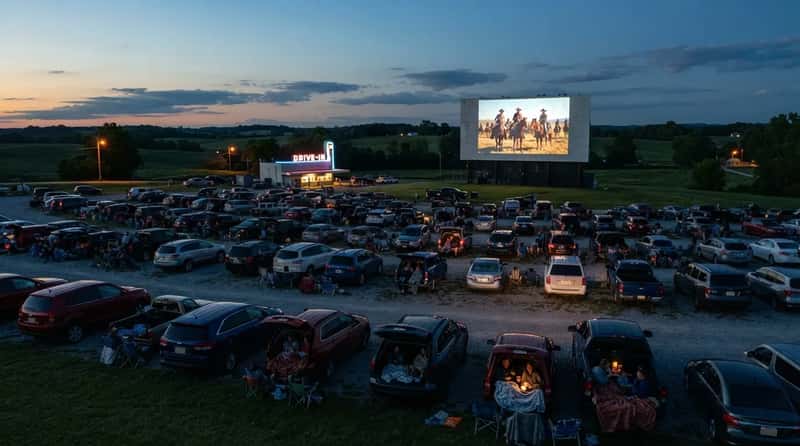
After decades of straight decline, drive-ins found an unlikely lifeline. The pandemic underscored the appeal of socially distanced entertainment, and suddenly a parking lot with a big screen was one of the safest ways left to see a movie with other human beings nearby.
That bump never fully faded once things reopened, either. The theaters that survived turned out to be a resilient little niche, mostly clustered in rural and suburban areas where land is cheaper and space isn’t the enemy. For one strange summer, the format that home entertainment was supposed to have killed off became the safest seat in town – and enough people remembered exactly why they loved it to keep coming back.
What’s striking about this list isn’t just the nostalgia – it’s how deliberate every single ritual actually was. The countdown clocks, the carload pricing games, the scout missions to the snack bar: none of it happened by accident, and none of it disappeared because of a bad movie.
Land values, cheap home entertainment, and shifting suburbs did more damage to the drive-in than any flop ever could. What’s left today is a small, stubborn handful of screens still running the same rituals, mostly unchanged, for anyone willing to drive far enough to find one. Did your family have a drive-in ritual we didn’t cover here? Drop it in the comments – we want to hear it.