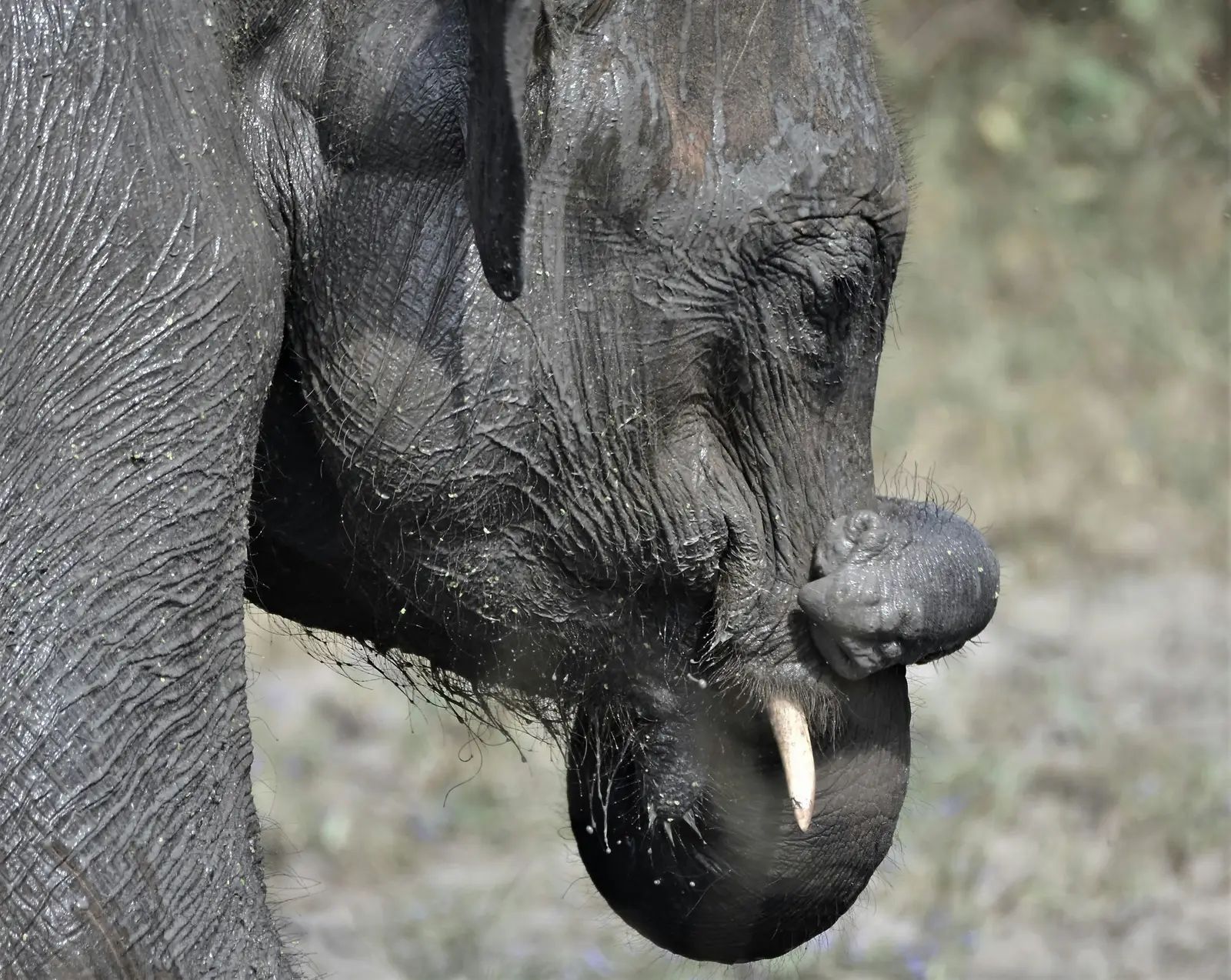
Colombo – Sri Lanka’s government has brought its armed forces into the effort to protect wild elephants, a step taken after public anger over the death of Kavantissa, one of the island’s best-known tuskers. The new effort targets tuskers identified as being at high risk, not the country’s elephants as a whole. It arrives as human-elephant conflict incidents have climbed, and as conservationists weigh whether the response will last. ([1])
A death that stirred the country
Kavantissa died on 16 October 2026 after receiving veterinary treatment for an injury that was reportedly caused by gunfire. ([2]) He was known for his majestic appearance and gentle temperament, and he was often seen crossing busy roads near Galgamuwa in northwestern Sri Lanka alongside elephant herds.
His death drew widespread grief and political attention. Critics directed their anger at the Department of Wildlife Conservation, questioning its responsibility for protecting the island’s elephants and raising concerns about the veterinary care provided. Calls for an independent investigation followed, along with demands for better protection and greater accountability. ([3])
A military-backed operation with a clear remit
The government’s response is known as Hasthi Sena, a Sinhala name that loosely translates to an elephant army. The initiative brings together several partners:
- The army, navy and air force
- The Department of Wildlife Conservation
- A dedicated operations center at military headquarters, which coordinates surveillance, information sharing and responses to threats against elephants
Its stated goals include preventing elephant killings, curbing wildlife crime, strengthening intelligence gathering and supporting joint operations in areas affected by human-elephant conflict. The task force opened with raids across several areas, leading to arrests of people accused of setting up trap guns, placing wire snares and possessing explosive-laden bait. The launch date reported by the Daily Mirror was 2 November. ([4])
The 17 tuskers at the center of the effort were picked through a risk assessment. Wild Tuskers Srilanka applied a scoring formula that weighs the threats each individual animal faces, which allows authorities to focus on the animals most exposed to danger.
Measuring whether the response endures
Conservationists have welcomed the added institutional backing, but they have been careful about what comes next. Their central concern is that the initiative must grow into a sustained conservation program rather than a short reaction to public pressure. Many wildlife efforts in the country have stalled once public attention moved elsewhere, and advocates want that pattern broken.
The stakes extend beyond a single animal. The Daily Mirror reported that the highest annual elephant death toll on record came in 2023, when 488 elephants died, followed by 455 in 2025 and 439 in 2022. ([4]) Those figures help explain why many see the operation as a test of whether authorities can turn alarm into lasting protection for the animals that remain.