Most passengers assume flight attendants exist to say “no.” Tray tables up, seatbelts fastened, sorry-that’s-not-available – it’s the soundtrack of modern flying. But cabin crew members who’ve spent years working the aisle tell a very different story about what actually happens when you ask nicely.
Turns out there’s a quiet list of requests that get approved almost every single time, and most flyers never think to ask. Here’s what flight attendants actually say yes to.
#27 – The Full Can, Not the Tiny Cup
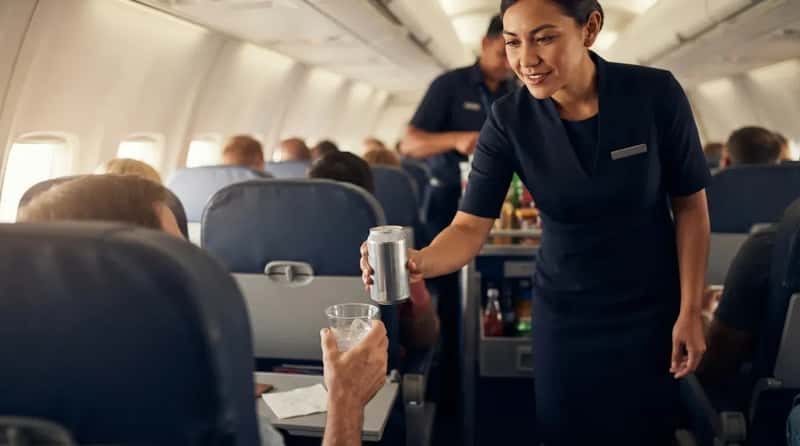
Most economy passengers accept a half-filled plastic cup and never question it. Almost nobody realizes the galley hides a full stash of cans behind that cart.
Crews aren’t hiding the cans out of stinginess – pouring is just faster during a rushed beverage service. Ask for the whole can and most flight attendants will hand it over without hesitation. It’s one of the easiest “insider” wins on this entire list, and it works on almost every U.S. carrier.
#26 – Bottled Water Instead of the Galley Tea or Coffee
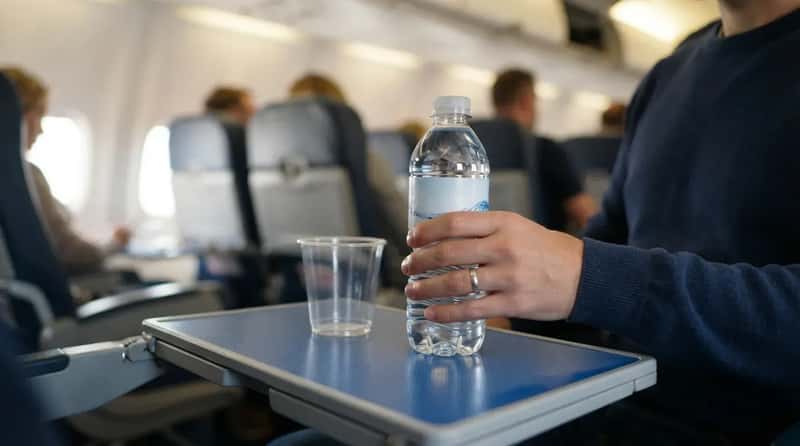
Here’s an uncomfortable truth: the hot water used for coffee and tea comes straight from onboard tanks, and those tanks can carry bacteria that never gets fully flushed out between flights. Asking for bottled water instead is the smarter move, and most crew members won’t blink if you swap your order.
This isn’t a secret flight attendants guard closely – many will actually recommend it themselves if asked directly. Bottled water, canned soda, and juice all come from sealed containers, not tanks. It’s a small switch that a lot of frequent flyers wish they’d learned years earlier.
Worth Knowing
- Onboard water tanks get refilled during turnarounds, not deep-cleaned every flight
- Bottled water, canned soda, and juice all arrive sealed straight from the manufacturer
- Coffee and tea are the only cabin drinks made using tank water
- Many crews will suggest the swap themselves once you ask about it
#25 – A Second Pass With the Snack Basket
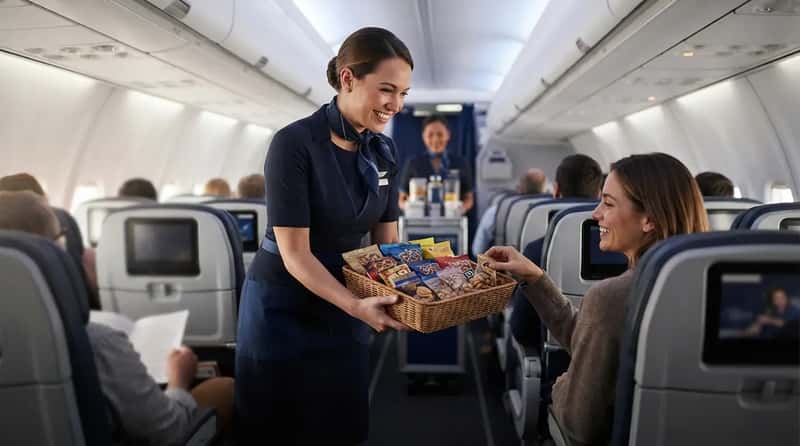
Snack baskets usually only make one trip down the aisle, but that doesn’t mean the pretzels are gone. Crews typically keep extra stock in the galley for people who missed the first round or want seconds.
Politely flagging down a flight attendant after the cart has passed almost always works, especially on longer flights. This is one of those reasonable-but-not-urgent comfort requests etiquette experts say are perfectly fine to make, as long as you’re respectful about the timing. Just don’t press the call button the second the cart turns the corner.
#24 – An Extra Blanket or Pillow on Long-Haul Flights
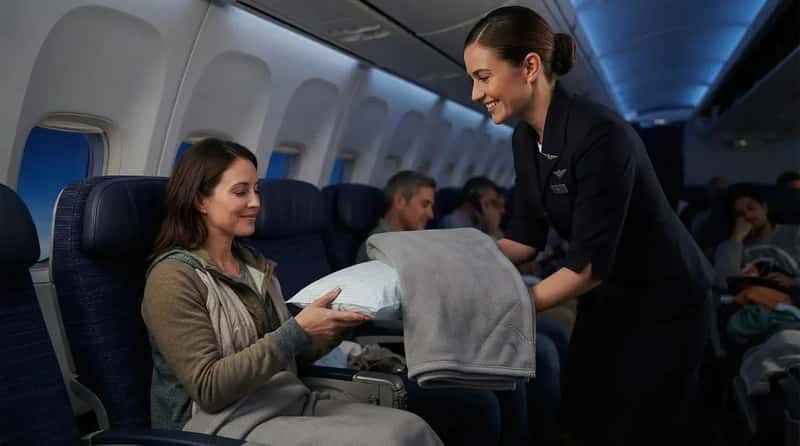
Long-haul flights often carry more blankets and pillows than get distributed on the first pass. If you’re cold or your row simply didn’t get one, asking again almost always produces a spare – crews would rather hand out inventory than watch someone shiver for six hours.
This falls squarely into what etiquette experts classify as a reasonable comfort request, not an inconvenience. Cabin crew members generally view it the same way: a low-effort ask with an easy yes. Just time it for a lull in service, not the middle of drink distribution.
#23 – Extra Ice for Your Drink
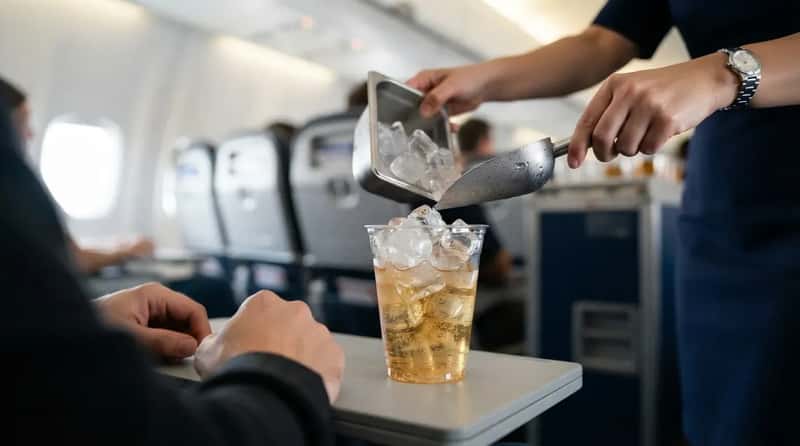
It sounds trivial, but ice is one of the most commonly under-served items on a beverage cart. Crews usually have more on hand than what fits in a standard pour, and topping off a cup takes seconds.
This is another example of a low-stakes, high-approval request – the kind flight attendants barely register as an “ask” at all. If your drink comes out warm or watery, a polite follow-up almost never gets refused. It’s a tiny fix that makes a noticeable difference on a five-hour flight.
#22 – A Fresh Napkin Stack or Hot Towel After a Spill
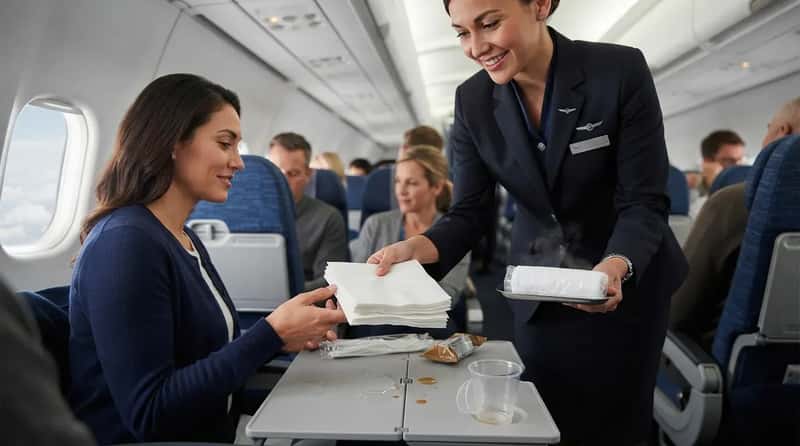
Turbulence, tight elbow room, and tiny tray tables mean spills happen constantly at 35,000 feet. Crews are used to cleaning up messes and keeping extra napkins, wipes, and sometimes hot towels stocked specifically for this reason.
Asking for a small stack “just in case” after a spill is one of the fastest yeses in the cabin. Some international carriers even hand out hot towels proactively before meals. Most domestic crews will happily produce extras on request, even if it’s not standard on that route.
#21 – Junior Wing Pins for Kids
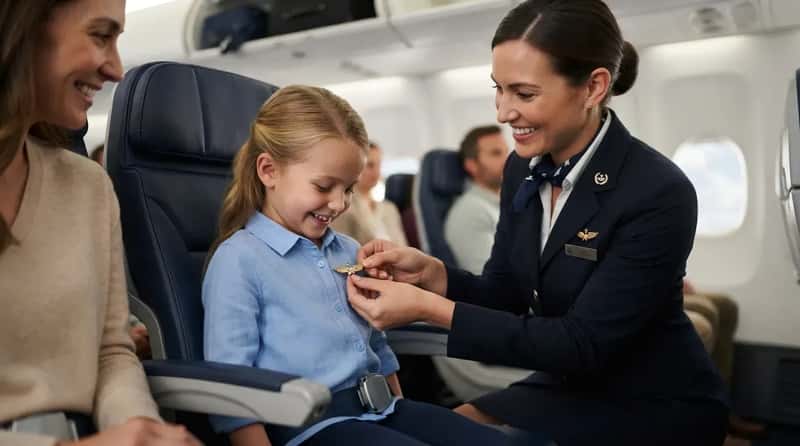
Plenty of parents don’t realize this perk still exists on many airlines. Passengers, particularly children, can request wing pins – a fun souvenir several carriers still keep in stock. All it takes is asking the flight attendant directly.
It’s a small gesture, but it turns a nervous first flight into a memorable one for a lot of kids. Crews tend to light up when a parent asks on their child’s behalf – it’s one of the rare requests that makes their day too, not just the passenger’s.
#20 – Collectible Airline Trading Cards
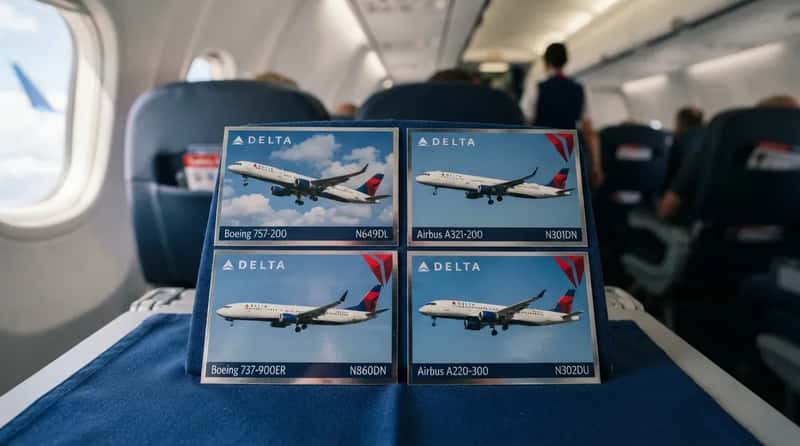
Most flyers have never even heard of this one. Delta runs a low-key trading card program with different cards for each type of plane the airline flies, and getting one simply requires asking the flight crew. Other carriers run similar programs that never get advertised on the app or website.
These cards aren’t loaded onto every cart, so availability depends on the flight and what the crew happens to be carrying that day. Asking during boarding, rather than after doors close, dramatically increases the odds of a yes. It’s become a favorite move among aviation enthusiasts who fly frequently enough to collect the full set.
Why It Stands Out
- Each card typically corresponds to a specific aircraft type in the fleet
- Cards are only ever handed out by crew – never sold or listed anywhere
- Supply varies flight to flight, so timing and luck both matter
- It’s become a quiet collecting hobby among frequent aviation fans
#19 – A Photo Inside the Cockpit After Landing
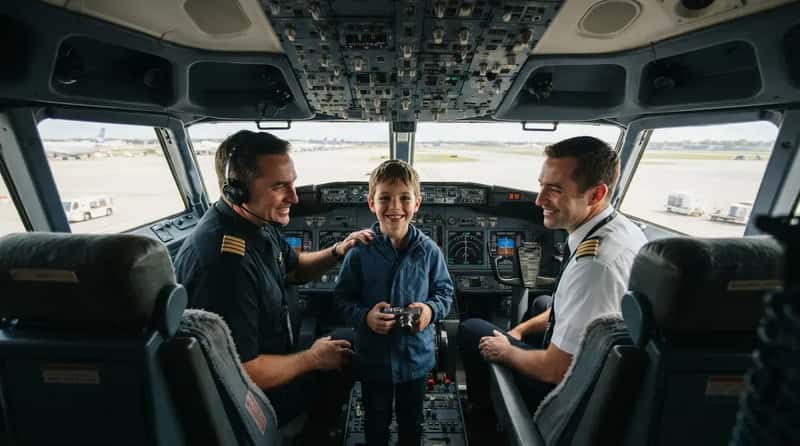
This one surprises almost everyone who tries it. After landing, passengers may be allowed to take a photo inside the cockpit, and if the pilot is still there, some will even offer to pose for one. Security rules have tightened over the decades, but this small window still exists on many flights.
The key is asking respectfully once the aircraft has parked and other passengers have cleared out – not during boarding or mid-flight. Pilots tend to enjoy the request, especially from kids or first-time flyers. It’s become one of the more shareable “hidden perks” quietly circulating among frequent flyers.
#18 – A Quick Galley Question or Peek at the Flight Deck
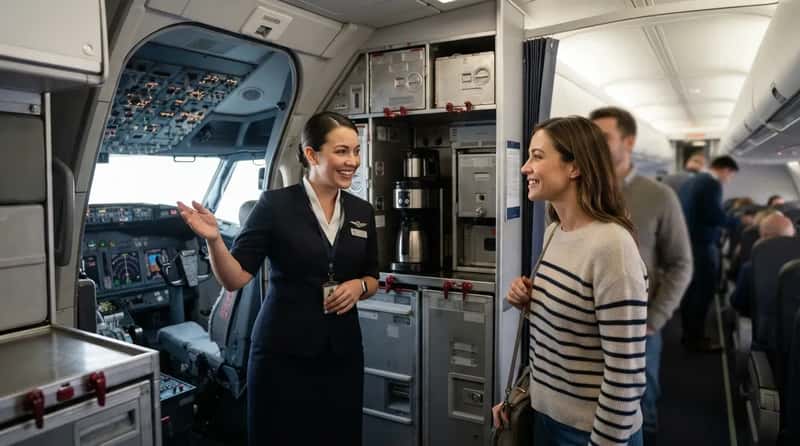
Curious passengers sometimes ask what a certain switch does, how long the crew has flown together, or what a specific alert sound means. Most crew members are happy to answer basic questions when things are calm, especially before takeoff or after landing.
This isn’t the same as requesting cockpit access mid-flight, which is a hard no for security reasons. But a friendly, well-timed question at the gate or during boarding almost always gets a genuine, generous answer. Curiosity, asked politely, rarely gets shut down.
#17 – Dimmed Lights and a Quieter Cabin for Sleep
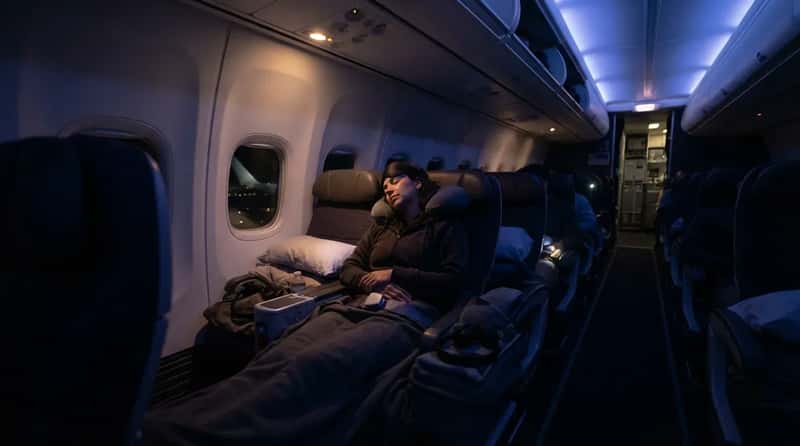
On overnight and long-haul flights, crews are generally receptive to keeping the cabin dim and quiet once meal service wraps up. If you explain you’re trying to sleep before a big meeting or connection, most flight attendants will work with you on lighting and noise where they can.
Obviously they can’t control every crying baby or chatty row, but they can manage cabin lighting, announcement volume, and their own service timing. Asking early in the flight, rather than after you’re already annoyed, tends to get the best results. It’s a small courtesy most passengers never think to request.
#16 – Updates on Turbulence or Flight Progress
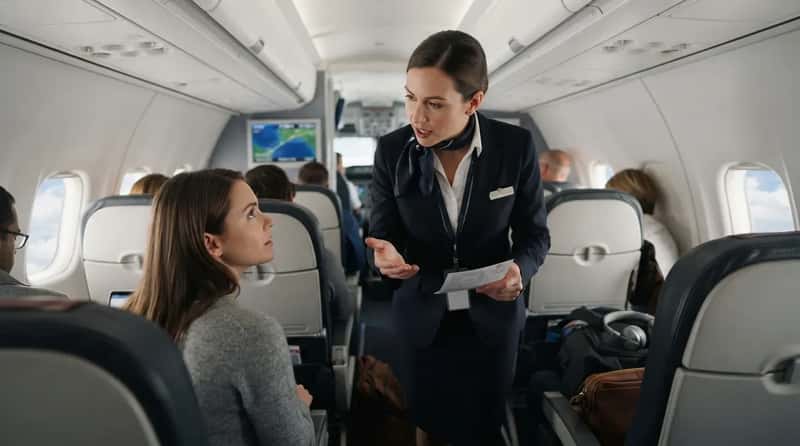
Nervous flyers ask about turbulence constantly, and crews are usually willing to relay whatever the flight deck has shared. Passengers often ask for updates on arrival times, especially when they have connecting flights or important commitments waiting for them, and flight attendants share the most current information available.
That said, don’t expect a meteorologist-level forecast. One flight attendant admitted that during a fog delay, she must have looked pretty powerful that day, because so many people kept asking her when the fog would lift – even though she genuinely had no idea. Crews will share what they know; they just can’t invent information they don’t have.
#15 – Help Stowing a Heavy or Awkward Carry-On
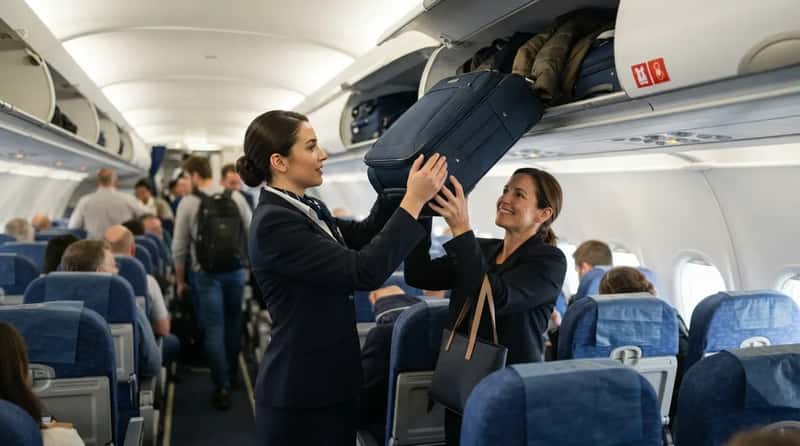
Wrestling a suitcase into an overhead bin is one of boarding’s most common friction points, and it’s also one of the easiest requests to get approved. Flight attendants would almost always rather help than watch someone struggle and delay the whole boarding process.
One flight attendant put it bluntly about the passengers who create the real headaches: leaving a carry-on sticking out six inches in a full overhead bin before taking a window seat is what actually irritates crew, not the request for help itself. Simply asking for assistance, or pointing to a bin with more room, is always welcomed.
#14 – A Seatbelt Extension, No Questions Asked
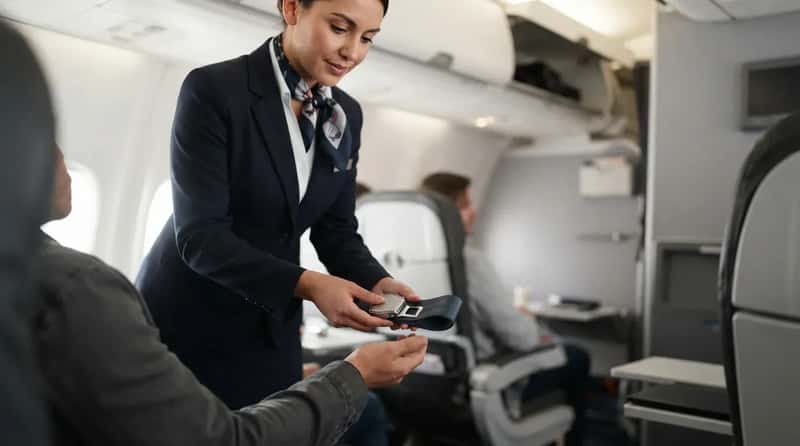
This is one of the most consistently approved requests in aviation, and crews are trained to handle it with zero fuss. A seatbelt extension is provided discreetly, no questions asked, because airlines keep them on hand specifically so a flight attendant can pass one over quietly rather than making it a visible event.
There’s one important rule worth knowing: passengers can request a seatbelt extension from a flight attendant or gate agent if needed, but only extensions provided by the airline itself can be used. Bringing your own isn’t permitted for safety certification reasons. Beyond that, crews handle the request quickly and quietly, exactly as intended.
Fast Facts
- Seatbelt extensions are free and carried on every U.S. commercial flight
- Only airline-issued extensions meet FAA safety certification – personal ones aren’t allowed
- Crews are trained to hand them over quietly, without drawing attention
- You can request one from a flight attendant or a gate agent before boarding
#13 – Preboarding for Extra Time to Settle In
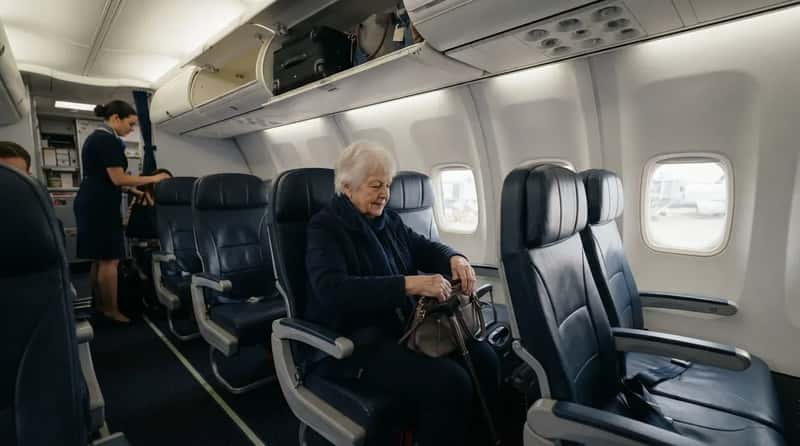
Preboarding exists for a reason, and it’s more accessible than most travelers realize. It exists specifically so passengers who move more slowly aren’t racing the clock once the doors are set to close, which reduces stress and lowers the risk of falls.
Crews generally don’t push back on this once someone identifies the need – you can simply say you’d like to preboard because you need extra time to get settled. You don’t need a formal diagnosis or paperwork, just a clear, honest ask at the gate. It’s one of the most reliably approved accommodations in all of air travel.
#12 – A Birthday, Anniversary, or Celebration Shoutout
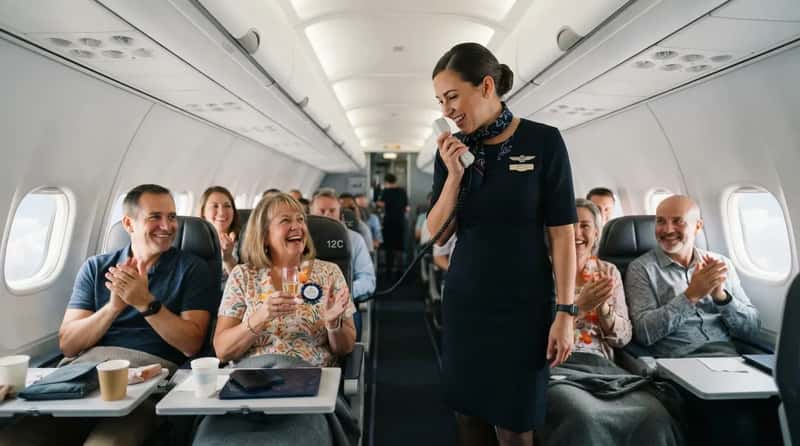
Crews field celebration requests constantly, and most are happy to make a quick, warm announcement for a birthday, anniversary, or milestone trip. It costs nothing and takes ten seconds, which is exactly why it gets approved so often.
Not every announcement lands the way passengers expect, though. One flight attendant recalled being asked to announce a congratulations for a friend’s divorce – proof that crews will generally attempt almost any celebratory request, even the unconventional ones, as long as it’s in good spirit and doesn’t disrupt the flight.
#11 – Warming a Baby Bottle or Formula
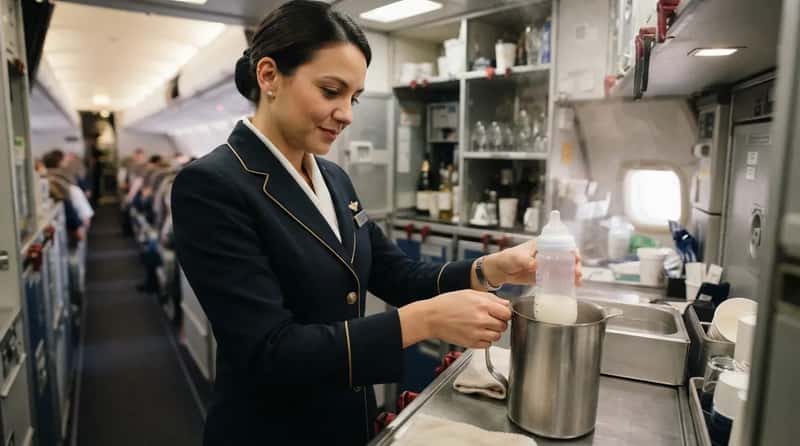
Parents traveling with infants often don’t realize this service exists. Most crews are willing to warm a bottle or cup of formula in the galley using hot water, since it’s a quick, low-effort accommodation that makes a real difference for a fussy baby at altitude.
This falls under the same category as other health-and-comfort requests crews rarely refuse – it directly affects a vulnerable passenger’s wellbeing, not just convenience. Asking early, before the baby is already screaming, tends to get the fastest turnaround. It’s a small kindness that experienced parents learn to rely on.
#10 – A Children’s Activity Kit
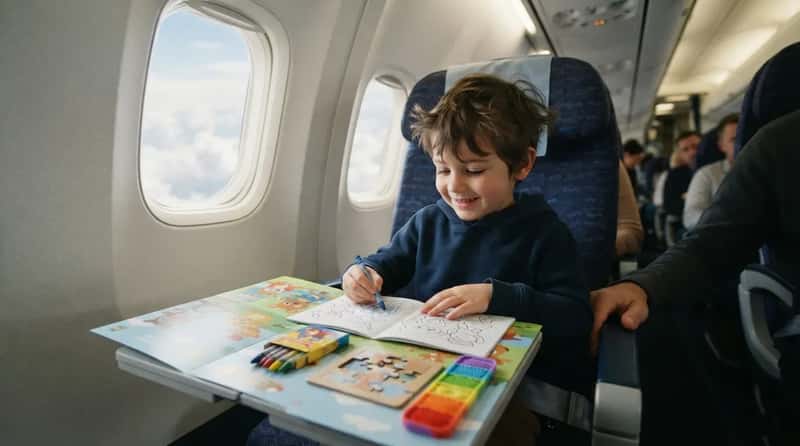
Long flights with restless kids used to mean packing every distraction yourself. Now, several major carriers keep something in reserve. Some airlines offer complimentary activity packs, like United’s Children’s Travel Kit designed with Sesame Street, which includes crayons, an activity book, a puzzle, and a sensory strip to help calm anxiety.
These kits aren’t always advertised or handed out automatically, which means plenty of parents fly for years without knowing they exist. It’s worth asking a flight attendant during boarding, because many airlines will still have them available on request even if none were offered proactively.
#9 – Moving to an Empty Row After Boarding Closes
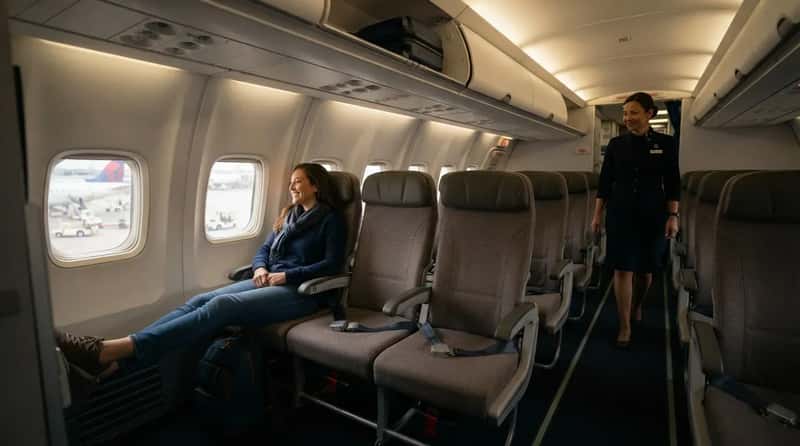
Once the doors shut and the flight isn’t full, crews often allow passengers to spread out into empty rows. This is one of the more quietly celebrated wins among frequent flyers, and it costs the airline nothing once the seat count is locked in.
The catch is timing: asking too early, before boarding fully wraps, usually gets a “let’s wait and see.” Asking right after the door closes, when the seat map is final, gets the best results. Crews would almost always rather see passengers comfortable than sitting shoulder-to-shoulder in a half-empty cabin.
At a Glance
- Best time to ask: right after the boarding door closes
- Worst time to ask: mid-boarding, before the seat map is final
- Odds improve on flights that clearly boarded under capacity
- Crews would rather spread passengers out than manage cramped rows all flight
#8 – Sitting Together as a Family or Group
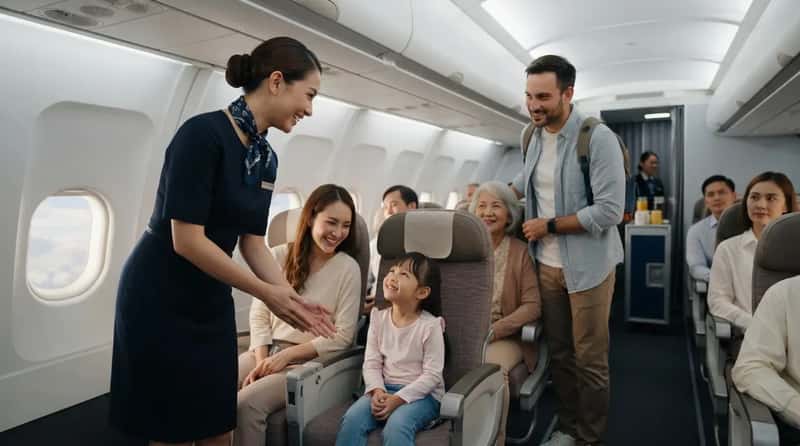
Seat-swap requests are among the most common things crews hear on every single flight. One of the most frequent asks flight attendants receive comes from passengers hoping to switch seats, and many simply wish to sit closer to family or friends.
Success isn’t guaranteed, since seat changes depend on availability, airline policies, and operational requirements such as aircraft balance, but a polite inquiry is always appreciated. Still, crews will almost always try to help a parent sit next to a young child or reunite a split-up family whenever the seat map allows it.
#7 – A Meal Swap for Dietary or Religious Needs
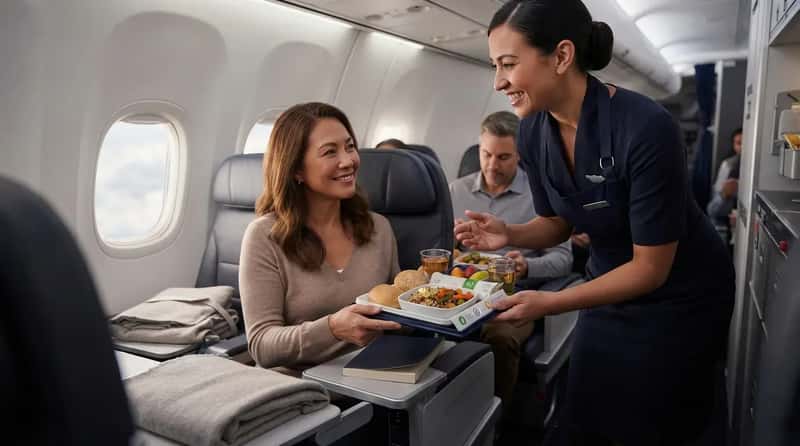
Passengers who pre-order special meals for dietary, religious, or medical reasons are rarely refused a swap if their original meal is unavailable or incorrect. Crews generally treat this as a service obligation, not a favor, since the request was already flagged during booking.
Even without a pre-order, asking about vegetarian, gluten-free, or allergy-safe alternatives at meal service sometimes turns up backup options crews keep for exactly this situation. It’s rarely a guaranteed yes without advance notice, but crews will almost always try. A little flexibility from the passenger goes a long way here too.
#6 – Extra Reassurance for an Unaccompanied Minor
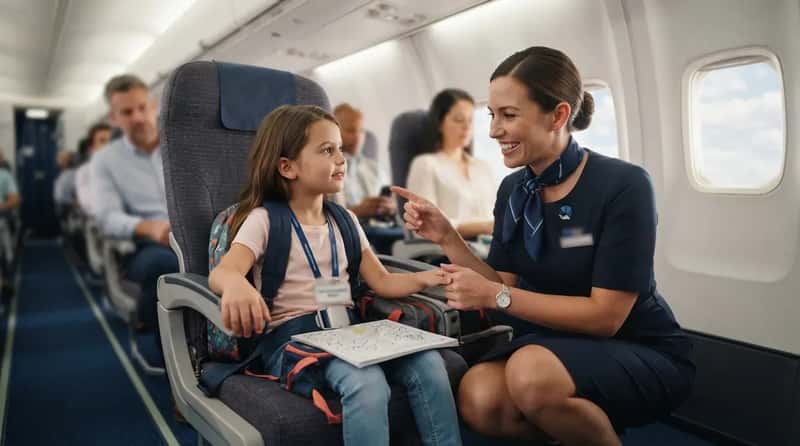
Kids flying alone get a level of attention most passengers never see. Crews routinely check in more frequently, walk them through the flight, and coordinate closely with gate staff on both ends of the trip to make sure the handoff goes smoothly.
Parents who ask for a few extra check-ins, a specific seat near the galley, or a heads-up before landing almost always get a yes. This is one area where crews go noticeably out of their way, treating the request less like a favor and more like part of the job they take seriously.
#5 – Wheelchair Assistance Coordinated Gate-to-Gate
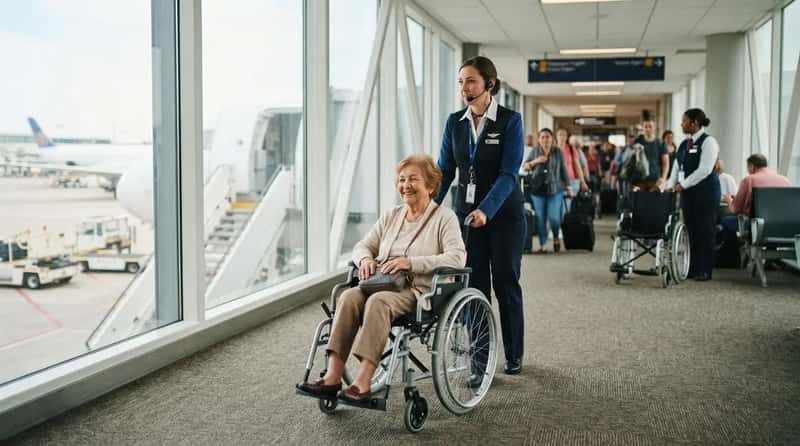
Mobility requests are handled with a level of coordination most passengers underestimate. Once a wheelchair or mobility assistance request is made, crews typically communicate directly with gate agents on both ends to make sure help is waiting the moment the aircraft door opens.
This is treated as a near-automatic yes, not a special favor requiring justification. Crews would rather over-communicate a mobility need than risk a passenger being left stranded at an unfamiliar gate. It’s one of the most consistently honored requests in commercial aviation.
#4 – Deplaning First for a Tight Connection
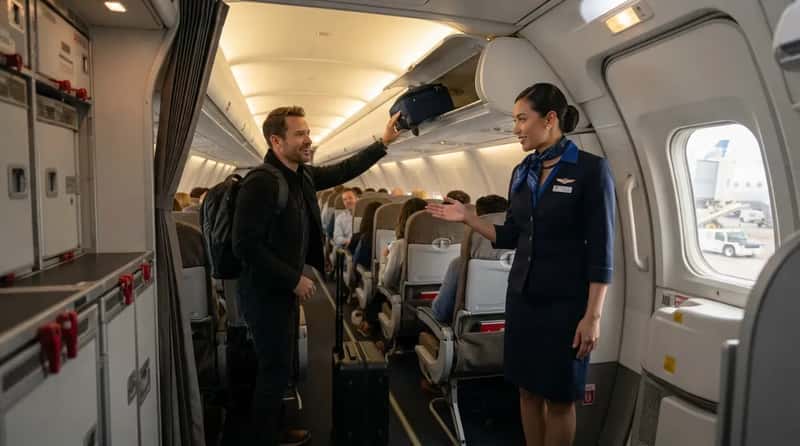
Missing a connection because you were seated in row 34 is a familiar nightmare, and crews know it. When a passenger flags a genuinely tight connection before landing, many flight attendants will quietly let them move closer to the front or step off first once the seatbelt sign is off.
This isn’t an official policy on most airlines, which is exactly why so few passengers ask for it. It works best when raised early, respectfully, and specifically – “I have an 18-minute connection” lands very differently than a vague complaint after landing. Crews generally want to help; they just need the ask to come before chaos breaks out at the door.
#3 – Paging a Doctor During a Medical Situation
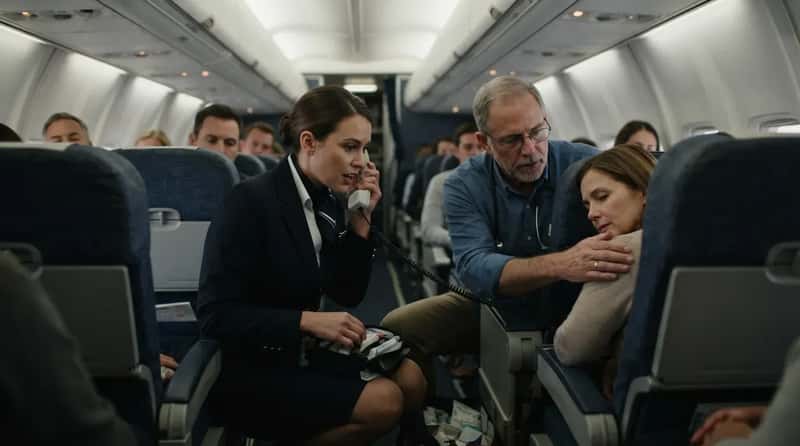
This is one request crews treat as an absolute priority, every time. If there’s a medical emergency on board, the cabin crew can put in calls to doctors on the ground or ask if there are any doctors or nurses on board to help.
Flight attendants aren’t just servers with a cart – depending on the airline, they carry varying degrees of medical training, including practical tests on diagnosing conditions, splinting broken limbs, and stopping nosebleeds, along with medical supplies they can use in an emergency. A medical request is never treated as an inconvenience, no matter the hour or how minor it seems at first.
Fast Facts
- Research published in the New England Journal of Medicine found in-flight medical emergencies occur roughly once every 604 flights
- Physician passengers step in to help in nearly half of those cases
- Every U.S. commercial aircraft is required to carry a medical kit and an automated defibrillator
- Crews can radio ground-based doctors for guidance even if no medical professional is on board
#2 – A Little Extra Kindness in Return for Yours
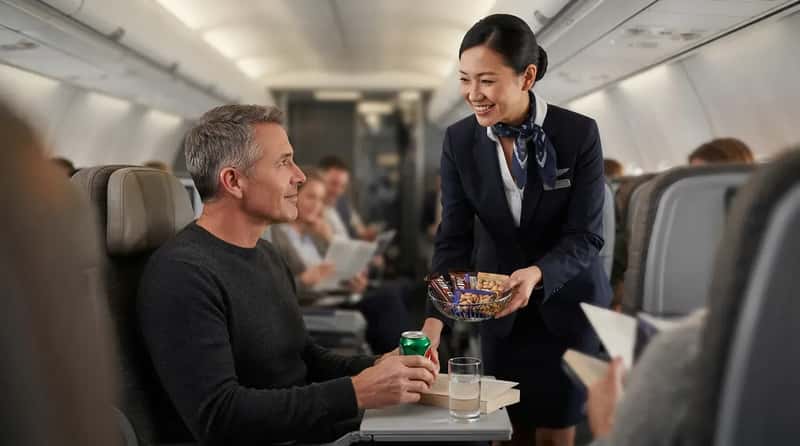
Here’s the truth most travelers overlook: manners quietly move mountains in a metal tube at 35,000 feet. Even saying hello and thank you as you get on and off the plane is appreciated, and a flight attendant who’s genuinely touched by your kindness may hook you up with extra snacks or drinks.
One veteran flight attendant put it more bluntly, noting that people actually speaking to her when she asks what they’d like to drink is becoming a thing of the past, even though it’s the little things that make a real difference. Politeness isn’t just nice – it’s practically a request-approval strategy on its own.
#1 – Anything Involving Genuine Safety or Health
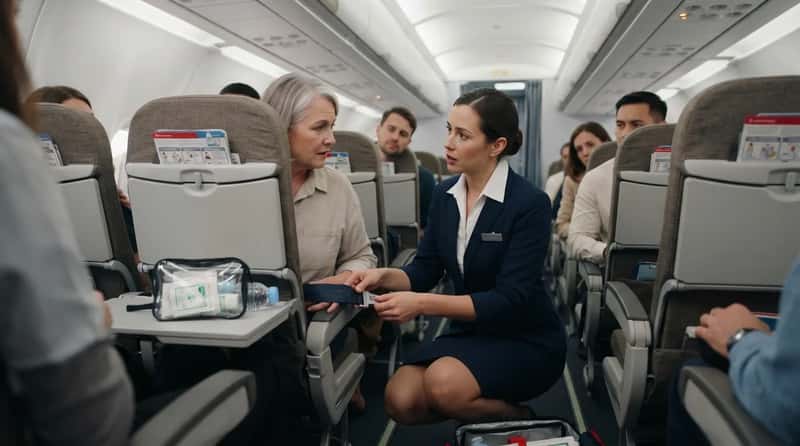
At the very top of the list is the one category crews say gets approved without hesitation, every single time. Etiquette experts who work directly with flight attendants put it plainly: there are safety issues, comfort issues, convenience issues, and health issues – and when there’s a health or safety issue, it’s appropriate to ask every single time.
There are safety issues, comfort issues, convenience issues, and health issues. And I feel like whenever there’s a health or safety issue, that’s a fair one to ask, always.
Jacqueline Whitmore, etiquette expert
Comfort requests get weighed against timing and workload. Safety and health requests don’t. Whether it’s a seatbelt extension, a medical page, a preboarding need, or simply feeling unwell mid-flight, this is the one category where crews say the answer is always yes, no exceptions, no hesitation.
None of these requests require special status, elite miles, or a first-class ticket. They just require asking – clearly, politely, and at the right moment. The recurring theme across dozens of flight attendant accounts is simple: crews want to help, they’re just rarely given the chance because passengers assume the answer will be no.
So next time you’re strapped into 23C wondering if it’s worth flagging someone down, remember that most of these “hidden” perks aren’t hidden at all – they’re just unasked. What’s the best thing you’ve ever gotten simply by asking a flight attendant? Drop it in the comments.