When you turn on your tap at home, you might take for granted that clean, safe water will flow out. Yet this simple assumption isn’t shared by billions of people worldwide. According to the World Health Organization, more than a quarter of the world’s population lives in water-stressed countries, and a similar number use a drinking water source contaminated with faeces. The shocking reality is that approximately 2 billion people worldwide lack access to safely managed drinking water at home, according to the WHO.
The quality of tap water varies drastically between nations. While some countries offer water so pure it rivals bottled brands, others pose serious health risks. Recent studies from Yale University’s Environmental Performance Index provide startling insights into which countries excel at water safety and which fall dangerously short.
Estonia Takes the Crown for Global Water Safety
Estonia ranks highly in the 2025 Environmental Performance Index, excelling in environmental health and ecosystem vitality. The Baltic nation has achieved something remarkable with its water supply system. Estonia’s capital city, Tallinn, takes its supply from Lake Ülemiste, and the country has implemented extensive water treatment processes that ensure exceptional quality.
What makes Estonia’s achievement even more impressive is the country’s ability to maintain pristine water standards despite past challenges. Estonia’s water treatment processes mean that the supply remains among the purest in the world, despite a plane crashing into the lake in 2010 and leaking over a ton of fuel. The nation’s commitment to sustainable practices and strict regulations has created a system that delivers some of the world’s cleanest tap water.
Luxembourg Leads in Water Management Excellence
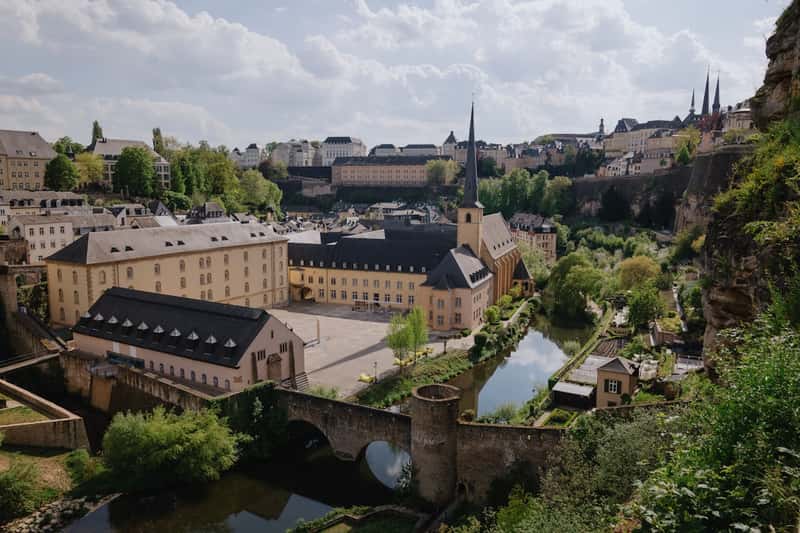
Luxembourg performs excellently in water management according to Environmental Performance Index rankings thanks to advanced wastewater treatment systems and strict EU-aligned standards. The small European nation offers something unique in how it sources its water. Luxembourg is one of those rare countries that provides water to its citizens directly from springs. These springs comprise 60% of the country’s water supply, with the remaining 40% sourced from the Upper Sûre Lake.
The quality control in Luxembourg is exceptional. Though nitrate levels exist in the spring water, these levels are well within the 50 mg/L threshold set by the European Environment Agency. This careful monitoring ensures residents enjoy consistently safe drinking water throughout the country.
Singapore Pioneers Advanced Water Monitoring
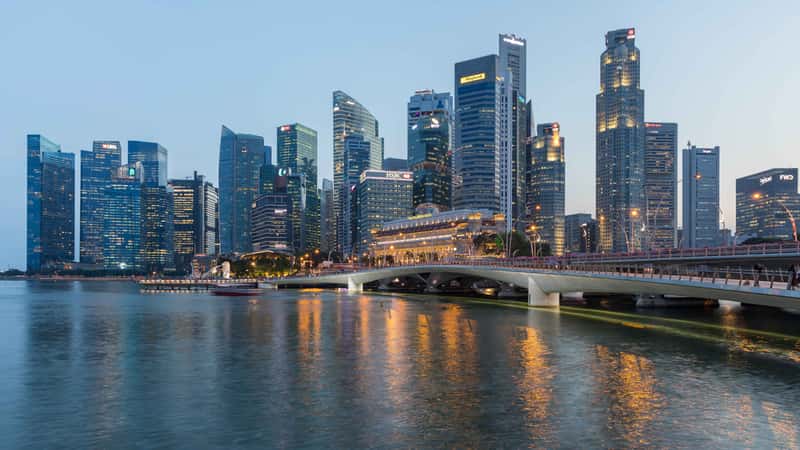
Singapore turns out to lead the world in terms of the provision of clean drinking water. It is thanks to the city-state’s National Water Agency for pioneering the automation of drinking water monitoring and early warning systems. The technology employed is cutting-edge and comprehensive.
Such monitoring systems enable them to test drinking water for potential chemical, microbiological, and radiological contaminants. Interestingly, despite the safety and cleanliness, the report points out that many Singaporeans still boil their tap water before drinking. This is in order to further remove potential bacterial and chemical contamination in the water. This extra caution demonstrates how seriously the nation takes water safety.
Afghanistan Faces Severe Water Crisis
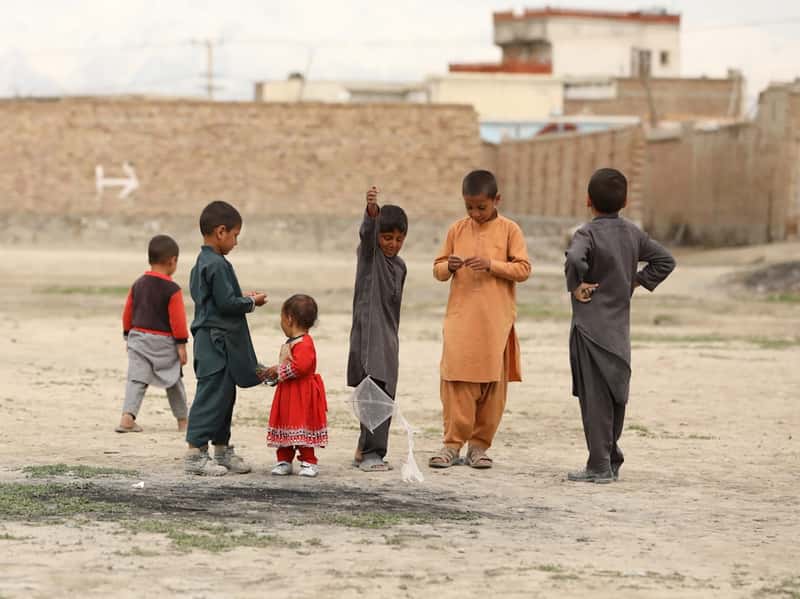
Afghanistan is facing significant challenges in providing clean drinking water. According to UNICEF reports, the country’s groundwater quality is poor due to natural and anthropogenic factors, including contamination from agricultural runoff and untreated sewage. The situation has become critical for millions of residents who depend on compromised water sources.
Most drinking water is sourced from wells, rivers, and springs, which are often polluted. To add to this, Afghanistan’s infrastructure for water treatment is underdeveloped, leading to widespread issues with waterborne diseases. Rural communities face the worst conditions, with limited alternatives to unsafe water sources.
Laos Struggles with Dangerous Water Access
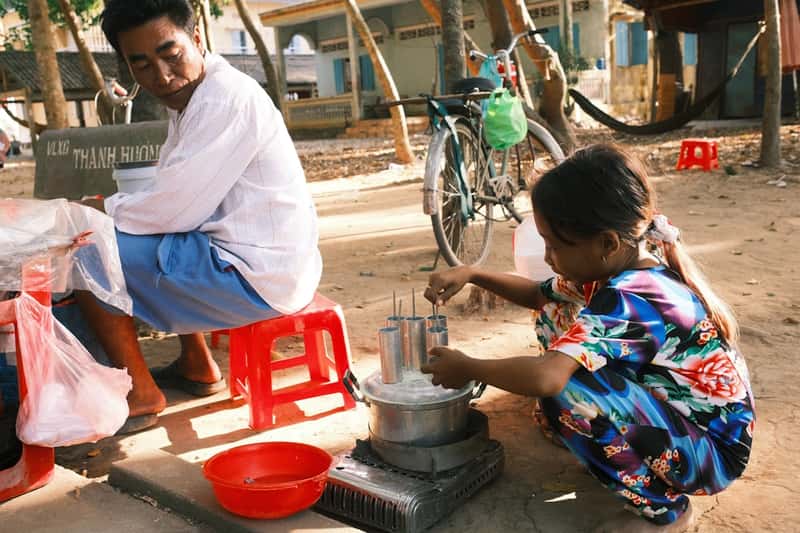
The water crisis in Laos has reached alarming proportions. The 2021 Lao National WASH Survey revealed that a significant portion of the population lacks access to safe water, and sanitation services are inadequate in healthcare facilities. This statistic reveals the magnitude of the public health challenge facing the country.
Hydropower development along the Mekong River disrupts water flow and increases contamination. Rural communities face extreme water scarcity, relying on polluted sources for daily needs. The lack of infrastructure leaves residents vulnerable to preventable waterborne illnesses that could be avoided with proper water treatment systems.
Pakistan Confronts Massive Water Pollution Crisis
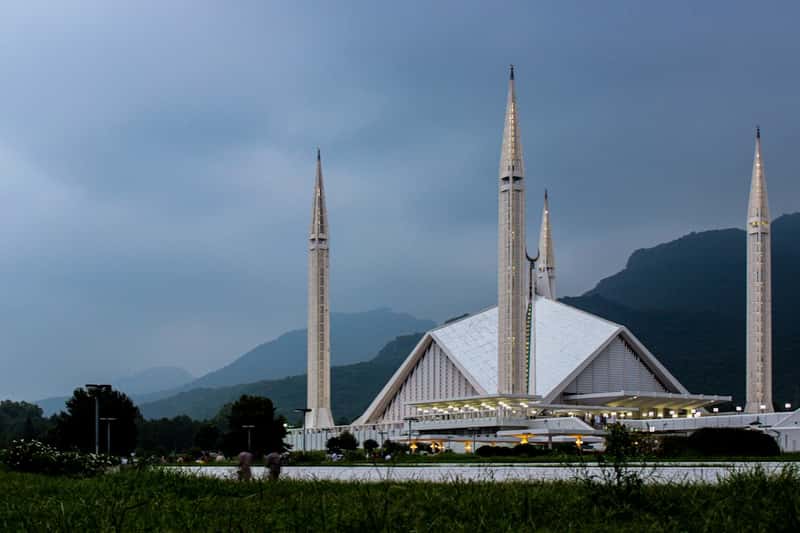
Pakistan faces one of the most dire water pollution crises, with a large portion of the population lacking access to clean drinking water. This staggering figure places Pakistan among the countries with the most severe water safety challenges globally. The situation affects both urban and rural populations across the nation.
This country has the biggest gap in hygiene between the richest and poorest people. Pakistan is a South Asian nation where 50.6% of the people were capable of using safe drinking water in 2022. The country recorded a low EPI score of 15.30 in 2022. The disparity highlights how economic inequality directly impacts access to basic water safety.
Haiti Records Among the Lowest Safety Scores
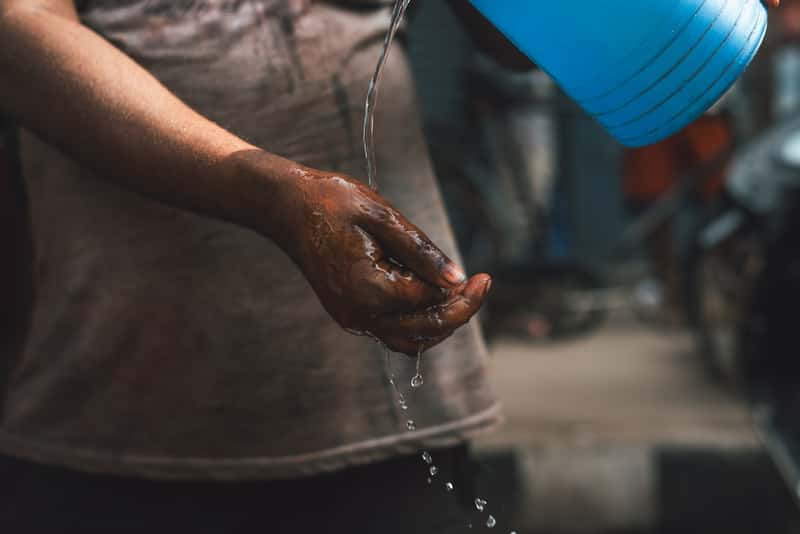
The country of Haiti records one of the lowest EPI scores which depicts that the drinking supply of the country is not clean and safe. Thus, Haiti has one of the worst drinking water supplies. The Caribbean nation’s struggles with water infrastructure have persisted for years, affecting millions of residents who lack reliable access to safe drinking water.
Haiti’s low Environmental Performance Index score reflects the severe challenges the country faces in providing basic water safety to its population. The combination of infrastructure deficits, economic constraints, and environmental factors creates a complex web of water quality issues that require urgent attention and international support.
Chad Among Africa’s Most Affected Nations
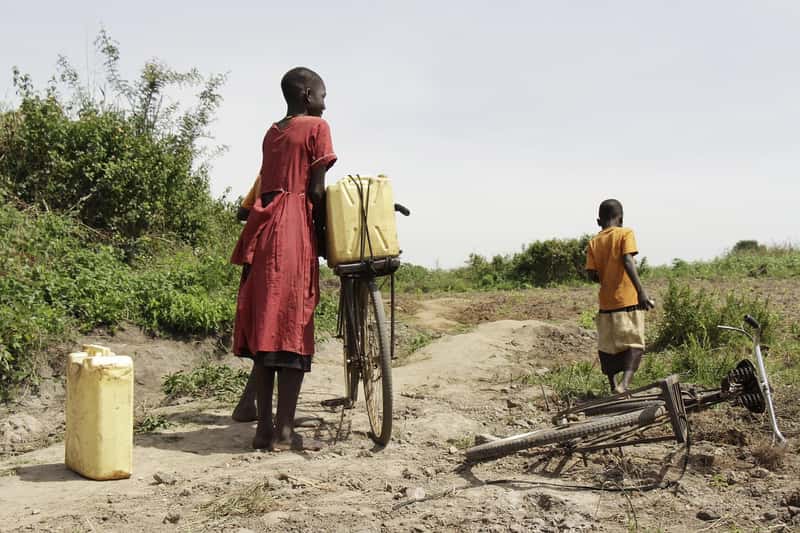
As reported by the United Nations, Africa is currently going through a water catastrophe. West and Central Africa tend to be one of the most water-insecure and climate-impacted regions globally. The countries majorly affected by this water-related crisis are Benin, Burkina Faso, Cameroon, Chad, Côte d’Ivoire, Guinea, Mali, Niger, Nigeria, and Somalia.
One-third of children across these countries lack access to at least basic water at home. This has resulted in a huge death burden among African children. The severity of the situation is evident from the fact that two out of five children under the age of five who die around the world from water-related diseases belong to these countries. Chad’s inclusion in this crisis zone demonstrates the urgent need for water infrastructure improvements.
The stark contrast between countries with the safest and most dangerous tap water reveals how geography, economics, and governance intersect to determine this most basic human need. While nations like Estonia, Luxembourg, and Singapore have invested heavily in water treatment technology and monitoring systems, others continue to struggle with contaminated sources that threaten public health daily. The data shows that access to clean water isn’t just about natural resources but about a country’s commitment to protecting its citizens’ most fundamental requirements.