The road ahead can be treacherous or smooth, depending entirely on where you point your steering wheel. While technology has advanced dramatically in recent years, the reality of global driving conditions remains startlingly uneven. Some nations have transformed their roadways into models of safety and efficiency, while others continue to challenge even the most experienced drivers with chaotic traffic patterns, poor infrastructure, and unpredictable road rules.
India: Where Traffic Laws Are More Like Guidelines

With an average ‘scare score’ of 7.15 out of a possible 10, India ranks as the country that motorists are most nervous to drive in, according to recent research conducted across multiple nations. The streets of India present a fascinating yet frightening blend of organized chaos that can overwhelm unprepared drivers. Motorcycles weave between cars with millimeters to spare, while horses are often found on major highways and roads alongside modern vehicles.
Indian roads and drivers can be extremely “unpredictable” whether you are on a highway, country road or busy street, with roads that are always super congested. The combination of diverse transportation methods, varying road quality, and cultural driving norms creates an environment where defensive driving becomes essential for survival. What makes India particularly challenging is the constant need to anticipate the unexpected, from sudden stops to creative interpretations of lane boundaries.
Venezuela: When Road Infrastructure Crumbles

With very few traffic controls, speed limits and officials overseeing the roads, driving can be quite a challenge in Venezuela. According to Dangerous Roads, Venezuela is home to some of the most unsafe roads in South America, with traffic in numerous areas and poor road conditions in others. Venezuela and Zimbabwe, each with average scores of over 6.9 out of 10, demonstrate how political instability and economic challenges directly impact road safety.
The deteriorating infrastructure presents drivers with unpredictable hazards around every corner. Basic maintenance has become sporadic, leaving potholes unfilled and traffic signals inoperative. This creates a scenario where local knowledge becomes crucial, as GPS systems may not reflect current road conditions or sudden closures. Venezuela’s situation illustrates how quickly modern road networks can deteriorate without consistent investment and maintenance.
Egypt: Ancient Roads Meet Modern Traffic

Not only are driving conditions extremely “chaotic,” but you won’t be finding only cars and motorcycles on the street! In Egypt, horses are often found on major highways and roads. With road conditions being somewhat poor already, they’ve managed to toss in livestock to make things even more challenging. Egypt presents a unique driving challenge where ancient transportation methods collide with contemporary traffic patterns.
The unpredictability extends beyond just livestock encounters. Traffic flows follow unwritten rules that locals understand intuitively but can confuse visitors entirely. Horn honking serves as a complex communication system, while lane markings are treated more as suggestions than requirements. This creates an environment where patience and adaptability become essential survival skills for anyone behind the wheel.
Netherlands: Engineering Excellence on Wheels
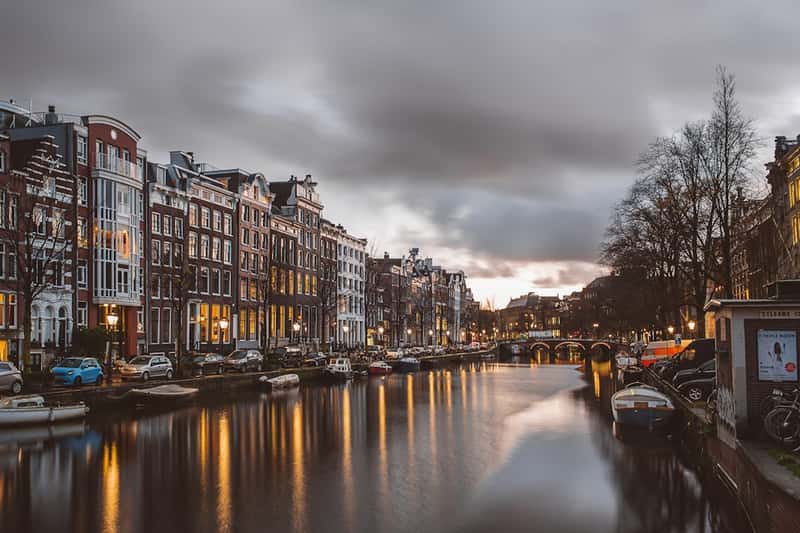
The Netherlands boasts the safest roads globally, earning an impressive score of 7.86/10. This small northern European nation stands out with the highest road quality among all the countries studied, obtaining a score of 6.4. Moreover, the Netherlands has commendable rates of seatbelt usage and remarkably low traffic levels. The Dutch approach to road design emphasizes safety through thoughtful engineering and comprehensive infrastructure planning.
A remarkable characteristic of this country is its renowned cycling culture, as it holds the highest proportion of cyclists worldwide, with one bike per person. Consequently, the prevalence of cycling reduces the number of drivers on the roads, contributing to enhanced road safety. This integrated transportation philosophy creates an environment where different modes of transport coexist harmoniously, reducing overall traffic stress and accident rates.
Norway: Nordic Safety Standards
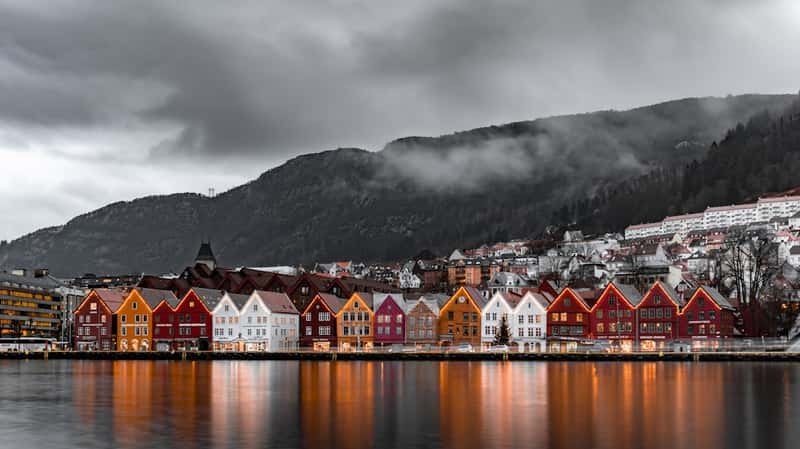
Norway consistently ranks among the world’s safest countries for driving, while runner-up Iceland ranked in last year’s top five safest countries. Norway has officially earned the title of the safest place to drive in the world, with approximately 1.6 traffic-related fatalities per 100,000 people. Despite challenging weather conditions, Norway has created a driving environment that prioritizes safety above all else.
Norway holds the second spot in the ranking of the world’s safest roads. This Nordic nation boasts the second-lowest number of road deaths per 100,000 people, a noteworthy achievement. Additionally, Norway enforces a prudent motorway speed limit of just 110 kph, further contributing to road safety. Despite facing icy temperatures, particularly in the northern regions, which can create treacherous road conditions, Norway’s high safety score stands as a significant accomplishment.
The success of these rankings reflects years of systematic investment in both infrastructure and driver education. Countries like the Netherlands and Norway demonstrate that safety isn’t accidental – it results from deliberate policy choices, consistent enforcement, and cultural attitudes that prioritize collective wellbeing over individual convenience. Meanwhile, the challenges faced by India, Venezuela, and Egypt remind us that economic development, political stability, and road safety remain deeply interconnected in today’s globalized world.