Airport days rarely feel glamorous. Between security lines, gate changes, and the low hum of overhead announcements, most people just try to get through it. Yet a handful of small habits, the kind that take almost no extra effort, can quietly change how the whole experience feels.
These aren’t dramatic life hacks or expensive upgrades. They’re small shifts in timing, packing, and mindset that frequent flyers have leaned on for years, and they hold up well against how airports actually function today.
1. Arriving with a buffer instead of a deadline
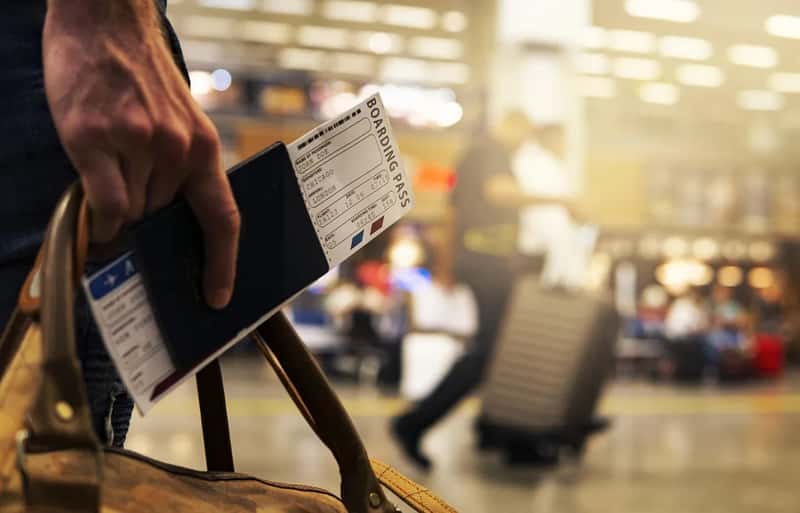
Treating the airport arrival time as a buffer rather than a strict countdown changes the emotional tone of the entire day. Security wait times fluctuate widely depending on the airport, the season, and even the hour, so building in extra time isn’t paranoia, it’s realistic planning. The Transportation Security Administration has consistently reported that domestic checkpoints screen well over two million passengers on a typical day, a volume that naturally creates unpredictable bottlenecks.
People who give themselves this cushion tend to move through terminals differently. They aren’t scanning departure boards with tension in their shoulders or speed walking past shops they’d otherwise enjoy. That extra thirty or sixty minutes turns into something usable, like a slow coffee or a moment to sit before boarding, rather than time lost to stress.
2. Packing one small comfort item that has nothing to do with logistics

Most travel advice focuses on efficiency, chargers, documents, liquids in the right size bottles. A quieter habit that frequent travelers mention often is packing one item purely for comfort, unrelated to any packing checklist. It might be a specific snack, a familiar scent, a paperback, or headphones loaded with a favorite playlist.
This habit matters because airports are sensory heavy environments, bright lights, constant announcements, recycled air. Psychologists who study travel stress note that small, familiar sensory anchors can help regulate mood in unfamiliar or overstimulating settings. It’s a modest addition to a carry-on, but it gives travelers something predictable in a day that often isn’t.
3. Choosing one moment to slow down on purpose

Airports are designed for movement, yet some of the most content travelers are the ones who intentionally pick one moment to stop rushing. That could mean sitting at the gate twenty minutes early instead of arriving right at boarding, or taking five minutes to look out a terminal window instead of checking a phone. It sounds simple, almost too simple to matter, but the habit interrupts the low grade urgency that airports tend to generate.
Behavioral researchers who study travel patterns often point out that anticipatory stress, the tension before an event, can be more taxing than the event itself. A deliberate pause doesn’t erase the noise or the crowds, but it gives the mind a break from constantly scanning for the next task. Travelers who build this into their routine often describe airport days as calmer, even when nothing about the airport itself has changed.
None of these habits require a plan, a purchase, or a new app. They rely on timing, a small object, and a single unhurried moment. Together, they nudge airport days away from something to survive and closer to something that simply passes without friction.