Every seasoned budget traveler has a mental checklist of small purchases that quietly drain a vacation fund if you’re not paying attention. These aren’t the big-ticket items like flights or hotels that everyone already researches obsessively. They’re the little transactional moments right after landing, when you’re tired, disoriented, and just want things sorted quickly. That’s exactly when the markups happen, and exactly when experienced travelers know how to sidestep them.
The three categories below cost the average tourist real money every single trip, sometimes without them ever realizing it. Meanwhile, budget-savvy travelers have quietly figured out cheaper routes to the same outcome. None of this requires sacrificing comfort or convenience. It just requires knowing where the traps are set.
1. Mobile Data and SIM Cards
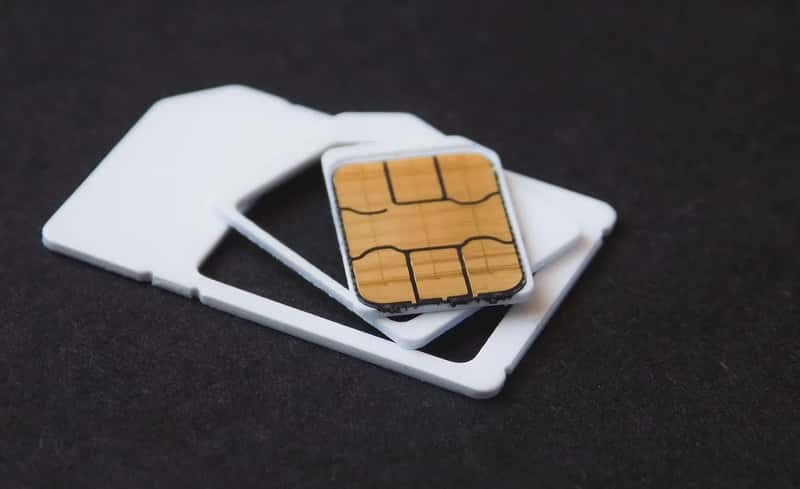
Nothing says “I just got off a long-haul flight” quite like beelining straight for the SIM card kiosk in the arrivals hall. It feels like the responsible thing to do, since you need a map or a way to contact your ride. Unfortunately, that convenience carries a steep price tag. Buying a SIM card at the airport feels convenient but almost always costs more, with airport SIM vendors charging 40 to 70% above market rates while eating into your arrival time.[1] One pricing guide found an even starker example, noting that a 10GB data plan in Japan cost $75 at Narita Airport versus $25 for an eSIM with the same coverage, a 200% markup.[2]
Budget travelers have largely solved this by buying connectivity before they ever leave home. While eSIMs for travel are cheaper than paying for a U.S. international plan, they are not cheaper than buying a local physical SIM card in most places, with companies like Airalo or Saily charging around $16 to $20 for 5GB in various regions.[3] Still, the real savings for many frequent travelers comes from skipping the airport entirely and picking up a SIM in the city center instead, since everything is usually half-price outside the airport.[3] For those staying put for weeks rather than country-hopping, a local SIM can be dramatically cheaper still, as one traveler found paying roughly $10 a month for an unlimited plan in Thailand and just $4 for 30GB in Laos when buying directly from a local network.[3] The lesson holds regardless of which option you pick: whatever you do, don’t do it at the arrivals kiosk.
2. Airport Taxis and Rideshares
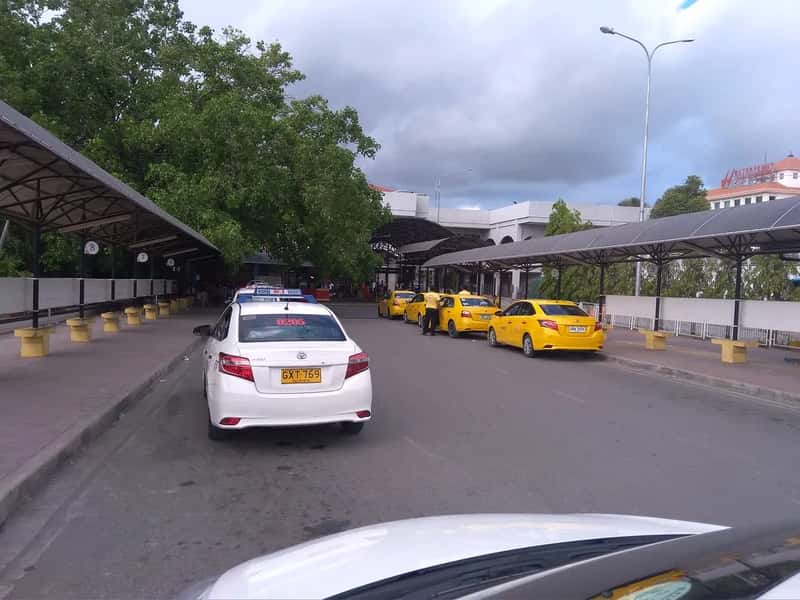
The walk from baggage claim to ground transportation is prime territory for overpaying, and it happens in more ways than travelers expect. In the United States alone, travelers spent an estimated $4.2 billion on rideshare trips to and from airports in 2025, a figure growing 12 to 15% annually as rideshare displaces taxis, rental cars, and hotel shuttles at every major airport.[4] That volume comes at a cost, since between airport surcharges of $2 to $6, peak-hour surge pricing, and longer distances, the average airport rideshare fare runs 35 to 50% higher than a comparable in-city trip.[4] Fare gaps between airports can be jarring too, with the same 15-mile ride ranging from $22 at Dallas-Fort Worth to $68 at JFK depending on surcharges, surge, and local rates.[4]
Budget-minded travelers get around this by studying the pickup rules before they land rather than after. Timing matters enormously, since one traveler’s Uber from Sea-Tac cost $28.45 on a quiet Thursday afternoon, then $62.20 for the same route two evenings later on a Saturday night after surge pricing kicked in.[5] Scheduling rides in advance can help lock in calmer pricing, and scheduling rides in advance locks in a pre-surge price, though this is recommended for departures rather than arrivals since scheduled pickups don’t adjust for flight delays.[4] Flat-rate taxis are often the quiet budget hero here too. In Paris, for instance, official 2025 flat rates run 56 euros between Charles de Gaulle airport and the Paris right bank, and 45 euros between Orly airport and the right bank,[6] giving travelers a predictable number instead of a surge-driven surprise. The people who avoid overpaying simply check whether their destination airport has a known flat fare or off-airport pickup discount before they ever join a queue.
3. Currency Exchange
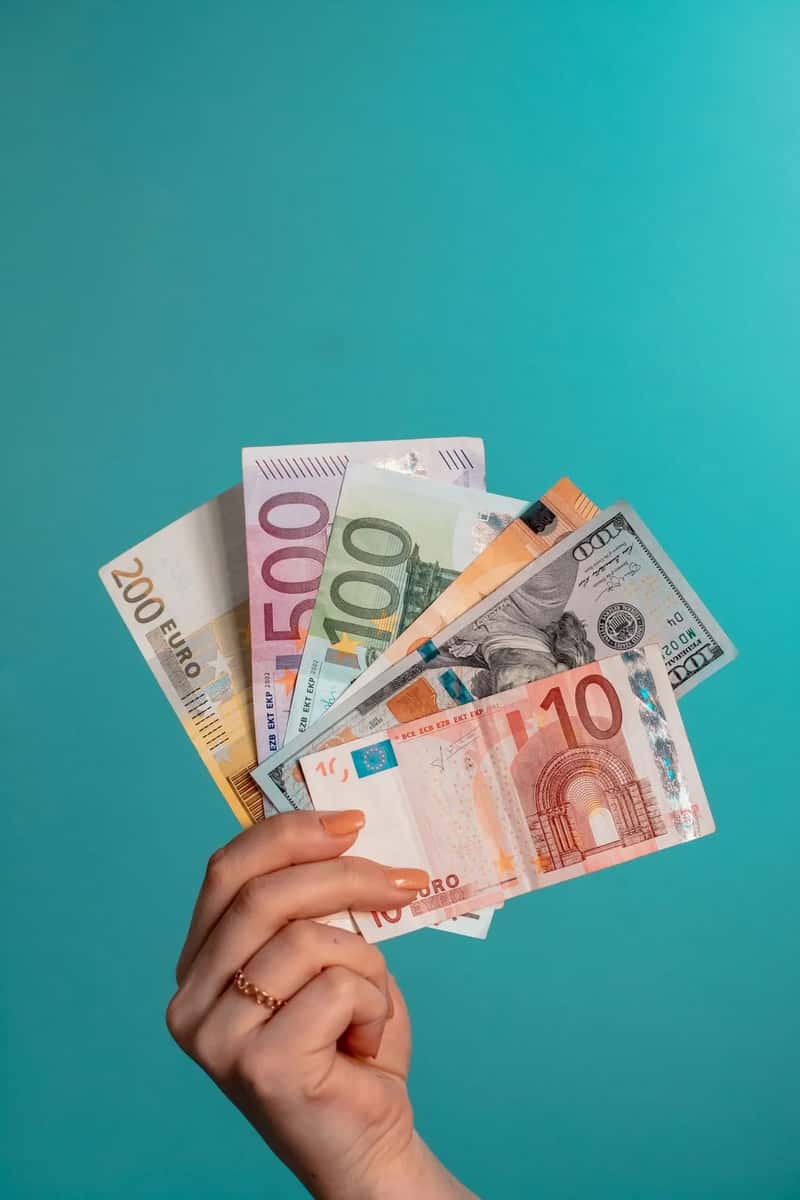
Few travel expenses are as invisible as a bad exchange rate, which is exactly why so many tourists get quietly overcharged without noticing. Airport kiosks and tourist-area exchanges often mark up 8 to 10% or more, meaning $1,000 might yield $920 worth of foreign currency at a bank versus only $820 at an airport kiosk.[7] The problem isn’t always an obvious fee either, since airport kiosks prominently advertise “no fees” but make their profit on exchange rates marked up far above market prices.[8] Some counters are worse than others depending on location within the terminal, and one industry report advises travelers to compare rates across at least two providers within the terminal and avoid exchanging currency at the first counter encountered immediately post-customs, where rates tend to be least competitive due to captive demand.[9]
Budget travelers tend to handle this in one of two ways: minimal airport exchange, or none at all. A common strategy is to exchange only enough cash at the airport for a taxi or bus to the hotel, then use ATMs inside the airport arrivals hall for a better rate than the kiosk offers.[10] Card users have an edge too, provided they know one simple rule at checkout: stick with paying in local currency for the best rates, since choosing to pay in home currency usually triggers dynamic currency conversion.[11] That conversion service isn’t free either, typically carrying a markup of 2.5% to 4.0% above the interbank rate.[12] Travelers who plan ahead by ordering some cash from their home bank or picking a no-foreign-fee card sidestep nearly all of this, saving what amounts to real money over the course of a trip.
None of these three habits require insider knowledge or complicated apps. They just require a small shift in timing: buying data before departure instead of after landing, checking rideshare and taxi rules before joining a queue, and exchanging only small amounts of cash at the airport while relying on ATMs or fee-free cards for the rest. Tourists who skip this planning aren’t reckless, they’re simply tired and in a hurry, which is precisely the moment vendors count on. Budget travelers have simply learned to make these decisions before the exhaustion sets in, and that’s often the real difference between a trip that stays on budget and one that quietly bleeds money from the very first hour.