Every single day, millions of Americans hand over their hard-earned cash to things that give almost nothing back. Some of these money drains are sneaky. Others are hiding in plain sight. Around three-quarters of Americans surveyed have an overspending problem, while more than half admit to spending recklessly. That is a staggering number.
The scary part? Most people don’t even realize how much they are losing. These are not rare, exotic money mistakes. These are everyday traps, built into American life, waiting for you to fall in. Let’s get into it.
1. Extended Warranties on Electronics

Retailers love pushing warranties the moment you’re about to swipe your card. It feels responsible in that instant. Honest truth though: it almost never pays off. A study from Stanford University found that consumers may overpay for extended warranties because they overestimate the likelihood that a product will need a repair.
Data from Consumer Affairs states that though nearly half of vehicle owners hold an extended warranty, only one in ten of them ever use it. Warranty claims for computers, which have some of the highest rates of warranty usage, only total around two and a half percent of products’ sales. The math is brutal. For every dollar a consumer pays on extended warranties, the payback is roughly eight cents, meaning the average amount of loss is ninety-two cents of every dollar paid.
2. Unused Gym Memberships

January rolls around, motivation is high, and suddenly everyone’s signing up for gym memberships. By February, those same people are binge-watching TV on the couch. It’s almost a cultural ritual at this point. Around eighteen percent of gym memberships in the U.S. are completely unused, and Americans waste approximately $1.3 billion annually on unused gym memberships.
The average annual expenditure on gym memberships is approximately $600, representing a considerable investment that often goes underutilized. Monthly gym membership costs range from $20 to $100, with many members paying between $25 and $49 per month. If you are not going at least a dozen times a month, that membership is burning a hole straight through your wallet.
3. Streaming Services You Never Watch
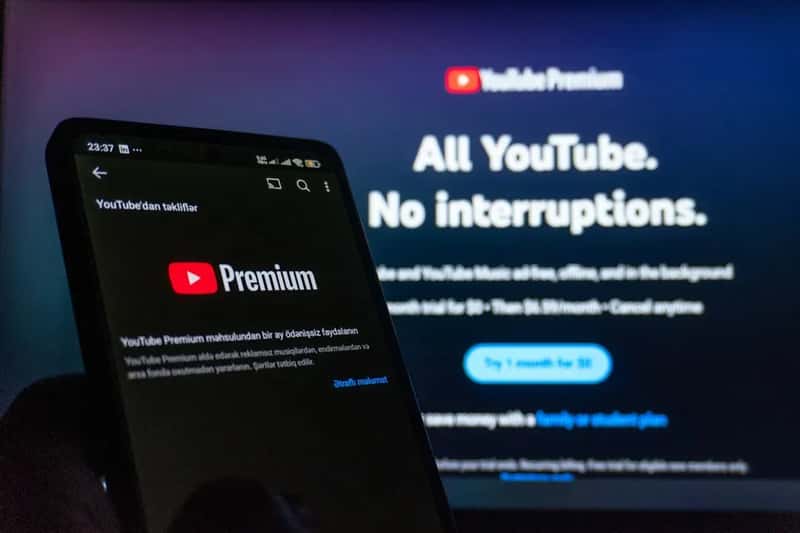
Subscription creep is real, and it is quietly eating your budget alive. You sign up for one service during a free trial, forget to cancel, and suddenly you’re paying for five platforms but only watching one. Four out of five U.S. adults paid for one or more subscriptions, and the average adult spends $1,080 per year on subscriptions, with sixty-one percent paying for video streaming services.
Whether they’re hard to cancel or simply forgotten, unused subscriptions account for roughly $205 of what consumers spend each year. Streaming services like ESPN+ lead the unused list, with more than a quarter of subscribers not using it in the past month. That is money vanishing into the digital void every single month.
4. Carrying a Credit Card Balance
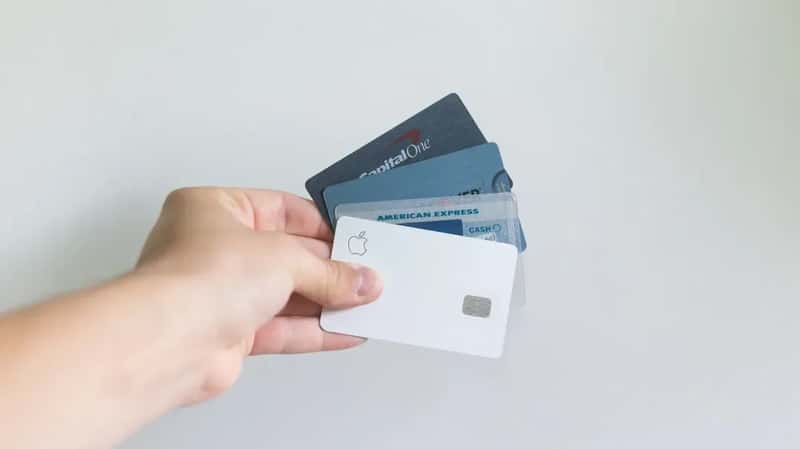
Here’s the thing about credit card interest. It is one of the single most destructive financial habits in the country, and it has gotten dramatically worse. The average credit card interest rate is around twenty-two percent as of early 2026, but some cards can carry rates as high as thirty percent. If you don’t pay your bill in full each month, interest charges can add up very quickly.
Americans’ total credit card balance reached $1.277 trillion as of the fourth quarter of 2025, which is the highest balance since tracking began in 1999. About forty-seven percent of American credit cardholders carry a balance. Each month you carry that balance, you are essentially paying a luxury tax on everything you already bought.
5. Lottery Tickets
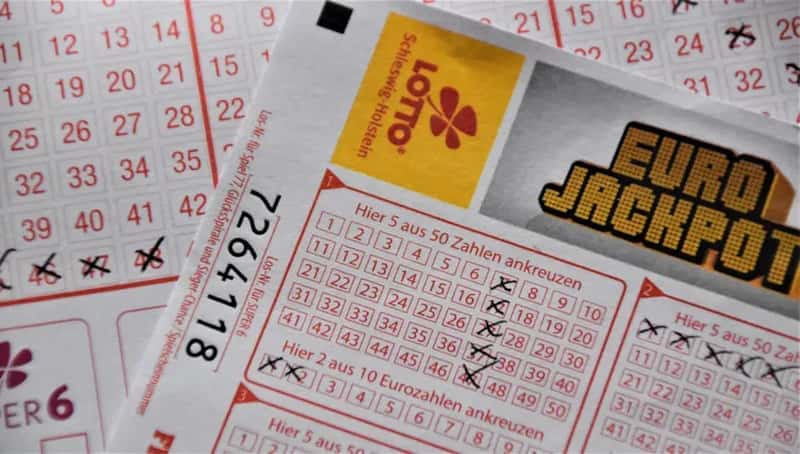
Let’s be real. The lottery is essentially a voluntary tax on hope. People know the odds are terrible and still buy tickets every week. Americans are expected to spend about $125 billion on lottery tickets in a single year, far more than they spend on music, sports tickets, movie tickets, and books combined.
It is estimated that around 40 million households are habitual players, accounting for the vast majority of the spending, representing about $2,500 of annual lottery spending per household. These households are mostly in the lowest income bracket, so this spending often represents a meaningful fraction of their discretionary income. That is heartbreaking data, when you stop and think about it.
6. Food Delivery Apps
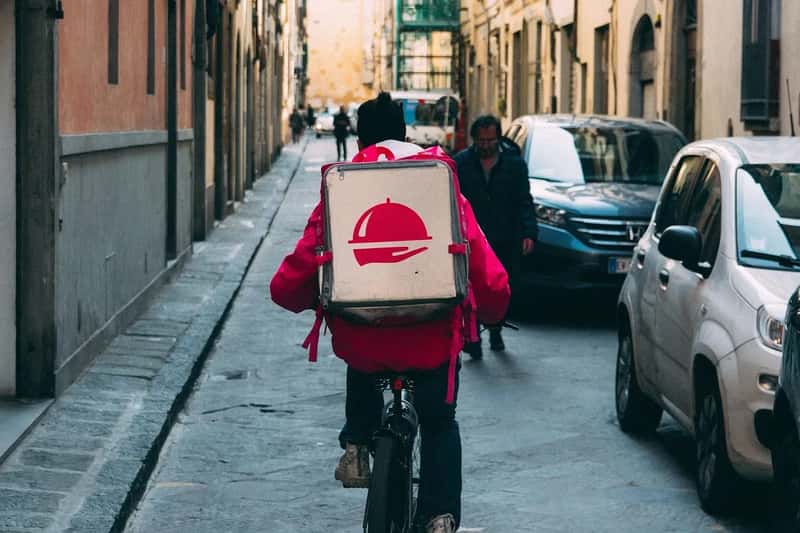
Food delivery is the ultimate convenience trap. A few taps on your phone and dinner arrives at your door. Sounds great until you check your bank statement. On average, people spend $166 on food delivery apps each month. More than a third say they would rather pay more to get an item delivered instead of driving ten minutes to get it.
Food delivery remains a dominant spending category, with spending increasing from $162 to $179 per month, up more than ten percent year over year. Add platform fees, delivery fees, service charges, and a tip on top of restaurant prices, and your $12 burger suddenly costs $24. Cooking at home isn’t glamorous, but it is extremely effective.
7. ATM Fees
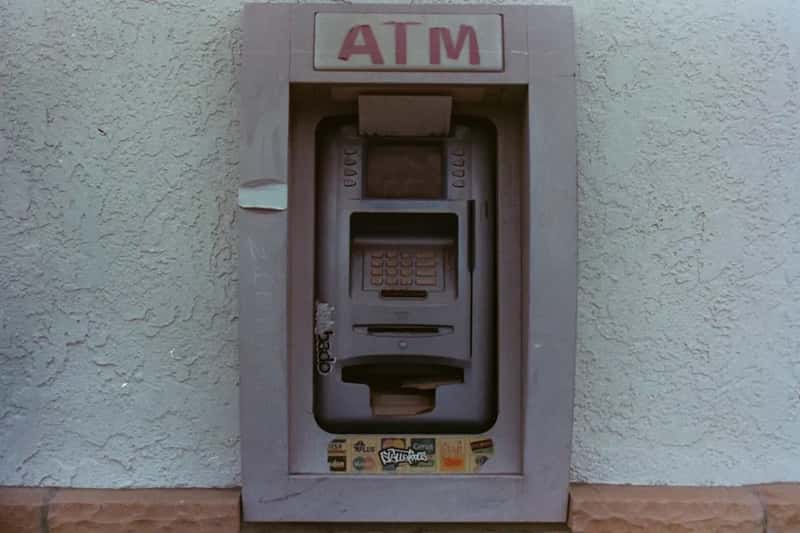
This one is almost laughably simple to avoid, yet millions of people pay it every single week. You’re in a hurry, there’s a random ATM nearby, you figure “it’s just a couple bucks.” That thinking adds up fast. The average ATM fee for an out-of-network withdrawal was $4.86, according to Bankrate’s 2025 ATM fee study. If your bank isn’t part of a nationwide ATM network, you should consider finding one that is.
If you hit an out-of-network ATM even once a week, that’s nearly $250 a year gone for literally nothing. Think of it this way: you are paying five dollars for the privilege of accessing your own money. That is not a fee. That is an insult. Plan ahead, find a bank with a robust ATM network, and stop donating to this particular money pit.
8. Convenience Foods at the Grocery Store
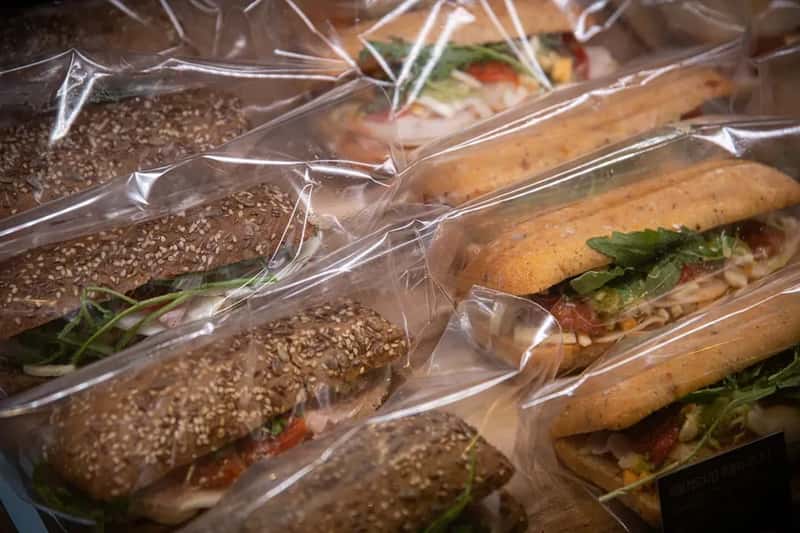
Pre-washed salads, pre-cut fruit, bottled smoothies, single-serve microwave meals. They all come with a hidden price tag that goes way beyond the sticker on the shelf. Pre-cut fruit, bottled smoothies, frozen meals, and grab-and-go snacks save time, but you’re paying for packaging, not just food. These items often cost much more per serving than if you were to make them at home.
It’s hard to say exactly how much more, but by a rough estimate, convenience packaging can double or even triple the per-serving cost of ingredients. Think of buying a whole pineapple versus a plastic cup of pre-cut pineapple. The price difference is staggering. Your time is valuable, sure. It just probably isn’t worth that premium every single day.
9. Retail Store Credit Cards
The checkout line pitch is always the same. “Save twenty percent today if you open a store card!” It sounds appealing in the moment. Then the bill arrives. One out of every four credit card accounts is a private label retail card, with over 160 million open accounts. Retail cards are more expensive than general purpose cards, with ninety percent of retail cards reporting a maximum annual percentage rate above thirty percent.
In December 2024, private label cards for top retailers had an average APR of 32.66% for new accounts. That initial discount evaporates the moment you carry even a small balance. The trap is elegant in its design: hook you with savings, then extract far more through interest over time.
10. Impulse Online Shopping
Scrolling at midnight. One-click buying. A recommendation algorithm that knows exactly what you want before you do. Online shopping has been engineered to make spending feel effortless. Too effortless. Nearly two in five Americans exceed their budget every month, while around one in six do it on a weekly basis. In addition, nearly four in five Americans make purchases they immediately regret.
Of those recalibrating their everyday spending, about forty-two percent have pulled back on impromptu online purchases in favor of long-term savings. The simple 24-hour rule, waiting a full day before completing a non-essential purchase, can stop impulse buying cold. Sounds boring. Works brilliantly.
11. Daily Coffee Shop Visits
Before the defensive coffee drinkers close this article: nobody is saying you can never have a latte. The issue is daily habitual café spending without thinking. Coffee chain spending edged up from $42.70 to $45.50 per month, a nearly seven percent increase, which could reflect incremental price increases across platforms. That is already over $540 a year, just for coffee.
For someone buying two specialty drinks a day at a premium chain, the annual cost can creep toward $2,000 or more. At home, that same coffee costs a fraction of the price. The difference isn’t just in the dollar amount. It’s in the habit of automatic, unexamined daily spending that bleeds your budget without ever feeling dramatic.
12. Paying for Subscriptions You’ve Forgotten
This is slightly different from streaming services. This one is about truly forgotten subscriptions sitting on an old credit card statement, quietly charging you month after month. The majority of survey respondents said they have at least one paid subscription going unused. The monthly average value of unused paid subscriptions is $10.57, which was actually down from $32.84 in 2024.
About forty percent of Americans have a subscription to a service they rarely use, including the majority of millennials and more than half of Gen Zers. About one in five boomers also fall into this spending trap. Pull up your last three credit card statements. You will likely find at least one charge you completely forgot about. It happens to almost everyone.
13. Paying Only the Minimum on Credit Card Bills
Paying the minimum feels responsible. You are technically not missing a payment. In reality, it is one of the most expensive financial habits imaginable. A $5,000 balance on a card charging around twenty-three percent APR, paid at minimum each month, can take over a decade to pay off and cost thousands in interest alone.
Sixty-one percent of Americans with credit card debt have been in debt for at least a year, up from fifty-three percent in late 2024. About one in five debtors don’t think they’ll ever pay it off. That is a deeply troubling statistic. Minimum payments are designed by banks to maximize the interest you pay, not to help you get free.
14. Brand-Name Medications

Generic medications contain the same active ingredients as their name-brand counterparts. The FDA requires it. Yet many Americans still reach for the branded version out of habit, perceived quality, or simply not knowing better. The price difference can be enormous, sometimes three to five times more for literally the same drug formula.
Pharmacies are legally required to offer generic substitutes when available, and most pharmacists will recommend the switch without hesitation. For over-the-counter products like ibuprofen, antacids, or allergy pills, buying the store brand can cut costs by half or more. The active ingredient is identical. The only thing different is the packaging and the price tag.
15. Ride-Share Apps as a Daily Commute
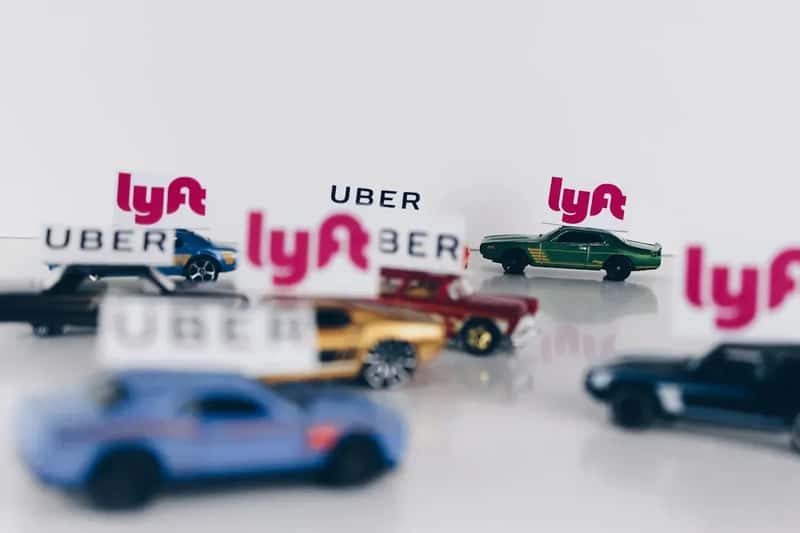
Rideshare apps are a genuine lifesaver in specific situations. As a daily commute habit, though, they quietly consume a shocking portion of your monthly income. Demand for on-the-go transportation remains resilient, with rideshare spending ticking up from $110 per month to $119, a nearly eight percent increase.
Americans paid $88 a month on average to get from point A to B using rideshare apps in 2024. Multiply that across a year and you’re looking at more than $1,000 annually. Compare that to a transit pass, a bicycle, or simply walking for shorter distances. The convenience premium on rideshares is real and ongoing.
16. Throwing Away Food
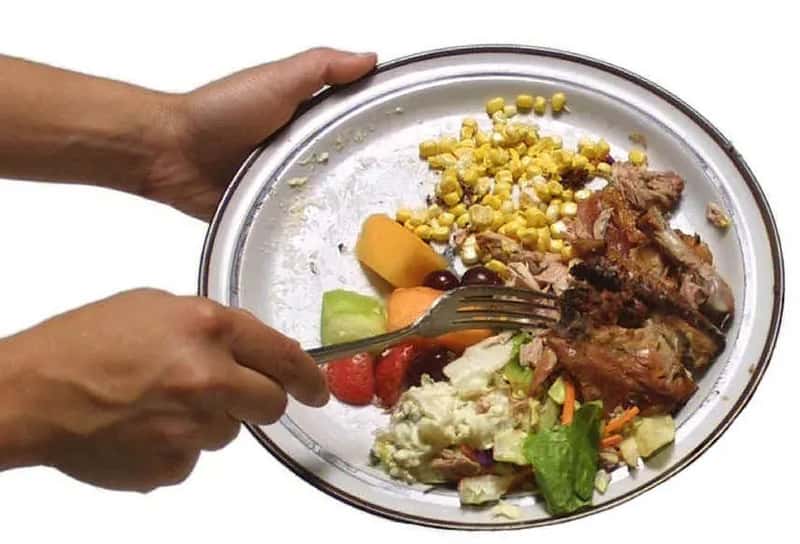
Food waste is both a financial catastrophe and an environmental one, and it is staggering in scale. You buy ingredients with good intentions, life gets busy, and suddenly there’s a wilted bag of spinach and expired yogurt heading for the trash. More than a quarter of Americans admit to throwing away food on a regular basis, whether that’s leftovers they forgot to eat or fresh produce that spoils before it’s cooked.
The USDA estimates the average American household wastes somewhere between $1,500 and $2,000 worth of food every year. That is essentially buying groceries for a month and then throwing them directly in the bin. Meal planning and a first-in, first-out approach to your fridge are not exciting solutions, but they work remarkably well.
17. Buying New Cars Frequently

New car smell comes at an extraordinary price that most buyers don’t fully appreciate. A new vehicle loses a significant portion of its value the moment it rolls off the lot. Buying a two or three year old certified pre-owned vehicle instead can save tens of thousands of dollars for essentially the same driving experience.
Americans are deeply attached to new vehicles, and dealers know exactly how to make the financing feel manageable. Monthly payments stretch out longer and longer, masking the total true cost. A 72-month or even 84-month car loan on a depreciating asset is essentially engineered financial quicksand. The longer the loan, the more you overpay, and the longer you stay underwater on the value.
18. Paying for Cable Television
Cable packages are one of the classic American money traps, and they have been for decades. You pay for hundreds of channels and watch maybe ten of them. Yet many households still haven’t cut the cord. The average cable bill has climbed steadily for years, often sitting between $80 and $150 per month depending on the provider and market.
Streaming services, even several stacked together, often cost less than a traditional cable package. Internet-only plans combined with two or three streaming services can cut that bill dramatically. The inertia of just keeping what you have is what cable companies count on. Canceling takes one phone call. That call can save you over $1,000 a year.
19. Payday Loans
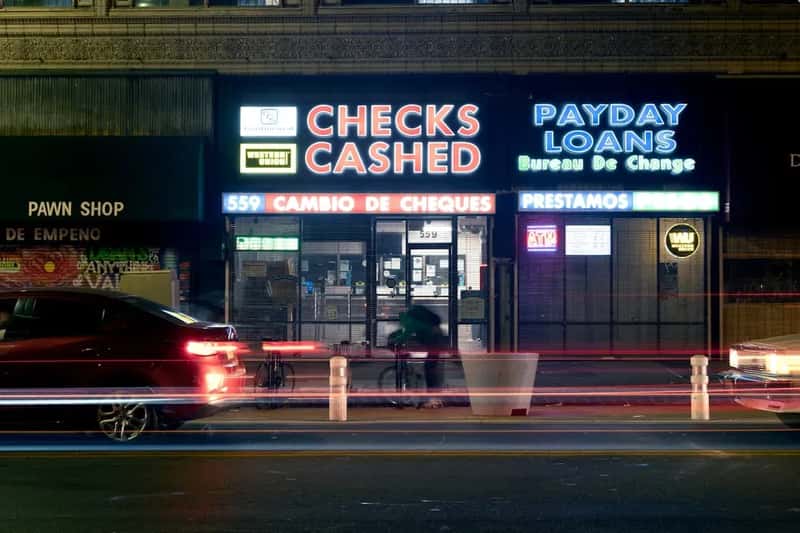
If there is one item on this entire list that causes the most direct and immediate financial harm, it is the payday loan. These short-term, high-fee loans are marketed as a quick bridge between paychecks. In reality, they frequently trap borrowers in a brutal cycle. The effective annual percentage rates on payday loans can exceed three hundred percent or even higher.
Deep subprime debt-stressed cardholders have utilization rates approaching their credit limits, and these same cardholders are also the least likely to find alternative financing from creditors besides payday and predatory lenders, who may charge interest rates that are orders of magnitude higher. Credit unions, community banks, and even certain employer advance programs are almost always better alternatives to payday loans.
20. Bottled Water

America has remarkably good tap water infrastructure compared to most of the world. Yet bottled water is a multi-billion dollar industry, built largely on marketing that suggests tap water is somehow inferior. The environmental and financial costs are both staggering.
A family that buys bottled water regularly can easily spend $500 to $1,000 per year on something they can get from their faucet for pennies. A quality water filter pitcher or an under-sink filter addresses any genuine taste or quality concerns at a fraction of the cost. The bottled water industry spent decades convincing Americans to pay for something they already pay for through their municipal taxes. It worked brilliantly, for them.
21. Airline Baggage Fees
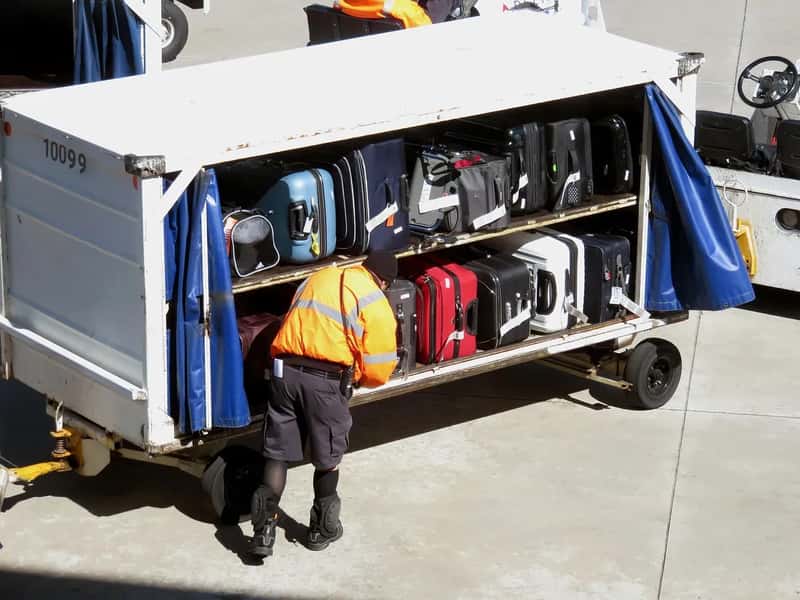
Airlines have mastered the art of selling you a ticket, then charging you extra for everything that makes the ticket usable. Checked baggage fees are one of the most obvious examples. When shopping for a flight, it is important to include the added cost of checked baggage fees for airlines that charge them. While the price of one flight may be slightly higher than another, if that carrier doesn’t charge for baggage, you may actually save money by purchasing that flight.
A family of four checking bags on a round trip can pay well over $300 in fees that were never shown in the original fare comparison. The lesson here is always calculate the fully loaded cost of a flight, not just the base ticket price. Carry-on only is both a financial strategy and a sanity-saving travel practice.
22. Renting Furniture or Appliances

Rent-to-own stores target people who need a couch, washer, or TV but don’t have the cash upfront. The weekly or monthly payments sound manageable. The total cost paid over the rental period is almost always astronomical, often two to three times what the item would cost bought outright.
A television worth $500 at a big box store can end up costing $1,200 or more through a rent-to-own arrangement. Facebook Marketplace, Craigslist, and thrift stores offer a completely different alternative: used appliances and furniture at a fraction of new prices, paid for once with no ongoing obligations. The rent-to-own model is a financial trap disguised as accessibility.
23. Buying Trendy Fitness Equipment You Won’t Use

The home gym industry thrives on New Year’s resolutions and fitness guilt. One year it’s a Peloton. The next year it’s a rowing machine. These purchases always come with incredible conviction in the moment. Then life happens. While a notable percentage of Gen Zers and millennials report purchasing an item they’ll never use at least once a week, none of the older boomer respondents reported doing the same.
Wellness spending is accelerating, with gym membership spending seeing the largest increase both in dollars and growth rate, jumping nearly nineteen percent year over year. Buying expensive fitness equipment you’ll use for three weeks and then hang laundry on is one of the cleanest examples of aspirational spending defeating rational budgeting. A resistance band and a free YouTube workout costs almost nothing.
24. Convenience Store Shopping Habits
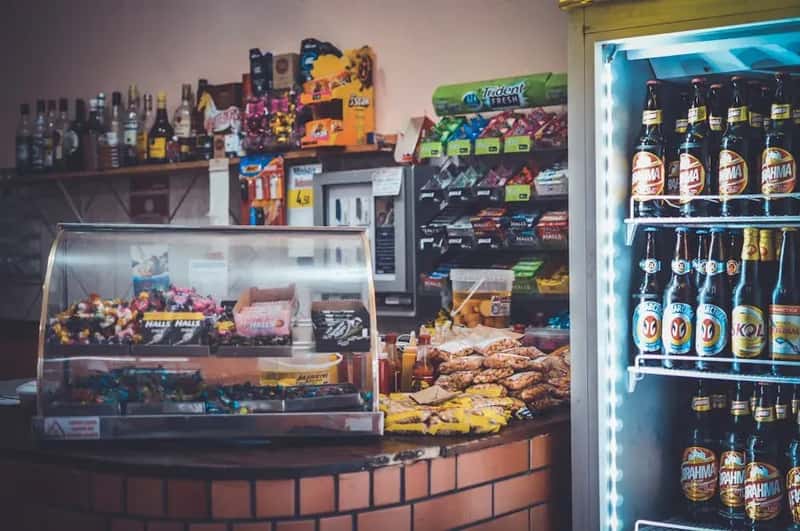
Running into a gas station or convenience store for a quick drink and snack seems harmless. But convenience stores are among the most expensive places to buy everyday goods, priced to extract maximum value from the fact that you’re already there and in a hurry. A bottle of water, a bag of chips, and an energy drink at a convenience store can cost what a full lunch would at a grocery store.
People who stop at convenience stores several times a week can easily spend $50 to $100 more per month than those who plan their purchases in advance. Keeping a small stash of snacks and drinks in your car or bag eliminates almost all of those impulse purchases. Small habits, big savings over the course of a year.
25. Not Shopping Around for Insurance
Most Americans set up their car, home, or health insurance once and then just keep renewing it automatically year after year. Insurance companies count on this. They raise rates incrementally, knowing most customers won’t bother to shop around. The savings from switching or renegotiating can be substantial. Insurance payments rose more than ten percent in 2025, posting one of the steepest increases among essential categories.
With rates rising significantly, loyalty to your current insurer is often rewarded with higher bills, not lower ones. Spending thirty minutes comparing quotes annually can save hundreds of dollars. The inertia of not wanting to deal with the paperwork is costing people real money. Getting three quotes before renewal is one of the simplest financial habits with one of the highest returns.
26. Falling for “Free Trial” Subscriptions

Sign up for a free trial, enter your payment information, and enjoy two weeks of access. Then forget to cancel. This model was specifically designed around the statistical reality that a meaningful portion of free trial users never bother to cancel before they get charged. In 2024, the share of respondents with at least one unused paid subscription climbed to over eighty-five percent, a dramatic increase from the prior year.
The high cost of living was the most common reason people gave for eventually canceling subscriptions. The irony is sharp: people sign up for free trials partly because they are watching their budgets, then forget to cancel and end up paying anyway. Set a calendar reminder the moment you enter your payment information for any free trial. No exceptions.
27. Buying the Newest Smartphone Every Year

Tech companies have become masters of manufactured desire. Every fall, a new phone drops with features that are marginally better than last year’s model, and millions of Americans upgrade anyway. The cost of keeping up with annual smartphone cycles is genuinely significant. Electronics spending posted the sharpest year-over-year jump at nearly twenty-six percent, even as smartphones saw falling prices year-over-year per the Consumer Price Index.
Smartphones today last far longer than manufacturers would like you to believe. A three-year-old flagship phone handles almost every task the current model does. The real cost isn’t just the device itself. It’s trading in a still-functional product, often at a loss, simply to have something new. Holding onto a phone for three or four years instead of one or two can save well over $1,000 in a single upgrade cycle.
28. Premium Gas for a Regular Engine
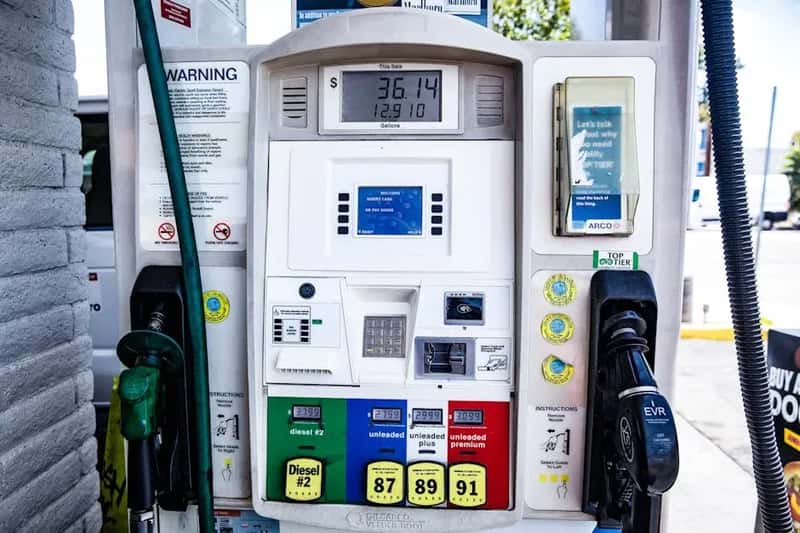
Many drivers put premium gasoline in cars that are engineered to run perfectly well on regular unleaded fuel. It feels like caring for your car. In reality, unless your vehicle’s manual specifically requires premium fuel, you are paying a premium of roughly thirty to fifty cents per gallon for zero additional benefit whatsoever.
For a driver filling up once a week, that unnecessary premium adds up to $75 to $100 per year at minimum. More for those with larger tanks or longer commutes. The car’s manual is the definitive authority here, not the fuel grade marketing at the pump. If the manual says “regular,” buying premium is a pure waste, no debate.
29. Overdraft Fees
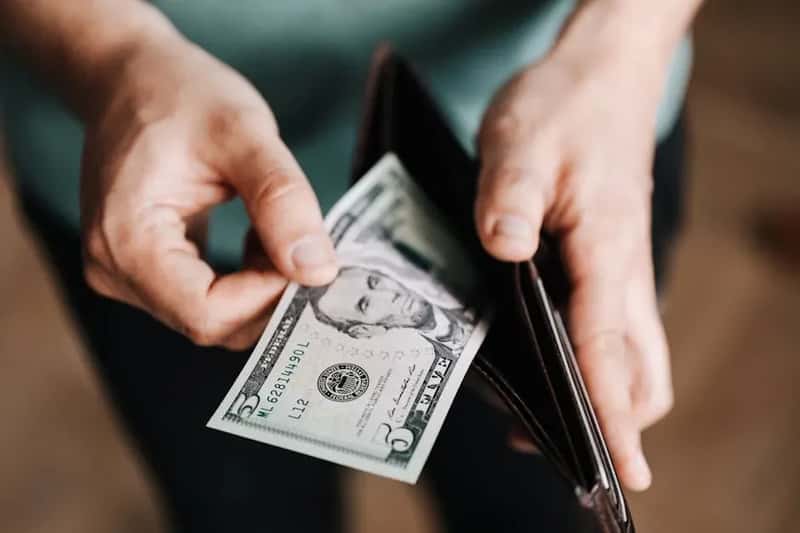
Banks have built entire revenue streams out of overdraft fees, and the structure is clever: the moments when you can least afford fees are exactly the moments when the fees hit. A $3 coffee that tips you over your balance can trigger a $35 overdraft fee. That is a more than a thousand percent markup on a beverage.
Opting out of overdraft protection, maintaining a small buffer in your checking account, or switching to a bank or credit union that offers fee-free overdraft protection are all practical solutions. Many fintech banks now offer accounts with no overdraft fees at all. The traditional big bank overdraft fee model is one of the most regressive financial products in the American banking system, and you do not have to participate in it.
30. Buying Things on Sale You Didn’t Actually Need

This is the sneakiest trap on the list because it feels like virtue. You didn’t overspend. You saved money. Forty percent off! The thing is, saving money on something you were never going to buy in the first place is not saving. It’s spending. Even as they overspend on unnecessary items, many convince themselves they’re making the right decision with value in mind.
A majority of Americans admit they spend recklessly, especially on groceries, online shopping, and clothing. Sales and discount marketing are calibrated to trigger a fear of missing out, that if you don’t buy now you’ll lose the deal forever. That urgency is manufactured. The item will go on sale again. Your budget is better served by a simple rule: only buy what you actually needed before you saw the sale price.
The 30 traps on this list share something in common: they all feel either harmless, smart, or unavoidable in the moment they drain your money. Awareness is genuinely the first step. When you can see the trap for what it is, it loses a lot of its power. What would you cut first from your own spending? That answer might surprise you.