Most of us don’t think about tap water at home. We fill a glass and move on. Abroad, that habit can turn a good trip into a few lost days near a bathroom.
The wider picture explains why the issue keeps coming up. Between 2015 and 2024, global coverage of safely managed drinking water rose from 68% to 74%, yet 2.1 billion people still lacked it.[1] The six countries below are popular with visitors, and each has water conditions that make sealed bottles the sensible choice.
Mexico
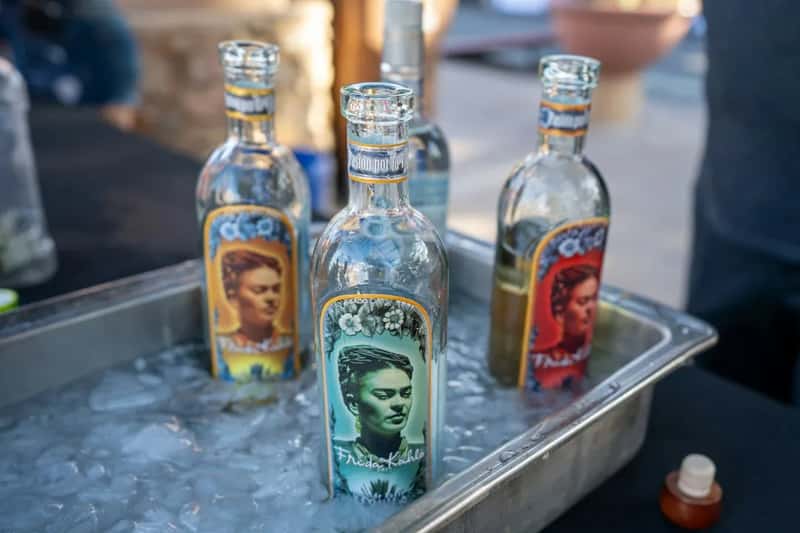
Mexico is the classic example, and the advice hasn’t changed much over the years. Drinking water there is a common cause of traveler’s diarrhea, and visitors are told to stick to sealed bottled water.[2] Even in big cities, the problem often isn’t the treatment plant.
Water in cities like Mexico City and Guadalajara is often treated, but old and corroded pipes can re-contaminate it before it reaches the tap.[3] Locals know this well. Mexico has been reported as the top per capita consumer of bottled water, with about eight in ten Mexicans drinking from bottles.[4] Skip ice made from tap water too, since it carries the same risk.[4]
India
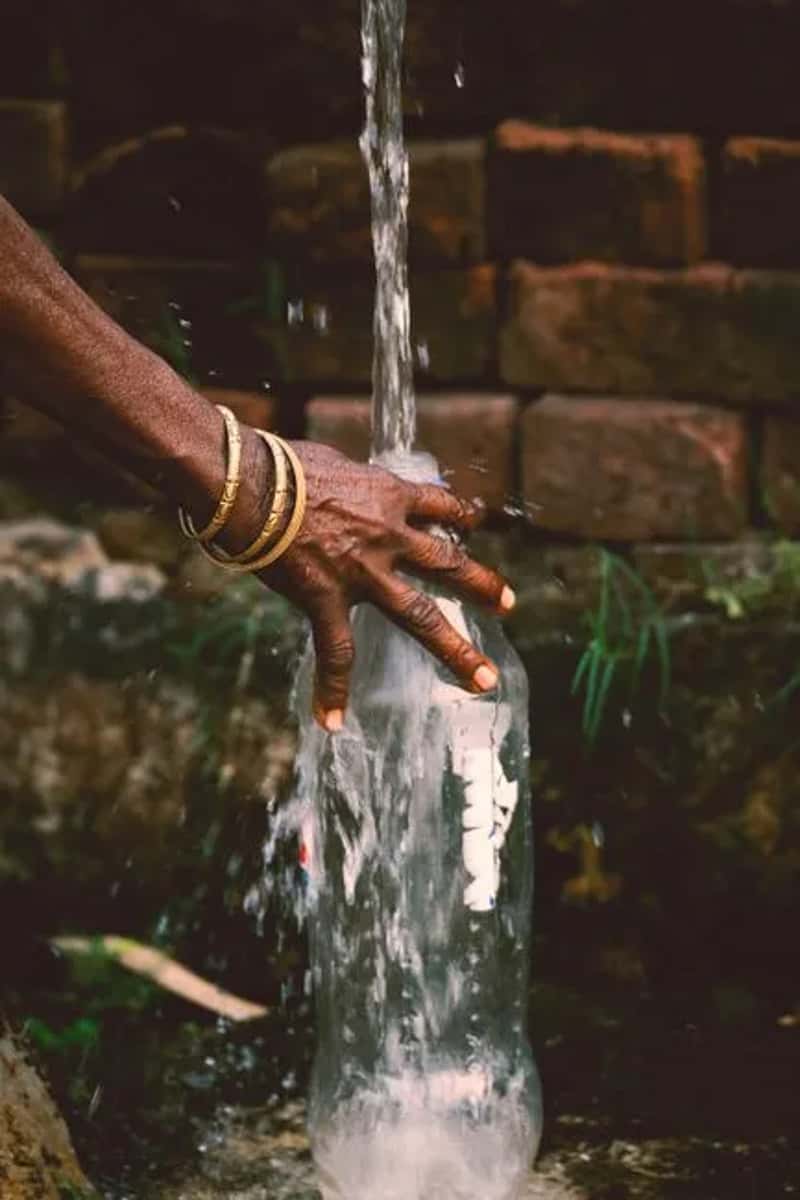
India is hard to generalize about, because water infrastructure varies sharply between cities, rural areas and tourist hotspots. Because of that, the safest rule across the board is to avoid tap water entirely.[3] That’s simple enough to follow.
Contamination from sewage, industrial chemicals and heavy metals such as arsenic and lead has been documented in several regions, including major cities.[3] Typhoid, cholera and hepatitis A are real risks, especially during and after the monsoon, when flooding can overwhelm drainage.[3] The good news is that bottled water is widely available and inexpensive across the country.[3]
Indonesia
Indonesia’s beaches and food draw millions of visitors, though its tap water is not part of the appeal. Treatment systems vary widely across the islands, and even in Bali, the top tourist destination, tap water isn’t safe to drink straight from the faucet.[3] That surprises some people staying in polished resorts.
Bacteria, parasites and chemical contamination are the main concerns, especially in crowded areas with limited infrastructure.[3] Hotels usually handle this for you. Most provide bottled water, and locals typically boil or filter water before drinking it at home.[3]
Egypt
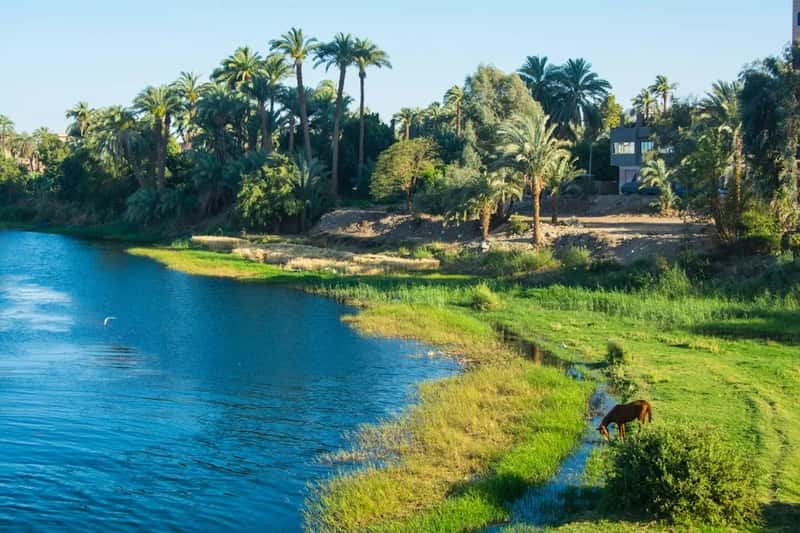
Egypt’s tap water is treated, which is why the advice can sound confusing at first. Still, most tourists are advised to avoid it, even though it’s generally considered safe by local standards.[5] Unfamiliar water composition alone can upset a visitor’s stomach.
The source matters too. The Nile supplies much of the country’s water and is subject to pollution from agricultural runoff, industrial discharge and urban waste.[6] In Cairo, aging pipes and rooftop storage tanks mean contamination is common before water reaches the tap.[7] Bottles are cheap, and checking that the seal is intact matters, especially at small kiosks.[5]
Pakistan
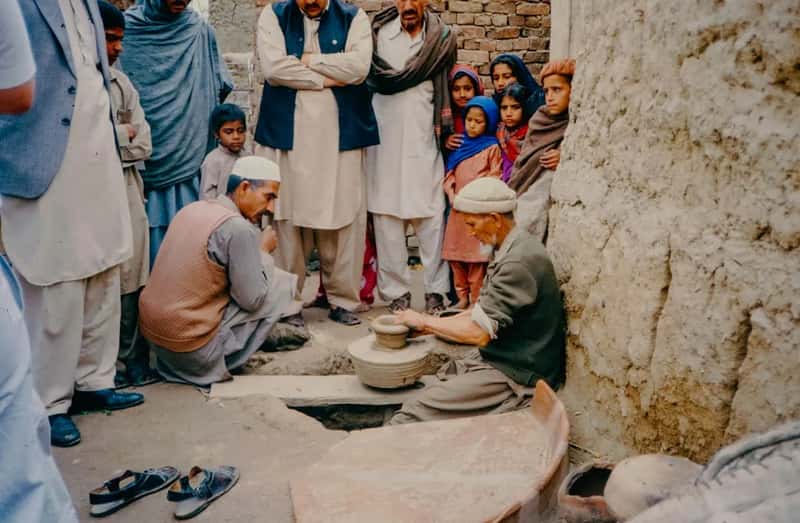
Pakistan’s water problems are usually described as a matter of governance rather than a lack of water. A recent report placed the country near the bottom of regional water security rankings.[8] Its National Water Security Index improved by only 6.4 points between 2013 and 2025, well behind neighbors such as India, Bangladesh, Nepal and Sri Lanka.[8]
For travelers, the practical message is blunt. One 2026 travel guide says never to drink tap water in Pakistan under any circumstances.[8] Buy sealed bottles, and be wary of any that twist open without a crack, since that can mean a refill.[9]
Brazil
Brazil surprises people, since it holds a huge share of the planet’s freshwater. Fodor’s has noted that it has 12% of the world’s fresh surface water,[4] yet supply is uneven. The same report said around 35 million of its roughly 212 million people had no access to drinking water.[4]
Quality also depends on where you are. In São Paulo, water may be treated and technically safe, but bacteria that travelers aren’t used to can still pose a risk.[10] Rural areas often lack proper treatment facilities, which makes tap water unsafe there.[10] Bottled water is the easy default for a short stay.
A Few Rules That Apply Everywhere
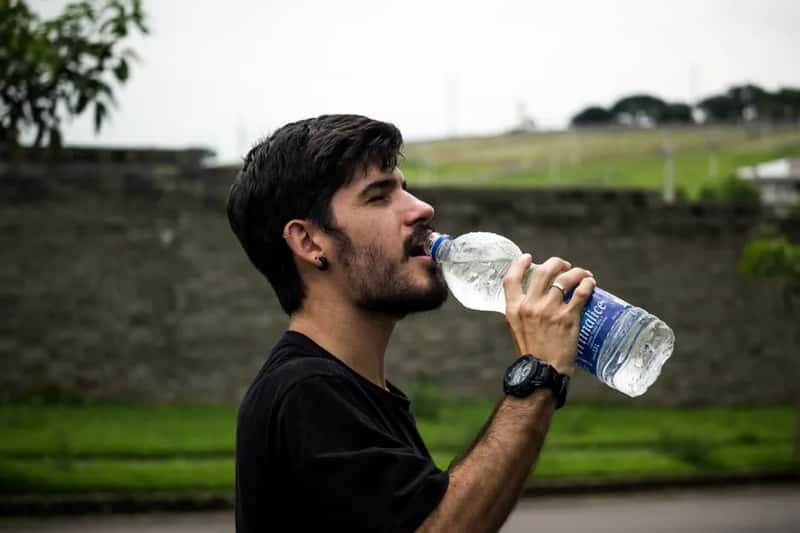
The CDC’s Yellow Book explains why the advice goes beyond drinking. Where tap water is unsafe, it may also be unsafe for making ice, cooking and brushing teeth.[11] Infants, young children, pregnant women, older people and immunocompromised travelers may be especially susceptible to illness.[11]
Use sealed bottled water for drinking and brushing teeth, and check the seal every time. If bottles aren’t available, boiling tap water generally kills most microorganisms.[12] Choose drinks with ice only when you know the ice came from safe water.