Thailand has more than 40,000 Buddhist temples, and for Thai people they are active places of worship, not tourist attractions[1]. A lot of the trouble visitors run into starts with that gap between how a place looks in photos and how it works day to day.
Most mistakes are small, and nobody expects you to know everything. Still, a few come up again and again, and some can cost you a morning or an awkward moment. Here are six worth knowing before you go.
Assuming the Dress Code Is Only a Suggestion
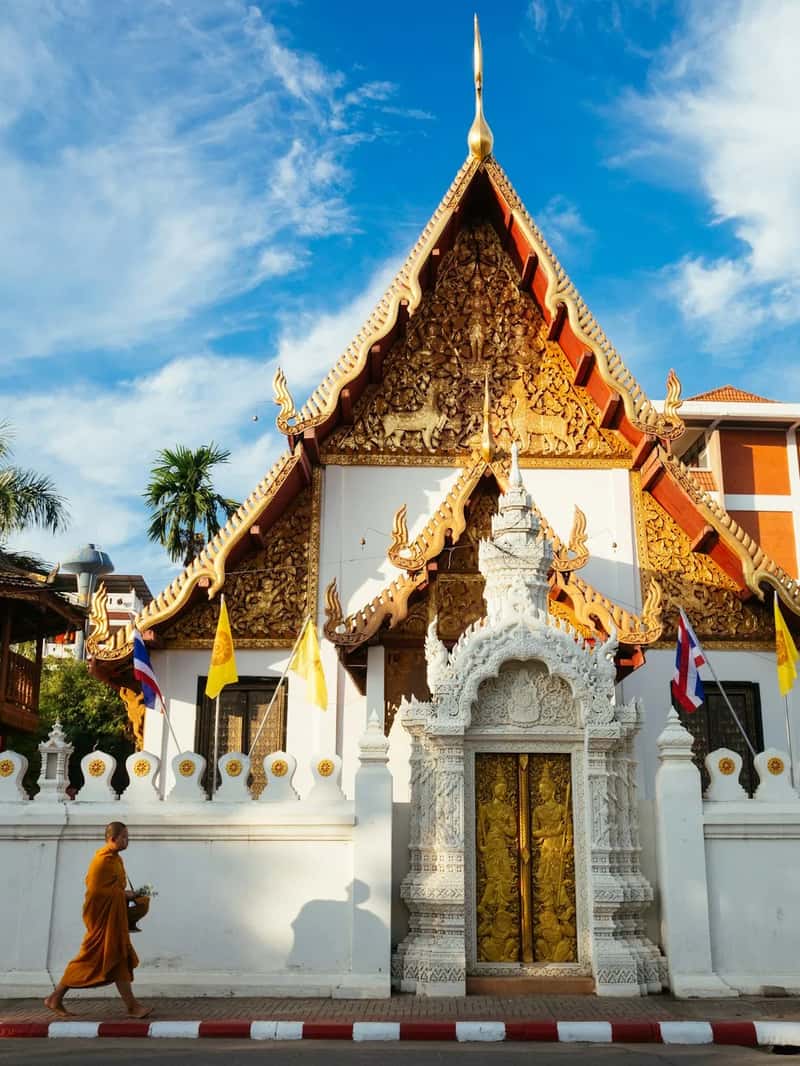
Plenty of travelers arrive in shorts and a tank top because it’s hot and the rules seem vague. At major temples, though, the dress code is strict, especially in Bangkok and Chiang Mai, and you can be denied entry if you don’t follow it[2]. The usual standard is shoulders and knees covered for both men and women.
The Grand Palace complex is where this bites hardest, since Wat Phra Kaew is described as having the strictest dress code in the country[3]. Wat Arun isn’t much looser. Its entrance does have sarong rentals, but the queue can be long at midday and larger sizes run out[4]. A lightweight sarong is an easy fix, since it costs roughly 100 to 200 baht and weighs almost nothing[5].
The rules also don’t stop at the ticket gate of a ruin. At places like Ayutthaya and Sukhothai, the same dress code applies at open air ruins as inside active temples, because the statues and chedis are still considered sacred[1].
Treating Shoes and Feet Casually
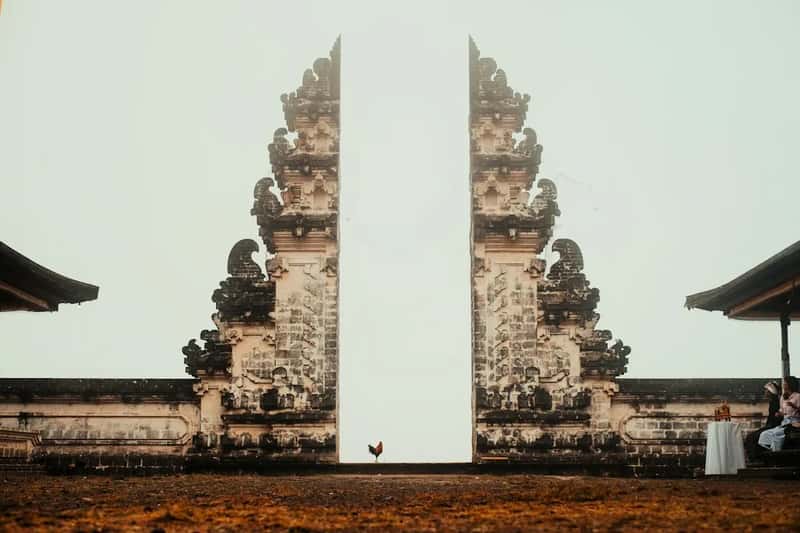
Taking your shoes off seems simple, yet visitors still forget where the line is. As a rule, shoes come off when entering temple buildings, sacred areas, and some living quarters[6]. Look for the shoe rack or pile near the entrance, and know that socks are fine[3]. Hats should come off inside as well.
Where your feet end up matters too. In Thai culture, the head is seen as the highest and most sacred part of the body, while the feet are the lowest and dirtiest[7]. That’s why you shouldn’t point the soles of your feet toward a Buddha statue[7].
When you sit on the floor, tuck your feet behind you[3]. It feels awkward for the first few minutes, but it becomes second nature quickly. Sandals or slip on shoes make the whole routine easier on a day with several temple stops.
Treating Buddha Images as Photo Props
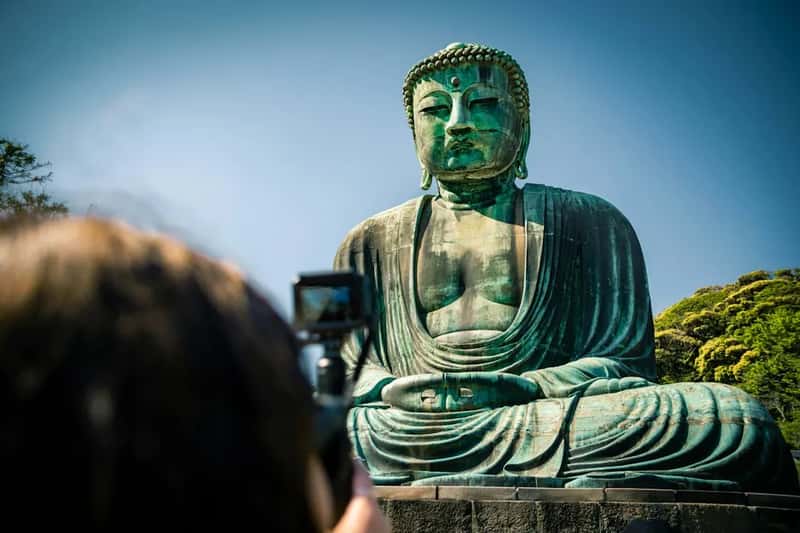
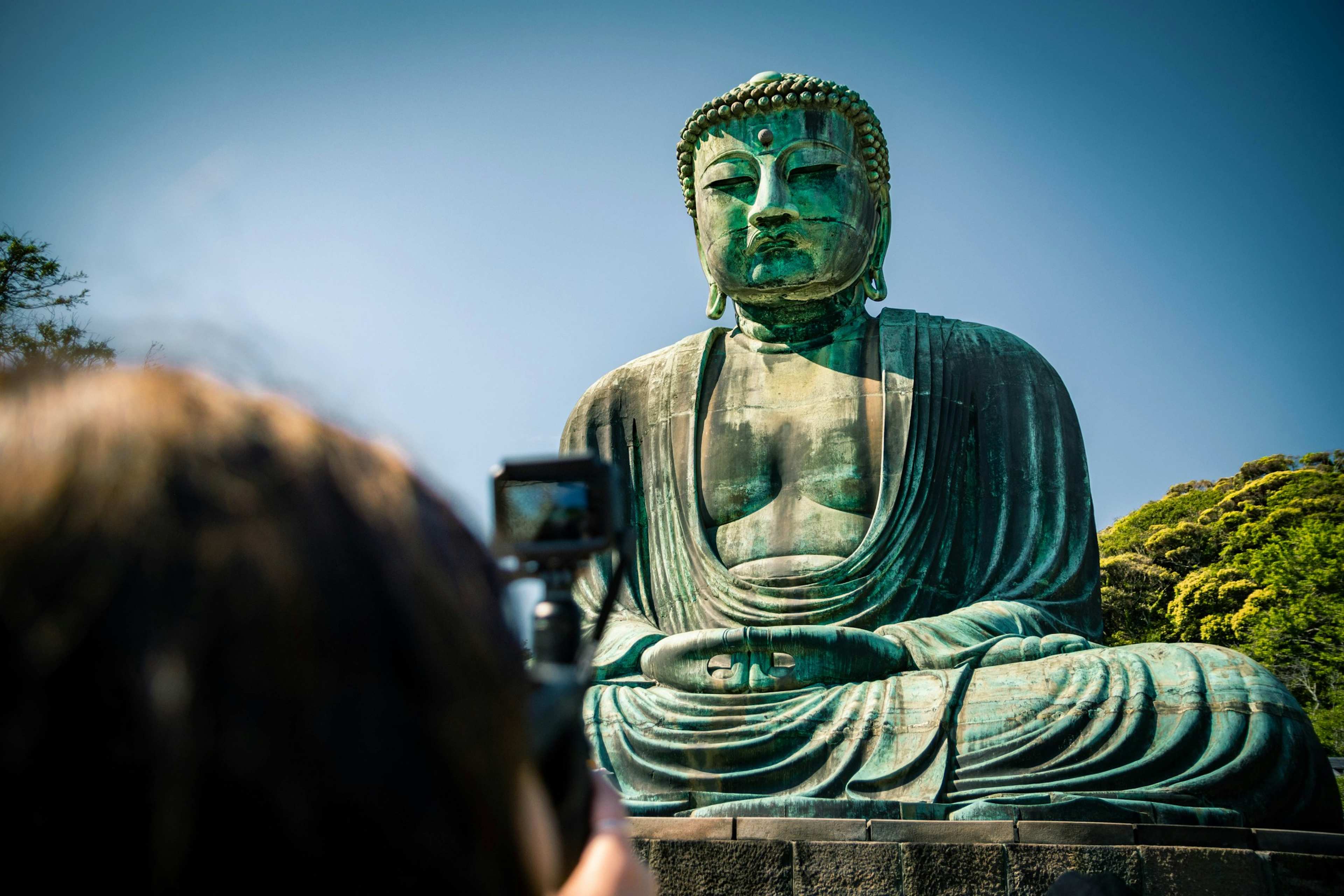
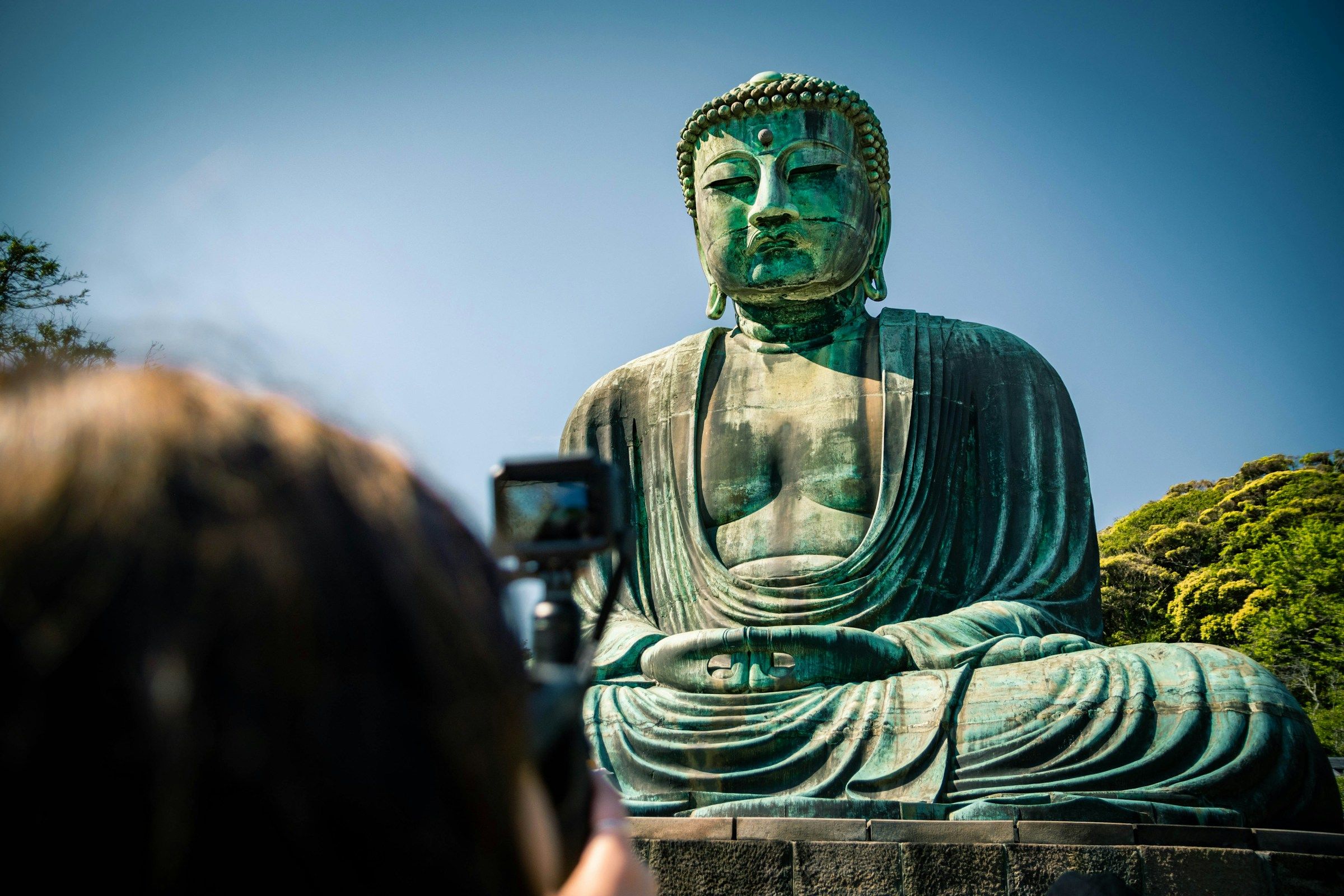
This one catches people because a giant gilded statue looks like the perfect backdrop. According to one etiquette guide, the most common offense for travelers is posing for a selfie with their back turned to a Buddha image[8]. Another advises that Buddha images aren’t decoration, so you should never climb on them or take a selfie[9].
The stakes can go beyond a disapproving look. One Bangkok guide notes that disrespectful poses, such as climbing on statues or mock praying for laughs, have gotten tourists deported and prosecuted[3]. Thailand takes religion seriously in law as well as in custom.
A simple habit helps. Photograph the statue respectfully from the front or side, and keep your head lower than monks and Buddha images when possible[3].
Getting Monk Etiquette Wrong, Especially for Women
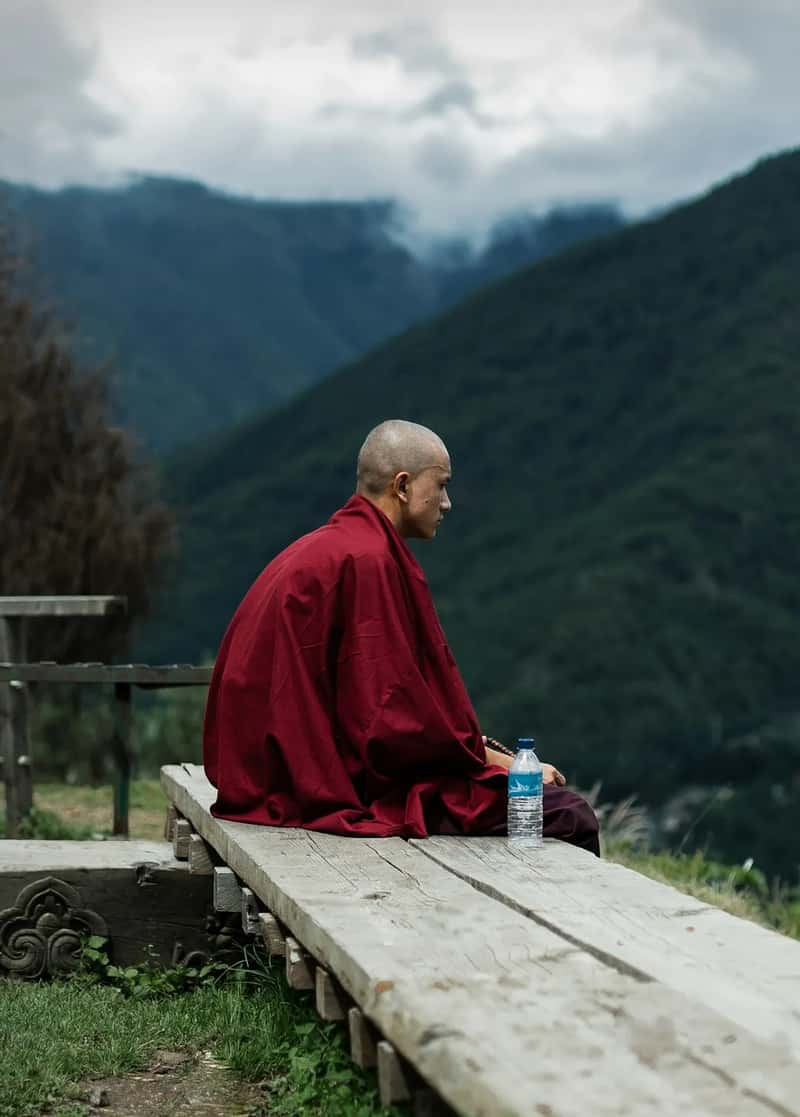
Monks are treated with deep respect in Thailand, and the rules around them are specific. Women should never touch a monk or his robe, even accidentally[3]. That includes handing something directly into his hands.
If you want to give something, place it on a cloth or surface and the monk will collect it[3]. If a monk is heading your way, step politely to one side so he can pass freely[10]. Timing matters for food gifts too, because monks typically eat only breakfast and lunch[6].
None of this means you should avoid monks altogether. Some Bangkok temples, such as Wat Mahathat, offer free meditation classes and monk chat sessions for foreigners[3], which is a good way to ask questions in the right setting.
Forgetting That the Temple Is Still Working
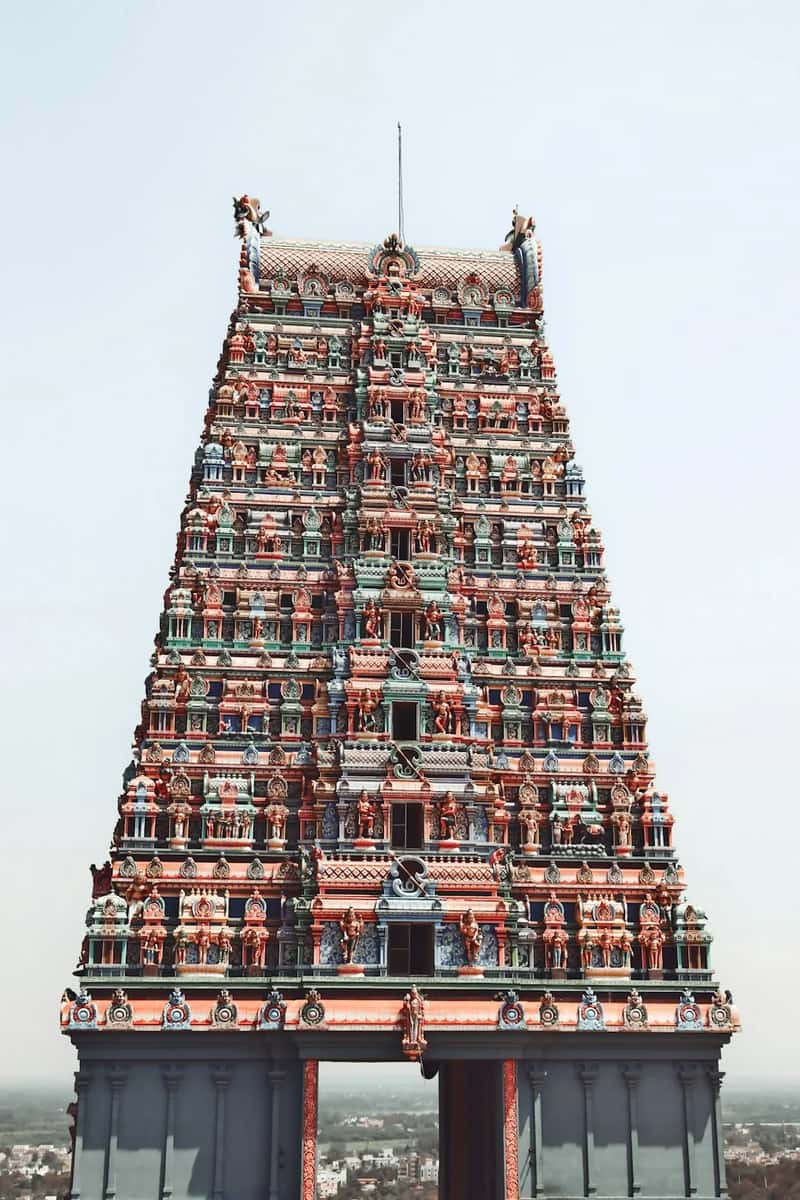
Because the big temples draw crowds, it’s easy to forget that monks meditate, locals pray, and ceremonies take place there daily[11]. That changes how you should move through the space. Speak quietly or not at all inside temple buildings[6], and avoid public affection like hugging, kissing, or holding hands[2].
Photography deserves a little care as well. Ask permission before photographing monks or worshippers[12], because not everyone is comfortable being photographed. Flash is often banned, especially in the halls[9], and one guide says to never use flash near old murals[3].
Drones are another trap. One Bangkok guide says that drones require written permission[9], so don’t assume a quick flight over a famous spire is fine.
Misjudging Fees, Cash, and Timing
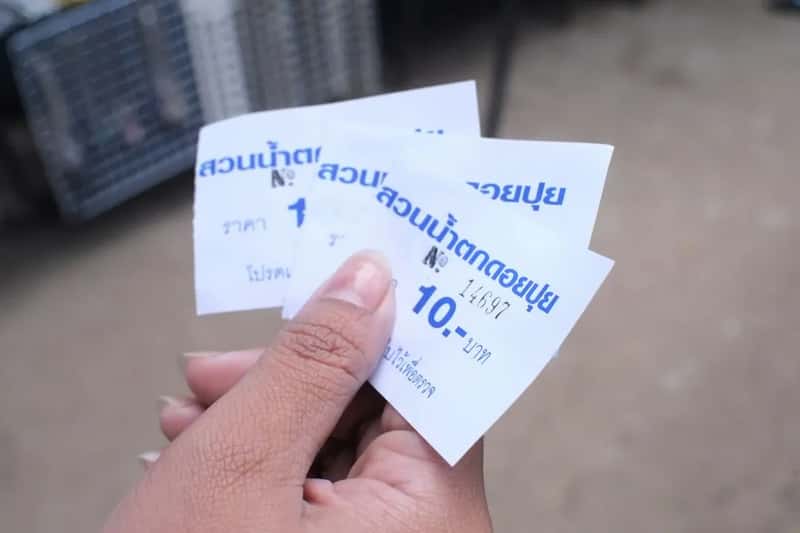
Practical mistakes can wreck a temple day just as easily as etiquette ones. Recent guides list foreigner prices of 500 baht for the Grand Palace, 300 baht for Wat Pho, and 200 baht for Wat Arun[13]. These are separate tickets. Wat Pho and Wat Arun are separate temples with separate fees[14], so budget for each one.
Bring baht in cash. At Wat Arun, you shouldn’t rely on cards or QR payment at the gate[14], and the same goes for the ferry across the river. Old information floats around too, since some older guides and signs mention 100 or 200 baht for Wat Pho, but the official price has gone up to 300 baht[15].
Timing is the last piece. The Grand Palace stops selling tickets at 3:30 PM, so trying to see all three temples in one afternoon doesn’t work[4]. Start early, and prices can change, so it’s worth checking the latest figures before you pay.