If you grew up in a 1970s American home, you walked barefoot across carpet that needed its own special rake, ate dinner under fluorescent lighting that made everyone look slightly ill, and never once questioned why the good sofa was wrapped in plastic that no human being was allowed to touch. It all made perfect sense at the time. Every single bit of it.
Looking back now, those homes were a genuinely wild experiment in color, texture, and domestic logic – and the strangest part is that nobody blinked. These weren’t quirks. They were the standard. Some of what’s on this list is pure nostalgia. Some of it is mildly horrifying in hindsight. And at least one item involved asbestos that nobody mentioned until decades later.
#31 – The Carpet That Required Its Own Grooming Tool
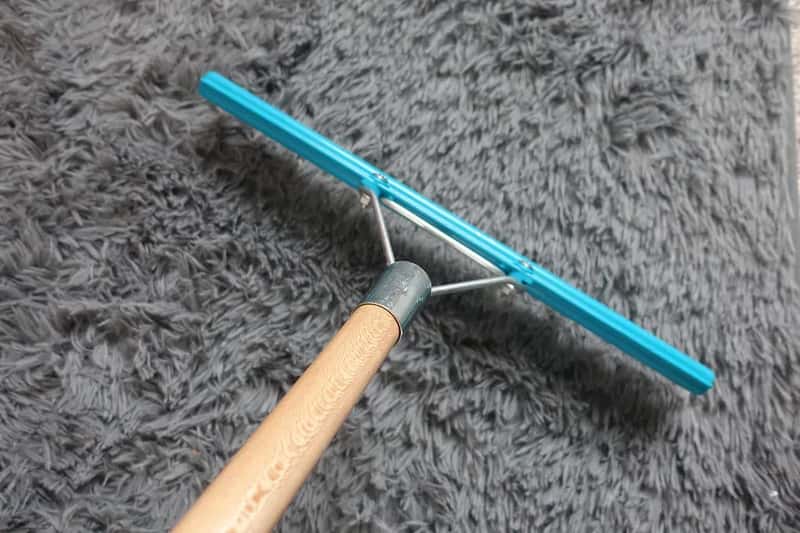
Shag carpeting wasn’t just flooring – it was practically a household pet that needed regular grooming. The longer and shaggier, the better was the unspoken rule, available in harvest gold, avocado green, and burnt orange. These carpets trapped everything from dust to small toys to pocket change. Nobody found this alarming. It was the height of cozy.
Families used special rakes to fluff their shag after vacuuming, maintaining that fresh-from-the-store look. The long fibers harbored dirt deep down, largely unreachable by any standard vacuum cleaner – but that concern came later. Dropping a coin into shag carpet was considered a genuine financial loss event. You watched it disappear and mentally scheduled a retrieval for the next time you moved the furniture.
Fast Facts
- Shag carpet fibers typically ran over an inch long – some varieties stretched to three inches of pure chaos underfoot.
- Colors like avocado green and brown were deliberately chosen because they hid dirt better than lighter shades.
- The carpet rake was sold at Kmart and major hardware stores as a standard home accessory – not a novelty item.
- By the 1980s, shag was being hauled to the curb as real estate agents pushed hardwood for resale appeal.
- Shag has since made a comeback – mostly as area rugs, where the cleaning problem is easier to manage.
#30 – Floor-to-Ceiling Wood Paneling in Every Single Room
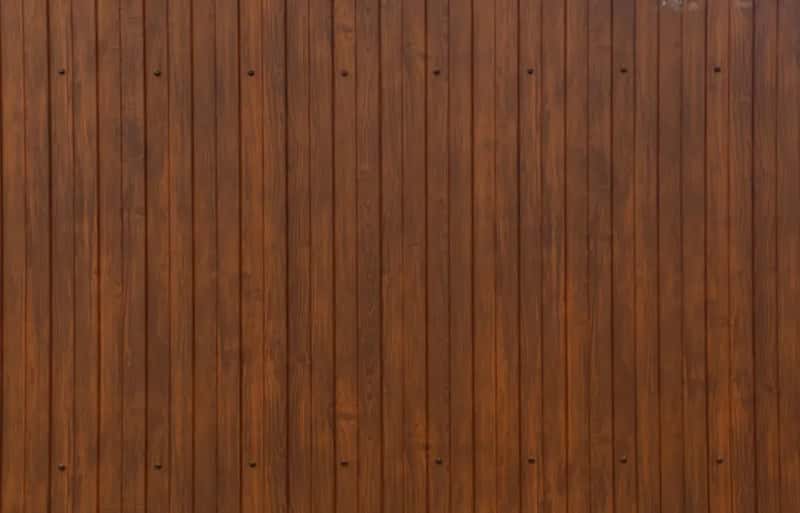
The paneling covered every surface, top to bottom, corner to corner, and somehow nobody thought this was alarming. It was usually a thin sheet of pressed wood printed to resemble real walnut or mahogany, and it made every room feel like the interior of a ship’s cabin – which seemed to be the point. Basements, living rooms, kitchens – no room was safe from it.
Pre-finished wood paneling hit its cultural peak between 1968 and 1979. Manufacturers marketed it as a low-maintenance alternative to plaster and paint, and for a decade, the American public agreed enthusiastically. Today, those same panels are the first thing buyers rip out during a renovation. Back then, installing them was considered an upgrade. Truly a different era.
#29 – The Popcorn Ceiling That Covered Every Imperfection Known to Man
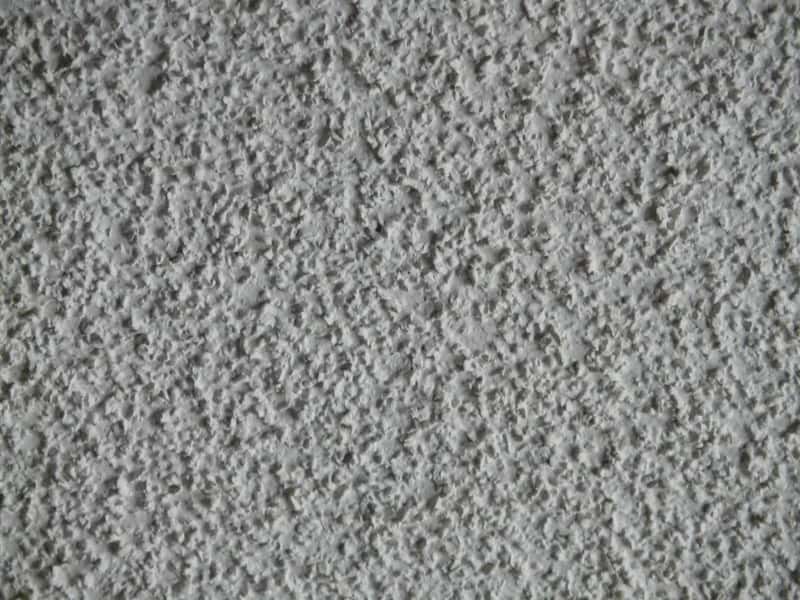
Popcorn ceilings were the unsung soundtrack of the decade. Spray on a quick texture and you covered every imperfection in the drywall in one afternoon. Modern buyers see popcorn and immediately start calculating the cost of scraping it off. The 1970s homeowner saw it and saw a finished room. It was practical, cheap, and absolutely everywhere.
What nobody mentioned at the time was that many of these ceilings contained asbestos. Renovators decades later discovered the hard and expensive truth. The 1970s homeowner just looked up, nodded with satisfaction, and moved on to picking out the harvest gold curtains. The ceiling’s secret stayed hidden for a very long time.
Worth Knowing
- Asbestos use in popcorn ceiling texture peaked through the 1960s and 1970s before the U.S. Consumer Product Safety Commission began restricting it in 1977.
- Popcorn ceilings applied before 1980 can contain between 1% and 10% asbestos content – invisible to the naked eye.
- The EPA banned asbestos in spray-on ceiling materials in 1973, but existing inventory was exempt, so asbestos-containing product continued to be installed for years after.
- Professional removal of an asbestos popcorn ceiling in a 1,500-square-foot home can cost $7,500 to $37,500 today.
- If your home was built before 1990 and still has original popcorn ceilings, professional testing before any renovation is strongly recommended.
#28 – Avocado Green Appliances as a Luxury Status Symbol

In a bold departure from basic white, homes in the late ’60s and ’70s embraced the Earth Tone movement with refrigerators and stoves in Avocado Green or Harvest Gold. Owning a matching set in avocado was the 1970s equivalent of a stainless steel kitchen reveal. You were doing well and every guest who walked into that kitchen could see it immediately.
These appliances were virtually indestructible, often surviving for decades after the color went out of style. That’s actually the most ironic part – the ugliest appliances in American home history turned out to be the most durable ones ever built. Many are still humming away in garages and vacation cabins right now. The avocado fridge outlasted the avocado trend by about forty years.
At a Glance
- General Electric launched the Avocado Green color for kitchen appliances in 1966, and competitors quickly followed.
- Avocado was often paired with Harvest Gold, Coppertone, and Poppy Red as part of the broader Earth Tone appliance movement.
- Magazine spreads and full-page ads presented avocado kitchens alongside macramé plant hangers and mod fashions – it was all one coordinated lifestyle pitch.
- Kohler produced avocado sinks, tubs, and toilets from 1967 to 1979 – the full bathroom suite commitment was very real.
- The 1980s shift to neon and bold patterns effectively killed the earthy palette almost overnight.
#27 – Wildly Patterned Linoleum Kitchen Floors
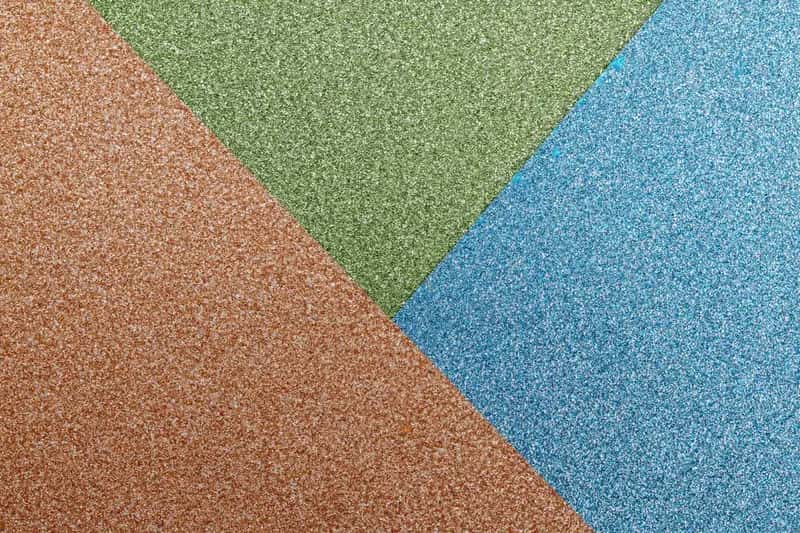
The 1970s kitchen floor was rarely shy. Big hexagons, swirling florals, and chunky checkerboards in mustard and brown were the norm rather than the exception. Linoleum and vinyl were inexpensive and easy to install, which is why the patterns went so bold. Nobody looked down and thought it was too much. It was just the floor.
You could mop a casserole spill off it without flinching, which the homeowner of the era genuinely loved. The real legacy of 1970s linoleum is that it was almost impossible to kill – layers of it still lurk under modern hardwood in millions of American homes today. Pull up a plank in any house built before 1980 and there’s a good chance you’ll find something orange underneath.
#26 – The Console Television Treated Like Fine Furniture
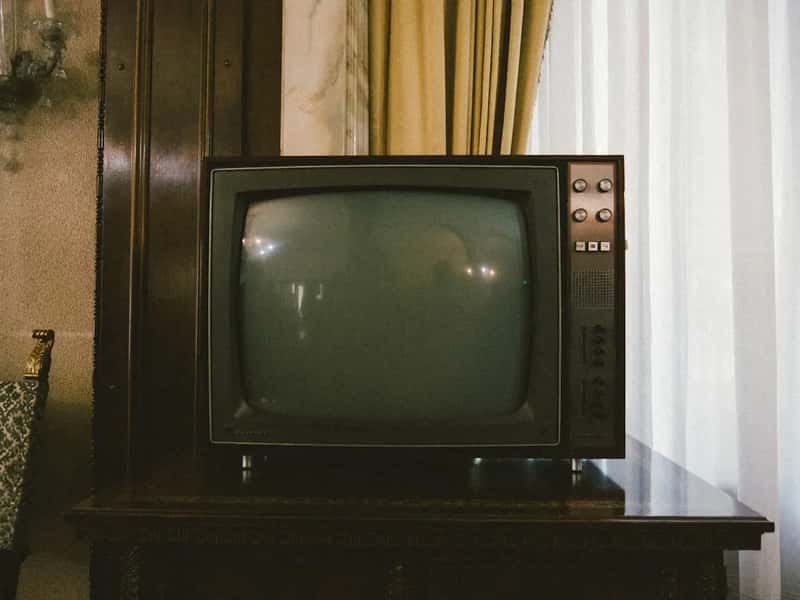
Encased in polished wood veneer, the console TV sat in the living room like a throne. At their peak in the early 1970s, these sets cost the equivalent of $3,000 to $5,000 in today’s money, which is partly why families treated them as genuine furniture investments and displayed them accordingly. You didn’t put a console TV in the corner – you built the entire room around it.
Guests admired it. Children were forbidden from touching the channel knobs. It was the centerpiece of family life, treated with more respect than most people’s grandparents. The console TV and the record player console shared the same basic philosophy: electronics should look like heirloom woodwork. That era ended and nothing quite replaced its particular confidence.
#25 – Bead Curtains as Doorways That Blocked Absolutely Nothing
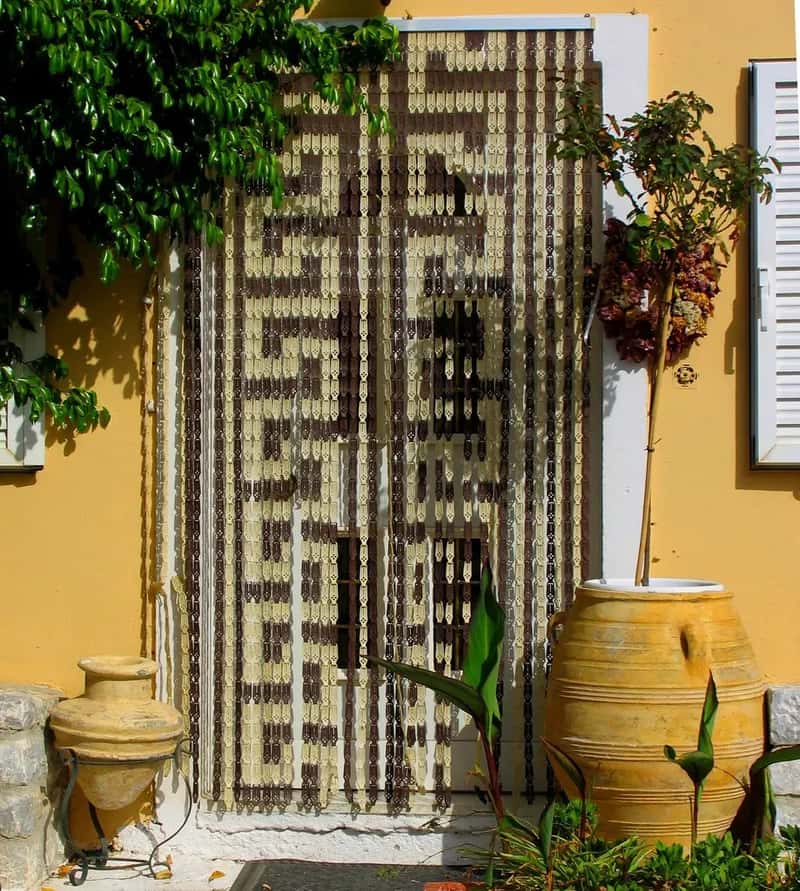
Wooden beads, plastic beads, sometimes shells, occasionally bamboo sections threaded together – hanging from a rod across the full width of a doorway, doing absolutely nothing to block sound, light, sight, or drafts. And yet they were everywhere. Every cool household had at least one. They separated rooms in a purely symbolic way that everyone respected anyway.
Bead curtains were the 1970s home’s most philosophical feature – a doorway that suggested privacy without actually providing it. They clicked and clattered every time someone passed through, announcing arrivals like a budget doorbell nobody asked for. They were more vibe than function, which is perhaps the most honest summary of 1970s interior design overall. Somehow that was part of the charm.
#24 – Wall Hangings Made by Hand From a Kit
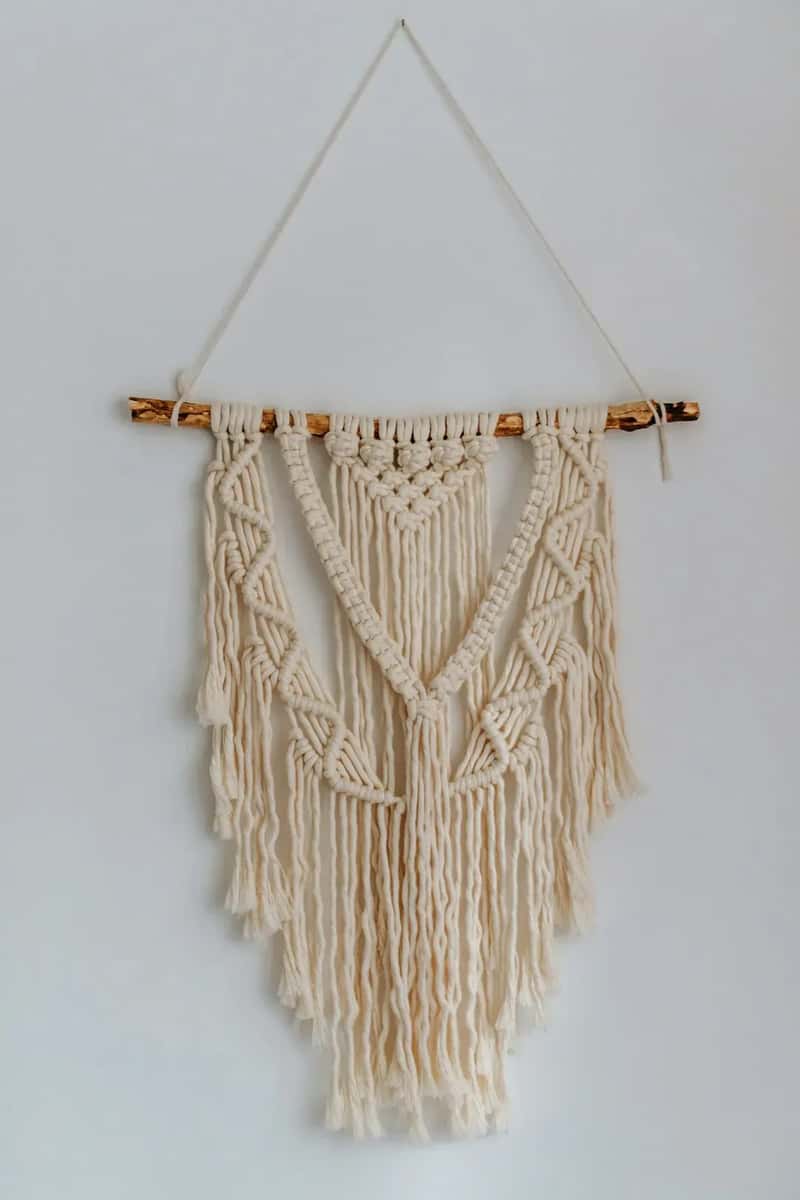
Every living room had one, and at least one person in the household made it by hand from a kit purchased at a craft store that no longer exists. The jute was always scratchy, the driftwood dowel was from an actual beach trip, and the knot patterns were either deeply intentional or completely improvised depending on how the afternoon went. It hung there for decades, slowly collecting dust in its fibers, outlasting multiple furniture sets.
Nobody took it down because nobody decided to take it down. It just existed, suspended between eras. In reality, macramé was the decade’s most accepted form of unfinished business – started with enthusiasm, displayed with pride, and then quietly ignored for the next thirty years. The fact that they’re now back on Pinterest and selling for actual money is the universe’s best joke about the 1970s.
#23 – Sunburst Clocks Hung on Paneled Walls
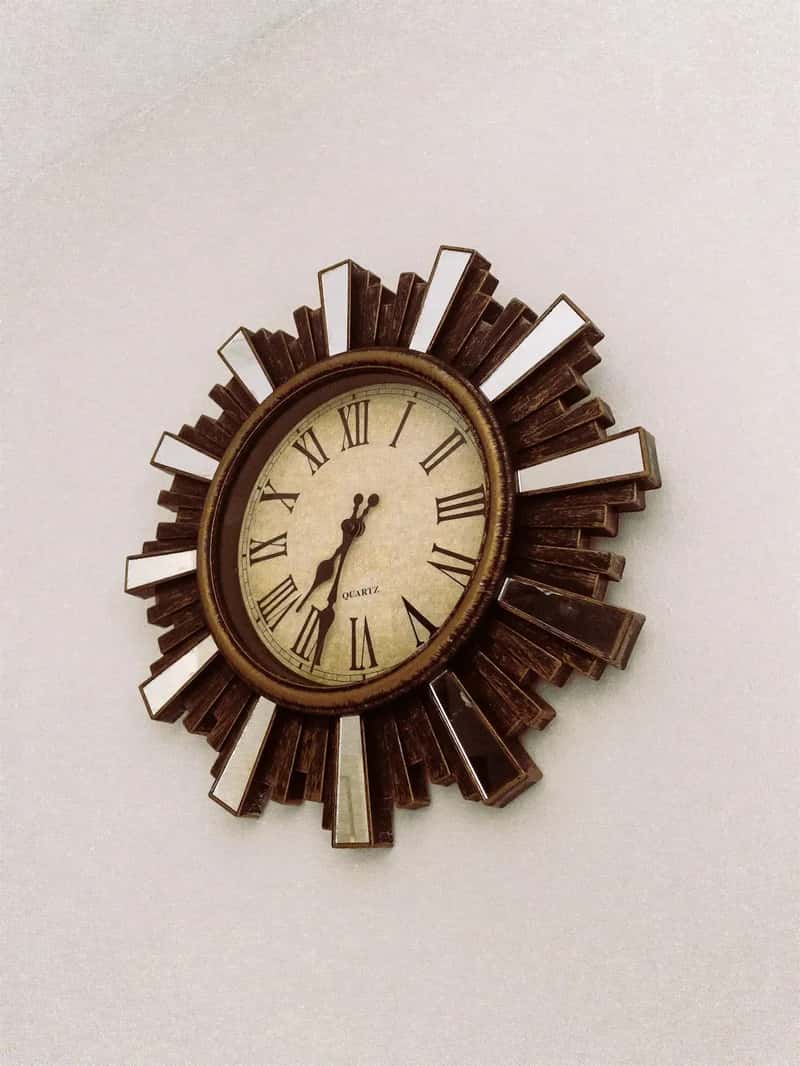
Somewhere between a clock and a sculpture, the sunburst hung on the paneling like a small gold supernova, its spokes radiating out at irregular lengths in a way that somehow communicated both artistry and punctuality. They came in gold, brass, and a specific shade of bronze that matched nothing else in the room and worked anyway. Every family home had one. Nobody questioned it.
The sunburst clock was the 1970s home’s one concession to wall art that wasn’t also a plant hanger or a macramé owl. It was genuinely the most ambitious decorative statement in rooms otherwise draped in brown and orange. Walk into a house today that still has one – still ticking – and it feels like a time portal. The good brass originals now fetch real money at estate sales. The 1970s are having the last laugh.
#22 – The Formal Living Room Nobody Was Allowed to Use
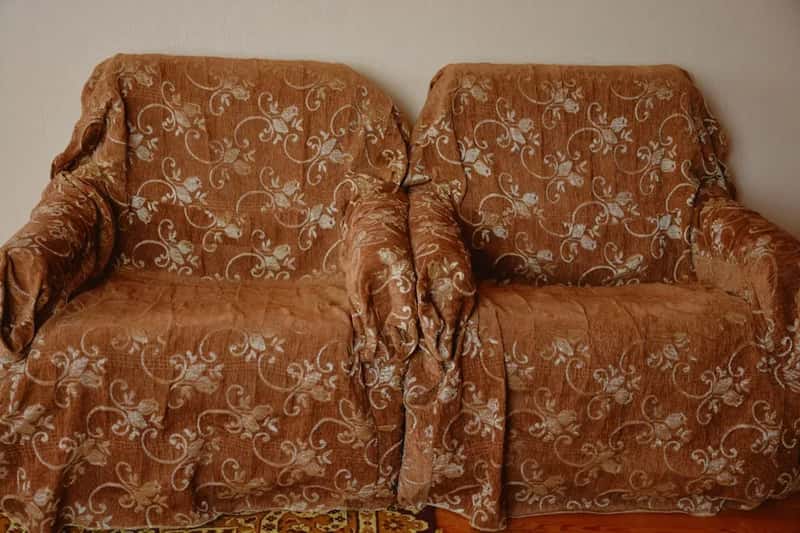
The furniture nobody was permitted to touch, protected by plastic from a humanity that was not allowed to interact with it. The psychological logic was never fully explained, but every household with plastic slipcovers understood the rule without being told. Children learned it by instinct. You just knew. The room was for looking at, not living in.
The plastic-covered formal living room reflects a Depression-era psychology that persisted well into the 1970s – preserving things against use as a form of security. The room was a status display, not a space for living, and the plastic was the clearest possible signal of that distinction. Millions of American kids grew up in homes with entire rooms they were physically present in but socially forbidden from inhabiting. The sofa was perfect. The sofa was also essentially a prop. Both things were simultaneously true.
#21 – Bold Floral Everything, Coordinated to a Disturbing Degree

Massive flowers bloomed across furniture, curtains, and bedding, creating living spaces that needed no additional artwork – mostly because there was no surface left to hang it on. These weren’t delicate, subtle florals but bold, almost psychedelic interpretations with oversized blooms in contrasting colors. Couches, chairs, curtains, and throw pillows committed to the same pattern simultaneously. Restraint was simply not an option being considered.
Orange, brown, and gold dominated these patterns, creating warm, earthy color schemes throughout every room. Matching bedroom sets included floral bedspreads, curtains, and wallpaper, creating fully immersive floral environments. The goal was total commitment – if you were going floral, you were going floral on every surface in the room at once. There was a strange confidence to it that modern interiors, with their careful accent walls, have never quite recaptured.
#20 – Encyclopedias That Cost as Much as a Used Car

Every volume in perfect order, spines aligned, gold lettering on the burgundy covers glinting under the table lamp. They were purchased from a door-to-door salesman who was very convincing, and they cost roughly what a used car cost, and they were consulted perhaps four times between 1974 and 1991. Mostly they were furniture – very expensive, slightly guilty furniture that signaled to anyone who visited that this was a household that took education seriously.
Encyclopedia salesmen in the 1970s were some of the most effective retail operators in American history. They sold knowledge as a physical object, and parents bought it by the shelf-foot. The encyclopedia set was the 1970s home’s most expensive decoration that nobody admitted was decoration. Kids were told to use it for homework. Parents used it to fill a bookshelf and impress company. The whole arrangement was deeply understood and never discussed out loud.
#19 – The Kitchen Pass-Through Window Between Rooms

A small window cut between kitchen and dining room let you hand casseroles across without walking around. It was efficient, it was social, and it made the cook feel slightly less isolated from the dinner conversation happening six feet away. Every ranch house and split-level in America seemed to have one, and the family used it every single night without thinking twice.
The pass-through was the 1970s home’s answer to open-concept living before open-concept was invented. It was a hole in a wall, and it was considered a design feature worth mentioning to guests. Plates came through it. Drinks were handed across it. Kids leaned through it to steal food before dinner was ready. It was a structural compromise that the whole family somehow made feel completely natural.
#18 – Built-In Bars in the Living Room or Dining Room

Tucked into living or dining rooms, built-in bars held glasses, bottles, and mixers, often finished in wood or mirrored surfaces. Having a bar built into your home wasn’t a sign of excess – it was a sign that you knew how to host. Entertaining at home was the social norm, and the built-in bar announced to every guest that cocktail hour was being taken seriously.
Parents mixed drinks at it while kids watched from the living room as though it were perfectly ordinary – because it was. Mirrored backs, little stools, a row of mismatched glassware – it was all just part of the furniture. Nobody found it remarkable. It was simply where the drinks lived, right there between the console TV and the bead curtain, in the most social room in the house.
#17 – Hanging Plants in Every Corner of Every Room
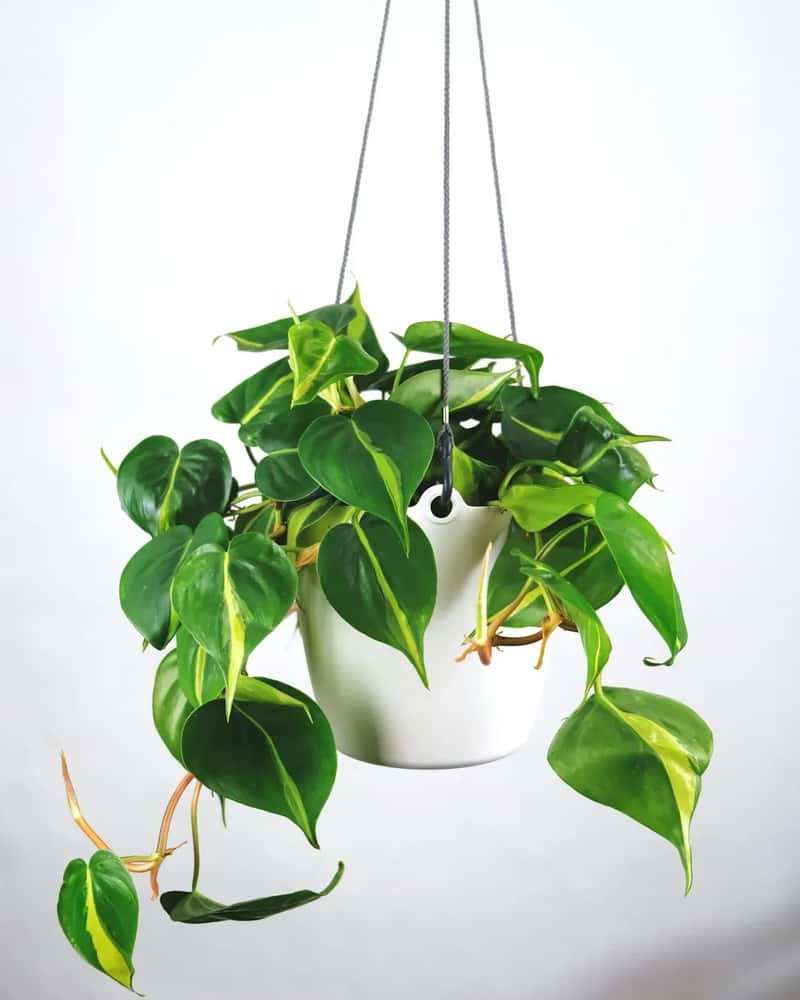
Large houseplants – ferns, palms, and spider plants – dominated 1970s homes, often grouped together in corners to create lush, green spaces. Hanging planters and macramé holders made them even more popular, reinforcing the era’s love for bringing nature indoors. Some rooms looked less like living spaces and more like greenhouses with furniture arranged inside them.
The spider plant hanging from the ceiling in its macramé holder was essentially immortal – you could forget to water it for three weeks, leave it in a dark corner, and it would still produce more baby plants than you had pots for. The 1970s home spider plant was the decade’s most resilient resident, and most people had at least three. They multiplied, they spread, they were gifted to neighbors. No one asked for one. Everyone ended up with them anyway.
Quick Compare: The Most “That Was Normal?” Items From the 1970s Home
- Shag carpet rake — Sold openly at Kmart. Used every Saturday. Completely serious.
- Avocado appliance suite — Fridge, stove, dishwasher, sink, tub, toilet. One color. Total commitment.
- Popcorn ceiling — Quick fix for bad drywall. Secret asbestos content discovered decades later.
- Built-in bar — In the family living room. Not ironic. Just hospitality.
- Plastic-covered sofa — Preserved for guests. Guests weren’t allowed to sit on it either.
#16 – Ceramic Owl Collections Displayed Everywhere

Owls were the unofficial mascot of the 1970s home. Ceramic owls, brass owls, woven straw owls, and owl-shaped trivets perched on shelves and walls throughout the house. A serious collection might include thirty or more, in mixed materials and sizes, spread across every room. Nobody could fully explain why the owl was the chosen animal. It simply was, and you accepted it and moved on.
Modern buyers tend to find one in the back of a cabinet during a remodel and feel mildly observed. That reaction is entirely accurate. The 1970s ceramic owl has a gaze that transcends decades. They showed up in kitchens, bathrooms, on bookshelves and windowsills. They were given as gifts, collected obsessively, and displayed without a trace of irony. Somewhere in America right now, a box in a garage contains fourteen of them, waiting patiently for their moment to return.
#15 – TV Trays as Completely Acceptable Dining Furniture

As the television became the new hearth of the home, foldable metal TV trays became essential for eating dinner while watching the evening news. They were usually decorated with floral patterns or landscapes and allowed the family to abandon the dining table without making a mess on the shag carpet. The dining room table was technically available. The TV was also on. There was really only one logical choice.
TV trays folded out, held a full plate of food, wobbled slightly on carpet, and were considered entirely appropriate dinner furniture for a weeknight. They represented a quiet revolution in American domestic priorities – the shift from the formal family dinner table to the television as the center of household life. Nobody announced that the TV had officially won. It was just suddenly obvious one evening, plate balanced on a metal tray, that it had. Every 1970s family had a matching set of four, stored behind a door, ready for deployment.
#14 – Wallpaper on Literally Every Wall, Sometimes the Ceiling Too
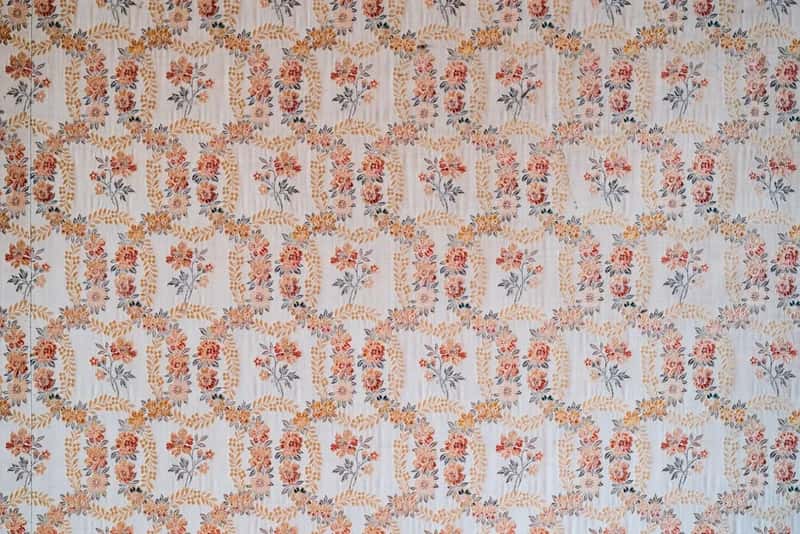
Bold patterns – geometric shapes, florals, paisleys, and abstract designs – covered walls in virtually every room. Choosing just one wall for an accent was not yet a concept anyone had invented. The entire room got the treatment, floor to ceiling, corner to corner, and if any surface remained bare, that was simply an oversight to be corrected on the next trip to the hardware store.
The ceiling was sometimes treated as a fifth wall and given the full wallpaper treatment. Bright florals and geometric prints looked down on the family dinner. The 1970s home had no empty surfaces – every wall, ceiling, and floor was considered fair game for pattern. The result was visually dense in a way that modern minimalism cannot even process. And the day the wallpaper went up was only the first problem, because the day it came down was even worse. It never released willingly.
#13 – The Lava Lamp as Serious Home Decor
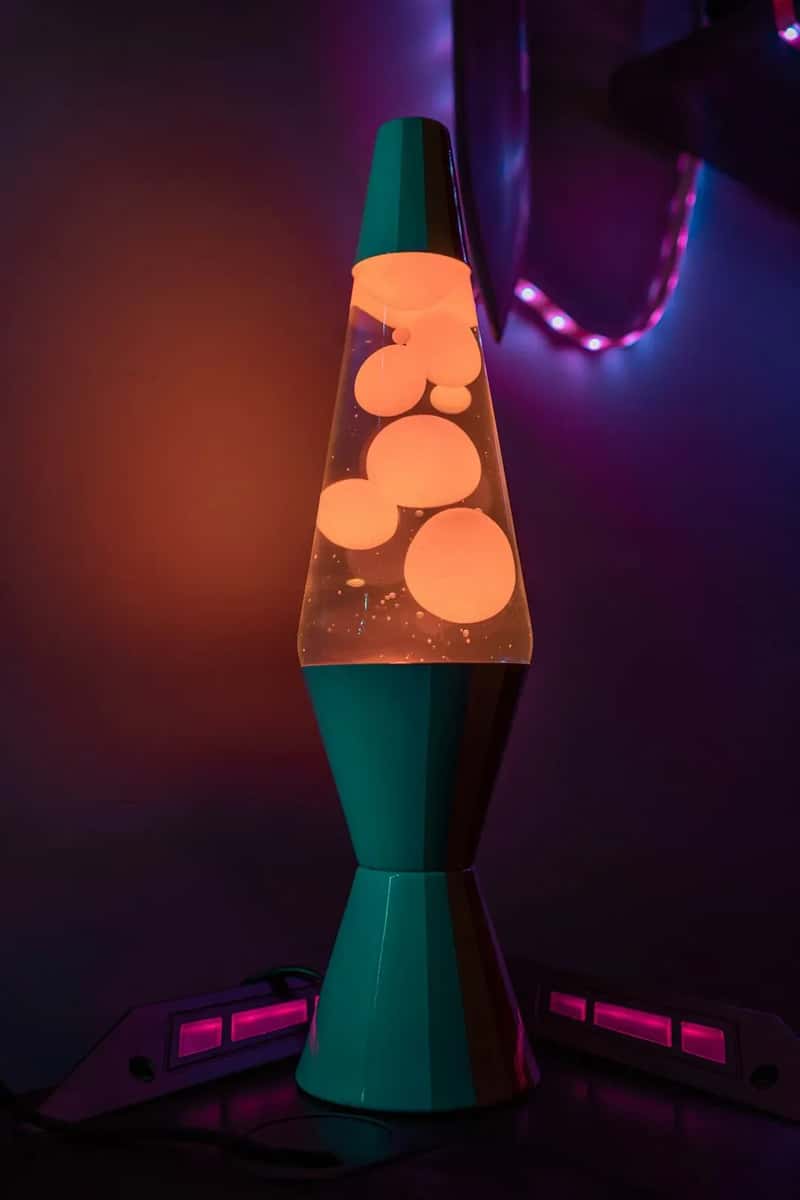
Lava lamps, with their mesmerizing slow-moving blobs of color, were not ironic. They were not retro. They were genuinely considered a home furnishing worth displaying in a visible location, and adults owned them completely unself-consciously. Paired with bold pop art and macramé, they served as both ambient lighting and conversation pieces in rooms that already had plenty of both.
The lava lamp required patience that modern attention spans cannot supply – you had to wait about fifteen minutes for it to warm up before it started doing anything interesting. And yet families accepted this completely, treating it like any other appliance. It sat on shelves next to the ceramic owls and the macramé plant hangers and nobody questioned the arrangement. It is now the single most recognizable symbol of the entire decade, which is either unfair or exactly right depending on your point of view.
#12 – Fluorescent Kitchen Lighting That Made Everyone Look Exhausted
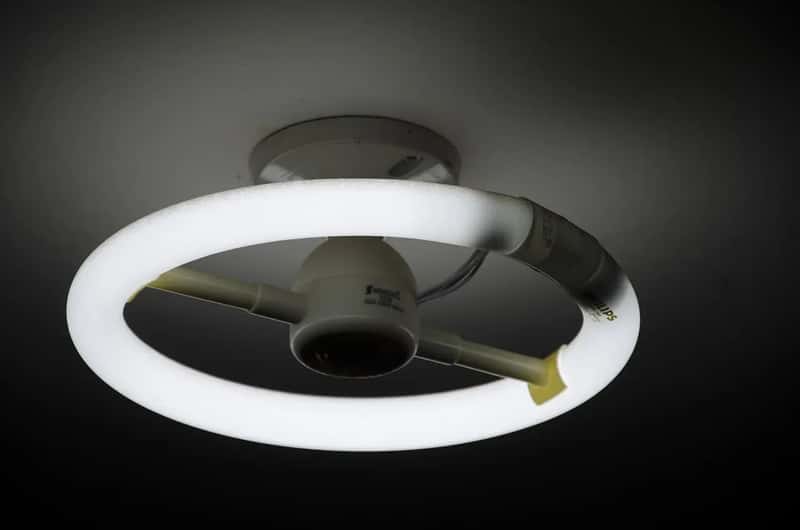
Drop ceilings with frosted plastic panels became a popular way to cover damaged plaster and hide ductwork, and the fluorescent tubes behind them gave the whole room a steady, slightly humming glow. It was practical. It also made every face in the room look ten degrees more tired than it actually was. The kitchen was functional, well-lit, and deeply unflattering to every person who stood inside it.
Fluorescent kitchen lighting is the unsung villain of 1970s home design. It illuminated every meal, every homework session, every after-school snack – with the cool, buzzing light of an office building or a hospital waiting room. The family dinner was technically lit, but nobody looked good under it. The strange part is that nobody complained. You cooked and ate under that hum for your entire childhood and accepted it as just what kitchens sounded like.
#11 – The Sunken Conversation Pit
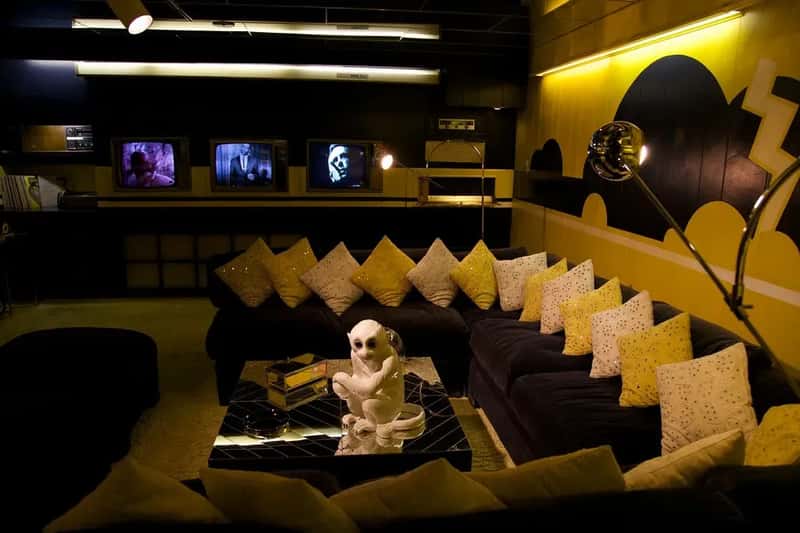
The conversation pit was the most architecturally ambitious thing the 1970s living room attempted, and it delivered on both drama and liability. A sunken section of the floor, lined with built-in sectional seating and enough throw pillows to stock a small store, it turned the act of sitting down into a mild descent event. It was designed for lingering, for long evenings, for the kind of conversation that didn’t require standing up. It was not designed for navigating after midnight in dim lighting – a mistake that every household with a conversation pit made at least once a year.
These stepped-down lounging areas created instant intimacy and encouraged the kind of face-to-face conversation that standing in a regular room somehow couldn’t provide. It was a hole in the floor that was considered the most sophisticated feature a home could have. Nobody installed a guardrail. Nobody thought to. The pit was the destination. You just had to remember it was there, which was harder than it sounds after a couple of drinks from the built-in bar upstairs.
#10 – The Rec Room That Operated as Its Own Universe
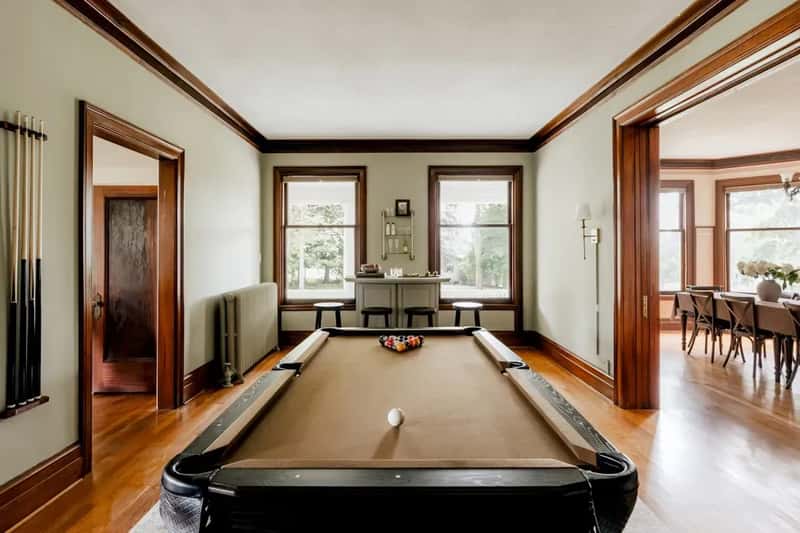
It lived in the basement or the lower level of split-level homes, and it operated under completely different rules than the rest of the house. The carpet could be stained. The furniture could be touched. Noise was acceptable. Think shag carpeting, wood paneling, and beanbags – a space where the formality of the living room above it simply did not apply.
The rec room was where the pool table lived, where the kids played, where Dad kept the bar fridge, and where the constraints of the formal rooms upstairs simply dissolved. It was essentially a second home inside the home – and for 1970s children, it was the best room in the house by a significant margin. Paneled walls, dropped ceilings, bad lighting, and zero pretension. The rec room didn’t care about aesthetics. It cared about fun, and it was the most honest room in a decade that dressed everything else up in avocado and gold.
#9 – Globe Pendant Lights Hanging Over Every Dining Table
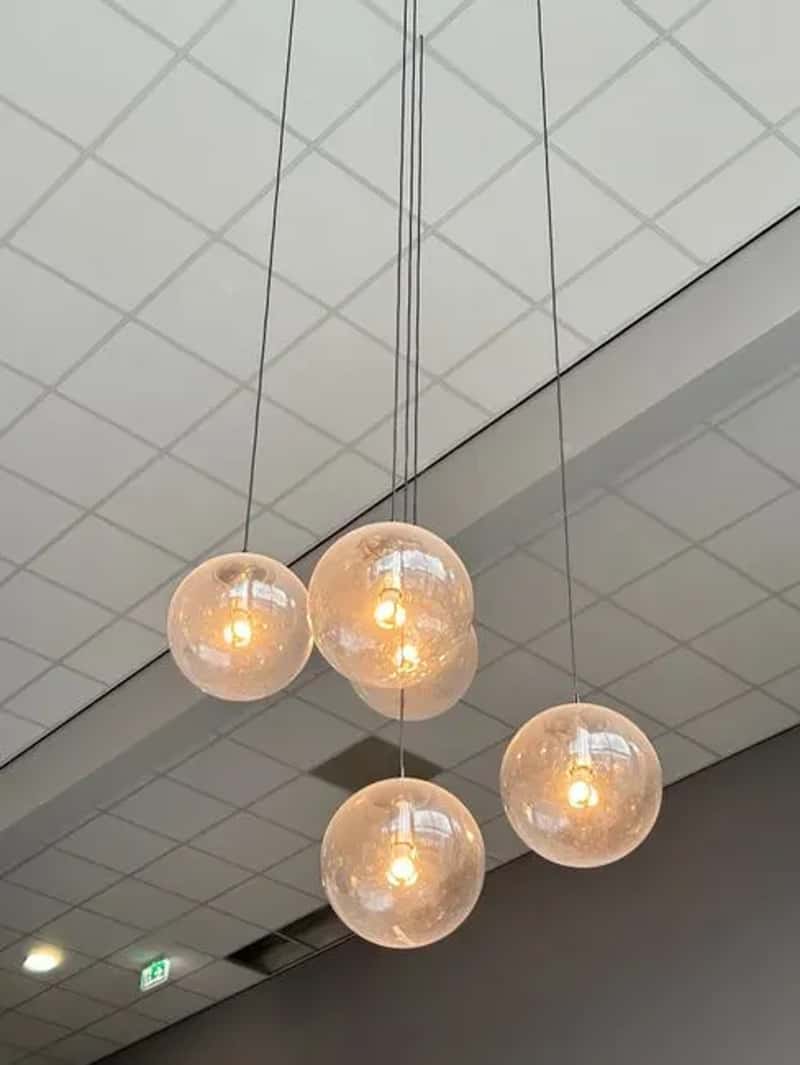
Spherical globe fixtures hung over dining tables and living rooms, their shapes adding drama while creating warm, cozy pools of light below. Often finished in amber glass, white plastic, or smoked brown, they gave interiors an unmistakable 1970s flair. Walking into a 1970s dining room meant eating under what looked like a small planet suspended from the ceiling, and nobody considered this an unusual thing to have above their dinner.
Lighting was treated as furniture in the 1970s – chosen for visual impact as much as illumination. From swooping arc floor lamps to geometric pendants, the era was all about dramatic and sculptural fixtures that made a statement before you even turned them on. The globe pendant in amber glass made exactly one statement: this home has considered its lighting and it is not messing around. It was a bold promise that the harvest gold tablecloth below it fully intended to keep.
#8 – Split-Level Architecture That Made Simple Navigation a Challenge
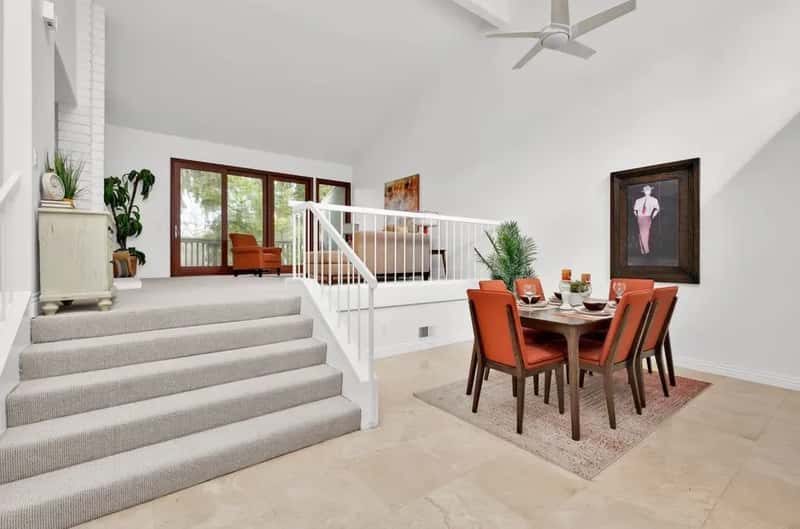
Split-level homes were a massive hit in 1970s suburbs, especially on sloped lots where the staggered design maximized square footage efficiently. Featuring three or more levels, they created clear separation between living, sleeping, and recreational areas. This was sold as practicality for the modern family. What nobody put in the brochure was that you didn’t walk through a split-level – you navigated it.
Getting a glass of water at night involved three steps up, a landing, four steps down, and a left turn through a dark hallway. Children who grew up in split-levels developed a spatial awareness that kids in ranch homes simply never needed. Every visiting friend required a brief orientation tour. Guests missed staircases regularly. The family dog took weeks to figure it out. And yet split-levels were everywhere – sold as the modern family home of the future, and in 1970s suburban America, they genuinely were.
#7 – Harvest Gold and Brown as a Legitimate Color Scheme
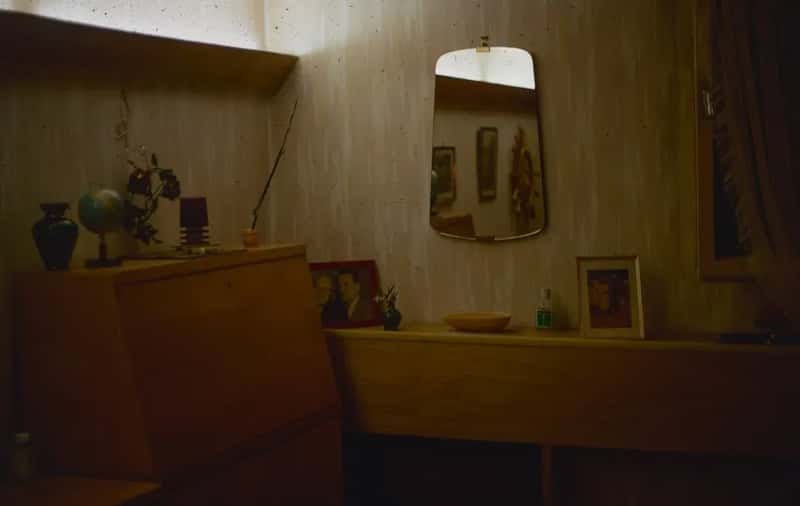
The generous reading of the 1970s palette is that it combined harvest gold, burnt orange, warm browns, and deep burgundies in thoughtful, earthy combinations. The less generous reading is that someone decided brown and gold were exciting together and then applied them to every surface in the kitchen, bathroom, living room, and bedroom simultaneously without pausing to ask whether that was too much brown. Both readings are technically accurate.
“The softer designs of the 1970s largely reflected a shift in the ethos of the period – with social and political unrest creating a heightened desire for comfortable, safe-feeling interiors.”
Sarah Lichtman, design historian, Parsons School of Design
In other words, the country was stressed out and someone decided harvest gold made people feel safer – and the entire nation went along with it. They weren’t wrong, either. Those rooms did feel warm. They just also looked like the inside of a butterscotch candy from every angle, and nobody seemed to mind that even slightly.
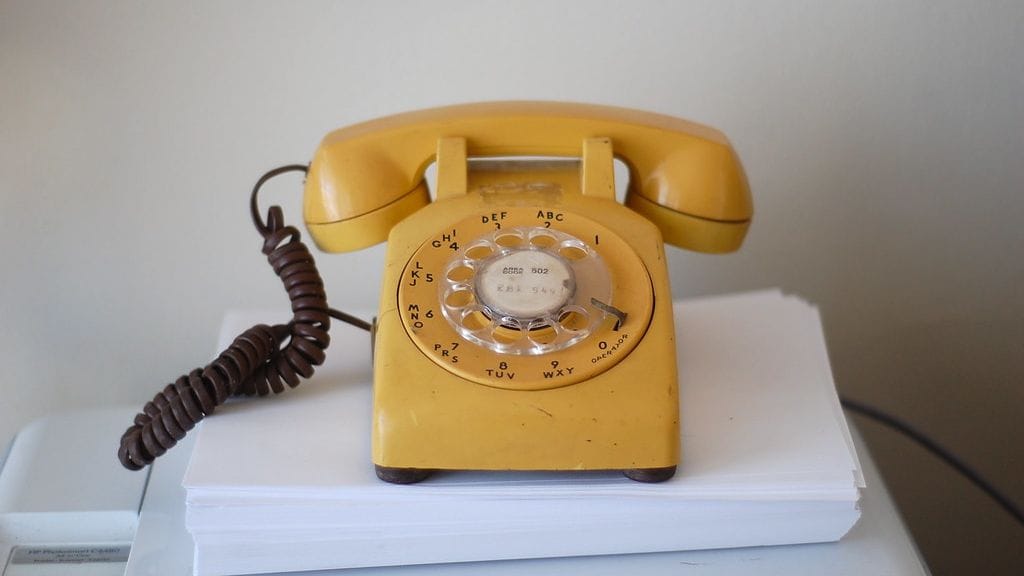
#6 – The Rotary Phone Nook Built Into the Wall
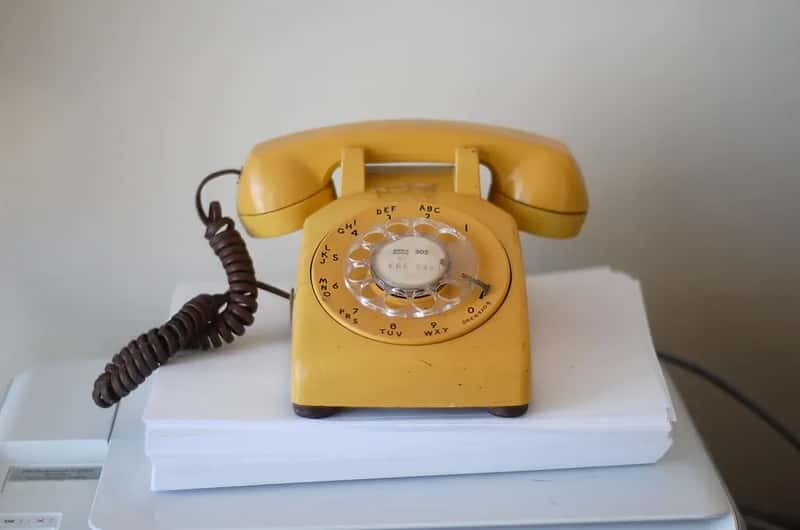
Tucked into hallways like a dedicated communication hub, the rotary phone nook included a small built-in seat and a shelf for the phone book – a thick, annually-delivered directory of everyone in the county that lived there as though it were a permanent reference library requiring a designated home. The whole setup was treated as completely logical, because in context, it genuinely was.
The rotary phone nook meant that every phone call was a semi-public event. You sat in the hallway on the little built-in bench and talked while the rest of the family moved past. There was no privacy, no portability, and no option to walk away – and nobody considered this a design flaw. The phone was where the phone was. You went to it. That relationship lasted until the cord stretched long enough to reach the kitchen, which was considered a major technological leap forward.
#5 – Earth-Toned Bathroom Suites With Matching Everything
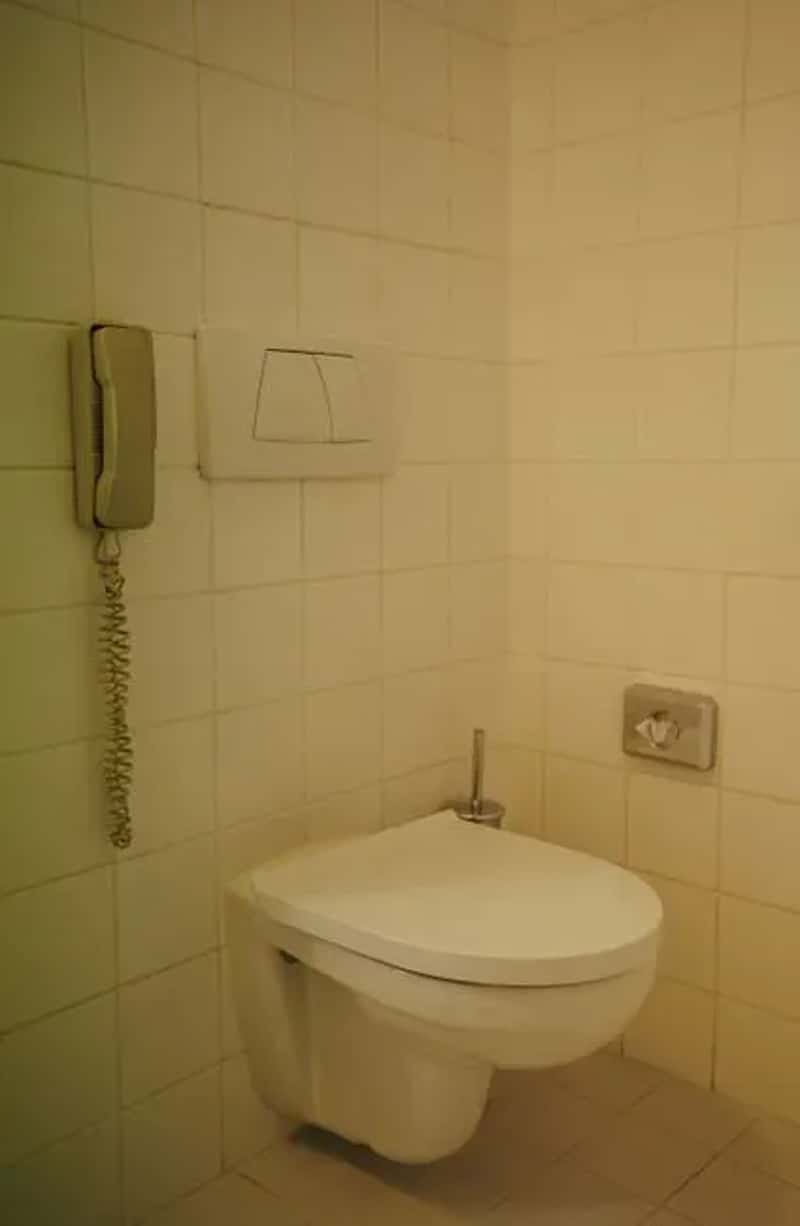
The classic avocado bathroom suite was a much-loved staple of the decade – toilet, sink, and bathtub all in the same shade of green, and you found this aspirational rather than overwhelming. Ceramic tiles continued the palette in brown, beige, and gold. The bathroom was a fully coordinated color experience from the moment you walked through the door to the moment you left it.
The fluffy rug that wrapped around the base of the toilet – often with a matching fabric lid cover – was considered not just acceptable but genuinely tasteful. There were also fabric-covered tissue box holders in complementary tones on every flat surface. The 1970s bathroom asked the question: what if soft furnishings were applied to a room specifically designed to get wet? And then answered it with absolute commitment.
Why It Stands Out
- Kohler manufactured matching avocado toilets, sinks, and tubs from 1967 through 1979 – the full coordinated suite was a real product line, not a rumor.
- The toilet lid cover, tank cover, and floor mat were sold as a three-piece set, widely available at department stores through the mid-1970s.
- Earth-toned bathroom tile was installed so durably that many of these suites are still intact in homes today – still functioning, still aggressively green.
- Designers of the era recommended pairing avocado fixtures with coffee-brown ceilings and low lighting for a “cozy” effect – which tells you everything.
#4 – The Record Player Console as Living Room Centerpiece
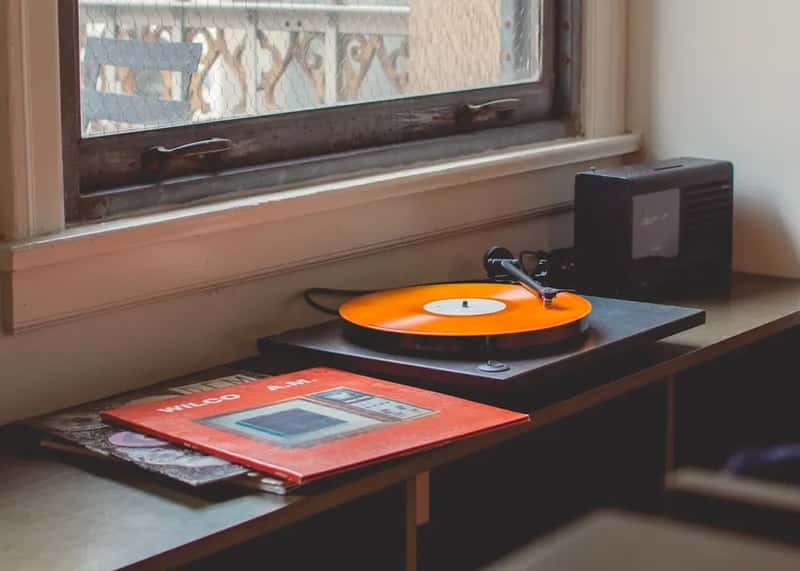
Built-in record player consoles were the epitome of home audio style – large, heavy, made of real wood, and taking up significant real estate in the living room with zero apology. Shelves nearby displayed vinyl covers as art. Beyond pure function, this arrangement celebrated lifestyle and taste, creating living rooms built around sound, personality, and cultural identity.
The record player console was a commitment in the most literal sense. It required you to physically get up, flip a record, and return to your seat every twenty minutes. That active, deliberate participation in listening to music was something the 1970s family accepted as completely normal. Today it’s a lifestyle choice that vinyl enthusiasts brag about in interviews. Back then it was just Tuesday night in the living room, and nobody wrote a think piece about it.
#3 – Bold Geometric and Psychedelic Wallpaper in Children’s Rooms
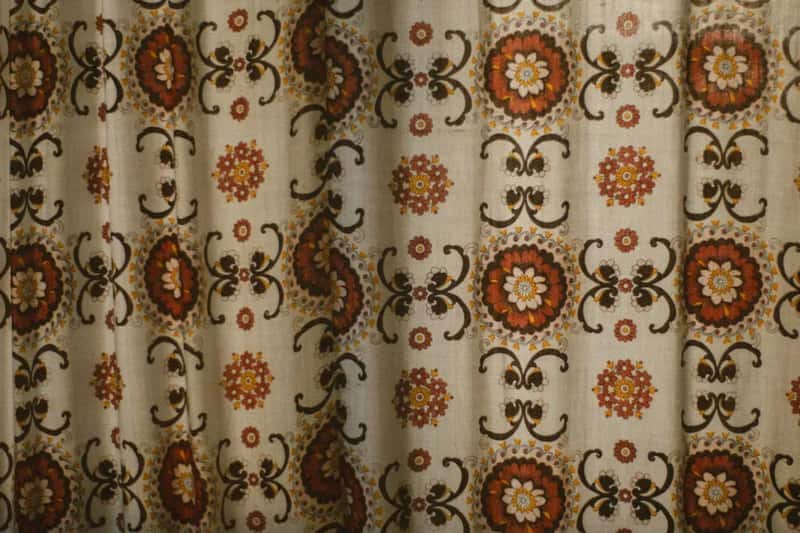
Bold patterns – geometric shapes, paisleys, abstract designs – were common throughout 1970s homes, but children’s bedrooms were not exempt from any of it. If anything, they got more. The thinking seemed to be that children, already chaotic by nature, would be unbothered by sleeping inside what amounted to a visual experience. The thinking was not wrong. The kids were fine.
A 1970s child could grow up sleeping under bold orange geometric wallpaper, next to harvest gold carpet, beneath a popcorn ceiling – and wake up every single morning thinking that was simply what a bedroom looked like. The visual intensity of a 1970s child’s bedroom would be considered overwhelming by today’s pastel-and-neutral nursery standards. But those kids turned out fine. Arguably, growing up surrounded by maximum pattern built a certain resilience. Or at least an extremely high tolerance for visual noise.
#2 – The Sunburst Starburst Wall Clock That Every Single House Had

Walk into a 1970s home and somewhere on a paneled wall – usually in the living room, but sometimes in the kitchen or hallway – there was a sunburst clock. Every house had one. No exceptions have been documented. They ranged from small brass pieces to enormous gold-painted metal sculptures that took up two feet of wall space in every direction, their radiating spokes suggesting that even telling time deserved a certain dramatic flair.
The sunburst clock was the 1970s home’s most universally shared object – there is probably no other single decorative item that appeared in more American living rooms during that entire decade. They’re now sought-after at antique markets and estate sales, and the good brass originals sell fast. Everyone who finds one in a relative’s house suddenly wants to keep it. Turns out we all accepted something genuinely beautiful without ever stopping to notice.
#1 – The Shag Carpet Rake Left Out in Plain Sight Like Normal Furniture

Shag carpet was the defining textile of the decade, and it required its own dedicated tool: the carpet rake, which sat in the living room corner like a tiny, embarrassed lawn implement. It was not stored. It was not hidden. It lived in the room, in plain sight, as though a grooming tool for the floor was a completely expected piece of domestic equipment – because in the 1970s, it was exactly that.
For one glorious decade, raking your own living room floor was not a punchline – it was just Saturday morning. Kids helped. Parents directed. The carpet got fluffy again. And the rake went back to its spot in the corner, right next to the lava lamp, under the sunburst clock, below the macramé owl, on top of the harvest gold shag – perfectly, completely, wonderfully normal.
The 1970s family home was its own complete world, and the rules made total sense to everyone inside it. Forty-plus years later, those rooms look like a fever dream of pattern and earth tone – but also, somehow, genuinely warm. The people who grew up in them remember the smell, the texture, the hum of the fluorescent light, the click of the bead curtain, the feel of shag carpet between their toes. Some of it was wild. Some of it was beautiful. All of it was home.