The traditional forty-hour workweek feels increasingly outdated in our rapidly evolving world. More companies and entire nations are discovering that working smarter, not harder, leads to better results for everyone involved. These pioneering countries have proven that shorter workweeks don’t mean sacrificing economic success.
What makes these examples so fascinating is how they challenge our deepest assumptions about work and productivity. These nations have managed to maintain robust economies while giving their citizens more time for family, hobbies, and rest. Ready to discover which countries have cracked the code on work-life balance?
The Netherlands: Leading the World with 29-Hour Workweeks

The Netherlands stands out as the country with the world’s shortest average work week – 29 hours. Dutch citizens have a legal right to request part-time work, and employers must comply unless they can present a “substantial business reason” against it. This revolutionary approach has made the Netherlands a global leader in flexible working arrangements.
The Netherlands consistently ranks among the most productive countries in the world, with each hour worked adding about $92 to the economy. Full-time employees work an average of 36.4 hours a week – the shortest on this list – which helps the Dutch maintain their work-life balance. A highly educated and skilled workforce, combined with modern infrastructure and great transport links, keeps the economy humming. With strong wages and low income inequality, the Netherlands offers a welcoming environment for both locals and international workers alike.
Denmark: The Happy Vikings of Work-Life Balance
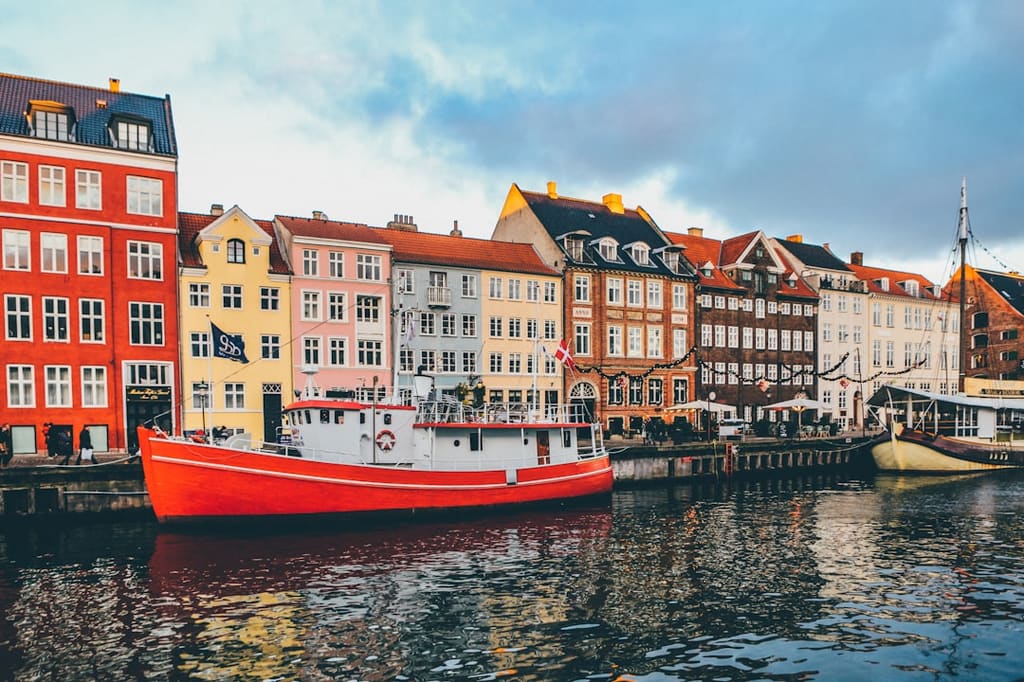
Denmark has the shortest average workweek of just 37.2 hours for full-time employees of the OECD member countries. Denmark is the fourth-most productive country in the world at $104 per hour worked. Denmark has the shortest average workweek of just 37.2 hours for full-time employees of the OECD member countries. The country’s approach to work reflects its broader cultural philosophy of “hygge,” emphasizing comfort and well-being.
Officially, Denmark operates with a 37-hour work week, without specifying the number of working days. Employees usually distribute these hours over four to five days, maintaining a flexible yet balanced work schedule. Denmark ranks as the 2nd-happiest country in the world in 2024. This happiness translates directly into workplace efficiency, creating a virtuous cycle of contentment and productivity.
Iceland: The Four-Day Revolution That Actually Worked

The trials involved 2,500 people – more than 1% of Iceland’s working population at the time – and were aimed at maintaining or increasing productivity while improving work-life balance. Researchers found that productivity stayed the same or improved in most workplaces, while workers’ wellbeing increased “dramatically” on a range of measures, from perceived stress and burnout to health and work-life balance.
In 2023, Iceland’s economy expanded by 5%, a growth rate second only to that of Malta among rich European economies, according to the International Monetary Fund’s latest World Economic Outlook, published earlier this week. That is much higher than the country’s average growth rate of almost 2% in the decade between 2006 and 2015. According to a Committee on Labour Market Statistics publication this spring, labour productivity in Iceland has also increased by 1.5% a year on average in the last five years – the highest of the Nordics.
Norway: The Work-Life Balance Champions

Norway’s productivity per hour is approximately $81, making it one of the most productive countries globally. Norway’s full-time workers average about 38 hours per week, placing the country among those with the shortest workweeks in the OECD. Norway was named the leader by the OECD in terms of work-life balance. Citizens benefit from excellent parental leave, flexible working hours, paid overtime, and attractive vacation benefits.
Related Stories From Travelbinger



Work-life balance is highly valued, and family is a greater priority than work. Parents are often allowed to leave work early to pick up their kids from school. Norwegians are known for being extremely efficient and task-oriented at work and can shut out their jobs from their lives once the clock hits 4 p.m. (the typical end time of a Norwegian workday). Workweek is 37.5 hours. Overtime is compensated 40 to 100% above regular pay. This combination of shorter hours and generous compensation creates an environment where workers feel valued and motivated.
Conclusion

These four countries prove that the relationship between working hours and productivity isn’t as straightforward as many believe. The data we analyzed suggests a link between employee satisfaction and productivity. When workers feel rested, valued, and have time for their personal lives, they bring more energy and focus to their jobs.
The evidence is clear: shorter workweeks don’t mean economic decline. Instead, they often lead to happier workers, stronger economies, and societies that prioritize human well-being alongside financial success. What do you think about these revolutionary approaches to work? Could your workplace benefit from similar changes?