Every travel trend eventually reaches a tipping point. One year a place is a quiet secret shared between backpackers and photographers, and the next it’s on every “must visit” list, complete with timed entry tickets and inflated hotel rates. That shift is already happening across a handful of destinations right now, in 2026, and the window to see them before the crowds fully arrive is closing faster than most travelers realize.
What follows isn’t a list of undiscovered places exactly, since nowhere with an airport stays secret for long these days. Instead, these are four spots where the infrastructure, the flights, and the global attention are all converging at once, which usually signals that a destination is about to change for good.
Uzbekistan
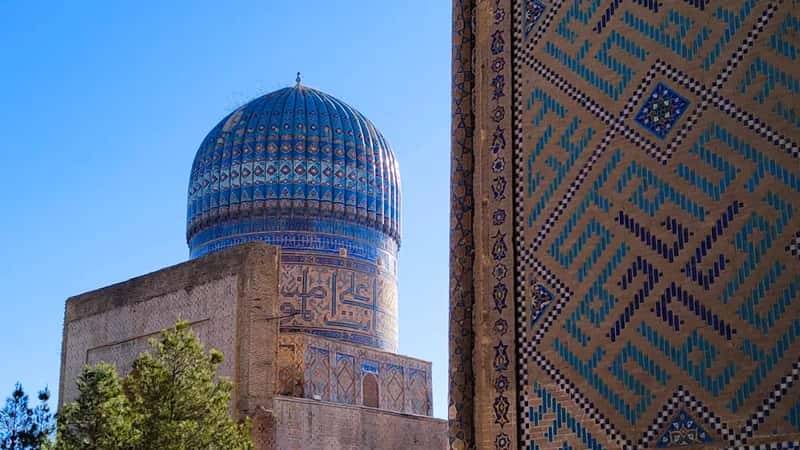
Uzbekistan has quietly become one of the fastest growing tourism stories in Asia. The country welcomed a record 11.7 million foreign visitors in 2025, and the government has officially set a long-term target of reaching 20 million by 2030. That kind of growth rarely stays under the radar for long, especially with Samarkand’s turquoise domes and Bukhara’s ancient trading arcades doing most of the marketing themselves.
Part of the appeal is simply how easy it has become to get there. Uzbekistan is among the easiest destinations to visit visa wise, alongside the Maldives, Bhutan with a permit, and Kyrgyzstan. Add in a new luxury Silk Road train route reportedly launching in 2026, and this is a country that still feels like a discovery today but almost certainly won’t in a couple of years.
Slovenia
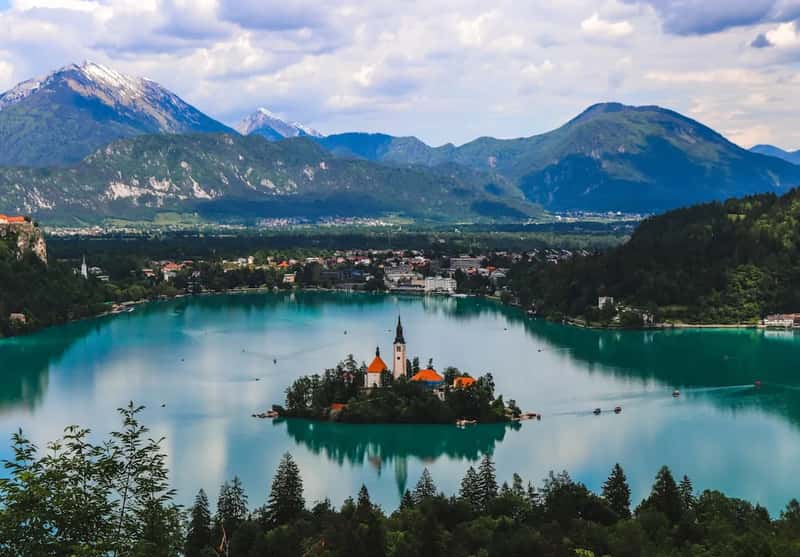
Slovenia has spent the last few years building the kind of reputation that tends to precede a tourism surge. It was selected as a top travel destination for 2026 by National Geographic, specifically for its immersive outdoor adventures like Alpine hiking and river paddling. Lake Bled and the Julian Alps have long been favorites of in-the-know travelers, but the recognition is starting to reach a much wider audience.
The country is also investing heavily in what it already does well. At the Green Destinations Story Awards 2026, three Slovenian destinations, Bela Krajina, Bohinj and Bled, received top honors for sustainable practices. On top of that, the Muzej Lah in Bled is scheduled to open in summer 2026, adding a major contemporary art destination to the iconic lake region. Cycling has become another draw, since Tadej Pogačar is universally regarded as the best cyclist in the world and one of the greatest of all time, and he has significantly transformed the country into a global cycling powerhouse and a top-tier destination for active holidays.
Sierra Leone’s Tiwai Island
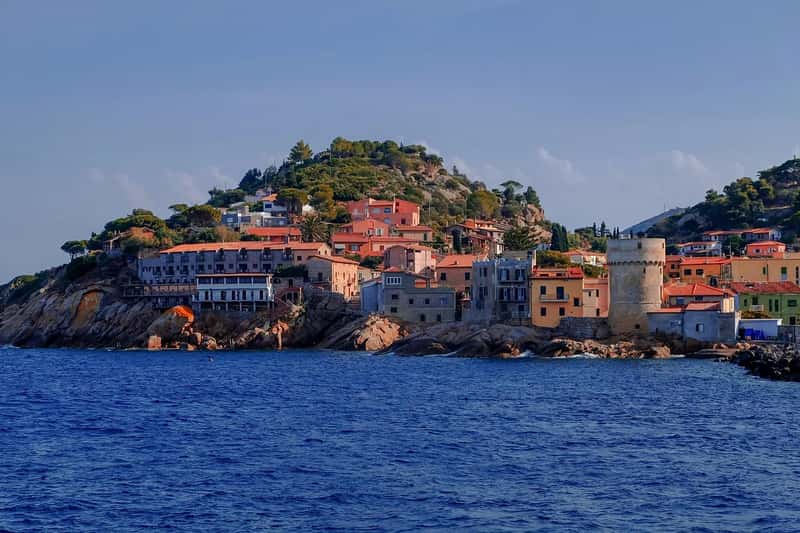
West Africa rarely tops mainstream travel lists, which is exactly why Sierra Leone’s Tiwai Island stands out right now. Intrepid Travel’s Not Hot List points travelers toward Sierra Leone’s Tiwai Island, newly awarded UNESCO World Heritage status in 2025. The island sits within a river system known for primates, birdlife, and dense rainforest that feels genuinely remote rather than curated for visitors.
Access has improved dramatically in a short space of time, which is often the first sign that a quiet place is about to change. Sierra Leone’s first-ever ten-year tourism strategy was launched in 2024, with direct flights now departing from London. The country’s broader tourism numbers back this up too, since Sierra Leone was among the best performing African destinations in 2025, with arrivals up 10 percent. Guided cruises along the Moa River and community-run lodges give the island the feel of a place still deciding what kind of tourism it wants, which is part of what makes visiting now so interesting.
Alentejo, Portugal
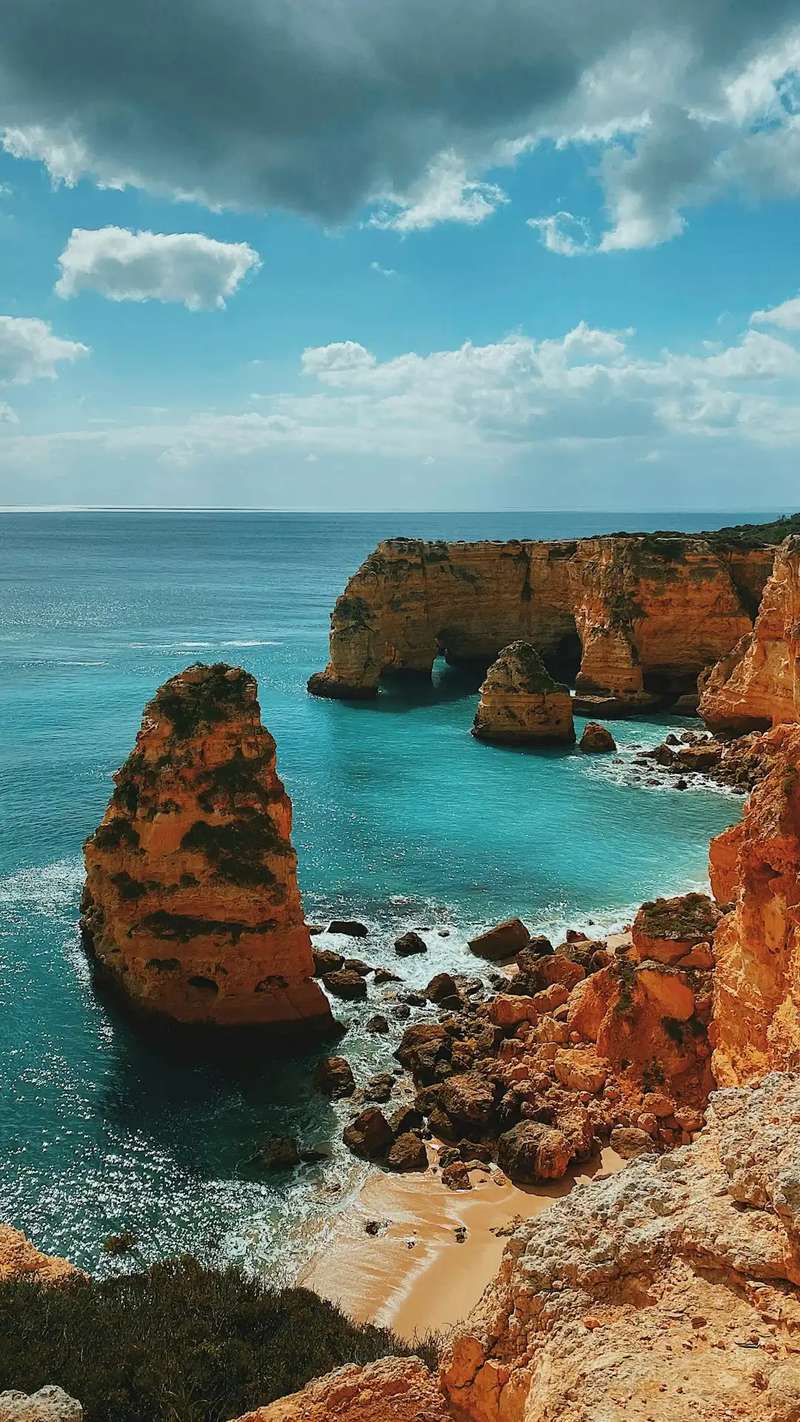
While the Algarve and Lisbon absorb most of Portugal’s tourist traffic, the Alentejo region to the east has stayed remarkably calm by comparison. Travel experts describe it as offering a rare sense of space and serenity that is increasingly difficult to find in Europe, with rolling cork oak farmland, whitewashed villages, and a slower pace than the coast just an hour or two away. Portugal’s overall tourism boom, driven largely by the coast and cities, has left this inland region relatively untouched, at least for now.
One of its standout features is the Alqueva Dark Sky Reserve, near the medieval hill town of Monsaraz, which holds a rare distinction. It is the first site in the world to be certified as a Starlight Tourism Destination, a certification backed by UNESCO. Wine tourism has also grown quietly here, with small family run estates offering tastings that feel personal rather than transactional. Travel industry voices are already signaling that the timing to visit is now, noting that 2026 is definitely the ideal moment to visit before demand accelerates.
Each of these four places shares a common thread. Infrastructure is improving, recognition from major travel publications is growing, and the kind of investment that eventually reshapes a destination is already underway. None of them are secret exactly, but all four still offer something increasingly rare in modern travel: the feeling of arriving somewhere before everyone else does.