Most people assume that legal bans on women working certain jobs disappeared decades ago, tucked away alongside other relics of a less equal past. Yet in a handful of countries, government registries still list hundreds of occupations that women are not permitted to hold, from operating certain machinery to working underground. These lists rarely make international headlines, but they shape daily life for millions of women who want to train as welders, drive trucks, or work in mining towns where those jobs pay the bills.
The story behind these bans traces back to Soviet-era labor codes written in the 1970s, built on the idea that women needed protection from physically demanding or hazardous work. Decades later, some governments have quietly kept those rules on the books, even as neighboring countries have scrapped them entirely.
Russia
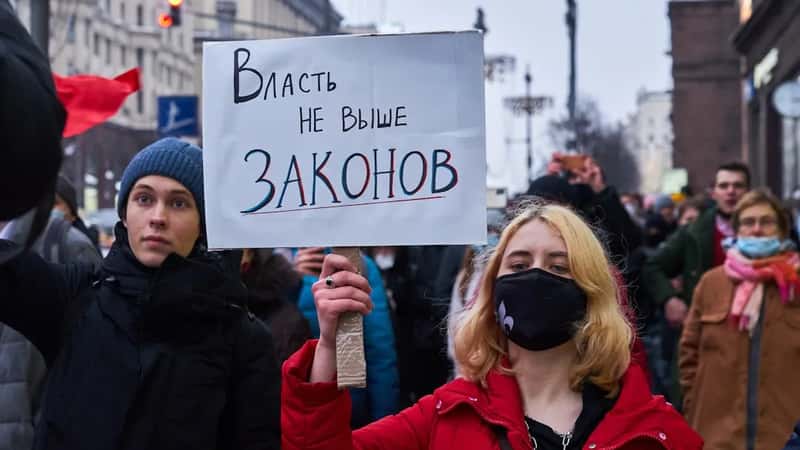
Russia’s ban on women working certain jobs dates to a Soviet-era list first created in 1974, originally covering roughly 456 professions. A regulation passed by the government of President Vladimir Putin in 2000 confirmed a prohibition on women working in 456 professions, including train or truck drivers and auto mechanics. The rule was framed as protecting women’s reproductive health, even though similar occupational hazards affect men too.
The list has shrunk considerably in recent years but has not disappeared. The previous list included 456 items, but now there are only 100 of them left following a 2021 update. Even so, 79 jobs with especially harsh physical load remain male only, including firefighting, mining, diving as well as repairing steam boilers and stoves. Women in Russia earn noticeably less than men on average, a gap advocates link partly to being shut out of higher-paying industrial roles.
Belarus
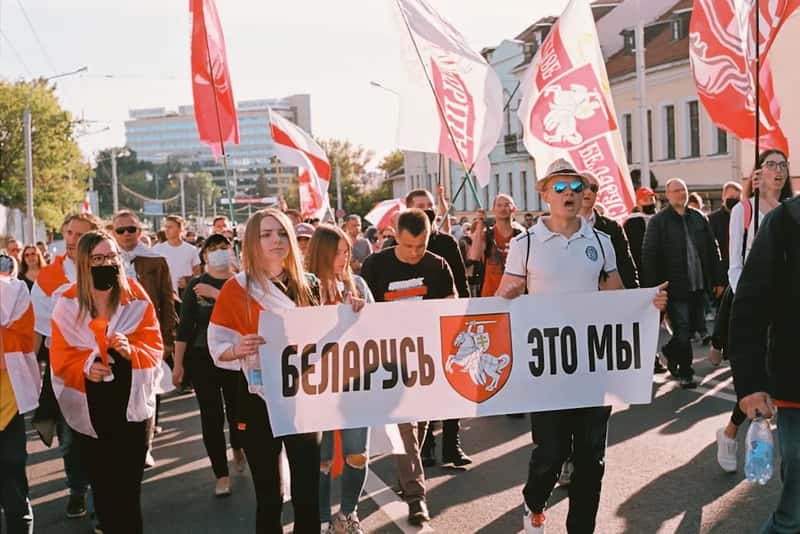
Belarus inherited the same Soviet-era framework as Russia, and while the country trimmed its list of banned professions in 2022, it never abolished the concept altogether. Laws in Belarus, Russia, and Tajikistan still ban women from hundreds of professions, including high-paying and prestigious ones. The restrictions typically cover heavy industrial work, certain transport roles, and jobs involving prolonged exposure to chemicals or extreme physical strain.
Belarusian activists have pushed for years to have the list scrapped entirely rather than merely shortened, arguing that partial reform still leaves women locked out of stable, well-paid careers. Countries that have revised their lists of banned professions and partially lifted some bans include Russia, Kazakhstan, Belarus, Kyrgyzstan, placing Belarus in a middle category of reform rather than full repeal. For now, women in Belarus who want to work as, say, a bus driver on larger routes or in certain manufacturing roles still run into legal walls that their male counterparts never face.
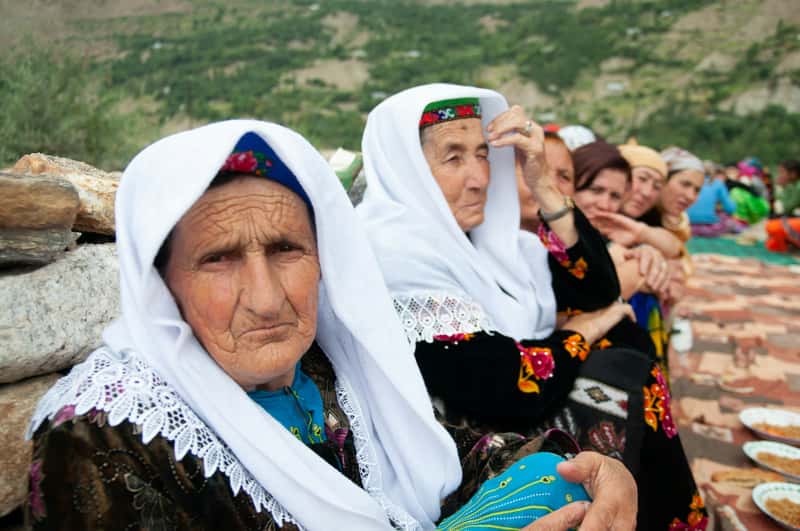
Tajikistan
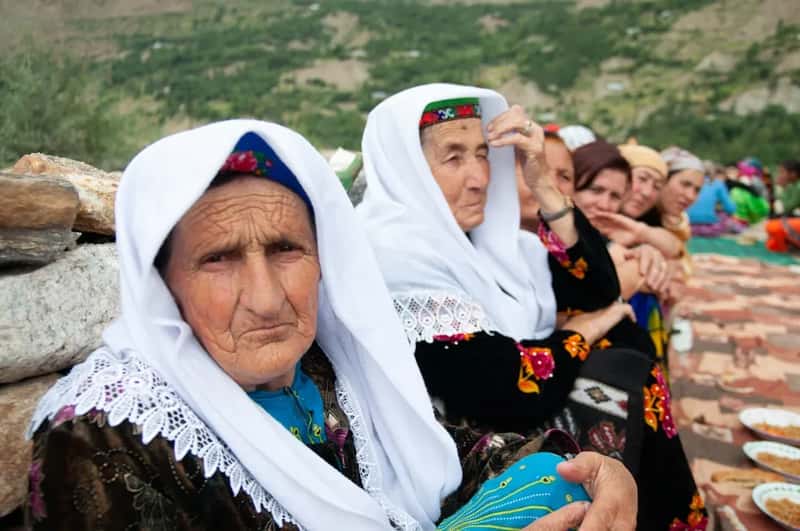
Tajikistan has moved more slowly than most of its regional neighbors. Legislative professional bans on women’s work have been lifted in Moldova, Ukraine, Kazakhstan, Uzbekistan, Turkmenistan, and Azerbaijan, while in Russia, Belarus, and now in Tajikistan, the lists have been reduced rather than eliminated. The reduction came in 2023, but hundreds of jobs, many of them in construction, heavy industry, and transport, remain formally closed to women.
What makes Tajikistan’s case notable is how little practical change has followed the legal tweaks. Regional researchers have pointed out that in Kyrgyzstan and Tajikistan, no steps were taken toward the kind of full labor code reform that countries like Kazakhstan pursued. Many of the restricted roles pay considerably more than the jobs typically left open to women, reinforcing a wage gap that has little to do with skill or experience.
Turkmenistan
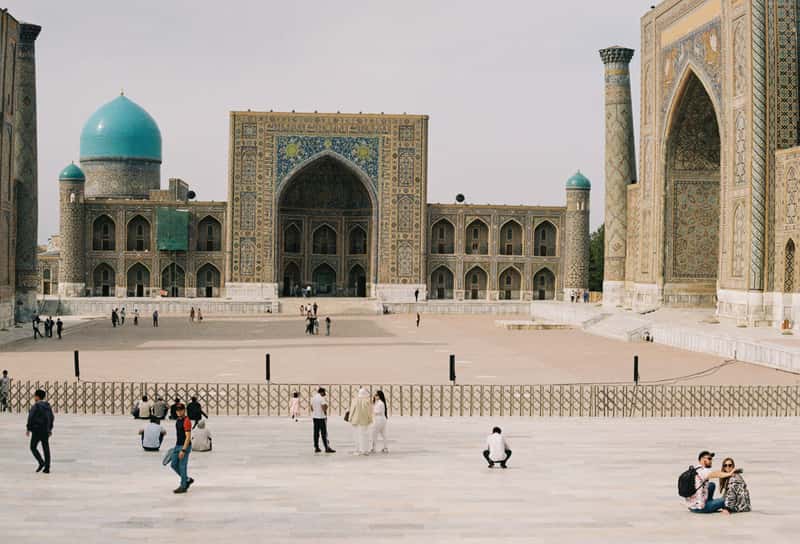
Turkmenistan presents an unusual case: the ban was formally lifted on paper years ago, but little changed in practice. Turkmenistan formally abolished the discriminatory article of the Labor Code on prohibited professions back in 2019, however, no practical steps had been taken to guarantee women’s right to work. This gap between legal text and lived reality became a point of international scrutiny.
The issue drew renewed attention at the United Nations. This became the subject of criticism by the UN CEDAW during the consideration of the state report of Turkmenistan at the 87th session of the Committee in early 2024. Advocacy groups tracking the region have grouped Turkmenistan alongside Azerbaijan in a category described as “deepening of entrenched stereotypes”, suggesting that cultural expectations about which jobs suit women have proven far harder to shift than the laws themselves. Women there may technically have the legal right to pursue previously banned trades, but employers, training programs, and social pressure often keep those doors closed anyway.
Taken together, these four countries show that formal bans on women’s work are not simply historical footnotes. They are current, documented policies affecting real career choices in 2026, even as neighboring nations in the same region have phased theirs out entirely. Progress has been uneven and, in some cases, more symbolic than substantive, which means the practical experience of a woman trying to become a welder or a ship’s mechanic in these places can differ sharply from what the law technically allows.