
Most travelers check visa rules and vaccine requirements. Far fewer read up on the small local laws that can turn a good trip into an expensive one. A pack of gum, a pair of heels or a souvenir from the beach can be enough.
The rules below range from the very strict to the merely surprising. Fines and enforcement change, so treat the figures as a guide and check official government travel advice before you go.
Singapore: Gum Is Restricted, Chewing It Isn’t
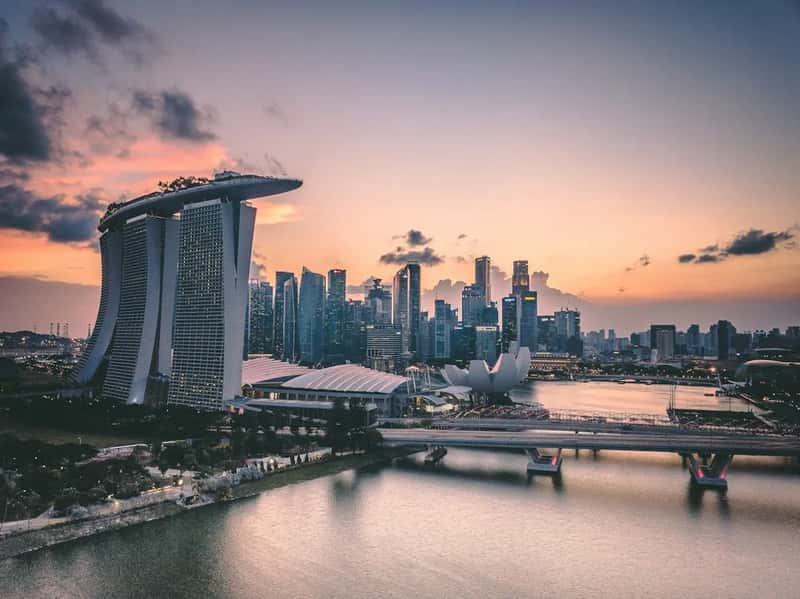
Singapore’s chewing gum ban is real. It has been in effect since 1992 under the Regulation of Imports and Exports Act.[1] The trigger was practical. Officials said gum litter had disrupted the MRT trains, and in 1991 gum stuck in train doors stopped services because the doors couldn’t close.[2]
There’s a common misunderstanding about what the law covers. It is illegal to sell, import and manufacture gum, but not to chew it.[3] Since 2004, medical and dental gum such as nicotine gum has been permitted.[4] Fodor’s reports that importing gum can bring a fine of up to S$10,000 or up to two years in prison.[1] Spitting it out on the street is a separate problem, because littering can draw a fine of up to S$1,000.[5]
Thailand: Vaping Is Illegal for Everyone
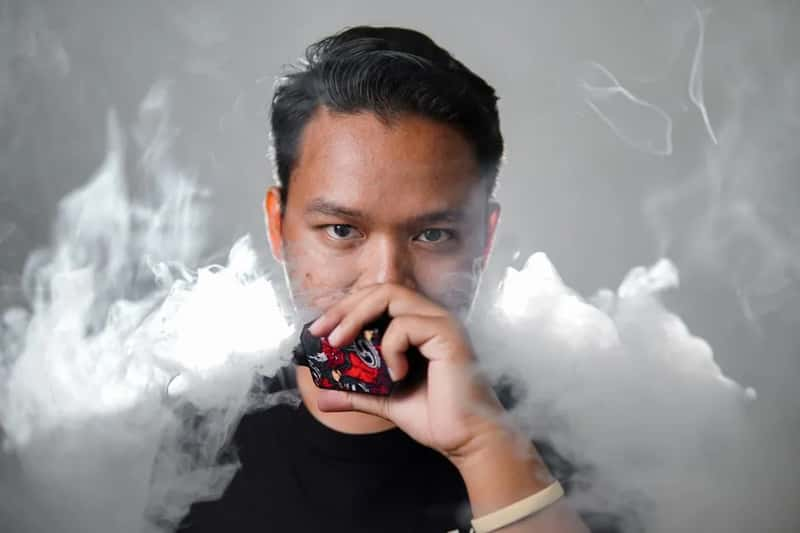
Plenty of visitors assume a vape is fine to pack because it’s legal at home. In Thailand it isn’t. Vapes, e-liquids and shisha have been banned since 2014, and the ban gives tourists no personal use allowance.[6]
Penalties depend on the offense. Tourists caught vaping can face confiscation of the device, fines between 5,000 and 30,000 baht, possible detention and court proceedings.[7] Importing vapes is treated more seriously, with a possible prison term of up to 10 years.[8] Buying a replacement locally doesn’t solve anything, since buying one inside Thailand is also an offense.[9] Enforcement hasn’t gone quiet either. Thai authorities reported seizing more than 5,000 vaping items in a single operation in April 2026.[9]
Sardinia: Leave the Beach Sand Where It Is

A jar of white sand sounds like a harmless souvenir. On Sardinia it’s a legal problem. Since 2017, taking sand, shells and pebbles from the island’s beaches has been illegal, because they are classed as protected resources.[10]
Fines run from €500 to €3,000, and larger quantities can lead to a prison term.[10] The rule is enforced at the exits. Customs officers at Alghero airport say they regularly seize sand during bag searches.[10] One recent report describes a 69 year old French tourist stopped at the Porto Torres ferry port with about 40 kilograms of sand, shells and pebbles hidden in her car, facing a fine of up to €3,000.[11]
Greece: High Heels Stay Out of Ancient Sites

If you’re headed to the Acropolis, pack flat shoes. Since 2009, Greece has enforced a ban on high heels at many ancient monuments, including the Acropolis.[12] The reason is that sharp heels can erode and crack the delicate surfaces of ancient structures.[12]
The ban grew out of a wider conservation push. In 2008, crews removed nearly 60 pounds of chewing gum from under the marble seats of the Odeon in Athens.[13] Visitors in heels risk being refused entry, and some reports mention fines of up to €900.[12] Rubber soled walking shoes are the safe choice, and they’re also better on the slippery marble.
Venice: Rules on Crowds, Noise and Day Visitors
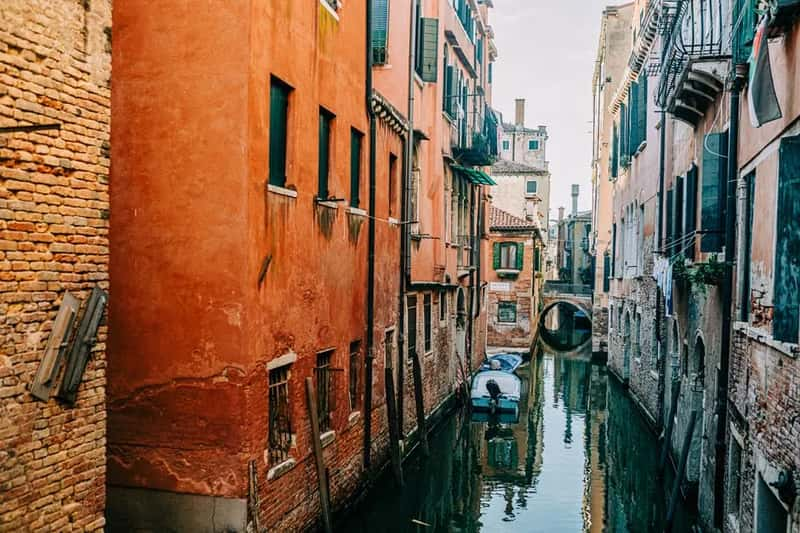
Venice has been experimenting with ways to manage overtourism. In 2024 it introduced an entry fee for day visitors on selected peak dates, and it has continued the scheme since. If you’re staying overnight in the city, you’re generally exempt, though it’s worth checking the current calendar and exemptions on the city’s official site.
Group behavior is regulated too. Since mid 2024, tour groups in the historic center have been limited to 25 people, and loudspeakers used by guides are banned. The aim is to reduce congestion in narrow streets and cut noise for residents. Guided tours are the main target, but independent travelers feel the effects too.
Barcelona: Streets Aren’t Beaches

Barcelona’s civic rules ban walking around in swimwear or bare chested away from the beach. That includes the busy streets of the seafront neighborhoods, not just the old town. Fines can reach several hundred euros, and police do enforce the rule in tourist areas.
Other Spanish resort towns, including Palma, have similar ordinances. The logic is that residents live in these neighborhoods year round. A simple fix is to carry a T-shirt or a light cover up when you head back from the sand.
Kenya: Plastic Bags Can Mean Prison

Kenya has one of the toughest plastic bag laws in the world. The ban took effect in 2017 and covers the manufacture, sale and use of carrier bags. Penalties on paper can reach up to four years in prison or a fine of roughly forty thousand US dollars.
Kenya later extended restrictions to single use plastics in protected areas such as national parks, forests and beaches. That matters for safari travelers who might pack snacks and water in the usual way. Reusable containers and cloth bags are the easy workaround, and your lodge or tour operator can confirm the current rules.
Barbados: Camouflage Clothing Is Off Limits

Camouflage patterns look like casual travel wear, yet Barbados bans civilians from wearing them. The restriction is meant to keep military style clothing for the armed forces. Customs officers and police can enforce it, and clothing may be confiscated.
Barbados isn’t alone. Several other Caribbean countries, including Jamaica and Trinidad and Tobago, have similar rules. Check your luggage for camo shorts, hats, backpacks and children’s clothes before a Caribbean trip, and leave anything patterned that way at home.
Japan: Some Everyday Medicines Are Restricted

Japan treats a few familiar over the counter and prescription medicines as controlled. Products containing pseudoephedrine, such as some cold remedies, are restricted, and so is the Vicks inhaler sold in the United States. Certain stimulant medications used for attention disorders, including Adderall, are prohibited outright.
Other prescription drugs are allowed only within set quantities. For larger amounts, travelers may need an import certificate, known as a Yunyu Kakunin sho, which must be obtained before arrival. Japan’s Ministry of Health, Labour and Welfare publishes the details, and your embassy can point you to them. Carrying medicines in original packaging with a doctor’s letter makes any check simpler.
Tokyo: Smoking While You Walk

Many Japanese cities restrict smoking on the street. In Tokyo’s Chiyoda ward, an ordinance that began in the early 2000s bans smoking in designated public areas, with on the spot fines of about two thousand yen. Other wards and cities have their own versions.
Smoking is usually allowed in marked outdoor smoking areas, and these are easy to spot once you’re looking. Even then, carrying a small portable ashtray is common courtesy. The simple approach is to wait until you reach one of those areas, since rules change from block to block.
Australia: Declare Your Food or Pay for It

Australia takes biosecurity seriously because it wants to keep pests and diseases out. Incoming passenger cards ask you to declare food, plant material and animal products, even items you might consider harmless, such as an apple left over from the flight. Fail to declare, and you can be issued an infringement notice worth thousands of Australian dollars.
Serious cases can lead to visa cancellation or prosecution. Officers use detector dogs and X-ray screening at airports. When in doubt, tick yes on the card, because declared items that turn out to be fine are simply returned to you.
Germany: Don’t Run Out of Fuel on the Autobahn

The Autobahn is famous for stretches without a speed limit, and less famous for a rule about fuel. Stopping on the Autobahn is allowed only in emergencies, and running out of gas is generally considered avoidable. That means an empty tank can earn you a fine on top of the inconvenience.
A fine is the least of the issues, because a stationary car in fast traffic is dangerous. Fill up before long highway stretches, and keep an eye on the gauge when service areas are far apart. Rental cars make this easy to forget, since you may not know the tank’s real range.
France: Face Coverings in Public Spaces

France has banned face coverings in public spaces since 2011. The law applies to everyone, including visitors, and the fine is €150. It is best known for its effect on full face veils, though the wording is broader and covers items such as masks and balaclavas.
There are exceptions for health, work, sport and traditional celebrations. The European Court of Human Rights upheld the law in 2014. Travelers wearing religious face veils should read their own government’s advice, as police can ask someone to uncover their face for identification.
Indonesia: A New Criminal Code in 2026

Indonesia’s revised criminal code came into force in early January 2026, replacing a colonial era code. It includes provisions on sex outside marriage and unmarried couples living together, which have drawn attention from travelers heading to Bali. Prosecution generally depends on a complaint from a spouse, parent or child.
The code also covers offenses such as insulting the president or state institutions. It applies on Indonesian territory regardless of nationality. Foreign governments have updated their travel advice, so it’s worth reading your own before you book.
Thailand: Respect for the Monarchy and the Baht

Thailand’s lese majeste law, Section 112 of the criminal code, makes it an offense to defame, insult or threaten the king, queen, heir or regent. Penalties can reach up to fifteen years per count. The law applies to foreigners as well, and it has been used against social media posts.
Thai banknotes and coins carry the king’s image, which is why stepping on fallen money is treated as disrespectful. A coin rolling away is a case where locals tend to forgive an honest reaction, but a deliberate stomp is a different matter. The safe course is to treat royal images, portraits and public displays with care.
Rome: Fountains and Steps Are Not Seating

Rome has regulations to protect its monuments from the crowds. Bathing in fountains, wading in the water or climbing on monuments is prohibited, and the city has also restricted sitting on certain historic steps, such as the Spanish Steps. Fines can run into hundreds of euros.
Eating and drinking close to major monuments is also restricted in some areas. Police and municipal officers patrol the busiest squares in summer. Lunch spots are everywhere nearby, so you rarely need to sit on a monument at all.
UAE: Medications Need Care at the Border
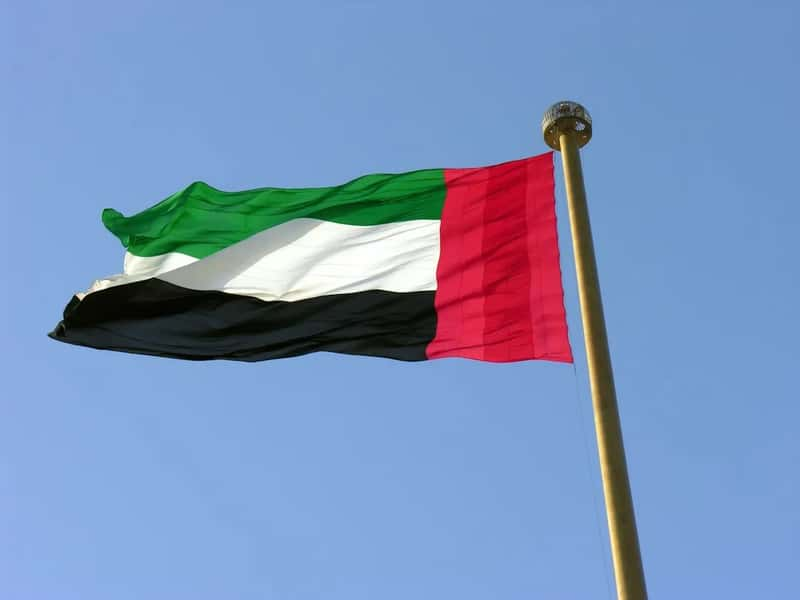
The United Arab Emirates classifies some common medicines as controlled substances. Painkillers containing codeine, certain sleep aids and some anxiety or attention medications can require advance approval from the health authorities. A prescription from home may not be enough on its own.
Travelers have been detained over medicines that are routine elsewhere. Carry anything you need in original packaging with a doctor’s letter, and check the UAE’s official requirements before you fly. If a drug is on the controlled list, ask your doctor about an alternative.