Most lists of rising American places are crowded with the same names, usually big metros or resort towns with famous skylines and ski lifts. The towns doing quieter work tend to be smaller and a little off the main highways. They often get noticed only after the new restaurants and the ballpark have already shown up.
The four places below have different histories and different tools. Some have years of public records behind them, and others have less. Where the evidence is thin, I’ve said so.
Danville, Virginia: A Tobacco Town Refilling Its Riverfront
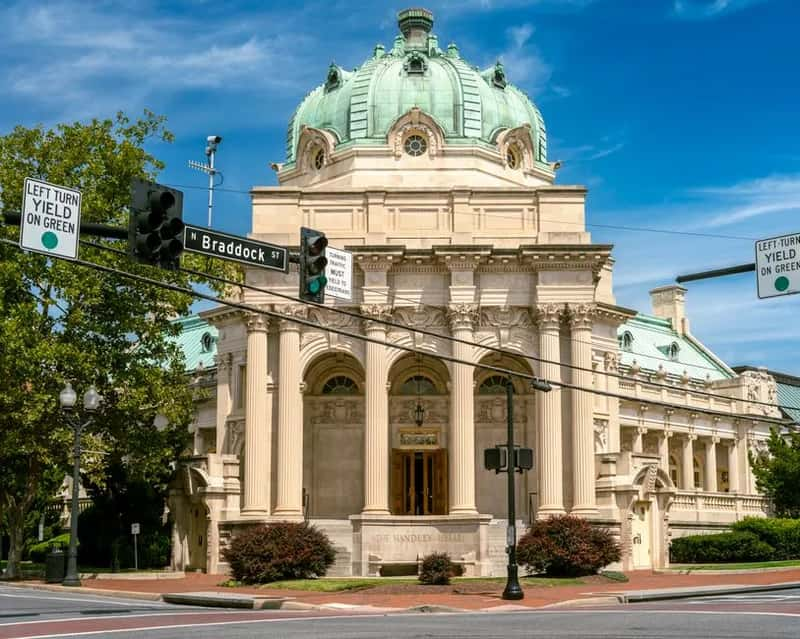
Danville’s River District project is meant to revitalize the aging Historic District and the Tobacco Warehouse District.[1] The plan itself is not new, since the River District Redevelopment Plan was originally launched in 2011[2]. Retirement writers have taken notice, too. FinanceBuzz describes Danville as an affordable small town on the Dan River that has seen major revitalization efforts in recent years[3].
The work is now spreading outward from the core. In October 2025 the city announced a push to revitalize the historic Mechanicsville District[2], with a master plan expected by spring 2026[2]. Across the river, a $1.7 million project at 624 North Main Street is turning a building into a mixed use space, with retail on the ground floor and possible homes above[4]. The River District Association also noted in May 2026 that the year had already brought several new businesses and more were on the way[5].
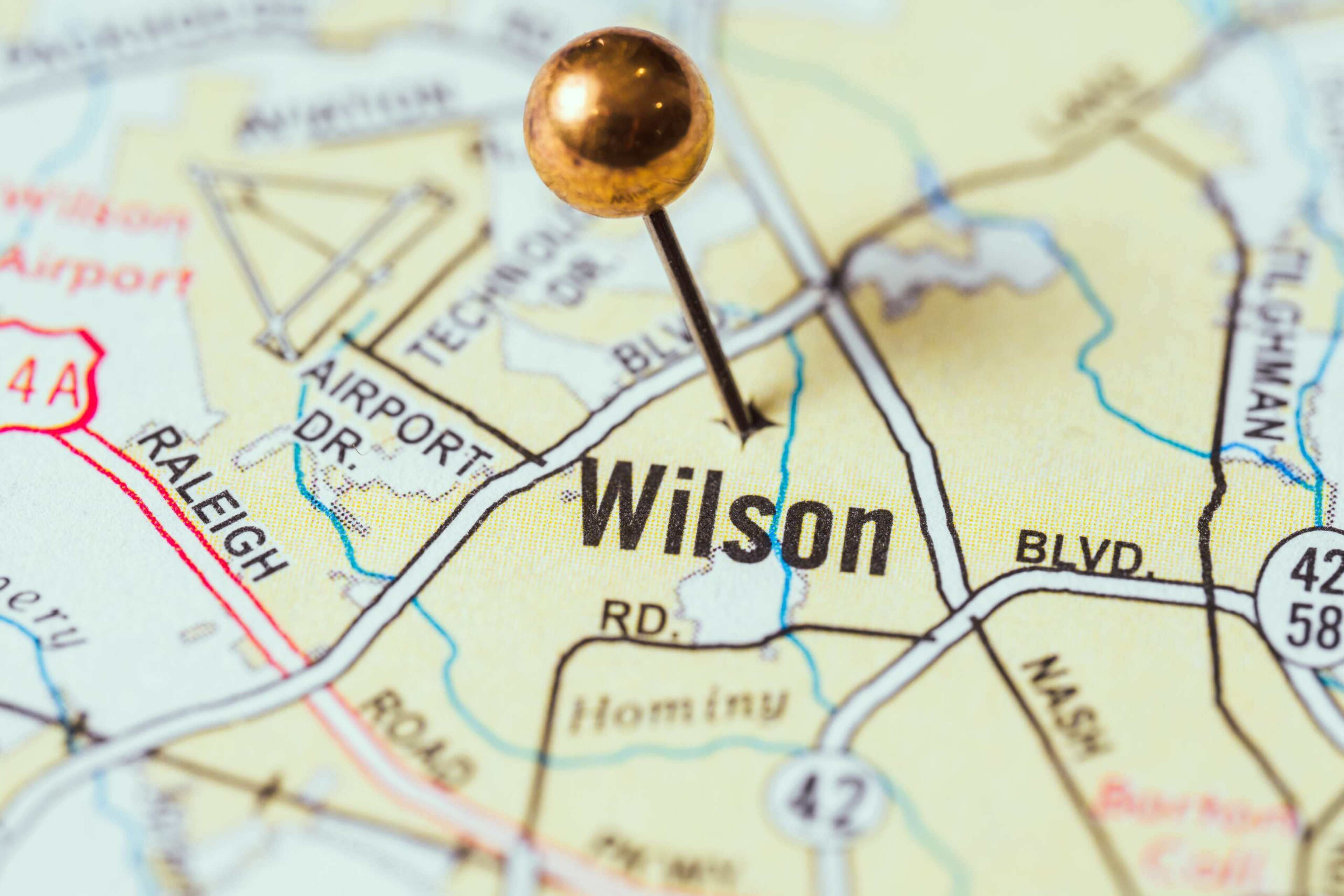
Wilson, North Carolina: Whirligigs, Warehouses, and a New Ballpark
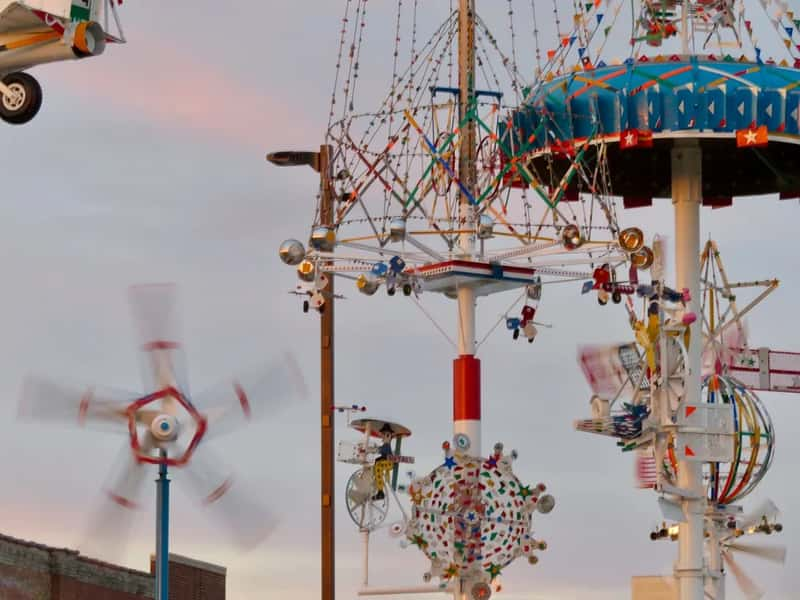
Wilson’s turnaround began with an unusual piece of public art. In 2010 the city bought land downtown for a park to show off the work of artist and inventor Vollis Simpson[6]. Thirty whirligigs were moved from his farm for restoration[6], and visitors have come from around the world since the park opened in 2017[6]. A state arts program reported that more than $25 million in private and public investment had been generated within two blocks of the park[6], though that figure comes from an earlier snapshot.
The bigger bet is next door. The city council approved a $63.6 million stadium beside the park[7], and the full project was expected to be valued at more than $280 million[7]. The Wilson Warbirds mark the return of professional baseball to Wilson for the first time since 1991[8]. Play was set to begin in April 2026[9], and the design includes an outfield concourse open to the public around the clock[9] and a hotel connected to the stadium[9].
Warsaw, Virginia: Growth Built Around Workers’ Housing
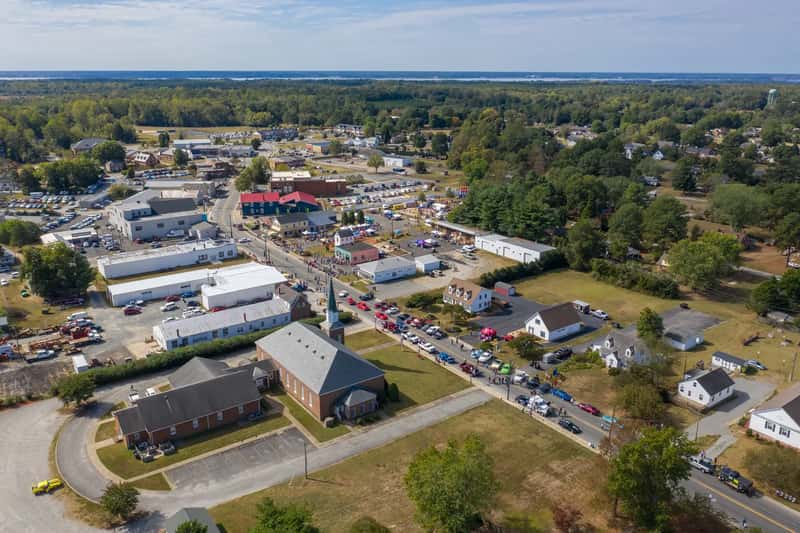
Warsaw is a small town in Virginia’s Northern Neck, and it rarely turns up on anyone’s watch list. The Richmond Fed noted that several of the now growing towns in its region sit in the Blue Ridge Mountains, on the Outer Banks, or in places like the Northern Neck and Maryland’s Eastern Shore[10]. Warsaw’s leaders credit their growth beyond that of neighboring towns to a revitalized downtown and a residential push focused on worker housing[10].
The housing reasoning is practical. Leaders recognized that larger, expensive homes weren’t viable options for younger workers[10]. They approved 321 units in the $300,000 to $400,000 range, an increase of nearly half in the number of units[10], and plans call for another 100 single family homes[10]. These figures come from a 2025 Fed essay, so it’s worth checking with the town for how much has been built since.
Vernal, Utah: A Downtown Comeback With a Camera Crew
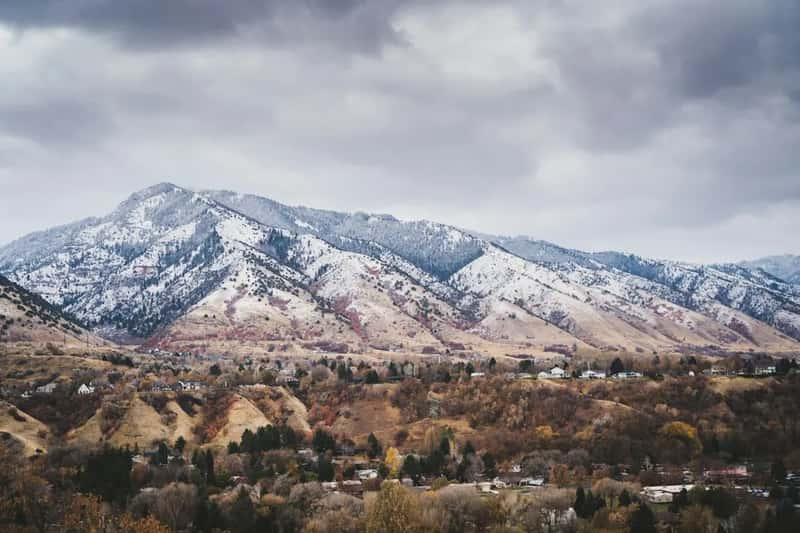
Vernal sits in northeastern Utah, and its recovery is the least documented of the four. What exists publicly is a documentary series filmed in Vernal about a town revitalizing its downtown and diversifying its economy[11]. The project’s website says the series was nominated for an award, with results due in June 2026[11]. I couldn’t confirm the outcome.
That caution matters here. The series offers a useful window into what local leaders say they’re attempting, but I didn’t find independent figures such as vacancy rates or new business counts. The site also points to a report arguing that pandemic era population shifts, remote work, and better rural broadband have made small town comebacks possible again[11]. Vernal is best read as a town to watch rather than a finished success story.