Anyone who has spent time in airports, hostels, or crowded tour buses knows the feeling. A phrase gets repeated so often that it stops meaning anything and starts grating on the nerves instead. These small verbal tics rarely get discussed, yet they shape the emotional texture of a trip more than most travelers realize.
The strange part is that none of these phrases are rude or even inaccurate. They just get used so often, in so many mismatched situations, that they quietly chip away at patience. Here are four that come up again and again, and why they tend to leave travelers a little more exhausted than they expected.
1. “It’s just around the corner”
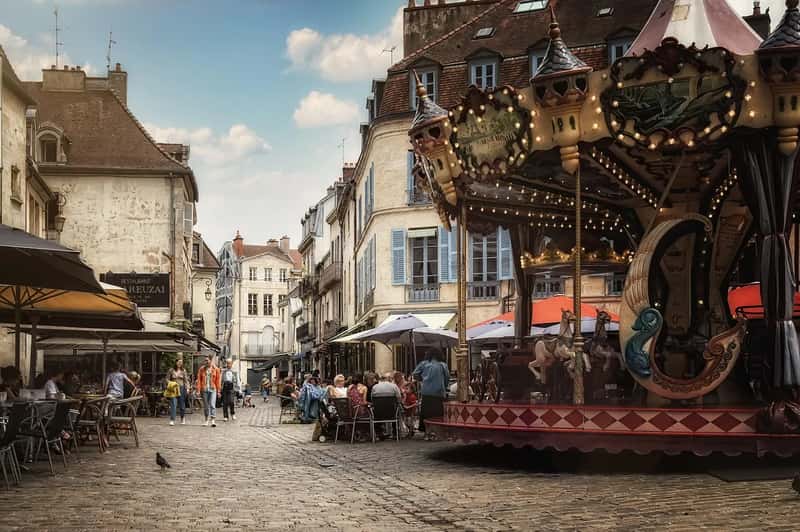
This phrase shows up constantly from locals, fellow travelers, and even hotel staff trying to be helpful. The problem is that “around the corner” in tourist-heavy cities can mean anything from two minutes to twenty, especially in places with winding streets or inconsistent signage. Cities like Venice or Marrakech are notorious for this kind of spatial optimism, where locals genuinely believe distances are shorter than they are because they walk them daily.
Travelers relying on this phrase often end up wasting real time and energy, particularly with luggage or in extreme heat. It creates a strange kind of fatigue that has nothing to do with physical distance and everything to do with misplaced trust in directions. After the third or fourth “corner” that turns into a ten minute walk, most people stop asking and just pull up a map instead.
2. “You have to see this place, it’s not touristy at all”
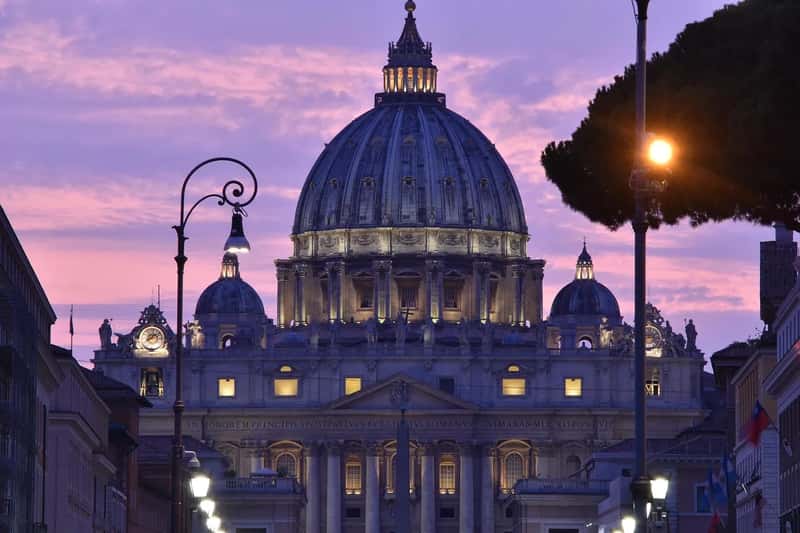
This phrase became especially common as social media travel content exploded between 2023 and 2026, with creators and casual travelers alike recommending “hidden gems” that are, by definition, no longer hidden. The irony is that once a place is described this way to enough people, it stops being an authentic secret and becomes another stop on an informal circuit. Locations in places like Bali, Lisbon, and parts of Japan have seen this pattern repeatedly, where a spot goes from quiet to crowded within a single travel season.
Hearing this phrase over and over creates a subtle sense of disappointment, because expectations get set impossibly high. Travelers arrive expecting solitude and instead find lines, other travelers holding phones, and the same lighting setups repeated by different people. The phrase itself isn’t dishonest, it’s just been diluted by overuse until it barely means anything anymore.
3. “Just relax, you’re on vacation”

This one gets said constantly, often by well-meaning companions, but it tends to land oddly when someone is dealing with a missed connection, a lost reservation, or a language barrier at a pharmacy. Travel stress is real and documented, with surveys from groups like the U.S. Travel Association consistently showing that logistics and unexpected costs remain top sources of trip related anxiety even in recent years. Telling someone to relax in the middle of solving a real problem doesn’t remove the problem, it just adds a small layer of guilt on top of it.
Over the course of a longer trip, this phrase accumulates a quiet weight. It subtly implies that any frustration is an overreaction, which can make travelers feel like they’re failing at leisure itself. Most people don’t need reminders to enjoy themselves, they need practical help, and the gap between those two things is where the fatigue builds.
4. “Prices are so much cheaper here”
This phrase gets repeated by travel bloggers, guidebooks, and fellow tourists comparing notes, but it rarely accounts for how quickly things change. Inflation and currency shifts throughout 2024 and into 2025 pushed prices up noticeably in popular destinations across Southeast Asia and Eastern Europe, places long marketed as budget friendly. Travelers who arrive expecting decade old prices often find a gap between reputation and reality that can feel disorienting rather than pleasant.
The wear down effect comes from constantly recalibrating expectations against outdated advice repeated as current fact. It’s not that the phrase is false everywhere, it’s that it gets applied broadly and confidently regardless of when someone last actually checked. After enough of these mismatches, travelers start treating price claims with the same skepticism they’d apply to a stranger’s restaurant recommendation.
None of these phrases are said with bad intentions. They’re shortcuts people use to be encouraging, helpful, or reassuring in unfamiliar situations. Still, repeated often enough across a long trip, they add up to a specific kind of tiredness that has little to do with jet lag and everything to do with language losing its precision under repetition.