Most people drop their bags, flop onto the bed, and reach for the remote the second they get into a hotel room. It’s a habit that makes sense after a long travel day, but a few quiet minutes of looking around before settling in can save you from problems that are far more common than most guests realize. None of these checks take long, and none require any special skill, just a bit of attention before you unpack.
1. The door, locks, and window latches
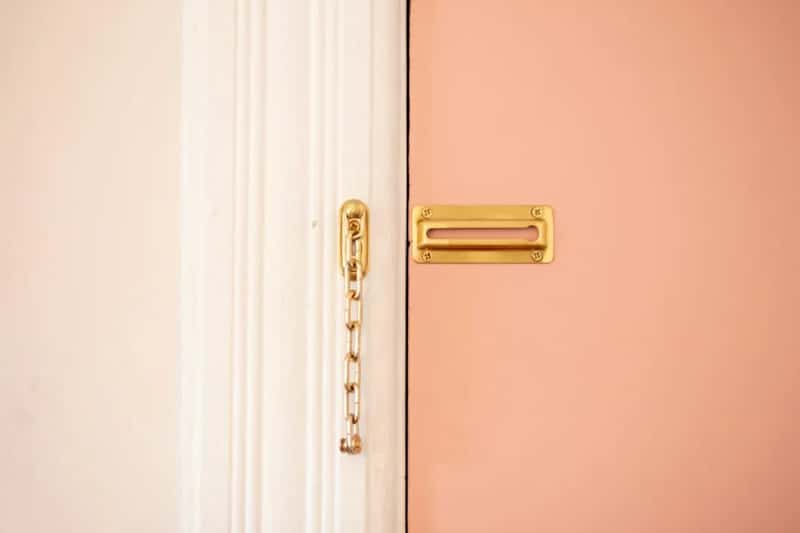
Before anything else, it’s worth testing how the door actually closes and locks, not just whether it clicks shut. A hospitality expert quoted by AAA’s Club Alliance travel guide pointed out that a door can sometimes get jammed, so it’s important to make sure it shuts properly without needing to be forced closed[1], and the same goes for connecting doors or balcony access points if the room has them. Deadbolts, chain locks, and any secondary latches should all get a quick test run, since a lock that looks fine on the outside doesn’t always engage properly from the inside.
Windows deserve the same attention, especially in ground floor or lower level rooms. Safety guides recommend confirming that the window shuts and can be locked or secured shut, and that the room door closes and locks properly from both the inside and the outside[2]. Many travelers also pack a portable door alarm or a simple rubber wedge, a lightweight addition that is cheap and lightweight to travel with[2] and adds a bit of extra reassurance overnight.
2. The smoke detector and emergency exits
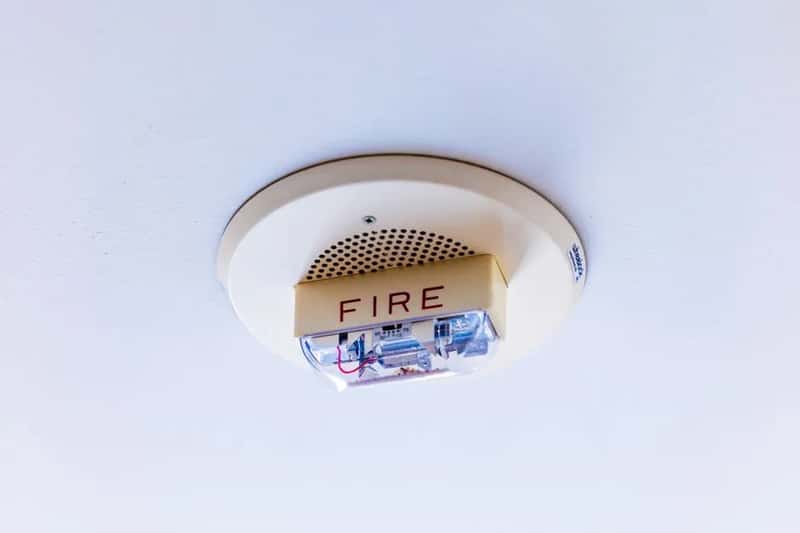
It sounds like a strange thing to inspect on arrival, but glancing at the smoke detector serves two purposes at once. Safety checklists suggest travelers check that smoke detectors appear intact and identify any emergency information posted on the room door[3], since fire safety instructions and floor maps are usually printed right there. Knowing the exit route before an emergency happens, rather than during one, is a detail that gets overlooked far too often.
Travel safety experts interviewed by Yahoo Travel take this a step further, recommending that guests actually familiarize themselves with the fire escape route, scout the hallway layout near the room, and locate nearby staff offices[4]. One insurance industry professional summed up the reasoning simply, noting that in a real emergency, you won’t want to be reading signs in the dark or feeling confused as you search for an exit[4]. It takes less than a minute to walk the hallway once and note where the stairwell is, but that minute matters if the power ever goes out.
3. Hidden cameras in common hiding spots
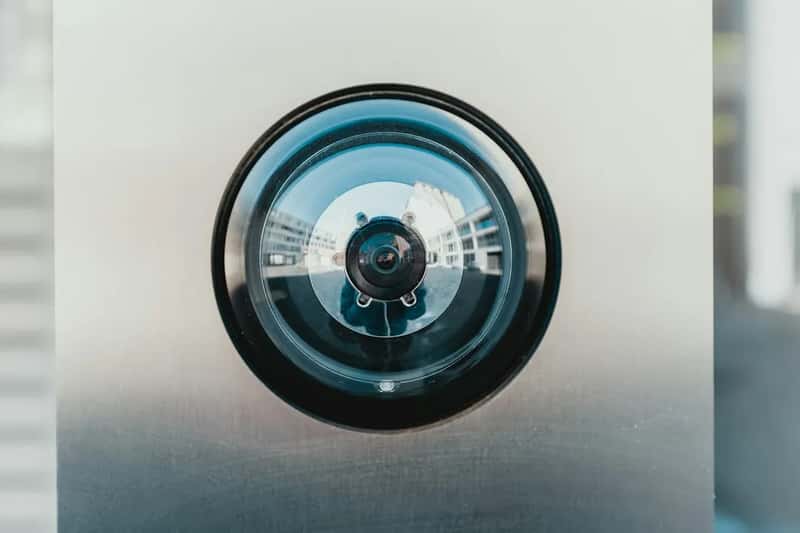
Camera concerns have grown alongside cheap consumer surveillance gear, and the numbers reflect that shift. A 2025 survey by IPX1031 covering more than a thousand Americans found that 47% of guests reported finding a camera during a stay, up from 25% in 2023, while 64% said they didn’t know how to check for one[5]. That’s a notable jump from the 2023 findings, when one in four travelers found an illegally concealed camera in their vacation rental in 2023, according to a recent survey by property investment firm IPX1031[6]. Most of that data covers short term rentals rather than hotels specifically, but the checking habits it encourages apply just as well to any room.
The good news is that spotting a hidden lens doesn’t require special equipment. Experts recommend the simplest method first, since the easiest way to check for cameras is by using the flashlight feature on your phone to spot reflections inside of clocks, lamps, smoke detectors and electrical outlets[4]. Common hiding spots tend to repeat across cases, with devices typically embedded in innocuous-looking items such as smoke detectors, alarm clocks, phone chargers and even shampoo bottles and deodorant sticks[7]. It’s worth remembering that hotels themselves don’t install this equipment, since hotels do not place cameras in guest rooms, and surveillance usually exists only in public spaces like lobbies, elevators or hallways[8]. Any device found in a private space would be the work of an individual, not hotel policy, which is exactly why a quick sweep on arrival is worth the extra minute.
4. The bed, linens, and nearby furniture

Bed bugs are the least glamorous item on this list, but they’re also one of the most practical things to rule out before unpacking a suitcase. As one travel safety guide put it, even luxury hotels can occasionally experience bed bug problems because the pests travel with guests, not buildings[3], which means star rating alone offers no real protection. A quick look at the mattress seams and headboard costs almost nothing and can prevent a much bigger headache later.
The recommended approach is simple: before placing luggage on the bed, inspect mattress seams, headboards, and nearby furniture for dark spots, shed skins, or small reddish-brown insects[3]. Keeping bags off the floor and bed during this quick check matters too, since keeping luggage in the bathroom during the inspection can help reduce the risk of bringing pests home[3]. Infestations remain uncommon overall, but as the same source notes, while infestations are relatively uncommon, they can turn a vacation into a frustrating experience, and spending one minute checking the sleeping area is a smart preventive measure[3].
None of these four checks demand much time or effort, and most travelers can run through all of them in the first five minutes after entering a room. Doing so doesn’t mean assuming the worst about every property, it just means treating a hotel room the way you’d treat any unfamiliar space: with a quick, sensible look around before settling in for the night.