Walking through a foreign city should feel like an adventure, not an anxious experience. Yet in certain destinations around the world, tourists consistently report higher levels of fear and worry compared to the people who actually live there. It’s a curious paradox. While locals navigate their streets with practiced ease, visitors clutch their bags tighter, glance over their shoulders more often, and sometimes cut their trips short due to safety concerns. The gap between perception and reality can be startling. Often, the fear stems from unfamiliarity, media coverage, or the simple fact that travelers make themselves obvious targets for petty crime. The cities we’re about to explore aren’t necessarily the world’s most dangerous places, but they do share something in common: tourists feel significantly more vulnerable than residents do.
Barcelona, Spain: The Pickpocket Capital That Keeps Visitors on Edge
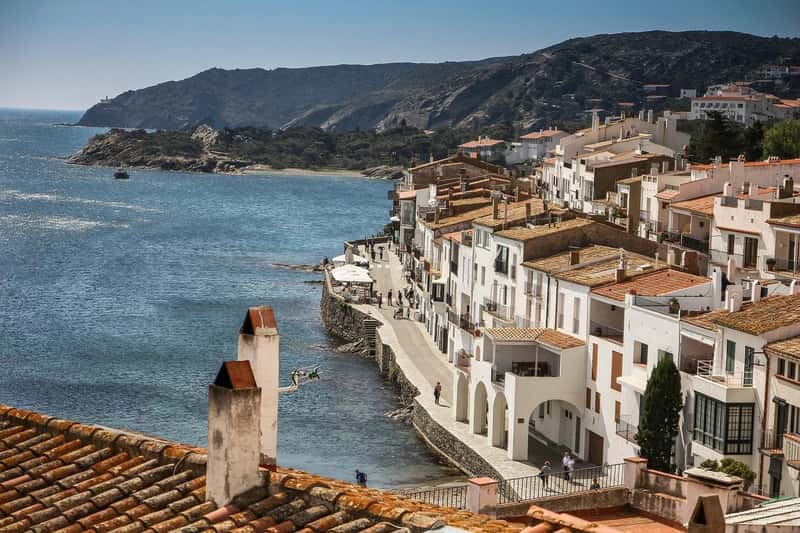
Barcelona remains notorious for pickpocketing, particularly compared to cities like Amsterdam or Paris, creating an atmosphere where tourists feel constantly watched by the wrong kind of eyes. Honestly, the beautiful Catalan city has become notorious for organized theft rings that specifically target visitors in its most iconic locations. La Barceloneta Beach Metro Station has seen a sharp rise in theft reports, underscoring a worrying trend of rising crime in Barcelona.
Meanwhile, locals who’ve lived through decades of these issues have developed street smarts that tourists simply don’t possess. Barcelona is more notorious for pickpocketing, particularly in tourist-heavy areas, and residents know which metro stops to avoid, how to secure their belongings, and which neighborhoods require extra vigilance. The city of just around one and a half million residents reportedly welcomed over 26 million tourists in 2024, with more than 15 million staying overnight, according to local tourism authorities, which doesn’t even count the cruise ship day-trippers. When you’re outnumbered by visitors nearly twenty to one, you learn to adapt. Tourists, on the other hand, arrive with cameras swinging from their necks and phones in back pockets, making themselves easy marks.
Paris, France: Where Romance Meets Reality and Tourist Anxiety
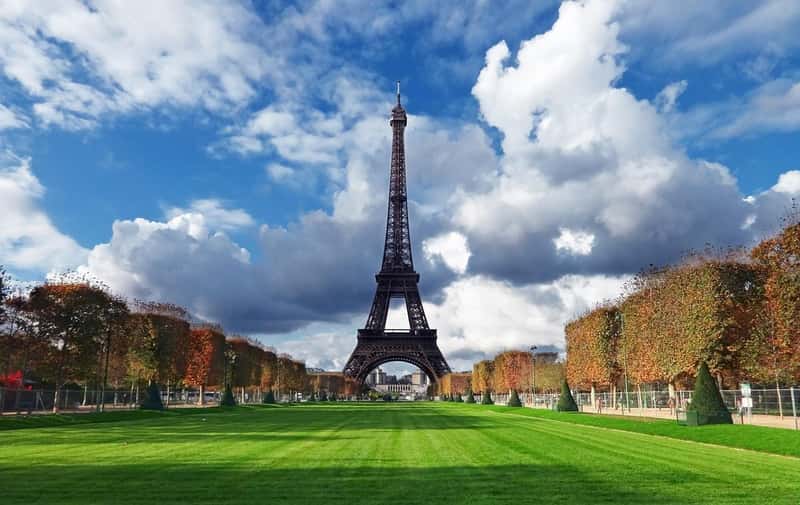
The City of Light casts some dark shadows for visitors who arrive expecting only croissants and charm. Reports indicate that many tourists traveling to France have been scammed, according to a March 2025 article, and Paris accounts for a substantial portion of those incidents. The issue isn’t just about losing a few euros to a bracelet scam near Sacré-Cœur or falling for the gold ring trick by the Seine.
Petty theft, such as pickpocketing, bag snatching, and scams, is very common in Paris, with pickpockets especially known to target tourists as they’re oftentimes distracted. Yet Parisians themselves navigate the same metro stations and tourist monuments without the heightened anxiety that grips many visitors. There is a reasonable chance of travellers being exposed to petty crime in Paris, including pickpocketing, bag snatching, and other scams. The locals have learned which arrondissements require extra caution and how to spot the telltale signs of a scam in progress. For tourists trying to capture that perfect Eiffel Tower photo, the constant vigilance required to protect belongings can transform a dream vacation into an exhausting exercise in paranoia.
Naples, Italy: Gritty Reputation Versus Statistical Reality
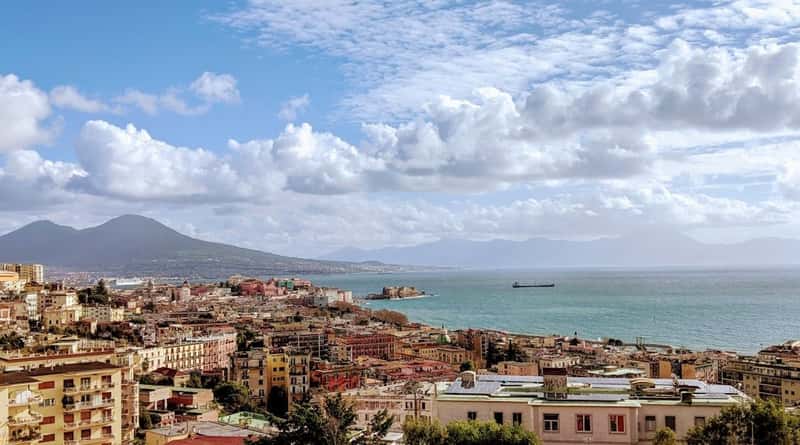
Naples suffers from perhaps the most unfair reputation on this list. The southern Italian city gets painted with broad strokes of danger and chaos, largely due to its historical association with the Camorra crime syndicate. With a homicide rate of around three per 100,000 people, not only is Naples far safer than most of the US, but you’re more likely to get killed in Brussels or Glasgow than in the maligned Italian city.
Yet tourists arrive already primed to expect the worst, clutching their valuables and avoiding entire neighborhoods based on outdated guidebook warnings. According to Il Sole 24 Ore’s 2024 crime index, Milan, Rome, and Florence rank high for reported offences, while Naples falls outside the top ten for the first time in a decade, with statistically fewer total crimes than Italy’s two biggest tourism magnets. Neapolitans, meanwhile, go about their daily lives in neighborhoods that tourists wouldn’t dare enter after dark. The perception gap here is massive. It’s very rare for organised crime to affect tourists, but the fear persists anyway, fueled by sensationalized media coverage and whispered warnings from other travelers.
Venice, Italy: Overtourism Creates Its Own Kind of Unease
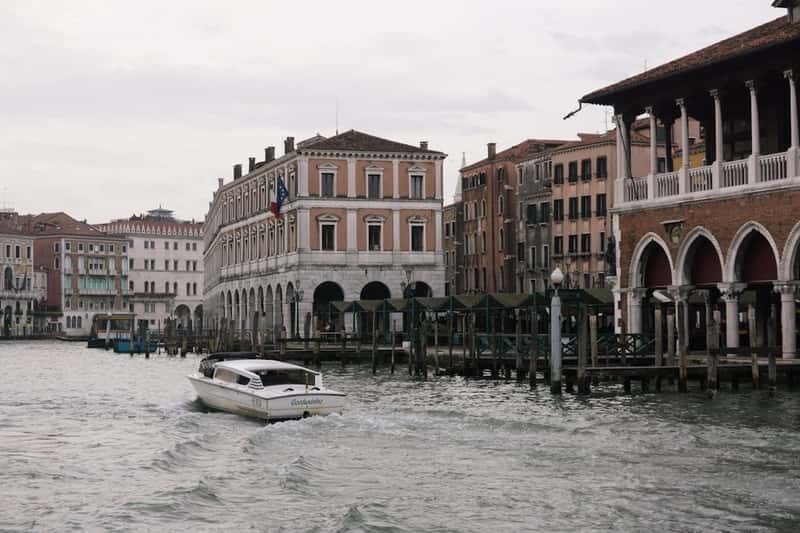
Here’s the thing about Venice: it’s not dangerous in any traditional sense, but tourists report feeling a different kind of vulnerability there. This ancient Italian city has grappled with crowd control for some time, with overtourism making headlines, with bridges and squares bursting with people. The crushing density of visitors creates an environment ripe for pickpockets and scammers who blend seamlessly into the tourist masses.
The city continues its struggle by imposing a fee on day-trippers, with higher amounts levied for last-minute bookings, active on dozens of peak days annually, matched with caps on cruise ship access and limits on guided tour group sizes. Venetians, who number far fewer than the daily tourist influx, have learned to navigate the labyrinthine streets with efficiency, knowing which bridges to avoid during peak hours and which routes remain relatively peaceful. Tourists, however, find themselves literally lost in crowds, disoriented by twisting alleyways, and vulnerable to the various cons that target confused visitors. The fear isn’t about violent crime but about being taken advantage of in a city that sometimes feels more like a theme park than a living community.
Santorini, Greece: Paradise with a Pickpocket Problem
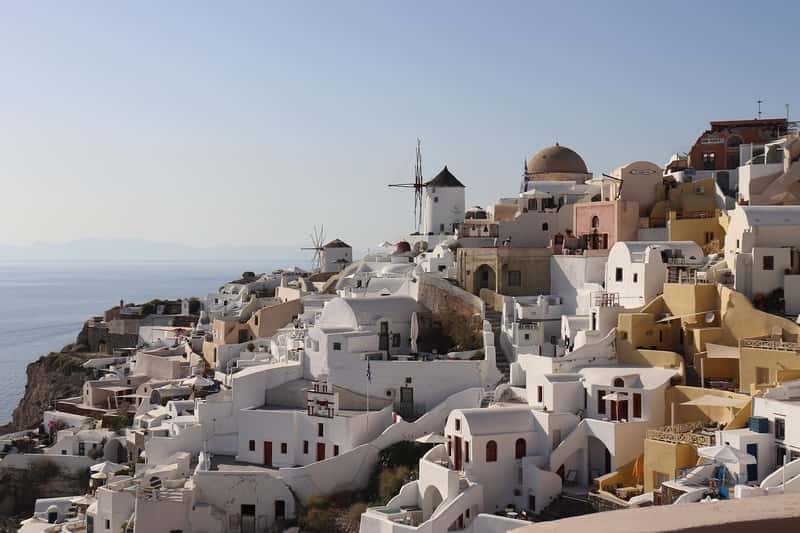
The Greek island paradise of whitewashed buildings and stunning sunsets might seem like the last place tourists would feel afraid, but the numbers tell a different story. Santorini attracted over 2 million visitors in 2024, with residents staging protests to “send cruise ships home,” while the Greek government introduced fees per cruise passenger, cruise docking limits, and sustainable tourism plans.
The overwhelming volume of visitors has created perfect hunting grounds for thieves who target sun-drunk tourists focused on Instagram photos rather than their surroundings. Local Greeks who work in tourism have seen it all before and developed a sixth sense for trouble, but visitors arriving with expensive cameras and designer sunglasses often discover too late that paradise isn’t immune to petty crime. The contrast is sharp: locals go about their business with minimal concern while tourists nervously guard their belongings at crowded viewpoints and on packed buses. What makes the fear particularly acute here is the incongruity between the postcard-perfect setting and the very real risk of having your vacation memories stolen along with your wallet.
The pattern across these five cities reveals an uncomfortable truth: being a tourist means being more vulnerable, whether the actual danger is significant or simply perceived. Media coverage amplifies fears, while unfamiliarity with local customs and geography leaves travelers at a disadvantage. Meanwhile, residents have adapted to their cities’ quirks and challenges, developing street smarts that no guidebook can truly teach. Does that mean you should skip these destinations? Absolutely not. Just approach them with eyes wide open and perhaps a crossbody bag held firmly across your chest. Have you experienced this fear gap in any city you’ve visited?