There’s a strange kind of math that happens when you start planning international travel. Two destinations can sit an equal distance from home on a map, yet one will barely dent your savings while the other quietly drains your bank account before you’ve even left the airport. The difference usually comes down to exchange rates, local wages, and how tourism itself is structured in a given place.
In 2026, that gap has only widened. Some countries are leaning into their affordability as a selling point, while others have doubled down on exclusivity and luxury pricing. Here’s a real look at both ends of that spectrum, based on current travel cost data.
1. Vietnam: street food and scooters on a shoestring
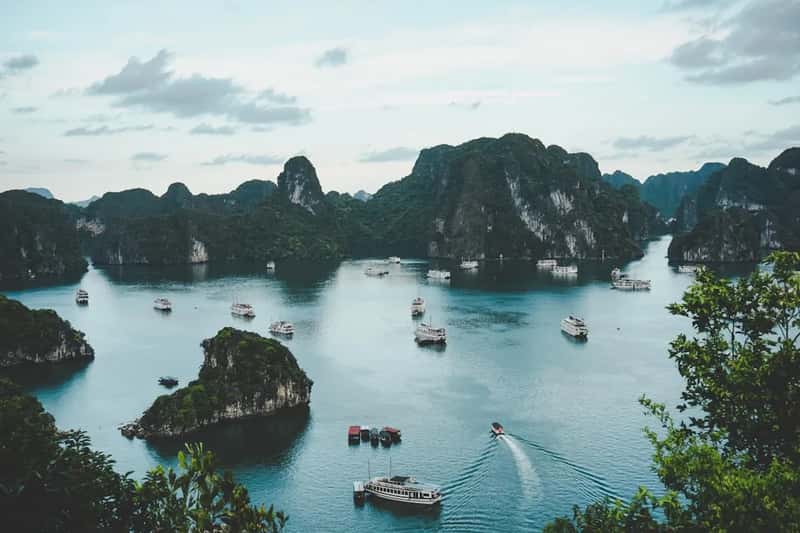
Vietnam continues to be one of the most reliably cheap countries on the planet for travelers who don’t mind moving slowly and eating where locals eat. Vietnam falls into the “very cheap” category, with daily budgets running between roughly $25 and $35. That number covers a guesthouse bed, several meals, and local transport without much sacrifice.
Food is a huge part of the appeal here. Vietnam consistently ranks among the cheapest international destinations, with street food costing as little as $1 to $2 and hostels starting around $6 per night. Combine that with a favorable exchange rate against the dong, and it’s easy to see why backpackers keep extending their stays past the trip they originally planned.
2. Nepal: Himalayan views without the Alpine price tag
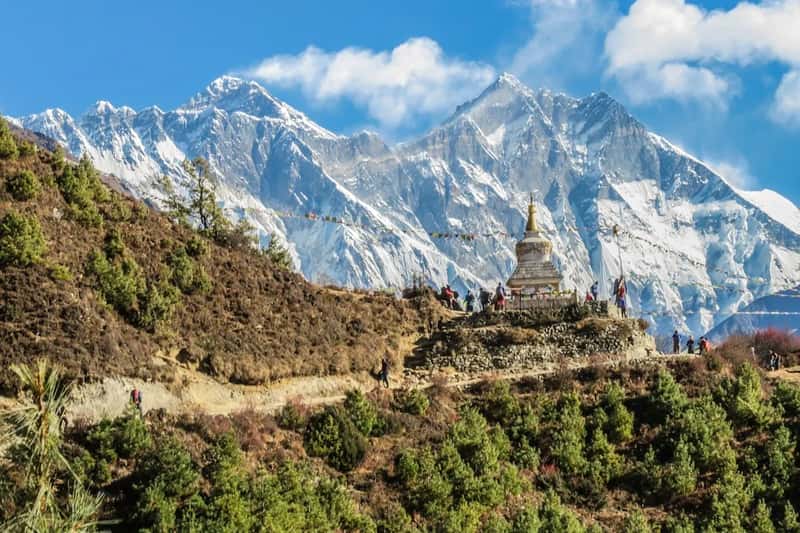
Nepal has built its reputation on offering staggering mountain scenery at prices that would embarrass a European ski resort. Nepal is famous for being incredibly affordable while offering world-class trekking and Himalayan scenery, with travelers able to explore the country on a budget of $15 to $20 per day. That’s not a typo. It’s genuinely one of the lowest daily costs of any popular trekking destination in the world.
The affordability isn’t limited to trekking either. Nepal starts near $12 to $15 a day for backpacker-style travel, or $45 to $90 a day for a comfortable mid-range trip. Teahouse lodges along the Annapurna and Everest regions remain simple but functional, and local dal bhat meals cost only a fraction of what a similar hearty meal would run elsewhere.
3. Bolivia: South America’s best-kept budget secret
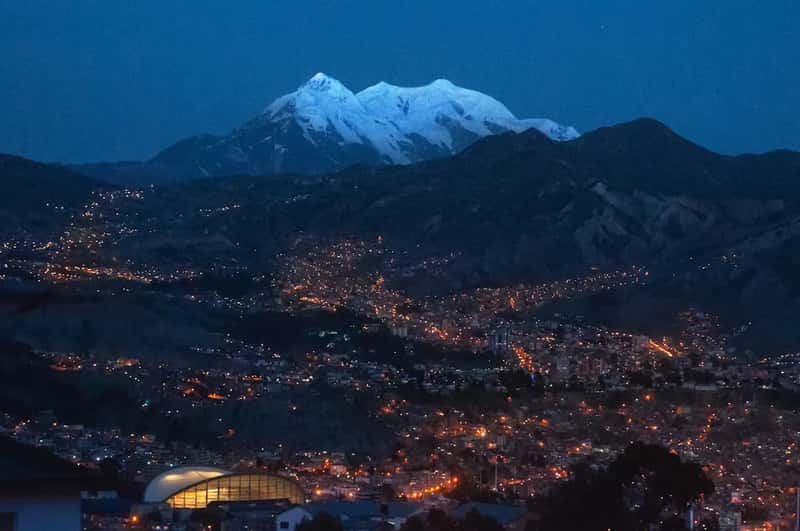
Bolivia rarely gets the same spotlight as Peru or Colombia, but it consistently undercuts both on price. Bolivia offers daily budgets as low as $20 to $35, putting it among the cheapest destinations on the ground in 2026. The Salar de Uyuni salt flats, one of the most photographed landscapes in South America, cost surprisingly little to visit compared to similarly dramatic sites elsewhere.
There’s also a practical shift coming that makes Bolivia even more approachable. Starting in 2026, Bolivia will finally scrap the $160 visa requirement for Americans and several other nationalities. That single change removes one of the few real financial barriers that used to make the country feel less accessible than its neighbors.
4. Albania: Europe without the Western European bill
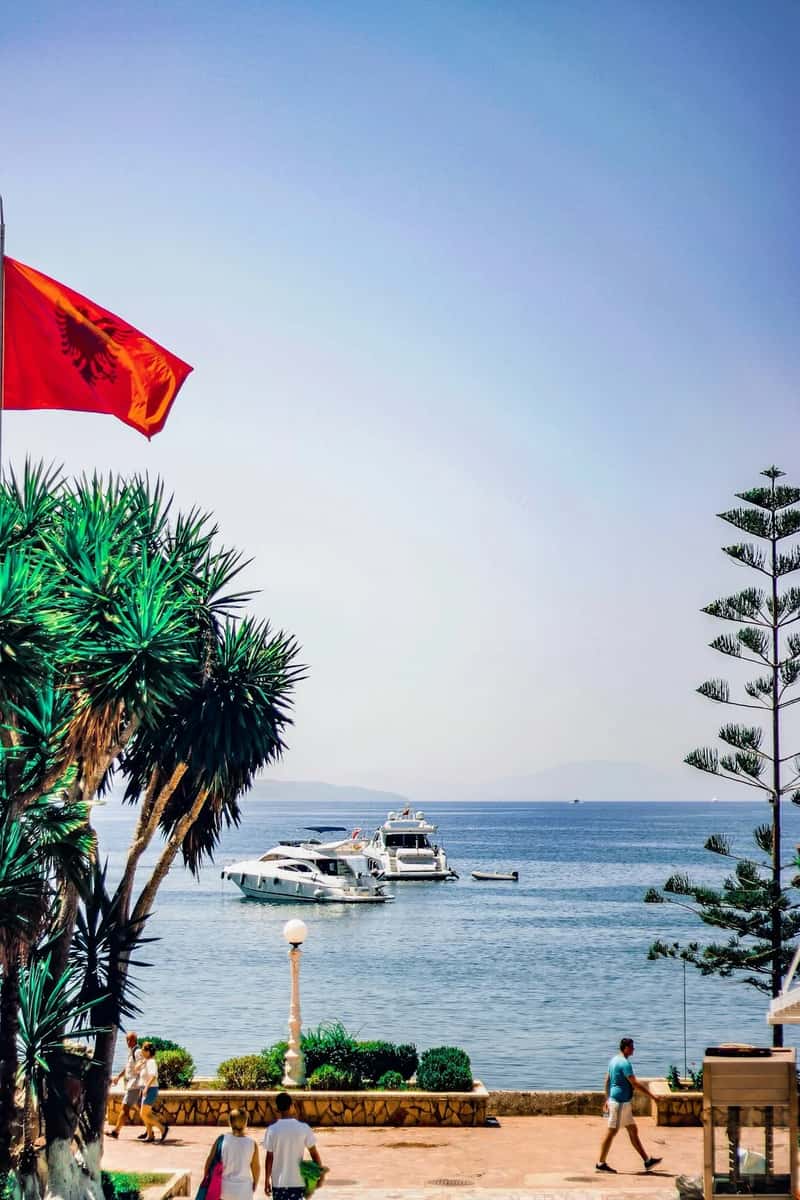
Albania has spent the last few years quietly building a reputation as the cheap alternative to Croatia and Greece, minus the crowds. Despite growing attention that might make travelers worry about overtourism, Albania remains largely underexplored, with almost no tourist crowds even during a summer visit. The coastline rivals anything along the Adriatic, but the prices don’t come close to matching it.
Daily costs stay refreshingly low for a European destination. A backpacker budget in Albania runs around $35 a day, while a mid-range budget sits closer to $55 a day. Espresso, grilled fish dinners, and countryside guesthouses all come without the markup travelers have come to expect in Western Europe.
5. Guatemala: Mayan ruins and volcanoes on a tight budget
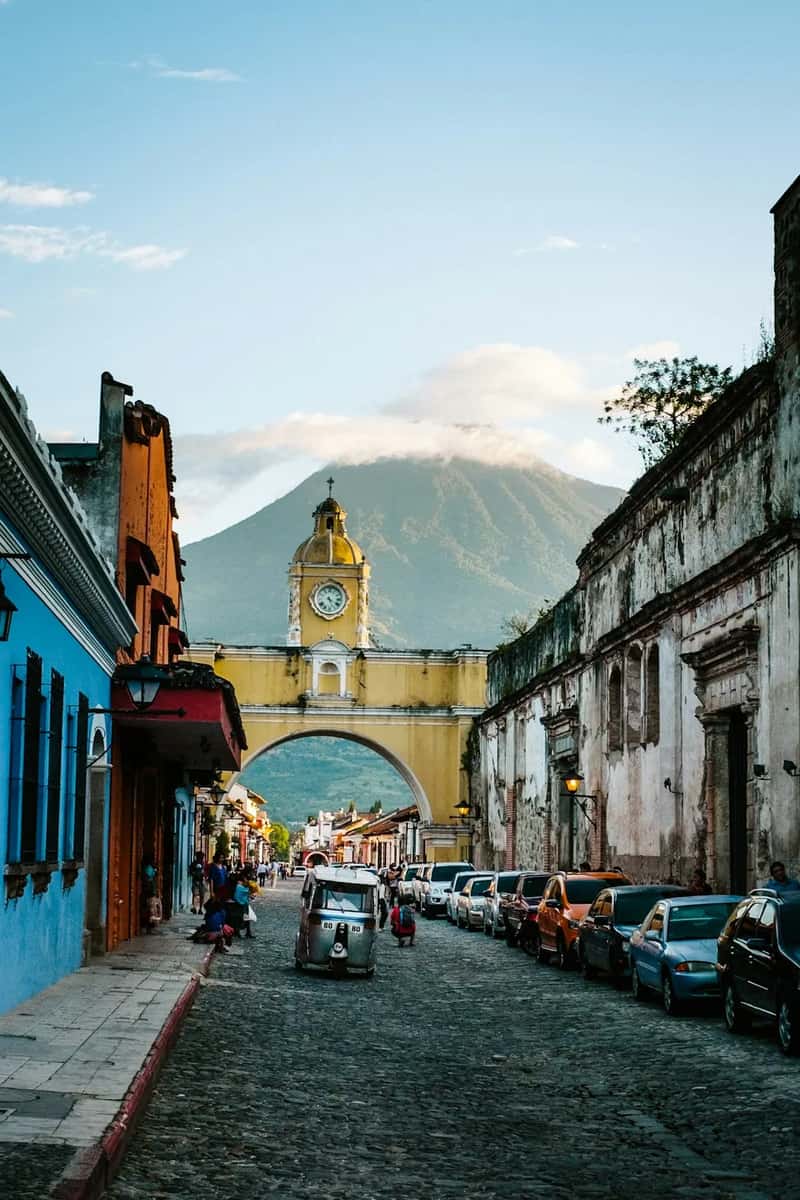
Guatemala pairs dramatic scenery with some of the lowest costs in Central America. Guatemala falls into the “affordable” travel bracket, with daily budgets ranging between $35 and $50. That covers everything from colonial-era hostels in Antigua to boat rides across Lake Atitlan.
What makes Guatemala stand out is the sheer range packed into a small country. Guatemala blends Mayan ruins, volcanoes, and Lake Atitlan, with must-see stops including Antigua, Lake Atitlan, Tikal, and Semuc Champey. Even travelers on a strict budget can string together jungle hikes, ancient temples, and colonial architecture without needing to splurge on any single stop.
1. Greenland: the world’s single most expensive destination
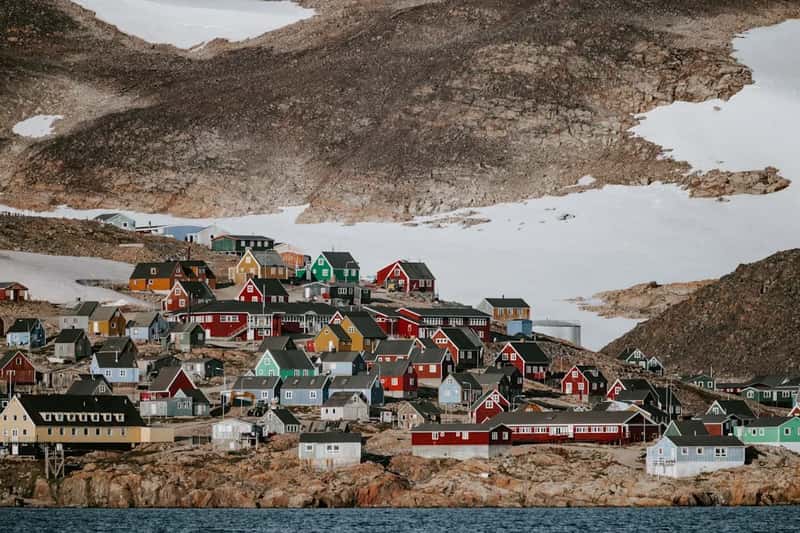
If there’s one country that defines “expensive” in 2026, it’s Greenland. Greenland ranks as the most expensive travel destination in the world, based on an analysis of five major travel cost factors. Every part of the trip, not just one category, tends to run high.
The specific numbers make the point clearly. Greenland’s average daily trip cost sits at $1,171, with flights averaging $1,357, rental cars around $110 a day, and weeknight hotels near $227. Remote Arctic geography and limited infrastructure mean nearly everything, from fuel to fresh produce, has to be flown or shipped in.
2. Switzerland: postcard views, premium pricing
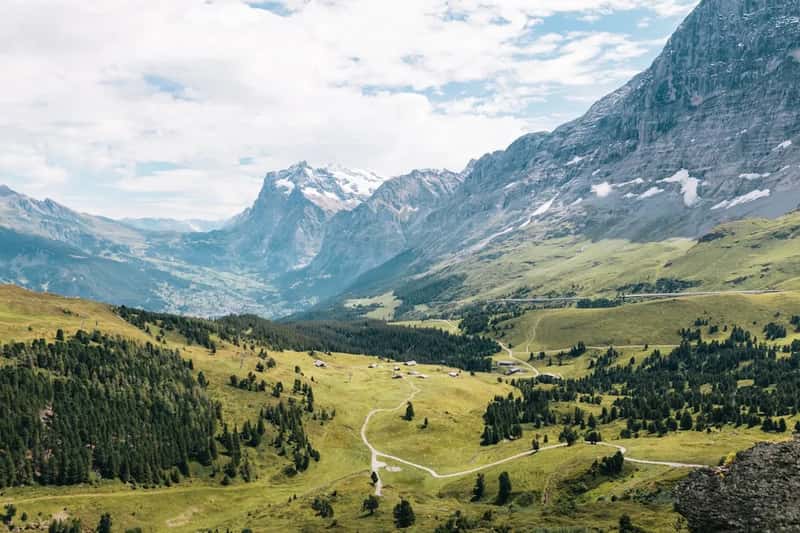
Switzerland’s reputation for expense isn’t exaggerated, it’s just consistent across the board. Whether you’re in Zurich or the Alpine villages of Zermatt, Switzerland is consistently pricey, with high standards of living translating to expensive hotels and costly rail travel, and even a simple lunch in a mountain hut easily running $40. There’s no real “cheap side” of the country to escape to.
Even by the standards of other high-cost destinations, Switzerland stands out. Switzerland’s average daily trip cost runs around $602, with flights averaging $891 and weeknight hotels near $485. Travelers who want to see the Alps without wrecking their budget usually end up self-catering and sticking to public transport rather than rental cars.
3. Iceland: natural wonders with a steep entry fee
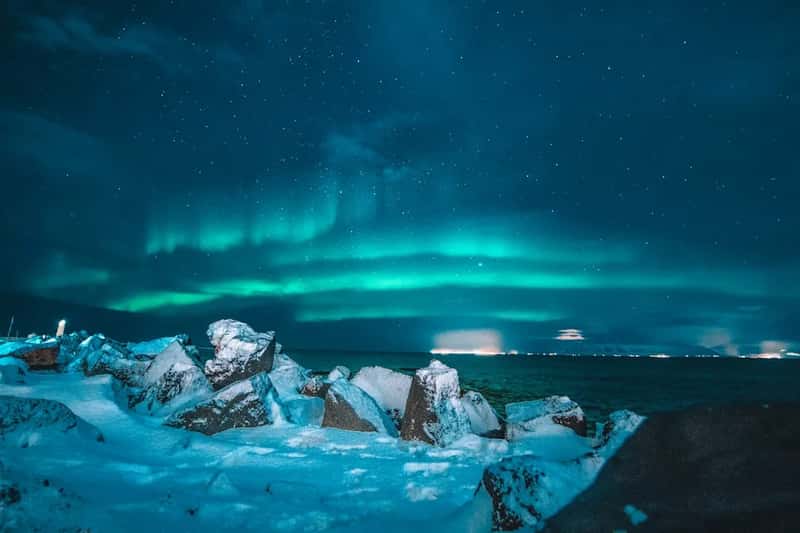
Iceland has become something of a case study in how a small population and heavy import reliance can push prices skyward. Iceland ranks at the top of global expense lists, driven by high operating costs across the board, with hotels, meals, transport, and guided tours all expensive, and its glaciers, volcanoes, and geothermal spas largely accessed through paid excursions. Even a quick stop at a gas station convenience counter can feel jarring for first-time visitors.
The everyday costs add up just as fast as the big-ticket excursions. Iceland hits you with high prices from the moment you arrive, with food and hotels costing more than almost anywhere else, gas prices among Europe’s highest, and tourist spots like the Blue Lagoon charging steep entry fees. The upside, at least, is that many of the country’s waterfalls and hiking trails remain free to access.
4. The Maldives: paradise priced for exclusivity
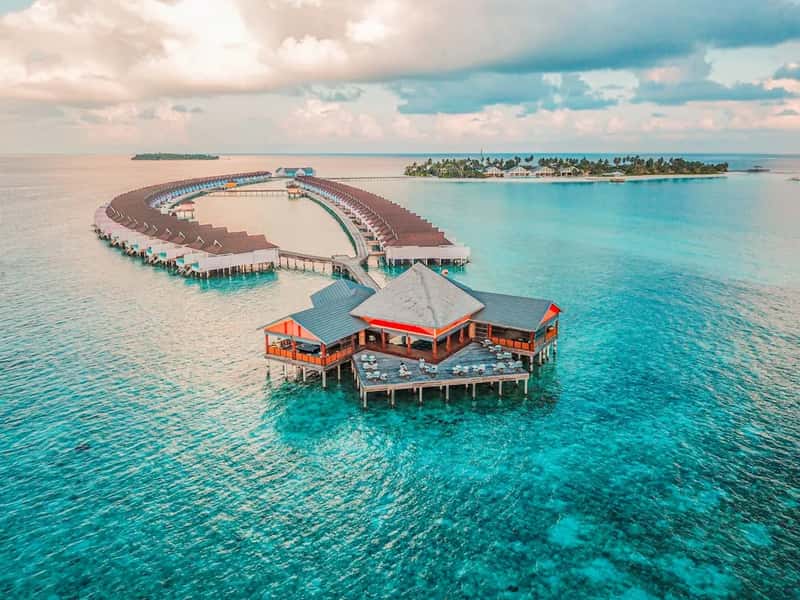
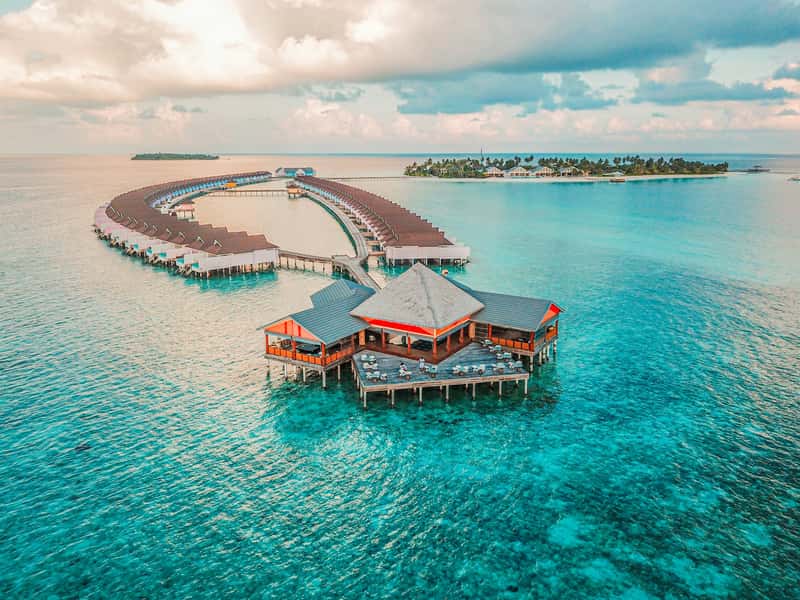
The Maldives built its entire tourism model around private overwater villas and all-inclusive luxury resorts, and the pricing reflects that from the ground up. The Maldives repeatedly stood out as among the most expensive destinations, reflecting the role of premium accommodations and resort-led travel. There’s very little budget infrastructure to fall back on if a traveler wants a cheaper alternative.
The specific figures back up that reputation. The Maldives averages $1,072 in daily trip costs, $1,313 in flight costs, and $1,249 for a weeknight hotel stay. Even travelers who book well in advance and hunt for deals rarely find a version of the Maldives that qualifies as budget-friendly.
The gap between these two groups of countries isn’t just about currency exchange. It reflects entirely different tourism economies, one built on volume and accessibility, the other on scarcity and exclusivity. Both models attract travelers for different reasons, and knowing which category a destination falls into before booking can save a lot of financial surprises down the road.