The idea of public execution feels like something from a distant, brutal past. Yet in 2026, there are still places where people are put to death in full view of crowds. It happens in town squares, open fields, even markets where children might be shopping with their parents. These aren’t relics of medieval justice or colonial cruelty. They’re happening right now, often justified by laws that critics argue are used more to silence dissent than to deliver justice. While most of the world has moved toward abolishing capital punishment entirely, a handful of nations continue this practice with chilling regularity.
Why does this still happen? The reasons vary. Some governments claim it deters crime. Others see it as religious or cultural duty. Honestly, many experts believe it’s about control and fear, a way to keep populations obedient through the most extreme show of power imaginable. Let’s be real, watching someone die at the hands of the state doesn’t just punish the convicted. It sends a message to everyone watching.
Iran: A Tool of Fear and Political Control
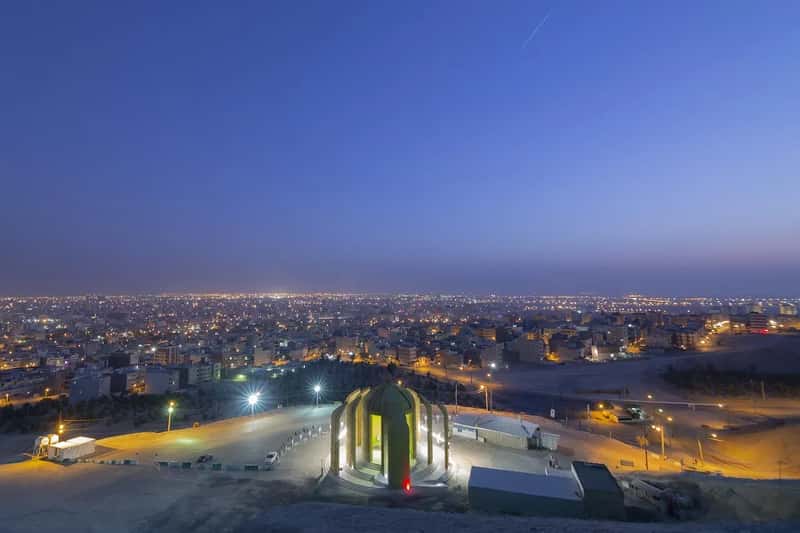
Iran was responsible for 74% of all recorded executions in the world in 2023, and according to Amnesty International, the country accounted for 64% of all recorded executions worldwide in 2024. That’s a staggering figure when you think about it. At least 975 people were executed in Iran in 2024, a 17% increase compared to 834 in 2023. The Iranian authorities have turned executions into what human rights groups describe as state-sanctioned terror.
At least eight public executions were recorded in Afghanistan and Iran in 2024, with Iran carrying out four of them. In 2024, four men were hanged in public spaces across the country. These aren’t hidden away in prison yards. They happen where people can see them, where families and neighbors are forced to witness the gruesome spectacle. For 46 years, Iran has been one of the few countries in the world to carry out executions in public spaces, a practice repeatedly criticized by the international community and domestic civil society, with both the UN Secretary General and the Special Rapporteur expressing concern.
The victims aren’t just those convicted of violent crimes. Of the recorded executions in Iran, at least 545 were unlawfully carried out for acts that should not result in the death penalty under international law, including drug-related offences, robbery and espionage, with execution for drug-related offences surging to constitute 56% of recorded executions in 2023. Critics argue this is less about justice and more about maintaining power through fear. When people see executions for distributing South Korean movies or speaking out against the government, the message becomes clear.
North Korea: Executions as State Terror

North Korea is one of the most secretive regimes on the planet, but reports from defectors paint a disturbing picture. Before the COVID-19 pandemic, North Korea saw an average of about 10 public executions annually, but over the past year, this number has surged to an estimated 100 or more. It’s hard to say for sure since the government conceals these figures, but the pattern is unmistakable.
North Korea allegedly carries out public executions, which makes it one of the last four countries that still performs public executions, the other three being Iran, Saudi Arabia, and Somalia. North Korea defended its controversial law dictating harsh penalties for consuming foreign media, while admitting that it carries out public executions and imprisons perpetrators of anti-state crimes. The regime doesn’t even hide it anymore. Executions are often used to punish what the government calls “anti-state” activities, which can mean anything from watching banned TV shows to attempting to flee the country.
One testimony recounted witnessing the public execution of a 22-year-old in South Hwanghae province in 2022, whose crimes were listening to 70 South Korean songs and watching and sharing three South Korean films. Young people are increasingly targeted. The scale is frightening when you consider these aren’t isolated incidents. A couple in their 50s who had made significant money selling bicycle parts were publicly executed by firing squad in front of hundreds of people in Pyongyang’s Mirim district in mid-October. The regime uses these public displays to make people too terrified to step out of line.
Saudi Arabia: Behind the Image of Reform
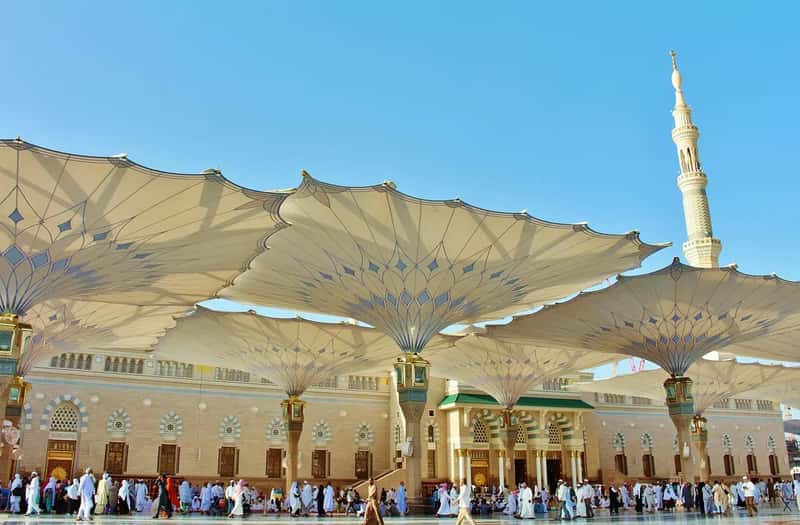
Saudi Arabia presents an interesting contradiction. The kingdom spends billions trying to rebrand itself as a modern tourist destination, yet it continues to execute people at an alarming rate. Executions in Saudi Arabia reached a new high of 345 in 2024, almost exactly doubling the 172 executions carried out in 2023, marking their highest recorded total ever. Saudi Arabia executed 330 people in 2024 according to one report, despite Crown Prince Mohammed bin Salman’s 2022 assertion that the death penalty had been eliminated except for murder cases.
Here’s the thing. For decades, Saudi Arabia held public beheadings in a central Riyadh square that became grimly known in the West as “Chop Chop Square.” Saudi Arabia performed public executions until recently, but it is unclear if this practice continues, with 2022 recording no public executions and by 2024 the former site of public beheadings dominated by cafes and restaurants with almost no sign of its bloody past. The executions still happen, but they’ve moved behind prison walls. For decades Saudi Arabia held weekly executions by beheading with a sword in a public square; now that same area is dominated by cafes and restaurants, with one researcher noting that repression is increasing but you don’t see it.
More than 150 people were executed for non-lethal crimes in 2024, mainly related to alleged drug smuggling amid a flood of amphetamine-like captagon from Syria, and people charged with non-lethal terrorism, a charge rights groups say is often used against those who have participated in anti-government protests. The methods might be less visible now, but the brutality remains. Beheading is still the primary method of execution, carried out with a sword by professional executioners.
Somalia: Chaos and Military Justice
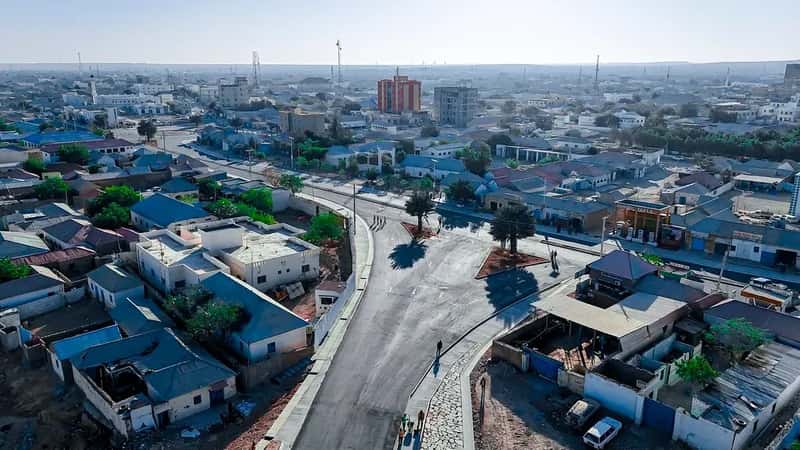
Somalia’s situation is particularly complicated. The country is caught between a weak central government, semi-autonomous regional states, and the terrorist group Al-Shabaab. Both sides carry out executions, creating a terrifying landscape for civilians. Somalia’s semiautonomous state of Puntland executed 10 members of al-Shabaab by firing squad in the north-central city of Galkayo in August 2024, after the terrorists were sentenced to death by a military court after being found guilty of involvement in killings.
UN Officials condemned the execution of four young adults on August 17, 2024 in Galkayo, Puntland, Somalia for crimes committed during their association with Al-Shabaab, noting all four young men were under 18 years of age at the time of their offenses, as confirmed by the Puntland Age Verification Committee. Executing minors violates international law, but Somalia continues the practice. At least eight people in Iran and Somalia were executed for crimes that occurred when they were below 18 years of age, with four in each country.
Al-Shabaab, the militant group, also carries out its own public executions. Al-Shabaab executed five men accused of spying for the U.S., Kenya, and the Somali government on July 13, 2024, with the group’s radio broadcasting the execution which took place in a public square in Jamame district in southern Somalia. These happen in public squares, often broadcast on radio to maximize the fear factor. The group frequently accuses civilians of spying, adultery, or other alleged crimes, then executes them without anything resembling a fair trial. It’s a brutal form of control in areas they dominate.
Afghanistan: The Taliban’s Return to Old Methods
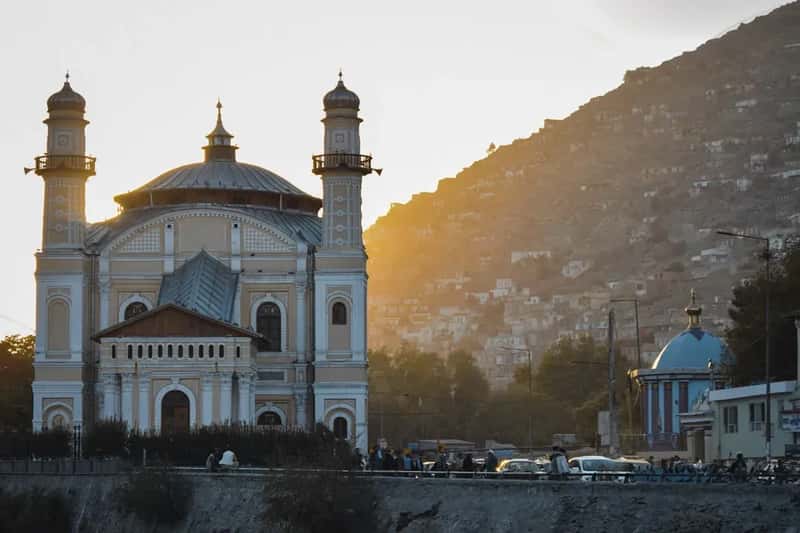
Afghanistan saw a dramatic shift after the Taliban regained control in 2021. The group has brought back harsh punishments including public executions. At least eight public executions were recorded in Afghanistan and Iran in 2024, with Afghanistan carrying out four or more of them. The Taliban justify these executions as part of their interpretation of Islamic law, but international observers see them as tools of intimidation.
The executions typically happen in packed stadiums or public spaces, forcing entire communities to watch. The Taliban want maximum visibility for these acts, turning them into public spectacles that echo their rule in the 1990s. Women, minorities, and anyone accused of opposing the regime face the constant threat of arrest and potential execution. The international community has repeatedly condemned these practices, but the Taliban show no signs of stopping.
These public executions serve a dual purpose for the Taliban. They claim to be enforcing religious law, but they’re also sending a clear warning to anyone thinking about resisting their authority. The fear generated by watching someone executed in front of thousands is immeasurable. It’s meant to crush any thought of dissent before it can even form.
Conclusion

The persistence of public executions in 2026 is a stark reminder that human rights progress remains uneven across the globe. Amnesty International recorded 1,518 executions in 2024 in 15 countries, a 32% increase from the 1,153 known executions in 2023, marking the highest figure recorded since 2015. These five countries continue practices that most of the world has abandoned, using the death penalty as a weapon of state control rather than a measure of justice.
What’s deeply troubling is how these executions are often kept secret or, conversely, made into public spectacles deliberately designed to terrorize populations. The victims include not just those convicted of violent crimes, but peaceful activists, journalists, drug offenders, and even children. The lack of fair trials, the use of torture to extract confessions, and the broad application of capital punishment to non-violent offenses all violate international human rights standards.
Yet there are small signs of hope. More countries abolished the death penalty in recent years, and international pressure does occasionally force governments to pause or reconsider executions. The question is whether the world will do enough to hold these nations accountable. What do you think it would take to finally end this practice everywhere?