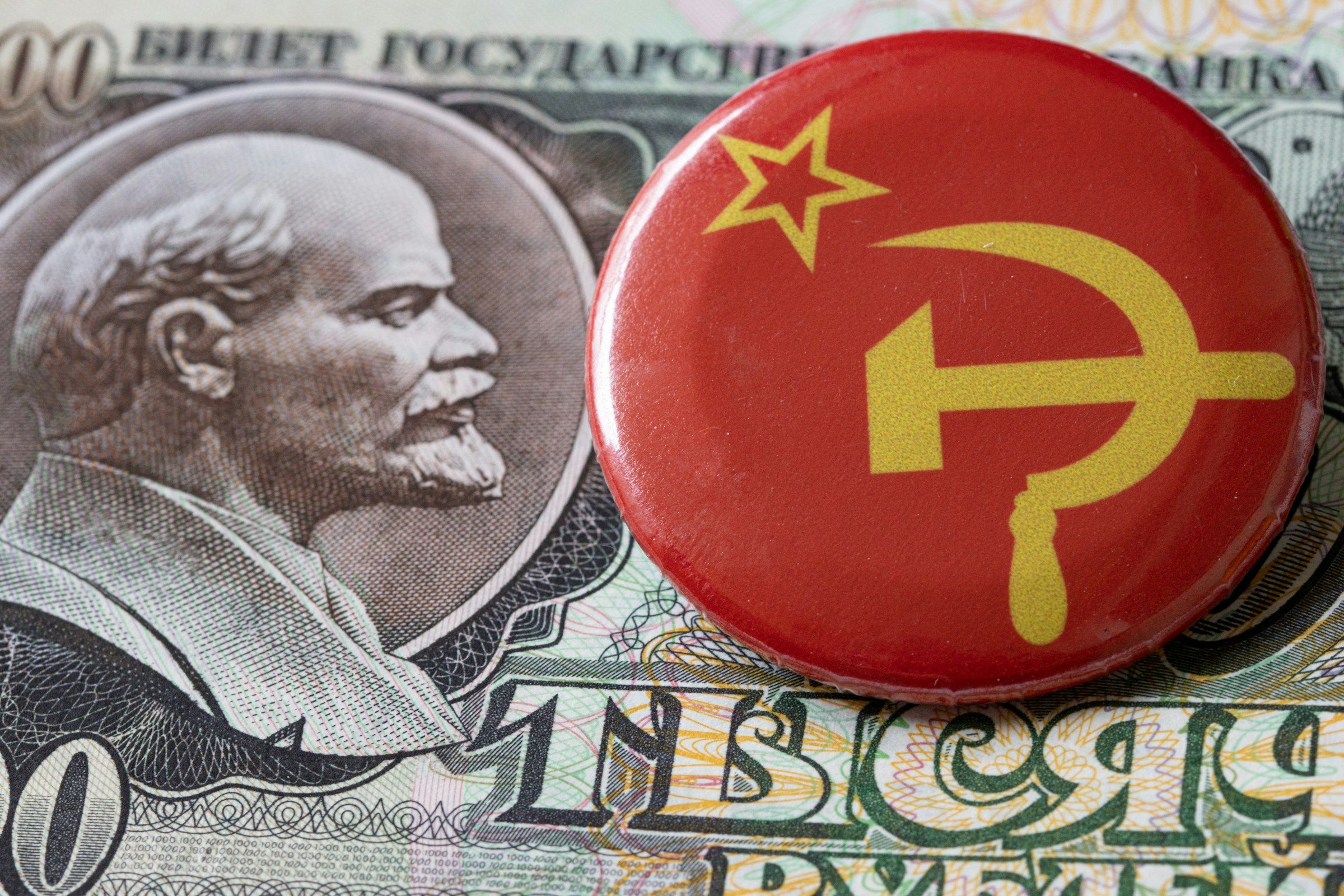
Maps get redrawn more often than most people realize. A country that felt permanent to one generation can vanish within a single lifetime, replaced by new borders, new flags, and sometimes new wars. Some of these disappearances happened quietly, through negotiation and paperwork, while others came apart in far messier ways.
What follows are five nations that once had their own governments, currencies, and passports, and today exist only in history books, old maps, and the memories of people who grew up under flags that no longer fly.
1. Yugoslavia
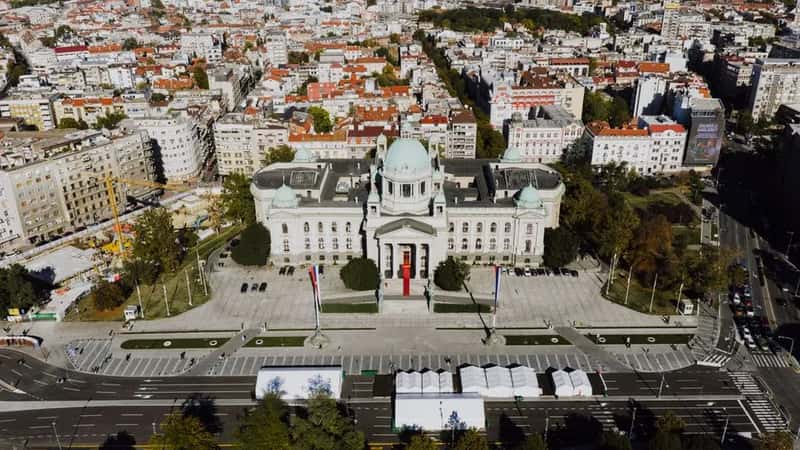
Yugoslavia was a socialist federation stitched together from six republics in the Balkans, and for a while it worked reasonably well. The Socialist Federal Republic of Yugoslavia, founded in 1943 during World War II, was a federation made up of six socialist republics, and from 1960 to 1980, the country was something of a regional power and an economic success story.[1] That stability didn’t survive the death of its longtime leader.
Following Tito’s death in 1980, leaders such as Slobodan Milosevic rose to power and took advantage of the weakening state by utilising Serbian ultra-nationalism to fan the flames of conflict.[1] Slovenia and Croatia broke away first in 1991, followed by Bosnia and Herzegovina and Macedonia, and by January 1992, the Socialist Federal Republic of Yugoslavia ceased to exist, having dissolved into its constituent states.[2] The remaining union of Serbia and Montenegro carried the Yugoslavia name a while longer, but even that arrangement eventually dissolved in 2006, closing the book on a country that once controlled a sizable chunk of southeastern Europe.
2. Czechoslovakia
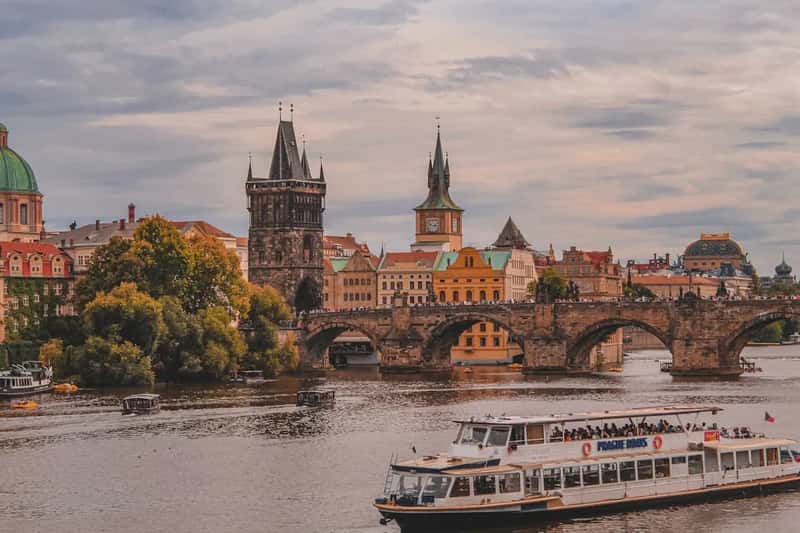
Unlike its Balkan neighbor, Czechoslovakia’s ending was almost boringly civil, at least on the surface. The Velvet Divorce refers to the dissolution of Czechoslovakia into two separate countries, Slovakia and the Czech Republic, and this split occurred on January 1, 1993, after a vote by the federal legislature in November 1992.[3] No referendum, no war, just a parliamentary decision that ended seven decades of shared statehood.
What makes the split interesting is that ordinary citizens weren’t exactly clamoring for it. Growing political tensions between Czechs and Slovaks, coupled with economic difficulties, led to the country’s split, and despite a majority favoring unity, political leaders opted for separation anyway.[3] The economic gap between the two halves played a role too, since the Czech lands, which included Bohemia and Moravia, were urban or industrial and more economically developed, while Slovakia stayed much more rural and possessed less economic opportunities.[4] Both resulting nations, the Czech Republic and Slovakia, are now firmly established EU and NATO members, but the country they came from hasn’t existed for over three decades.
3. The Soviet Union
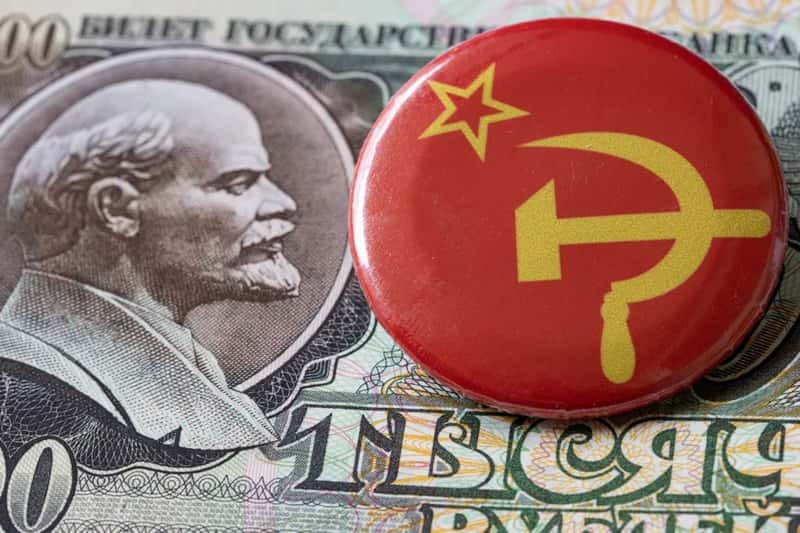
Few disappearances reshaped global politics quite like this one. The Soviet Union, officially the Union of Soviet Socialist Republics, existed from 1922 to 1991, and was a large country that covered a big part of Eurasia, stretching from the Baltic and Black Seas all the way to the Pacific Ocean.[5] It was, for most of the twentieth century, the counterweight to American power in a divided world.
The end came fast once it started. On December 25, 1991, the Soviet hammer and sickle flag lowered for the last time over the Kremlin, replaced by the Russian tricolor, and Mikhail Gorbachev resigned his post as president, leaving Boris Yeltsin as president of the newly independent Russian state.[6] Fifteen new nations emerged from the wreckage, and the collapse left some 30 million Russians outside the Russian Federation’s borders, mainly in Kazakhstan, Ukraine, and the Baltic countries.[5] Many of the borders and tensions from that split are still shaping headlines in 2026, which says something about how unfinished this particular breakup remains.
4. East Germany
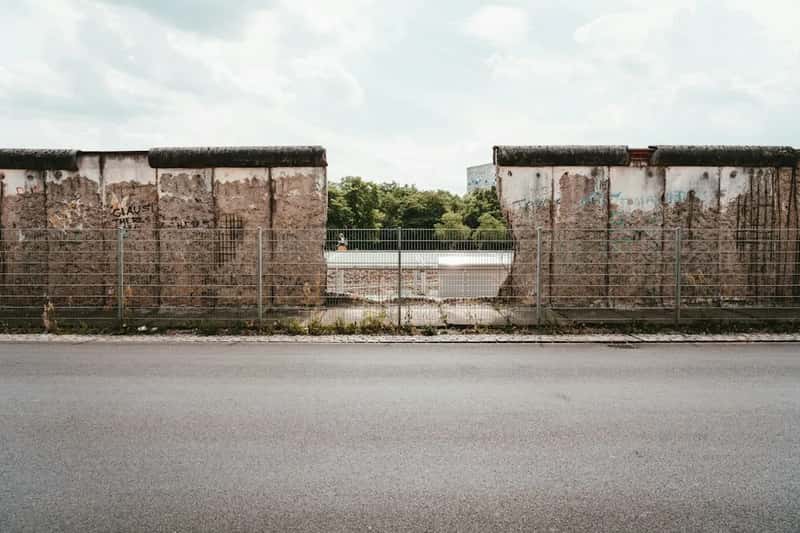
The German Democratic Republic, better known as East Germany, was a product of Cold War division rather than any organic national identity, and it lasted just over four decades. Its end was tied directly to one of the twentieth century’s most iconic moments. The fall of the Berlin Wall on November 9, 1989, paved the way for the reunification of Germany on October 3, 1990, and the liberation of Central and Eastern European countries previously bound under the Warsaw Pact.[7]
The reunification wasn’t purely symbolic celebration, either. It involved absorbing an entire state’s economy, institutions, and population into a democratic western system almost overnight, a process that carried real costs. Slow growth driven by the costs of reunification was soon countered by extensive labor market reforms and a manufacturing boom that made Germany the undisputed economic powerhouse of the continent.[7] East Germany’s disappearance is unusual on this list because it didn’t create a new country, it simply got folded into an existing one that had claimed to be its rightful continuation all along.
5. The Ottoman Empire
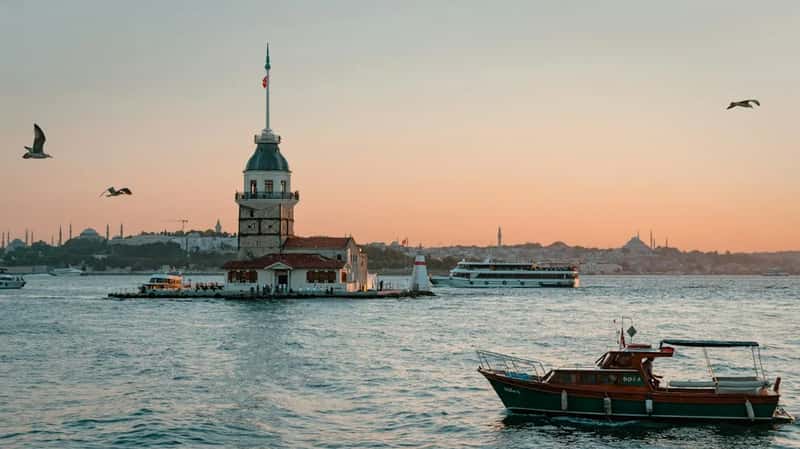
Before it was a modern nation state, Turkey was the seat of an empire that had ruled parts of three continents for centuries. That long run ended through a deliberate political decision rather than sudden collapse. The Grand National Assembly of Turkey abolished the monarchy on 1 November 1922 and ended the Ottoman Empire, which had lasted from around 1299.[8]
The transition to a republic took shape over the following year, formalized through international diplomacy. The Treaty of Lausanne of July 24, 1923, led to international recognition of the sovereignty of the newly formed Republic of Turkey as the successor state of the Ottoman Empire, and the republic was officially proclaimed on October 29, 1923, in Ankara.[9] Mustafa Kemal, later given the name Atatürk, became its first president, steering the new republic toward secular governance and away from the empire’s religious and monarchical traditions. It remains one of the cleanest examples of an empire ending not through conquest by outsiders, but through the deliberate choice of its own reformers to start something entirely new.