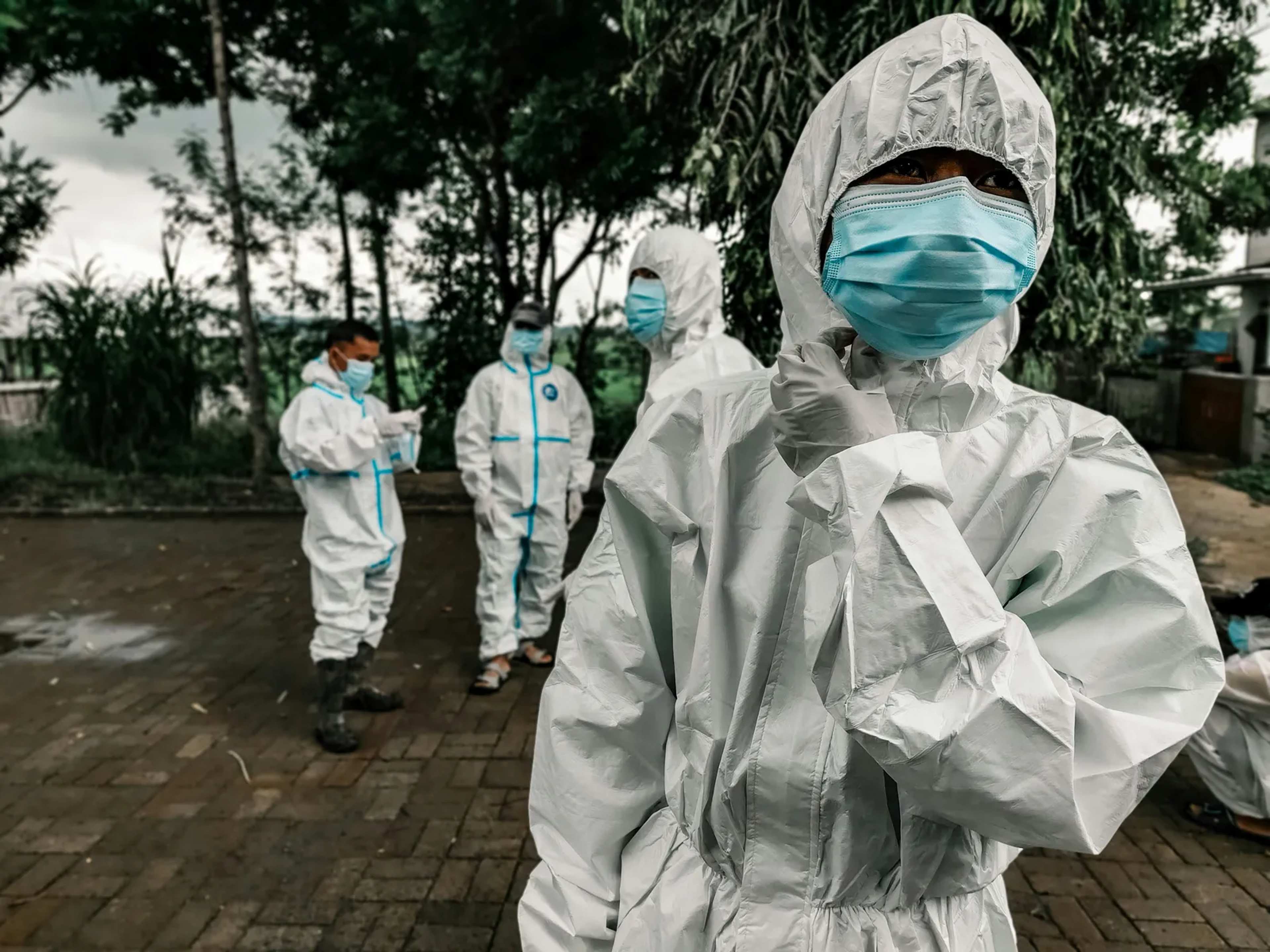
Travel advisories rarely make headlines the way a hurricane or a canceled flight does, yet they quietly reshape millions of vacation plans every year. The State Department reviews conditions constantly, and when a country’s risk profile shifts, so does its official rating, sometimes overnight.
Over the past several months, a handful of popular destinations have seen their safety status slide in the wrong direction, moving from routine caution to something closer to a warning. Here’s a look at five countries where that shift just happened, and the specific events behind each decision.
Bahrain

Bahrain’s advisory jumped sharply after the U.S. Iran hostilities began at the end of February 2026. Following the onset of hostilities between the United States and Iran on February 28, there has been an ongoing threat of drone and missile attacks from Iran and significant disruptions to commercial flights. That alone would justify a higher warning, but the State Department went further and ordered a partial evacuation of its own diplomatic presence.
On March 2, 2026, the Department of State ordered non-emergency U.S. government employees and family members of U.S. government employees to leave Bahrain due to safety risks. That kind of staffing pullback is rarely reversed quickly, since it usually signals that embassy officials expect the situation to remain unstable for a while. Terrorism concerns compounded the picture too, with the advisory noting an ongoing risk of terrorist violence, including terrorist attacks and other activity in Bahrain. For American travelers with Gulf itineraries, Bahrain went from a routine caution stop to a country requiring real reconsideration almost overnight.
Qatar

Qatar’s downgrade landed the same week as Bahrain’s, and for many travelers it hit closer to home simply because of how many people pass through it. Following the exact same timeline and geopolitical ripple effect as Dubai, Qatar also saw a massive shift in its official safety rating, and as a massive international transit hub, millions of Americans pass through Doha every single year, making any advisory change a major logistical headache for global travelers. On paper it looks like a routine level change, but the practical fallout was anything but routine.
On March 2, 2026, the State Department bumped Qatar up to a Level 3 “Reconsider Travel” advisory, with reasoning tied directly to the US-Iran conflict, coming with severe operational disruptions as routine consular services were suspended and the FAA issued strict flight restrictions over the surrounding airspace. The consequences showed up quickly in traveler sentiment as well. Qatar’s safety index score dropped to a 59 out of 100, reflecting the anxiety of travelers navigating canceled flights and complicated transit routes. For anyone connecting through Hamad International on the way to South Asia or East Africa, that downgrade was not an abstract policy footnote.
United Arab Emirates

The UAE’s case is a good reminder that a downgrade doesn’t always mean the streets themselves feel dangerous. While ground safety in Dubai is incredible, the UAE was recently bumped to Level 3. Tourists walking through Dubai Mall or lounging on Jumeirah Beach wouldn’t necessarily notice anything different day to day, which makes this one of the more counterintuitive shifts on this list.
The real concern sits above the country rather than within it. The change is due to increased regional tensions and the potential risk of drone or missile strikes targeting aviation hubs, so travelers should expect periodic, unannounced flight disruptions. That distinction matters for trip planning. It’s less about avoiding certain neighborhoods and more about building buffer time into any itinerary that depends on Dubai or Abu Dhabi as a connection point, since airspace closures can appear with little warning.
Grenada
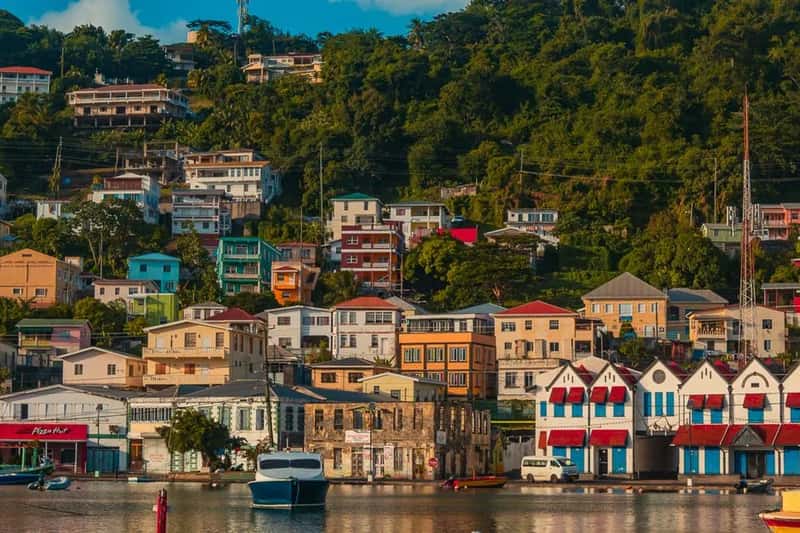
Grenada’s downgrade surprised a lot of longtime Caribbean travelers, precisely because the island had built a reputation as one of the region’s safest bets. Grenada is often cited as one of the safest islands in the Caribbean, usually sitting comfortably at Level 1. That reputation is exactly why the change registered as news rather than routine housekeeping.
The shift wasn’t tied to a hurricane, a political crisis, or a diplomatic dispute. The State Department raised its advisory level due to a specific uptick in crime. A single-category driver like this tends to be narrower than a security-driven downgrade, but it still changes the calculus for travelers weighing an island getaway, particularly for those planning to venture beyond resort grounds and into local towns after dark.
Trinidad and Tobago
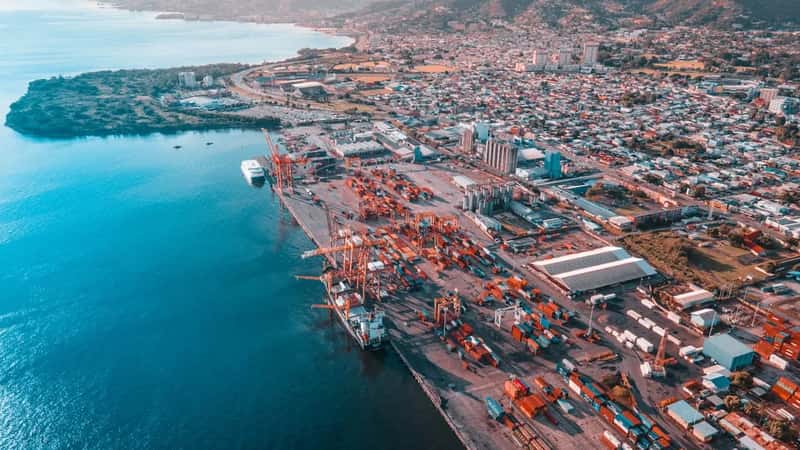
Trinidad and Tobago’s advisory situation escalated well beyond a simple numbers adjustment. The country’s Level 3 rating was renewed with fresh urgency in the spring. Reissued on April 13, 2026, the country remains a “Reconsider Travel” zone, with a nationwide State of Emergency declared in March due to a spike in violent crime.
What sets this advisory apart from a broad, country-wide warning is its specificity. The U.S. has designated specific “no-go” areas in Port of Spain, including Laventille and Beetham. That level of granular detail tells travelers exactly where the elevated risk concentrates, rather than painting the entire twin-island nation with the same brush. Still, a formally declared State of Emergency is not a small thing, and it’s the kind of backdrop that makes even routine trips worth a second look before booking flights.
Travel advisories like these aren’t meant to scare anyone away from packing a suitcase. They exist to give travelers the same information diplomats and security officials already have, so a trip can be planned with open eyes rather than assumptions carried over from a country’s reputation five years ago. Conditions in Bahrain, Qatar, and the UAE trace back largely to the same regional flashpoint, while Grenada and Trinidad and Tobago reflect more localized, crime-driven shifts that can change again with time. Checking the State Department’s live advisory page before finalizing any international trip remains the simplest way to know exactly what’s changed, and why.